
Acting
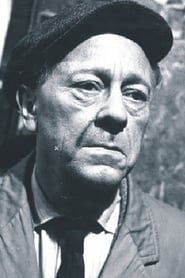
Hans Hardt-Hardtloff
Born — Died
1906-08-08 — 1974-05-24
Place of birth
Cologne, Germany
Known for
Acting
Credits
70 titles
Known for
 6.2
6.2Polizeiruf 110 is a long-running German language detective television series. The first episode was broadcast 27 June 1971 in the German Democratic Republic, and after the dissolution of Fernsehen der DDR the series was picked up by ARD. It was originally created as a counterpart to the West German series Tatort, and quickly became a public favorite.
Polizeiruf 110
1971
 9.0
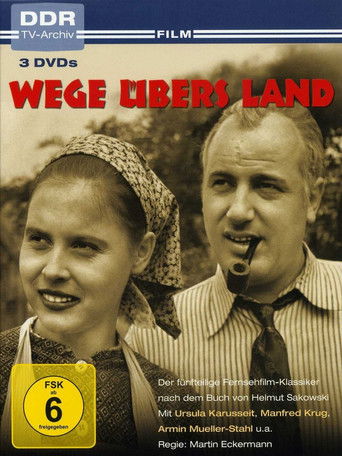
9.0East German TV miniseries about the young maid Gertrud Habersaat, who marries, moves from Mecklenburg to Poland in the early 1940s, has to come back to Mecklenburg as a refugee during World War II and finally finds her place during the 1950s.
Ways across the Country
1968
 5.1
5.1As American settlers encroach on the lands of the Lakota people, Tokei-ihto witnesses the murder of his father at the hands of Red Fox, who wanted information on where the tribe finds its gold. Two years later, at the height of the Great Sioux War, Tokei-ihto and Red Fox meet again.
The Sons of Great Bear
1966
 5.9
5.9Paul and Paula have had bad experiences with love: Paul is financially well off but has lost all affection for his wife, and Paula leads a troublesome life raising two children on her own. They meet and discover a strong passion for each other. Life seems like a dream when they're together - but their short flights from the burdens of reality are once and again interrupted by Paul's ties to family and career.
The Legend of Paul and Paula
1973
 10.0
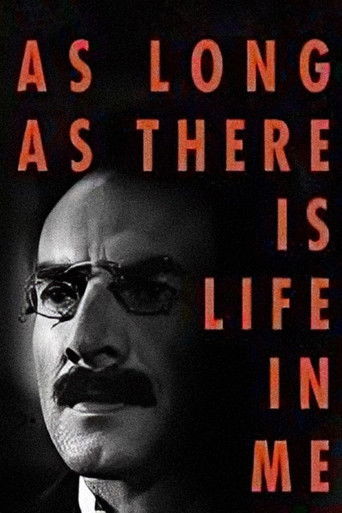
10.0This is part one of a two-part biopic about Karl Liebknecht. In 1914, Germany is arming itself for war. Karl Liebknecht, left-wing revolutionary Social Democrat, workers’ leader and a virulent antimilitarist, is one among 110 SPD members of Parliament who vote against approving war loans. From then on, he is considered un-German and a traitor to the fatherland, and his own party’s leadership turns against him. Despite threats, Liebknecht speaks up against the war and writes the manifesto “The Main Enemy Is at Home.” Even when he is arrested and charged with treason, he does not surrender.
As Long as There’s Life in Me
1965
 8.0
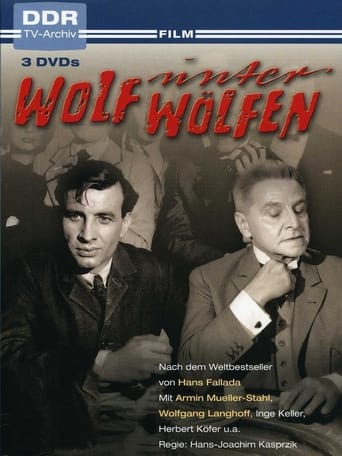
8.0The living conditions during the period of inflation in the early 1920s are depicted in a fascinating way. Behind a shiny façade, ordinary people struggle for bare survival. Opposite them stand landowners and former military personnel with their complacency, ignorance, and emptiness! The title character, Wolfgang Pagel—a cadet officer, unemployed and a gambler out of desperation—loses everything on the night before his wedding and sets out in search of money in the inflation-ridden Berlin of the 1920s.
Wolf Among Wolves
1965
Film credits
1970s · 8 titles
5.9Paul and Paula have had bad experiences with love: Paul is financially well off but has lost all affection for his wife, and Paula leads a troublesome life raising two children on her own. They meet and discover a strong passion for each other. Life seems like a dream when they're together - but their short flights from the burdens of reality are once and again interrupted by Paul's ties to family and career.
The Legend of Paul and Paula
1973
 7.2
7.2October 1918: Karl Liebknecht is released from prison and Berlin workers celebrate his release. Although WWI is almost over, the German Kaiserreich in vain sends its last reserves to the slaughter. The working class is in a rebellious mood; the uprising of Kiel’s sailors against war and militarism sets off a call for revolution led by Liebknecht. On November 9, Liebknecht declares the Free Socialist Republic of Germany. But pro-Kaiser military and right wing Social Democrats oppose him.
Despite It All!
1972
 6.6
6.6Soldier Ignaz Wolz returns from WWI with an immeasurable hatred of capitalist war profiteers. He decides to start his own revolution, but tries to stay away from the organized class struggle. He steals from the rich men and divides the wealth among the poor. One day, Wolz is arrested and sentenced to life in prison; seven years later he is released due to mass protests. More than ever, it is hard for him to fit in. He severs ties with his former companions, who reject his ideas, and leaves Germany.
Wolz – Life and Transfiguration of a German Anarchist
1973
 7.0
7.0East Berlin, early 1970s: the funny, somewhat eccentric repair mechanic Roland and the cashier Christel quickly become a couple. After some back and forth, they get married and their first child is soon on the way. But the young couple's everyday life is not always free of conflict: Christel has taken an evening course to get ahead professionally, while Roland takes care of the child and household after work. Will their love withstand the strain? In "Standesamt - Eintritt frei", director Manfred Mosblech tells a subtle and cheerful everyday GDR story about two young people who are searching for the right path for themselves between professional life, friendships and marriage.
Standesamt - Eintritt frei
1971
 7.0
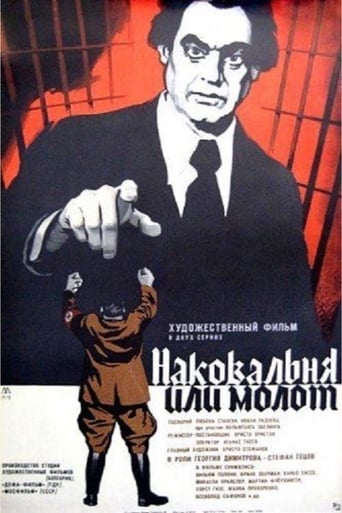
7.0This is a political picture about the Bulgarian revolutionary Georgi Dimitrov. In 1933 during the Reichstag Fire Trial trumped-up charges of having set the Reichstag on fire were brought against him. At the trial Dimitrov exposed the machinations of the Nazis and turned from a defendant into an accuser. Central to the story is the face-to-face political duel between Dimitrov and Goering. Dimitrov's interactions with ordinary Germans, the memories of his wife Lyuba Ivoshevich, and the meetings with his mother Parashkeva alternate with documentary shooting scenes from the time of Nazi Germany.
Hammer or Anvil
1972
 6.5
6.5A broadly drawn ideological epic set in the summer of 1947 in the borderlands of northern Bohemia: reactionary elements plot to undermine postwar social change while committed local communists struggle to organize workers and defend the emerging order. The narrative follows several archetypal figures—steadfast party activists, wary peasants, and obstructive reactionaries—whose clashes illustrate the claimed inevitability of working-class victory under communist leadership.
Kronika žhavého léta
1973
A working-class son who became orphaned in the war is brought up by his foster father to become an upright citizen. Now, after graduating from a teacher training college, he is faced with the task of preparing young people for life.
Folge einem Stern
1970
 5.3
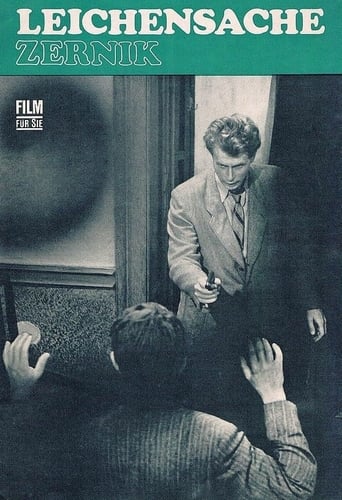
5.3After meeting the woman on the train Erwin Retzmann kills her in the forest.
The Zernik Murder Case
1972
1960s · 46 titles
5.1As American settlers encroach on the lands of the Lakota people, Tokei-ihto witnesses the murder of his father at the hands of Red Fox, who wanted information on where the tribe finds its gold. Two years later, at the height of the Great Sioux War, Tokei-ihto and Red Fox meet again.
The Sons of Great Bear
1966
10.0This is part one of a two-part biopic about Karl Liebknecht. In 1914, Germany is arming itself for war. Karl Liebknecht, left-wing revolutionary Social Democrat, workers’ leader and a virulent antimilitarist, is one among 110 SPD members of Parliament who vote against approving war loans. From then on, he is considered un-German and a traitor to the fatherland, and his own party’s leadership turns against him. Despite threats, Liebknecht speaks up against the war and writes the manifesto “The Main Enemy Is at Home.” Even when he is arrested and charged with treason, he does not surrender.
As Long as There’s Life in Me
1965
 6.6
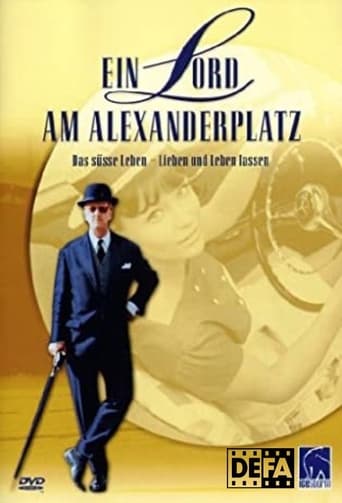
6.6Ewald Honig can't break his bad habit. Hardly has he crossed over into the GDR when the strapping, well-built man in his late fifties once again starts courting ladies with fraudulent intentions. His daughter Ina, burdened with the same genes, specializes in married men in their prime. Two criminologists are on the Honigs' trail, but they soon have enough to handle just dealing with each other. Meanwhile, Honig and his daughter have left their wayward path of their own accord.
A Lord of Alexander Square
1967
 6.3
6.3Was it an act of sabotage or willful negligence? The non-party engineer Heinz Solter is suddenly arrested and accused of approving a defective pipeline that caused a half million loss to his company. At first, the case seems clear-cut for the state prosecutor, but when he probes deeper, he discovers that Solter had acted against his better judgment due to the pressure from his career-driven and authoritarian boss.
Spring Takes Time
1965
 6.4
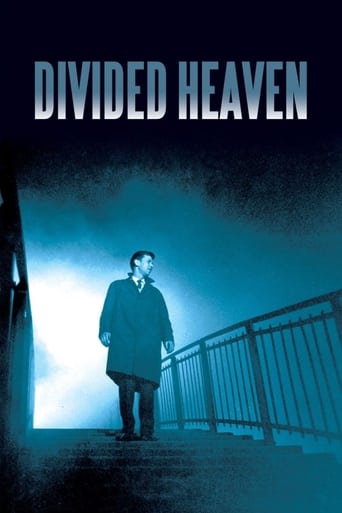
6.4After a breakdown, Rita returns to her childhood village in 1961. As she recovers, she remembers the past two years: her love for the chemist Manfred, ten years her senior; how his enthusiasm about his new chemical process turned to bitter disappointment in the face of official rejection; how he escaped to West Berlin a few weeks before the Wall was built and hoped that she would follow him …
Divided Heaven
1964
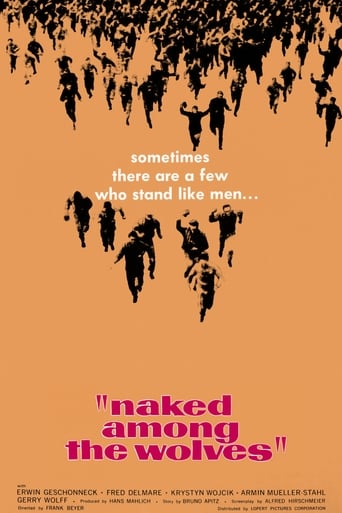 6.3
6.3Based on a true story of inmates at KZ Buchenwald that risked their lives to hide a small Jewish boy shortly before the liberation of the camp.
Naked Among Wolves
1963
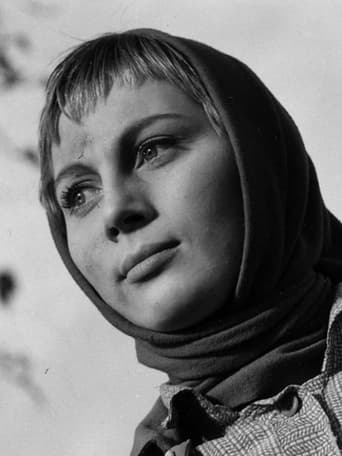 8.0
8.0Christine is a young farm worker in a small village in post-war Germany. Her attempts to improve her situation through further education are hampered by frequent pregnancies arising from ill-fated relationships.
Christine
1963
 6.7
6.7An idealistic teacher is shocked to discover her pupils are already cynical and opportunistic. Her colleague soon grows resentful when she uses new and challenging techniques to help her students overcome obstacles.
Carla
1965
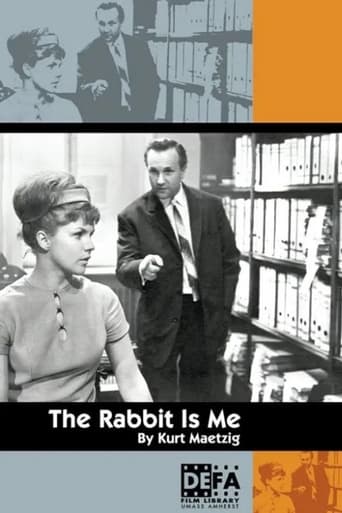 6.7
6.7Maria, a young student sees her brother Dieter going to prison for sedition against the state. She starts an affair with Paul, a judge who turns out to be the one who sentenced her brother, which eventually leads to a confrontation.
The Rabbit Is Me
1965
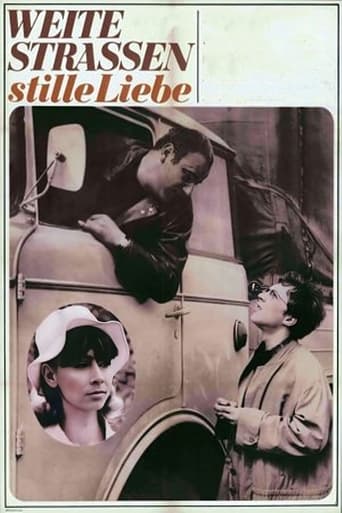 5.5
5.5Long-haul driver Hannes picks up a young hitchhiker, Herb, who had a falling-out with his parents after dropping out of college and now travels around doing odd jobs. After a series of adventures, they are joined by Johanna and her child, who missed their bus and need a ride to Berlin. Johanna has left her husband so that he can reflect on their broken relationship and both men gradually begin to fall in love with her.
Long Roads - Secret Love
1969
 6.6
6.6A wild story set in eighteenth-century Prussia. Alexander can do everything that a real devil of a fellow must be able to do: ride, shoot, love and devise clever plots. As a result, he is able to climb the ladder from herder to chamber master, where he makes a fool of the feudal lords.
Mir nach, Canaillen
1964
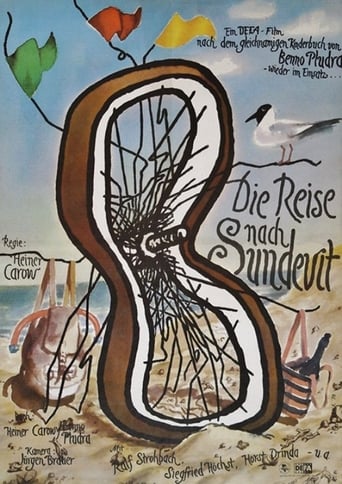 5.2
5.2Little Tim Tammer, the son of a lighthouse keeper, lives right on the Baltic Sea beach, but his remote home often leaves him feeling lonely. When Young Pioneers pitch their tents nearby, he is overjoyed and quickly makes new friends.
The Journey to Sundevit
1966
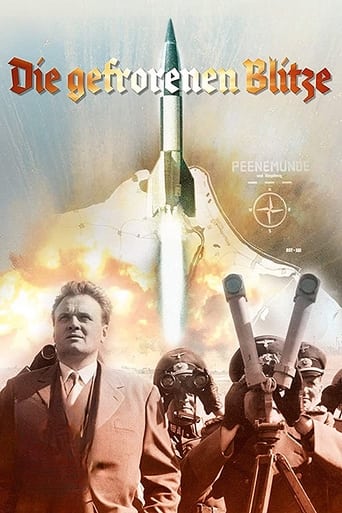 7.8
7.8In November of 1939, the British consulate in Norway receives documents saying that the Nazis are conducting secret rocket research in Peenemünde. But the British doubt the authenticity of the so called "Oslo report". Thus, the Germans continue their experiments unimpeded. At the same time, resistance groups from France, England, Poland, and Germany try to find and to sabotage the secret Nazi research base. When the first "V 2" rocket is successfully launched, the Allied commanders finally become interested in the "Oslo report".
Frozen Flashes
1967
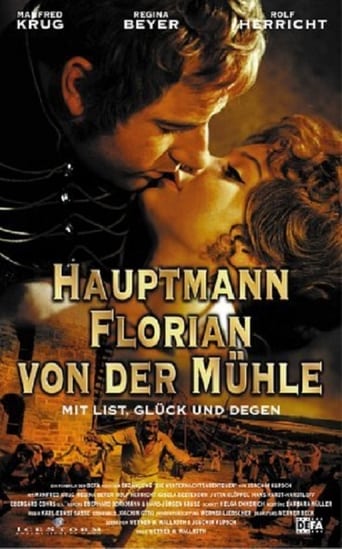 4.9
4.9This story of the miller Florian, who gave all his money to the war against Napoleon, is loosely based on a true story. After the war, Florian's reimbursement is challenged, and he must also pay taxes on his destroyed mill. He resists the tax collectors and takes off to Vienna, where he intends to defend his rights. On the way, he rescues the Duchess of Guastalla from assault. She also wants to go to Vienna, as His Majesty Franz II is trying to contest an heir in her favor. With cunning, luck, and dagger, Florian fights his way through a slew of nobility and their secret police.
Hauptmann Florian von der Mühle
1968
A film about Jewish cemeteries in East Berlin, based on a screenplay by Günter Kunert, with text by Rabbi Martin Riesenburger. There are shots of gravestones and inscriptions – deported, murdered, perished; in Auschwitz or Theresienstadt. Commentary reminds us of the victims – "in 1933, 160,564 Jewish citizens lived in Berlin; in 1945, 3,500".
Memento
1966
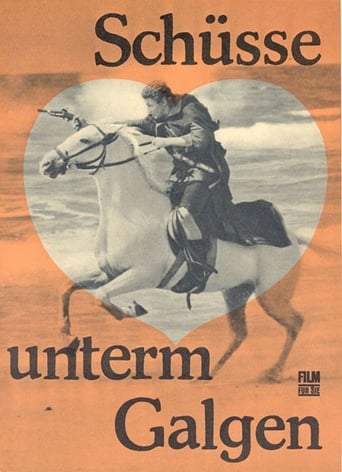 9.0
9.0In Scotland in 1751, young David Balfour is shanghaied aboard a ship where he meets Jacobite rebel Alan Breck Stewart with whom he escapes to the Scottish Highlands, dodging the redcoats.
Schüsse unterm Galgen
1968
 6.4
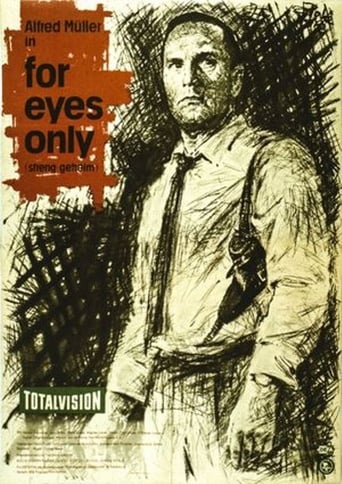
6.4The "Concordia" trading company in Würzburg is a secret headquarters of the MID, a secret service agency of the US Army. For years, espionage, sabotage, and diversion operations originated from here in order to undermine the Socialist Republic of Germany. A favorable moment for a military attack approaches and plans are developed. These plans are placed in the hands of Major Collins, who keeps them in a safe. Hansen has worked for him for many years, but also for the Stasi as a double agent. Security Chief Colonel Rock knows there is a leak, but Hansen has passed every test thrown at him. He is trying to deal with his current assignment: acquiring the plans so they can be made public. His mission is to get them out of the safe and into the GDR without getting caught.
For Eyes Only
1963
 8.0
8.0After the death of their father, 18-year-old Helene Raupe (“coccoon”) and her younger sister Asta come under the guardianship of the youth welfare office in East Berlin. Helene fails miserably as a fishmonger, fashion assistant and bus conductor, all jobs ordained for her by the authorities. The young woman really only “emerges” in her fantasies, where she can escape from her dull, normal life.
Miss Butterfly
1966
 7.4
7.4High-school senior Peter considers the adults around him to be hypocritical, self-congratulatory, and immersed in the past. He gets suspended for writing an essay that his teachers consider to be a challenge to the state. Just Don't Think I'll Cry became one of twelve films and film projects-almost an entire year's production-that were banned in 1965-1966 due to their alleged anti-socialist aspects. Although scenes and dialogs were altered and the end was reshot twice, officials condemned this title as "particularly harmful." In 1989, cinematographer Ost restored the original version, and this and most of the other banned films were finally screened in January 1990. Belatedly, they were acclaimed as masterpieces of critical realism.
Just Don't Think I'll Cry
1965
 10.0
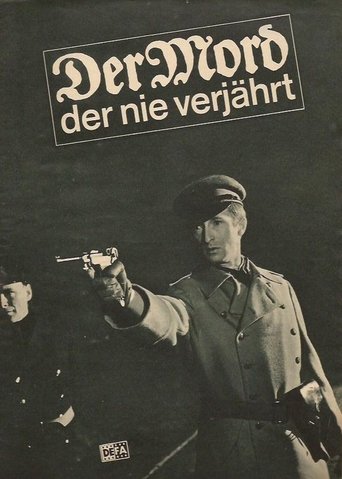
10.0In 1929 Berlin, the progressive editor-in-chief Bornstein is on trial for libel. An article in his magazine attempted to uncover the role that Reichsanwalt Jörns had played ten years earlier in the "clarification" of the murders of Rosa Luxemburg and Karl Liebknecht. The article explained that the then court martial judge knowingly covered up for the murderers and delayed the trial. At the trial, the testimony of witnesses succeeded in proving the truth of the publication and exposing those behind the murders as those who were preparing fascism.
Der Mord, der nie verjährt
1968
 9.0
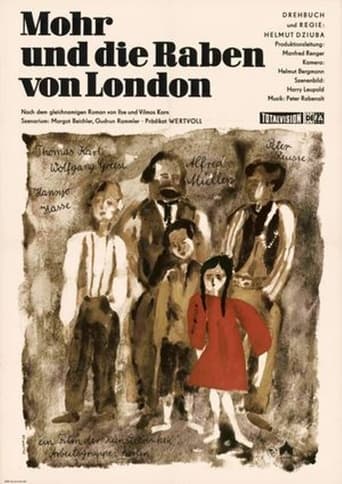
9.0London in 1856. Karl Marx is living in exile in the British capital. One day, "Mohr", as Marx is called by his friends, meets the 13-year old worker′s son Joe. The boy works every day for twelve hours in a spinning mill and even has to work night shifts although that violates current rules. Marx tries to end the illegal activities of the spinning mill owner and one night shows up at the mill together with an inspector. But his foray is undermined by a robbery by the rebellious raven gang that is led by Joe′s brother Billy. The spinning mill owner of course takes this chance to blame his young workers for the theft. But Marx is not let astray and does not stop to fight against child labour. Furthermore, he tries to get the members of the raven gang back on the straight and narrow – with success.
Mohr und die Raben von London
1969
 6.3
6.3The communist and resistance fighter Lorenz Reger, who after the war put all his efforts in the creation of a socialist German state, learns that he has only a short time left to live. Nevertheless, he wants to take on one last difficult new task: He wants to restructure a large firm which has run deep into the red numbers. In a short amount of time, Reger manages to establish mutual trust between the employees and the new management. Furthermore, he motivates the employees with his personal interest for their concerns.
Time to Live
1969
 7.0
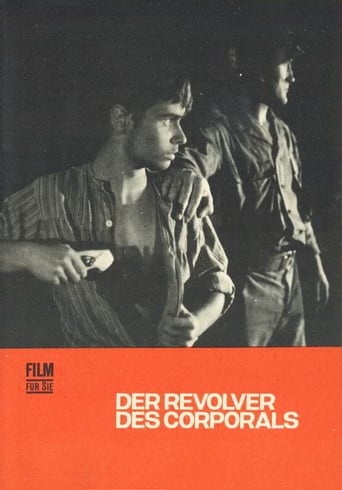
7.0Film by Rolf Losansky.
Der Revolver des Corporals
1967
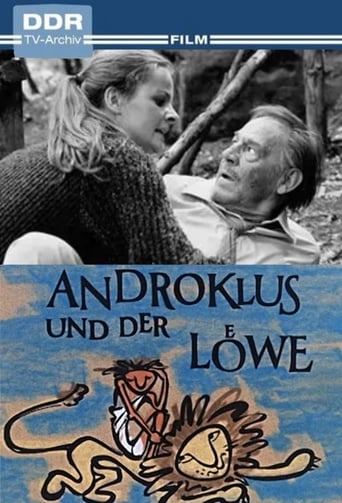 7.0
7.0Rome at the time of the persecution of Christians: Androclus, a poor tailor, frees a lion in the forest from terrible pain caused by a thorn in his paw. The two meet again by chance when the devout Christian is about to be thrown to wild animals in the arena. The lion spares him with gratitude, but the real danger for Androklus comes from another direction.
Androcles and the Lion
1969
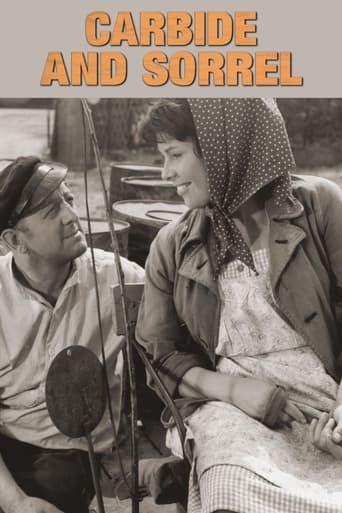 6.9
6.9After the second World War, Dresden has a lot of reconstructing to do. To get the cigarette factory he once worked for running again, Kalle has to travel to Wittenberg - the only place where carbide can be found. Once there, Kalle find himself in the unfortunate situation of having to hitchhike his way back to Dresden, transporting seven heavy barrels of carbide. However, his inventiveness and optimistic attitude help transform the grueling task into an adventurous, entertaining, and funny journey.
Carbide and Sorrel
1963
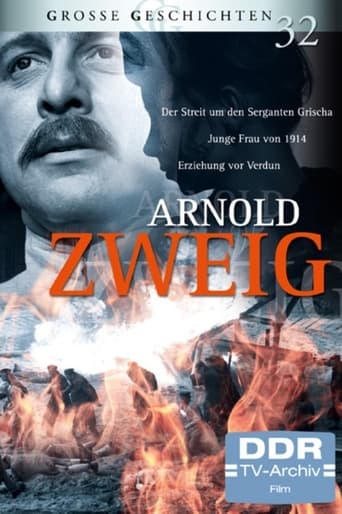 9.0
9.0Russian soldier Grisha escapes from a German prisoner-of-war camp in the spring of 1917. He is caught and is to be shot as a spy. This decision is controversial. The dispute continues. Grisha is executed on the orders of the army high command.
Der Streit um den Sergeanten Grischa
1968
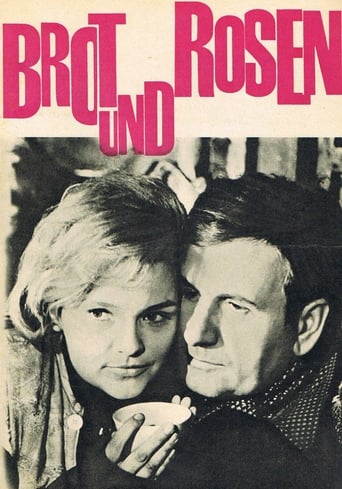 10.0
10.0At the VII Party Congress of the SED, a delegate tells a reporter his life story: 18-year-old returning soldier Georg Lendau ends up in a small village in 1945. He is starving and sick. Mayor Kallam helps. Later, they meet again; Kallam is now the director of a heavy engineering company. He gives Georg, who is a lathe operator, work. But Kallam has more plans for him and wants to send him to university. Georg refuses. An extra shift, which he only did so that he could buy his future wife wedding shoes, brings him into conflict with backward colleagues - and the realization that you first have to work better if you want to live better. He followed this insight with action, becoming a master craftsman, comrade and student.
Brot und Rosen
1967
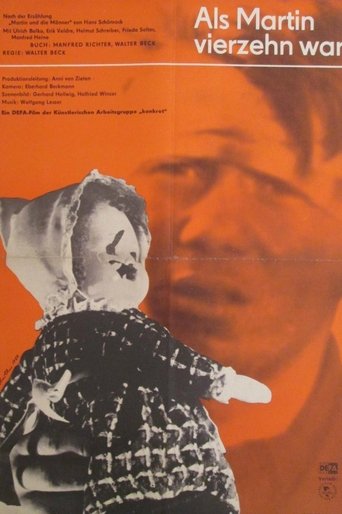 6.8
6.8Martin′s and his girlfriend′s Kathrin′s childhood comes to an abrupt end in 1920, when their Mecklenburg village is drawn into the events surrounding the Kapp putsch. By accident, Martin discovers a charge of weapons that land owner von Bröder had put away for the reactionary forces, and gives them to the workers in the city. When the village starts to organize a strike against the putsch, soldiers arrive at the village to hold down the residents of the village.
When Martin Was Fourteen
1964
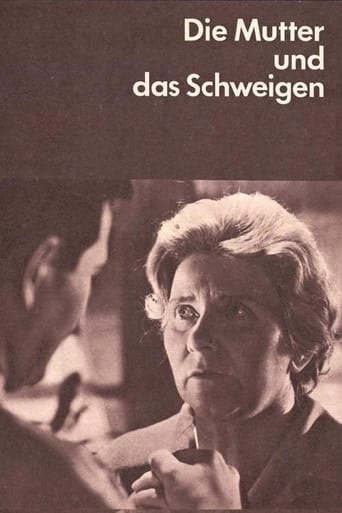 7.0
7.0Based on a true story from 1936: Klara Baumann, a working-class woman, communist and mother, flees her German homeland for neighboring Czechoslovakia. When a party courier is arrested in Berlin, Klara agrees to return to Germany with illegal material. On behalf of the central courier service, she returned to Germany illegally many times, risking her life, in constant fear of being caught. When the illegal party cell in a large Berlin factory is arrested, Klara distributes the latest issue of the Red Signal on her own. She wants to prove to the Gestapo that she has imprisoned the wrong people. Authentic story of a communist and mother who flees her German homeland for neighboring Czechoslovakia in 1936.
Die Mutter und das Schweigen
1966
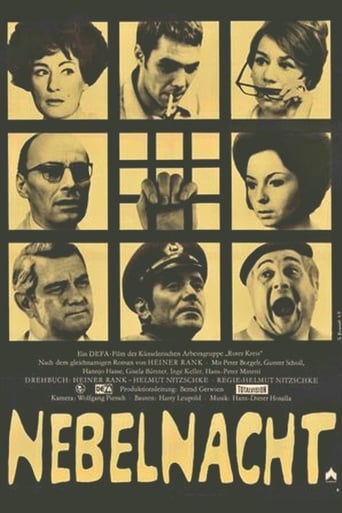 8.0
8.0When a motorcyclist dies in an accident, lieutenant Kreutzer and his colleague Arnold receive the order to investigate the backgrounds of this mysterious case. Although the leads point to murder, head physician Dr. Nikolai, the driver of the car involved in the accident, maintains his innocence and even has an alibi. With a lot of arduous detail work, Kreutzer follows all leads and evidence. Both Nikolai’s colleagues and his son act suspiciously. Eventually, Kreutzer convicts the criminal who secretly used the physician’s car for his criminal dealings.
Nebelnacht
1969
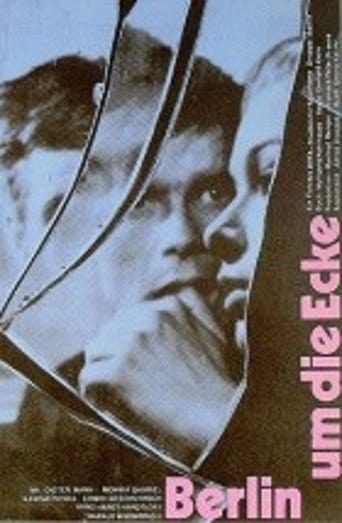 5.1
5.1Berlin in the 1960s. Olaf and Horst are two young metalworkers, who provoke their older colleagues with critiques of the antiquated equipment and lack of materials... not to mention their love of leather jackets and motorbikes. Olaf and Horst begin to be targeted in the house newsletter, and the generational conflict escalates.
Berlin Around the Corner
1966
 5.5
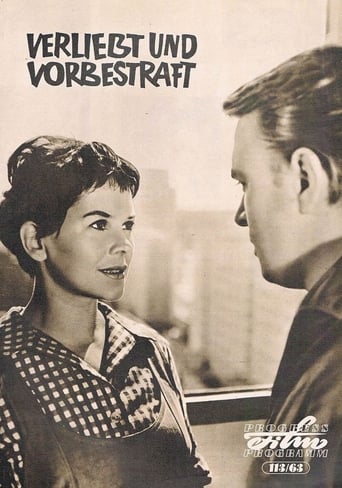
5.5The young architect Hannelore becomes part of the all-male brigade Fröhlich whose members are supposed to build houses at the Strausberger Platz in Berlin. The brigade men drink a lot of beer and are less than thrilled about the new girl. Hanne is the only one who is absolutely delighted with Hannelore. When he starts a drunken fight on May Day, he is arrested and accused of armed robbery. Hannelore immediately convinces the other men in the brigade to help Hanne.
In Love and Previously Convicted
1963
 6.5
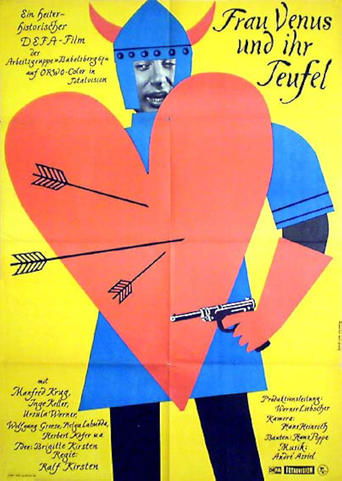
6.5Hans Müller finds himself on a trip in Thüringen, accompanied by his loving female friend, Moritz. Hans doesn't understand much about trust, which constantly leads to problems between the two of them. During one of their fights, Lady Venus intervenes and sends the young man back to the Middle Ages - so he can learn the true meaning of love. Disguised as Tannhäuser, he has to stand his ground against a horde of minstrels. At a singing competition, he blunders, without the support of Moritz, who had also been thrown back into the 13th century. And with the help of Frau Venus, his adventure will surely turn out even worse...
Frau Venus und ihr Teufel
1967
 10.0
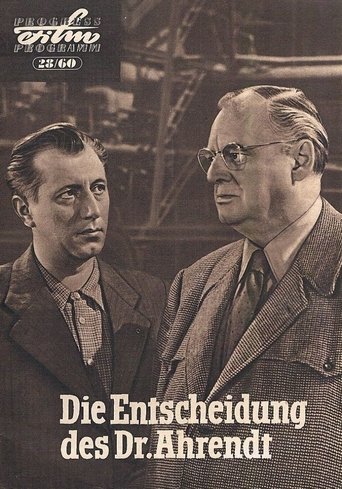
10.0Film by Frank Vogel.
Die Entscheidung des Dr. Ahrendt
1960
At a farm-equipment plant, production lags at 89 % and a new, untested combine proves a “failure” in the fields. A promising redesign exists, crafted by a transplanted West German engineer, but he’s mistrusted. Meanwhile, workers and the Party secretary blame plant director Berendonck’s poor leadership. As harvest season looms, personnel upheaval and swift action are needed to install the reliable new machine and get production back on track.
Ein Mann und sein Schatten
1963
 6.5
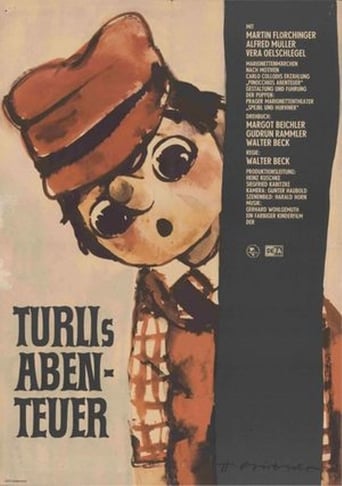
6.5The puppet boy Turli, who was only recently been carved from wood by the toymaker Kasimir, suddenly springs to life. Turli has nothing but nonsense on his mind and wreaks chaos everywhere he goes, although he is actually supposed to attend school.
Pinocchio
1967
 7.8
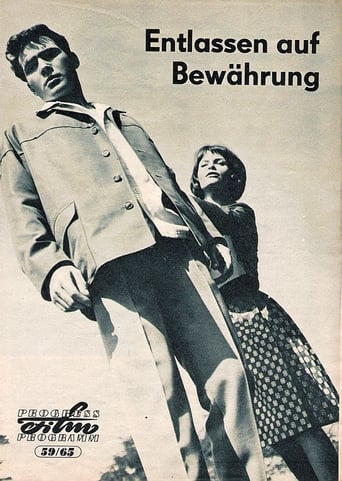
7.8After causing a deadly hit-and-run motorcycle accident, Conny Schenk spends two years in prison, where he is able to complete a printing apprenticeship and is released early for good behavior. While he is still on probation, money is stolen at the company where he works and everyone is quick to suspect Conny. Can he overcome his past mistakes and start fresh, or will the mistrust of his colleagues and friends become a self-fulfilling prophecy?
Entlassen auf Bewährung
1965
 6.7
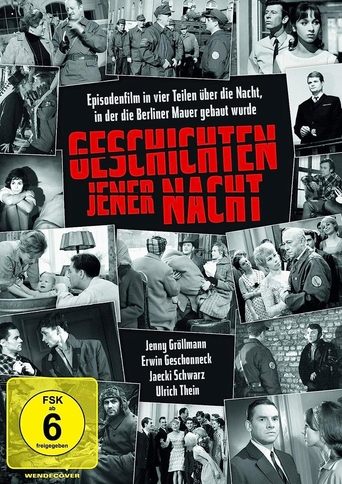
6.7Four directors - four styles - four episodes, all relating the events of a single night which has entered the history books: August 12-13, 1961. There are thousands of complex narratives connected with the frontier drawn through the middle of Berlin, and each episode relates the story of a difficult decision made on that night...
Stories of That Night
1967
 7.0
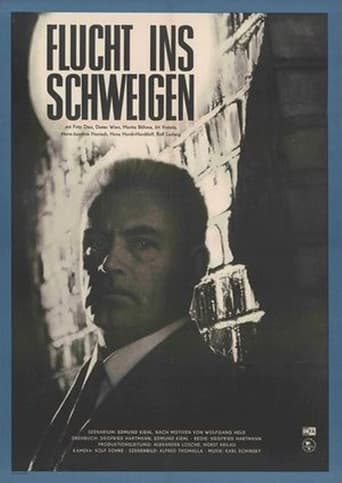
7.0During construction work in a small town in Thuringia, the burial of an unidentified man in an SS uniform with gunshot wounds is discovered. Taking into account that there were no military operations in this place and an ancient gold coin was found near the body, two police inspectors, Captain Stetter and Lieutenant Hoffmann, arrive to investigate the unusual incident. Soon they manage to get on the trail of a mysterious crime that took place twenty years ago, but it is cut short with the murder of the owner of the plot of land where the corpse was found. Realizing that the new crime is closely connected to the death of an unknown SS man, the police search for clues in the memories of old residents and archival documents.
Flucht ins Schweigen
1966
 6.0
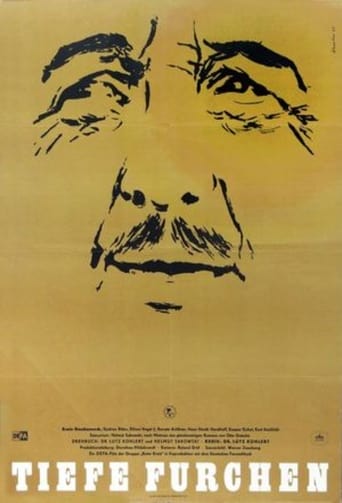
6.0Germany in May 1945: the war is over, men are returning home and a new life begins in the villages. After 12 years in a concentration camp, the "Red Shoemaker" also returns to his home village. His wife is dead and others live in his house: Gebhardt, an employee on the farm of the large farmer Winter, and his family. The "Red Shoemaker" comes to stay with Hübner and his daughter Agnes. Over the past terrible years, he had repeatedly felt the hatred within him and wanted to take revenge on those who had sent him to the concentration camp. But now he wants to look to the future and takes on the position of mayor here in the village. He works to ensure that the village is supplied with food and tries to ensure that the fascist ideology disappears from people's minds. In doing so, he also makes enemies.
Tiefe Furchen
1965
Story of two young people: Andrea and Christian, called Krischan. The movie and their adventure begins when they enter an old town by the sea: Stralsund. The young people will experience many a surprise, and the real adventure is a journey of discovery for both of them; they want to find out what motivates the other, what goals they have and which character traits dominate. This also brings them face to face with the past, for example when Klein-Christian ate from Master Zillmann's liverwurst tree and was abandoned by the Snow Queen Luise, who had a heart of stone. Or Krischan meets Little Andrea, who always gnawed at her pigtails because she was afraid of her cheeky Uncle Albert. But now the two are turned towards the present and the future, and their behavior shows that their young love will last.
Oben fährt der große Wagen
1966
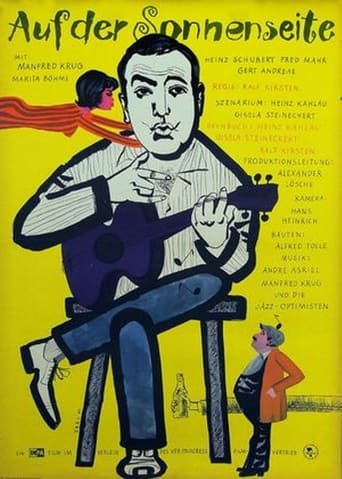 7.0
7.0The story of the steel melter Martin Hoff, whose factory delegates him to a drama school, corresponds to the real life of the actor Manfred Krug. Like his (film) hero, Krug works as a steel melter, does artwork, sings and acts, and is sent to drama school. Like his hero, who behaves anarchically and conspicuously, Krug is soon expelled from school.
On the Sunny Side
1962
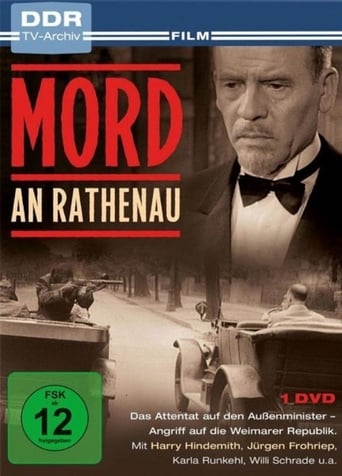 7.0
7.0Germany 1922 during the Weimar Republic: Foreign Minister Walther Rathenau signs the Treaty of Rapallo between Germany and the Soviet Union. German national, conservative forces then speak of betrayal and anti-Semitic tones become loud. Plans for murder Rathenaus are forged in the vicinity of the Freikorps. The young engineer Horst Bergmann learns about the preparations of the assassination attempt and tries to warn Rathenau.
Mord an Rathenau
1961
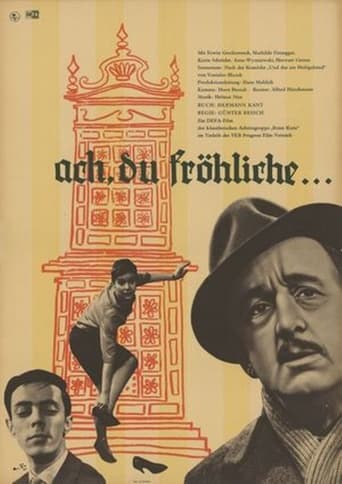 5.5
5.5It was supposed to be a cozy Christmas evening with the family. Labor Director Walter Lörke was particularly looking forward to it. But then his daughter Anne surprised him with her future son-in-law Thomas Ostermann. And that's not all: Lörke is to become a grandfather. This doesn't suit him at all, especially as the young man clearly shows his critical attitude towards the state whose ideals Lörke has fought for all his life. An argument ensues - on Christmas Eve. Lörke leaves the apartment in a rage. But he is driven by unrest: He wants to know what kind of person his future son-in-law is and why he has such a negative attitude towards the state. It turns out that Thomas has had bitter experiences with the opportunistic attitudes of many adults and that, although he was the best student in his class, he was not admitted to university because of his critical opinions.
Ach, du fröhliche
1962
 10.0
10.0The film chronicles the last ten years in the life of Nobel Peace Prize recipient Carl von Ossietzky (1889-1938).
Carl von Ossietzky
1963
GDR border guard Gunter Rist is a young man from humble homes. During a swimming competition he meets Penny, a professor’s daughter from a good family, and they fall in love. However, their different social backgrounds get in the way of their happiness: Penny’s friends make it obvious that they are not willing to accept Gunter in their group. Although Penny takes Gunter’s side, she doubts if love can overcome all obstacles. In this state, she falls for the advances of her ex-boyfriend Bob and joins him on vacation. In the meantime, Gunter has an accident and is hospitalized. In the hospital, he meets the nurse Li who seems to be perfect for him.
Julia lebt
1963
1950s · 4 titles
 5.8
5.8In 1955, Michael Vierkant, a Jew who had emigrated during the Nazi era, returns from abroad to the Federal Republic of Germany to obtain the conviction of Korn, the former informer responsible for the murder of his sister. Korn is back in office; Michael's efforts remain unsuccessful. There is a direct confrontation between the two, and Michael shoots Korn in self-defense. He flees and is hidden by the young, reclusive artist Marie Jäger, but is then caught by the police and charged with premeditated murder. The case is taken out of the hands of the criminal investigation department by the Office for the Protection of the Constitution, which constructs an act of political revenge on behalf of the communists. Michael manages to escape from prison. Marie and her friends organize a press conference at which Michael reveals the connections. The trial is postponed.
Der Prozeß wird vertagt
1958
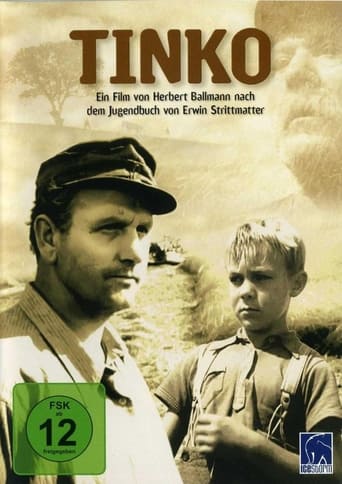 8.2
8.2After 1945, land reform forces Old Kraske to become an agricultural worker, but he continues to work on his own, flatly refusing to join any collective farming activities. He desperately wants a large-scale farm like Kimpel's in order to pass it on to his adored grandson, Tinko. When Kraske's son Ernst returns from a POW camp and gives his support to the new communal project, tensions arise within the family and little Tinko is caught in the middle.
Tinko
1957
 9.0
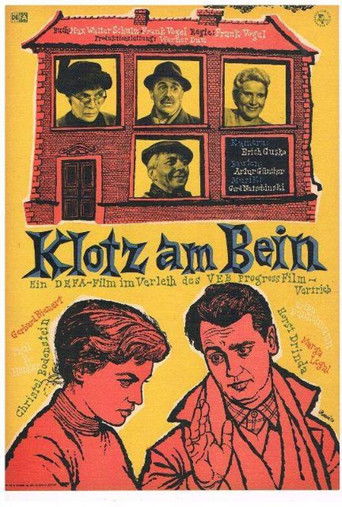
9.0The construction of five houses for a workers' housing cooperative has been delayed due to a shortage of workers. It is winter and it is foreseeable that the houses will be completed in the fall at the latest. However, this takes too long for the young electrician Gustav. He is frustrated and wants to finally live within his own four walls. So far, he and his wife Christl, a sales clerk, have been subletting from his parents-in-law. One day, he receives a visit from his Aunt Minne, who informs him that he has inherited an apartment building worth 12,000 marks from his deceased Aunt Erna. He rejoices, as a house is even better than an apartment and he no longer needs to be a member of the building cooperative. The house turns out to be a dilapidated old building with no furniture and no water or electricity. Christl refuses to move into the building and begs Gustav to turn down the inheritance.
Klotz am Bein
1958
 7.0
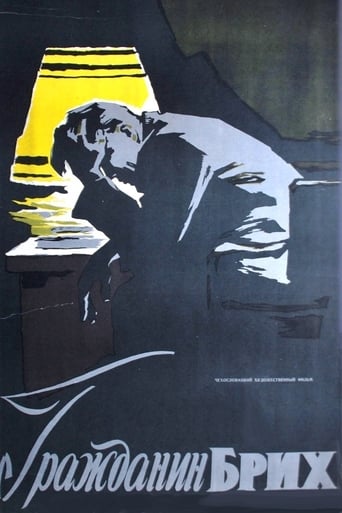
7.0František Brych, a principled lawyer, refuses to back the new Communist regime at his factory and grows increasingly alienated, even as his former love Irena, unhappily married to factory owner Ondřej Ráž, seeks his understanding. When he helps plan an escape over the Šumava border, the group’s panic and violence lead to murder, prompting Brych to abandon the scheme and return home with Irena.
Občan Brych
1959
Series credits
6.2Polizeiruf 110 is a long-running German language detective television series. The first episode was broadcast 27 June 1971 in the German Democratic Republic, and after the dissolution of Fernsehen der DDR the series was picked up by ARD. It was originally created as a counterpart to the West German series Tatort, and quickly became a public favorite.
Polizeiruf 110
1971
9.0East German TV miniseries about the young maid Gertrud Habersaat, who marries, moves from Mecklenburg to Poland in the early 1940s, has to come back to Mecklenburg as a refugee during World War II and finally finds her place during the 1950s.
Ways across the Country
1968
8.0The living conditions during the period of inflation in the early 1920s are depicted in a fascinating way. Behind a shiny façade, ordinary people struggle for bare survival. Opposite them stand landowners and former military personnel with their complacency, ignorance, and emptiness! The title character, Wolfgang Pagel—a cadet officer, unemployed and a gambler out of desperation—loses everything on the night before his wedding and sets out in search of money in the inflation-ridden Berlin of the 1920s.
Wolf Among Wolves
1965
 NR
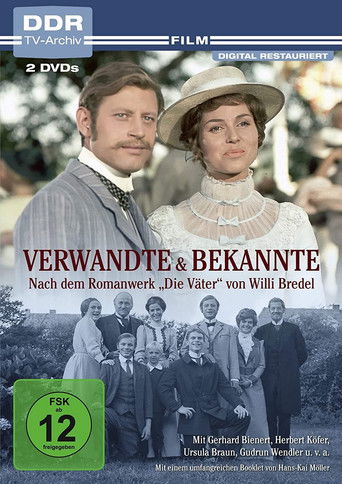
NRUsing the example of three generations of a Hamburg working class family, the rise of the working class from the founding of the Wilhelmin Empire to the First World War, over the time of the Weimar Republic and National Socialism to the destruction of the Third Reich.
Verwandte und Bekannte
1971
 9.0
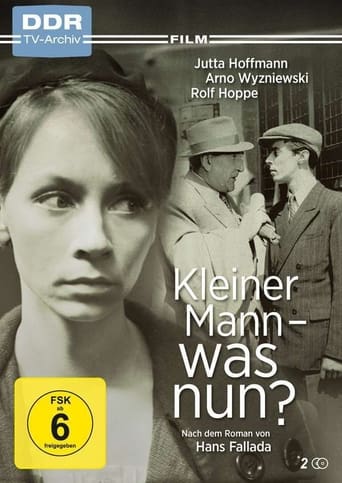
9.0The love story of Emma and Johannes begins during the hard years of the Great Depression. Emma repeatedly tries to encourage her husband, who is suffering terribly from unemployment. However, the crisis continues to intensify and social disintegration affects millions.
Kleiner Mann – was nun?
1967
 NR
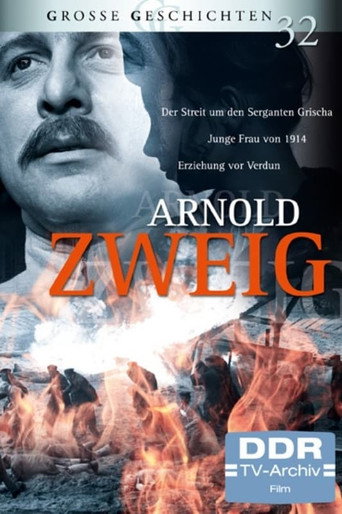
NRRussian soldier Grisha escapes from a German prisoner-of-war camp in the spring of 1917. He is caught and is to be shot as a spy. This decision is controversial. The dispute continues. Grisha is executed on the orders of the army high command.
Der Streit um den Sergeanten Grischa
1968
No synopsis available yet.
Drei von der K
1969
No synopsis available yet.
Jede Stunde deines Lebens
1969
 NR
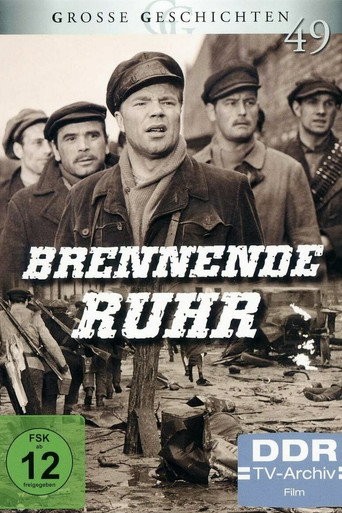
NRThe events during the Kapp-Putsch 1920 in a small German town in the Ruhr district. The main protagonist is Ernst Sukrow, a student who sympathises first with the bourgeois forces but finally decided to join the communists in their fight.
Brennende Ruhr
1967
 NR
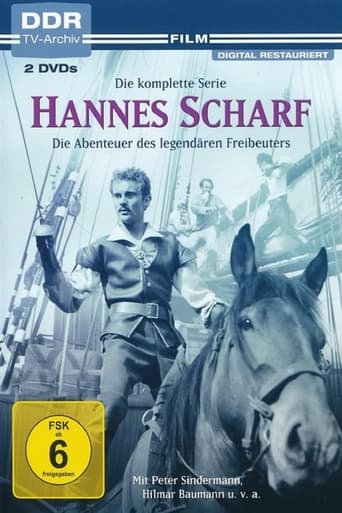
NRNo synopsis available yet.
Hannes Scharf
1967