
Known for
No synopsis available yet.
Povstalecká história
1984
No synopsis available yet.
Naši synovia
1975
 10.0
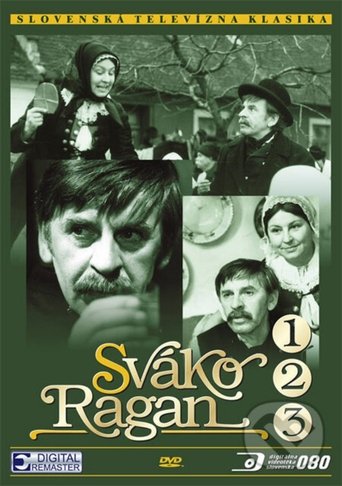
10.0Resourceful tanner Sváko Ragan travels Myjava’s fairs and markets, using wit and dialect to spin both wins and misadventures into profit.
Sváko Ragan
1976
This five-part TV film tells the story of Jan Daňo, a shepherd, and his two daughters.
Nepokojná láska
1975
 4.2
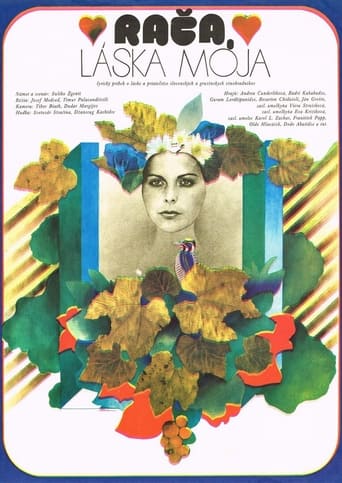
4.2Visiting Slovakian Racha to get antiquated with Slovakian wine-making techniques, Rachvelian from Georgia, Zauri, falls in love with Slovak Darina. Consequentially, when Darina visits Georgia, Zauri does his best to make her also love him.
Racha, My Love
1977
No synopsis available yet.
Konečná dolina
1991
Film credits
1980s · 18 titles
 7.9
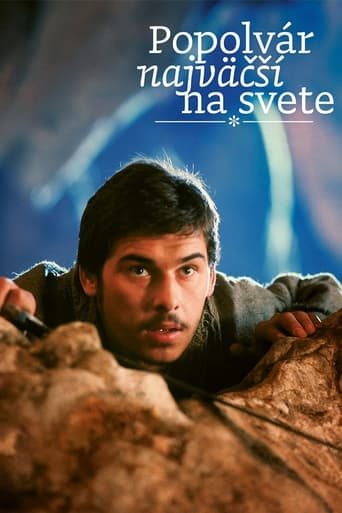
7.9A fairy-tale about knight honour, punished evil and tender love. Three royal brothers are put to the test in the fight with the king of the underworld in order to save captured princess, Láskykvet.
Popolvar, Biggest in the World
1982
 4.6
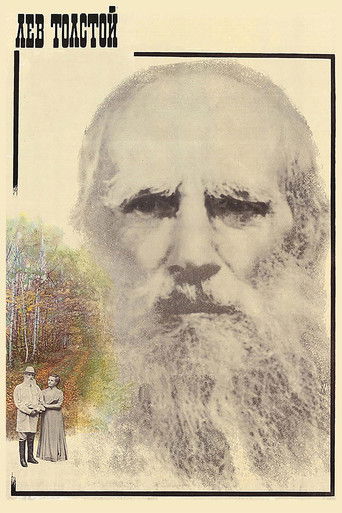
4.6This is the story of last years of Leo Tolstoy's life at his mansion in Yasnaya Polyana. He is surrounded by his family, friends, acquaintances and absolute strangers who are coming to the great man and artist from all over the world. But in his sleepless nights he dreams about his happy youthful years and the crucial, hard ones. And everything ends with his tragic departure from Yasnaya Polyana and his death at an obscure little station of Astapovo.
Lev Tolstoy
1984
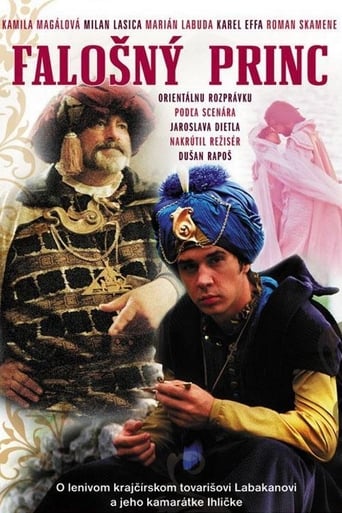 7.7
7.7The Sultan awaits the arrival of his son, Prince Omar, who has brought up in a distant land. The master tailor and his assistances are making clothes for the prince. Labakan, the most gifted of his assistances, craves to be a Sovereign's heir so he steals the princely garments snd poses as the Sultan's son.
The False Prince
1985
No synopsis available yet.
Návrat Jána Petru
1986
No synopsis available yet.
Stávka s čertom
1987
An anti-fascist story of village children, set in 1939 in Slovakia.
Posledné hry
1989
A dramatic love story in the front line.
Na druhom brehu sloboda
1984
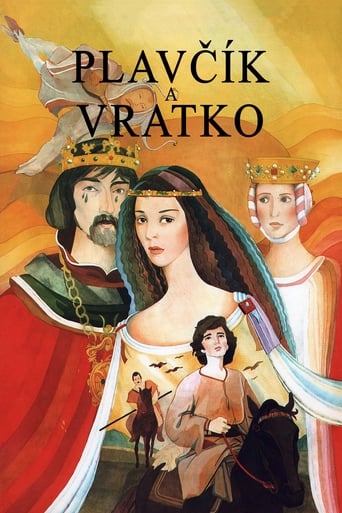 6.2
6.2The son of a charcoal burner was once prophesied as a child to marry the daughter of a king. The king tries to prevent this by all means.
Plavčík a Vratko
1982
No synopsis available yet.
Dravý nálet panny
1989
No synopsis available yet.
Tvár v rose
1989
Ivan Hálek, son of the famous poet Vítězslav Hálek, studied medicine and devoted his life to the Slovak countryside. In the poor Kysuce region, he not only treats the local villagers, but also makes an extraordinary contribution to education. At the same time, he struggles with lingering superstitions and mistrust. However, the hero and his young wife also become acquainted with folk customs, songs, and the colorful culture of the poorest. And he proclaims that only those who rid them of terrible mass poverty can provide these poor people with true living water.
Živá voda
1981
Many films have received almost no audience response at the time of their release in cinemas - this one is one of them. The story of a sick writer who returns to his native region to gain new physical and mental strength, however, did not impress, it is too artificial, with dialogues and plots rustling paper. It lacks both a believable depiction of the main character's mood and adequate realization certainty, the hero's silent discussions with the personified Inspiration sound cumbersome.
Vták nociar
1981
No synopsis available yet.
Katera
1981
A 1984 Slovak language drama film directed by Martin Tapák.
Dies irae
1984
No synopsis available yet.
Hra na telo
1980
No synopsis available yet.
Hodiny
1981
Biographical film about the work of the young Klement Gottwald. The story depicts his stay in Banská Bystrica, where he edited the Slovak communist press and helped organise the communist revolutionary movement.
Zrelá mladosť
1983
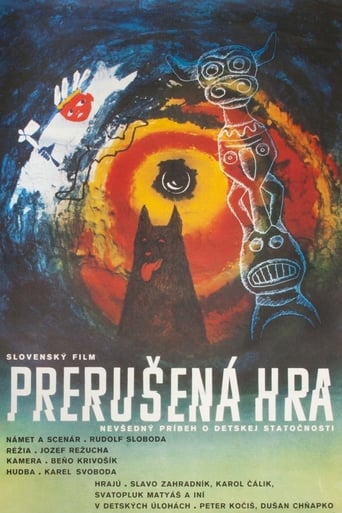 7.5
7.5While playing Indians two Czechoslovak pioneers are captured by the criminal who wants to cross the border illegally.
A Suspended Game
1980
1970s · 23 titles
4.2Visiting Slovakian Racha to get antiquated with Slovakian wine-making techniques, Rachvelian from Georgia, Zauri, falls in love with Slovak Darina. Consequentially, when Darina visits Georgia, Zauri does his best to make her also love him.
Racha, My Love
1977
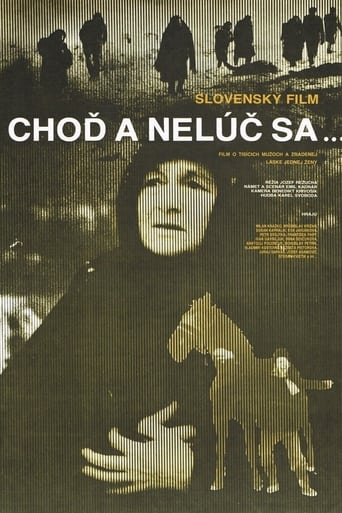 7.0
7.0The dramatic story captures the hard and dangerous life of the partisan group "Čapajev" led by Ľudovít Kukorelli during World War II. It retrospectively presents the course of the Slovak National Uprising in eastern Slovakia.
Choď a nelúč sa
1979
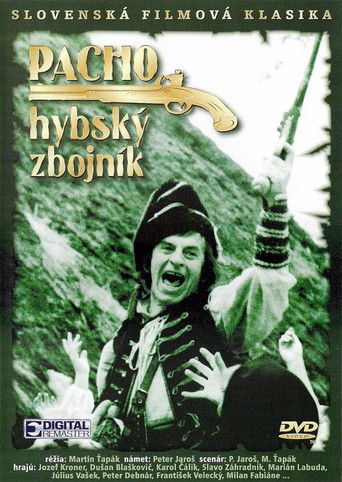 7.4
7.4A funny outlaw tale inspired by traditional folk humour. Pacho is no ordinary outlaw. He detests injustice and feudal oppression and he copes with each troublesome situation with the help of his cleverness and wit.
Pacho, the Brigand of Hybe
1976
A television film, an adaptation of Vladimír Mináč's first novel. The dramatic story of two brothers during the Slovak National Uprising provides artistic testimony to authentic events from the Slovak mountains in 1944.
Smrť chodí po horách
1979
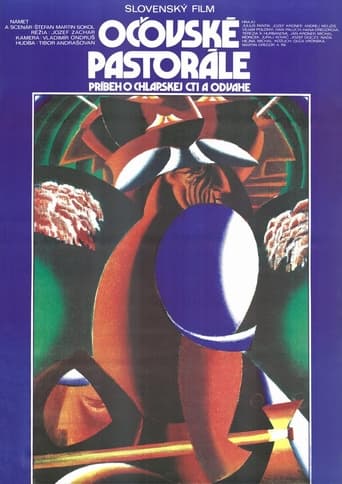 10.0
10.0The story of a peasant whose harshness and bluntness only provoke disputes and anger, and his honesty and sense of truth and honor in conjunction with the previous qualities only exacerbate these disputes. The Slovak village with its collective farming, confronted with the habits of a square nature, raised by private farming, creates the main plot and conflict. In parallel, there is a lyrical motif of the young generation, whose love relationships do not care about the old ridiculous anger of the old generation.
Očovské pastorále
1973
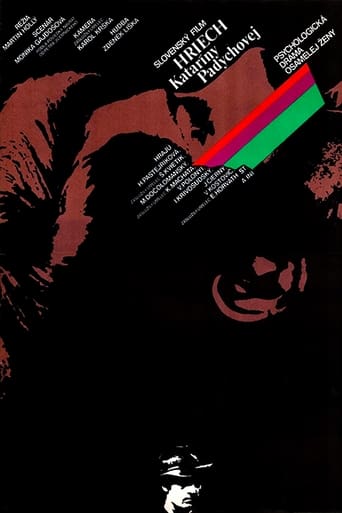 8.0
8.0Štefan Padych loses a lawsuit against Šulgan, a local innkeeper to whom he owes money. Not wanting his wife and three-year-old daughter to starve, he decides to leave for France. However, after his departure, his wife Katarína Padych commits infidelity and becomes pregnant...
Hriech Kataríny Padychovej
1973
No synopsis available yet.
Zem nezasľúbená
1978
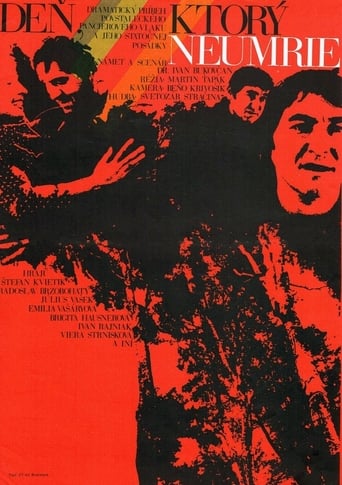 10.0
10.0In the story of a partisan armored train crew operating in the rebel territory of Slovakia, the inner drama of Matúš Siroň, who hates war with a passion, unfolds. After managing to escape from the Eastern Front, he falls into German captivity. When he is liberated by partisans during a train transport, he initially refuses to fight. However, the circumstances of the Slovak National Uprising force him to change his mind...
Deň, ktorý neumrie
1974
Lovely overview of traditional Slovak Christmas.
Christmas Wafer
1977
No synopsis available yet.
Zbojnícky tanec
1978
Slovakian villagers towards the end of WW II are despairing as German troops fall back to their village.
Big Night and Big Day
1975
No synopsis available yet.
Pustý dvor
1979
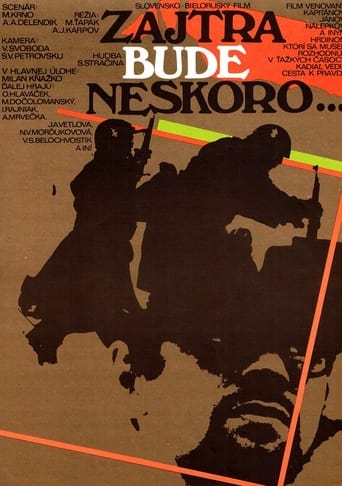 10.0
10.01943. Captain Ian Nalepke, Chief of Staff of the Slovak regiment, bearing protection of military facilities in the small town of Belarus contacts the partisansand passes to them the obtained information about upcoming operations of the German forces.
Tomorrow Will Be Too Late
1972
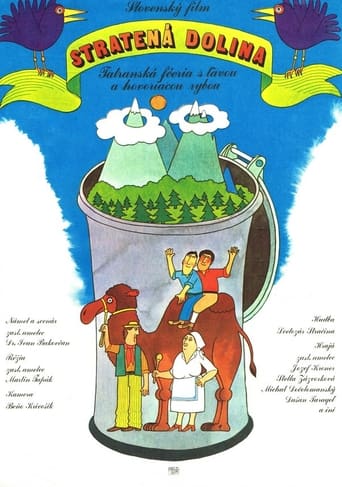 9.0
9.0The story of two friends and managers of a mountain hut. The central theme of the film is nature conservation and environmental protection. Friends Mišo and Dušan, who love the Tatras, try to preserve "their" valley as one of the last corners of nature untouched by tourism. They do it with sincere enthusiasm, but only with the means at hand. They settle accounts with sneaky hikers.
Stratená dolina
1977
No synopsis available yet.
10 % nádeje
1976
No synopsis available yet.
Horali
1975
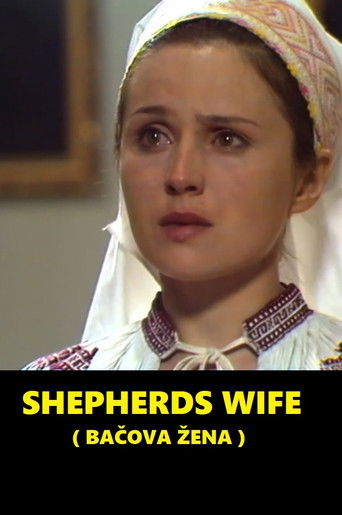 6.0
6.0Television film based on the classic Slovak drama by Ivan Stodola. The theme of the play is the return of a supposedly dead man. The Ondrej-Eva-Mišo relationship triangle will only be solved by the death of one of them.
Sheperds Wife
1972
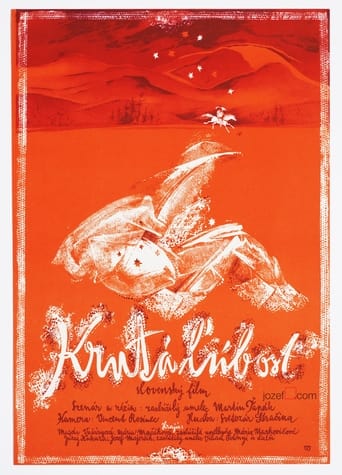 10.0
10.0A film based on short stories by K. Przerwu-Tetmajer's Grey Eyes and M. Urban's Melted Heart. The heroines of both stories are young women with the same name - Kristka. They fight for their love, they both love with humility and surrender, but when necessary, they can be decisive and uncompromising. One is cruel in her love, the other fights for it with touching tenderness and kindness. These are not idyllic loves; they are full of life, full of raging blood...
Krutá ľúbosť
1978
No synopsis available yet.
Maroško študuje
1970
A contemporary story from the winegrowers' environment about the merger of the JRD. There are mutual conflicts between supporters and opponents of the new project. Šimon Príboj's successful efforts to merge the two farms lose their meaning when he discovers that his wife is having a melodramatic love affair with the flighty Pavel Dian.
Zlatá réva
1977
No synopsis available yet.
Magduška
1979
The poverty of Slovak workers during the Great Depression during the Masaryk Republic reached such a level that it led to a well-organized strike. The capitalists and their minions tried by all means to break it. Even the workers who had not yet been elected soon recognized their place and supported the initiative of the communists, who selflessly led the strike movement. The poster-like, purely ideological story succumbs to paper-like dialogues and plots, and the narrative portrayal hardly convinces of the credibility of the whole story.
Nie
1978
No synopsis available yet.
Blízke diaľavy
1979
Series credits
No synopsis available yet.
Povstalecká história
1984
No synopsis available yet.
Naši synovia
1975
10.0Resourceful tanner Sváko Ragan travels Myjava’s fairs and markets, using wit and dialect to spin both wins and misadventures into profit.
Sváko Ragan
1976
This five-part TV film tells the story of Jan Daňo, a shepherd, and his two daughters.
Nepokojná láska
1975