

Acting
Junko Natsu
Born
1949-03-21 (77)
Place of birth
Tokyo, Japan
Known for
Acting
Credits
48 titles
Known for
 NR
NRNo synopsis available yet.
Edogawa Rampo no bijo shirīzu
1977
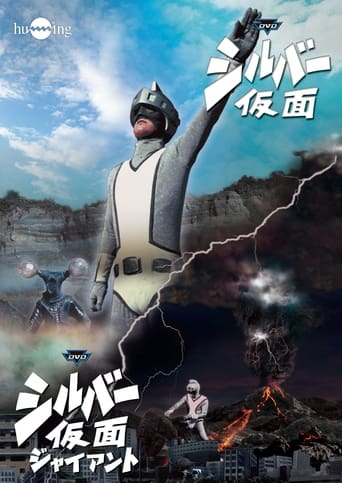 10.0
10.0After Professor Kasuga is killed by fiendish aliens for plans to a super-rocketship, his children trek across Japan, protected by the second-oldest brother, Koji, who transforms into the super-cyborg, Silver Mask.
Silver Kamen
1971
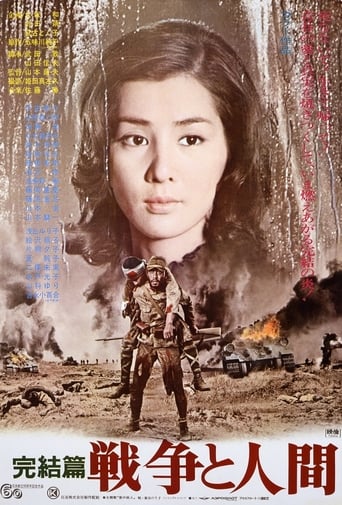 6.1
6.1As Japan's war of aggression against China intensifies, beginning with the Nanjing Massacre in December 1937, Kohei, who had secretly married Junko, the second daughter of the Godai family, deploys to the front lines, witnessing the atrocities of the Japanese army firsthand. Meanwhile, Shunsuke also takes to the front lines of the battlefield, engaging in a fierce battle against the Soviet army at Nomonhan.
Men and War III: The Final Chapter
1973
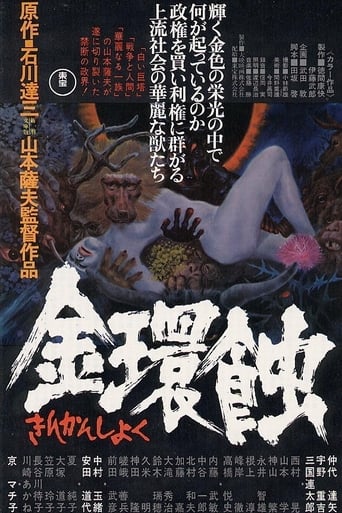 6.9
6.9When bribe money from a rigged election funnels into a dam construction project, collusion, lust, greed and even murder are on the ballot.
Solar Eclipse
1975
 7.5
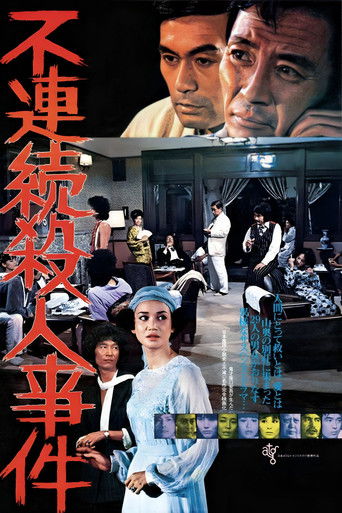
7.5In the summer of 1947, various men and women gather at a mansion in the countryside at the invitation of Kazuma Utagawa. They are artists, novelists, poets, painters, playwrights, actresses, etc. Then the murders begin, one after another. The incident seemed to have no continuity...
Case of the Disjointed Murder
1977
 NR
NRNo synopsis available yet.
犬笛-娘よ、生命の笛を吹け
1978
Film credits
1980s · 2 titles
No synopsis available yet.
映画村殺人事件
1980
 NR
NRA suspense work starring Junko Natsu. One night, Saiko Ogata, a popular female DJ on a late-night radio music program, discovers a strange letter among a pile of postcards. It was a letter written in the style of a 5 or 6-year-old child, beginning with, "Mom, I am in a dark and cold world right now." Saiko is shocked. That letter was a letter from her own child, whose father was Kazuo Yamazaki, whom Saiko had fallen in love with six years ago when they were trainees at a certain theater company, and who had sprouted in Saiko's womb but passed away without being born...
House of Evil Spirits
1980
1970s · 39 titles
6.1As Japan's war of aggression against China intensifies, beginning with the Nanjing Massacre in December 1937, Kohei, who had secretly married Junko, the second daughter of the Godai family, deploys to the front lines, witnessing the atrocities of the Japanese army firsthand. Meanwhile, Shunsuke also takes to the front lines of the battlefield, engaging in a fierce battle against the Soviet army at Nomonhan.
Men and War III: The Final Chapter
1973
6.9When bribe money from a rigged election funnels into a dam construction project, collusion, lust, greed and even murder are on the ballot.
Solar Eclipse
1975
7.5In the summer of 1947, various men and women gather at a mansion in the countryside at the invitation of Kazuma Utagawa. They are artists, novelists, poets, painters, playwrights, actresses, etc. Then the murders begin, one after another. The incident seemed to have no continuity...
Case of the Disjointed Murder
1977
 7.7
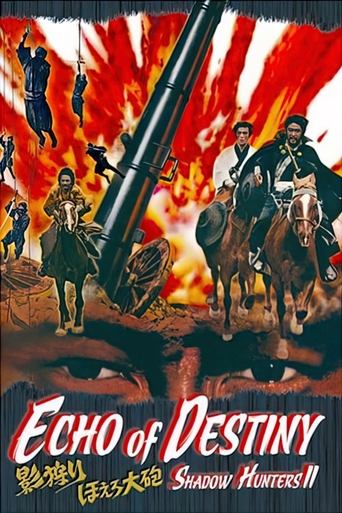
7.7The great Daimyo enlists the aid of the three Shadow Hunters in ensuring the delivery of an illegal cannon in this sequel to Toshio Masuda's bloody adaptation of the manga by Takao Saito. Despite the Shadow Hunters's remarkable skill, this mission is no walk in the park, and in order to survive they must face a relentless army of ninjas and female warriors willing to sacrifice their lives to disrupt the delivery and claim the cannon for themselves.
Shadow Hunters 2: Echo of Destiny
1972
 7.0
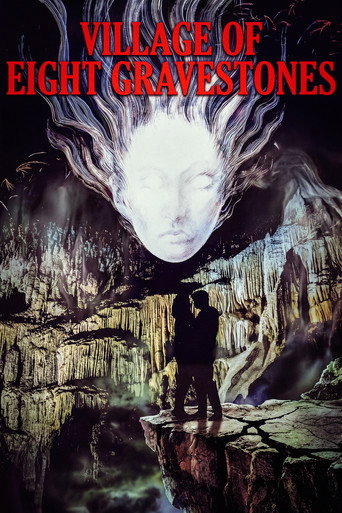
7.0The heir to a family fortune discovers that a curse has been placed on it, put there centuries before by a band of samurai warriors. Adaptation of novel by Seishi Yokomizo
Village of Eight Gravestones
1977
 8.0
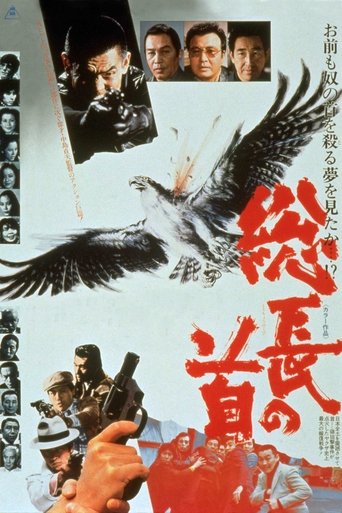
8.0In pre-war Japan, two members of a large yakuza syndicate instigate a turf war that embroils the highest echelons of Tokyo's underworld.
Down with The Big Boss
1979
 6.0
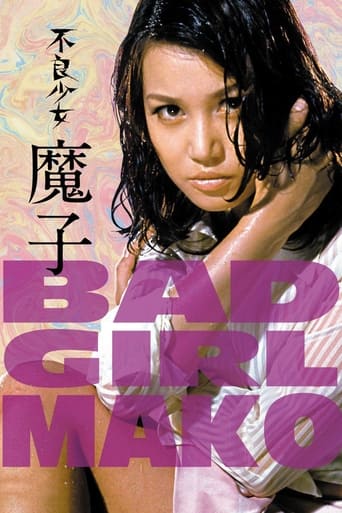
6.0Patronized by a gang ruling the city, Mako delinquently plays around a night club every night with her bad company. One night, a guy Hideo gets closer to her for one-night stand, and they consequently fall in love. However, Hideo is killed by the gang. Mako swears vengeance on her beloved's murderer.
Bad Girl Mako
1971
 6.6
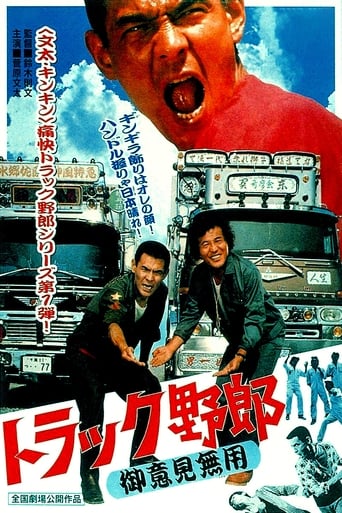
6.6The first of many movies featuring the lighthearted adventures of two truck drivers. Momojiro and his best friend Kinzo take to the road on their cargo trucks impressing each other with their skills in driving fast and evading the police while transporting commodities throughout the country. Chance encounters with people along the way help them to come to terms with events clouding their past and offer them a shot at redemption.
Truck Rascals: No One Can Stop Me
1975
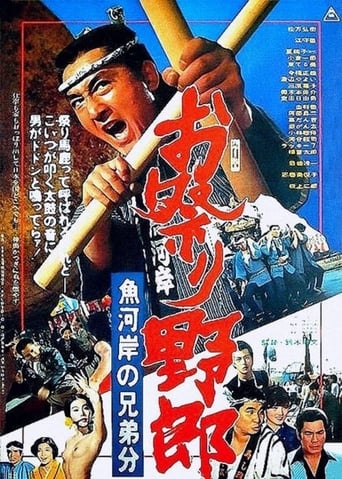 5.3
5.3Hiroki Matsukata is a fish market worker and a fanatical Japanese festival rascal. He also falls in love with a stripper while delivering his colleague's love letter to her but forgetting to mention it's from another man.
Festival Champ
1976
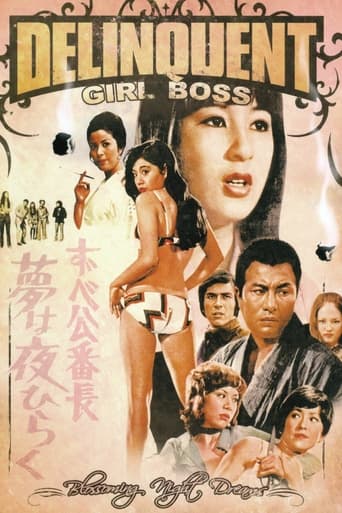 6.8
6.8Rika is released from girls detention school and then winds up at a lounge bar where she finds her other classmates working. This lounge bar is run by Junko Miyazono.
Delinquent Girl Boss: Blossoming Night Dreams
1970
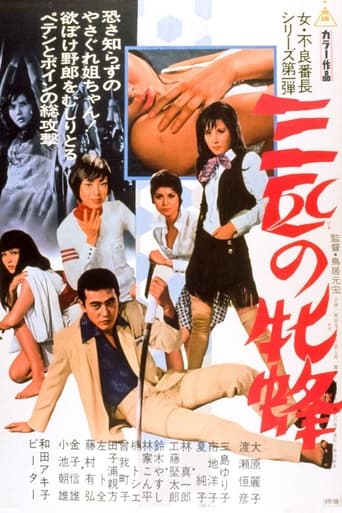 6.3
6.3A trio of teenage tarts try to earn money through shoplifting and prostitution scams and get into deep trouble.
Three Pretty Devils
1970
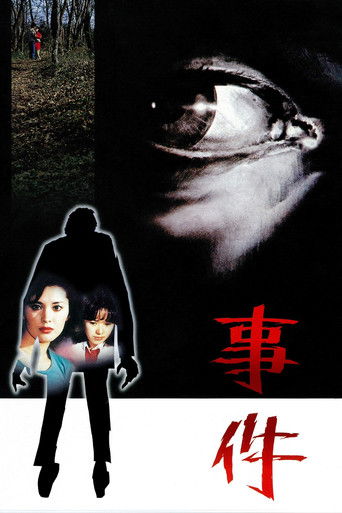 7.2
7.2The body of Sakai Hatsuko, a woman of 23 who has been slain with a knife, has been found in a forest. Some days later, Ueda Hiroshi, a 19-year-old shipyard worker, is arrested and charged with the murder. At Ueda's trial, a complex story unfolds.
The Incident
1978
 NR
NRNo synopsis available yet.
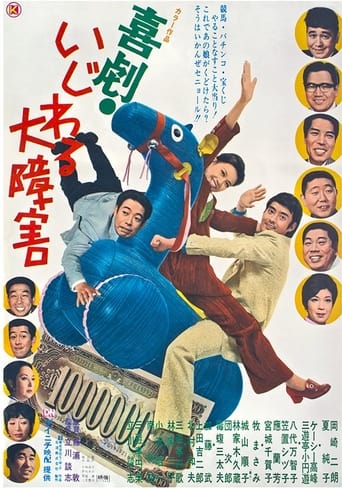
Kigeki Ijiwaru Daishougai
1971
 NR
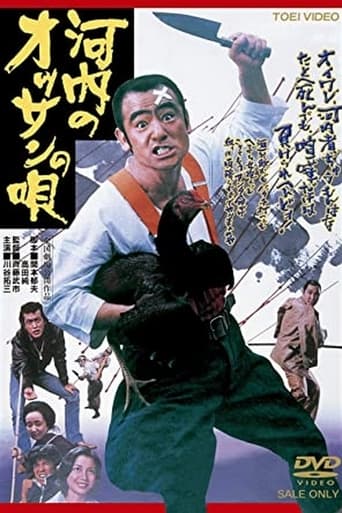
NREven after turning 30, Matsutaro Tokuda is still single and spends his days driving a white taxi. He likes to gamble, although he doesn't have a talent for it. However, there was a woman that fell in love with such a man...
A Kawachi Rascal's Song
1976
 5.7
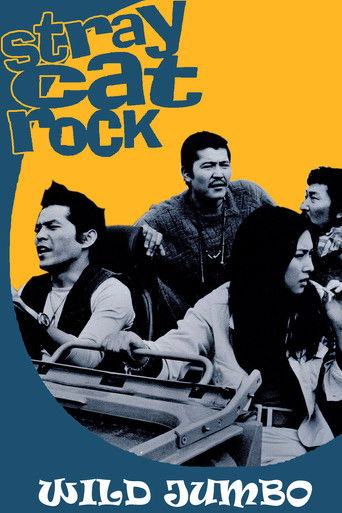
5.7Wild young people kidnap a wealthy woman and she becomes attracted to one of them. When she tells the man that she is the mistress of a religious leader, he and his posse make plans to rob her partner.
Stray Cat Rock: Wild Jumbo
1970
 10.0
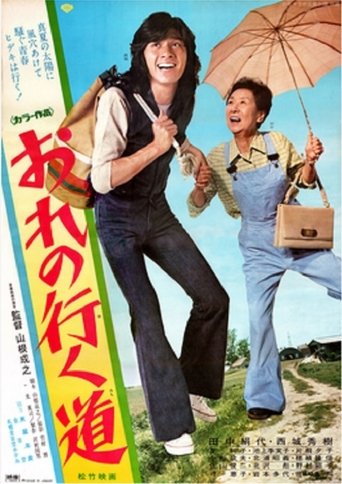
10.0Let's Go, Grandma! plays like an exuberant, goofy update to Yasujiro Ozu's Tokyo Story. Kinuyo Tanaka plays the titular Grandma, who, after selling her Hokkaido property, is apparently flush with cash but newly homeless. Her grown children take turns hosting her, making extravagant performances of filial devotion with an eye to potential profit. Making use of a catalog of wacky visual effects, bracketed by gratuitous ham-fisted fight scenes, and costarring pop singer Hideki Saijo, the film is balanced by Tanaka's nuanced performance, which delivers a denunciation of hypocrisy and greed.
Let's Go, Grandma!
1975
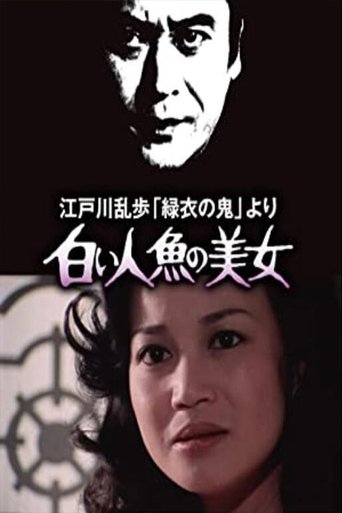 NR
NRNo synopsis available yet.
White Mermaid Beauty
1978
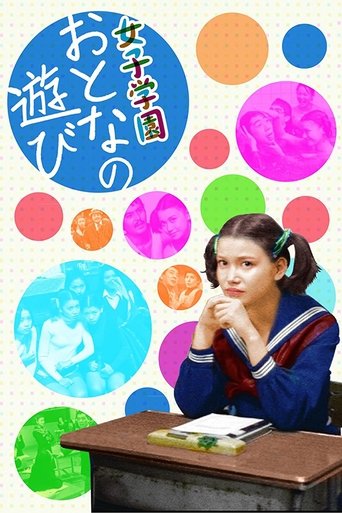 NR
NRThe girl students of rival junior high schools stage duels and show a curious interest in sexual pastimes.
Adults Games
1971
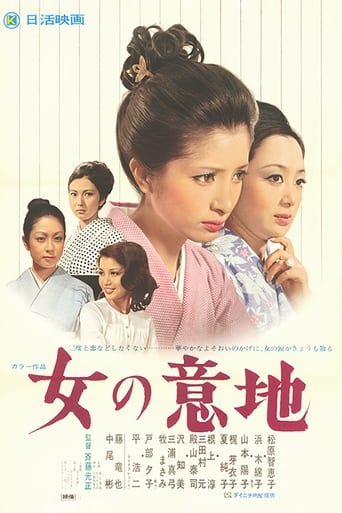 7.0
7.02 years ago, Kumi broke up with Shuhei and decided to forget everything about him for good. However, after being told that her younger sister, Junko, fall in love with a man and is currently living with him. She was determined to discover who was the man who won her sister's heart. But what will happen when she found out that the man in question is Shuhei, her first love?
Onna no Iji
1971
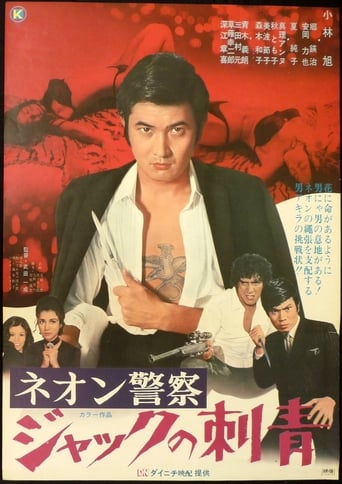 8.5
8.5Hanamura, widely known in gangland a professional trouble shooter has the sign of the Jack tattooed on his chest. His follower is his sworn partner Kurahara. They attempt to help the Towada-Gumi gang against its rival group the Kamioka-Gumi which is seeking the chance to conquer the Towada-Gumi in collusion with Noda, a big shot in the town operating a real estate firm.
Sign of the Jack
1970
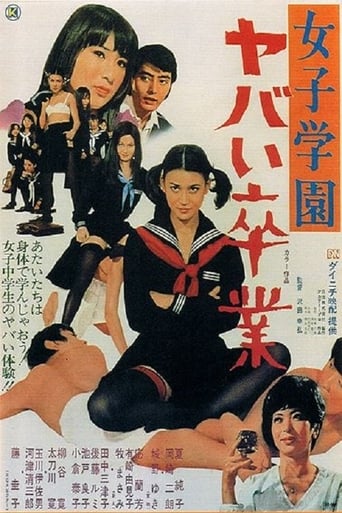 4.0
4.0Sex games by students at a junior high school are exposed by the principal and teachers, but the tables are turned in favor of the students.
Hazardous Graduation
1970
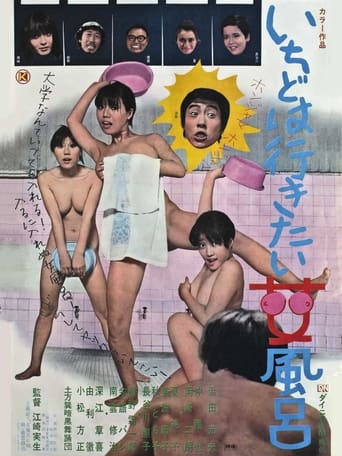 6.0
6.0You can get into university anytime! But you can't get into the women's bath!!! Three cram school students yearn to see and enter the women's bath, and together they harbor an agonizing bittersweet desire to see it, making this a hilarious comedy that blows away the frustrations of the youths.
Men's Lifetime Dream-A Peep into A Women's Bathhouse
1970
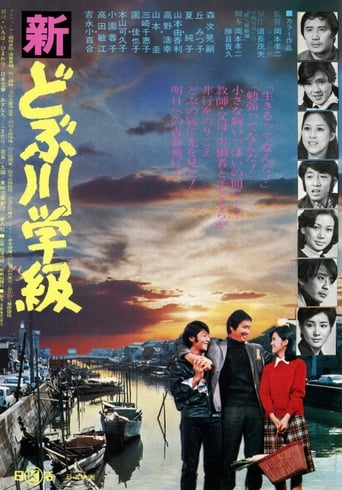 NR
NRFirst film produced by Nikkatsu Children's Films.
The New Class of the Sewage Canal
1976
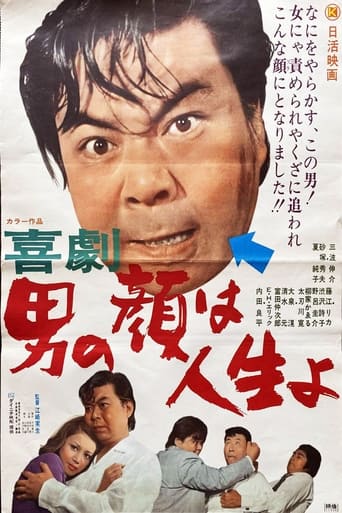 NR
NRA comedic tale that follows several quirky individuals who navigate the twists and turns of their daily lives.
Comedy: The Face is Life
1971
 9.0
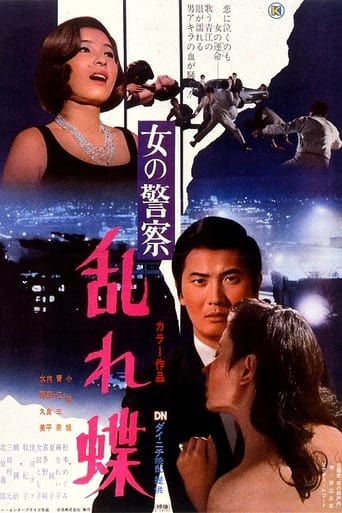
9.0Aboard a night ferry in the Inland Sea, Masaaki Kagari (Akira Kobayashi), a young tough, who supplies hostesses to night spots, encounters Yuko, his ex-sweetheart. He considers himself a private underworld sort of policeman-in the com- munity of such women. Yuko, now a bar proprietress, is under the protection of Tahei Daigo, a sinister gang boss who in his quest for chances of good investments abroad plans to offer young girls to rich foreigners. Asked to gather attractive girls by Yuko, now Tahei's puppet, Masaaki collects many only to find them mysteriously missing...
Women's Police: Swirling Butterflies
1970
 NR
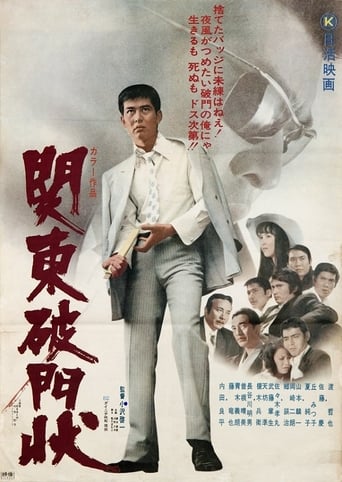
NRIn the late Taisho era. Umeshima Jinbei, the president of the Kanto Umeshima Kai, divided the area into the Kuroda family to the south and the Takeuchi family to the north in order to protect the security of Kame no Ii, which had opened up in place of the Yoshiwara brothel that had been burnt down in the earthquake, and had the Kuroda family rule their respective territories. Chichibu Yasaburo, the small head of the Kuroda family, had a good reputation as the mainstay of the family and was trusted by his boss Mankichi, but Furuno, who was in love with Mankichi's daughter Mie, who was in love with Yasaburo, informally informed the Takeuchi clan and took out Mankichi's seal and borrowed money from Takeuchi in the name of Yasaburo to line his pockets.
Expelled from the Kanto Mob
1971
 NR
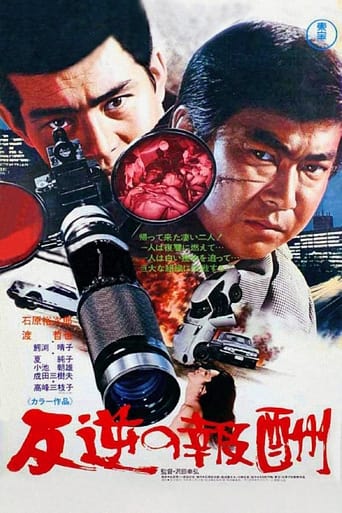
NRThe film tells about drug trafficking from Vietnam to Tokyo and Okinawa. Tetsuya Watari plays a photographer who uses his camera as a blackmail weapon. He is on the trail of a narcotics smuggler (Mikio Narita) and his beautiful contact (Haruko Wanibuchi). Watari meets a former gangster (Yujiro Ishihara) who is seeking revenge against Narita, his former partner. Watari and Ishihara become allies and hijack the dope shipment. But Narita threatens the life of Haruko, who turns out to be Ishihara's sister, and demands the dope in return for the girl.
Rebellion Reward
1973
 9.0
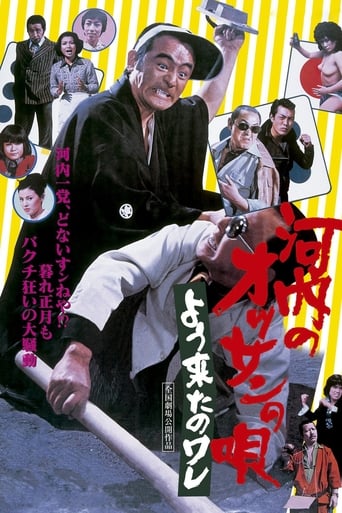
9.0No synopsis available yet.
Kawachi Rascal Is Spurred On
1976
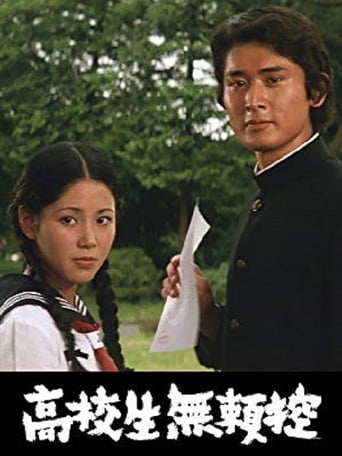 5.0
5.0Based on manga by Kazuo Koike and Keiji Yoshitani.
Kôkôsei burai hikae
1972
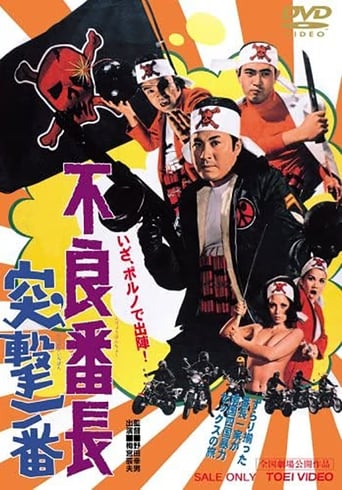 8.0
8.0Pinku from 1971.
Wolves of the City: First to Fight
1971
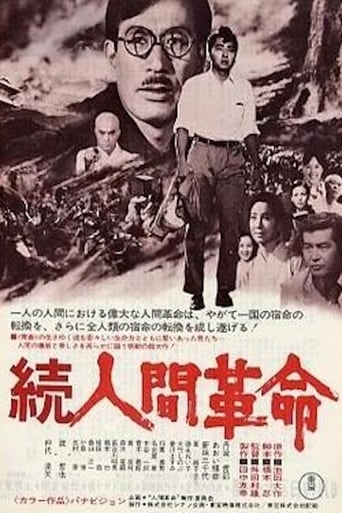 8.0
8.0Dramatic story of one man trying to make a difference.
Human Revolution II
1976
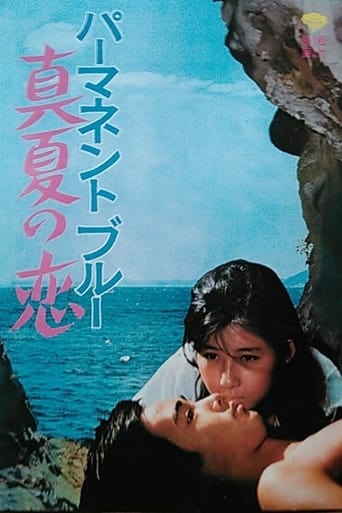 8.0
8.0In a fishing town by the Seto Sea, a student discovers a woman motionless on the beach and takes her back to his family's inn to nurse her, but he soon discovers than she is an extremist on the run from the police.
Permanent Blue
1976
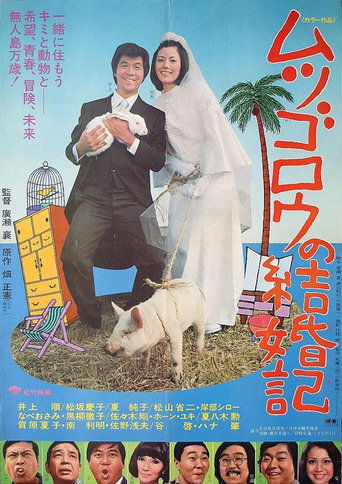 NR
NR1974 Japanese movie
Mr. Mutsugoro’s Happy Marriage
1974
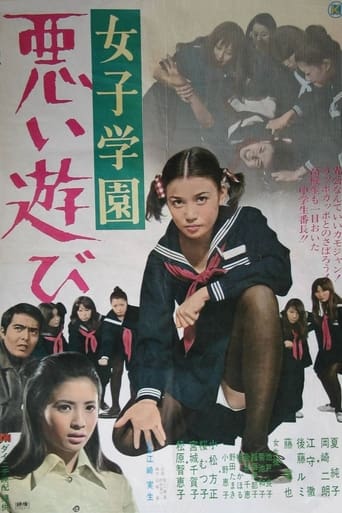 5.4
5.4Drama is afoot at Shirobara Middle School when the bold Henmi Ryoko transfers into Class A, 9th Grade. She immediately picks a fight with, Masuda, the head of the preparation committee. The girls' battle for control of the gang soon grows out of control as it sweeps up the entire school. Brawls. Seduction. Yakuza. And more!
Dangerous Games
1970
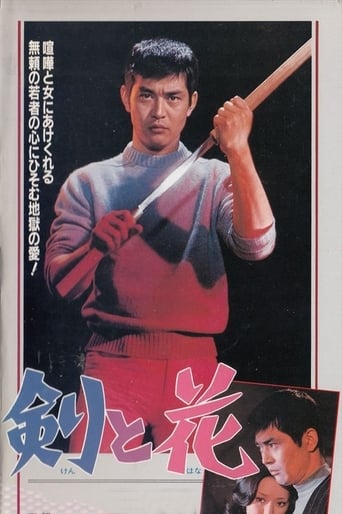 NR
NRMasuda Toshio film starring Watari Tetsuya and Mori Masayuki, about a lone-wolf type (Watari) seeking love and defending the honor of an elderly widower (Mori).
Sword and Flower
1972
 7.0
7.0The third film in the "Woman" series, based on the original work by Shinji Fujiwara, set in the Shinjuku Entertainment Company.
Kigeki: Onna uridashimasu
1972
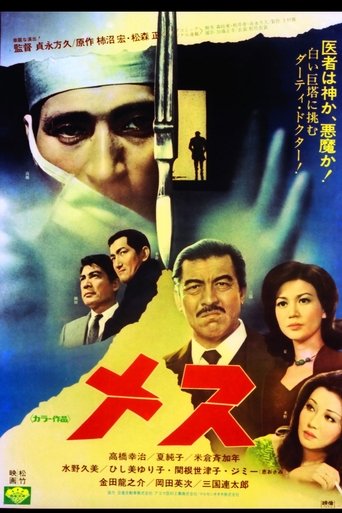 NR
NRSurgeon Shūzō Shikine discovers his father Kikukawa’s rise in medicine was built on corruption and human experiments. After Kikukawa’s sudden death, hidden crimes surface, and Shikine takes action to expose those responsible.
Scalpel
1974
 10.0
10.0No synopsis available yet.
喜劇 大誘拐
1976
 NR
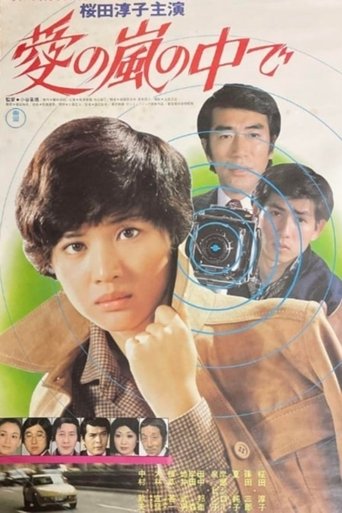
NRComedy-suspense thriller about a girl, who investigates her sister's mysterious death.
Inside the Storm of Love
1978
1960s · 3 titles
 6.2
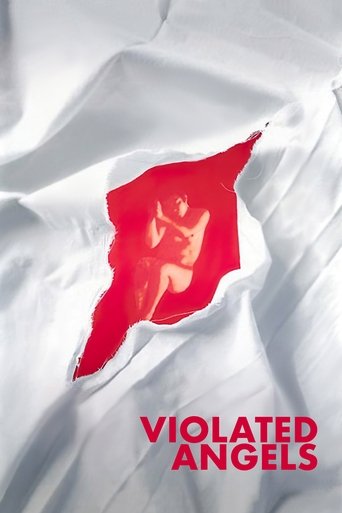
6.2Based on the mass murder spree of Richard Speck in 1966, a young man who broke into a nurses’ home in Chicago, mutilating and killing several of the inmates, Wakamatsu’s film is a precise, sad delineation of a particular aspect of masculine sexual consciousness.
Violated Angels
1967
 8.0
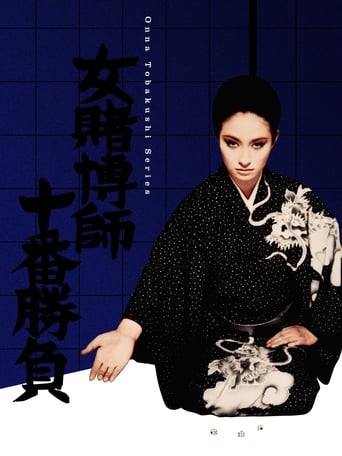
8.013th in the 17 film Daiei "Woman Gambler" series
The Woman Gambler's Tenth Game
1969
 4.0
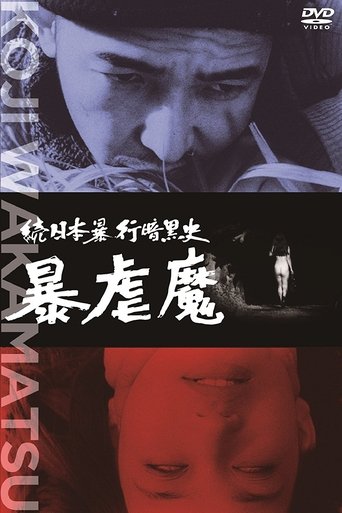
4.0Study about a young disturbed man, who rapes and kills women and collects their bodies in a cave. A work based on the case of Yoshio Kodaira, a serial rape murder case shortly after the war.
Dark Story of a Japanese Rapist
1967
Series credits
NRNo synopsis available yet.
Edogawa Rampo no bijo shirīzu
1977
10.0After Professor Kasuga is killed by fiendish aliens for plans to a super-rocketship, his children trek across Japan, protected by the second-oldest brother, Koji, who transforms into the super-cyborg, Silver Mask.
Silver Kamen
1971
NRNo synopsis available yet.
犬笛-娘よ、生命の笛を吹け
1978
No synopsis available yet.
鮮やかな完全犯罪・女相続人
1979