
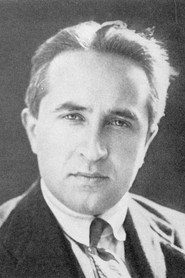
Directing
Lev Kuleshov
Born — Died
1899-01-13 — 1970-03-29
Place of birth
Tambov, Russian Empire [now Russia]
Known for
Directing
Credits
33 titles
Lev Vladimirovich Kuleshov was a Russian and Soviet filmmaker and film theorist, one of the founders of the world's first film school, the Moscow Film School. People's Artist of the RSFSR (1969). Lev Kuleshov was born in 1899 into an intellectual Russian family. At the time he was born, the family became financially broke, lost their estate and moved to Tambov, living a modest life. In 1911 his father died; three years later Lev and his mother moved to Moscow where his elder brother was studying and working as an engineer. Lev Kuleshov decided to follow the steps of his father and entered the Moscow School of Painting, although he didn't finish it. In 1916 he applied to work at the film co…
Known for
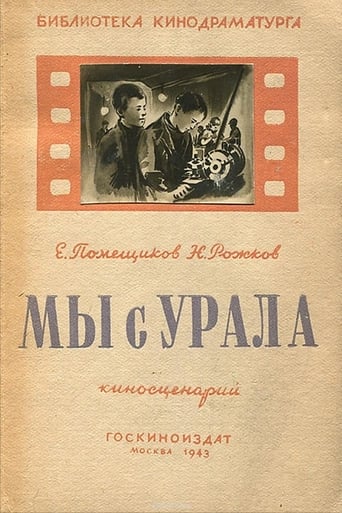 6.5
6.5A story about two teenagers and their life during WWII in Urals district of Russia.
We from the Urals
1943
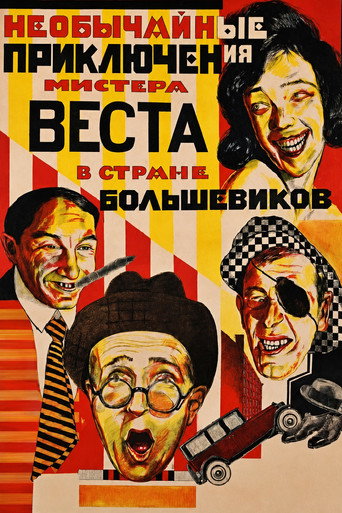 6.0
6.0An ignorant and prejudiced American’s visit of Soviet Russia goes off the rails after his luggage is stolen and he is separated from his bodyguard.
The Extraordinary Adventures of Mr. West in the Land of the Bolsheviks
1924
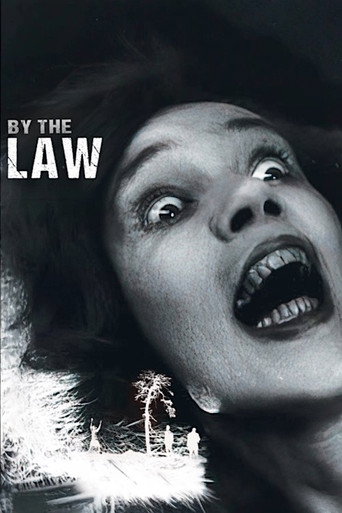 6.6
6.6After a man kills two members of his Yukon gold prospecting team, the other two surviving members struggle to keep him subdued for the next several months until they can turn him over to the law.
By the Law
1926
 5.2
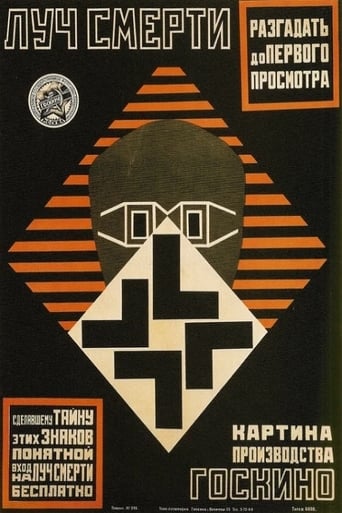
5.2In a Western capitalist country where a fascist government attempts to suppress a socialist uprising, revolutionary leader Thomas Lamm is imprisoned by the government but he escapes to the Soviet Union. There, he meets the engineer Podobed who invents the 'death ray' – a device which explodes gunpowder and fuel mixtures at a distance.
The Death Ray
1925
 8.2
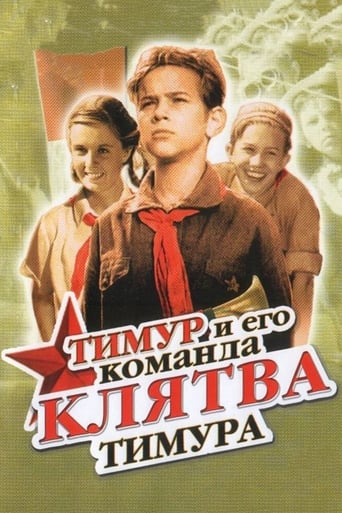
8.2The continuation of a story about a young boy Timur and his team who are living in a small Moscow suburb during the years before WWII - now during the war.
Timur's Oath
1942
 6.2
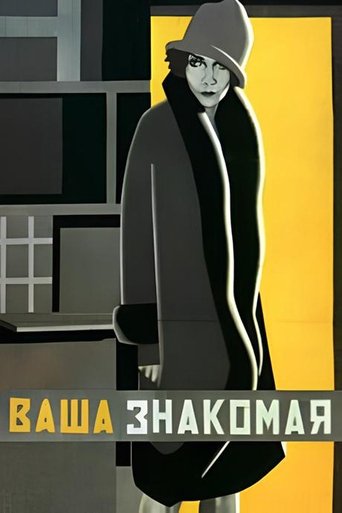
6.2Khokhlova, a young female Moscow reporter, falls in love with factory manager Petrovsky. To her he's the epitome of manliness–virile, decisive, strong-minded. Conversely, she rejects the sensitive, diffident editor Vasilchikov, who's in love with her, as unmanly. Her infatuation affects her work, and she is fired.
Your Friend
1927
Film credits
1940s · 1 titles
1920s · 2 titles
5.2In a Western capitalist country where a fascist government attempts to suppress a socialist uprising, revolutionary leader Thomas Lamm is imprisoned by the government but he escapes to the Soviet Union. There, he meets the engineer Podobed who invents the 'death ray' – a device which explodes gunpowder and fuel mixtures at a distance.
The Death Ray
1925
No synopsis available yet.
At the Red Front
1920
1910s · 2 titles
 6.2
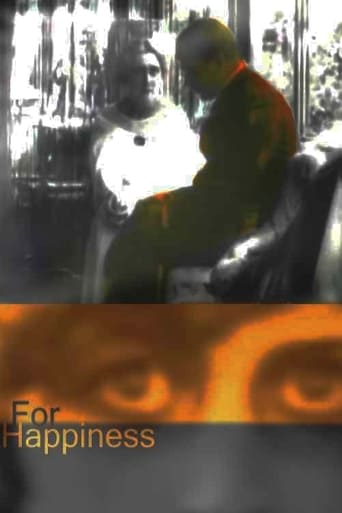
6.2Since Zoya Verenskaya's husband passed away ten years ago, she has been devoted to her daughter Lee. At present, Lee is in poor health, and she is in danger of losing her eyesight. Zoya's suitor Dmitry wants to get married, but Zoya is determined to wait until Lee is better. Then, on a vacation in the Crimea, they learn Lee's true feelings for Dmitry, and suddenly all of their lives are thrown into turmoil.
For Happiness
1917
 NR
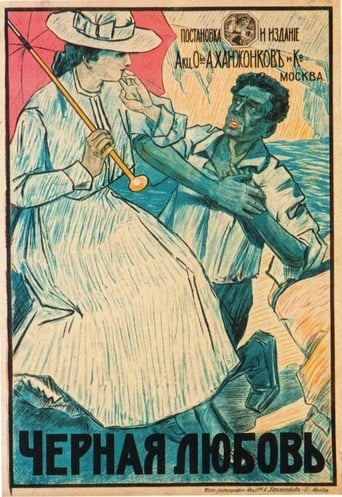
NRNo synopsis available yet.
Black Love
1917
Behind the camera
6.5A story about two teenagers and their life during WWII in Urals district of Russia.
We from the Urals
1943
6.0An ignorant and prejudiced American’s visit of Soviet Russia goes off the rails after his luggage is stolen and he is separated from his bodyguard.
The Extraordinary Adventures of Mr. West in the Land of the Bolsheviks
1924
6.6After a man kills two members of his Yukon gold prospecting team, the other two surviving members struggle to keep him subdued for the next several months until they can turn him over to the law.
By the Law
1926
6.6After a man kills two members of his Yukon gold prospecting team, the other two surviving members struggle to keep him subdued for the next several months until they can turn him over to the law.
By the Law
1926
5.2In a Western capitalist country where a fascist government attempts to suppress a socialist uprising, revolutionary leader Thomas Lamm is imprisoned by the government but he escapes to the Soviet Union. There, he meets the engineer Podobed who invents the 'death ray' – a device which explodes gunpowder and fuel mixtures at a distance.
The Death Ray
1925
8.2The continuation of a story about a young boy Timur and his team who are living in a small Moscow suburb during the years before WWII - now during the war.
Timur's Oath
1942
6.2Khokhlova, a young female Moscow reporter, falls in love with factory manager Petrovsky. To her he's the epitome of manliness–virile, decisive, strong-minded. Conversely, she rejects the sensitive, diffident editor Vasilchikov, who's in love with her, as unmanly. Her infatuation affects her work, and she is fired.
Your Friend
1927
 7.0
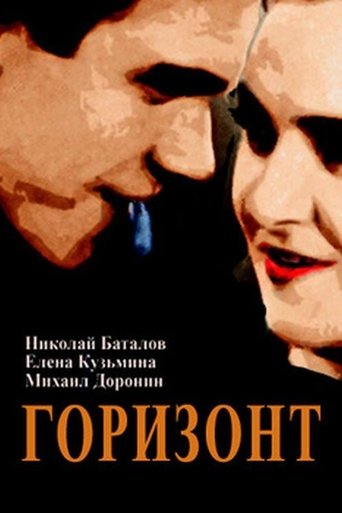
7.0A young Lyova travels with the hope of ascent from Czarist Russia to New York. Disappointed, he returns to the young Soviet Union and is glad to have found a simple work.
Horizon
1932
7.0A young Lyova travels with the hope of ascent from Czarist Russia to New York. Disappointed, he returns to the young Soviet Union and is glad to have found a simple work.
Horizon
1932
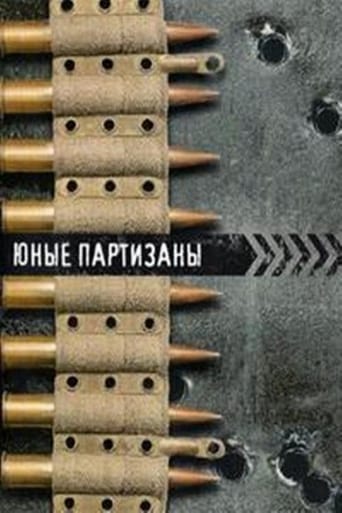 NR
NRThis is a two-in-one flashback film in which the flashback ends up teaching a group of kids a heroic lesson that they take to heart when war comes to their doorstep.
Young Partisans
1942
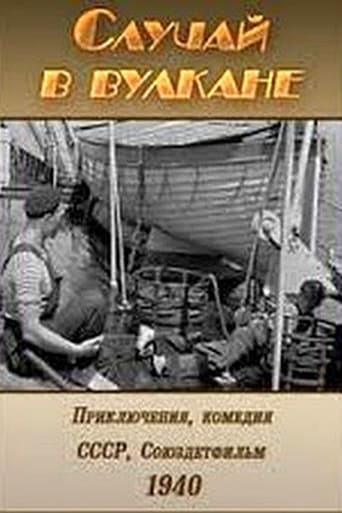 6.3
6.3Andrei Latonin had jumped with a parachute many times before, but on the day of the holiday he got scared and stayed in the cockpit of the plane. Deeply upset by his failure, Latonin decides to leave his homeland forever and joins a steamship as a sailor. On the way, Andrei meets an expedition group heading for the crater of an active volcano and joins the scientists.
Incident on a Volcano
1941
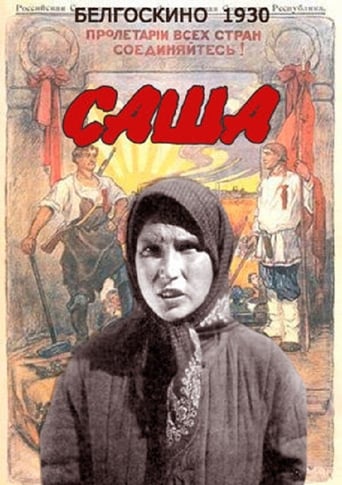 10.0
10.0A Russian woman tells the tragic story of her life.
Sasha
1930
No synopsis available yet.
At the Red Front
1920
No synopsis available yet.
At the Red Front
1920
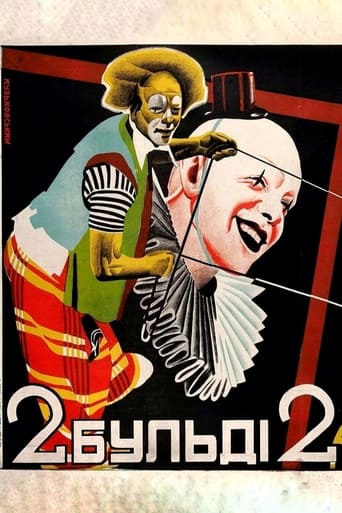 7.8
7.8A father and son, both clowns, are to perform together for the first time, but the civil war separates them, and the elder Buldy, tempted for a moment to acquiesce to the White forces, casts his lot with the revolution.
Two-Buldi-Two
1929
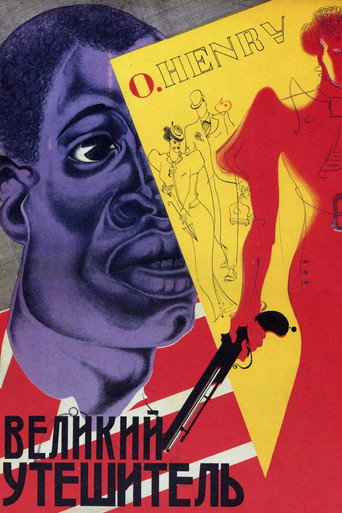 5.2
5.2The Great Consoler is Lev Kuleshov’s most personal film reflecting both the facts of his life and his thoughts about the place of the artist in contemporary reality. It was the only film in the Soviet cinema of those years that raised the question of what role a creative person played in society.
The Great Consoler
1933
5.2The Great Consoler is Lev Kuleshov’s most personal film reflecting both the facts of his life and his thoughts about the place of the artist in contemporary reality. It was the only film in the Soviet cinema of those years that raised the question of what role a creative person played in society.
The Great Consoler
1933
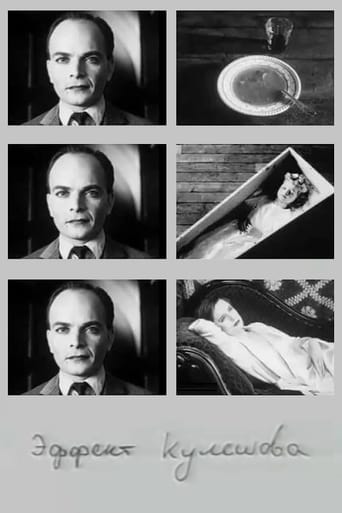 6.3
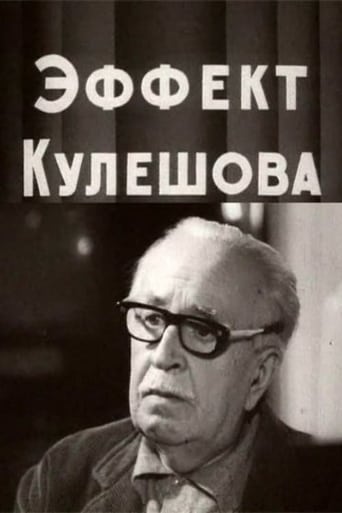
6.3An experiment in editing. This entry refers to both the initial, likely lost 1919 experiment, created using footage of Ivan Mosjoukine, and the later surviving recreation featuring two unknown actors.
Kuleshov Effect
1919
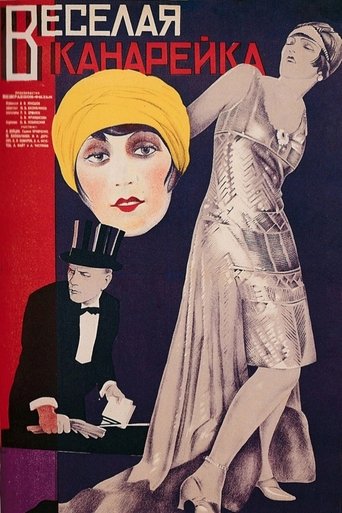 8.0
8.0Actress Brio working in a cafe "The Happy Canary", does not suspect that her new acquaintances Brianski and Lugovec are Communists sent by an underground committee to fight the enemy's counter-intelligence.
The Happy Canary
1929
 5.4
5.4A man is caught between his friendship with a young engineer wishing to open his peat-powered electric plant and his love for a young woman, whose father owns an oil company.
Engineer Prite's Project
1918
Locomotive S-1000
Locomotive No. 1006
1926
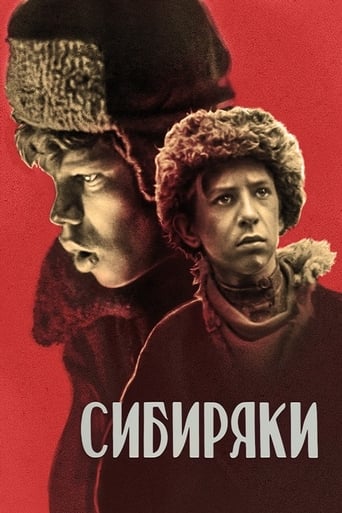 7.0
7.0Two six-graders are trying to find the Stalin's pipe and return it to the owner.
Siberians
1940
 6.4
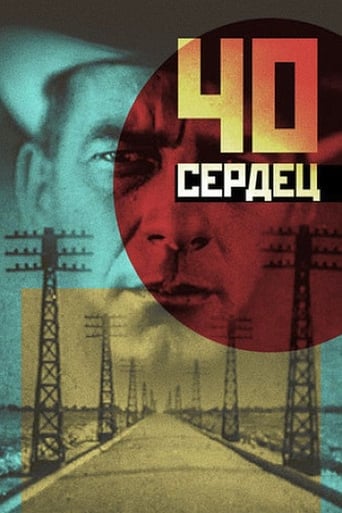
6.4The new power stations are beating like hearts to the pulse of modernisation. At gigantic expense and effort, the Soviet Union is rapidly industrialised. The state plan foresees the construction of forty power-generation centres across the country. However, the people must first be enlightened about the nature and use of electrical current. Horses and tractors, households and industry, nature and the world of work, neon signs and the construction of power stations all depend on this miraculous new source of energy. The famous Soviet director Lev Kuleshov masterfully realises this project with documentary shots, acted scenes, and lots of creative trick sequences.
Forty Hearts
1931
 10.0
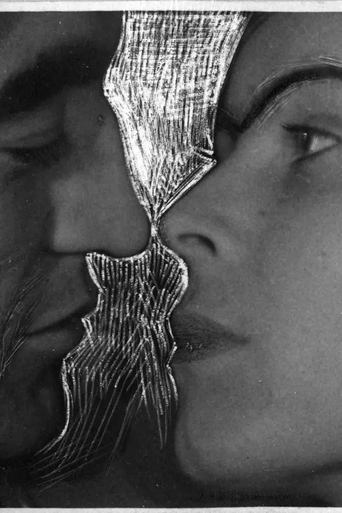
10.0The screen adaptation of the novel by Tadjik writer Sadriddine Aini, telling the story of a tramp who falls in love with a rich girl, was supposed to become the first full-length feature film in Central Asian film history. But the unfinished Dokhunda was banned by the Soviet authorities when film production was already in full swing. No footage survived. This is why Izvolov had to rely on Lev Kuleshov’s draft to study and appreciate the maestro’s vision and the unique aesthetic concept, which was never to be realised during Kuleshov’s lifetime.
Dokhunda
1934
One Kuleshov film that might be of great interest to scholars is The Breakthrough (Proryv, 1930). It was made in 48 hours. Naturally, such an unusual work did not stay in cinemas for a long time.
The Backlog!
1930
 NR
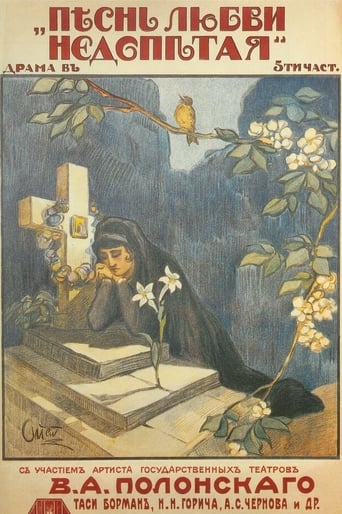
NRNo synopsis available yet.
Unfinished Love Song
1918
Directed by Lev Kuleshov.
The Created Surface of the Earth
1920