
Known for
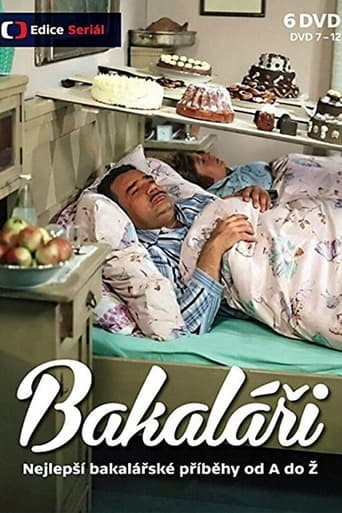 7.0
No synopsis available yet.
Bakaláři
1972
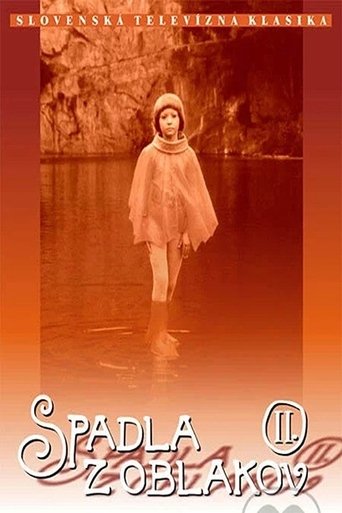 8.2
Spadla z oblakov is a Slovak language sci-fi TV series for children created in year 1978. The series became very popular in Czechoslovakia and several other countries. The series was based on 1967 child book Spadla z nebe by Václav Pavel Borovička, a Czech writer and screenwriter. The first, very successful edition was followed by several reprints, the last in year 2000. The TV series follows the book quite closely.
She Came Out of the Blue Sky
1979
This three-part production about the life, work, and times of Slovak literary classic Jozef Gregor Tajovský focuses on Tajovský's childhood. Jozef Gregor Tajovský was born in Tajov in 1874 and died in Bratislava in 1940. A large part of the life of the prose writer and playwright Jozef Gregor Tajovský is connected with his native Tajov, Banská Bystrica, and the surrounding villages of Pohorelá, Lopej, Horná Lehota, and Podlavice. He spent his childhood in Tajov with his grandparents. He speaks of it as the most beautiful period of his life. After completing elementary school in Tajov, he studied at a grammar school in Banská Bystrica and at a teacher training college in Kláštor pod Znievom. He was particularly attached to Tajov, to which he returned throughout his life.
Tá tajovská voda mútna
1987
No synopsis available yet.
Chvastúň
1988
No synopsis available yet.
Láska sesterská
1978
No synopsis available yet.
Ako som nedostal Nobelovu cenu
1987
Film credits
1980s · 6 titles
No synopsis available yet.
Chvastúň
1988
No synopsis available yet.
Ako som nedostal Nobelovu cenu
1987
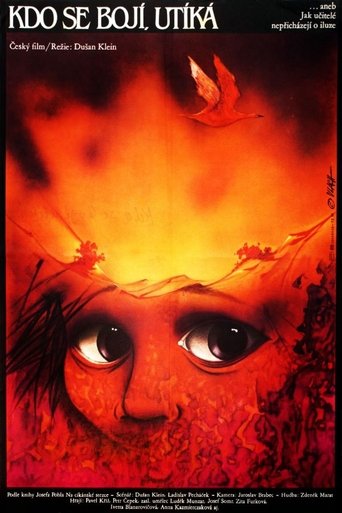 7.5
In a school somewhere in the border region, a young teacher is trying to integrate Romani children into the classroom. But their families remain suspicious of education. The filmmakers have chosen a largely romantic view that does not penetrate beneath the surface. They have included numerous folklore examples, acting as the most attractive element. The real problems can thus only be imagined.
Kdo se bojí, utíká
1987
No synopsis available yet.
Posledná v abecede
1980
No synopsis available yet.
Čisté vody
1981
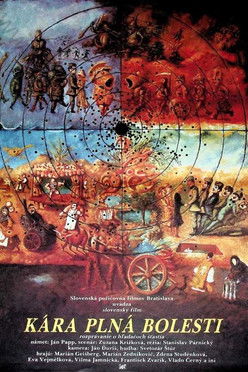 4.3
War takes its cruel toll, which everyone must pay. It hits a small Slovak village especially hard, where the struggle for a bare life becomes a test of human character. For two impoverished friends, Jakub and Maja, struggling through poverty is more than difficult. Jakub delivers sour milk from somewhere on his cart to the entire village and lives in a dilapidated house with his sister Tereza, whose caregiver and guide through life is the experienced woman Mara, who provides herself with money from seduced soldiers. Maja, on the other hand, is a foundling and homeless man who does whatever he can to survive the next day. The only consolation for the two inseparable friends are the circulating tales of a kind of promised land, where there is no poverty or hunger, and where they could both go. Only this vision, this idea alone keeps the two of them and the rest of the village on their feet, and gives them hope for a better tomorrow.
Kára plná bolesti
1986
Series credits
7.0No synopsis available yet.
Bakaláři
1972
8.2Spadla z oblakov is a Slovak language sci-fi TV series for children created in year 1978. The series became very popular in Czechoslovakia and several other countries. The series was based on 1967 child book Spadla z nebe by Václav Pavel Borovička, a Czech writer and screenwriter. The first, very successful edition was followed by several reprints, the last in year 2000. The TV series follows the book quite closely.
She Came Out of the Blue Sky
1979
This three-part production about the life, work, and times of Slovak literary classic Jozef Gregor Tajovský focuses on Tajovský's childhood. Jozef Gregor Tajovský was born in Tajov in 1874 and died in Bratislava in 1940. A large part of the life of the prose writer and playwright Jozef Gregor Tajovský is connected with his native Tajov, Banská Bystrica, and the surrounding villages of Pohorelá, Lopej, Horná Lehota, and Podlavice. He spent his childhood in Tajov with his grandparents. He speaks of it as the most beautiful period of his life. After completing elementary school in Tajov, he studied at a grammar school in Banská Bystrica and at a teacher training college in Kláštor pod Znievom. He was particularly attached to Tajov, to which he returned throughout his life.
Tá tajovská voda mútna
1987