
Acting
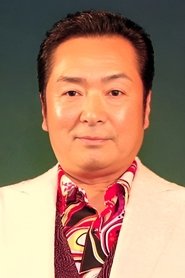
Teruhiko Aoi
Born
1948-01-10 (78)
Place of birth
Suginami, Tokyo, Japan
Known for
Acting
Credits
41 titles
Teruhiko Aoi is a Japanese actor, singer, and voice actor. Graduated from Nihon University Tsurugaoka High School, Nihon University College of Art.
Known for
 8.2
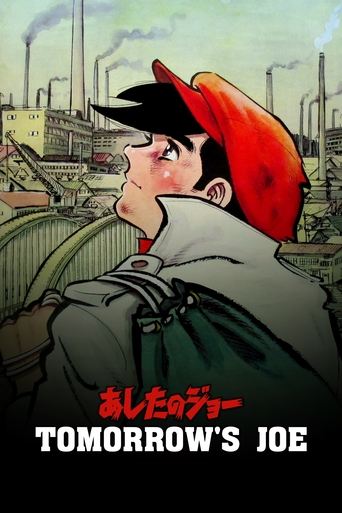
8.2A young drifter named Joe Yabuki wanders through the slums of Tokyo, but when the local ruffians try to give him a hard time he teaches them a rough lesson with his fists. The spectacle sparks a gleam in the eye of an old drunk who happens to be watching—Danpei Tange, a failed boxer and former coach who sees something special in the boy. He pleads with Joe to train with him off, but the cocky young fighter brushes him. Later, though, when Joe is arrested and put in a juvenile detention facility, he realizes that he’s going to need to hone his raw fighting skills if he wants to survive. Thus is born a partnership that might just take Joe all the way to the top…
Tomorrow's Joe
1970
 10.0
10.0One night, Jiro and Reiko fell in love at first sight, and on the seventh day he proposed to her, and three months later they were married. However, the difference in upbringing between Jiro, who was born and raised in a farmhouse in Shinshu, and Reiko, who is a city girl by nature, sometimes causes small ripples in their sweet newlywed life.
World of Two
1970
 9.0
9.0The Tsuru family is a family of nine, headed by Kamejiro. Kamejiro is the president of a construction company that has made a fortune in its first generation, but he is a one-man family. His wife, Aiko, is a typical good wife and wise mother type. Kamejiro gets angry and thunders down every week, and the children are afraid of him, calling him "Oyaji Daiko", but he also takes advantage of this.
Oyaji Daiko
1968
 7.3
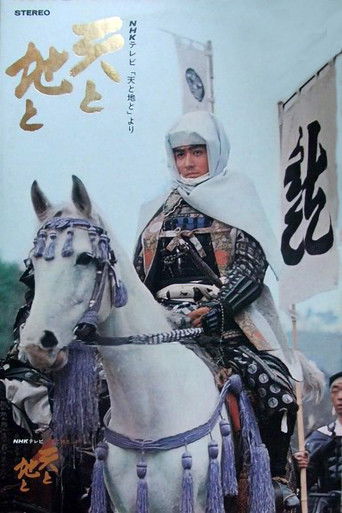
7.3The story chronicles the life of Nagao Kagetora.
Heaven and Earth
1969
 NR
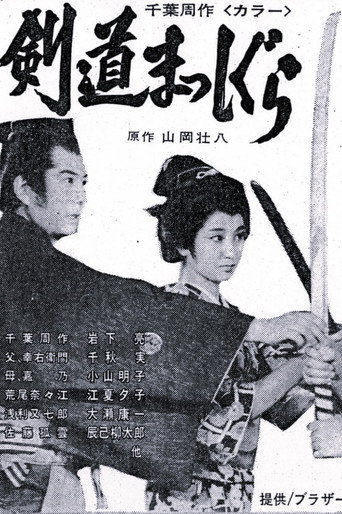
NRChiba Shusaku: Kendo Masshigura is a Japanese period drama that aired on the TBS network from November 2, 1970 to August 30, 1971 in the "Brother Gekijo" slot. It ran for 44 colour episodes of 30 minutes each. Based on Sohachi Yamaoka's novel "Chiba Shusaku", it depicts the youth of Chiba Shusaku, founder of the Hokushin Itto-ryu school of swordsmanship. A hot-blooded young man who calls himself Shusaku enters the dojo of Asari Matashichiro and, through encounters with all kinds of people, grows rapidly both in swordsmanship and in character. Produced by TBS and Shochiku. Rerun on the Japanese CS channel Jidaigeki Senmon Channel from March 17, 2025.
Chiba Shusaku: Kendo Masshigura
1970
 7.9
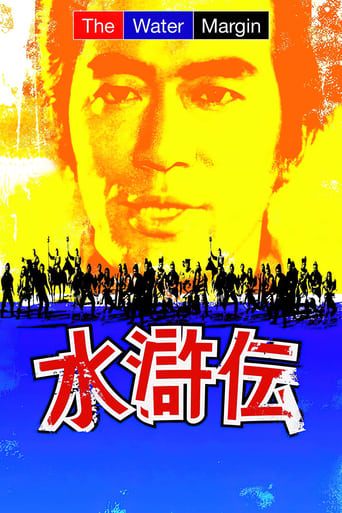
7.9The Water Margin is a Japanese television series based on Water Margin, one of the Four Great Classical Novels of Chinese literature. The novel details the trials and tribulations of 108 outlaws during the Song Dynasty. This adaptation follows Lin Chung and his clashes with the local government official Kao Chiu. The Water Margin is famous for its, sometimes obscure, but memorable philosophical quotes, such as "Do not despise the snake for having no horns,for who is to say it will not become a dragon?""
The Water Margin
1973
Film credits
2000s · 2 titles
 6.7
6.7Amon is a boy who can control the wind. Branik, ruler of the Empire of the Golden Snake, wants Amon's power to complete the ultimate weapon and sends his troops to capture the boy. Amon, using his talents, manages to runs away with Maria, one of the People of the Sea. Together, they try to stop the Empire of the Golden Snake from destroying and conquering everything.
The Boy Who Saw the Wind
2000
 NR
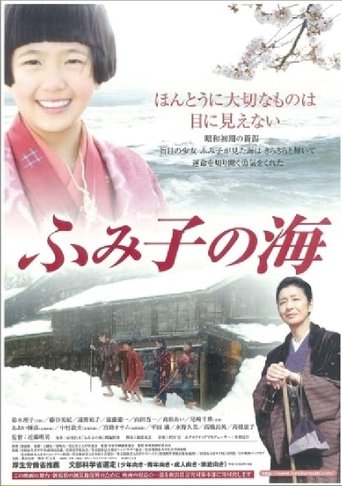
NRA blind girl of around ten years old is not having a pleasant upbringing. She is poor, neglected, shunned and even loses a friend. Yet, she does not give up hope. That is the adaptation of the actual story of Kiyo Awazu who grows up to educate blind children. The young Fumiko becomes an apprentice to a masseuse and works hard to learn a skill. She also studies to learn braille.
Fumiko no umi
2007
1990s · 5 titles
 6.3
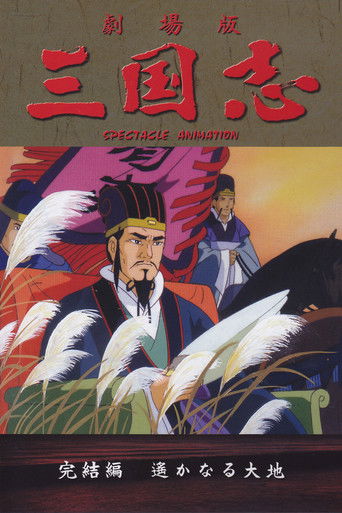
6.3Third movie of the Sangokushi animated film trilogy. The movie covers the longest time span of the three films, from Liu Bei's expedition to Shu in 211 CE to the death of Kongming in 234 CE.
Sangokushi: The Distant Land
1994
 7.2
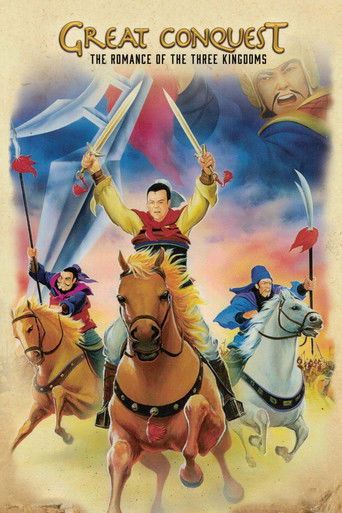
7.2Begins during the Yellow Turban rebellion that initiated the downfall of the Han dynasty. Liu Bei is striving to find a way to bring order to a chaotic world. He befriends Zhang Fei and Guan Yu. They take the Oath of the Peach Garden, to live and die together as warriors for justice. Cao Cao (eventual antagonist) ponders how to fulfill his destiny as "a hero in a chaotic world or a villain in a peaceful one." English dub version cuts out 18 minutes of the film.
Great Conquest: The Romance of Three Kingdoms
1992
 6.3
6.3Covering roughly 13 years, from Cao Cao's victory over Lu Bu in 198 CE, through the Battle of Red Cliffs in 208 CE, and the aftermath up until 211 BCE. As other players are swept from the board, the story focuses on Liu Bei and his increasingly desperate attempts to prevent Cao Cao from seizing all of China. The turning point is Liu Bei's recruitment of the best strategic mind of that generation, Zhuge Kongming, the Crouching Dragon.
Sangokushi: The Yangtze Is Burning!
1993
 NR
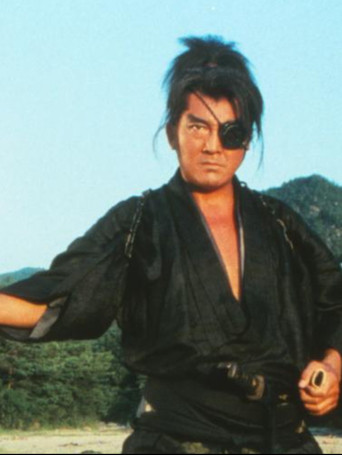
NRThe first installment of this thrilling period drama special starring Matsukata Hiroki. Jubei fights to the death to protect the targeted Yagyu martial arts register. Set in the Edo period, shortly after Iemitsu became the third shogun, rumors spread within the shogunate that the register of the Yagyu family, the shogun's instructors, contained a secret that could threaten the very foundations of the shogunate. Jubei, the eldest son of the Yagyu family, asks his father, Tajima-no-kami, about the secret, but he remains silent and refuses to reveal anything. Meanwhile, Jubei, who is repeatedly engaged in battles with a mysterious ninja group for the register, learns an unexpected truth...
The Yagyu Code: Secret Scrolls
1990
 NR
NRNo synopsis available yet.
遊の人‐天下の御意見番 大久保彦左衛門‐
1991
1980s · 10 titles
 7.7
7.7It has been six months since the tragic accident in Joe and Rikiishi's fight. Joe believes he has overcome Rikiishi's death and decides to make a comeback. Joe does make a successful comeback by scoring 5 KO's by body blows. Joe is then given a shot at the national title as a means by the boxing commission to put him down. The champion, Tiger Ozaki makes use of Joe's habits and ends up making Joe's corner throw in the towel. Joe is afraid to throw punches at the face because of what happened to Rikiishi. Youko, Joe's love interest and the owner of the gym where Rikiishi trained at recruits a world ranked boxer from Venezuela, Carlos Rivera, to get Joe back on his feet and pursue his boxing career to the regional and world ranks.
Tomorrow's Joe 2: The Movie
1981
 7.4
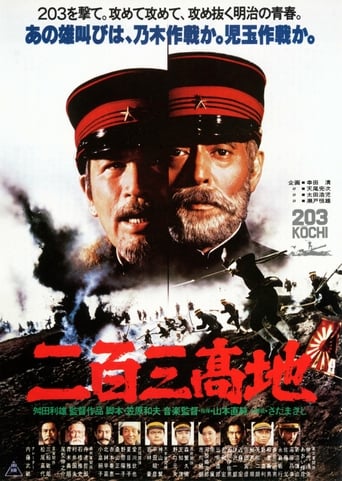
7.4Depicts the bloody siege of the fortress of Port Arthur, one of the most strongly fortified positions in the world, during the Russo-Japanese War of (1904 - 1905). In the story dominated the character Lt Takeshi Kogyo (Teruhiko Aoi), teachers, and a reserve officer who became commander of the platoon and later company. At the same time monitors the conduct of the army commander general Nogi (Tatsuya Nakadai), which was commissioned of the emperor Matsuhito (Toshirô Mifune) to the conquest of the fort.
Port Arthur
1980
 8.4
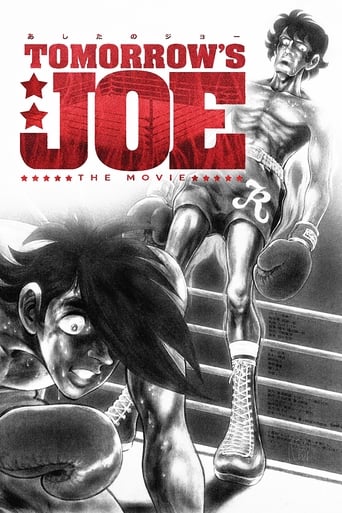
8.4An abridged remake of the first Ashita no Joe TV series, released in 1980 to provide back-story for the second TV series to new fans who were not familiar with the first TV series or the manga.
Tomorrow's Joe The Movie
1980
 5.0
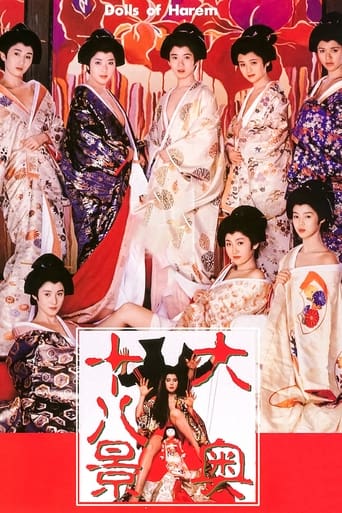
5.0A new shogun is appointed to the throne when his brother dies. He find out that the former Shogun one of the women from his brothers harem became pregnant, but she escaped. The new Shogun would loose the throne if the child is a boy. Genshiro is doctor who, among other things, performs abortions, and is sheltering his love, another women who escaped from the harem. The new Shogun threatens to arrest the girl unless Genshiro hunts down the woman and aborts her child. Genshiro learns that the woman releases a "musky scent from her special area" when in ecstasy. Both Genshiro and his friend set out to find all the women of the former harem and have sex with them, by force if necessary.
The Shogunate's Harem
1986
 5.5
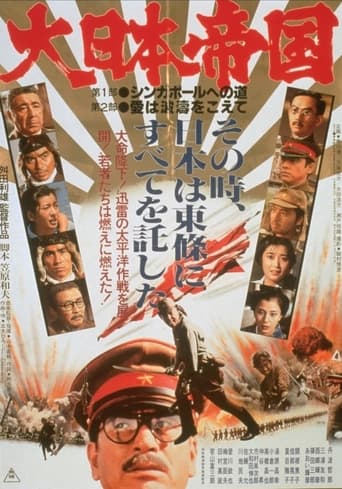
5.5Story of three people, a barber, a Christian and a graduate of the Tokyo Military Academy during the 2nd World War.
The Imperial Japanese Empire
1982
 6.1
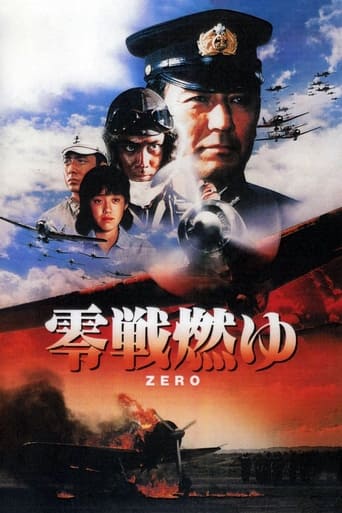
6.1Two young men are recruited into the Japanese air force just before outbreak of WW2 by the test pilot of Japans new super fighter - the Zero. The movie is told in reverse from the point of one of the young men who don't qualify for the pilot training and instead joins the ground crew. It chronicles the entire history of the famous fighter from the first prototype test flights all through the war.
Zero
1984
 NR
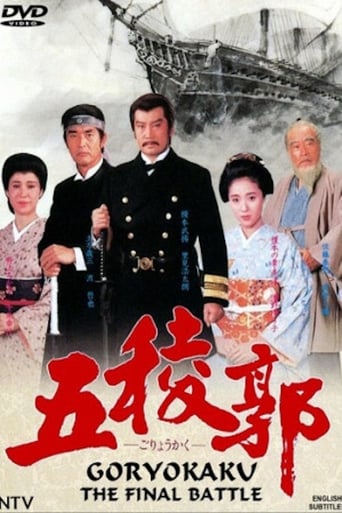
NRAfter the fall of the Tokugawa Shogunate, there was a series of battles fought while the former supporters of the Tokugawa shogunate retreated to the north where they actually started a sovereign nation that was recognized by more than one European country. Survivors of the Shinsengumi were among the followers of Enomoto Takeaki who took them to the northernmost island of Ezo where they fought their final battle at the star shaped fort, Goryokaku. The Japanese Civil Wars fought in the name of the emperor signaled the complete end of the feudal system and Japan’s entry into the modern world as those brave samurai tried to halt progress and learned that the age of modern warfare and weaponry had passed them by. Swords were no match for rifles and cannons, nor was any man a match for the power of the imperial flag. Japanese loyalty to the emperor has long defined the nation and culture despite the changing times.
Goryokaku
1988
 NR
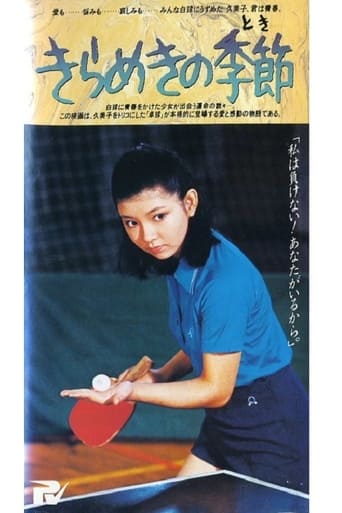
NR1980 Japanese film distributed by Shochiku.
Strike the White Ball
1980
 NR
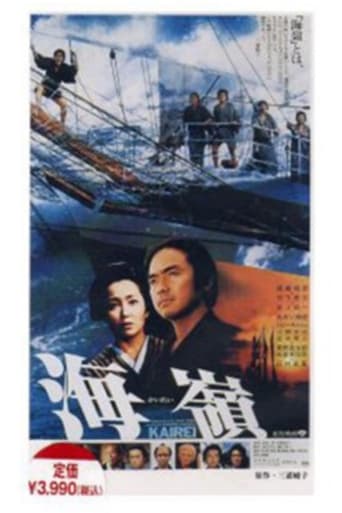
NRThe Story of the three Japanese castaways Otokichi, Kyukichi and Iwakichi. After their ship the Hojunmaru was damaged, they drifted to America and landed on the US-Westcoast in 1834. They had the wish to return to Japan, a long journey was awaiting them.
Adrift at Sea
1983
 9.0
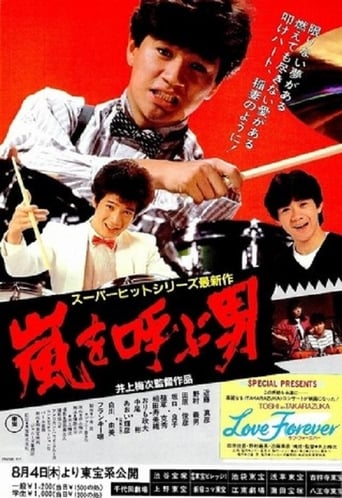
9.0Remake of the 1957 film "The Stormy Man".
The Guy Who Brings On A Storm
1983
1970s · 6 titles
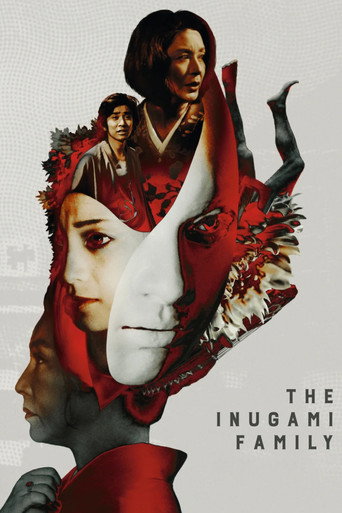 6.8
6.8When a tycoon passes away, he unexpectedly leaves the family fortune to outsider Tamayo on the condition that she marries one of the grandsons, pitting blood against blood.
The Inugami Family
1976
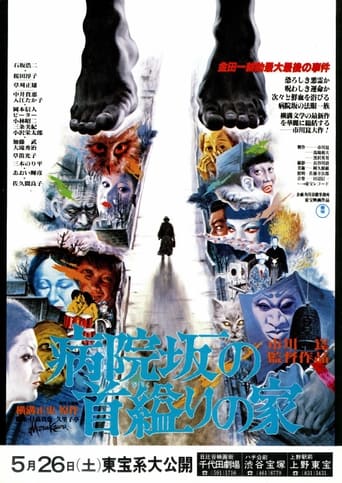 6.2
6.2This time, Kousuke investigates a murder in a hospital. The murderer leaves misleading evidence to divert Kousuke's attention on the case. Suspicion and doubt clouds Kousuke's mind.
The House of Hanging
1979
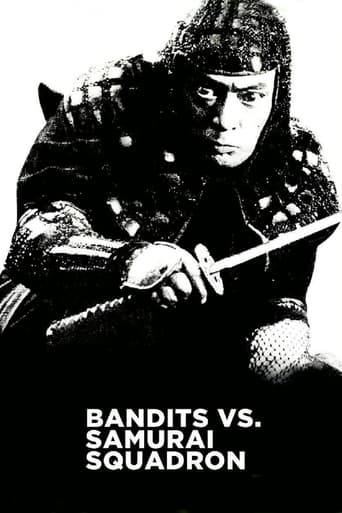 6.1
6.1Kumokiri Nizaemon, a former samurai warrior, has abandoned his class to become the leader of a gang of thieves. He leads his outlaws in an attempt to rob the castle of his former clan.
Bandits vs. Samurai Squadron
1978
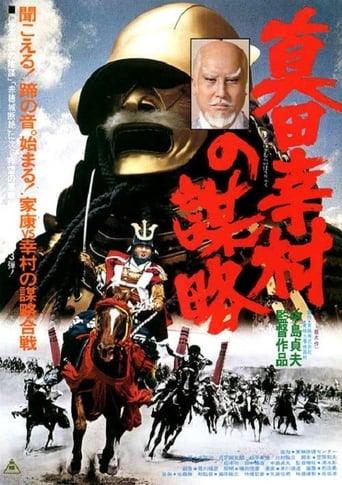 5.4
5.4This is a film about a real person. Sanada Yukimura fought a war against Tokugawa Ieyasu.
The Shogun Assassins
1979
 6.7
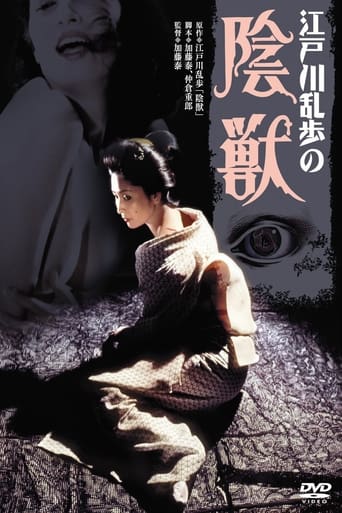
6.7In 1930, the chance meeting of a novelist and one of his fans opens the door to a series of mysterious events culminating in the death of a wealthy industrialist who may have been leading a double life.
A Scream from Nowhere
1977
 8.0
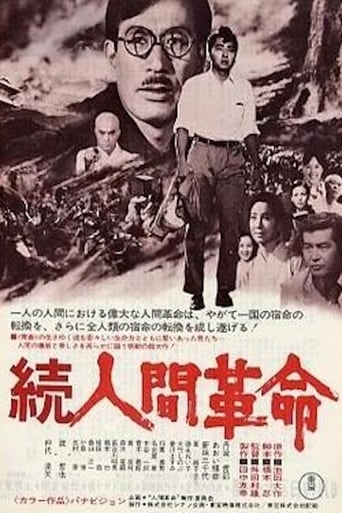
8.0Dramatic story of one man trying to make a difference.
Human Revolution II
1976
Series credits
8.2A young drifter named Joe Yabuki wanders through the slums of Tokyo, but when the local ruffians try to give him a hard time he teaches them a rough lesson with his fists. The spectacle sparks a gleam in the eye of an old drunk who happens to be watching—Danpei Tange, a failed boxer and former coach who sees something special in the boy. He pleads with Joe to train with him off, but the cocky young fighter brushes him. Later, though, when Joe is arrested and put in a juvenile detention facility, he realizes that he’s going to need to hone his raw fighting skills if he wants to survive. Thus is born a partnership that might just take Joe all the way to the top…
Tomorrow's Joe
1970
10.0One night, Jiro and Reiko fell in love at first sight, and on the seventh day he proposed to her, and three months later they were married. However, the difference in upbringing between Jiro, who was born and raised in a farmhouse in Shinshu, and Reiko, who is a city girl by nature, sometimes causes small ripples in their sweet newlywed life.
World of Two
1970
9.0The Tsuru family is a family of nine, headed by Kamejiro. Kamejiro is the president of a construction company that has made a fortune in its first generation, but he is a one-man family. His wife, Aiko, is a typical good wife and wise mother type. Kamejiro gets angry and thunders down every week, and the children are afraid of him, calling him "Oyaji Daiko", but he also takes advantage of this.
Oyaji Daiko
1968
7.3The story chronicles the life of Nagao Kagetora.
Heaven and Earth
1969
NRChiba Shusaku: Kendo Masshigura is a Japanese period drama that aired on the TBS network from November 2, 1970 to August 30, 1971 in the "Brother Gekijo" slot. It ran for 44 colour episodes of 30 minutes each. Based on Sohachi Yamaoka's novel "Chiba Shusaku", it depicts the youth of Chiba Shusaku, founder of the Hokushin Itto-ryu school of swordsmanship. A hot-blooded young man who calls himself Shusaku enters the dojo of Asari Matashichiro and, through encounters with all kinds of people, grows rapidly both in swordsmanship and in character. Produced by TBS and Shochiku. Rerun on the Japanese CS channel Jidaigeki Senmon Channel from March 17, 2025.
Chiba Shusaku: Kendo Masshigura
1970
NRChiba Shusaku: Kendo Masshigura is a Japanese period drama that aired on the TBS network from November 2, 1970 to August 30, 1971 in the "Brother Gekijo" slot. It ran for 44 colour episodes of 30 minutes each. Based on Sohachi Yamaoka's novel "Chiba Shusaku", it depicts the youth of Chiba Shusaku, founder of the Hokushin Itto-ryu school of swordsmanship. A hot-blooded young man who calls himself Shusaku enters the dojo of Asari Matashichiro and, through encounters with all kinds of people, grows rapidly both in swordsmanship and in character. Produced by TBS and Shochiku. Rerun on the Japanese CS channel Jidaigeki Senmon Channel from March 17, 2025.
Chiba Shusaku: Kendo Masshigura
1970
7.9The Water Margin is a Japanese television series based on Water Margin, one of the Four Great Classical Novels of Chinese literature. The novel details the trials and tribulations of 108 outlaws during the Song Dynasty. This adaptation follows Lin Chung and his clashes with the local government official Kao Chiu. The Water Margin is famous for its, sometimes obscure, but memorable philosophical quotes, such as "Do not despise the snake for having no horns,for who is to say it will not become a dragon?""
The Water Margin
1973
 NR
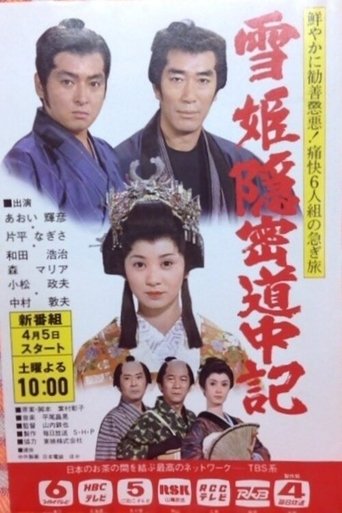
NRThe story begins with Kiyomasa Kato's granddaughter, Princess Yuki, on her way from Kumamoto to Edo to appeal directly to the Shogun.
Yuki-hime Onmitsu Dōchūki
1980
 NR
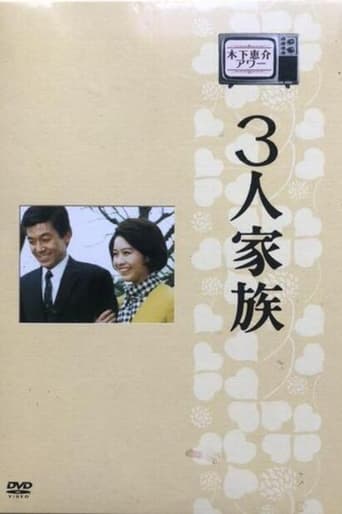
NRThe drama features two families, the all-male Shibata family and the all-female Inaba family, and depicts the interactions between the two families with many amusing and heartwarming episodes.
Family of Three
1968
Set in a neighborhood near a private railway station in the suburbs of Tokyo, this cheerful home drama depicts various events that occur in the homes of merchants and businessmen, as well as love affairs between men and women of all ages. It is a story of people of goodwill and kindness.
Ashita Kara no Koi
1970
 NR
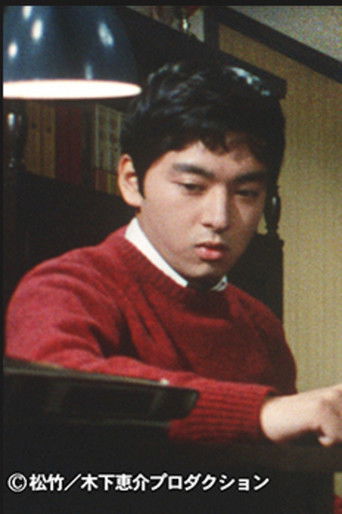
NRThe drama depicts the lives and loves of people living in three different environments: a family consisting of two brothers and their parents; a family with a father and a daughter who are not well organized; and a girl who has moved from the countryside to Tokyo to live alone in the whirlwind of the big city, desperately trying to survive.
Brother
1969
 NR
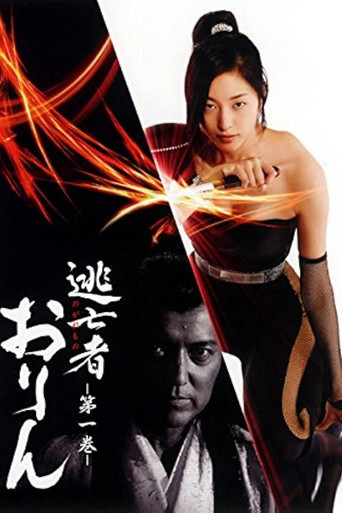
NRIt is the Edo period during the ninth Shogun Ieshige's reign. Orin's father was falsely accused of attempting to assassinate the former Shogun Yoshimune and in accordance with her father's wishes, Orin joins the secret assassination group Tegusari-nin, headed by Uemura Doestsu. In the organization, Orin fights through many dangers. But one day, she realizes she is being used by Doetsu in order to advance his ambition.
Nogaremono Orin
2006
 10.0
10.0A historic figure Tokugawa Mitsukuni, former vice-shogun and retired daimyo of the Mito domain travels through Japan in the guise of Mitsuemon, a retired crêpe merchant from Echigo province, accompanied by his two samurai retainers, fun-loving Sasaki Sukesaburō (Suke-san) and studious Atsumi Kakunoshin (Kaku-san).
Mito Komon
1969
 NR
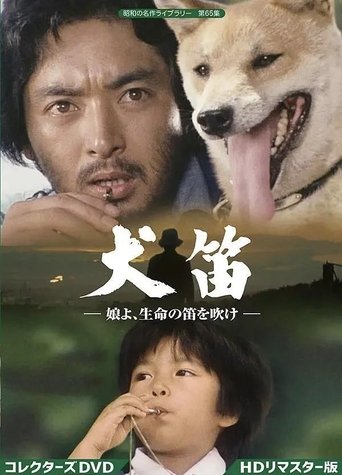
NRNo synopsis available yet.
犬笛-娘よ、生命の笛を吹け
1978
 NR
NRGinji (Teruhiko Aoi), together with Yasugoro, a bathhouse owner, Toshiro, a ronin, Kojiro, a samurai retainer's son, and Omitsu, a kimono shop owner's daughter .... use drumsticks as a weapon against the evil that lurks in the city of Edo.
The Drumstick Detective
1972
 NR
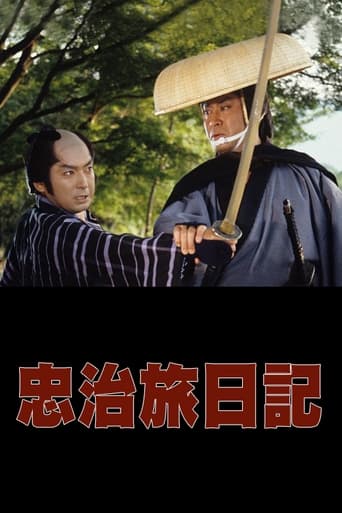
NRA historical drama about the days of youth of the famous yakuza boss, the protector of ordinary people Chuji Kunisada. The film was made to commemorate the 35th anniversary of Kinya Kitaoji's acting career.
The Diary of Chuji's Travels
1992
 NR
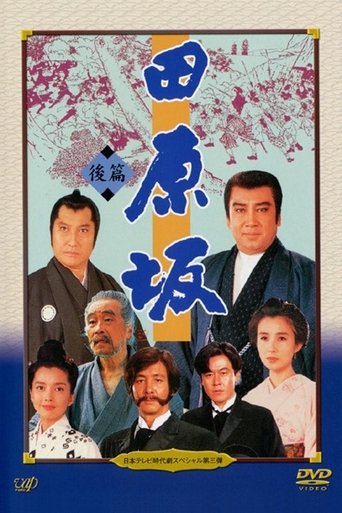
NRKnown as the ”Last Samurai” Saigo Takamori was a stout giant of a man with a huge head and a neck like a bear. As the leader of Satsuma’s anti-Western faction, he was instumental in establishing the Sat-Cho Alliance dreamed of by Sakamoto Ryoma. After the fall of the Tokugawa, Saigo rose to major prominence before falling in disfavor. In 1876 Saigo Takamori resigned from his government post and went back to Kagoshima. He founded a local military school and dissatisfied samurai gathered around him in large numbers. In late 1876 it came to an open conflict when samurai rebels raided and occupied ammunition and weapon depots of the central government. The samurai rebels urged and proclaimed Saigo Takamori as their leader.
Tabaruzaka
1987
No synopsis available yet.
危険な誘拐
1982