

Acting
Jutta Hoffmann
Born
1941-03-03 (85)
Place of birth
Halle (Saale)
Known for
Acting
Credits
50 titles
Jutta Hoffmann was born on March 3, 1941 in Halle, Saxony-Anhalt, Germany. She is an actress, known for Bandits (1997), Der Angriff der Gegenwart auf die übrige Zeit (1985) and Karla (1965). She is married to Nicolaus Haenel. They have one child. She was previously married to Herrmann Zschoche.
Known for
 4.7
4.7Every evening at 6:45 p.m. sharp, a prominent guest takes a seat on the red sofa—and DAS! provides daily updates on what's hot in the north.
DAS!
1991
 6.2
6.2Polizeiruf 110 is a long-running German language detective television series. The first episode was broadcast 27 June 1971 in the German Democratic Republic, and after the dissolution of Fernsehen der DDR the series was picked up by ARD. It was originally created as a counterpart to the West German series Tatort, and quickly became a public favorite.
Polizeiruf 110
1971
 6.0
6.0The SOKO Stuttgart team investigates analytically and with sensitivity in the likeable state capital. The exciting cases of the series lead them to bizarre crime scenes and to different milieus.
SOKO Stuttgart
2009
Annual awarding of the Grimme Awards.
Grimme Award
1964
No synopsis available yet.
German Film Award
1951
 4.6
4.6Bella Block is a long-running German detective television series starring Hannelore Hoger, first broadcast in 1994 on ZDF. In 2010 the 30th series was produced.
Bella Block
1993
Film credits

2010s · 2 titles
 1.0
1.0Mother Sophia and daughter Adriana are expecting a child at the same time. When Adriana had an accident in the car, the baby had to be picked up early. It dies without Adriana's knowledge, and Sophie makes a momentous decision ...
Aus Liebe zu Dir
2012
 6.0
6.0From her childhood, Nadia felt responsible for her mentally disturbed and recently homeless mother, Irene. For a while Nadia had cut off all contact with Irene and tried to live her life, until Irene suddenly appears drunk at the wedding of her son, Mickey. Nadia sinks back into this quagmire of love and hate, responsibility, guilt and shame. She gathers her strength to find a home for her mother while at the same time she hides from her partner, Ian, the fact that the drunk woman at her brother's wedding was her mother. But no one can oppress Irene, let alone her daughter.
Part of Us
2016
2000s · 4 titles
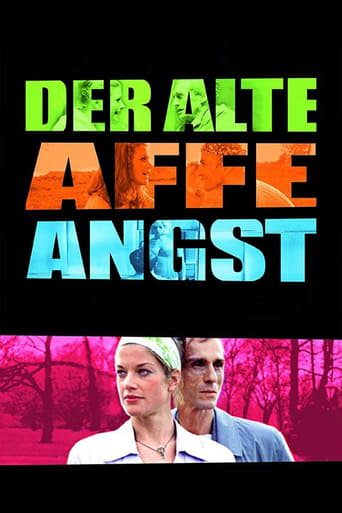 5.1
5.1Oskar Roehler's drama Der Alte Affe Angst (Angst) is about the dissolution of a couple. Robert (Andre Hennicke) and Marie (Marie Baumer) have little in common other than their sex life. Since Robert is going through a bout with impotency, they are having a very rocky time. Robert learns that his father, whom he is estranged from, has died. This disturbs Robert so much that he visits a prostitute, and is able to engage in sex with her. Marie discovers the infidelity, and the prostitute has a surprise of her own. Angst was screened at the 2003 Berlin Film Festival.
Angst
2003
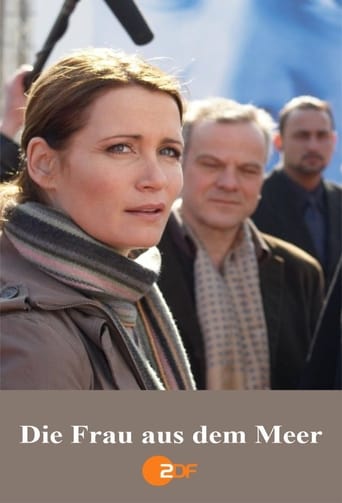 7.2
7.2A female corpse is washed up on the beach in Husum. Her fingertips were removed, and a piece of paper with a cell phone number was found in her throat, which belongs to the well-known political journalist Karl Kress.
Die Frau aus dem Meer
2008
 NR
NRA study of Alexander Kluge that also emulates his technique of seeking and linking. Kluge reads aloud, Kluge recounts, including stories from his childhood and youth, from the bombing of Halberstadt, his home town. “What you don’t understand as a child you will contemplate for the rest of your life.” Kluge does this as the author of films, books, TV programs. He has always had several professions at once. He is a legal advisor, director, author, founder of the television production company DCTP, and person in charge of its culture magazines. But if you think that these are all different jobs, you’re mistaken.
Alle Gefühle glauben an einen glücklichen Ausgang
2002
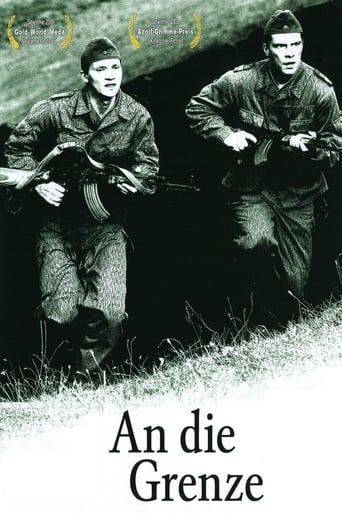 4.8
4.819-year-old NVA soldier, Alex Karow, is sent to the West German-East German border in May 1974, shortly after Willy Brandt's resignation and during the World Cup. The army is dominated by brutal rituals, tolerated or used by the officers. Alex understands that the ideals of balance, democracy and human dignity are propaganda. The question of what happens when the other appears in the sights of the Kalashnikov occupies the soldiers day and night, interrupted almost exclusively by the games of the World Cup with the historic encounter between the GDR and the FRG. Alex draws strength from his love for Christine, a confident tractor driver who lives in the neighbouring village. Christine encourages him not to do what his father expects, but to follow his dream of becoming a photographer. But when her brother sends Alex's photo from the border fortifications to the West, everything gets out of control...
An die Grenze
2007
1990s · 3 titles
 6.0
6.0Four female cons who have formed a band in prison get a chance to play at a police ball outside the walls. They take the chance to escape. Being on the run from the law they even make it to sell their music and become famous outlaws.
Bandits
1997
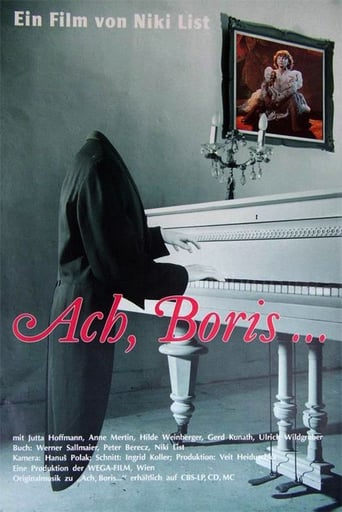 8.0
8.0It is autumn. An area of villas in the outkirts of the city. A dilapidated villa in an overgrown garden. The three Schwarz sisters live there. They make life miserable for themselves by constantly harassing each other. They can't live together but they can't get away from each other. Their father has been dead for a long time, but his spirit is omnipresent. One day a letter arrives and the uneventful lives of the sisters are thrown into confusion.
Ach, Boris...
1990
A TV adaptation of the stage comedy of the same name by Heinrich von Kleist.
Der zerbrochene Krug
1990
1980s · 5 titles
 6.4
6.4A poignant film essay about 'superfluous people' facing up to a moment of crisis in their lives.
The Assault of the Present on the Rest of Time
1985
 7.0
7.0The love story between Magda and Rudolf Neubert illuminates the fate of German anti-fascists in emigration. The Vichy regime in France offers them hardly any refuge, let alone protection in 1942. Like a provincial Casanova, the prefectural official Dufour recreates the young woman who is submerged as a Jewish woman without valid papers. With false documents, her husband gets into the catches of the police chief and his Gestapo spy Giacometti...
Die Zeit der Einsamkeit
1984
During the Napoleonic Wars, German writer Ferdinand von Rauch, who had enthusiastically joined the French revolutionary troops years earlier, is sent to scout the terrain of a small Thuringian village. Unexpectedly, he encounters not only his lover Stella, whom he left years ago but still loves, but also his wife Cäcilie. Stella has taken a position as a companion to Cäcilie with her sixteen-year-old daughter Lucie. Both women, who have been unable to fulfill their longing for love for years, now lay claim to Ferdinand. And the man reciprocates both their love, not wanting to give up either of them.
Stella
1982
 NR
NRHedda Gabler, the spoiled daughter of a general, marries the staid scholar Tesman in the hope that he will develop into an important personality. But Hedda is an eccentric woman and her expectations of life are insatiable. She has no sympathy for her husband's work and quickly becomes bored in her petty bourgeois circumstances. Then Ejlert Lövberg, a colleague of her husband's, returns to the city he left because of his dissolute lifestyle. They have known each other since those days, but Hedda feared a scandal if she had returned his passionate love. Ejlert is rehabilitated thanks to Thea, the woman at his side. But Hedda's love for him reawakens and, driven by her nature to determine the fate of other people, she drives Ejlert to disaster.
Hedda Gabler
1980
TV recording of a production of the play of the same name in five acts by Johann Wolfgang von Goethe.
Torquato Tasso
1985
1970s · 13 titles
 5.1
5.1Switzerland 1523. The mercenary Hansli Gyr returns with his soldiers from Italy to his home in the Oberland. They have fought for the Pope and now find a religious upheaval in Switzerland.
Ursula
1978
 5.8
5.8Johann Wolfgang von Goethe (1749-1832) was the author of Werther, the romantic novel that was transformed into a play during Goethe's lifetime and which initiated the whole German romantic movement. The book's story tells of young love and suicide. In this East German film, based on a book by Thomas Mann, Lotte (Lilli Palmer) was the woman who served as the model for the heroine in the novel Werther. She comes to Goethe's hometown for a visit, and her experiences there eerily re-create episodes from the book. Goethe comes across as a pompous old bore, and his friends as pandering sycophants, in this very proper communist party-sponsored, anti-heroic movie.
Lotte in Weimar
1975
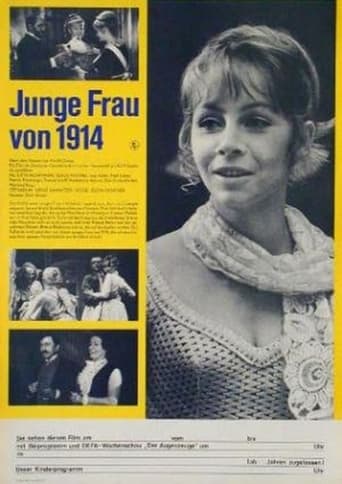 7.0
7.0In 1914 Berlin, bank heiress Leonore Wahl and struggling Munich student Werner Bertin fall passionately in love, defying class and her parents’ expectations. Their idyll is shattered by the outbreak of WWI: Werner, swept up in patriotic fervor, is conscripted to the Western Front, while Leonore, pregnant and abandoned, faces her family’s condemnation and a clandestine abortion. Set against the tumult of war, the film explores idealism, social divides, and the personal costs of duty and desire.
Junge Frau von 1914
1970
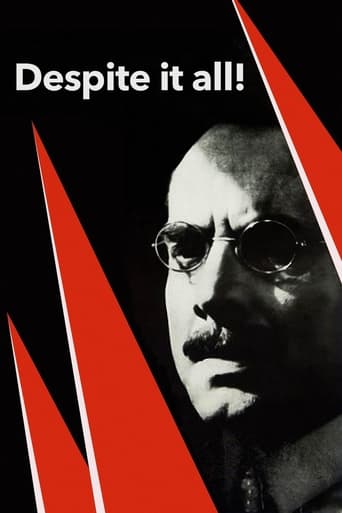 7.2
7.2October 1918: Karl Liebknecht is released from prison and Berlin workers celebrate his release. Although WWI is almost over, the German Kaiserreich in vain sends its last reserves to the slaughter. The working class is in a rebellious mood; the uprising of Kiel’s sailors against war and militarism sets off a call for revolution led by Liebknecht. On November 9, Liebknecht declares the Free Socialist Republic of Germany. But pro-Kaiser military and right wing Social Democrats oppose him.
Despite It All!
1972
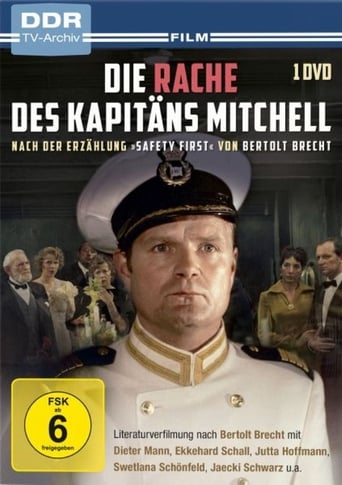 7.0
7.0The "Astoria", an English luxury liner, collides with a freighter shortly before the end of its voyage and threatens to sink. Captain Mitchell, successful and envied, sets in motion an expensive rescue operation. He manages to avert a catastrophe and bring the passengers and the ship to safety. But the shipowner considers the operation excessive, calls Mitchell a coward and fires him. His career seems to be over. When his friends and his fiancée also make fun of him, he devises a cunning plan of revenge.
Die Rache des Kapitäns Mitchell
1979
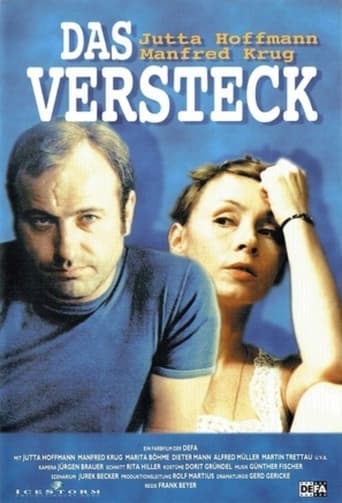 7.0
7.0One year has passed since Max and Wanda got their divorce. Max has come to the realization that he wants his ex-wife back - no matter what the cost! So he concocts a sneaky plan: he asks Wanda to hide him from the police, who are apparently looking for him. At first, Wanda rejects all his attempts to restart their relationship. But she is soon unable to resist Max's convincing promises and even throws her lover out of the house. But then she discovers Max's lie.
Das Versteck
1978
 5.2
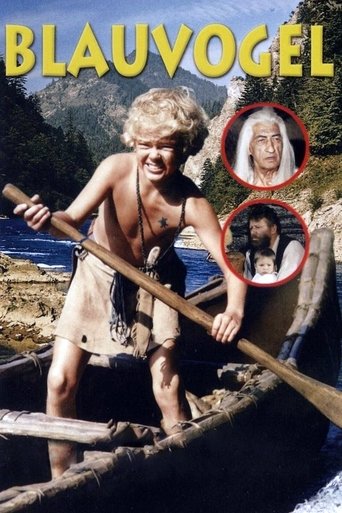
5.2In the middle of the 18th Century, the Ruster family immigrates to America. The father, a former farm laborer, leads a hard life as a settler along with his family. One day the nine year-old George, his second-youngest son, is kidnapped by Iroquois. He is taken in by an Indian family in the place of a deceased son and receives the name "Blue Bird." The boy has homesickness and difficulties accustoming to the customs of the Indians.
Blue Bird
1979
 6.7
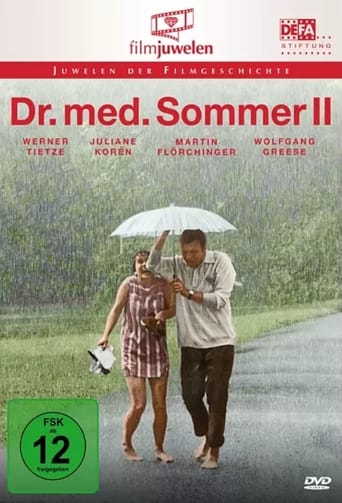
6.7The story of a young, idealistic doctor and his on-the-job training as a rookie surgeon. Dr. Heiner Sommer moves to a small town in the GDR where he will complete his training under the senior physician, also named Dr. Sommer.
Dr. Sommer II
1970
 4.3
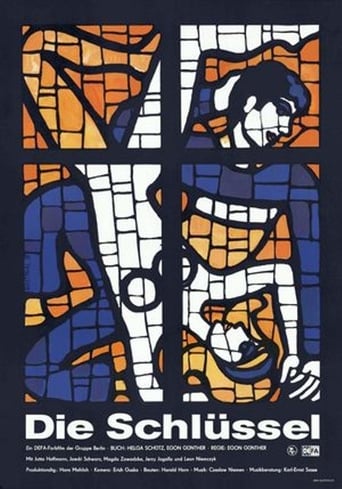
4.3During their holiday in Kraków, a young worker and a student are asked if their love, despite different views on life, will endure.
The Keys
1974
 6.6
6.6In this East German film, the third one in The Third is Margit's third lover. After her mother's death, Margit has two affairs which don't work out, and one lesbian friendship which she retains. She is looking for a husband, though, and thinks she has spotted a candidate in her fellow factory worker. As she contemplates marrying him, her story is told in a series of flashbacks.
Her Third
1972
In the spring of 1969, a young man from a small town arrives at the partner company in Berlin, where he falls in love with red-haired Rita. A love story about "everyday heroes," in which director Egon Günther continues his idiosyncratic formal experiments with actress Jutta Hoffmann, which he began in "Junge Frau von 1914" (Young Woman of 1914).
Anlauf
1971
 10.0
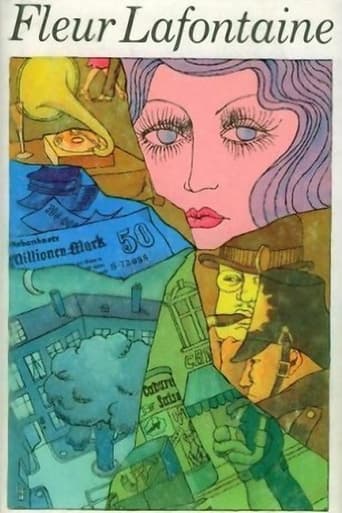
10.0Berlin, 1948: Paralyzed and robbed of her memory, Fleur regains consciousness after a serious fall. The doctor treating her recognizes that her problem is of a psychological nature and encourages her to face up to her past. The daughter of a brothel owner is reluctant to look back: on a hapless childhood, her relationships with bon vivant Dr. Goldner and the politically committed locksmith Philipp (Hilmar Thate) as well as the difficult period of fascism... This exciting journey into the German past is based on Dinah Nelken's novel "Das angstvolle Heldenleben einer gewissen Fleur Lafontaine".
Fleur Lafontaine
1978
 5.2
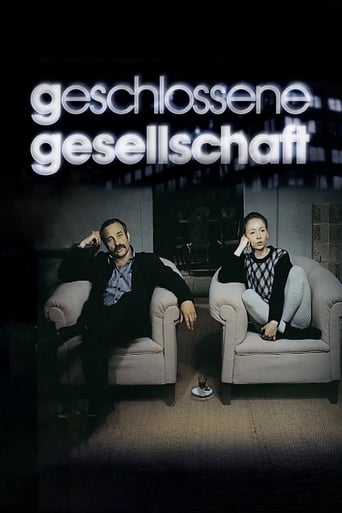
5.2Three couples want to spend a short break together. Some have a traffic accident, the others are prevented professionally. So the designer Robert and the youth helper Ellen are forced to spend the days in a remote farmhouse alone with her young son. The previously suppressed marriage crisis breaks open. Allegations, confessions, charges, self-accusations are in the room. Painfully, they come to the realization that only their own happiness is responsible for their happiness. With the old landlord, each of them finds himself. In the end, Robert and Ellen want to try a new beginning.
Geschlossene Gesellschaft
1978
1960s · 11 titles
 10.0
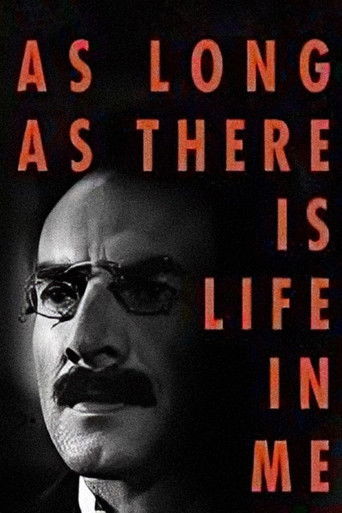
10.0This is part one of a two-part biopic about Karl Liebknecht. In 1914, Germany is arming itself for war. Karl Liebknecht, left-wing revolutionary Social Democrat, workers’ leader and a virulent antimilitarist, is one among 110 SPD members of Parliament who vote against approving war loans. From then on, he is considered un-German and a traitor to the fatherland, and his own party’s leadership turns against him. Despite threats, Liebknecht speaks up against the war and writes the manifesto “The Main Enemy Is at Home.” Even when he is arrested and charged with treason, he does not surrender.
As Long as There’s Life in Me
1965
 6.7
6.7An idealistic teacher is shocked to discover her pupils are already cynical and opportunistic. Her colleague soon grows resentful when she uses new and challenging techniques to help her students overcome obstacles.
Carla
1965
 5.3
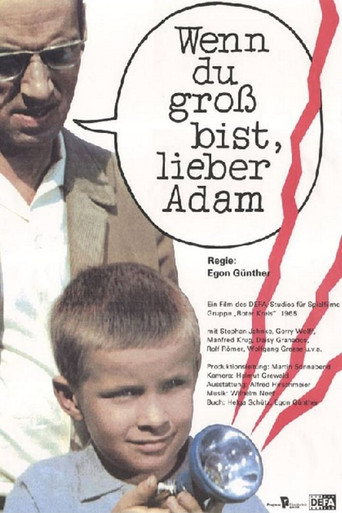
5.3Adam receives a flashlight with special powers: every liar it shines on flies into the air. Production was cancelled in 1965/66 due to the film's political content. Only in 1989/90 could the director reconstruct the film, where missing sounds and images are replaced with script inserts.
When You’re Grown Up, Dear Adam
1966
 5.5
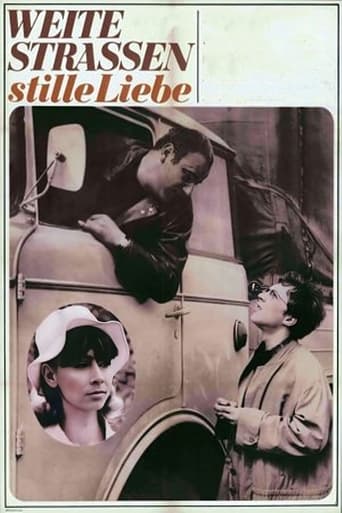
5.5Long-haul driver Hannes picks up a young hitchhiker, Herb, who had a falling-out with his parents after dropping out of college and now travels around doing odd jobs. After a series of adventures, they are joined by Johanna and her child, who missed their bus and need a ride to Berlin. Johanna has left her husband so that he can reflect on their broken relationship and both men gradually begin to fall in love with her.
Long Roads - Secret Love
1969
 7.4
7.4High-school senior Peter considers the adults around him to be hypocritical, self-congratulatory, and immersed in the past. He gets suspended for writing an essay that his teachers consider to be a challenge to the state. Just Don't Think I'll Cry became one of twelve films and film projects-almost an entire year's production-that were banned in 1965-1966 due to their alleged anti-socialist aspects. Although scenes and dialogs were altered and the end was reshot twice, officials condemned this title as "particularly harmful." In 1989, cinematographer Ost restored the original version, and this and most of the other banned films were finally screened in January 1990. Belatedly, they were acclaimed as masterpieces of critical realism.
Just Don't Think I'll Cry
1965
 6.3
6.3The communist and resistance fighter Lorenz Reger, who after the war put all his efforts in the creation of a socialist German state, learns that he has only a short time left to live. Nevertheless, he wants to take on one last difficult new task: He wants to restructure a large firm which has run deep into the red numbers. In a short amount of time, Reger manages to establish mutual trust between the employees and the new management. Furthermore, he motivates the employees with his personal interest for their concerns.
Time to Live
1969
 8.0
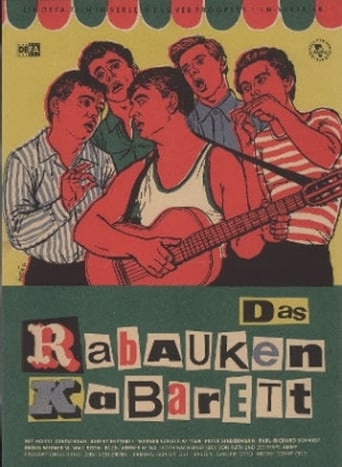
8.0Wolfgang is a bully, but overall he‘s not a bad guy. However, not everyone in Thuringia, where he goes to school, is sympathetic to him and his buddies. His daring adventures often go too far - up to and including stealing three bottles of liquor. Meanwhile, the new head of the boarding school knows how to use the undisputed skills of hooligans for the common good. Together with them he founds the "Cabaret of Debaucheries". With sharp jokes and music, they now pounce on slackers, slackers and drunks - and in the process slowly change for the better.
Das Rabauken-Kabarett
1961
GDR border guard Gunter Rist is a young man from humble homes. During a swimming competition he meets Penny, a professor’s daughter from a good family, and they fall in love. However, their different social backgrounds get in the way of their happiness: Penny’s friends make it obvious that they are not willing to accept Gunter in their group. Although Penny takes Gunter’s side, she doubts if love can overcome all obstacles. In this state, she falls for the advances of her ex-boyfriend Bob and joins him on vacation. In the meantime, Gunter has an accident and is hospitalized. In the hospital, he meets the nurse Li who seems to be perfect for him.
Julia lebt
1963
 7.0
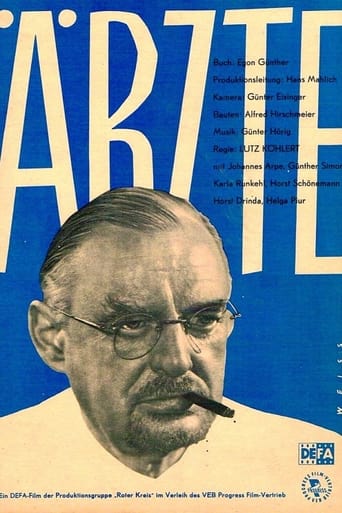
7.0Professor Heger's son was shot by the Gestapo during the war. Dr. Bram was also responsible for his death. After the war, working in Heger's clinic, Bram tells the professor about his guilt. Considering Bram a traitor, Heger refuses to work with him. Bram flees to West Germany. Soon the professor, who has decided in his heart to stay in the FRG forever, leaves for Munich for the congress. But his meeting with Bram in Munich and the reality surrounding them dispelled his illusions, and they both return to their homeland.
Ärzte
1962
Czech friends help refugees from Nazi Germany escape in 1939.
Prague at Zero Hour
1963
The Ruhr area in November of 1918. 13-year old Achim Wolters and his friends get their hands on some potatoes on the market. They want to surprise Achim′s father, who works on a mine sweeper boat, with a decent meal. But Achim′s father does not show up – an informer at the train station has betrayed him for his left-wing beliefs and has turned him over to the police. The priest tells Achim the sad news and advises him to pray for the release of his father. But when carpenter Stelzebein stresses that everybody has to take actions for himself, the devout boy at first does not believe in Stelzebein′s words. But then Achim witnesses in the prison how brutally the imperial police treat his father and the other inmates. Together with his loyal friends, Achim takes Stelzebein′s side. When the revolution starts, they stand together on the barricades.
Engel im Fegefeuer
1965
Series credits
4.7Every evening at 6:45 p.m. sharp, a prominent guest takes a seat on the red sofa—and DAS! provides daily updates on what's hot in the north.
DAS!
1991
6.2Polizeiruf 110 is a long-running German language detective television series. The first episode was broadcast 27 June 1971 in the German Democratic Republic, and after the dissolution of Fernsehen der DDR the series was picked up by ARD. It was originally created as a counterpart to the West German series Tatort, and quickly became a public favorite.
Polizeiruf 110
1971
6.0The SOKO Stuttgart team investigates analytically and with sensitivity in the likeable state capital. The exciting cases of the series lead them to bizarre crime scenes and to different milieus.
SOKO Stuttgart
2009
Annual awarding of the Grimme Awards.
Grimme Award
1964
No synopsis available yet.
German Film Award
1951
4.6Bella Block is a long-running German detective television series starring Hannelore Hoger, first broadcast in 1994 on ZDF. In 2010 the 30th series was produced.
Bella Block
1993
No synopsis available yet.
Telestar
1983
 NR
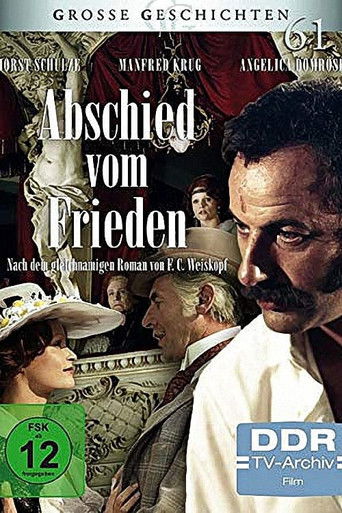
NRPrague 1913: The family of newspaper publisher Alexander Reither, traditionally reunited for a New Year’s dinner, moves along convoluted and secretive paths in everyday life. Granddaughter Wally is impressed by the opaque businessman Marko Gelusich. Her cousin Adrienne meets the young socialist Joseph Prokop at an illegal anarchist meeting. On a business trip to Vienna, Alexander Reither falls in love with Irene v. Claudi. Adrienne wants to move completely into Joseph Prokop’s proletarian world, but her mother Kalivoda makes her a painful announcement. Joseph already has a girl. Alexander finds Irene v. Claudi in Budapest. They spend happy days in Vienna. In Prague, the printing workers go on strike. Adrienne fights alongside the workers and Robert Kalivoda. She experiences class struggle with her cousin Guido Frank. Alexander tries to introduce Irene to the family.
Abschied vom Frieden
1979
 9.0
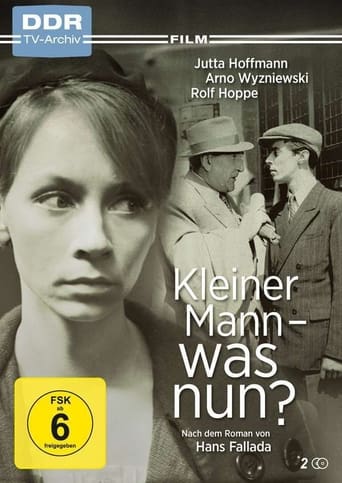
9.0The love story of Emma and Johannes begins during the hard years of the Great Depression. Emma repeatedly tries to encourage her husband, who is suffering terribly from unemployment. However, the crisis continues to intensify and social disintegration affects millions.
Kleiner Mann – was nun?
1967
 NR
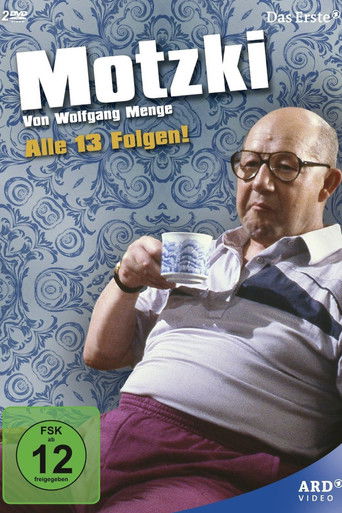
NRMotzki is a German television series.
Motzki
1993
 NR
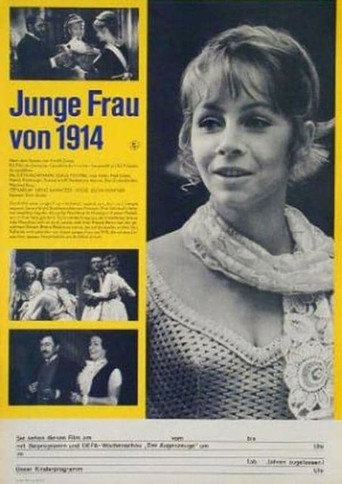
NRIn 1914 Berlin, bank heiress Leonore Wahl and struggling Munich student Werner Bertin fall passionately in love, defying class and her parents’ expectations. Their idyll is shattered by the outbreak of WWI: Werner, swept up in patriotic fervor, is conscripted to the Western Front, while Leonore, pregnant and abandoned, faces her family’s condemnation and a clandestine abortion. Set against the tumult of war, the film explores idealism, social divides, and the personal costs of duty and desire.
Junge Frau von 1914
1970