

Acting
Norbert Christian
Born — Died
1925-12-05 — 1976-12-18
Place of birth
Berlin, Weimar Republic [now Germany]
Known for
Acting
Credits
69 titles
Known for
 6.2
6.2Polizeiruf 110 is a long-running German language detective television series. The first episode was broadcast 27 June 1971 in the German Democratic Republic, and after the dissolution of Fernsehen der DDR the series was picked up by ARD. It was originally created as a counterpart to the West German series Tatort, and quickly became a public favorite.
Polizeiruf 110
1971
 4.3
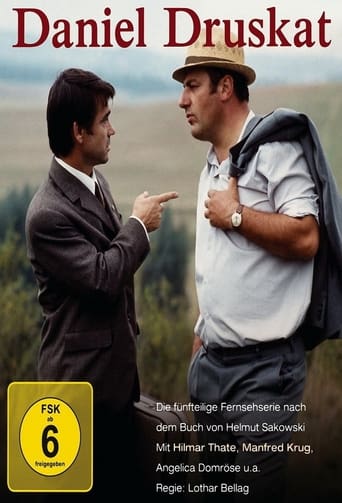
4.3Large-scale, five-part film about the relationship between two men caught between friendship, rivalry and hatred during the first decades of GDR in the countryside.
Daniel Druskat
1976
 NR
NRFour-part miniseries about the theologian Thomas Müntzer, who became a revolutionary and opponent of Luther during the Peasant War in 1525.
Denn ich sah eine neue Erde
1970
 7.9
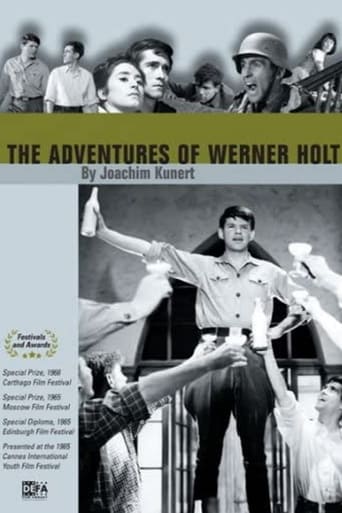
7.9Two 17-year-olds, Werner Holt and Gilbert Wolzow, are pulled out of school and into Hitler's army. Gilbert becomes a fanatical soldier; but at the front, Werner begins to understand the senselessness of war.
The Adventures of Werner Holt
1965
 10.0
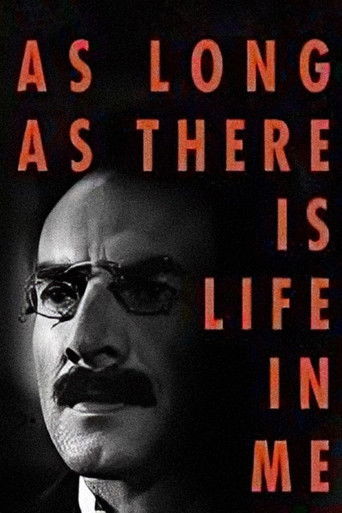
10.0This is part one of a two-part biopic about Karl Liebknecht. In 1914, Germany is arming itself for war. Karl Liebknecht, left-wing revolutionary Social Democrat, workers’ leader and a virulent antimilitarist, is one among 110 SPD members of Parliament who vote against approving war loans. From then on, he is considered un-German and a traitor to the fatherland, and his own party’s leadership turns against him. Despite threats, Liebknecht speaks up against the war and writes the manifesto “The Main Enemy Is at Home.” Even when he is arrested and charged with treason, he does not surrender.
As Long as There’s Life in Me
1965
 NR
NRPrague 1913: The family of newspaper publisher Alexander Reither, traditionally reunited for a New Year’s dinner, moves along convoluted and secretive paths in everyday life. Granddaughter Wally is impressed by the opaque businessman Marko Gelusich. Her cousin Adrienne meets the young socialist Joseph Prokop at an illegal anarchist meeting. On a business trip to Vienna, Alexander Reither falls in love with Irene v. Claudi. Adrienne wants to move completely into Joseph Prokop’s proletarian world, but her mother Kalivoda makes her a painful announcement. Joseph already has a girl. Alexander finds Irene v. Claudi in Budapest. They spend happy days in Vienna. In Prague, the printing workers go on strike. Adrienne fights alongside the workers and Robert Kalivoda. She experiences class struggle with her cousin Guido Frank. Alexander tries to introduce Irene to the family.
Abschied vom Frieden
1979
Film credits

1970s · 26 titles
 4.2
4.2Dagny Juell was the doctors daughter who left Kongsvinger for Berlin to study music, and became famous painter Edvard Munchs mistress and model. Than she ran into August Strindberg. They had a brief affair but after a couple of weeks Dagny left him for Stanisław Przybyszewski.
Dagny
1977
 4.0
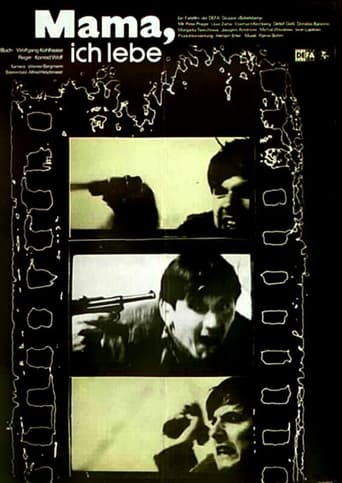
4.0In a Russian POW camp, four Germans determined to end WWII agree to pose as Red Army soldiers. Are they patriots or traitors, heroes or opportunists? Although they go to the frontlines, their new Russian comrades are initially unsure whether to trust them. Three of them then accept a mission behind German lines, but they are unprepared to fire upon their countrymen and it ends up costing the life of a Russian soldier. In the meantime, the fourth man has fallen in love with Russian radio operator Svetlana. After being criticized by the other Russians, he too agrees to participate in the mission..
Mama, I’m Alive
1977
 5.7
5.7A train travels through the vastness of Russia, a train with German prisoners of war returning home, and Viktor Kleist, a young German communist from an intellectual home in Munich, travels back home with them. During the journey, the stations on his way to Lenin wake up again.
On the Way to Lenin
1970
 5.8
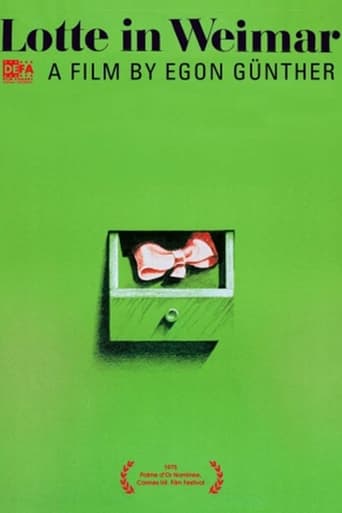
5.8Johann Wolfgang von Goethe (1749-1832) was the author of Werther, the romantic novel that was transformed into a play during Goethe's lifetime and which initiated the whole German romantic movement. The book's story tells of young love and suicide. In this East German film, based on a book by Thomas Mann, Lotte (Lilli Palmer) was the woman who served as the model for the heroine in the novel Werther. She comes to Goethe's hometown for a visit, and her experiences there eerily re-create episodes from the book. Goethe comes across as a pompous old bore, and his friends as pandering sycophants, in this very proper communist party-sponsored, anti-heroic movie.
Lotte in Weimar
1975
 NR
NRThis documentary shows the German Peasants’ War between 1524 and 1525 and looks at the role of Thomas Müntzer in it. Müntzer, who was a follower and admirer of Martin Luther, directed his resistance not only against the clerical authorities ruled by the papacy, but also against the secular worldly order. In Mühlhausen, Müntzer worked as a pastor in the Marienkirche and later became an agitator and promoter of the violent liberation of the peasants. Luther distanced himself from Müntzer at the beginning of the Peasant Wars. In the battle of Frankenhausen the rebels were completely defeated, Müntzer captured, tortured and publicly executed on May 27, 1525.
Dass ihnen der arme Mann Feind wird
1975
 7.0
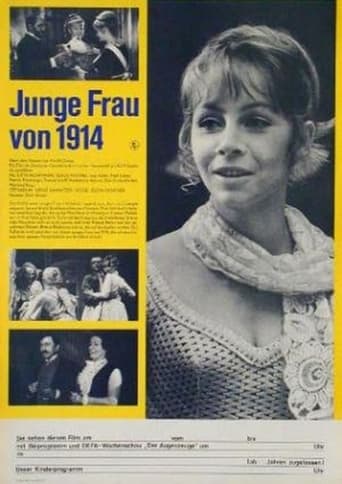
7.0In 1914 Berlin, bank heiress Leonore Wahl and struggling Munich student Werner Bertin fall passionately in love, defying class and her parents’ expectations. Their idyll is shattered by the outbreak of WWI: Werner, swept up in patriotic fervor, is conscripted to the Western Front, while Leonore, pregnant and abandoned, faces her family’s condemnation and a clandestine abortion. Set against the tumult of war, the film explores idealism, social divides, and the personal costs of duty and desire.
Junge Frau von 1914
1970
 10.0
10.0Paul Pospischiel loses his job in the great colliery collapse in the Ruhr, retrains and builds a new life for himself. One day, he receives a letter from his mother, which tears him from his comfort zone and triggers a serious conflict. She has discovered the man who sent his father to a concentration camp decades ago and is therefore responsible for his death. The mother demands accountability from this man. Paul decides to confront the suspected informer and murderer...
Zwei Briefe an Pospischiel
1970
 5.3
5.3Young seminary student Franziskus has been ceremonially ordained. He wants to escape the harshness and injustice of the world and devote himself to the service of God in the quiet seclusion of a monastery. He is also hoping to forget the beautiful lady Aurelie, whose life he saved in a flooded brook and with whom he spent an amorous night. He knows that her father would never allow her to marry him. But the devil dressed in a monk's habit and under the name Viktorin intervenes in Franziskus's destiny and attempts to lead him astray. To do so he first uses the diabolical elixirs kept at the monastery as a rare relic. When the young monk gets expelled from the monastery, Viktorin prepares another trap with the help of Aurelie's stepmother Euphemie.
The Devil's Elixirs
1973
 4.9
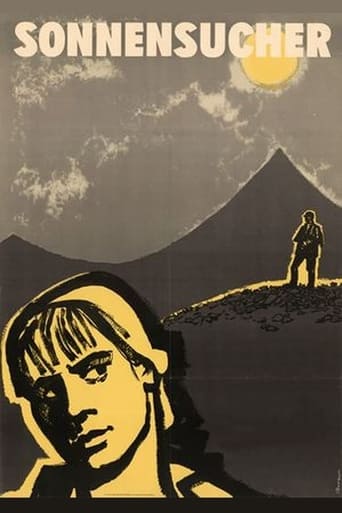
4.9A socialist story of "atoms for peace" and compulsory labor in an East German uranium mine under Soviet control.
Sun Seekers
1972
 7.2
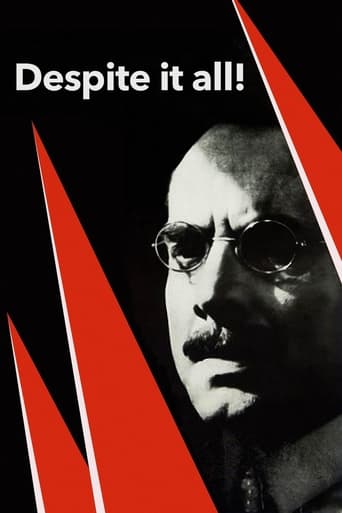
7.2October 1918: Karl Liebknecht is released from prison and Berlin workers celebrate his release. Although WWI is almost over, the German Kaiserreich in vain sends its last reserves to the slaughter. The working class is in a rebellious mood; the uprising of Kiel’s sailors against war and militarism sets off a call for revolution led by Liebknecht. On November 9, Liebknecht declares the Free Socialist Republic of Germany. But pro-Kaiser military and right wing Social Democrats oppose him.
Despite It All!
1972
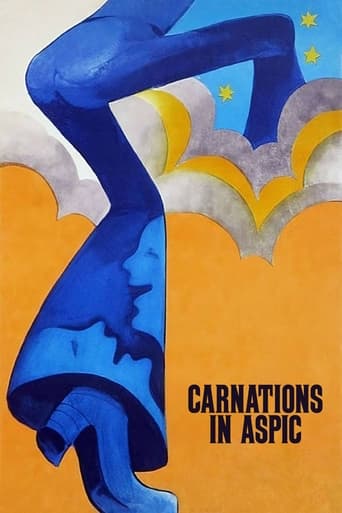 7.0
7.0A commercial artist with a lisp chooses silence, unexpectedly propelling his career. His perceived innovation leads to rapid advancement in an ad agency. Mueller-Stahl shines in this biting critique of East German workplace culture.
Carnations in Aspic
1976
 4.5
4.5Ten-year-old Frantisek is traveling to Leipzig to visit his German friend Egon. On the train, he shares the compartment with three men. One of them, the bearded, hefty Blasius is polite but at times acts very confused. At the end station the two boys meet, but they must first of all get rid of Blasius, who lifts them up together with their luggage and carries them away. Leipzig is packed with tourists who have gathered for the famous Fair. The eccentric bearded fellow deals effectively with the traffic jam in front of the station. Blasius's fellow travelers from the train - inventors Prantl and Pirwitz, are at the fairground, boasting of their new invention and claiming it to be the greatest surprise of the entire Fair.
Abenteuer mit Blasius
1975
 7.0
7.0Comedy about the "Husarenstreich", the 1757 Berlin raid during the Seven Years' War.
Husaren in Berlin
1971
 6.1
6.1At the textile company, everyone appreciates the work of 18-year-old Susanne, but nobody really considers her a woman—including Lutz, with whom she is in love. She sets about to make a change, but it is only when she realizes that she is being taken advantage of that a more self-confident Susanne emerges.
Für die Liebe noch zu mager
1974
How young people were manipulated to join the war during the Imperial Era.
Das Geschenk – eine beinliche Geschichte
1974
In 1923, Judge Böhnsdorf and Inspector Dumke convict 22-year-old Fritz Bondersen of treason, accused of selling military secrets on the testimony of General Director Gotthardt, and sentence him to 15 years in a Zuchthaus. Despite his protestations of innocence, Bondersen can’t produce proof. Two years later, his fiancée Edith Volkmann, aided by journalist Günther Borchert, tracks down a French officer whose eyewitness account could discredit Gotthardt’s statement. Their quest to expose a massive fraud offers Bondersen a final hope for justice.
Der Weg ins Nichts
1976
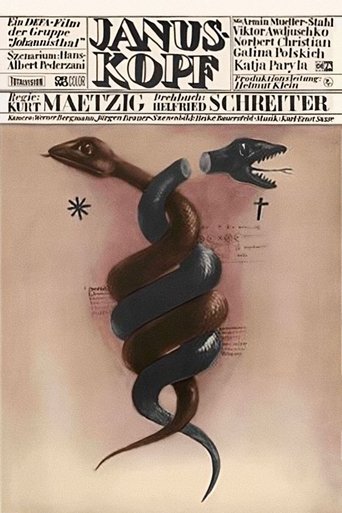 9.0
9.0World-famous geneticist Professor Hülsenbeck is a man of integrity who refuses to mix science and political gain. When his findings are being used to harm humanity, he immigrates to the USA in 1933 in protest against Nazi racial politics.
Janus Head
1972
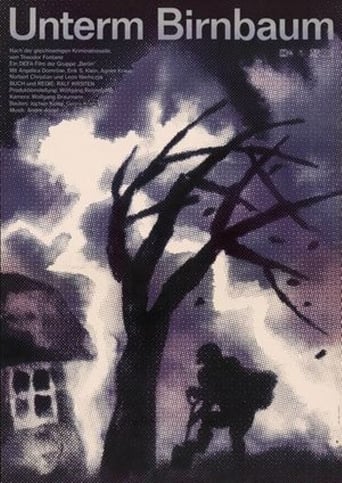 6.2
6.2Abel Hradscheck, the owner of an inn in the Oderbruch country, faces financial ruin. For this state of affairs, Ursula, his wife and former actress, is by no means free of blame. She is a "newcomer" to the area and even after eleven years in the area, still a "stranger". A Cracow company announces that a money-collector is on his way to the innkeeper. Mr. Szulski arrives and the debts are settled - with money supposedly stemming from an inheritance. The next day, Szulski departs but according to the maid and the stable-boy, behaves in a very strange manner. Soon afterwards, his carriage is discovered in the Oder River, but there is no trace of the drowned man. Hradscheck's neighbor starts casting suspicion on the innkeeper. The Counselor of Justice, who heads the investigations has the spot under the pear tree dug out. A dead body is exhumed...
Unterm Birnbaum
1973
 NR
NRIn England in 1553, the marriage of Queen Mary Tudor to the Spanish crown prince Philip II is being considered. It is Simon Renard's task to force the issue. Maria, however, has lost her heart to Fabiano, who for his part is betraying the queen and is only interested in gaining power. When his relationship with Jane becomes apparent to both her admirer Gilbert and the queen herself, intrigues begin to unfold on several levels...
Die Liebe und die Königin
1977
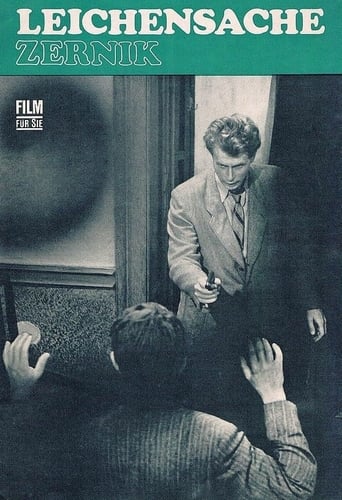 5.3
5.3After meeting the woman on the train Erwin Retzmann kills her in the forest.
The Zernik Murder Case
1972
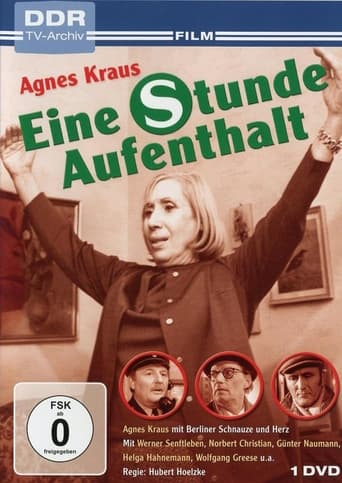 7.0
7.0A disruption on the Berlin S-Bahn: passengers have an involuntary one-hour layover at Frankfurter Allee S-Bahn station and use the time to take a closer look at their fellow passengers. Alice Räppel, a native Berliner with a heart and a snout, meets Egon Ziesemaus, who is usually plagued by bad luck. Klaus Fiedler, who wants to leave his family, gets to know the actress Inge, and other passengers also quickly make friends.
Eine Stunde Aufenthalt
1975
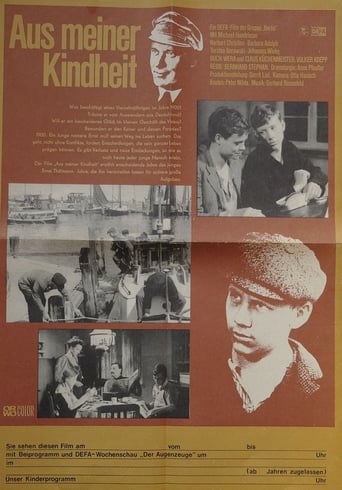 7.0
7.0Ernst is a student in Hamburg around 1900 and leads a life like many other young people. In his free time, he roams the colorful metropolis with his buddy Karl. After school, he helps his father, whose business he is to inherit one day. Ernst has many questions about the world and life, but it is difficult to find satisfactory answers... At this time, nobody suspects that he will go down in the history books as the workers' leader Ernst Thälmann.
Aus meiner Kindheit
1975
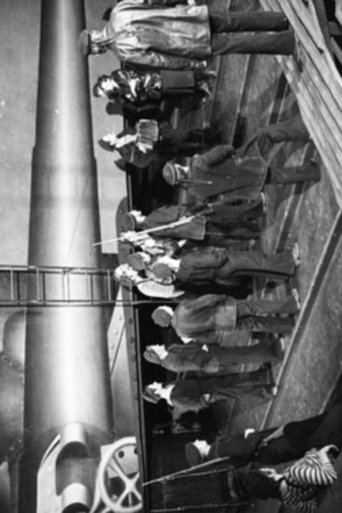 NR
NRDuring the October Revolution in 1917 the Bolshevik Party appointed a woman commissioner of the “Free Anarchist-Revolutionary Section”. This regiment emerged from an anarchist division of the ship of the line “Imperator Paul I.”
Optimistische Tragödie
1971
 3.7
3.7Letter carrier Eva is in her late twenties, unmarried and the mother of a twelve-year-old son. She falls in love with Jon, a bargeman who is unfortunately already engaged. This spurs Eva on to turn her life around. She changes jobs and changes her appearance. Her happiness seems perfect when Eva becomes pregnant...
Rotfuchs
1976
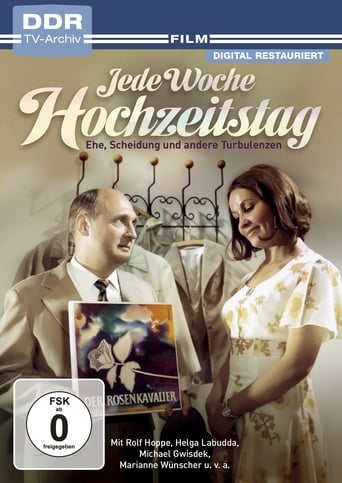 9.0
9.0The widowed registrar Robert Zimmermann reconciles divorcing couples and finds happiness in love once again.
Jede Woche Hochzeitstag
1976
 3.3
3.3The thirty year old bee is a daredevil, everything seems to work for him. But suddenly a tragic event tears him out of his carelessness. In the explosion of a carbide furnace in operation, a colleague is killed.
Looping
1975
1960s · 23 titles
7.9Two 17-year-olds, Werner Holt and Gilbert Wolzow, are pulled out of school and into Hitler's army. Gilbert becomes a fanatical soldier; but at the front, Werner begins to understand the senselessness of war.
The Adventures of Werner Holt
1965
10.0This is part one of a two-part biopic about Karl Liebknecht. In 1914, Germany is arming itself for war. Karl Liebknecht, left-wing revolutionary Social Democrat, workers’ leader and a virulent antimilitarist, is one among 110 SPD members of Parliament who vote against approving war loans. From then on, he is considered un-German and a traitor to the fatherland, and his own party’s leadership turns against him. Despite threats, Liebknecht speaks up against the war and writes the manifesto “The Main Enemy Is at Home.” Even when he is arrested and charged with treason, he does not surrender.
As Long as There’s Life in Me
1965
 NR
NRA short biography of Arnold Zweig, through the lens of East Germany state media.
Arnold Zweig
1963
 6.6
6.6A wild story set in eighteenth-century Prussia. Alexander can do everything that a real devil of a fellow must be able to do: ride, shoot, love and devise clever plots. As a result, he is able to climb the ladder from herder to chamber master, where he makes a fool of the feudal lords.
Mir nach, Canaillen
1964
 7.8
7.8In November of 1939, the British consulate in Norway receives documents saying that the Nazis are conducting secret rocket research in Peenemünde. But the British doubt the authenticity of the so called "Oslo report". Thus, the Germans continue their experiments unimpeded. At the same time, resistance groups from France, England, Poland, and Germany try to find and to sabotage the secret Nazi research base. When the first "V 2" rocket is successfully launched, the Allied commanders finally become interested in the "Oslo report".
Frozen Flashes
1967
 10.0
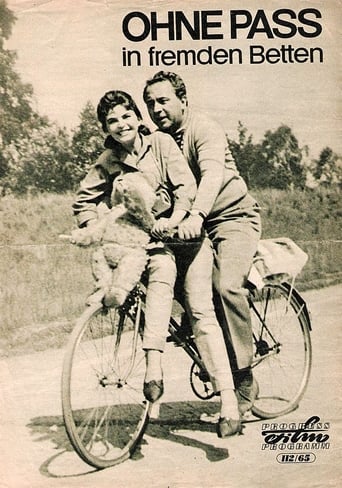
10.0Czech tourist Jelinek decides to take a ride on the "Ferris wheel" in Berlin, and as a result he lags behind the train and is left without his belongings and documents.
Ohne Paß in fremden Betten
1965
 7.7
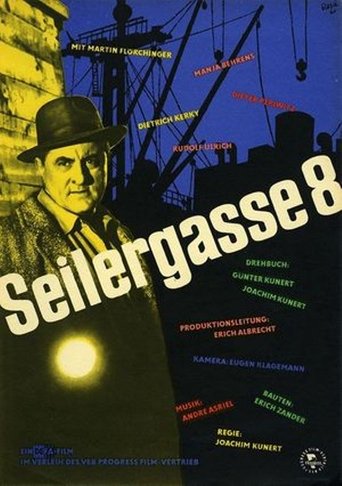
7.7The young lady Lisa Gau probably took her own life at Seilergasse 8 in Rostock, at least that's what it looks like. Captain Schirding, who has been assigned to the case, sees things differently. Together with forensic scientist Kurt Lisowski, he investigates the case and soon discovers that Lisa was poisoned and is shocked when all the evidence points to his...
Seilergasse 8
1960
 7.0
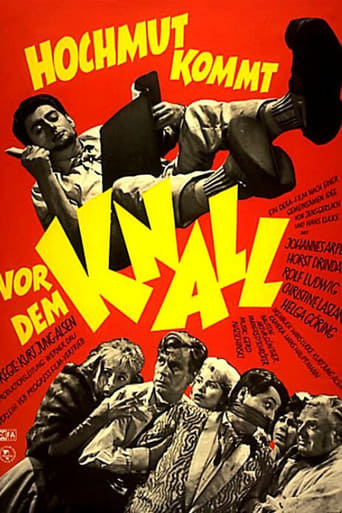
7.0Under political pressure, a West German radio station stages a radio play about a Russian invasion of West Germany. A handsome fee convinced the unemployed Anton Wiesel to take on the direction. At the same time, the driver Harry Kyritz received an inheritance: a decrepit barge with which he intends to become an entrepreneur. His acquaintance with Madeleine Müller, the daughter of a coal wholesaler, comes at just the right time. But so does Mr. Müller, because he is broke. So he throws a big party to sell his daughter as his last profitable asset. Harry has a good chance when the radio plays a radio play about a Russian robbery. The guests take it as a factual report and flee to the cellar. Harry reveals his true financial situation, but Müller accepts him anyway - as a model worker for the Russians. But when the mistake is revealed, Harry is out of the running in favor of a wealthier son-in-law.
Hochmut kommt vor dem Knall
1960
 10.0
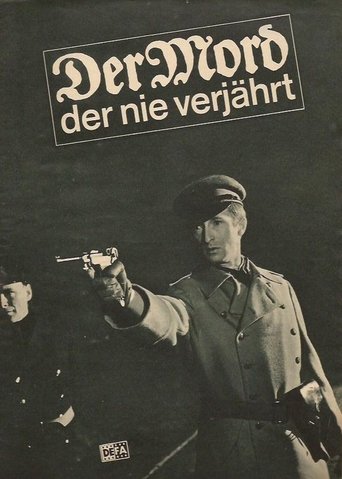
10.0In 1929 Berlin, the progressive editor-in-chief Bornstein is on trial for libel. An article in his magazine attempted to uncover the role that Reichsanwalt Jörns had played ten years earlier in the "clarification" of the murders of Rosa Luxemburg and Karl Liebknecht. The article explained that the then court martial judge knowingly covered up for the murderers and delayed the trial. At the trial, the testimony of witnesses succeeded in proving the truth of the publication and exposing those behind the murders as those who were preparing fascism.
Der Mord, der nie verjährt
1968
 6.7
6.7The 18-year-old Katharina Jens is a high diving champion and succeeds in everything she does. When she enters an international contest in place of her team colleague Claudia, expectations are accordingly high. However, when she misses the one-and-a-half somersault with a double twist her team fails to gain victory. Suddenly, the question arises if she is in fact good enough.
The Girl on the Diving Board
1967
 NR
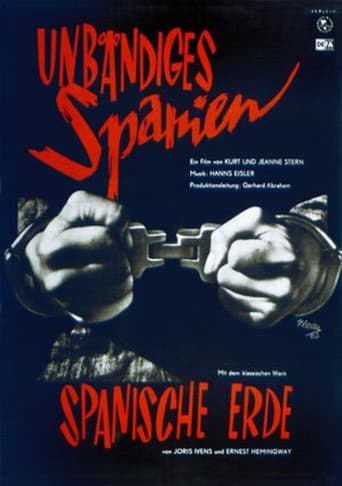
NRDocumentary film about the Spanish Civil War.
Unbändiges Spanien
1962
 7.2
7.2During the Thirty Years' War, the camp-follower Anna Fierling, called "Mother Courage", travels the length and breadth of Europe with her covered wagon. She does not care if it's Catholics or Protestants she trades with as long as business thrives. She loses her three children as a result of the war: bold and spirited Eilif, sincere and upright Swiss Cheese and mute Katrin, who saves the children of Halle by beating a drum on a farmstead roof In wartime, the Fierling children's virtues prove to be deadly. Yet, Mother Courage, remains incorrigible. She will not have anyone "spoil the war" for her and so sets out once more after the soldiers with her wagon.
Mother Courage and Her Children
1961
 8.0
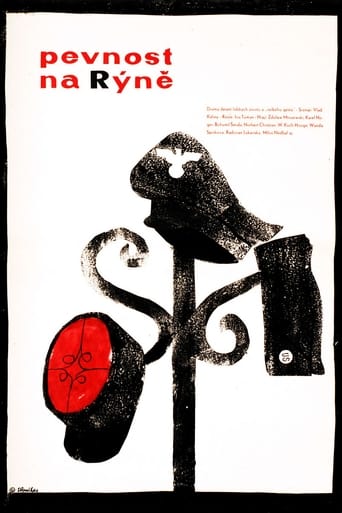
8.0During the Second World War, an old fortress is transformed into a detention camp for arrested allied generals who the Germans provide with every possible comfort. In the nearby garrison camp, however, hundreds of captured private soldiers try to survive hunger and cold.
Fortress on the Rhine
1962
 9.0
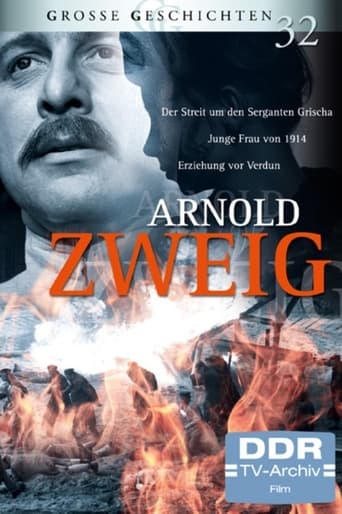
9.0Russian soldier Grisha escapes from a German prisoner-of-war camp in the spring of 1917. He is caught and is to be shot as a spy. This decision is controversial. The dispute continues. Grisha is executed on the orders of the army high command.
Der Streit um den Sergeanten Grischa
1968
 10.0
10.0Biography of the comic poet Carlo Goldoni (1707-1793).
Italienisches Capriccio
1961
 8.0
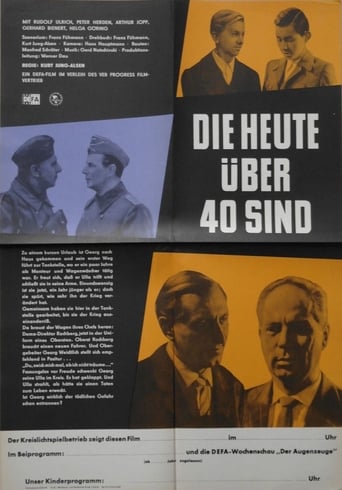
8.0Film by Kurt Jung-Alsen.
Die heute über 40 sind
1960
 7.8
7.8After causing a deadly hit-and-run motorcycle accident, Conny Schenk spends two years in prison, where he is able to complete a printing apprenticeship and is released early for good behavior. While he is still on probation, money is stolen at the company where he works and everyone is quick to suspect Conny. Can he overcome his past mistakes and start fresh, or will the mistrust of his colleagues and friends become a self-fulfilling prophecy?
Entlassen auf Bewährung
1965
 NR
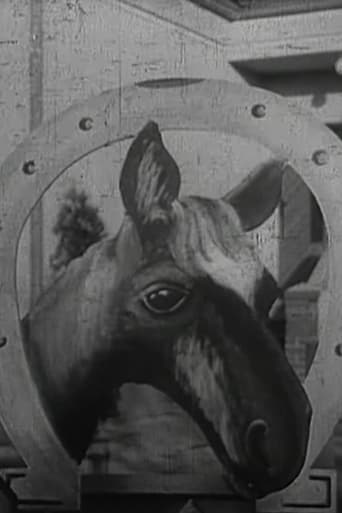
NRPsichinski rings Mr. Semmler's doorbell and alerts him to strange noises in the attic. Together they sneak upstairs and discover a full-grown horse, which they report to the police officer. He triggers the alarm. The fire department and several workmen marvel at the event and ponder how it could have gotten there in its full size. The return transport requires structural measures and reconstruction work. After completion, Psischinski's house resembles a "jewel box". Later, the policeman asks Psischinski how he "managed" the matter and learns that he had brought a foal there 1½ years ago in order to draw the attention of the public, especially the tradesmen, at the appropriate time so that work that was difficult to carry out could finally be completed. Shaking his head, the official, who also owns a house, leaves the property with the comment: "You should have a horse!"
Das Stacheltier - Ein Pferd müßte man haben
1961
 10.0
10.0The film chronicles the last ten years in the life of Nobel Peace Prize recipient Carl von Ossietzky (1889-1938).
Carl von Ossietzky
1963
 9.0
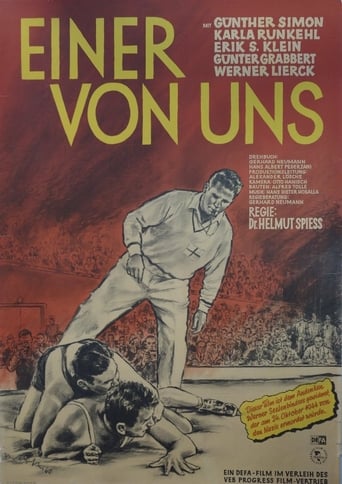
9.0A wrestler finds his political interest and activism through sport. However, this is extremely dangerous during the Nazi era and the workers' sports movement starts a resistance against the Nazi regime...
Einer von uns
1960
 7.0
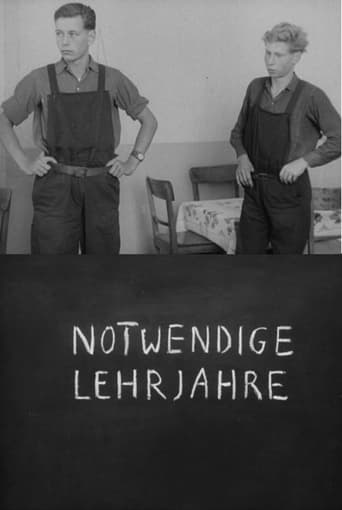
7.0Böttcher made his graduation film about young people who had become delinquent in a youth work yard in Thuringia. Already here a striking feature of his later films becomes apparent: Jürgen Böttcher gives his protagonists a lot of space; he approaches them without prejudice, empathetically and carefully. In addition, his curiosity can be felt in the life situations and stories of his characters.
Necessary Years of Learning
1960
 5.6
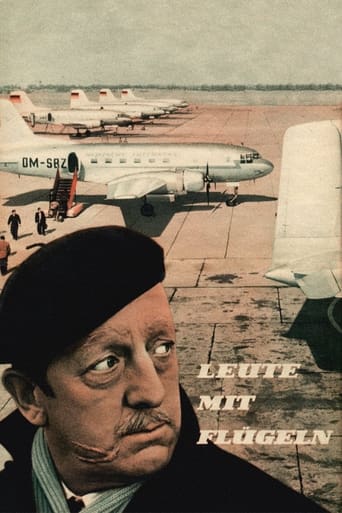
5.6This film continues the story of radio operator Ludwig Bartuschek from “The Sailor’s Song”. Near the end of the Weimar Republic, Bartuschek (Erwin Geschonneck) is working as a mechanic in the Sperber airplane plant. Director Dehringer offers him the opportunity to train as an airplane constructor if he is willing to give up his communist beliefs under oath. Bartuschek will not allow himself to be bought and instead joins the underground resistance movement.
People with Wings
1960
 8.0
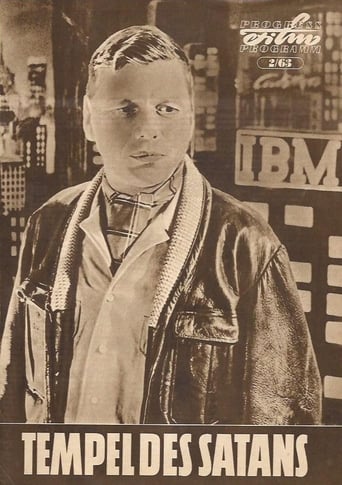
8.0A few Conti Press journalists are granted exclusive coverage of the launch of the newly developed Skylight 3 intercontinental ballistic missile from the CBA rocket center. But the test ends in disaster. Parts of the rocket break loose and the head, armed with napalm, drifts off uncontrollably. Former pilot and star reporter Pit Nordfors succeeds in uncovering the scandalous background to the false launch. But the Conti Press retracts his article as it turns out that the CBA is a major shareholder in the newspaper group. Nordfors soon gets the opportunity to beat the powerful with their own weapons.
Tempel des Satans
1962
1950s · 9 titles
 8.0
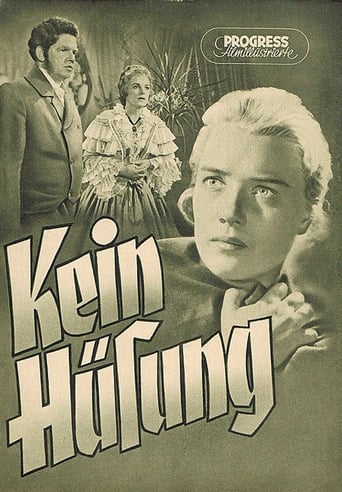
8.0Mecklenburg, 19th century. For generations, the Brand family of farmers has worked a piece of land as tenants of the baron, who owns almost all of the village's land. The baron himself comes from a family of farmers who became rich through corruption and were ennobled. He is the absolute potentate, no one dares to contradict him, he takes what he wants and stops at nothing in his excesses. At the same time, he is the center of petty bourgeois, bigoted social life. Johann, the stable boy, wants to marry Mariken Brand and asks the baron for a piece of land so that he can build a life of his own. But the lord is harsh, not only refusing him the land, but also increasing the rent. Johann rebels, trying to rouse the farmers in the village from their lethargy—in vain. Only when Mariken dies does the mood change. A peasant uprising breaks out, and Johann kills the baron.
Kein Hüsung
1954
 5.5
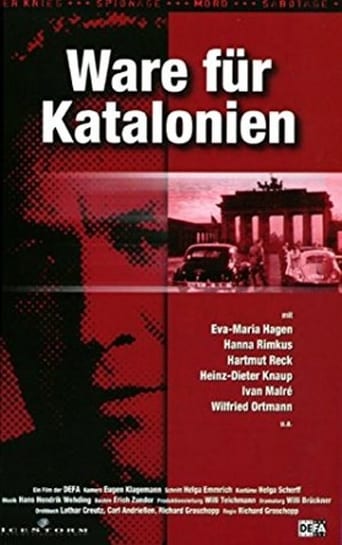
5.5At the end of the 1950s, the production of optics in the German Democratic Republic has reached top quality and instigates interest in the West. When national demand rises strongly and at the same time the export to South America heavily decreases, the Volkspolizei - the GDR police force - starts to look into the case. Two seemingly unrelated cases are the starting point for the investigation by second lieutenant Schellenberg of the department for optics racketeering: An old woman who was arrested in the Berlin city railway for trying to smuggle a pair of binoculars to West Berlin, and a dead person in an area of allotments who was involved in obscure dealings with optical devices.
Ware für Katalonien
1959
 7.2
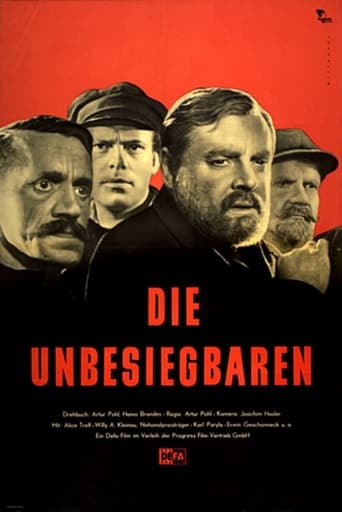
7.2The film "Die Unbesiegbaren" covers an episode in German history, in which the Bismarck government tried to mitigate the rise of the social-democrat movement.
Die Unbesiegbaren
1953
 6.5
6.5A musician seeks a peaceful vacation in a Vogtland village but is soon overwhelmed by requests for a symphonic composition and a pop song for a local dance band, leaving him with no time to relax.
Once Is Never
1955
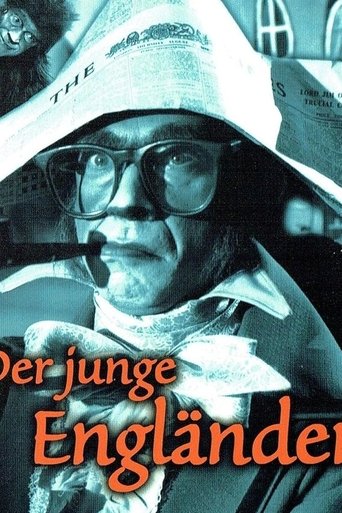 8.0
8.0No synopsis available yet.
Das Stacheltier - Der junge Engländer
1958
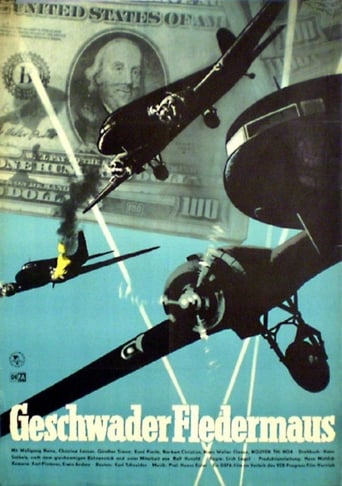 7.0
7.0An American transport squadron led by former General Lee supports the French colonial army in Vietnam in return for high pay. Originally their mission was only to help the wounded, but as the advance of the Vietnamese liberation army puts the French under increasing pressure, they also fly ammunition - in return for even more money and in defiance of international law. Chief pilot Bryk refuses to fly, secretary Flessy becomes the unscrupulous general's mistress after one lover after another fails to return from a mission, and the rest of the squadron is shot down during an ammunition flight. The French army shows up at the camp to arrest the interpreter Thao for espionage. Bryk rescues her and flees with her to the liberated part of Vietnam.
Geschwader Fledermaus
1958
No synopsis available yet.
Katzgraben
1957
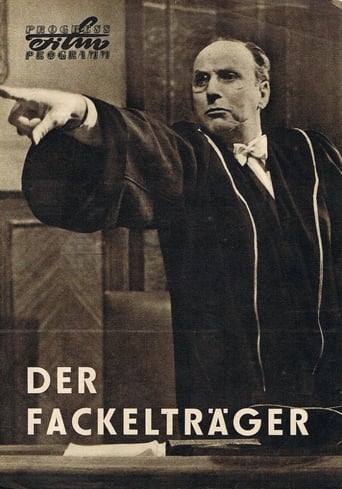 6.3
6.3Senior public prosecutor Sänger from West Berlin has only one goal in mind: to finally be appointed to the Federal Court of Justice.
Der Fackelträger
1957
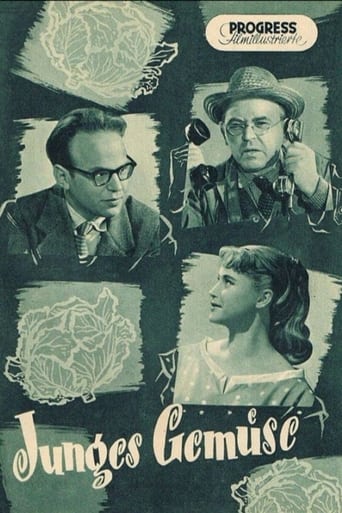 10.0
10.0At a GDR farm, VEAB chief Amann bans cabbage in favor of cauliflower, enraging LPG accountant Gritt. Mistaking visiting writer Hans Brauer for a high-level inspector, Amann backpedals, clearing the harvest issue, while Brauer and Gritt spark an unexpected romance.
Junges Gemüse
1956
Series credits
6.2Polizeiruf 110 is a long-running German language detective television series. The first episode was broadcast 27 June 1971 in the German Democratic Republic, and after the dissolution of Fernsehen der DDR the series was picked up by ARD. It was originally created as a counterpart to the West German series Tatort, and quickly became a public favorite.
Polizeiruf 110
1971
6.2Polizeiruf 110 is a long-running German language detective television series. The first episode was broadcast 27 June 1971 in the German Democratic Republic, and after the dissolution of Fernsehen der DDR the series was picked up by ARD. It was originally created as a counterpart to the West German series Tatort, and quickly became a public favorite.
Polizeiruf 110
1971
4.3Large-scale, five-part film about the relationship between two men caught between friendship, rivalry and hatred during the first decades of GDR in the countryside.
Daniel Druskat
1976
NRFour-part miniseries about the theologian Thomas Müntzer, who became a revolutionary and opponent of Luther during the Peasant War in 1525.
Denn ich sah eine neue Erde
1970
NRPrague 1913: The family of newspaper publisher Alexander Reither, traditionally reunited for a New Year’s dinner, moves along convoluted and secretive paths in everyday life. Granddaughter Wally is impressed by the opaque businessman Marko Gelusich. Her cousin Adrienne meets the young socialist Joseph Prokop at an illegal anarchist meeting. On a business trip to Vienna, Alexander Reither falls in love with Irene v. Claudi. Adrienne wants to move completely into Joseph Prokop’s proletarian world, but her mother Kalivoda makes her a painful announcement. Joseph already has a girl. Alexander finds Irene v. Claudi in Budapest. They spend happy days in Vienna. In Prague, the printing workers go on strike. Adrienne fights alongside the workers and Robert Kalivoda. She experiences class struggle with her cousin Guido Frank. Alexander tries to introduce Irene to the family.
Abschied vom Frieden
1979
 NR
NRNo synopsis available yet.
Ich-Axel Cäsar Springer
1968
 NR
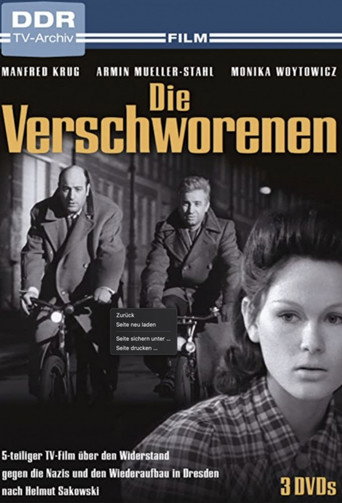
NRNo synopsis available yet.
Die Verschworenen
1971
 NR
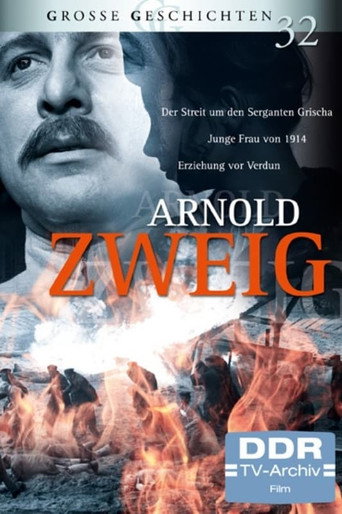
NRRussian soldier Grisha escapes from a German prisoner-of-war camp in the spring of 1917. He is caught and is to be shot as a spy. This decision is controversial. The dispute continues. Grisha is executed on the orders of the army high command.
Der Streit um den Sergeanten Grischa
1968
 NR
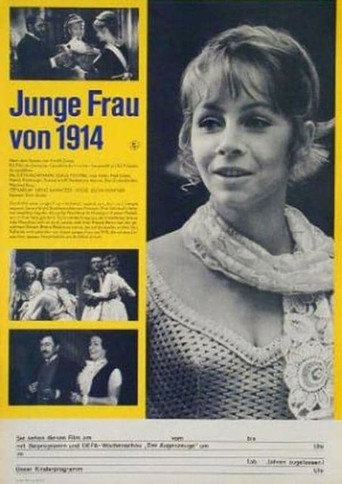
NRIn 1914 Berlin, bank heiress Leonore Wahl and struggling Munich student Werner Bertin fall passionately in love, defying class and her parents’ expectations. Their idyll is shattered by the outbreak of WWI: Werner, swept up in patriotic fervor, is conscripted to the Western Front, while Leonore, pregnant and abandoned, faces her family’s condemnation and a clandestine abortion. Set against the tumult of war, the film explores idealism, social divides, and the personal costs of duty and desire.
Junge Frau von 1914
1970
 3.3
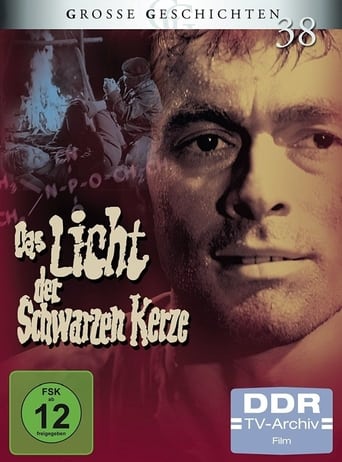
3.3No synopsis available yet.
Das Licht der schwarzen Kerze
1972