
Acting
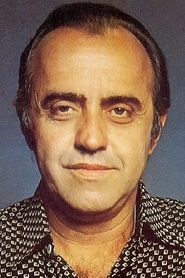
Mauro Mendonça
Born
1931-04-02 (95)
Place of birth
Ubá, Minas Gerais, Brazil
Known for
Acting
Credits
64 titles
Mauro Mendonça (Ubá, April 2, 1931) is a Brazilian actor.
Known for
 8.4
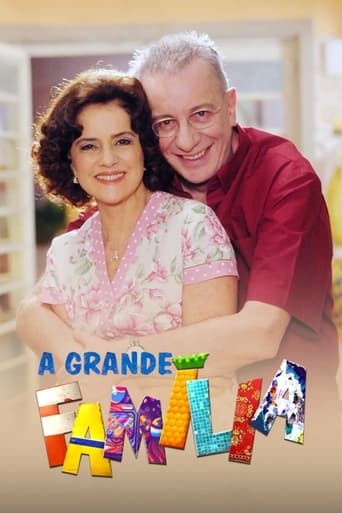
8.4The daily lives of a typical Brazilian middle-class family, that are always very close and tries, in their way, to survive the financial and relationship difficulties.
A Grande Família
2001
 8.0
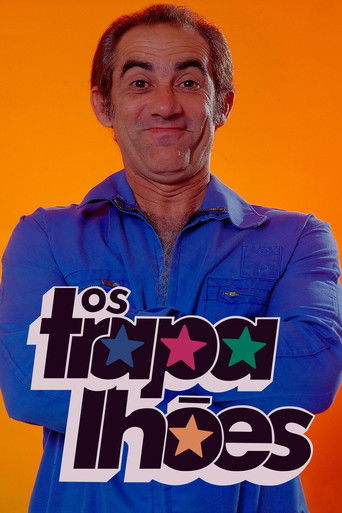
8.0Os Trapalhões was a Brazilian comedy group and also a Brazilian television series created by Wilton Franco. Its members were Dedé Santana, Zacarias, Mussum and their leader Didi Mocó, that was played by Renato Aragão. The name Trapalhões is derived from the Portuguese verb atrapalhar, which means the opposite of helping, to do something the wrong way or to Those that confuse. The name is translated "Tramps" in English DVD subtitles. It was aired by Rede Globo from 1977 to 1999. On March 18, 1990, Zacarias died due to respiratory failure, but the group and the series didn't come to an end until July 29, 1994, when Mussum died due to an unsuccessful heart transplant.
The Trapalhões
1977
 7.8
7.8Donatela and Flora, two friends who became rivals. One of them committed a homicide and pretends to be innocent. There are two versions for the same story. Who, after all, is telling the truth? Donatela or Flora?
A Favorita
2008
 7.8
7.8A down-on-her-luck former inmate tries to reconnect with her daughter--to the objections of her sister who raised the girl, meets a millionaire, and transforms into a strong woman, returning to society at Dancin' Days nightclub's opening.
Dancin' Days
1978
 8.5
8.5No synopsis available yet.
Sangue do Meu Sangue
1969
 7.5
7.5In 1886, in the small town of Araruna, Little Missy rejects the actions of her father—the slave-owning Colonel Ferreira—alongside Rodolfo, an active abolitionist republican with whom she falls in love.
Little Missy
1986
Film credits
2010s · 3 titles
 NR
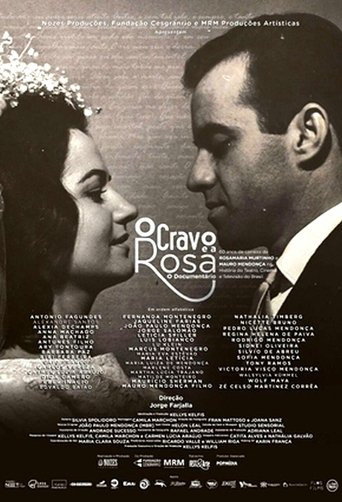
NRDocumentary on Rosamaria Murtinho and Mauro Mendonça’s 60-year long career in Brazilian theater, film and television. The film not only runs through the career of these artists, but also paints a portrait of a generation that rose alongside them and that works with art till this day.
The Clove and The Rose
2017
 NR
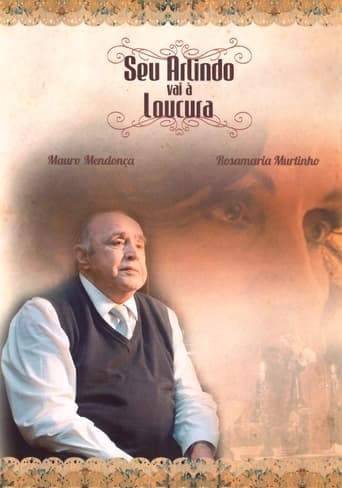
NRNo synopsis available yet.
Seu Arlindo vai à Loucura
2011
 6.4
6.4Selminha is a lower-class woman who receives a family inheritance, but only if she meets the challenge of spending 30 million reais in 30 days, without accumulating anything. However, in this marathon, she will find out that there are things that money does not buy.
I'm Rich!
2016
2000s · 4 titles
 NR
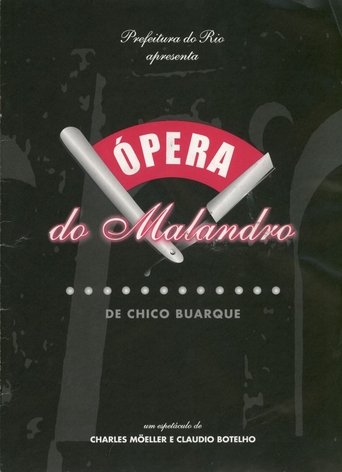
NRNo synopsis available yet.
Ópera do Malandro: Stage Play
2003
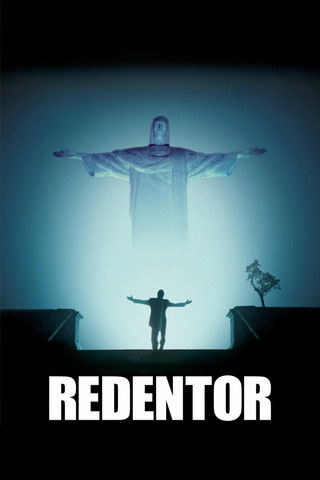 7.0
7.0Célio Rocha believes he was assigned by God Himself a difficult mission: to persuade his childhood friend Otávio Sabóia, a corrupt entrepeneur in the construction business, to give away all his possessions to the poor.
Redeemer
2004
 5.2
5.2Benjamim Zambraia is a lonely man, a famous model with a tragic past. Some time in the past, he showed some officers the exact location where the woman he loved was hiding with her guerilla lover. As a result, the two were killed. One day, he casually meets a woman who looks very much like his former love, and this fact changes his life. Could she be the daughter of his great love? Or her reincarnation?
Benjamim
2003
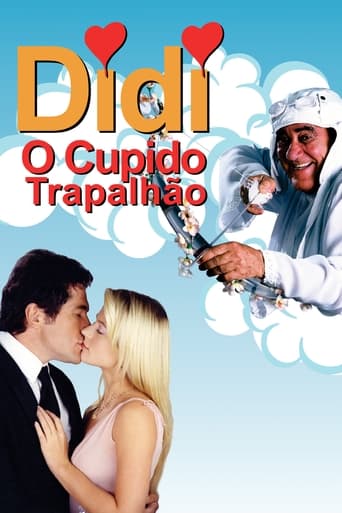 5.2
5.2A clumsy angel is sent away from heaven by God Himself. He may only return after he becomes a good Cupid. But the first couple he tries to connect is a real challenge: the man is poor, and the girl comes from a rich family. And their names are Romeu and Julieta.
Didi - The Goofy Cupid
2003
1990s · 2 titles
 NR
NR"Portraits and excerpts from Brazilian films from all times. Actors, directors and images that affirm cinema."
Celebração - 100 Anos do Cinema Nacional
1997
 4.5
4.5Peter Mandrake, a North-American photojournalist becomes embroiled in South America's dangerous underworld of pimps, drug gangs and arms smugglers when he sets out to find the killer of a local call girl.
High Art
1991
1980s · 5 titles
 5.8
5.8A man remembers forty-eight crucial hours in his life when, as a child, he visited his mother, the favorite woman of an important politician, in a bordello owned by him, right before some important political changes in 1937 Brazil. In those hours, he discovers his own sexuality.
Love Strange Love
1982
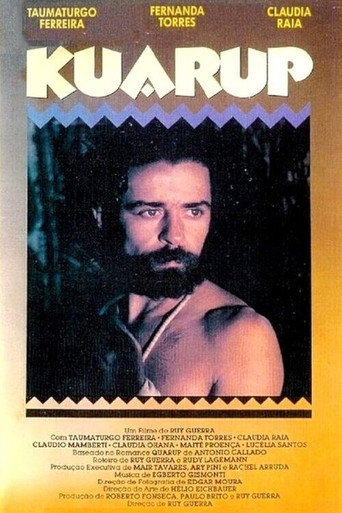 4.6
4.6This epic Brazilian film was based on the equally epic novel by Antonio Callado. Set between 1954 and 1964, the film's focus is the saga of Jesuit priest Nando. Fed up with civilization, he ventures deep into Amazon country to live with and work among the Xingu Indians.
Kuarup
1989
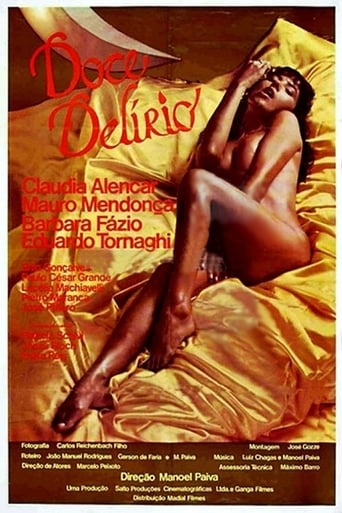 5.0
5.0No synopsis available yet.
Doce Delírio
1983
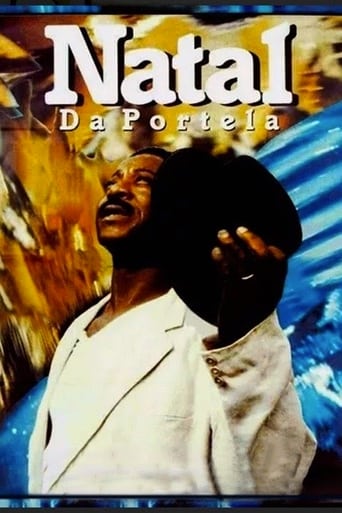 7.1
7.1Biography of one of the legendary names in the Samba genre of Brazilian music. Although he could hardly dance or play an instrument, he became one of the main composers of Portela, an important Samba "school" in Rio de Janeiro.
Natal da Portela
1988
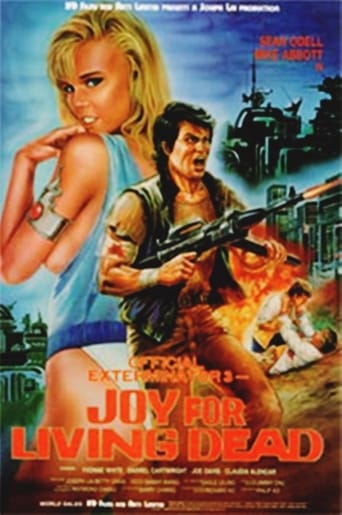 NR
NRYet another Godfrey Ho-scripted / Joseph Lai-produced / IFD-distributed "cut-and-paste" job. This one takes much of its footage from the 1983 Brazilian movie Doce Delirio and adds new and unrelated martial arts footage shot by Phillip Ko.
Official Exterminator 3: Joy for Living Dead
1987
1970s · 4 titles
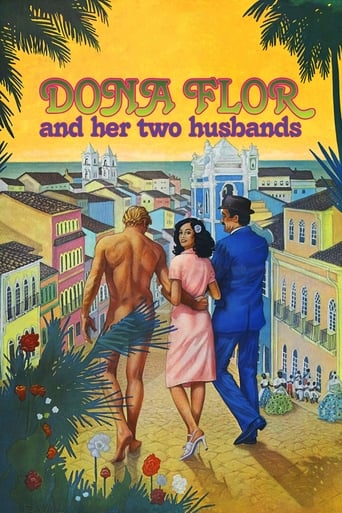 6.8
6.8After the death of her handsome but good-for-nothing husband Vadinho, Flor, a widow, marries Dr. Teodoro, a respectable gentleman. Hilarity ensues when Vadinho's spirit returns into her life.
Dona Flor and Her Two Husbands
1976
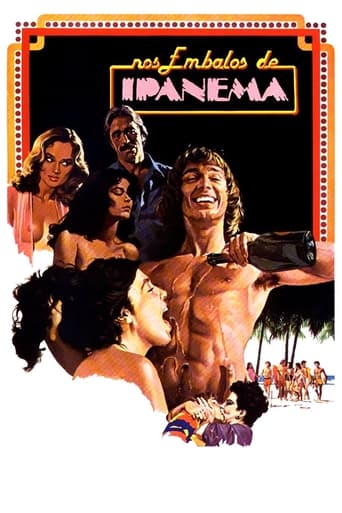 4.8
4.8Toquinho is a young man living in Marechal Hermes, a poor neighborhood in Rio de Janeiro, together with his widow mother and a younger sister. Although he is poor, he is also ambitious, and wants to change his life. He spends all his time on the beach, at Arpoador, Ipanema, where he dreams to become a famous surfer. Besides, he usually finds Patricia there, a rich and liberated young woman, whom he likes a lot. To impress Patricia and satisfy some of her wishes, he lets himself be seduced by André, a gay guy who, in return for his sexual favors, promises him a trip to Hawaii for a surf championship.
Nos Embalos de Ipanema
1978
 5.0
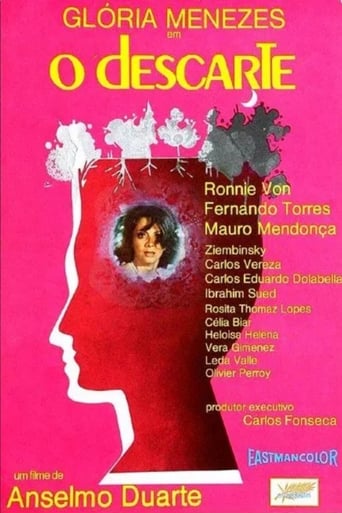
5.0After Cláudia, haunted by her husband’s death on a car crash, starts a romance with another man, she starts receiving threatening letters.
O Descarte
1973
 10.0
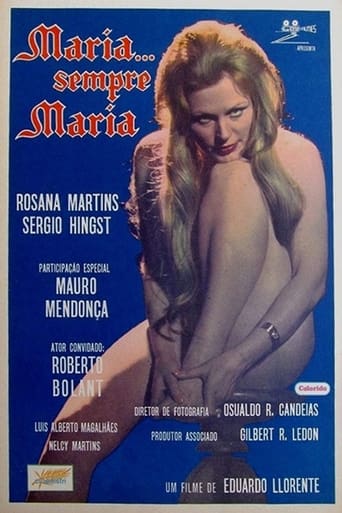
10.0No synopsis available yet.
Maria... Sempre Maria
1973
1960s · 3 titles
Ms. Violante Miranda is a bordello owner who raises a small girl as her own granddaughter. When she gets a little older, she is sent to study in Europe, and when she returns, she becomes a socialite, rejecting her previous milieu and her "grandmother".
Dona Violante Miranda
1960
 7.0
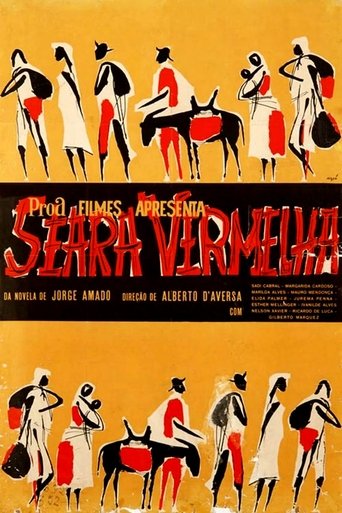
7.0No synopsis available yet.
Seara Vermelha
1964
 NR
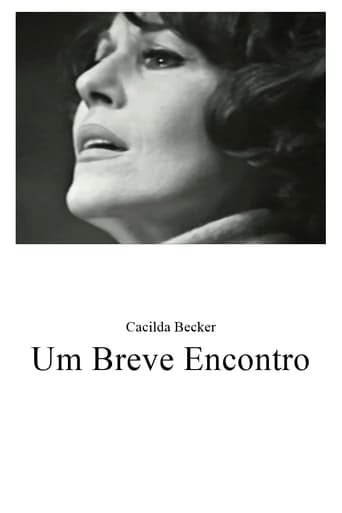
NRLaura remembers an affair that just ended: for a few weeks, she and a married doctor, Alec, met every Thursday for lunch in a train station and a movie. They fell in love in this short period together. Based on the story by Noel Coward, and shot for Grupo Bandeirantes' tele-theatre.
Um Breve Encontro
1968
1950s · 2 titles
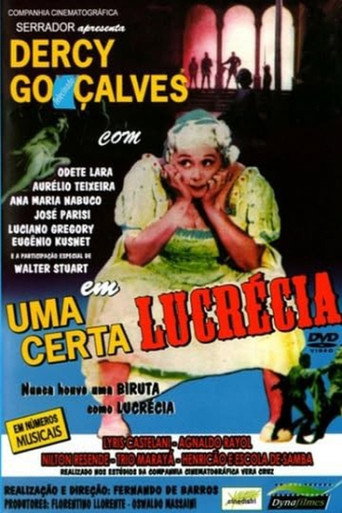 8.0
8.0No synopsis available yet.
Uma Certa Lucrécia
1957
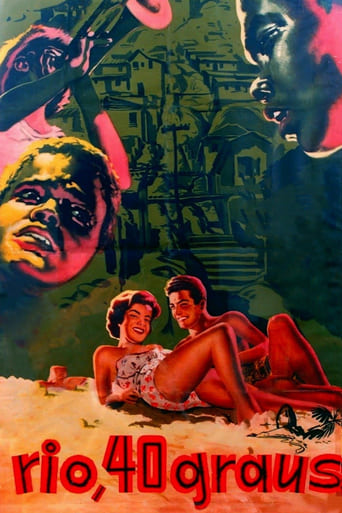 7.2
7.2On a scorching summer day in Rio de Janeiro, five impoverished black boys venture out of their favela to peddle peanuts throughout the bustling city. As they navigate the various districts of Rio, they bear witness to a series of unfortunate events and encounters, unfolding a vivid tapestry of urban life in Rio de Janeiro during that period. These true misadventures shed light on the gritty reality of the city, unveiling its vibrant urban tapestry.
Rio, 100 Degrees F°
1955
Series credits
8.4The daily lives of a typical Brazilian middle-class family, that are always very close and tries, in their way, to survive the financial and relationship difficulties.
A Grande Família
2001
8.0Os Trapalhões was a Brazilian comedy group and also a Brazilian television series created by Wilton Franco. Its members were Dedé Santana, Zacarias, Mussum and their leader Didi Mocó, that was played by Renato Aragão. The name Trapalhões is derived from the Portuguese verb atrapalhar, which means the opposite of helping, to do something the wrong way or to Those that confuse. The name is translated "Tramps" in English DVD subtitles. It was aired by Rede Globo from 1977 to 1999. On March 18, 1990, Zacarias died due to respiratory failure, but the group and the series didn't come to an end until July 29, 1994, when Mussum died due to an unsuccessful heart transplant.
The Trapalhões
1977
7.8Donatela and Flora, two friends who became rivals. One of them committed a homicide and pretends to be innocent. There are two versions for the same story. Who, after all, is telling the truth? Donatela or Flora?
A Favorita
2008
7.8A down-on-her-luck former inmate tries to reconnect with her daughter--to the objections of her sister who raised the girl, meets a millionaire, and transforms into a strong woman, returning to society at Dancin' Days nightclub's opening.
Dancin' Days
1978
8.5No synopsis available yet.
Sangue do Meu Sangue
1969
7.5In 1886, in the small town of Araruna, Little Missy rejects the actions of her father—the slave-owning Colonel Ferreira—alongside Rodolfo, an active abolitionist republican with whom she falls in love.
Little Missy
1986
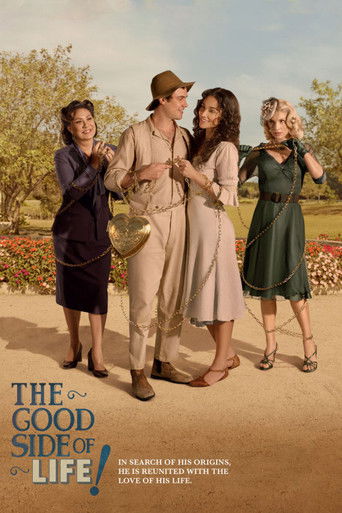 7.1
7.1The Good Side of Life tells the story of a naïve young man from the countryside who was abandoned as a newborn against the will of his mother, and who goes to the big city to look for her. There he will also have the chance to meet the love of his life once again. Candinho's optimism and good humor are his allies against life's difficulties, including the plots of two scoundrels that cross his path.
The Good Side of Life
2016
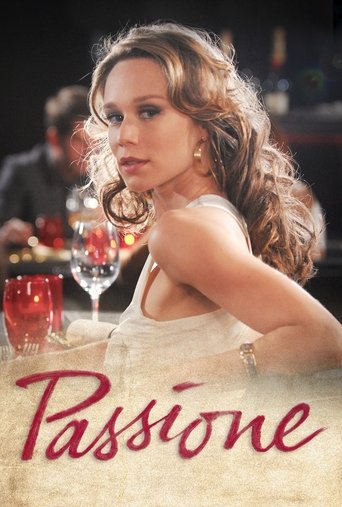 6.8
6.8An ambitious young woman with a traumatizing past targets an Italian man, the distant son of a wealthy Brazilian family.
Passione
2010
 5.0
5.0Twenty years after seeing his family decimated by gunmen, Ben Silver returns to Albuquerque to take revenge on the person responsible for the massacre, but falls in love with his rival's daughter.
Bang Bang
2005
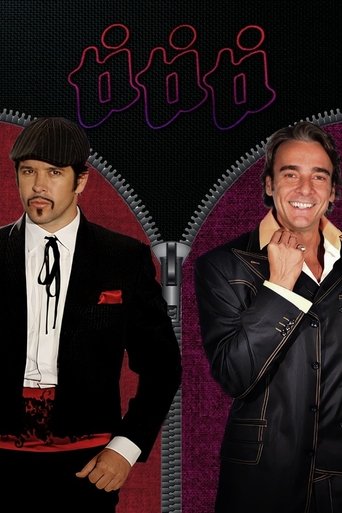 7.0
7.0Enemies since childhood, André Spina and Ariclenes Martins became Jacques Leclair and Victor Valentim and now compete for the spotlight in the fashion world.
The Buzz
2010
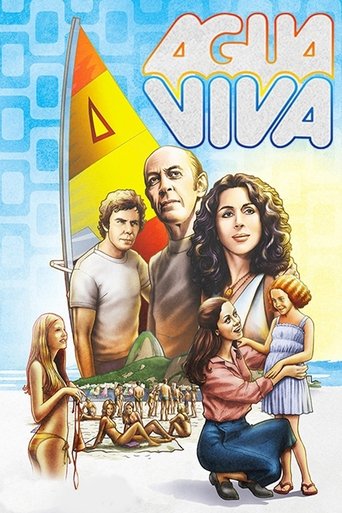 8.2
8.2No synopsis available yet.
Água Viva
1980
 8.6
8.6Ambitious Nice seeks social advancement through Rodrigo Medeiros, but ends up truly falling in love with him. This is the second version of the telenovela, originally aired in 1976.
Evil Angel
1997
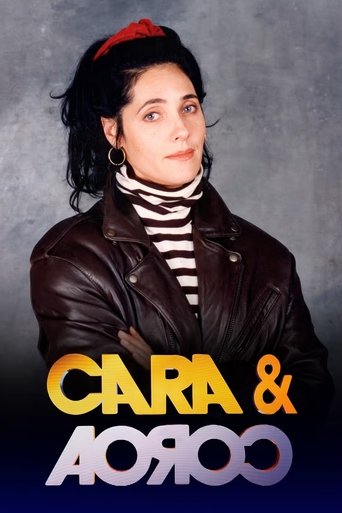 8.8
8.8Fernanda and Vivi are identical, but from different worlds. A cruel plan swaps their identities and transforms their lives into a game of lies and ambition.
Cara & Coroa
1995
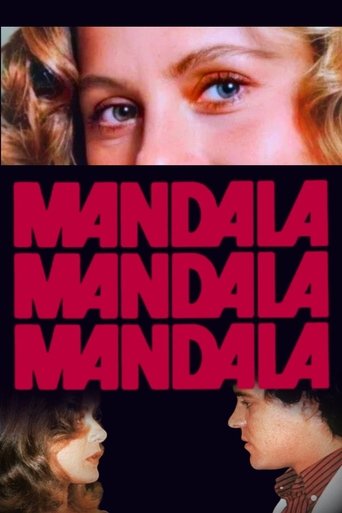 8.0
8.0Jocasta, an 18-year-old sociology student and daughter of communist activist Túlio Silveira, is actively involved in the country's political landscape. She is in love with Laio—her polar opposite—a disengaged, esoteric young man who lives off his wealthy father's allowance. A mystic, Laio makes no move without consulting his guru and friend Argemiro, whom he turns to upon learning of Jocasta's pregnancy. The cowrie shell reading reveals that his son is destined to kill him and enter into a romantic relationship with his mother. Terrified, Laio disappears with the child immediately after birth, aided by Argemiro—who loves Laio and loathes Jocasta. Twenty-five years later, Jocasta is a successful yet restless woman searching for her missing son. She is estranged from Laio, who has spent recent years expanding his father's fortune through involvement in underground gambling. On a highway, he encounters Oedipus, unaware that the young man is his son.
Mandala
1987
 8.5
8.5The cheerful and outgoing Jordana lived alongside Silas for 20 years, helping him become wealthy. Despite this, he abandons her to run away with the opportunistic Carla. After the separation, Jordana faces financial difficulties. She then meets Dona Mena, an eccentric and lonely old woman abandoned by her family. Jordana takes care of Dona Mena and, when she dies, inherits four bronze cupids containing a million dollars. The problem is that the cupids disappear without a trace. The cupids become the subject of a fight between Dona Mena's nephews, Loreta and Carlito. The two are the villains of the story. Jordana, however, ends up falling in love with Carlito. In the final chapters, Jordana manages to recover the cupids and rebuild her life. She has the help of her friend Vieira.
Jogo da Vida
1981
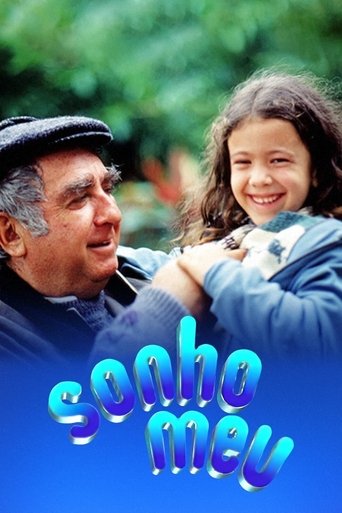 7.4
7.4Golden Dream is a Brazilian telenovela produced and broadcast by Rede Globo. It ran from September 27, 1993 to May 14, 1994. It was written by Marcílio Moraes and directed by Reynaldo Boury, with co-direction by Roberto Naar. The action takes place in the city of Curitiba. It was also broadcast in Portugal.
Golden Dream
1993
Aníbal is a millionaire, knowing that he is going to die, invites a group of relatives and friends to stay at his luxury hotel. They are all linked to a mystery of their past. Some will be rewarded with inclusion in the will; others will be punished. To know who was his real friend and who harmed him, Aníbal starts to manipulate everyone, as if they were puppets.
The Puppets
1967
 8.3
8.3Brava Gente was a television series aired by TV Globo in Brazil between 2000 and 2003, initially as a special year-end. The program was adapted from stories and national stories, and plays by famous playwrights, screenwriters and signed by a number represented by several actors and actresses. The genres of the stories varied each week with the style of each director or author. Brava Gente in the stories ranged from comedies and dramas. In all 53 episodes were shown, broadcast on Tuesday nights.
Brava Gente
2000
8.3Brava Gente was a television series aired by TV Globo in Brazil between 2000 and 2003, initially as a special year-end. The program was adapted from stories and national stories, and plays by famous playwrights, screenwriters and signed by a number represented by several actors and actresses. The genres of the stories varied each week with the style of each director or author. Brava Gente in the stories ranged from comedies and dramas. In all 53 episodes were shown, broadcast on Tuesday nights.
Brava Gente
2000
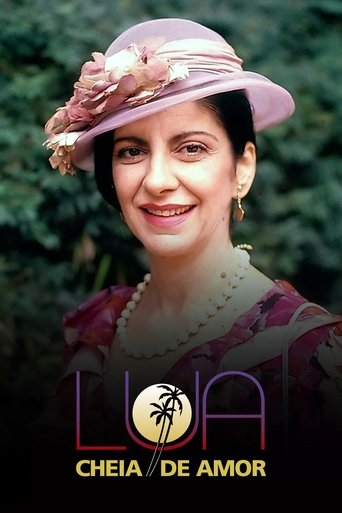 7.5
7.5The determined Genuína dreams of the return of Diego, the father of her children Rodrigo and Mercedes, who reject their mother's origins. Diego reappears with a different identity and changes Genu's destiny.
Lua Cheia de Amor
1990
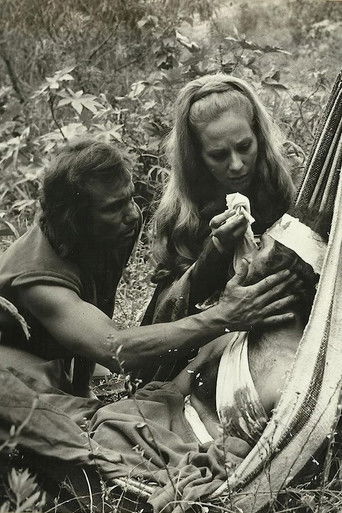 6.7
6.7A Muralha is a Brazilian telenovela that first aired on TV Excelsior in 1968. It is based on a novel by Diná Silveira de Queirós.
A Muralha
1968
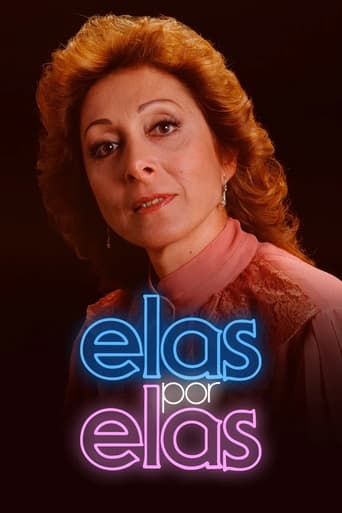 8.2
8.2Seven high school friends reunite after 20 years. Memories of the past and coincidences of the present reveal the secrets and affections that bind the women and their families.
Elas por Elas
1982
 6.5
6.5From a young age, Marcos has the gift of premonition and, in his future, he will have to choose between the path of light and the path of vanity. As an adult, Marcos meets Sônia, and the two fall in love.
The Prophet
2006
 8.1
8.1After getting lost on a sea excursion, Jô Penteado and Fábio Coutinho develop mutual feelings during the two months they spend stranded on a deserted island.
A Gata Comeu
1985
 8.3
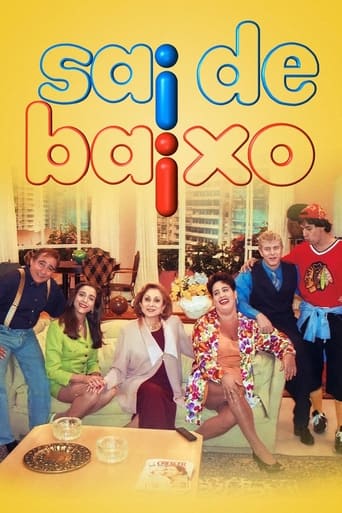
8.3It follows the lives of the members of a dysfunctional family, their maid and the doorman of the apartment building in which they lived.
Sai de Baixo
1996
 7.5
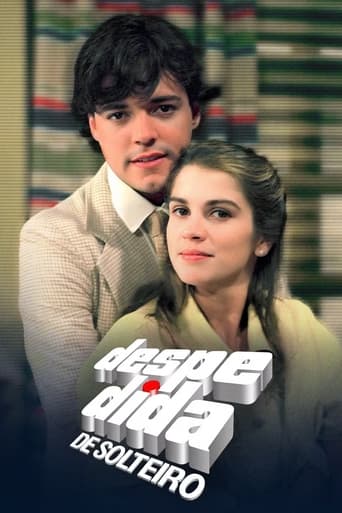
7.5After an unjust imprisonment, friends return to the town of Remanso, facing betrayals and lost loves, while battling a corrupt lawyer.
Bachelor Party
1992
 7.7
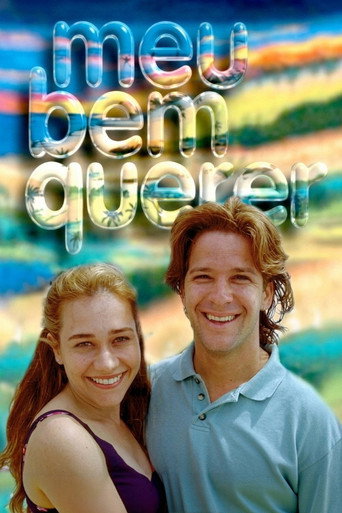
7.7The plot revolves around the romantic conflict involving four young people who have known each other since childhood. Antônio Mourão, an orphan raised by Father Ovídio, has two dreams in life: to graduate in Medicine – he has just passed the entrance exam – and to marry Rebeca, one of the daughters of his godfather, the Protestant pastor Bilac. Antônio and Rebeca end up separated thanks to the interference of Lívia, the youngest daughter of Pastor Bilac. Sensual and deceitful, she dreams of abandoning her life in São Tomás de Trás, working as a lacemaker and attending her father's church services, to live in the big city. She sees in Antônio a chance to fulfill her desire and, even knowing about the romance between the young man and her sister, she orchestrates a situation to seduce him and manages to get pregnant by him. The two are then forced to marry and move to the capital.
My Sweetheart
1998
 7.0
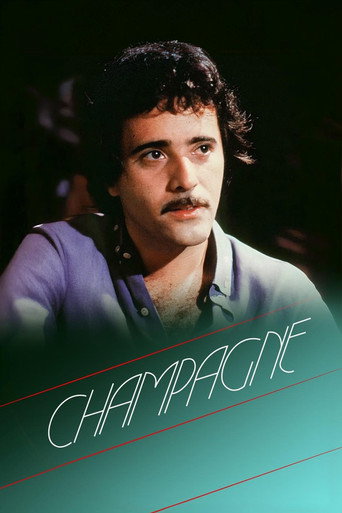
7.0In 1970, during a glittering New Year's Eve party attended by the aristocracy, a young pantry maid named Zaíra is mysteriously murdered. Thirteen years later, the prime suspect—Gastão, a humble waiter and former colleague of the victim—seeks to prove his innocence with the help of his son, Nil, becoming entangled in the lives of the other party guests. The story also follows a cunning pair of jewel thieves: the sophisticated Antônia Regina and João Maria—a criminal lawyer and member of the declining aristocracy who takes up the cause of Nil's father.
Champagne
1983
In 1889, a conflict arose between the decadent and ruined rural aristocracy following the liberation of slaves and a new class of wealthy individuals, comprised of entrepreneurs emerging from the republican industrial class, interested in free labor. In the city of Ouro Negro, in the interior of São Paulo state, the conservative, aristocratic, and monarchist Almeida Santos family, which traditionally dominated the region, began to lose ground to the Lobo Ferraz family, representing the nascent progressive and republican bourgeoisie.
Dead Gods
1971
 7.3
7.3Brasil República, 1918. Luís Jerônimo is a rich young man. Womanizer, spends all night on the street drinking and having fun with prostitutes, the boy finds out that he has an injury to his right lung. Advised by Edmundo Esteves, his doctor, he decides to spend a season at a cousin's farm in the small town of Vila da Mata in Espírito Santo, in search of fresh air, to prevent the disease from developing into tuberculosis.
Cabocla
2004
 7.5
7.5The story's theme is spiritualism, viewed through the lens of past-life regression. Floriano Ferraz is a skeptical sculptor tormented by severe shoulder pain and visions of a woman dying at his feet. Exhausted, and encouraged by his master and friend, the craftsman Quirino, he seeks the help of psychiatrist Ulisses. Through regression techniques, he discovers that in 1880, in the city of Petrópolis, in the mountainous region of Rio de Janeiro, he was Lieutenant Belmiro, in love with the young Valentina. The young woman, married to an older man, is seriously injured while trying to flee with her beloved. After suffering a sword blow, she loses her balance and falls from the third floor of a mansion, at Belmiro's feet. Before dying, however, Valentina arranges a meeting with the lieutenant in the future. The experience completely transforms Floriano's life, and he decides to abandon everything, including his girlfriend Antônia, to pursue his past.
Anjo de Mim
1996
 6.5
6.5Zeca and Maria Rita experience a forbidden love in the fictional city of Paraíso, where faith and tradition clash amidst land disputes and popular beliefs.
Paradise City
2009
 8.5
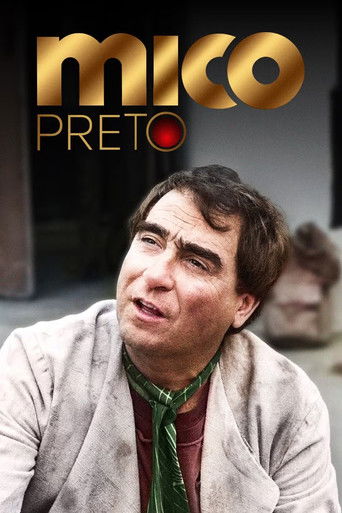
8.5The disappearance of Áurea Menezes Garcia sparks a fierce dispute over her business dealings. Firmino, her attorney, assumes power, but faces the greed of her children.
Mico Preto
1990
 10.0
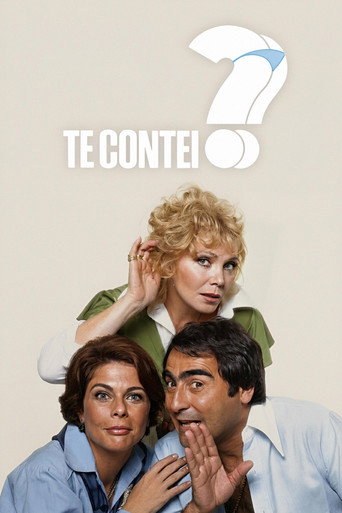
10.0Sabrina is a wealthy young woman who hides her compulsion to steal from her parents – Hilda and Fred – and also conceals the fact that she rents a room at Lola's boarding house in the Rio de Janeiro suburbs, where she pretends to be a modest young woman looking for work. The parallel plots of the story unfold through these two distinct worlds in which Sabrina lives.
Te Contei?
1978
 8.4
8.4The story follows the lives of Naná and Gegê, a pair of con artists. Gegê is the uncle of Tina Pepper, a Tina Turner fan who dreams of becoming a famous singer.
Cambalacho
1986
 7.0
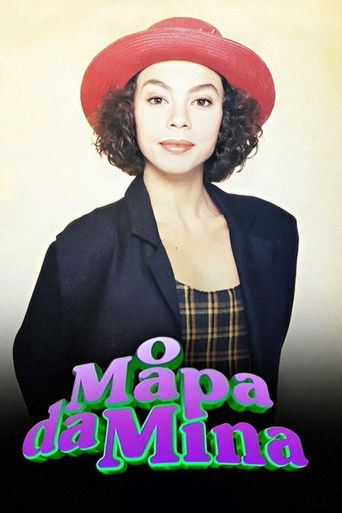
7.0The main plot revolves around a hidden treasure. The story begins when a gang steals ten million dollars worth of diamonds in Uruguay. To escape the police, one of the thieves, Rodolfo Torres de Almeida, flees to Argentina. His partner, Ivo Simeone, travels to São Paulo with the jewels. Ivo decides to hide the precious stones and, to ensure he doesn't forget the hiding place, has a map tattooed above the buttocks of a girl, the daughter of his neighbor. The thief takes care to photograph the girl so he can identify her in the future. Ivo is arrested and, eight years later, when he gets out of jail, he is run over and killed. Before dying, however, he manages to tell his son Rodrigo the secret about the treasure map. The young man follows the clues given by his father and discovers that the young woman with the tattooed map is Elisa, a novice nun cloistered in a convent, about to take perpetual vows.
O Mapa da Mina
1993
 8.0
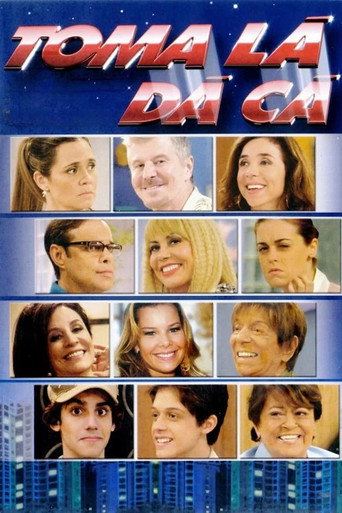
8.0Brazilian comedy about two couples living next to each other in the same building. This show explores the antics between the two couples.
Toma Lá, Dá Cá
2007
 7.0
7.0Maria Augusta, Maria José, and Maria da Glória reunite in Rio after studying together in Switzerland and prove their friendship despite many twists and turns, crimes, and romances.
As Três Marias
1980
 8.3
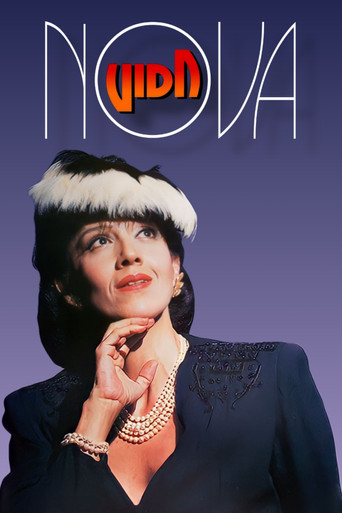
8.3São Paulo, 1945. A tenement in the Bixiga neighborhood centralizes the plots and characters. The cheerful Lalá is a former prostitute who got along with a senator of the Republic, her lover, who, when he died, left her in an excellent financial situation, since she had a daughter with him, Marialina. Lalá is courted by the simple Italian Antônio Sapateiro, a mature man in love with her. The Portuguese Manoel Vitor loves the Jewish Ruth, but her parents forbid dating because of religion.
Vida Nova
1988
 8.5
8.5No synopsis available yet.
Espelho Mágico
1977