
Writing
Agnieszka Osiecka
Born 1936-10-09 · Warsaw, Poland
Agnieszka Osiecka was a Polish poet, writer, author of theatre and television screenplays, film director and journalist. She was a prominent Polish songwriter, having authored the lyrics to more than 2000 songs, and is considered an icon of Polish culture.
Acting credits
Behind the camera
Episodes from the not-so-happy life of a railway stationmaster in the steppe.
Szampan
1961
A poetic tale, told in the style of silent cinema, about the regulars at a provincial bar and their dreams.
Bar Listopad
1960
A poetic tale, told in the style of silent cinema, about the regulars at a provincial bar and their dreams.
Bar Listopad
1960
Two soldiers discuss the future in a small café. Their conversation is interrupted by an elegant French woman who visits the café.
Zwierzęta futerkowe
1960
Two soldiers discuss the future in a small café. Their conversation is interrupted by an elegant French woman who visits the café.
Zwierzęta futerkowe
1960
Songs and sketches of the legendary Student Satirical Club, established in 1954 in Warsaw.
STS '58
1959
The first of nine short films made by Agnieszka Osiecka during her studies at the Film School. The cinematographer for the exercise was Jerzy Woźniak, then a third-year student of cinematography. The names of the authors of the short film and its title are revealed in the opening credits. However, these are not traditional credits on a blackboard. Someone's hand moves chalk across the board, decorating the title with a flower. The nature of the opening credits, which together with the closing credits form an integral part of the film, a kind of narrative bracket, introduces the viewer to the mood of the short film - a light, funny and unpretentious story.
Bibliofil
1958
The film begins with a sequence of shots showing the journey a tree takes from being cut down to arriving at the sawmill. The narrator analyzes forest management and the timber industry and warns against the excessive exploitation of forests. The camera films wooden furniture and other wooden objects, logging and timber transport work. The film ends with shots of destroyed nature.
Plakat z drewna
1961
The film begins with a sequence of shots showing the journey a tree takes from being cut down to arriving at the sawmill. The narrator analyzes forest management and the timber industry and warns against the excessive exploitation of forests. The camera films wooden furniture and other wooden objects, logging and timber transport work. The film ends with shots of destroyed nature.
Plakat z drewna
1961
An old double bass player is looking for work. He travels around the city with his instrument and asks about vacancies in his profession.
Solo na kontrabasie
1958
An old double bass player is looking for work. He travels around the city with his instrument and asks about vacancies in his profession.
Solo na kontrabasie
1958
A bored young woman interacts with the stranded objects of a black-and-white room, which take on their own lives as she begins to dream.
Black and White
1958
A bored young woman interacts with the stranded objects of a black-and-white room, which take on their own lives as she begins to dream.
Black and White
1958
 NR
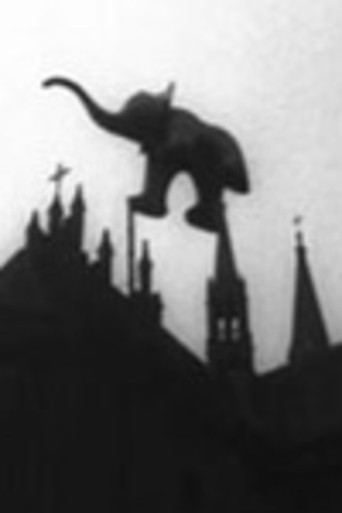
NRA short film based on a story by Sławomir Mrożek of the same title. The need to have an elephant in a fictional zoo gives rise to the idea of making one. A giant inflatable animal is created, but instead of becoming the main attraction, it flies away in front of a school trip.
Słoń
1959
NRA short film based on a story by Sławomir Mrożek of the same title. The need to have an elephant in a fictional zoo gives rise to the idea of making one. A giant inflatable animal is created, but instead of becoming the main attraction, it flies away in front of a school trip.
Słoń
1959