

Acting
Walter Lendrich
Born — Died
1912-05-27 — 1999-07-15
Place of birth
Arnstadt, Germany
Known for
Acting
Credits
78 titles
Known for
 6.2
6.2Polizeiruf 110 is a long-running German language detective television series. The first episode was broadcast 27 June 1971 in the German Democratic Republic, and after the dissolution of Fernsehen der DDR the series was picked up by ARD. It was originally created as a counterpart to the West German series Tatort, and quickly became a public favorite.
Polizeiruf 110
1971
 3.8
3.8Der Staatsanwalt hat das Wort was an East German television series.
Der Staatsanwalt hat das Wort
1965
 7.0
7.0No synopsis available yet.
Märkische Chronik
1983
 NR
NRBlaulicht is a German crime television drama series, whose 29 episodes were based on crime case files.
Blaulicht
1959
 5.7
5.7This film is the first of a two-part historical and biographical portrait of the communist politician and anti-fascist Ernst Thälmann. In early November 1918, Ernst Thälmann is an unwilling soldier serving on the western front. As the revolutionary movement at home is threatened by the betrayal of the Social Democrats and fissures in the working class, Thälmann calls on his fellow soldiers to put down their weapons and unite with the workers in the communist struggle at home. Thälmann’s qualms about which side he is fighting on continue, but when the local police attempt to prevent a shipment of provisions and supplies from reaching the people in Petrograd, he intervenes and the ship is unloaded. With this moment of clarity, Thälmann continues to follow his political convictions and joins the workers at the Hamburg uprising in October 1923.
Ernst Thälmann – Son of the Working Class
1954
 NR
NRFour-part miniseries about the theologian Thomas Müntzer, who became a revolutionary and opponent of Luther during the Peasant War in 1525.
Denn ich sah eine neue Erde
1970
Film credits
1980s · 6 titles
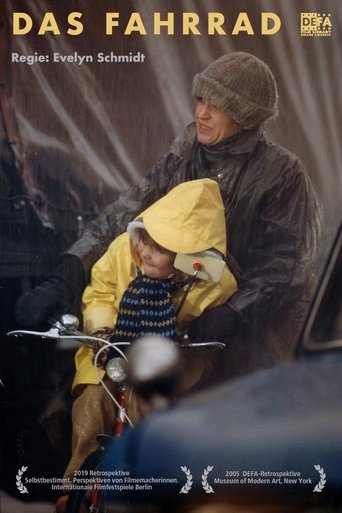 5.5
5.5Susanne is a young single mother who lives a somewhat "carefree" lifestyle. After quitting her job, she finds herself in trouble financially and attempts a minor insurance fraud to make ends meet. Despite its rare view of everyday socialism from a woman's perspective, East German officials were critical of this frank portrayal of a less-than-ideal socialist citizen and turned down all invitations for the film to be screened abroad.
The Bicycle
1982
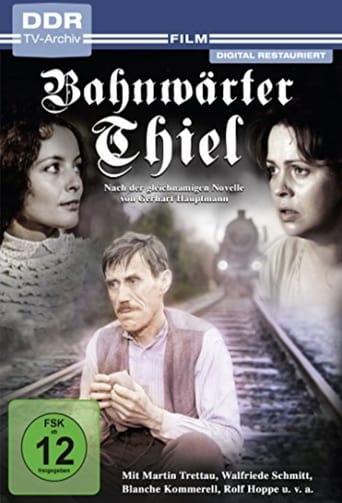 3.5
3.5The film tells the tragic fate of railroad guard Thiel at the end of the 19th century. Thiel, who spends his days in the dull, monotonous fulfillment of his duties, has lost his gentle, quiet wife Minna. He remarries out of concern for his young son Tobias. His second wife Lene, with whom he also has a child, is superior to him in vitality and has a rough passion. He discovers that his child from his first marriage is being discriminated against and tormented by her - Thiel withdraws more and more into himself and becomes lonely. When Tobias is killed in an accident, he blames Lene, and disaster is inevitable...
Bahnwärter Thiel
1982
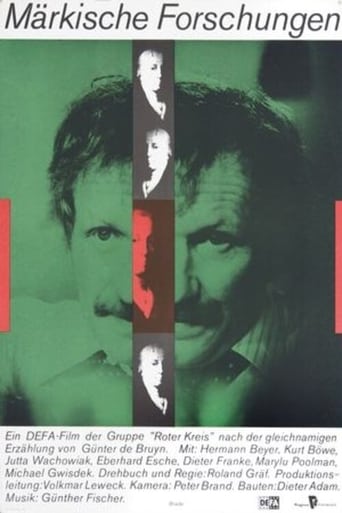 8.0
8.0On a forest road in the Brandenburg March, village teacher Potsch accidentally encounters the distinguished Professor Menzel, who got stuck there in his car. In the conversation that ensues, Menzel and Pötsch quickly discover that they both are great admirers of the early 19th-century writer Max von Schwedenow who was born in the area.
Exploring the Brandenburg Marche
1982
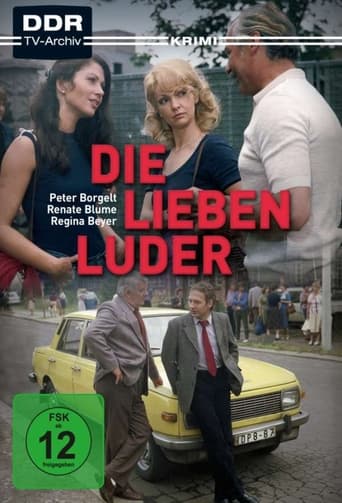 10.0
10.0Factory workers Yvonne and Evchen have their nose full of married men who appeal to them again and again in their home for a short adventure. In short, they decide to profit from this state: Evchen goes to her home with the willing men and puts her in a clear situation of which the then suddenly emerging Yvonne takes a photo. Then it says: 5000 marks or your wife learns about this failed side jump. So far, so profitable! But when the two women encounter the art hehler Domski in their bar, things get out of control...
Die lieben Luder
1983
 7.0
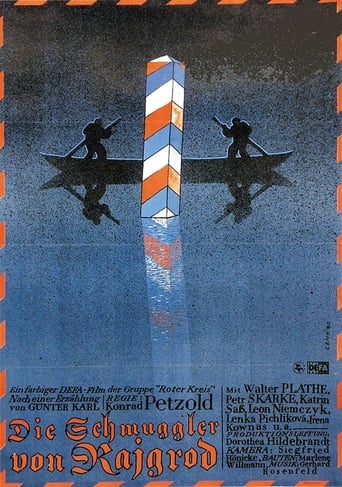
7.0In 1903, Jan Anskath and his half-brother Martin are living in Rajgorod at the border between Russia and Prussia – Jan on the Russian, Martin on the Prussian side. Both are occasionally smuggling stuff over the border. But while Jan acts from political conviction and is smuggling illegal writings over the border, Martin is only interested in the money. That is why he does not question his shadowy client when he sneaks out refugees into Russia. But then it becomes evident that the distinguished gentleman has robbed the refugees from all of their belongings, only to turn them over to the authorities of the Czar.
Die Schmuggler von Rajgrod
1980
 3.0
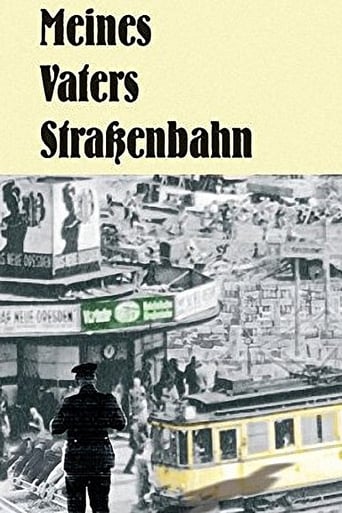
3.0Ralph grows up in pre-war Dresden as the eldest son of a principled and orderly streetcar conductor. With the rise to power of the Nazis, the war, the collapse and the hesitant new beginning, his firmly established middle-class world is also thrown off course. His father is one of the first to be called up to the front. His mother is left alone with the responsibility for Ralph and his younger brother Achim. In the air-raid shelter, during the nights of bombing and later in the daily struggle against misery and hunger, the mother quickly abandons all moral baggage and develops a pragmatic will to survive, for which she admires Ralph. At the same time, the boy is frightened by his mother's desperate claim to happiness because he perceives her affairs as a betrayal of his father, who has gradually faded into a symbol of a happy, carefree childhood.
Meines Vaters Straßenbahn
1980
1970s · 23 titles
 6.4
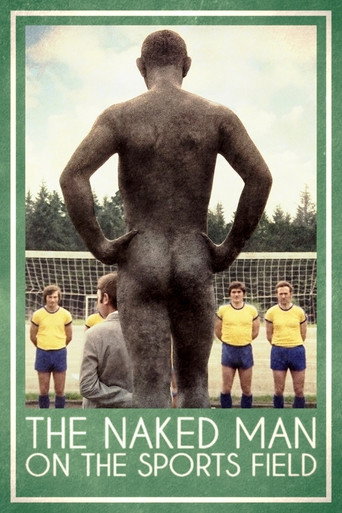
6.4Kemmel, a sculptor with a troubled nature, wonders, as he approaches his fortieth birthday, whether he has created any truly significant work.
The Naked Man on the Sports Field
1974
 NR
NRUwe is a chemistry student and works as an excavator driver on various construction sites at weekends. One weekend, he meets the nursery nurse Gabi. As it turns out later, they owe their encounter to the daughter of the construction site brigadier Trunzer. But it doesn't stop at this one encounter and the resulting flirtation, as the two fall in love within a very short time. On another weekend, Uwe accompanies Gabi to visit her family. When construction site brigadier Trunzer returns from vacation a few days later, he first asks Uwe where he has been during his absence, to which Uwe replies: "I was in Honolulu - bet?".
Ich war in Honolulu – wetten?
1974
 5.8
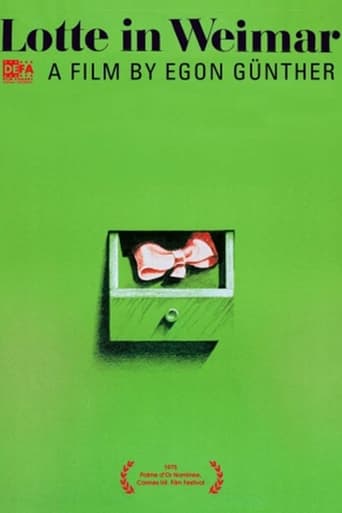
5.8Johann Wolfgang von Goethe (1749-1832) was the author of Werther, the romantic novel that was transformed into a play during Goethe's lifetime and which initiated the whole German romantic movement. The book's story tells of young love and suicide. In this East German film, based on a book by Thomas Mann, Lotte (Lilli Palmer) was the woman who served as the model for the heroine in the novel Werther. She comes to Goethe's hometown for a visit, and her experiences there eerily re-create episodes from the book. Goethe comes across as a pompous old bore, and his friends as pandering sycophants, in this very proper communist party-sponsored, anti-heroic movie.
Lotte in Weimar
1975
 7.0
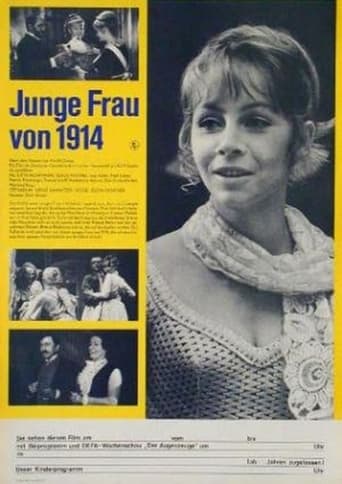
7.0In 1914 Berlin, bank heiress Leonore Wahl and struggling Munich student Werner Bertin fall passionately in love, defying class and her parents’ expectations. Their idyll is shattered by the outbreak of WWI: Werner, swept up in patriotic fervor, is conscripted to the Western Front, while Leonore, pregnant and abandoned, faces her family’s condemnation and a clandestine abortion. Set against the tumult of war, the film explores idealism, social divides, and the personal costs of duty and desire.
Junge Frau von 1914
1970
Götz von Bredow's elk-leather trousers have their own special meaning: whoever wears them cannot come to any harm. Only they must not be washed. The meticulous Mrs. Brigitte cleans them anyway - but they get lost because the squire Hans-Jürgen, who is guarding them, has to save the life of Eva von Bredow, who is floating in a wash barrel. Meanwhile, Privy Councillor Lindenberg has arrived at the Bredows' house and loses a large sum of money in the game that does not belong to him. He wants to make up for the loss with a robbery. Suspicion first falls on Bredow because his trousers were involved, but Lindenberg is convicted and sentenced to death. This throws the cavalry into turmoil, as robberies are an important source of income for them. The four of them march against the Elector, who is hunting in the Köpenicker Heide. But Bredow, who has his protective trousers back, comes to his aid.
Die Hosen des Ritters von Bredow
1973
The 20-year-old Berliner Wilhelm, called Willi, returns from two years as a prisoner of war to the village of Weltzow in the Havel region, where he meets Hans Graber, a former comrade from the front. Hans is now a teacher and finds Willi a job with innkeeper Brunzel. His daughter, Mrs. Leidenfrost, has been a widow for five years, as her husband was killed at the front. Over time, she begins to take a liking to Willi, but Willi is not aware of this. He is interested in the dressmaker Ulla, but skips their first meeting when he learns in the inn that Ulla has an illegitimate child.
Hochzeit in Weltzow
1979
 8.0
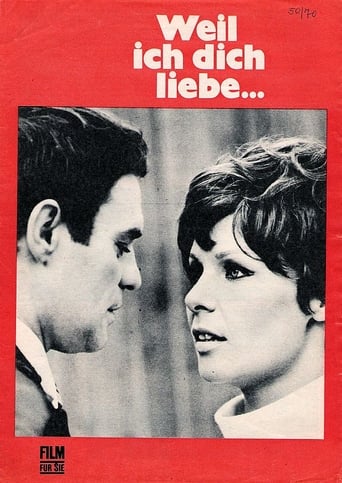
8.0Dr. Gerd Thiessen, an experienced veterinarian, takes up a new job at a publicly owned manor. His research colleagues are less than thrilled about his ideas and modification proposals. Thus, the pretty and confident veterinarian Sabine Ladenbach becomes his only ally and soon they fall in love with each other. When Thiessen’s wife Eva notices that her husband is growing away from her, she starts to fight for him. Eventually, Thiessen realizes that Eva is the woman of his life, both privately and professionally. At the same time, he figures out that he needs the support of his team to achieve success in his field.
Weil ich dich liebe …
1970
 6.0
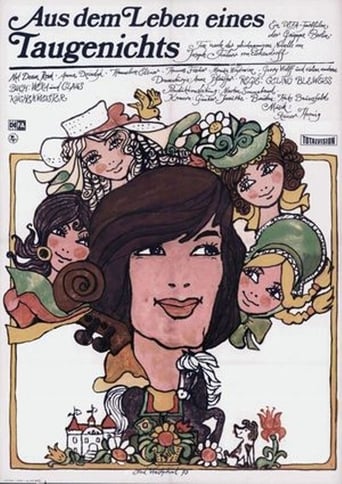
6.0Screen adaptation of Eichendorff's famous novella. A penniless drifter roams the land with his violin and preferably sings his songs to beautiful women. Two of his female admirers get him employed as a gardener at a castle. Yet he doesn't settle down for long, and moves on to his next temporary job as a customs officer. Finally, he travels to Italy where he joins the gang of Rinaldo Rinaldini and eventually meets the love of his life.
Aus dem Leben eines Taugenichts
1973
 9.0
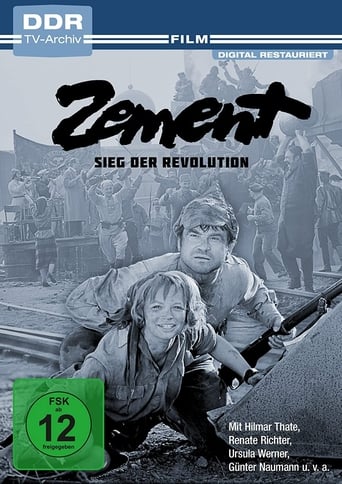
9.0Early 1921: a man is on his way home. Gleb Chumalov, regimental commander, worker and Hero of the Order of the Red Banner, returns to his home town from the Civil War. The victory over the enemies of the Russian people gives him the conviction that a new, better time will dawn overnight. Gleb looks for his comrades from earlier years, but only finds people who are emaciated by their efforts. The cement works where he used to work has been plundered and abandoned. With great effort, Gleb and his comrades try to get the plant up and running again. The struggle seems to begin anew... It is the time after the victory of the “Great October Socialist Revolution“ and the time of building a new society.
Zement
1973
 6.6
6.6In this East German film, the third one in The Third is Margit's third lover. After her mother's death, Margit has two affairs which don't work out, and one lesbian friendship which she retains. She is looking for a husband, though, and thinks she has spotted a candidate in her fellow factory worker. As she contemplates marrying him, her story is told in a series of flashbacks.
Her Third
1972
 8.0
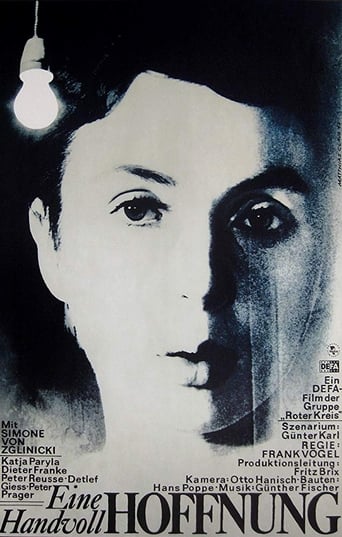
8.0Berlin at the end of the 1940s. Anneliese Weyher is working as a switchboard operator. She is living with her aunt after losing her parents in the war – a stroke of fate that has thrown the young woman off course emotionally. Indifferently, she is doing her work; her private life consists of an affair with a black-marketeer. Even when Anneliese witnesses an armed robbery, committed by infamous Wollnick and his gang, she stays lethargic and apathetic – she keeps silent instead of helping the inspector who is a friend of her aunt. It is not until Anneliese by coincidence meets her former lover, the watchmaker Kurt, that her life seems to take a positive turn.
Eine Handvoll Hoffnung
1978
 7.2
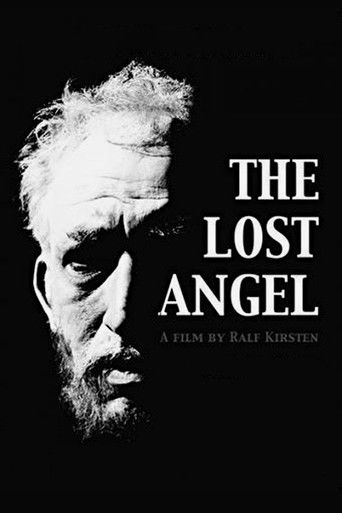
7.2August 24, 1937: a day in the life of expressionist sculptor and author Ernst Barlach (Fred Düren). Barlach lives in the small town of Güstrow, keeping to himself and wanting to steer clear of politics. On this day he learns that the Nazis have dragged his famous 1927 sculpture The Hovering Angel out of the Güstrow Cathedral. Barlach begins to reflect on his life of “inner emigration” and on his work.
The Lost Angel
1971
 9.0
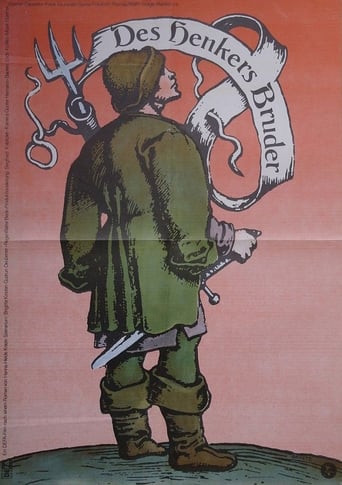
9.0On the eve of the German Peasants' War, the family of the young Christoph falls victim to an act of revenge by the knight Scharfenstein. The peasant leader Joß takes Christoph in. He learns to read, write and use a weapon. When Hieronymus is on his way to fetch a flag to signal an uprising, Christoph discovers treachery. To warn Jerome, he rides after him. But he can no longer save him from arrest and fetches the flag himself. On the way back, he is arrested with it. In prison, he meets Jerome again - and his older brother Jacob, who is an executioner. Jakob wants to let his brother go if he renounces the Peasants' Union. Christoph refuses and is able to escape with the flag.
Des Henkers Bruder
1979
 5.6
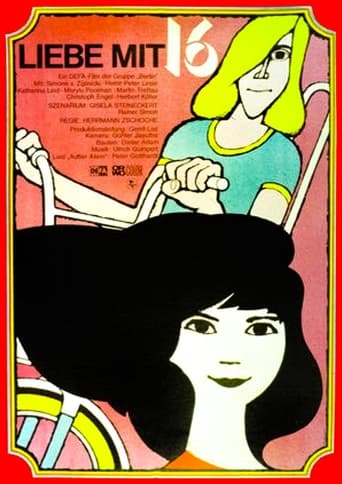
5.6Although at first Ina barely takes any notice of Matti, the two teenagers gradually fall in love at their dance classes and begin their first real relationship. Their parents are upset about this development and try to prevent their children from seeing each other. But Ina and Matti continue to meet in secret and their first sexual experience together brings mixed feelings for Ina.
Love at 16
1974
 9.0
9.0Bruno Kappel is an established attorney in Hamburg who, in earlier times, belonged to an anarchistic student circle. His former girlfriend Karin Kunze is still a member of this scene. Bruno, who still has left-wing beliefs, becomes her attorney. But when Karin gets into a shootout with the police, she has to go into hiding. The prosecuting attorney Baller has also been a former member of the anarchistic scene. He does not want his past to be revealed by Karin′s apprehension and prosecution. Thus, he asks Kappel to find Karin and sneak her out to a foreign country.
Brandstellen
1978
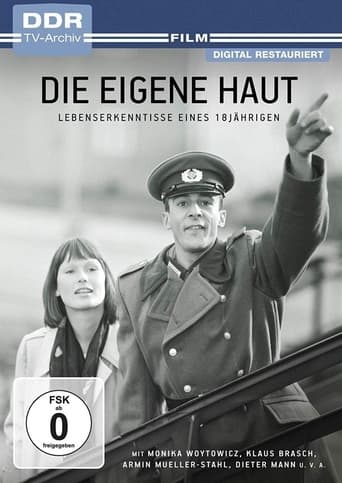 9.0
9.0Eighteen-year-old Wolfgang has just passed his A-levels and still has a few months to go before he has to start his military service. Instead of sitting around lazily, he wants to experience something during this time before the serious side of life begins. Wolfgang decides to hitchhike to Poland. There he makes friends with a group of young mountaineers, and Wolfgang's last period of complete freedom begins.
Die eigene Haut
1975
 4.9
4.9When he reaches age 18, Peter is released from the children's home where he grew up, but this does not mean he is truly ready for adult life.
P.S.
1979
In the spring of 1969, a young man from a small town arrives at the partner company in Berlin, where he falls in love with red-haired Rita. A love story about "everyday heroes," in which director Egon Günther continues his idiosyncratic formal experiments with actress Jutta Hoffmann, which he began in "Junge Frau von 1914" (Young Woman of 1914).
Anlauf
1971
 7.0
7.0Sister Agnes helps in all situations and does not only make friends. She has just fallen out with the new mayor. The consequences leave an entire community upside down.
Schwester Agnes
1975
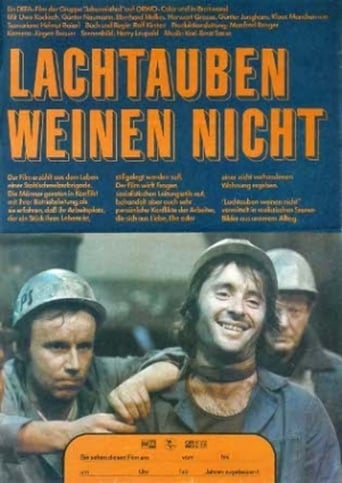 7.0
7.0The film tells the story of the smelter brigade of a steel mill whose members are connected by a strong comradeship. Among the workers are, for instance, young Rolf, whom everybody just calls "Lachtaube" and who always comes through for his co-workers, or the likable Hubert, who works as a simple smelter again after being dismissed as the head of the steel mill. Then, there is also the stubborn Manfred, who should have become a brigadier long ago because of his experience and his competence, but this privilege is refused to him because Manfred is not a party member. Ironically, it is Manfred who hears by accident about the plans of the mill to close down the old Martin furnaces – and to lay off the smelters. When the other men learn about the plans they enter the barricades for their jobs and force the plant′s management to face the workers′ demands and criticism.
Lachtauben weinen nicht
1979
 8.0
8.0The writer Schaffrath enters the office of Dr. Hans Kahler, a graduate engineer, and asks if he may look around the facility, as he intends to write a report on the workers in the new section of an oil refinery.
Netzwerk
1970
 5.5
5.5In the nineteenth century, seventeen year old Effi Briest is married to the older Baron von Instetten and moves into a house that she believes has a ghost.
Effi Briest
1970
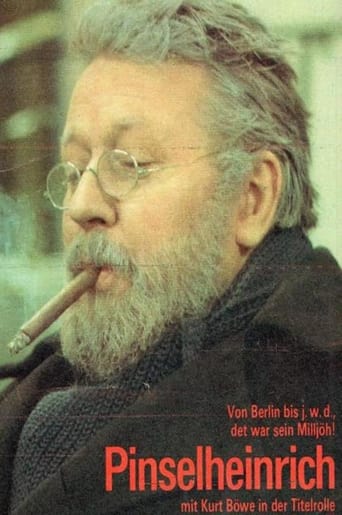 NR
NRThe television play by Werner Bernhardy depicts episodes from the life of Heinrich Zille as well as his much-praised "Milljöh". It tells of Zille's dismissal from the Berlin Photographic Society, of Kommerzienrat Hübel and his wife, of Zille's unreal, loyal friend Gustav Nogler, in whose role the experiences, attitudes and characteristics of many people from those years were incorporated, and of many other Berlin characters.
Pinselheinrich
1979
1960s · 17 titles
 6.7
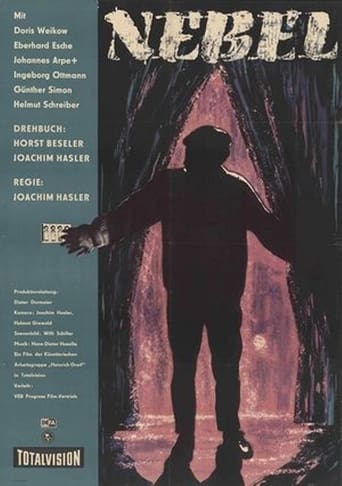
6.7At the beginning of the 1960s, a German turns up on behalf of the NATO in the British village of Rocksmouth. NATO wants to establish a naval base in Rocksmouth, but first, the German envoy has to salvage an old ship wreck. In 1942, the "Princess of India" was supposed to bring children to safety in Canada but was sunk by a German submarine at departure. 58 people were killed, most of them children.
Fog
1963
 6.7
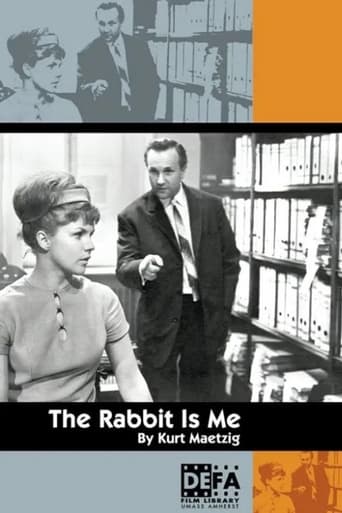
6.7Maria, a young student sees her brother Dieter going to prison for sedition against the state. She starts an affair with Paul, a judge who turns out to be the one who sentenced her brother, which eventually leads to a confrontation.
The Rabbit Is Me
1965
 5.5
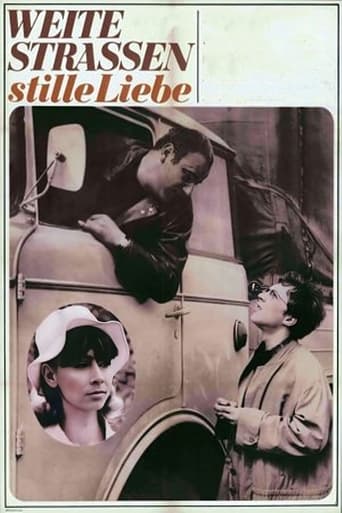
5.5Long-haul driver Hannes picks up a young hitchhiker, Herb, who had a falling-out with his parents after dropping out of college and now travels around doing odd jobs. After a series of adventures, they are joined by Johanna and her child, who missed their bus and need a ride to Berlin. Johanna has left her husband so that he can reflect on their broken relationship and both men gradually begin to fall in love with her.
Long Roads - Secret Love
1969
 6.6
6.6A wild story set in eighteenth-century Prussia. Alexander can do everything that a real devil of a fellow must be able to do: ride, shoot, love and devise clever plots. As a result, he is able to climb the ladder from herder to chamber master, where he makes a fool of the feudal lords.
Mir nach, Canaillen
1964
 9.0
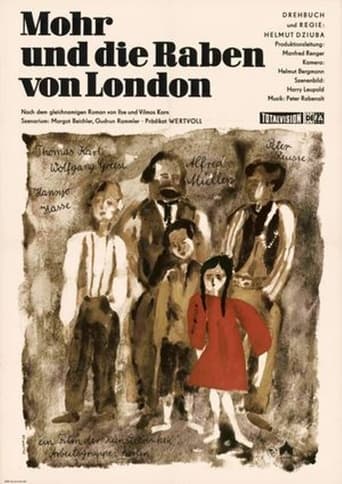
9.0London in 1856. Karl Marx is living in exile in the British capital. One day, "Mohr", as Marx is called by his friends, meets the 13-year old worker′s son Joe. The boy works every day for twelve hours in a spinning mill and even has to work night shifts although that violates current rules. Marx tries to end the illegal activities of the spinning mill owner and one night shows up at the mill together with an inspector. But his foray is undermined by a robbery by the rebellious raven gang that is led by Joe′s brother Billy. The spinning mill owner of course takes this chance to blame his young workers for the theft. But Marx is not let astray and does not stop to fight against child labour. Furthermore, he tries to get the members of the raven gang back on the straight and narrow – with success.
Mohr und die Raben von London
1969
 7.0
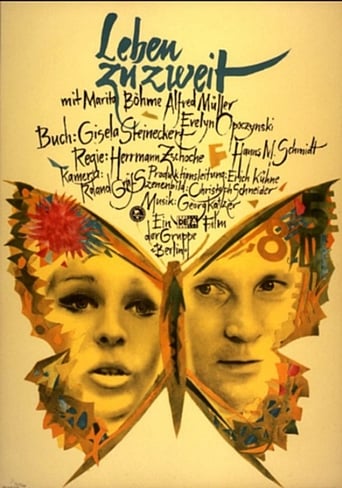
7.0Karin, who is in her mid-thirties, works as registrar but has been divorced for several years. Together with her 16-year old daughter Nora, she leads a happy and independent life. Then, she finds a new partner in the mathematician Peter, but does not tell her daughter about him. When Peter proposes marriage, Karin always comes up with new excuses why such a step is still too early for her. She mainly fears that Nora would not be able to cope with another marriage of her mother. But when Peter cannot be dissuaded anymore by her excuses and finally wants to marry her, Karin comes up with a bizarre plan.
Leben zu zweit
1968
 6.8
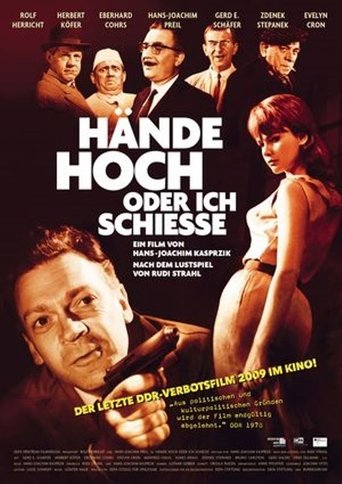
6.8Small town policeman Holms suffers from a rather unusual problem: Because of the low crime rate, there is simply not enough to do for him. Deadly bored, he sinks into the depths of depression and requests the help of a psychiatrist. But his imagination is far more effective: In his dreams, he chases gangsters in London. Finally, some small-time crooks find a way to help "their" policeman out of his emotional misery: They steal a memorial from the market square and thus help Holms to a spectacular case.
Hände hoch oder ich schieße
1966
 10.0
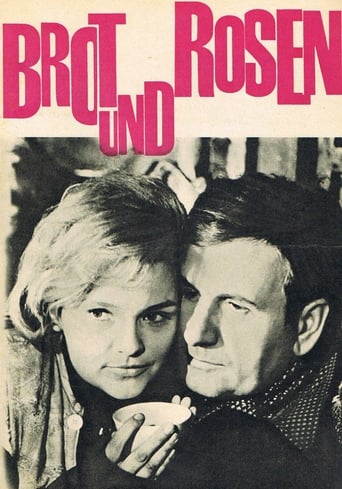
10.0At the VII Party Congress of the SED, a delegate tells a reporter his life story: 18-year-old returning soldier Georg Lendau ends up in a small village in 1945. He is starving and sick. Mayor Kallam helps. Later, they meet again; Kallam is now the director of a heavy engineering company. He gives Georg, who is a lathe operator, work. But Kallam has more plans for him and wants to send him to university. Georg refuses. An extra shift, which he only did so that he could buy his future wife wedding shoes, brings him into conflict with backward colleagues - and the realization that you first have to work better if you want to live better. He followed this insight with action, becoming a master craftsman, comrade and student.
Brot und Rosen
1967
 7.5
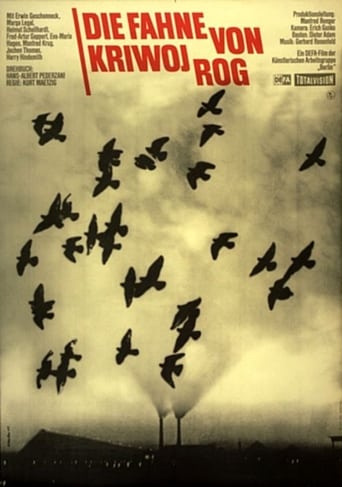
7.5In an act of friendship and solidarity between two mining towns in 1929, the locals of Kryvyi Rih, Ukraine, give their flag as a gift to the locals of Bergstedt, Germany in this GDR propaganda film. This quickly takes on a symbolic meaning for the miners in Bergstedt as the Nazi party demands that this Soviet gesture be erased and the flag be replaced with their own. The miner and communist party functionary Otto Brosowski publicly declares it his duty to defend this flag against every danger, and he keeps his promise despite his family being threatened by torment and torture.
The Banner of Kryvyi Rih
1967
 8.0
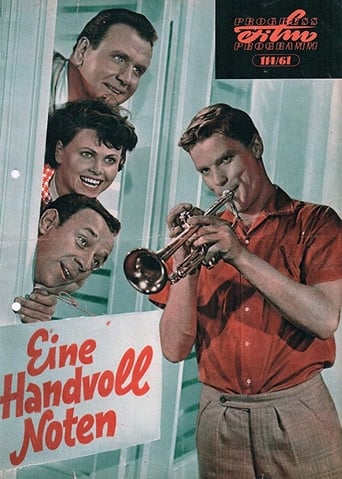
8.0Andreas works as an assistant in his father’s small-town bakery. However, he actually has other plans: As a passionate trumpeter, he wants to study music in Berlin. His father is less than thrilled and wants his son to take over the bakery. Therefore, Andreas decides to try his luck in Berlin and starts working in a wholesale bakery together with his friend Paul. Incidentally, the in-house band is looking for a trumpeter.
Eine Handvoll Noten
1961
 8.8
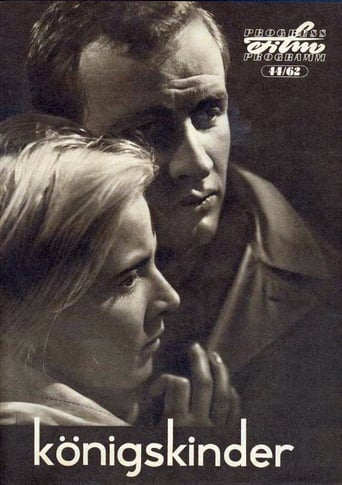
8.8Magdalena and Michael have loved each other since they were children. But when the Nazis come to power, Michael rebels against the regime and is sentenced to fifteen years in a concentration camp. Magdalena, meanwhile, goes underground with the help of a friend and later immigrates to the Soviet Union. Michael, who has joined the Red Army, discovers on the way to Moscow that Magdalena is staying there. But when his plane lands, she is already on her way back to Germany. Michael hopes that one day, he and Magdalena will be reunited.
Star-Crossed Lovers
1962
 6.0
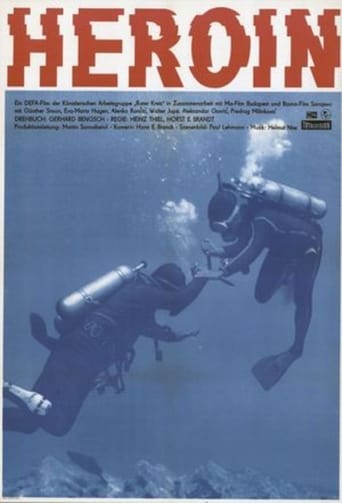
6.0This East German movie was co-produced with studios in Hungary and Yugoslavia, with many interesting location shots (border checkpoint to West Berlin, the Gellert bath in Budapest, and more). The plot is about French drug dealers, who obtain heroin somewhere in the Middle East, and smuggle it in several steps to East Berlin, and from there to France (or so it appears), killing when necessary. The hero is an officer of East German customs, who with detective work, some masquerade, and occasional violent action ultimately unravels the whole network, of course with the support of the local customs departments.
Heroin
1968
 NR
NRThe Paris-Munich overnight express becomes the scene of an unusual crime. Private detective Frank Winter is assigned a "case" of unknown proportions! He has 20 minutes to reach the train in Strasbourg as ordered and make contact with a stranger in the S 98 sleeping car. The task is to protect the French scientist Prof. Charles Leduc, an expert in the field of cybernetics...
Schlafwagen Paris-München
1965
No synopsis available yet.
Die Rosenholzmöbel
1969
 8.0
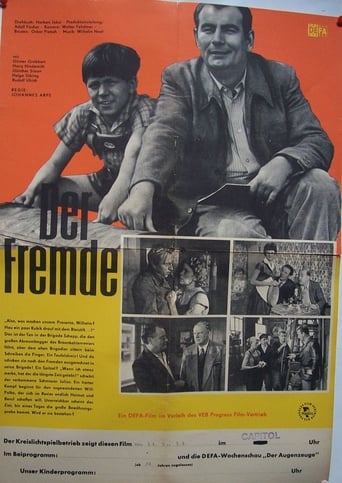
8.0After years of drifting around, Willi Palko arrives in the lignite mining area. He was not only looking for a new job, but also wanted to finally settle down here. The party leadership sends him to the Schepp brigade, which has made itself "suspicious" (on paper) due to its extremely high production figures. The stranger is accused of being a spy for the factory management. Willi finds it difficult to assert himself, but he is taken with the big excavator, the prospect of one day being allowed to drive it, and the brash flapper Hanna. He stays, and with his help a mine foreman is exposed as a Western agent and coal production is brought up to a really high level.
Der Fremde
1961
 9.0
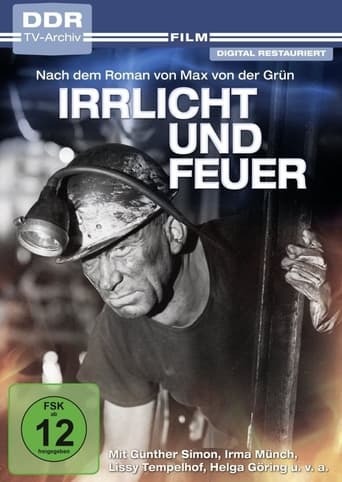
9.0Jürgen Fohrmann works as a hauer underground. In the course of the coal crisis, his mine closes - he loses the work. In this mood, his wife's prosperity thinking gets on his nerves - his marriage threatens to break. The dismissed coal buddy applys, first becomes an auxiliary worker, but then receives a job in an automated operation of the electrical industry and believes to have socially risen through this "clean work". Fohrmann quickly realizes that wearing a "white coat" is only seemingly better than the arduous work in the pit and understands that he can no longer stay out of the work struggles of the buddies.
Irrlicht und Feuer
1966
 8.0
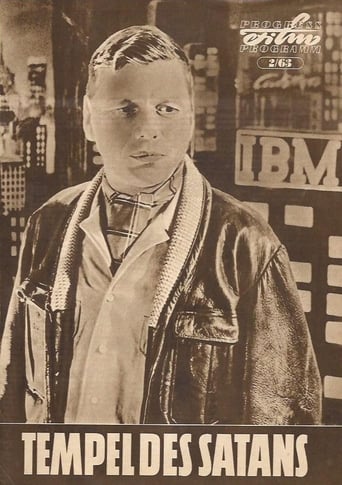
8.0A few Conti Press journalists are granted exclusive coverage of the launch of the newly developed Skylight 3 intercontinental ballistic missile from the CBA rocket center. But the test ends in disaster. Parts of the rocket break loose and the head, armed with napalm, drifts off uncontrollably. Former pilot and star reporter Pit Nordfors succeeds in uncovering the scandalous background to the false launch. But the Conti Press retracts his article as it turns out that the CBA is a major shareholder in the newspaper group. Nordfors soon gets the opportunity to beat the powerful with their own weapons.
Tempel des Satans
1962
1950s · 10 titles
5.7This film is the first of a two-part historical and biographical portrait of the communist politician and anti-fascist Ernst Thälmann. In early November 1918, Ernst Thälmann is an unwilling soldier serving on the western front. As the revolutionary movement at home is threatened by the betrayal of the Social Democrats and fissures in the working class, Thälmann calls on his fellow soldiers to put down their weapons and unite with the workers in the communist struggle at home. Thälmann’s qualms about which side he is fighting on continue, but when the local police attempt to prevent a shipment of provisions and supplies from reaching the people in Petrograd, he intervenes and the ship is unloaded. With this moment of clarity, Thälmann continues to follow his political convictions and joins the workers at the Hamburg uprising in October 1923.
Ernst Thälmann – Son of the Working Class
1954
 NR
NROn a windswept country road outside Berlin, commuters have waited 25 weeks under a sign promising a new bus shelter. VEB engineer Schulz vows to escalate their plight, but bureaucrat Engerling stalls for more “expert opinions.” When residents seize matters into their own hands and build the shelter themselves, Dr. Wirth finally grants the permit, only for Engerling to claim credit at the official unveiling.
Das Stacheltier - Das Wartehäuschen
1955
 5.8
5.8In 1955, Michael Vierkant, a Jew who had emigrated during the Nazi era, returns from abroad to the Federal Republic of Germany to obtain the conviction of Korn, the former informer responsible for the murder of his sister. Korn is back in office; Michael's efforts remain unsuccessful. There is a direct confrontation between the two, and Michael shoots Korn in self-defense. He flees and is hidden by the young, reclusive artist Marie Jäger, but is then caught by the police and charged with premeditated murder. The case is taken out of the hands of the criminal investigation department by the Office for the Protection of the Constitution, which constructs an act of political revenge on behalf of the communists. Michael manages to escape from prison. Marie and her friends organize a press conference at which Michael reveals the connections. The trial is postponed.
Der Prozeß wird vertagt
1958
 6.2
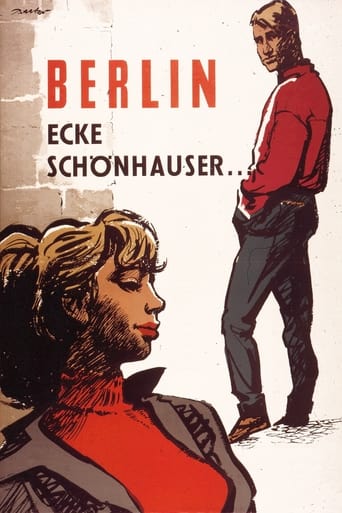
6.2The corner Schönhauser Allee in East Berlin is the main meeting-point for a group of adolescents. Dieter is a construction worker who falls in love with Angela. She, in turn, spends time with the clique whenever her mother is occupied with her new lover. "Kohle" stays away from home to avoid his dad's alcohol problem, and Karl-Heinz is on his way to becoming a small-time criminal. Due to their interest in western music and culture they are regarded as no-goods and rowdies. Things get interesting when an incident forces Dieter and "Kohle" to escape to West Germany. Written by c.winter
Berlin - Ecke Schönhauser...
1957
 8.0
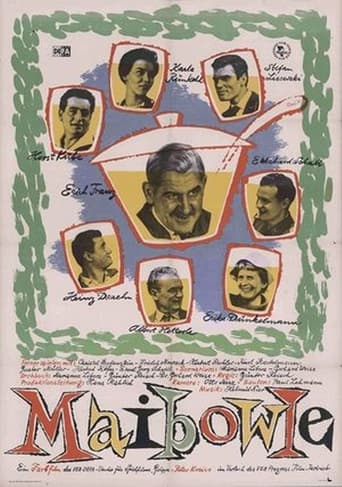
8.0It is the 65th birthday of Wilhelm Lehmann, foreman of a chemical company. All members of the large family are expected. Preparations are also being made in the company: Wilhelm is to be awarded the »Labor banner« and, as every year, the sons are responsible for the may bowl. But instead of family members, telegrams with rejections flutter into the house.
The Punch Bowl
1959
 10.0
10.0Ed Martin witnesses a murder at the hotel. Although the perpetrator is caught, he had previously taken papers from the victim's bag that prove a criminal connection between politicians and gangsters. The murderer's silence is bought with his release. But as the case has stirred up too much dust, a new perpetrator has to be found: Ed Martin, who witnessed everything. Beaten half to death, he confesses to the crime, but later recants. In the meantime, he has also found friends who want to defend him. Then he is found dead in his cell. The police who hanged him claim suicide.
Hotelboy Ed Martin
1955
 9.0
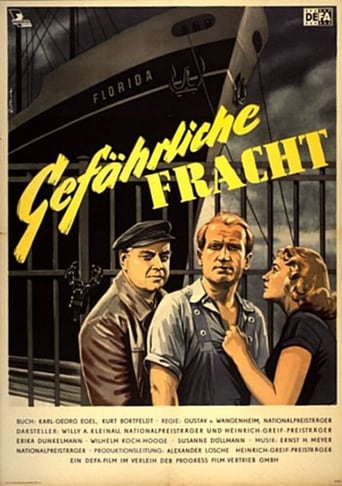
9.0During the unloading of the freighter "Florida", West German dock workers discover napalm bombs instead of the specified precision machines - and a deceptive maneuver by the American occupying forces: the workers had already refused to unload the ship in France, where it was named "Chicago". It was refloated on the voyage to Germany. The German dockers also went on strike. Among them was Hein Jensen, who found it particularly difficult to take part. He had just found work again with difficulty. He needs the money because he wants to get married. His bride Helga has just given birth. When the Americans try to blackmail him into changing his colleagues' minds, he knows where his place is. The strike turns into a huge peace demonstration.
Gefährliche Fracht
1954
 5.5
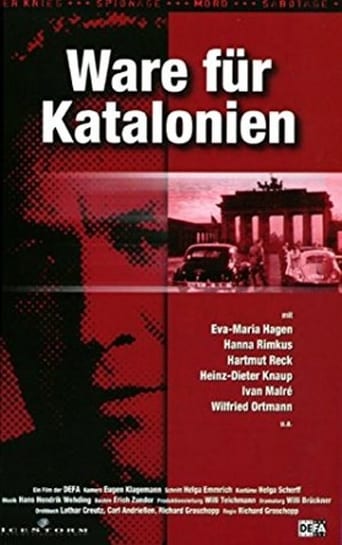
5.5At the end of the 1950s, the production of optics in the German Democratic Republic has reached top quality and instigates interest in the West. When national demand rises strongly and at the same time the export to South America heavily decreases, the Volkspolizei - the GDR police force - starts to look into the case. Two seemingly unrelated cases are the starting point for the investigation by second lieutenant Schellenberg of the department for optics racketeering: An old woman who was arrested in the Berlin city railway for trying to smuggle a pair of binoculars to West Berlin, and a dead person in an area of allotments who was involved in obscure dealings with optical devices.
Ware für Katalonien
1959
 7.2
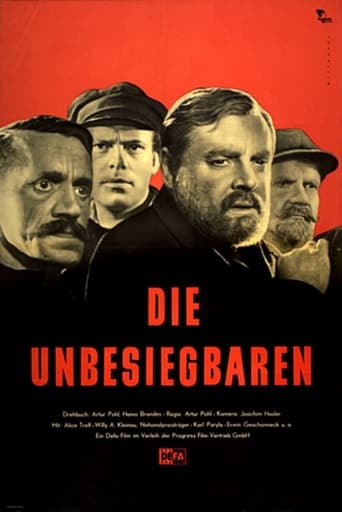
7.2The film "Die Unbesiegbaren" covers an episode in German history, in which the Bismarck government tried to mitigate the rise of the social-democrat movement.
Die Unbesiegbaren
1953
 8.0
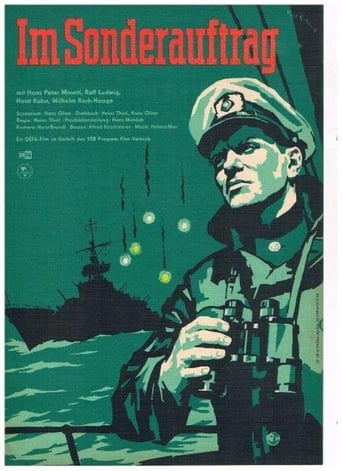
8.0A warship returning from a training exercise was tasked with apprehending an unknown schooner that had violated GDR territorial waters. Although nothing illegal was found during the search of the ship, the ship's commander Fischer was suspicious of the owner of the schooner, Arendt, a former lieutenant of a Nazi coastal battery. Fischer's doubts were confirmed when a diver came aboard the schooner and photographed a military object underwater. The investigation showed that the detained schooner was on a sabotage mission, and the "activities" of Arendt, a former Gestapo Obersturmführer, were also revealed.
Im Sonderauftrag
1959
Series credits
6.2Polizeiruf 110 is a long-running German language detective television series. The first episode was broadcast 27 June 1971 in the German Democratic Republic, and after the dissolution of Fernsehen der DDR the series was picked up by ARD. It was originally created as a counterpart to the West German series Tatort, and quickly became a public favorite.
Polizeiruf 110
1971
6.2Polizeiruf 110 is a long-running German language detective television series. The first episode was broadcast 27 June 1971 in the German Democratic Republic, and after the dissolution of Fernsehen der DDR the series was picked up by ARD. It was originally created as a counterpart to the West German series Tatort, and quickly became a public favorite.
Polizeiruf 110
1971
6.2Polizeiruf 110 is a long-running German language detective television series. The first episode was broadcast 27 June 1971 in the German Democratic Republic, and after the dissolution of Fernsehen der DDR the series was picked up by ARD. It was originally created as a counterpart to the West German series Tatort, and quickly became a public favorite.
Polizeiruf 110
1971
6.2Polizeiruf 110 is a long-running German language detective television series. The first episode was broadcast 27 June 1971 in the German Democratic Republic, and after the dissolution of Fernsehen der DDR the series was picked up by ARD. It was originally created as a counterpart to the West German series Tatort, and quickly became a public favorite.
Polizeiruf 110
1971
6.2Polizeiruf 110 is a long-running German language detective television series. The first episode was broadcast 27 June 1971 in the German Democratic Republic, and after the dissolution of Fernsehen der DDR the series was picked up by ARD. It was originally created as a counterpart to the West German series Tatort, and quickly became a public favorite.
Polizeiruf 110
1971
6.2Polizeiruf 110 is a long-running German language detective television series. The first episode was broadcast 27 June 1971 in the German Democratic Republic, and after the dissolution of Fernsehen der DDR the series was picked up by ARD. It was originally created as a counterpart to the West German series Tatort, and quickly became a public favorite.
Polizeiruf 110
1971
6.2Polizeiruf 110 is a long-running German language detective television series. The first episode was broadcast 27 June 1971 in the German Democratic Republic, and after the dissolution of Fernsehen der DDR the series was picked up by ARD. It was originally created as a counterpart to the West German series Tatort, and quickly became a public favorite.
Polizeiruf 110
1971
6.2Polizeiruf 110 is a long-running German language detective television series. The first episode was broadcast 27 June 1971 in the German Democratic Republic, and after the dissolution of Fernsehen der DDR the series was picked up by ARD. It was originally created as a counterpart to the West German series Tatort, and quickly became a public favorite.
Polizeiruf 110
1971
6.2Polizeiruf 110 is a long-running German language detective television series. The first episode was broadcast 27 June 1971 in the German Democratic Republic, and after the dissolution of Fernsehen der DDR the series was picked up by ARD. It was originally created as a counterpart to the West German series Tatort, and quickly became a public favorite.
Polizeiruf 110
1971
6.2Polizeiruf 110 is a long-running German language detective television series. The first episode was broadcast 27 June 1971 in the German Democratic Republic, and after the dissolution of Fernsehen der DDR the series was picked up by ARD. It was originally created as a counterpart to the West German series Tatort, and quickly became a public favorite.
Polizeiruf 110
1971
3.8Der Staatsanwalt hat das Wort was an East German television series.
Der Staatsanwalt hat das Wort
1965
3.8Der Staatsanwalt hat das Wort was an East German television series.
Der Staatsanwalt hat das Wort
1965
3.8Der Staatsanwalt hat das Wort was an East German television series.
Der Staatsanwalt hat das Wort
1965
7.0No synopsis available yet.
Märkische Chronik
1983
NRBlaulicht is a German crime television drama series, whose 29 episodes were based on crime case files.
Blaulicht
1959
NRFour-part miniseries about the theologian Thomas Müntzer, who became a revolutionary and opponent of Luther during the Peasant War in 1525.
Denn ich sah eine neue Erde
1970
 4.0
4.0No synopsis available yet.
Mensch, Oma
1984
 7.5
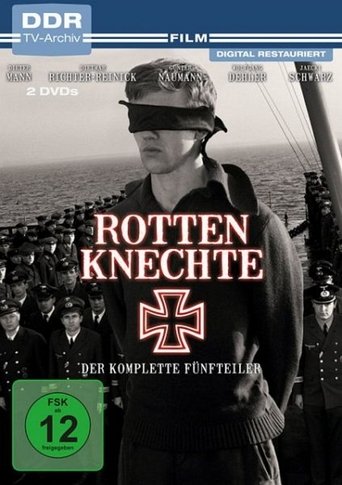
7.5The film concentrates on the last days of the German navy during World War II.
Rottenknechte
1971
 9.0
9.0No synopsis available yet.
Dr. Schlüter
1965
 NR
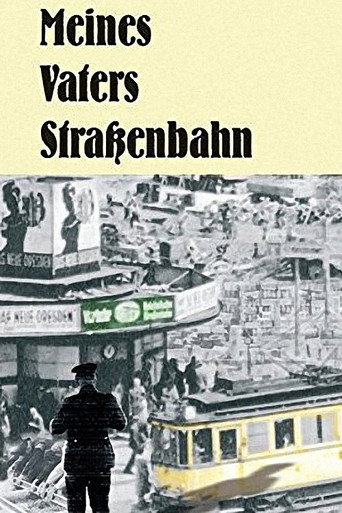
NRRalph grows up in pre-war Dresden as the eldest son of a principled and orderly streetcar conductor. With the rise to power of the Nazis, the war, the collapse and the hesitant new beginning, his firmly established middle-class world is also thrown off course. His father is one of the first to be called up to the front. His mother is left alone with the responsibility for Ralph and his younger brother Achim. In the air-raid shelter, during the nights of bombing and later in the daily struggle against misery and hunger, the mother quickly abandons all moral baggage and develops a pragmatic will to survive, for which she admires Ralph. At the same time, the boy is frightened by his mother's desperate claim to happiness because he perceives her affairs as a betrayal of his father, who has gradually faded into a symbol of a happy, carefree childhood.
Meines Vaters Straßenbahn
1980
 NR
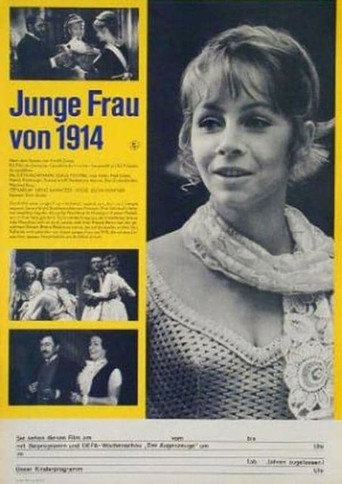
NRIn 1914 Berlin, bank heiress Leonore Wahl and struggling Munich student Werner Bertin fall passionately in love, defying class and her parents’ expectations. Their idyll is shattered by the outbreak of WWI: Werner, swept up in patriotic fervor, is conscripted to the Western Front, while Leonore, pregnant and abandoned, faces her family’s condemnation and a clandestine abortion. Set against the tumult of war, the film explores idealism, social divides, and the personal costs of duty and desire.
Junge Frau von 1914
1970