

Acting
Denise Fabre
Born
1942-09-05 (84)
Place of birth
Nice, Alpes-Maritimes, France
Known for
Acting
Credits
17 titles
Denise Fabre (born 5 September 1942) is a French former television personality, best known for her role as an in-vision continuity announcer. She is now municipal advisor to the presiding mayor of Nice, Christian Estrosi. Fabre, born in Cagnes-sur-Mer, began her career with Télé Monte Carlo in 1961 before she progressed to announcing work with Antenne 2 (now France 2) and most famously, TF1, where Fabre was chief announcer until live continuity was axed in 1992. She co-hosted the Eurovision Song Contest 1978 which was staged in Paris, as well as a variety of French television programmes during the 1970s and 1980s. Source: Article "Denise Fabre" from Wikipedia in English, licensed under CC-…
Known for
 5.7
No synopsis available yet.
Sacrée soirée
1987
 7.4
The Eurovision Song Contest is an international song competition, organised annually by the European Broadcasting Union (EBU) and featuring participants representing primarily European countries. Each participating country submits an original song to be performed on live television and radio, transmitted to national broadcasters via the EBU's Eurovision and Euroradio networks, with competing countries then casting votes for the other countries' songs to determine the winner.
Eurovision Song Contest
1956
 6.8
No synopsis available yet.
Champs-Elysées
1982
 3.6
No synopsis available yet.
Vivement dimanche
1998
 9.0
Midi Première is a French variety show presented by Danièle Gilbert, directed by Jacques Pierre and broadcast from January 6, 1975 until January 1, 1982 on TF1. The program was generally broadcast between 12:15 p.m. and 12:55 p.m., then giving way to the 1:00 p.m. TV news. However, the broadcast schedule could change, depending on the guests, and the setting where the recording of the program was shot. Certain performances by artists who have become cult like the one where Ringo jostles with a demonstrator in interpretation (1977), that of Dalida with the title There is always a song with the soundtrack that does not start, twice, at the right speed (1978), Claude François and his Clodettes, who, in the provinces, are unable to join "the set" in order to interpret his song, the latter being taken by the crowd of delirious fans (summer 1977) . The group Supertramp performed there with the title "Dreamer" on March 8, 1975.
Midi Première
1975
 6.0
A talk show presented by Michel Drucker
Les Rendez-vous du dimanche
1975
Film credits
2020s · 2 titles
 7.2
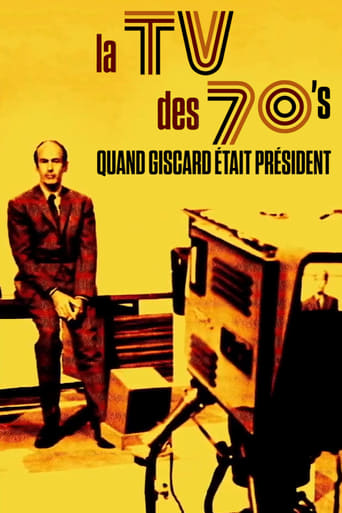
In May 1974, Valéry Giscard d'Estaing became President of the Republic and wanted to bring about a new era of modernity. One of his first decisions was to break up the ORTF with the creation of three new television channels: TF1, Antenne 2 and FR3. Three new public channels but autonomous and competing. It is a race for the audience which is engaged then, and from now on the channels will make the war! This competition will give birth to a real golden age for television programs, with variety shows in the forefront. The stars of the song are going to invade the living rooms of the French for their biggest pleasure. This unedited documentary tells the story of the metamorphosis of this television of the early 1970s, between freedom of tone, scandals, political intrigues and programs that have become mythical.
La TV des 70's : Quand Giscard était président
2022
 NR
No synopsis available yet.
La Grande Histoire de l'Eurovision
2020
1990s · 1 titles

Series credits
5.7No synopsis available yet.
Sacrée soirée
1987
7.4The Eurovision Song Contest is an international song competition, organised annually by the European Broadcasting Union (EBU) and featuring participants representing primarily European countries. Each participating country submits an original song to be performed on live television and radio, transmitted to national broadcasters via the EBU's Eurovision and Euroradio networks, with competing countries then casting votes for the other countries' songs to determine the winner.
Eurovision Song Contest
1956
6.8No synopsis available yet.
Champs-Elysées
1982
3.6No synopsis available yet.
Vivement dimanche
1998
9.0Midi Première is a French variety show presented by Danièle Gilbert, directed by Jacques Pierre and broadcast from January 6, 1975 until January 1, 1982 on TF1. The program was generally broadcast between 12:15 p.m. and 12:55 p.m., then giving way to the 1:00 p.m. TV news. However, the broadcast schedule could change, depending on the guests, and the setting where the recording of the program was shot. Certain performances by artists who have become cult like the one where Ringo jostles with a demonstrator in interpretation (1977), that of Dalida with the title There is always a song with the soundtrack that does not start, twice, at the right speed (1978), Claude François and his Clodettes, who, in the provinces, are unable to join "the set" in order to interpret his song, the latter being taken by the crowd of delirious fans (summer 1977) . The group Supertramp performed there with the title "Dreamer" on March 8, 1975.
Midi Première
1975
6.0A talk show presented by Michel Drucker
Les Rendez-vous du dimanche
1975
 7.5
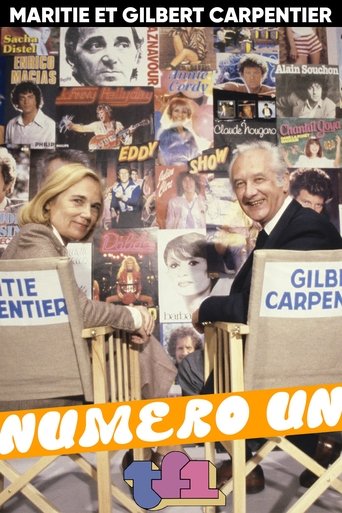
A French variety show.
Numéro un
1975
 6.2
No synopsis available yet.
30 millions d'amis
1976
 4.4
No synopsis available yet.
Vendredi, tout est permis
2011
 6.2
No synopsis available yet.
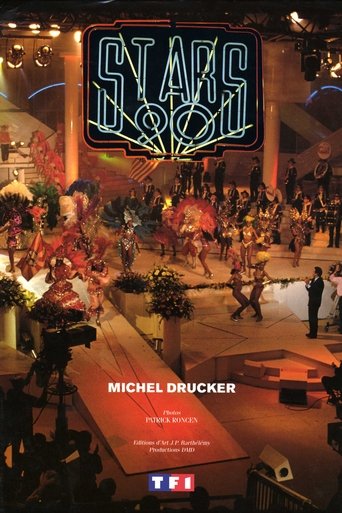
Stars 90
1990
 6.0
No synopsis available yet.
Folie passagère
2015
 7.0
No synopsis available yet.
Intervilles
1962
 7.0
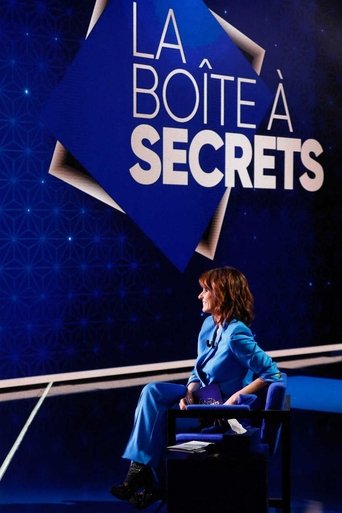
La Boîte à secrets: confidences, emotion and entertainment. Faustine Bollaert takes over the helm of this new show on France 3. She will receive 3 guests who will relive their greatest personal and professional secrets.
La Boîte à secrets
2019
 10.0
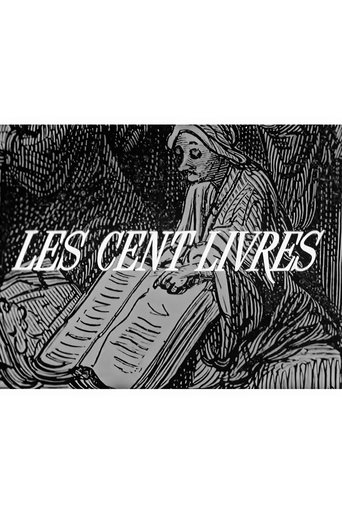
Les Cent Livres des Hommes (ORTF, 1969-1973) was a series of literary programs created by Claude Santelli and Françoise Verny, and produced notably by Santelli, Jean Archimbaud, and Serge Moati. Planned for one hundred episodes but completed at thirty-nine, the series aimed to introduce great literary works, 'chefs-d’œuvre', to a younger audience through a mix of dramatization, reading, and documentary techniques. It marked a transfer of cultural legitimacy from writers and critics to a generation of television producers, offering a new model of educational and creative literary broadcasting - 'télévision d’auteur'.
Les Cent Livres des Hommes
1970