
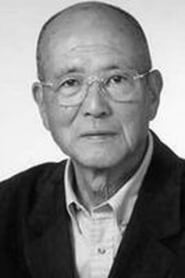
Acting
Junkichi Orimoto
Born — Died
1927-02-09 — 2019-03-18
Place of birth
Yokohama, Kanagawa, Japan
Known for
Acting
Credits
78 titles
Known for
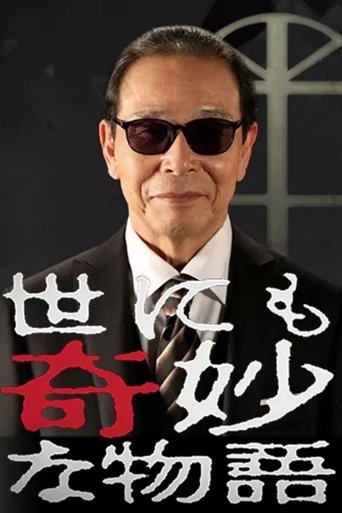 7.8
7.8Inspired by American TV movies like "Hitchcock Theater" and "The Twilight Zone," the show features multiple works with Tamori as the storyteller and actors as the main characters. While horror and supernatural themes are predominant, a variety of genres like comedy and drama are also produced. Most episodes, however, have a bad ending.
Tales of the Bizarre
1990
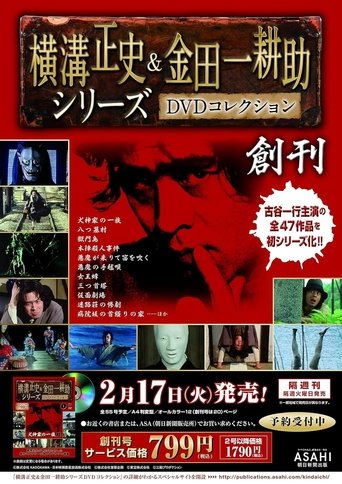 7.0
7.0No synopsis available yet.
Furuya Ikkou's Great Detective Kindaichi Kousuke Series
1983
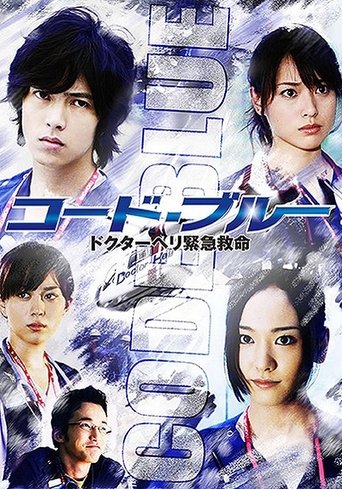 7.6
7.6Four young physicians are assigned to the “Doctor Helicopter” system, the latest medical system where a medical team is dispatched to the patients via helicopter to provide medical care in the field as soon as possible. The doctors experience traumatic medical situations, deal with personal ambitions, and witness the fragility of life, all while growing personally and professionally.
Code Blue
2008
 NR
NRNo synopsis available yet.
Edogawa Rampo no bijo shirīzu
1977
 9.7
9.7A dramatized biography of the second of Japan's three legendary leaders. Rising from obscurity, Hideyoshi served under the command of Oda Nobunaga. With an extraordinary combination of intelligence, bravery and military skill, Hideyoshi rose to near-absolute power and greatly expanded upon Nobunaga's unification of Japan's warlords. This series also focused on Hideyoshi's personal life, particularly his relationships with his mother and his wife, and the pair's rivalry for influence over him.
Hideyoshi
1996
 7.7
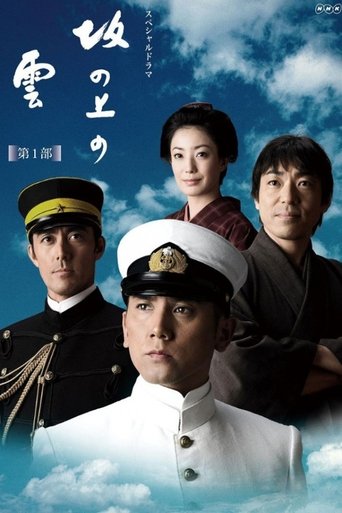
7.7Saka no Ue no Kumo is an NHK 21st Century special drama which was aired over three years starting from November 29, 2009. The series runs 13 episodes at 90 minutes each. The first series, with 5 episodes, was broadcast in 2009, while series two and three, each with 4 episodes, were broadcast in late 2010 and 2011. While most episodes were shot in Japan, one of the episodes in series two was shot in Latvia. The TV series is based on the novel Saka no ue no kumo by Ryōtarō Shiba and adopted by Hisashi Nozawa. The theme song of the drama series is titled "Stand Alone". It was composed by Joe Hisaishi, written by Kundo Koyama and performed by British soprano singer Sarah Brightman.
Clouds Over the Hill
2009
Film credits
2010s · 4 titles
 7.4
7.4Sawa Yamagishi worked as a nursing-care helper. The family for an old man asked Sawa to sleep with him, which led her to lose her job. Now, she has nowhere to go. Sawa finds elderly people in trouble and gets involved in their lives. Meeting them, Sawa's own wounds start to heal.
0.5 mm
2014
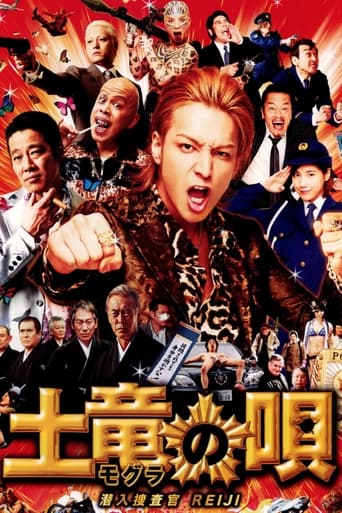 6.2
6.2Reiji Kikukawa, who has a strong sense of justice, graduated from the police academy with the lowest score ever. He becomes a police constable, but is suddenly fired by the Police Chief due to "disciplinary" issues. In actuality, the firing is part of a carefully orchestrated plan to set him up as an undercover cop in the Yakuza.
The Mole Song: Undercover Agent Reiji
2013
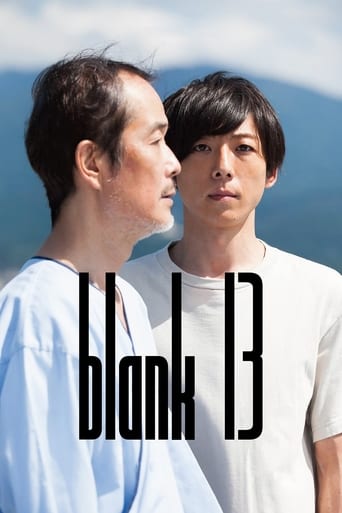 6.1
6.1Thirteen years after abandoning his wife and two sons by stepping out for a pack of cigarettes and never returning, deadbeat gambler Masato dies of stomach cancer. At his funeral, a motley crew of fellow mahjong players, pachinko parlor employees and former drinking buddies gather to pay their respects and tell stories, revealing aspects of Masato’s life that complicate his sons’ resentment towards him.
blank13
2018
 NR
NRTwo sisters living on a peach farm in Koori town, Fukushima Prefecture,are opposites. Haruka Miyamoto feels less beautiful than her sister Akiba Miyamoto and hates being compared to her. She finds comfort in playing a piano in a barn. A year after the Great East Japan Earthquake, she decides she wants to be a pianist. Akiba, for her part, moved to Tokyo to attend college. When she moves back to Koori, Haruka is unsettled and memories connected to the disaster she has tried to forget resurface.
Piano in a Storeroom
2014
2000s · 3 titles
 6.0
6.0Former childhood friends Kadoya Kaneo and Tochino Masatatsu cross paths again. Kaneo is now a yakuza member, while Masatatsu is a nightclub owner with a distaste for crime gangs. When a yakuza boss dies, a struggle for his position takes place between Kaneo's boss Awano and the young Nakahira. Nakahira's men try to extort money from Masatatsu, bringing him in between a yakuza battle.
Another Battle
2000
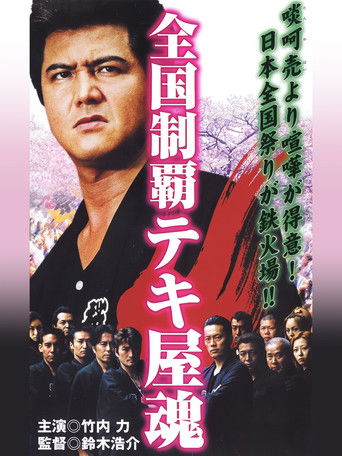 NR
NRIt depicts a world overflowing with the manly spirit of the stall vendors who run the festival. Kanji, the son who comes to inherit Kantaro’s stall-vendor business, heads to Niigata in order to save fellow stall vendors who are being attacked one after another.
Nationwide Conquest: The Spirit of the Tekiya
2001
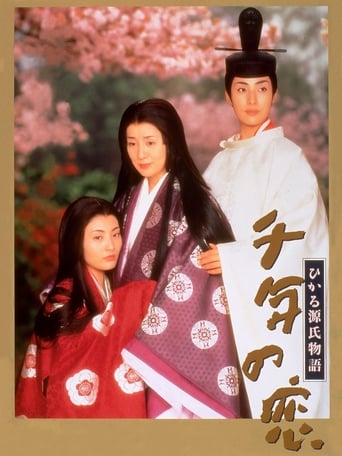 5.9
5.9Set in 900AD and tells the story of a famous female writer of the time, Murasaki Shikibu. Her story begins from the death of her husband, a Japanese noble, then moves on to her recruitment to train the Prince's young 'wives in waiting'. It is dotted throughout and actually composed mainly of one of the fictional stories she wrote, the tale of Genji. Genji is a rich playboy who falls in love and has a son to his stepmother. He falls in love often and has many wives whom are all completely subservient to him.
Love of a Thousand Years - Story of Genji
2001
1990s · 2 titles
 NR
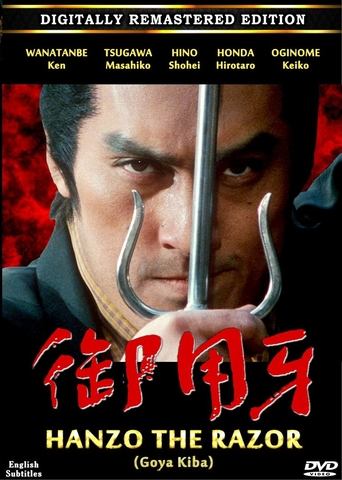
NRDuring Tenpo period, Bakuhu announced a law regulating expenditures in order to improve the financial situation. However, Doshin of a government office Itami Hanzo, called Kamisori Hanzo, challenged Bakuhu's oppressive way. Because of this, his father Magobei was told to kill himself by the Bakuhu and Hanzo himself was demoted. Five years later, Hanzo came back to the government office and implement a law regulating expenditures. He stands up for revenge Torii Kainokami who desires power as he likes.
Hanzo, the Razor
1993
 7.7
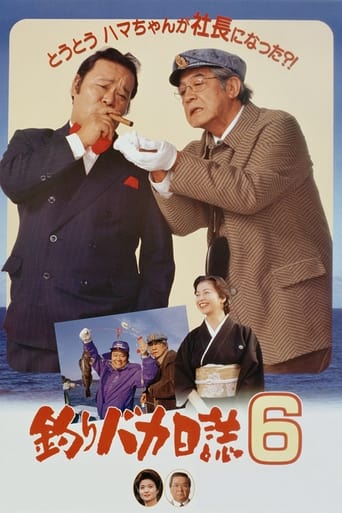
7.7Hama-chan and Su-san go fishing during a business trip, but Hama-chan has to give a lecture on Su-san's behalf in a case of mistaken identity.
Free and Easy 6
1993
1980s · 13 titles
 7.8
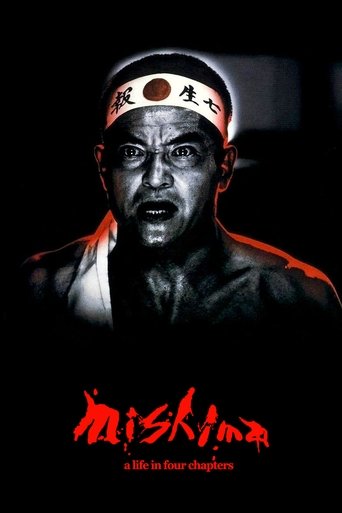
7.8A fictional account of the life of Japanese author Yukio Mishima, combining dramatizations of three of his novels and a depiction of the events of November 25th, 1970.
Mishima: A Life in Four Chapters
1985
 6.8
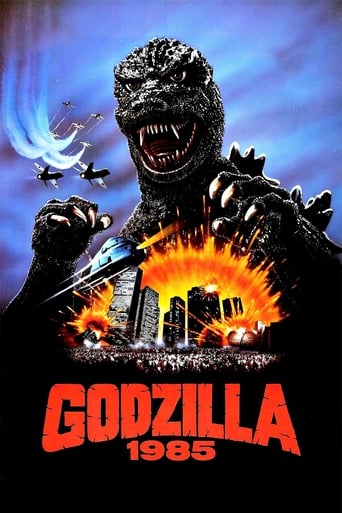
6.8Originally released in Japan as "The Return of Godzilla" in 1984, this is the heavily re-edited, re-titled "Godzilla 1985". Adding in new footage of Raymond Burr, this 16th Godzilla film ignores all previous sequels and serves as a direct follow-up to the 1956 "Godzilla King of the Monsters", which also featured scenes with Burr edited into 1954's "Godzilla". This film restores the darker tone of the original, as we witness the nuclear destruction of giant lizard terrorizing Japan.
Godzilla 1985
1985
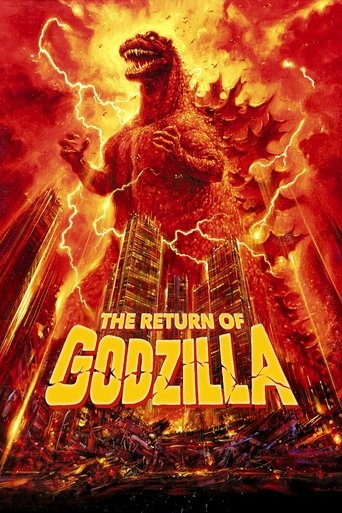 7.2
7.2After a fishing boat is attacked, the sole surviving crew member realizes it is none other than a resurrected Godzilla. However, efforts to bring the story to light are suppressed by the Japanese government amid growing political tensions between the United States and the Soviet Union, who are both willing to bomb Japan to stop the monster.
The Return of Godzilla
1984
 NR
NRA tragic love story between a prostitute and a young trainee monk.
May Love Be Restored
1980
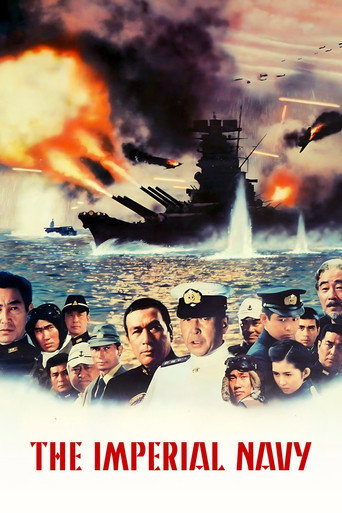 6.6
6.6A lavish retelling of the true story of the final voyage and ultimate destruction and sinking of the battleship Yamato, Japan's greatest flagship during the Second World War.
The Imperial Navy
1981
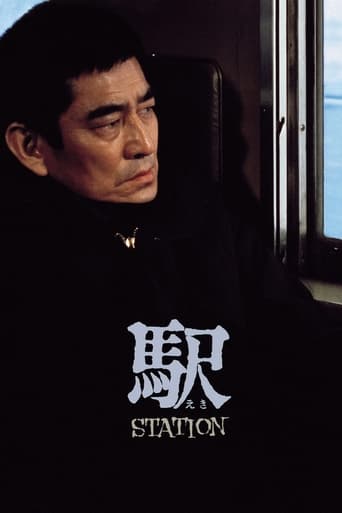 6.2
6.2A detective goes out of his way to crack the case of a serial killer who specialises in murdering police officers.
Station
1981
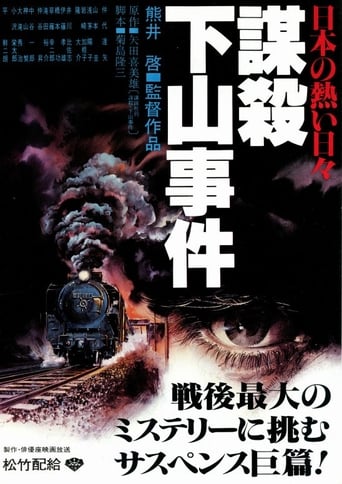 8.0
8.0The president of the Japanese National Railways is found dead during a period in which train service is plagued by numerous layoffs, strikes and shutdowns. The government says that the president was murdered; the police claim it was a suicide. A quizzical reporter follows the case for years, but the basic question remains unanswered: was the victim killed by members of the burgeoning Communist movement in Japan, or was the death stage-managed by the authorities in hopes of discrediting the Communists?
Willful Murder
1981
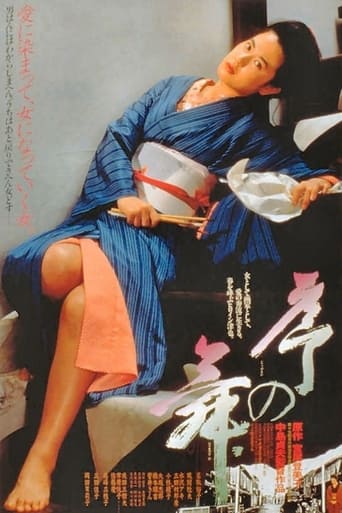 6.3
6.3This story is based on the novel "Jo no mai" by Tomiko Miyao which is based on the life of painter Shōen Uemura (1875–1949), the first woman to be awarded the Order of Culture. The title refers to the masterpiece bijinga ("picture of a beautiful woman") that Uemura painted at the age of 61. The main character, Tsuya Shimamura, is born in Kyoto as the second daughter of a tea trader who dies before her birth. Tsuya, who loves painting more than anything and is hopeless at housework, attends art school and at age 15 receives the name Shōsui (from the characters for "pine" and "green") from her teacher. The crown prince of England purchases one of her works, propelling her to fame overnight. The novel portrays the remainder of her stormy life, during which she is impregnated by her teacher and raises a fatherless child; through it all she devotes herself to her painting, undaunted.
Appassionata
1984
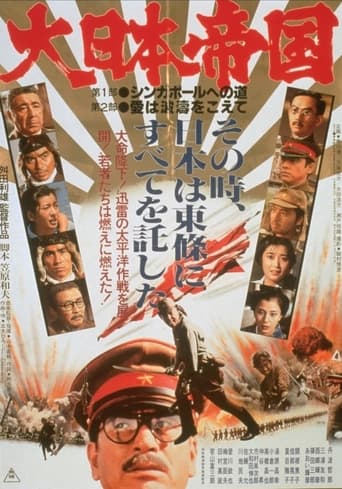 5.5
5.5Story of three people, a barber, a Christian and a graduate of the Tokyo Military Academy during the 2nd World War.
The Imperial Japanese Empire
1982
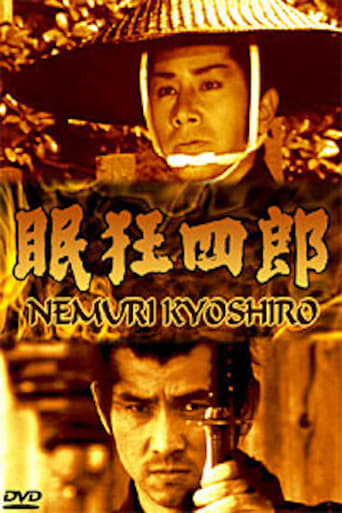 7.0
7.0Kyoshiro rescues Shizu who was being abused by her husband, even since she had been violated by the man posing as Ieyoshi. He then learned that Ieyoshi had been acting oddly ever since returning from Kyoto six months ago. Sir Fumiya's investigation of the O'oku (Shogun's harem in Edo Castle) uncovered the plot and reported that Sir Higo-no-Kami had been controlling the fraud. That's when Kyoshiro heads to Kyoto to find clues...
Nemuri Kyōshirō
1989
 4.5
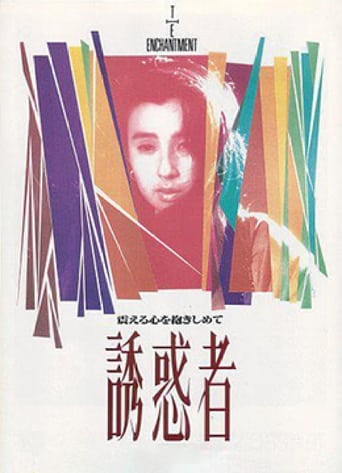
4.5A Tokyo psychiatrist is hoping to better his career by marrying the daughter of a prominent doctor. The match is threatened however when an attractive but very troubled tourist guide comes to him for consultation...
The Enchantment
1989
 NR
NRThe fish market is to be moved to Shinagawa, and Tasuke Isshin (Jun Inoue) got in trouble. Hikosaemon Ookubo (Eijiro Tono) heard of it from Tasuke, and ask about it to Iemitsu (Ken Tanaka). However, on the contrary, Hikosaemon received penitence for a bribe that he doesn't know.
The King and His Vassal 2 - The Great Riot of Edo
1982
 NR
NRSuspense TV movie adaptation of an original story by Sawako Ariyoshi, starring Yukiyo Toake.
Fushin no Toki
1984
1970s · 17 titles
 6.6
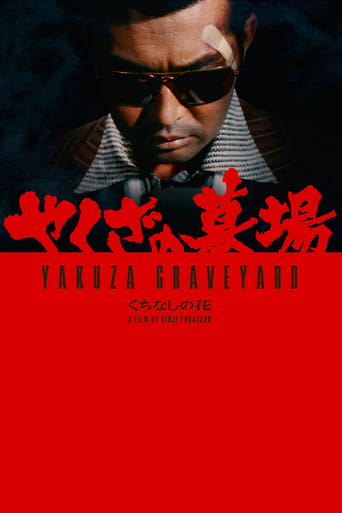
6.6A police investigator cracks down on yakuza business, but once he realizes the police are in negotiations with certain factions, he sides with his own syndicate of choice.
Yakuza Graveyard
1976
 5.9
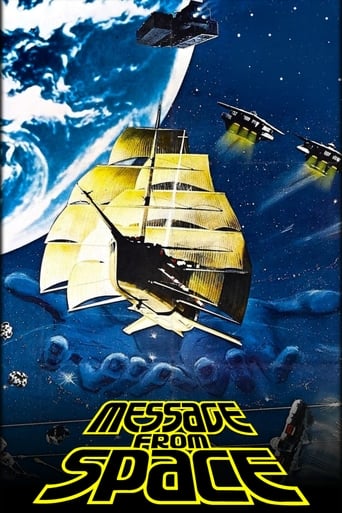
5.9The peaceful planet of Jillucia has been nearly wiped out by the Gavanas, whose leader takes orders from his mother rather than the Emperor. King Kaiba sends out eight Liabe holy seeds, each to be received by a chosen one to defend the Gavanas. Each recipient, ranging from hardened General Garuda to Gavana Prince Hans to young Terrans Meia, Kido, and Aaron all have different reactions to being chosen.
Message from Space
1978
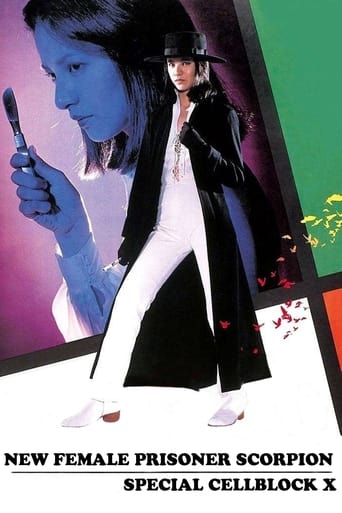 5.6
5.6A nurse is framed for her involvement in the hospital murder of a politician who was threatening to expose corrupt practices. She escapes from jail but is captured and sent back, resulting in the rest of the inmates being punished, added to which of a new, tougher, head of security arrives to take up her new job....
New Female Prisoner Scorpion: Special Cellblock X
1977
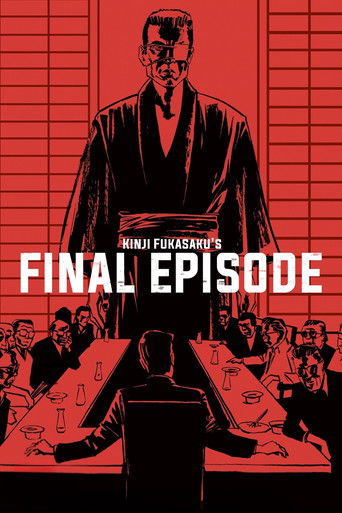 7.2
7.2While Hirono is in prison, his rival Takeda turns his own crime organization into a political party, whose two executives stir up new tensions in their thirst for power.
Battles Without Honor and Humanity: Final Episode
1974
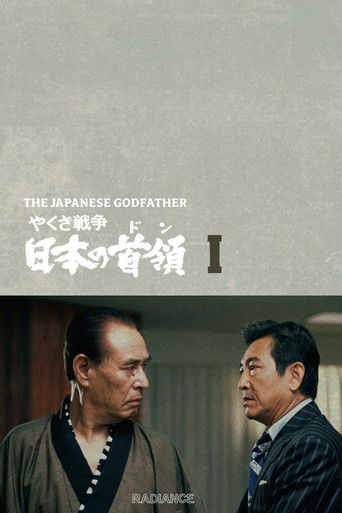 7.2
7.2A yakuza leader must balance his violent tactics necessary for the rough streets of 1960s Tokyo with the domestic needs of his daughters.
Japan's Don
1977
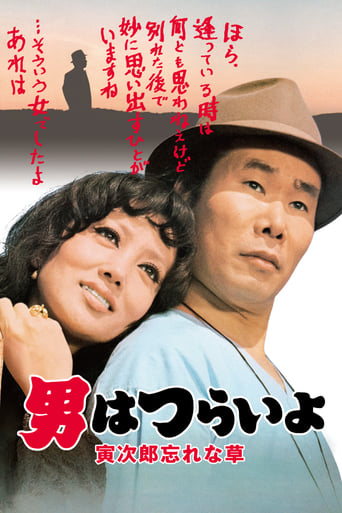 8.4
8.4On the road again, Torajiro meets a kindred spirit in Lily, a lounge singer.
Tora-san's Forget Me Not
1973
 7.4
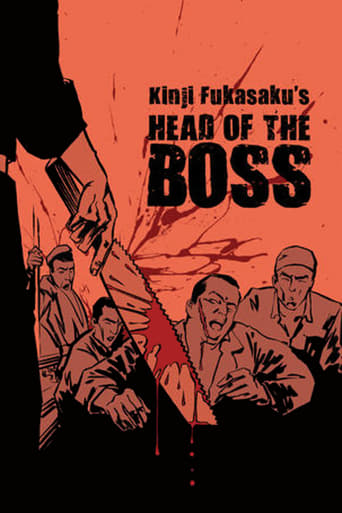
7.4The seventh in the shocking "Jingi Naki Tatakai" movie series, which exposes the true lives of the yakuza that is hidden by a mask of "jingi". The next stage of this continuing drama is the Kanmon Channel where the Owada and the Kyoei groups are battling for territorial rights and drug smuggling. The Owada sends their man, Tetsu, and his friend Shuji to kill the Kyoei boss. With the promise of fame and riches, Shuji takes the fall and goes to jail for 7 years. But when he's released, he discovers that he and Tetsu have been all but forgotten by the Owada. Feeling betrayed, Shuji takes matters into his own hands and becomes an unsuspecting pawn in an internal conflict and an assassination attempt on the Owada boss. And now angered, Shuji seeks revenge...
New Battles Without Honor and Humanity 2: Head of the Boss
1975
 7.7
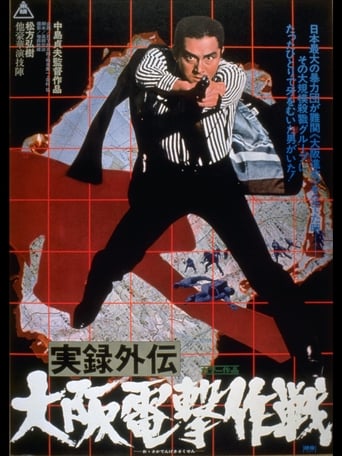
7.7Amidst Japan's postwar economic boom, yakuza factions in Osaka fight for survival when Japan's largest crime syndicate plans a hostile takeover.
Operation Plazma in Osaka
1976
 6.8
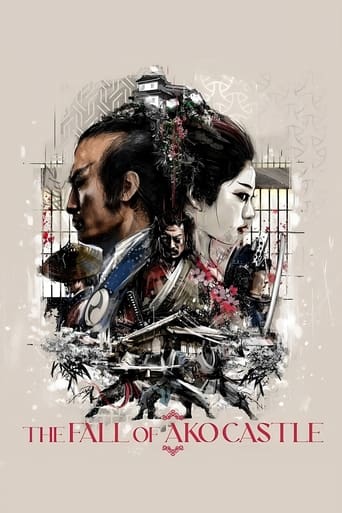
6.8This is the story of "The Forty-Seven Ronin." Based on historical events in 1701-2, the movie tells the tale of the Asano clan's downfall and the revenge of its former samurai on the perpetrator of the catastrophe. Lord Asano was goaded, or tricked, into drawing his sword inside the Shogun's palace -- a crime which carried the death penalty. The newly installed Shogun was furious at Asano and ordered all his clan's assets seized, meaning some 20,000 samurai and commoners were unemployed and landless at a stroke. Forty-seven of these ronin (masterless samurai) banded together to take attempt revenge on Lord Kira, who had goaded Asano into drawing his sword.
The Fall of Ako Castle
1978
 6.9
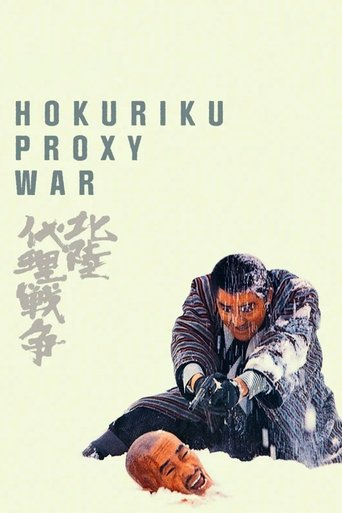
6.9A Yakuza group from Osaka with dreams of national dominance moves into the snowy Hokuriku region, sparking a bloody turf war with local gangs.
Hokuriku Proxy War
1977
 7.6
7.6Chiba, looking gnarly, and acting as animalistic as ever, stars alongside Matsukata as violent gangsters battling their way through fight after bloody fight with rival yakuza on the streets of Okinawa.
The Great Okinawa Yakuza War
1976
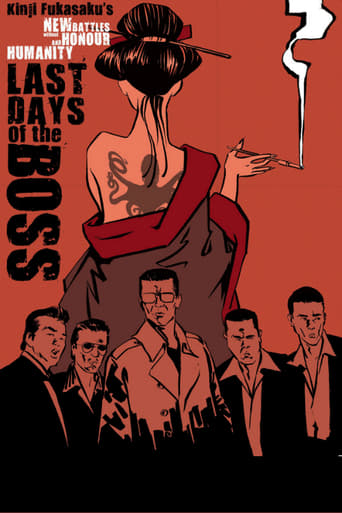 7.1
7.1The eighth sequel of the series by the successful “Fukasaku and Bunta” collaboration revolves around the men of a lesser organization that are constantly bullied by the upper organization and “bleed in vain” in gang wars.
New Battles Without Honor and Humanity 3: Last Days of the Boss
1976
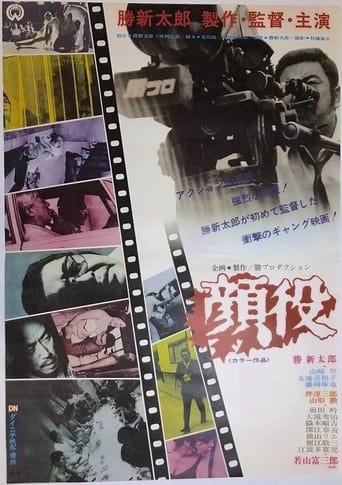 6.0
6.0A detective is charged with investigating a bank corruption scandal.
Kaoyaku
1971
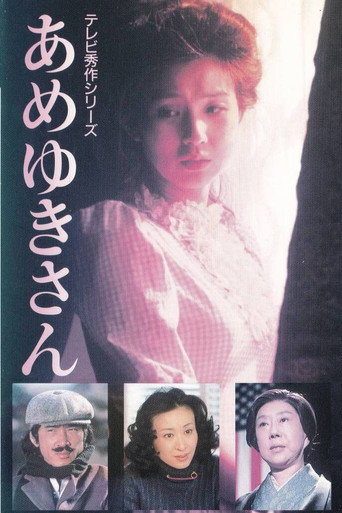 NR
NRThis film focuses on the dramatic life of Waka Yamada, who rose from a prostitute in Seattle, USA to a female critic during the Taisho and Showa eras.
Ameyuki-san
1979
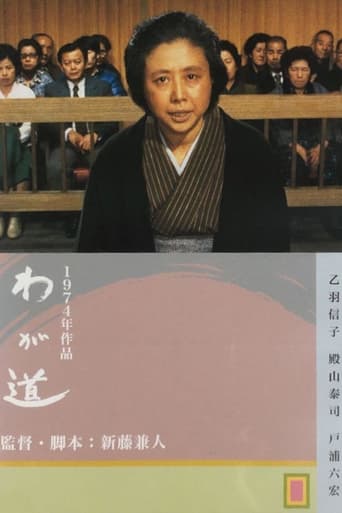 6.0
6.0Based on a true story, an elderly woman resiliently spends nine months attempting to retrieve her husband's dead body, fighting government bureaucracy and indifference all along the way.
My Way
1974
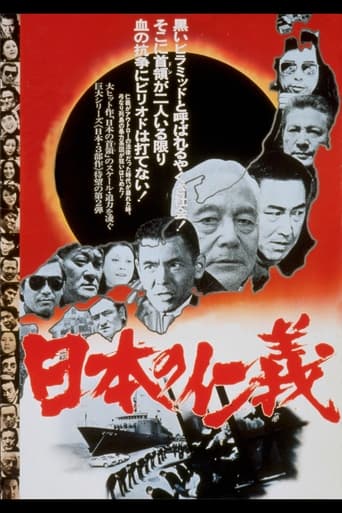 7.0
7.0When a mob boss retires under political pressure, his successor and yakuza family are tested to their limits as new alliances and enemies are formed.
Japanese Humanity and Justice
1977
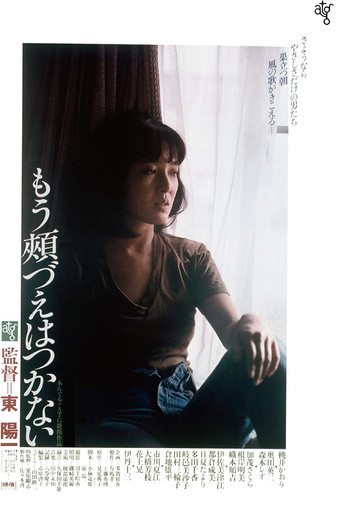 7.3
7.3Mariko is living the life of a typical Japanese college student in the 70's, spending far more of her time balancing boyfriends and part-time jobs than on her schoolwork. She finds herself torn between a former boyfriend who's the tough, insensitive-but-sexy, type, and a new acquaintance who's more sensitive to her feelings, but who still acts childishly selfish at times. Will she choose one of them, or decide to go her own way?
No More Easy Life
1979
1960s · 12 titles
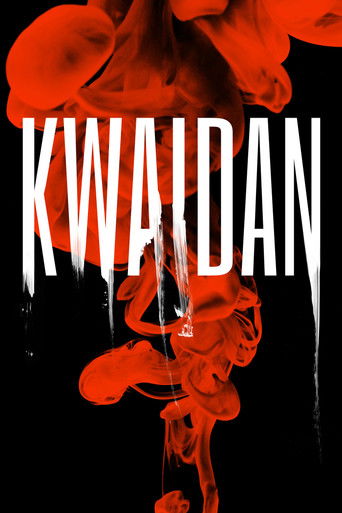 7.7
7.7Taking its title from an archaic Japanese word meaning "ghost story," this anthology adapts four folk tales. A penniless samurai marries for money with tragic results. A man stranded in a blizzard is saved by Yuki the Snow Maiden, but his rescue comes at a cost. Blind musician Hoichi is forced to perform for an audience of ghosts. An author relates the story of a samurai who sees another warrior's reflection in his teacup.
Kwaidan
1965
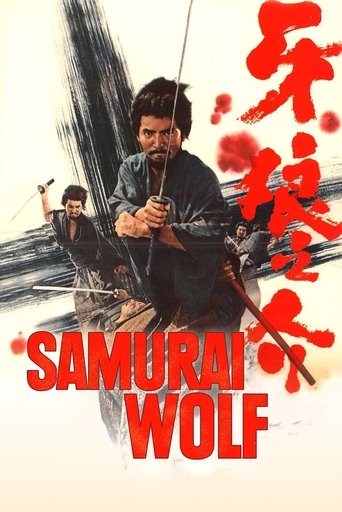 7.0
7.0This is the story of a vagrant samurai – the solitary, savage and scrupulous Kiba – who arrives at a village to defend a beautiful, blind woman against a sinister plot. Her assailants then send against him another samurai, named Sana, who is without scruples. The fight between them will become personal, for the honor and love of the blind woman.
Samurai Wolf
1966
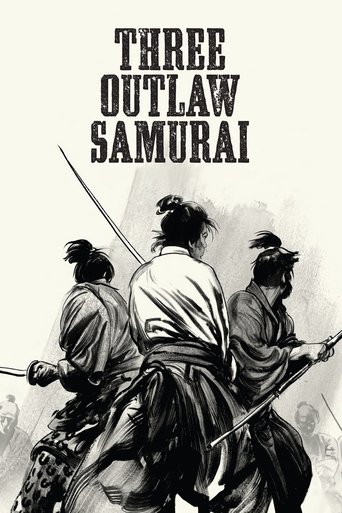 7.5
7.5Shiba, a wandering ronin, encounters a band of peasants who have kidnapped the daughter of their dictatorial magistrate, in hopes of coercing from him a reduction in taxes. Shiba takes up their fight, joined by two renegades from the magistrate's guard, Sakura and Kikyo. The three outlaws find themselves in a battle to the death.
Three Outlaw Samurai
1964
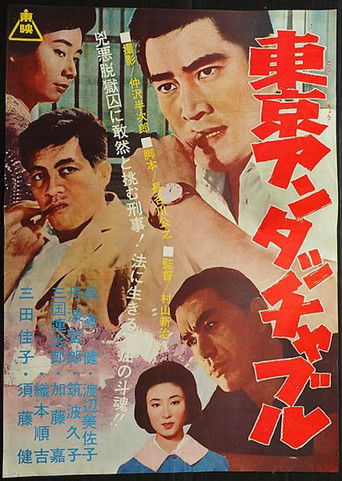 7.0
7.0No synopsis available yet.
Tokyo Untouchable
1965
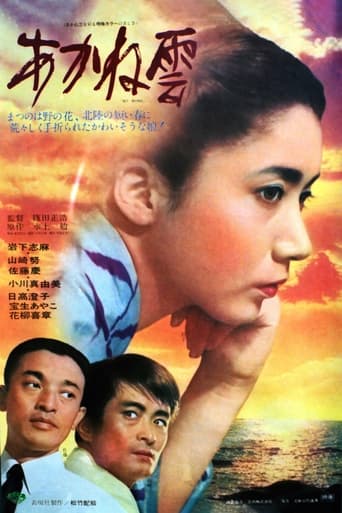 6.0
6.0A Japanese soldier deserts his position and travels to a small town on the Sea of Japan to start over. When a young maid falls for him, he talks her into sleeping with an older man for money.
Clouds at Sunset
1967
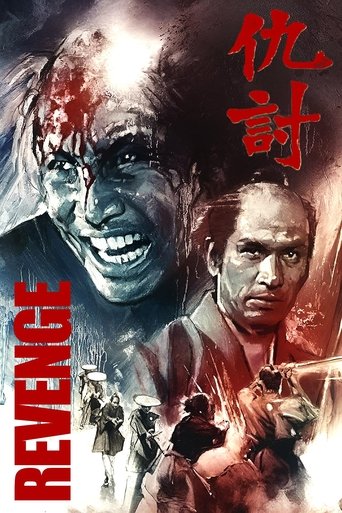 7.6
7.6An innocuous comment during a weapon inspection wounds the pride of low-ranking samurai Shinpachi, leading to an argument with his superior. The situation snowballs out of control, leading to a deadly duel and political fallout which threatens the entire clan. Declared mentally unstable by the corrupt authority, Shinpachi begins his descent into true insanity…
Revenge
1964
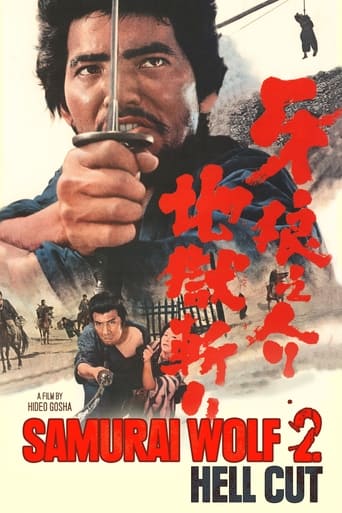 7.1
7.1Kiba Okaminosuke finds himself entangled with a group of prisoners being transported to their executions, one of whom oddly looks exactly like his dead father. There are crooked gold miners, a beautiful girl who is unfortunately a complete lunatic and a dojo master who is obsessed with killing Kiba just to prove that his school's sword style is the best.
Samurai Wolf II
1967
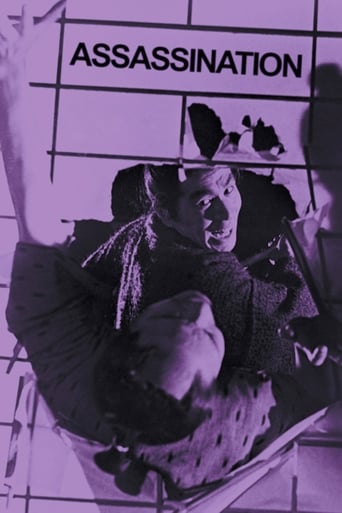 7.1
7.1In 1863, when American warships approach Japan, an enigmatic ronin becomes an important figure in a complex game of power between the Shogunate and the empire.
Assassination
1964
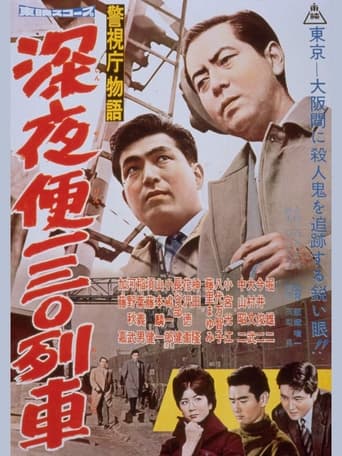 NR
NRIn a corner of a warehouse at Shiodome Station, a alumni trunk, is found with the terrible smell of decay. The dead body of a woman is inside. Since the trunk was shipped from Osaka Tennoji Station, the murder investigation headquarters were established in Tokyo and Osaka
Police Precinct Part 12
1960
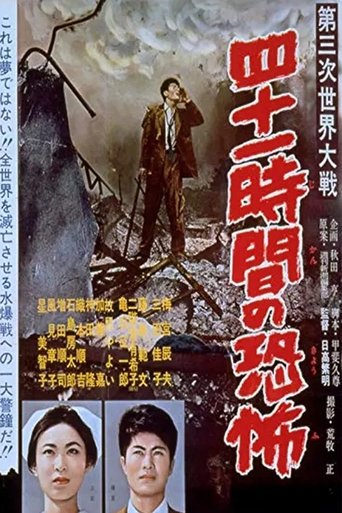 7.2
7.2The lives of several Japanese families are shattered as the USA and the USSR move toward war, Japan finds itself caught in the middle, and Tokyo is ultimately evacuated as the two superpowers invoke the 'nuclear option'.
World War III Breaks Out
1960
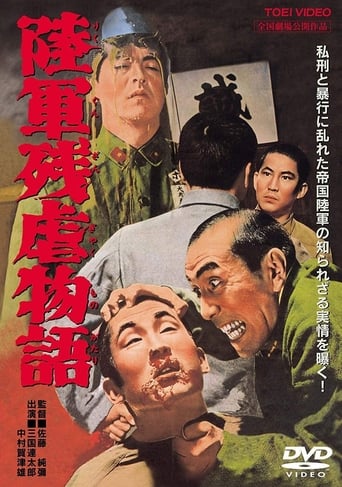 9.5
9.5Director Jun'ya Satô's debut film focuses on the inhuman training of recruits, the brutal drill system that reigned in the Japanese army during World War II, where in the first two years of training, ordinary people were turned into inhuman killers. For his first film, the director was awarded the Blue Ribbon Awards in the Debutant of the Year nomination.
Tale of Army Brutality
1963
 7.5
7.5Hidejiro is a wandering yakuza with a ‘karashi botan’ (Chinese lion and peony) tattoo. Owing a favor to the Soda Family, he kills the boss of the rival Sakaki Family. When the Soda attacks the Sakaki and double-crosses him, with sword in hand, Hidejiro seeks brutal retribution.
Contemporary Tales of Chivalry 2
1966
1950s · 9 titles
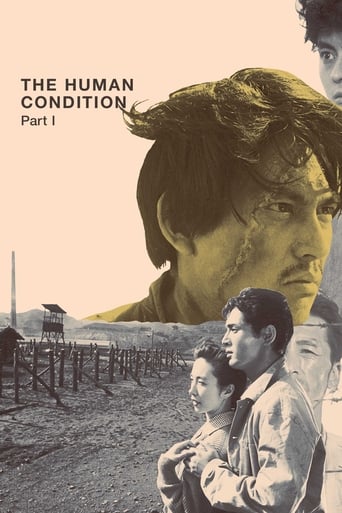 8.2
8.2After handing in a report on the treatment of Chinese colonial labor, Kaji is offered the post of labour chief at a large mining operation in Manchuria, which also grants him exemption from military service. He accepts and moves with his newlywed wife Michiko, but when he tries to put his ideas of more humane treatment into practice, he finds himself at odds with scheming officials, cruel foremen, and the military police.
The Human Condition I: No Greater Love
1959
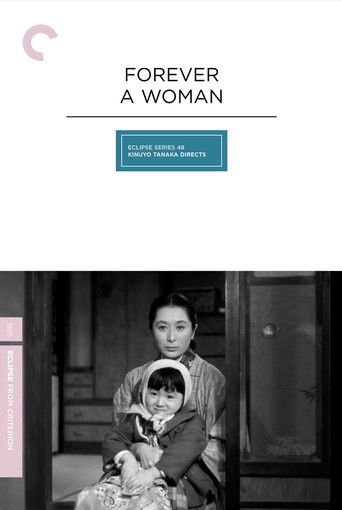 7.5
7.5Fumiko, mother of two and wife to an unfaithful man, shares her family life with her budding vocation as a poet. The beginning of her successful literary career coincides with her divorce and her breast cancer diagnosis. In her final stages, Fumiko meets a young journalist from Tokyo who wants to write a story on her experiences.
Forever a Woman
1955
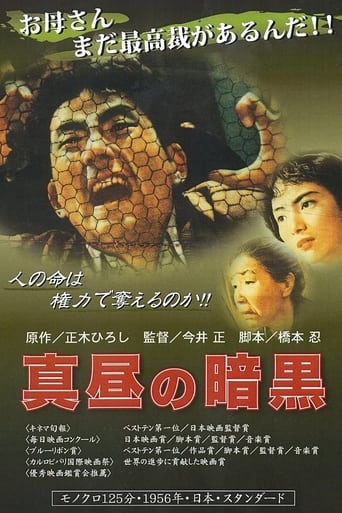 6.9
6.9Police beat a murder confession out of four innocent men who are then sentenced to death. Based on a true story.
Darkness at Noon
1956
 7.1
7.1A talent scout moves sharply, dead-set on signing a promising baseball player to The Toyko Flowers.
I Will Buy You
1956
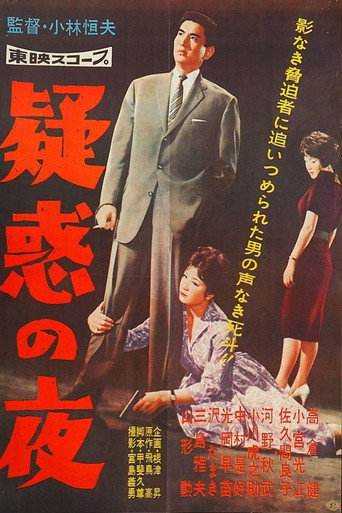 NR
NRTatsuo Torigoe, the president of Torigoe Industries, attempts suicide but survives and reveals his motives for suicide to his only daughter, Akiko.
Night of the Suspicions
1959
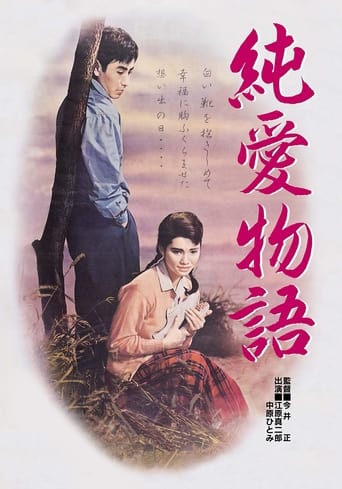 6.8
6.8Junai Monogatari AKA Story of Pure Love is about two poor youths, Mitsuko and Kando, rebelling against society in various ways, who are desperately trying to be together despite tortuous circumstances. The film depicts their lives as thieves, menial laborers who can get little pay, society outcasts, and of course, lovers. Junai Monogatari depicts, mostly, their struggles within the Japanese reformatory system and Mitsuko's worsening sickness.
The Story of Pure Love
1957
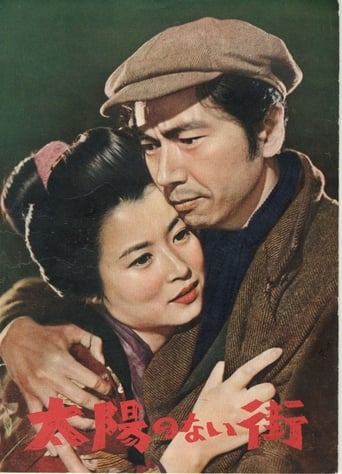 7.0
7.0Based on the novel by proletarian writer Sunao Tokunaga. The story is about a long strike by workers at a large printing house and the strikers' steadfastness, which neither hunger nor violence could break. The heroine of this story actively participates in her colleagues' struggle against layoffs, oppression, and police brutality.
The Street Without Sun
1954
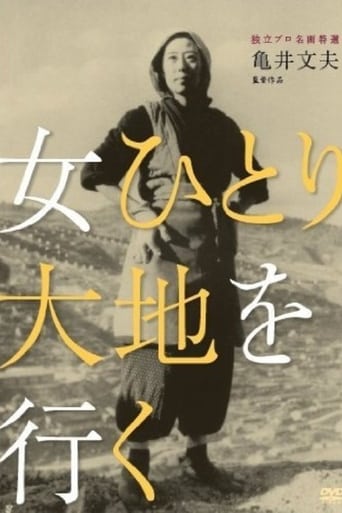 7.0
7.0Onna Hitori Daichi wo Yuku (A Lonely Woman in a Lonely Land, Kinuta Production, 1953) was the second feature film directed by Kamei Fumio, who is known as a master of documentary films, and followed his “Haha Nareba Onna Nareba(Become a Mother, Become a Woman)” (1952).
A Lonely Woman in a Lonely Land
1953
 NR
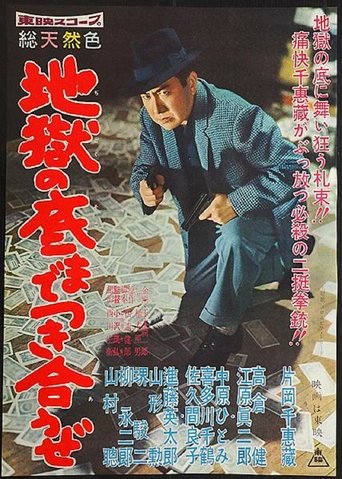
NRDuring the seventh-year memorial service for Katsugoro and Genji, Ikari Genji himself emerged from the coffin brought in by the hearse seeking revenge
Hell's Companion
1959
Series credits
7.8Inspired by American TV movies like "Hitchcock Theater" and "The Twilight Zone," the show features multiple works with Tamori as the storyteller and actors as the main characters. While horror and supernatural themes are predominant, a variety of genres like comedy and drama are also produced. Most episodes, however, have a bad ending.
Tales of the Bizarre
1990
7.0No synopsis available yet.
Furuya Ikkou's Great Detective Kindaichi Kousuke Series
1983
7.0No synopsis available yet.
Furuya Ikkou's Great Detective Kindaichi Kousuke Series
1983
7.0No synopsis available yet.
Furuya Ikkou's Great Detective Kindaichi Kousuke Series
1983
7.6Four young physicians are assigned to the “Doctor Helicopter” system, the latest medical system where a medical team is dispatched to the patients via helicopter to provide medical care in the field as soon as possible. The doctors experience traumatic medical situations, deal with personal ambitions, and witness the fragility of life, all while growing personally and professionally.
Code Blue
2008
NRNo synopsis available yet.
Edogawa Rampo no bijo shirīzu
1977
9.7A dramatized biography of the second of Japan's three legendary leaders. Rising from obscurity, Hideyoshi served under the command of Oda Nobunaga. With an extraordinary combination of intelligence, bravery and military skill, Hideyoshi rose to near-absolute power and greatly expanded upon Nobunaga's unification of Japan's warlords. This series also focused on Hideyoshi's personal life, particularly his relationships with his mother and his wife, and the pair's rivalry for influence over him.
Hideyoshi
1996
7.7Saka no Ue no Kumo is an NHK 21st Century special drama which was aired over three years starting from November 29, 2009. The series runs 13 episodes at 90 minutes each. The first series, with 5 episodes, was broadcast in 2009, while series two and three, each with 4 episodes, were broadcast in late 2010 and 2011. While most episodes were shot in Japan, one of the episodes in series two was shot in Latvia. The TV series is based on the novel Saka no ue no kumo by Ryōtarō Shiba and adopted by Hisashi Nozawa. The theme song of the drama series is titled "Stand Alone". It was composed by Joe Hisaishi, written by Kundo Koyama and performed by British soprano singer Sarah Brightman.
Clouds Over the Hill
2009
 7.7
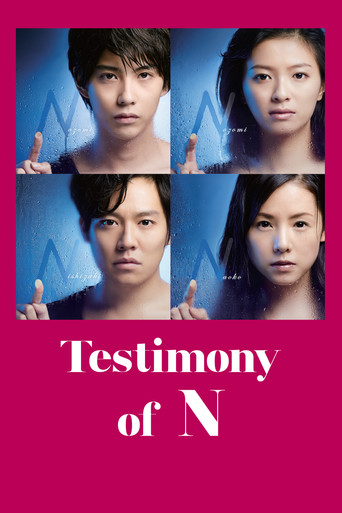
7.7University student Sugishita Nozomi, Naruse Shinji, Ando Nozomi and Nishizaki Masato end up coming upon the scene of the murder of the Noguchi couple, because of a plan they had devised. Nishizaki is arrested at the scene and is given a 10-year prison term because of his voluntary confession. 10 years later, Takano Shigeru, a former police officer who has misgivings about the verdict of this case, starts to pursue the truth. He is convinced that it all began as a result of an incident caused by Nozomi and Naruse on an island in the Seto Inland Sea in the summer 15 years. “They committed a crime at that time. It was for the sake of each N.”
Testimony of N
2014
 NR
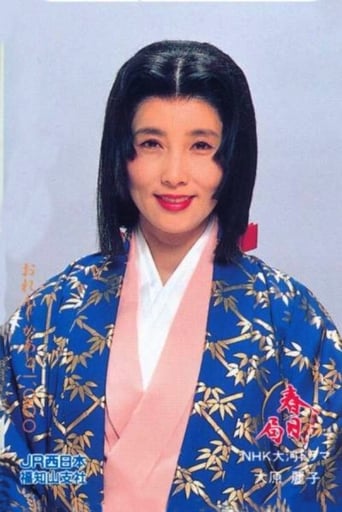
NRThis is the story about the a very powerful Lady Kasuga who established Ooku the inner palace.
Kasuga the Court Lady
1989
 7.0
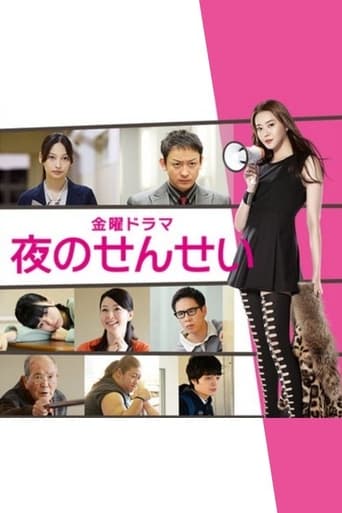
7.0No synopsis available yet.
Night School Teacher, SAKURA
2014
 NR
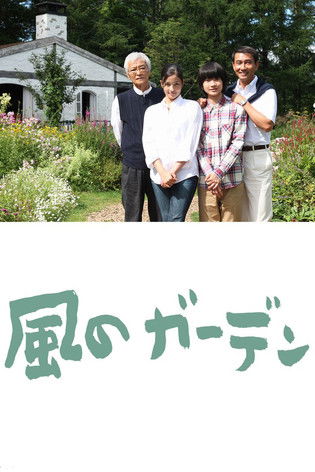
NRThe lead, Dr. Sadami Shiratori worked in the operating room at a famous Tokyo hospital was around death on a daily basis. His own father, Teizo Shiratori is also a doctor, called Grandfather as he raised the estranged children of his wayward son, he practiced medicine in a small town on Hokkaido, Japan’s most northern island. His practice was limited only to terminal patients…in their own homes. He cared for them and helped both them and their families prepare for the ‘final journey’.
Garden of the Wind
2008
 NR
NRBased on Kazuo Koike's extensive manga (over 110 volumes), this Edo-period drama follows an unlikely pair of law enforcement officers. One is a serious, skilled investigator, while the other is a witty, unconventional problem-solver, creating a dynamic partnership. The series also features the charmingly unorthodox detective Suruyoshi in a notable period drama debut. A memorable and catchy soundtrack complements the engaging stories brought to life by a large and talented cast.
A Tale of Two Truncheons
1984
 NR
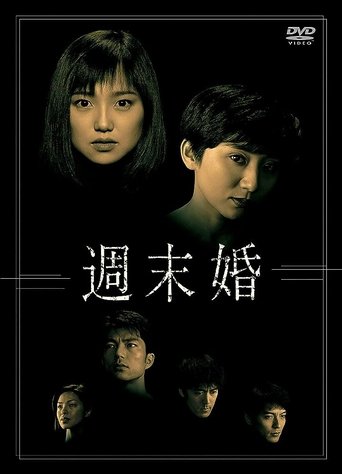
NRYoko always seems to say and do the right thing and has forever been the center of attention. Her younger sister, Tsukiko, having been compared to her sister since birth cannot help but feel inferior. Yoko has benefited from this situation for so long that she expects it to last forever. However, when Tsukiko's career takes a turn for the better and she gets engaged, Yoko feels that she must somehow sabotage her sister's success since her own career and marriage are not faring well. Tsukiko decides to defend herself, and the resultant feud threatens to ensnare their family and loved ones.
Weekend Marriage
1999
 10.0
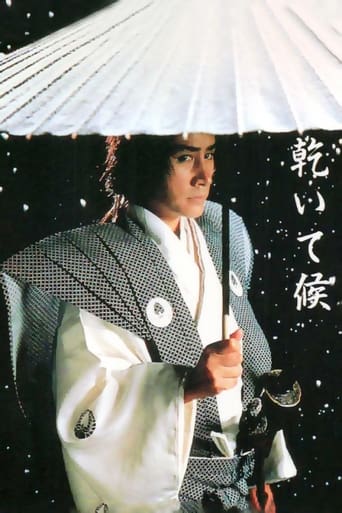
10.0A Japanese period drama broadcast in prime-time in 1984, based on Goseki Kojima and Kazuo Koike 's manga of the same title. Kainage Mondo is a secret child of Tokugawa Yoshimune and skilled swordsman. His job is a part to test food for poison for Yoshimune. He was on a journey but he goes to Edo to see Yoshimune. The Owari han have longed for the post of shogun and try to murder Yoshimune, in order to get shogun's post. Fuki is a kunoichi of Kōka. She tries to murder Yoshimue but she comes to like Mondo and eventually starts working for Mondo and Yoshimune. Mondo protects Yoshimune's life from Owari han and other enemies.
A Samurai's Sorrow
1984
 NR
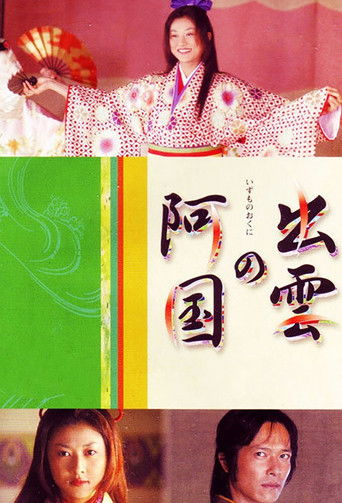
NRIzumo no Okuni was born about 1571. This time period in Japanese history was fraught with struggle. It was known as the Period of Warring States, that is, the land barrons (daimyo) fought against one another for power. Her father was a blacksmith for the Izumo Grand Shrine and, consequently, the family served as well. It was a custom to send priests and young women, such as Buddhist nuns, among others to solicit contributions. Izumo was sent to Kyoto to perform sacred dances and songs. Her Okuni Kabuki was known and applauded throughout the land. After 25 years she retired.
Izumo no Okuni
2006
 NR
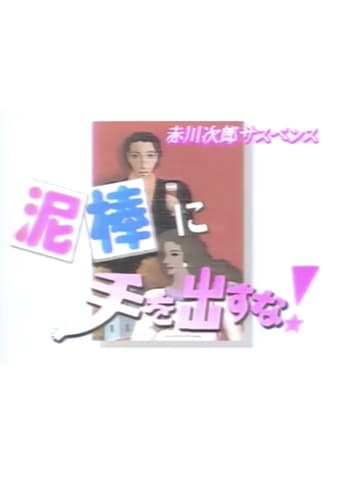
NRA drama adaptation of Jiro Akagawa's "Thief Series". Junichi Konno, also known as Phantom Thief Dark Cat, is a world-class thief, and his wife is Mayumi, a detective in the Metropolitan Police Department's First Investigative Division. A bumpy but friendly couple solves various cases.
Don't touch the thief!
1990
No synopsis available yet.
白馬岳殺意の峰
1991