
Directing
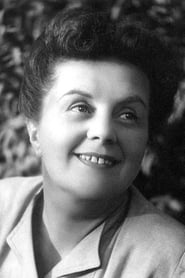
Hermína Týrlová
Born — Died
1900-12-11 — 1993-05-03
Place of birth
Brezové Hory, Austria-Hungary [now Czech Republic]
Known for
Directing
Credits
45 titles
Hermína Týrlová was a prominent Czech animator, screen writer, and film director. Often called the mother of Czech animation over the course of her career, she produced over 60 animated children's short films using puppets and the technique of stop motion animation. Born in Březové Hory in Central Bohemia, Hermína Týrlová learned puppet-making skills from her father, who was a woodworker and made small wood figurines. As a teenager, she moved to Prague to make a living acting, singing, and dancing in vaudeville. She also began writing and illustrating children's magazines. In 1925, she joined Studio AB, where she met her future husband, Karel Dodal. The studio produced animated films for ad…
Known for
 7.5
7.5Ferda Mravenec (Ferda The Ant, 1944 ) runs over ten minutes, telling the tale of an ant colony versus a spider. This one is teeming with characters, with impressive animation, fun gags, and a good story.
Ferda the Ant
1944
No synopsis available yet.
Psí nebe
1967
 NR
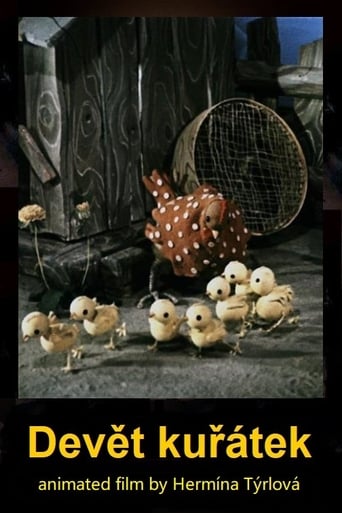
NRA fairy tale for children about correcting a selfish chick.
Nine Chicks
1952
 6.0
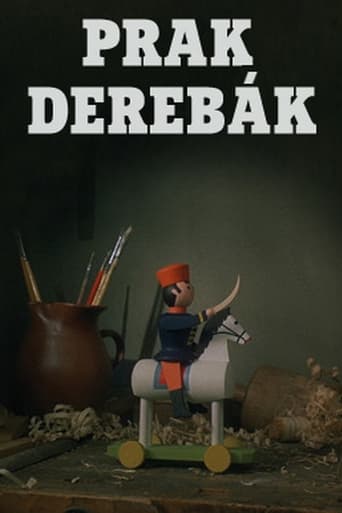
6.0A stop-motion animated fairy tale about good and evil using wooden folk toys.
The Naughty Slingshot
1983
 NR
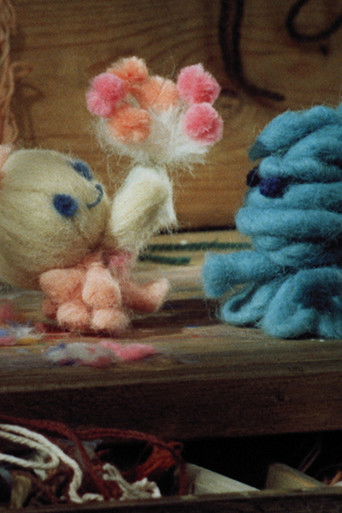
NRTwo little figures are born from the wool clippings, who compete for the wool doll's favor and try to impress her with their bizarre antics.
Skittish Brothers
1982
A romantic story between two wool skeins.
Two Balls of Wool
1963
Film credits
1980s · 2 titles
Behind the camera
7.5Ferda Mravenec (Ferda The Ant, 1944 ) runs over ten minutes, telling the tale of an ant colony versus a spider. This one is teeming with characters, with impressive animation, fun gags, and a good story.
Ferda the Ant
1944
No synopsis available yet.
Psí nebe
1967
No synopsis available yet.
Psí nebe
1967
NRA fairy tale for children about correcting a selfish chick.
Nine Chicks
1952
NRA fairy tale for children about correcting a selfish chick.
Nine Chicks
1952
6.0A stop-motion animated fairy tale about good and evil using wooden folk toys.
The Naughty Slingshot
1983
6.0A stop-motion animated fairy tale about good and evil using wooden folk toys.
The Naughty Slingshot
1983
NRTwo little figures are born from the wool clippings, who compete for the wool doll's favor and try to impress her with their bizarre antics.
Skittish Brothers
1982
NRTwo little figures are born from the wool clippings, who compete for the wool doll's favor and try to impress her with their bizarre antics.
Skittish Brothers
1982
A romantic story between two wool skeins.
Two Balls of Wool
1963
A romantic story between two wool skeins.
Two Balls of Wool
1963
 9.0
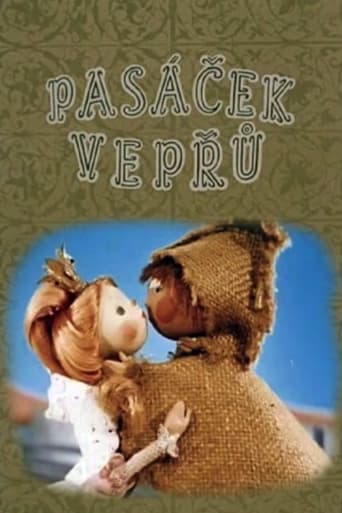
9.0Puppet adaptation of Hans Christian Andersen's fairy tale.
The Pig Shepard
1957
9.0Puppet adaptation of Hans Christian Andersen's fairy tale.
The Pig Shepard
1957
 8.0
8.0Different animals play with a marble in this whimsical story from Hermína Týrlová, ‘the mother of Czech animation’
The Glass Marble
1963
8.0Different animals play with a marble in this whimsical story from Hermína Týrlová, ‘the mother of Czech animation’
The Glass Marble
1963
 NR
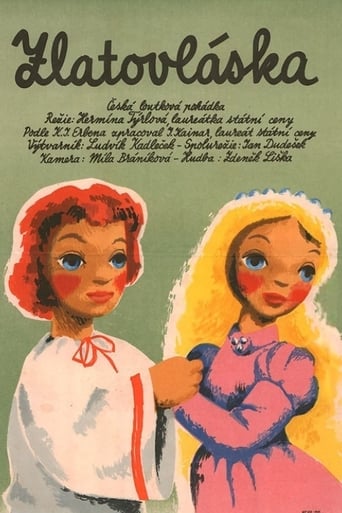
NRPuppet animated movie about an evil king, a golden-haired princess and living and dead water based on the fairy tale by Josef Kaynar.
Zlatovláska
1956
NRPuppet animated movie about an evil king, a golden-haired princess and living and dead water based on the fairy tale by Josef Kaynar.
Zlatovláska
1956
 6.8
6.8A snowman comes to life in this charming and playful stop motion short. In danger of melting once spring rolls around, the snowman eventually departs for an icier climate, perhaps to return next winter.
The Snowman
1966
6.8A snowman comes to life in this charming and playful stop motion short. In danger of melting once spring rolls around, the snowman eventually departs for an icier climate, perhaps to return next winter.
The Snowman
1966
An animated film that recounts the events surrounding the birth of Jesus Christ described in the New Testament.
Star of Bethlehem
1969
An animated film that recounts the events surrounding the birth of Jesus Christ described in the New Testament.
Star of Bethlehem
1969
 8.0
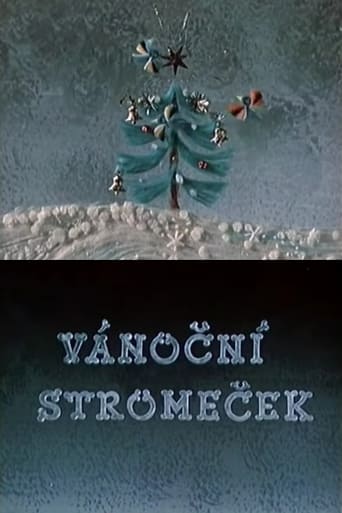
8.0Another of Hermína Týrlová's "wool fairy tales" tells about two children who decorated a Christmas tree.
Christmas Tree
1968
8.0Another of Hermína Týrlová's "wool fairy tales" tells about two children who decorated a Christmas tree.
Christmas Tree
1968
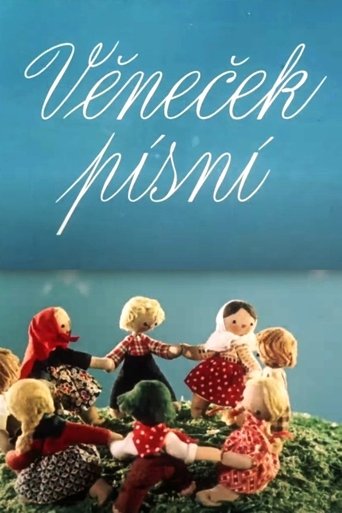 NR
NRNo synopsis available yet.
Wreath of Songs
1955
NRNo synopsis available yet.
Wreath of Songs
1955
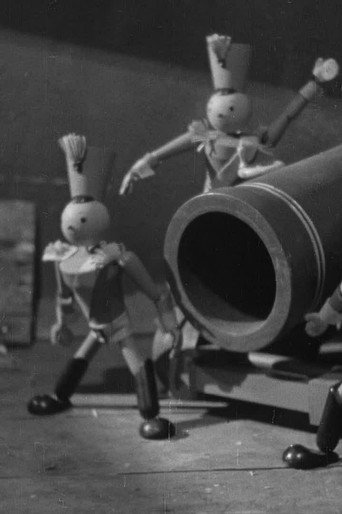 6.1
6.1In WWII Czechoslovakia, an old toymaker incorporates secret messages in his models to fool the Germans. They find him out and he flees. As the Gestapo officer hunts around he is attacked by the toys, who send him packing. Live action and stop motion short by Hermína Týrlová.
Revolution in Toyland
1947
6.1In WWII Czechoslovakia, an old toymaker incorporates secret messages in his models to fool the Germans. They find him out and he flees. As the Gestapo officer hunts around he is attacked by the toys, who send him packing. Live action and stop motion short by Hermína Týrlová.
Revolution in Toyland
1947
No synopsis available yet.
Pejskův sen
1972
No synopsis available yet.
Pejskův sen
1972
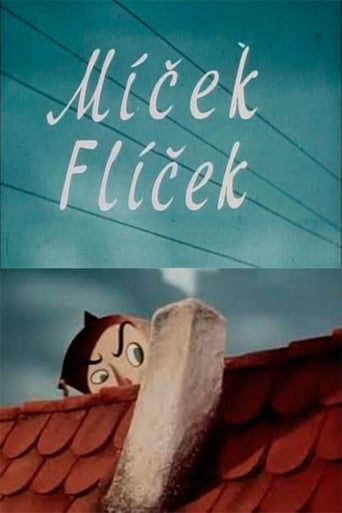 6.0
6.0No synopsis available yet.
Míček Flíček
1957
No synopsis available yet.
Toulavé telátko
1971
No synopsis available yet.
Toulavé telátko
1971
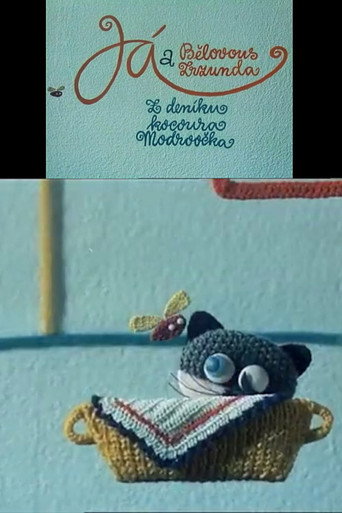 NR
NRNo synopsis available yet.
Já a Bělovous Zrzunda
1974
 NR
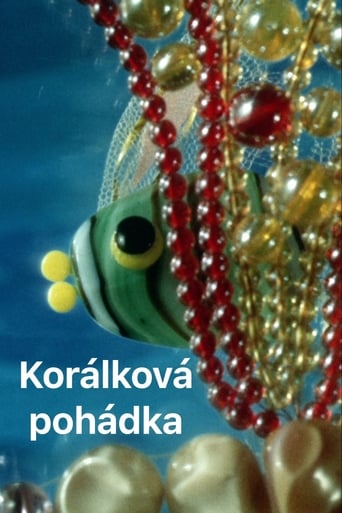
NRA poetic and colorful tale at the bottom of the sea.
Coral Fairytale
1968
No synopsis available yet.
Růžové brýle
1973
No synopsis available yet.
Růžové brýle
1973
 NR
NREveryone knows Ferda the Ant, who knows how to work with everyone and selflessly helps all small animals from the beetle empire. Everything with him is fun, but he can also punish stupidity and injustice.
Ferda The Ant In The Foreign Service
1979
 NR
NRNo synopsis available yet.
Nočná romanca
1949
NRNo synopsis available yet.
Nočná romanca
1949
 NR
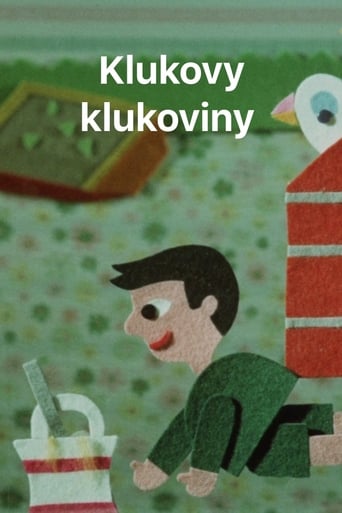
NRAn episode from a series of fairy tales tells the story of correcting the behavior of a mischievous and devilish boy. When the boy gets glued to a bucket, he finally understands how he's harmed the animals in the yard and woods.
The Mischievous Boy
1974