
Acting
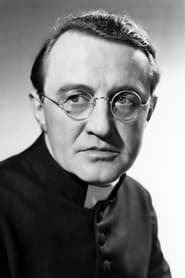
Arthur Shields
Born — Died
1896-02-15 — 1970-04-27
Place of birth
Dublin, Ireland
Known for
Acting
Credits
79 titles
From Wikipedia, the free encyclopedia. Arthur Shields (15 February 1896 - 27 April 1970) was an Irish stage and film actor. Born into an Irish Protestant family in Portobello, Dublin, he started acting in the Abbey Theatre when still a young man. He was the younger brother of actor Barry Fitzgerald. An Irish nationalist, he fought in the Easter Uprising of 1916. He was captured and was interned in Frongoch, North Wales. He afterwards returned to the Abbey theatre. In 1936 John Ford brought him to the United States to act in a film version of The Plough and the Stars. He later returned to the U.S. and for health reasons, he decided to reside in California. He died at his home in Santa Barb…
Known for
 7.7
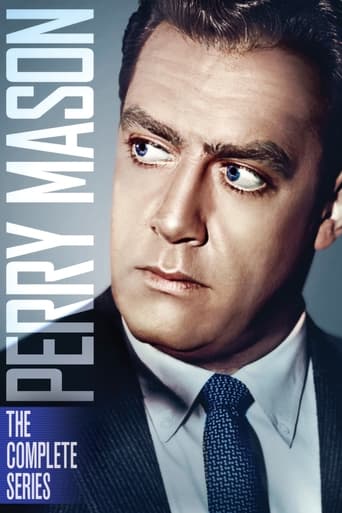
7.7The cases of master criminal defense attorney Perry Mason and his staff who handled the most difficult of cases in the aid of the innocent.
Perry Mason
1957
 7.5
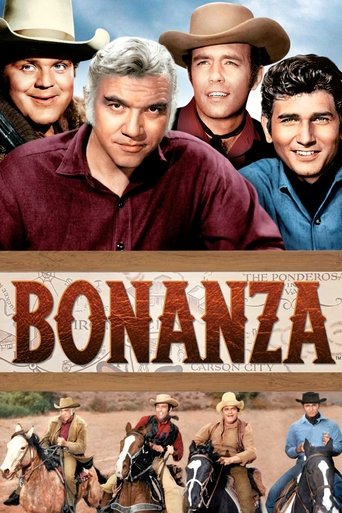
7.5The High-Sierra adventures of Ben Cartwright and his sons as they run and defend their ranch while helping the surrounding community.
Bonanza
1959
 6.6
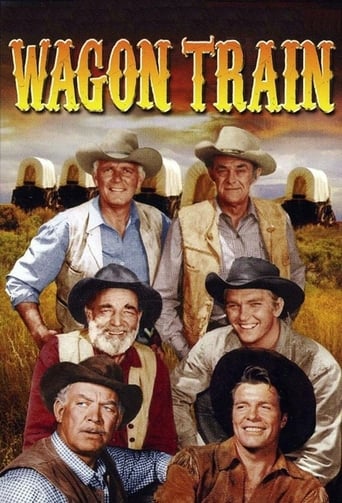
6.6The series initially starred veteran movie supporting actor Ward Bond as the wagon master, later replaced upon his death by John McIntire, and Robert Horton as the scout, subsequently replaced by lookalike Robert Fuller a year after Horton had decided to leave the series. The series was inspired by the 1950 film Wagon Master directed by John Ford and starring Ben Johnson, Harry Carey Jr. and Ward Bond, and harkens back to the early widescreen wagon train epic The Big Trail starring John Wayne and featuring Bond in his first major screen appearance playing a supporting role. Horton's buckskin outfit as the scout in the first season of the television series resembles Wayne's, who also played the wagon train's scout in the earlier film.
Wagon Train
1957
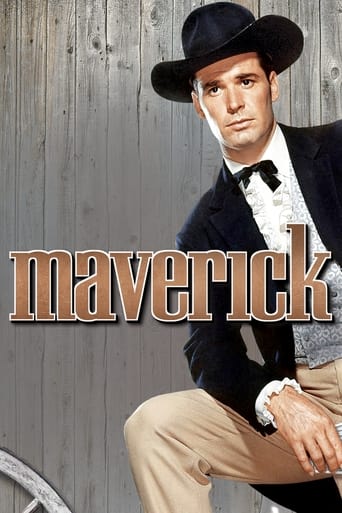 7.0
7.0The Maverick boys - Bret, Bart, Beau and Brent - are a clan of well-dressed dandies, gamblers who'd much rather make their money playing cards than messing up their fine clothing with actual work. Sly and clever, none of the Mavericks are much for acts of derring do, but they can be courageous when the situation calls for it. Most often, however, they live by their wits and considerable charm.
Maverick
1957
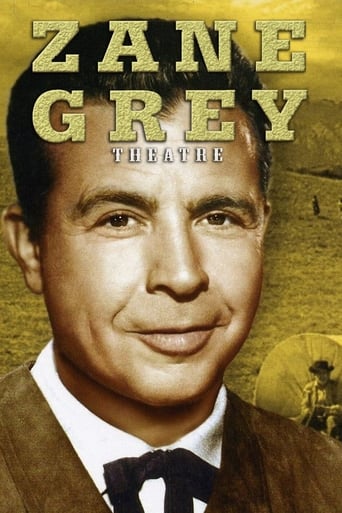 6.2
6.2Dick Powell's Zane Grey Theatre, sometimes simply called Zane Grey Theatre, is an American Western anthology series which ran on CBS from 1956 to 1961.
Dick Powell's Zane Grey Theatre
1956
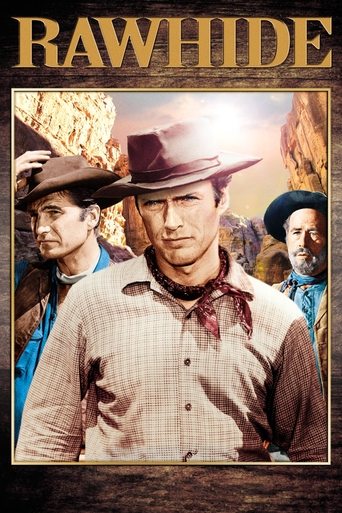 7.3
7.3The tale of trail boss Gil Favor and his trusty foreman Rowdy Yates as they drives cattle across the old west. Along the way they meet up with adventure and drama.
Rawhide
1959
Film credits
1960s · 2 titles
1950s · 19 titles
 6.7
6.7An itinerant farmer and his young son help a heart-of-gold saloon singer search for her estranged husband.
River of No Return
1954
 7.3
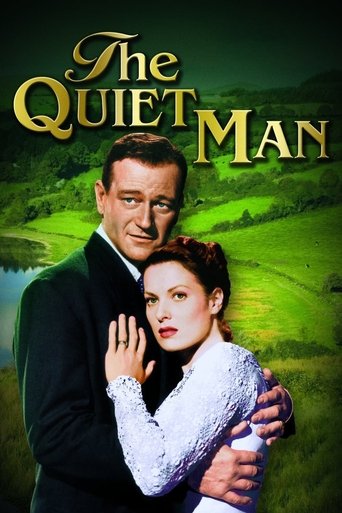
7.3An American man returns to the village of his birth in Ireland, where he finds love and conflict.
The Quiet Man
1952
 5.6
5.6Opportunistic con man Dan Kehoe ingratiates himself with the cantankerous mother of four outlaws and their beautiful widows in order to find their hidden gold.
The King and Four Queens
1956
 5.8
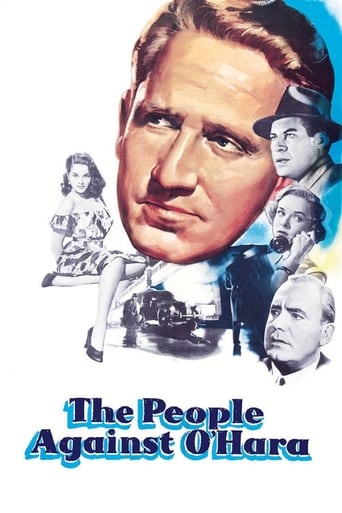
5.8A defense attorney jeopardizes his career to save his client.
The People Against O'Hara
1951
 5.0
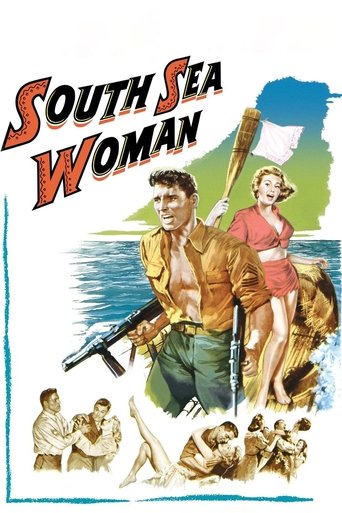
5.0Marine Sergeant James O'Hearn is being tried at the San Diego Marine base for desertion, theft, scandalous conduct and destruction of property in time of war. He refuses to testify or plead guilty or not guilty to the charges. Showgirl Ginger Martin takes the stand against his protest. She testifies O'Hearn won't talk because he is protecting the name of his pal, Marine Private Davey White. Ginger tells how she, broke and stranded, met the two marines in Shanghai two weeks before Pearl Harbor.
South Sea Woman
1953
 5.6
5.6The Lionians, a tribe of lion worshippers, make a desperate attempt to find a cure for the mysterious disease plaguing their village. Their Chief decides to kidnap Jane and Lola, a half-breed nurse, in order to help repopulate his civilization. Tarzan must rescue them while fending off blowgun attacks from people called the Waddies who are disguised as bushes.
Tarzan and the Slave Girl
1950
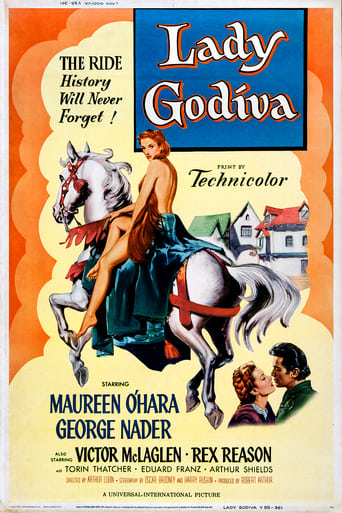 5.7
5.7Fictionalized account of events leading up the famous nude ride (alas, her hair covers everything) of the militant Saxon lady.
Lady Godiva of Coventry
1955
 7.2
7.2Director Jean Renoir’s entrancing first color feature—shot entirely on location in India—is a visual tour de force. Based on the novel by Rumer Godden, the film eloquently contrasts the growing pains of three young women with the immutability of the Bengal river around which their daily lives unfold. Enriched by Renoir’s subtle understanding and appreciation for India and its people, The River gracefully explores the fragile connections between transitory emotions and everlasting creation.
The River
1951
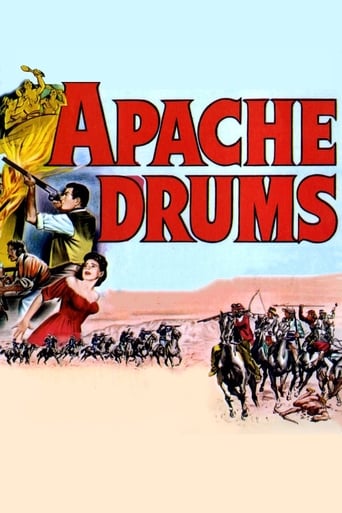 6.3
6.3A gambler is thrown out of a western town, but returns when the town is suddenly threatened by a band of marauding Apaches.
Apache Drums
1951
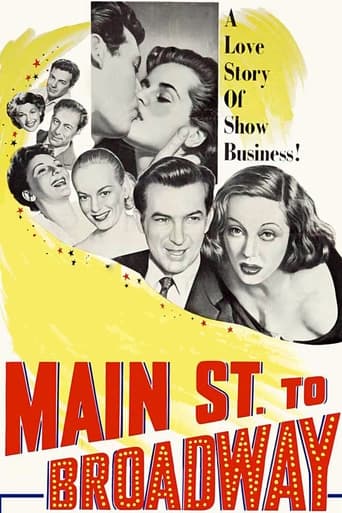 7.3
7.3In New York, a surly, down-on-his-heels playwright meets a country girl who's giving up trying to act and returning home. He goes with her for inspiration when his agent convinces a stage star to take his next effort. When he returns to Broadway, his girl stays behind and starts seeing a local businessman.
Main Street to Broadway
1953
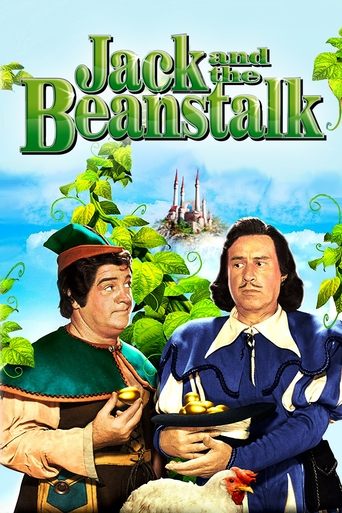 5.7
5.7Two down-on-their-luck loafers take a job babysitting, with a bedtime story of the titular tale turning into a wacky Abbott and Costello-faced musical retelling involving stolen cows, terrible giants, and the heroic boy with an opportunistic butcher in a castle above the clouds.
Jack and the Beanstalk
1952
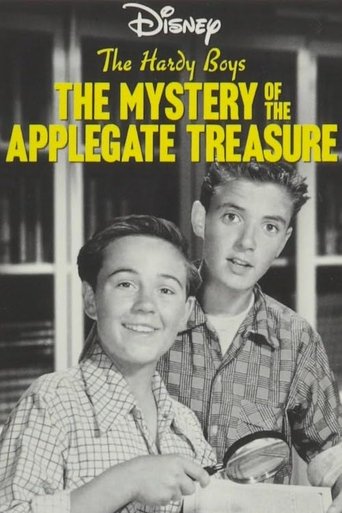 8.0
8.0Frank and Joe Hardy are the sons of Fenton Hardy, a famous private detective. Finding everyday life at home in Bayport dull, the boys hope their father will let them work on one of his cases. Disappointed when he tells them his work is too dangerous for children, they are more determined than ever to follow in their dad's footsteps, and solve mysteries.
The Hardy Boys: The Mystery of the Applegate Treasure
1956
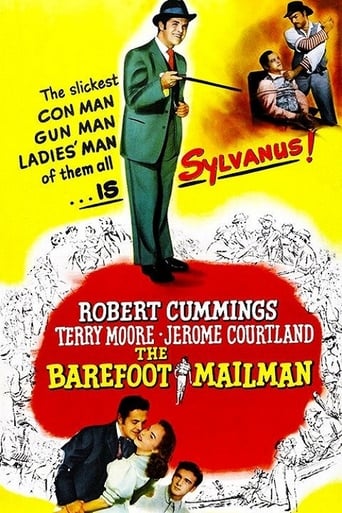 6.5
6.5Sylvanus Hurley is a swindler who's been swindled: he's been given a deed to a large plot of mangrove swamp in the out-of-the-way community. So he decides to con the locals, some of whom are not as honest as he....
The Barefoot Mailman
1951
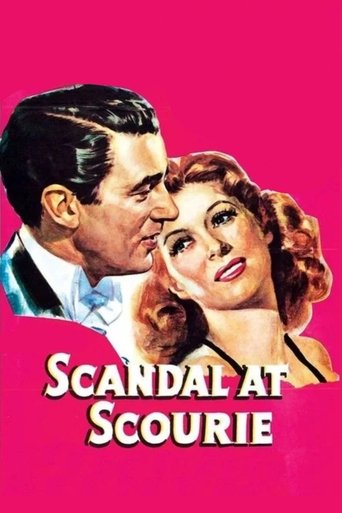 6.9
6.9After their orphanage burns down, a group of children are being transported west by train to Manitoba. All of them are available for adoption and at a stop at Scourie, Ontario little Patsy meets Victoria McChesney. Victoria and her husband Patrick have no children and she immediately decides to adopt the girl. The only condition imposed on them is that as Patsy has been baptized a Roman Catholic the Protestant McChesneys agree to raise her as a Catholic. Patsy is a well-behaved little girl whose only real problem is a school bully, also one of the orphans, who spreads stories that she set their orphanage on fire.
Scandal at Scourie
1953
 5.8
5.8A young woman discovers she is the daughter of the infamous Dr. Jekyll, and begins to believe that she may also have a split personality, one of whom is a ruthless killer.
Daughter of Dr. Jekyll
1957
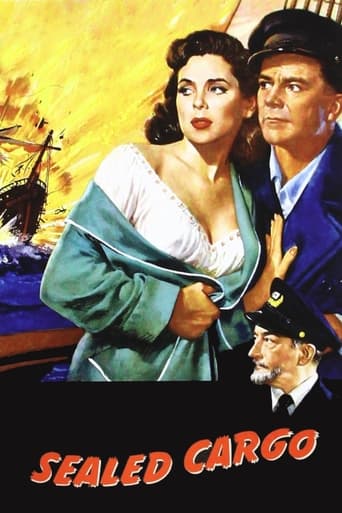 6.5
6.5A Newfoundland fishingboat comes to the aid of a wrecked Danish sailing ship and tows it to a small village, but eventually the captain of the fishingboat realises that it's a U-boat supply ship in disguise, loaded with torpedoes. So, together with his crew and a group of villagers he sets about a plan to blow the ship as well as any U-boats that approach it. Based on the novel "The Gaunt Woman" by Edmund Gilligan.
Sealed Cargo
1951
 8.0
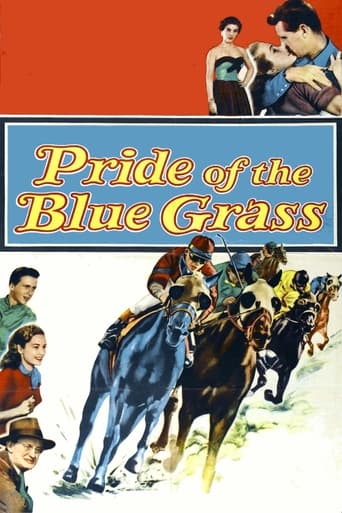
8.0A girl owns a horse, and hires a boy as a trainer. The horse enters a race and is injured. The boy takes job at another stable and is semi-seduced by the stable siren. The girl finally rehabilitates the horse then enters it in a big race.
Pride of the Blue Grass
1954
 10.0
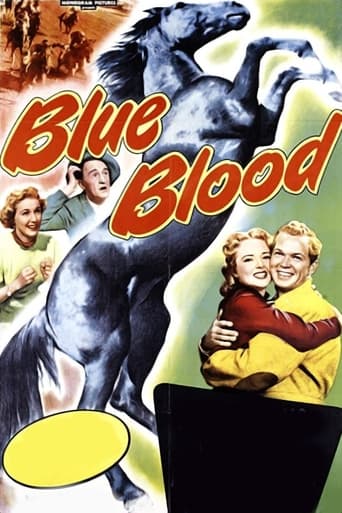
10.0An out of work racehorse trainer is adopted by the daughters of a wealthy breeder and trains a cast-off horse for the big race of the season.
Blue Blood
1951
 5.2
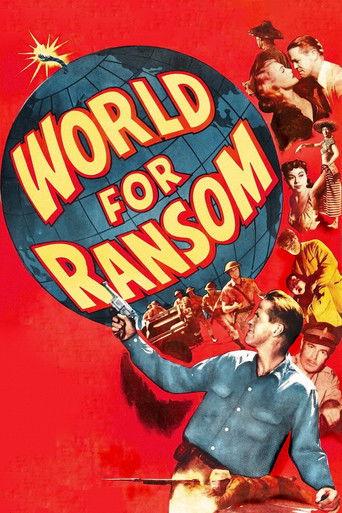
5.2In Singapore, a private detective and the British authorities are on the trail of a crime syndicate that kidnaps a nuclear physicist with the aim of selling him to the highest bidder.
World for Ransom
1954
1940s · 36 titles
 6.9
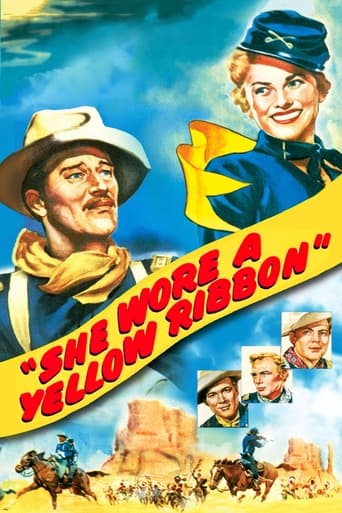
6.9On the eve of retirement, Captain Nathan Brittles takes out a last patrol to stop an impending massive Indian attack. Encumbered by women who must be evacuated, Brittles finds his mission imperiled.
She Wore a Yellow Ribbon
1949
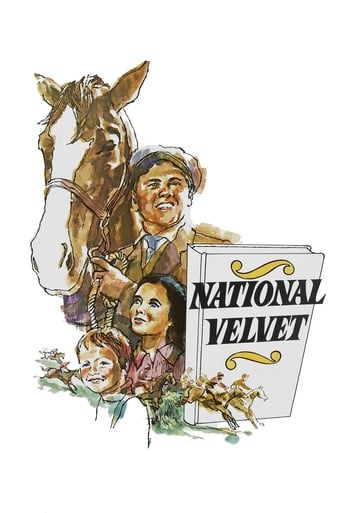 7.2
7.2Mi Taylor is a young wanderer and opportunist who finds himself in the quiet English countryside home of the Brown family. The youngest daughter, Velvet, has a passion for horses and when she wins the spirited steed Pie in a town lottery, Mi is encouraged to train the horse.
National Velvet
1945
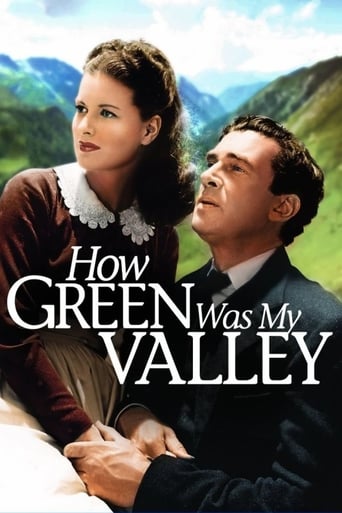 7.3
7.3Huw Morgan, the academically inclined youngest son in a proud family of Welsh coal miners, witnesses the tumultuous events of his young life during a period of rapid social change. At the dawn of the 20th-century, a miners' strike divides the Morgans: the sons demand improvements, and the father doesn't want to rock the boat.
How Green Was My Valley
1941
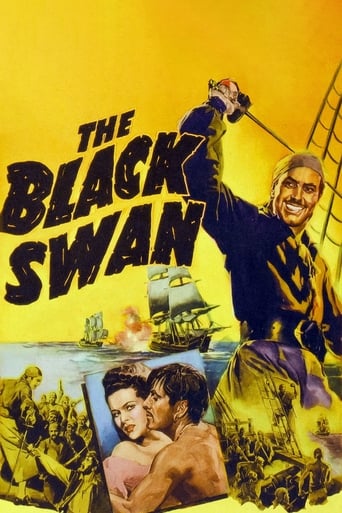 6.5
6.5When notorious pirate Henry Morgan is made governor of Jamaica, he enlists the help of some of his former partners in ridding the Caribbean of buccaneers. When one of them apparently abducts the previous governor's pretty daughter and joins up with the rebels, things are set for a fight.
The Black Swan
1942
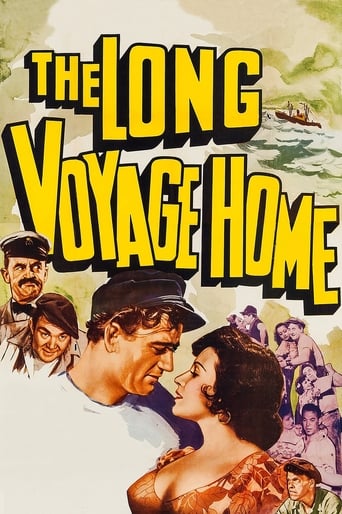 6.6
6.6The crew of the merchant ship Glencairn hope to survive a transatlantic crossing during World War II. Adapted from four Eugene O'Neill one-act plays.
The Long Voyage Home
1940
 7.2
7.2As bare-knuckled boxing enters the modern era, brash extrovert Jim Corbett uses new rules and dazzlingly innovative footwork to rise to the top of the boxing world.
Gentleman Jim
1942
 7.2
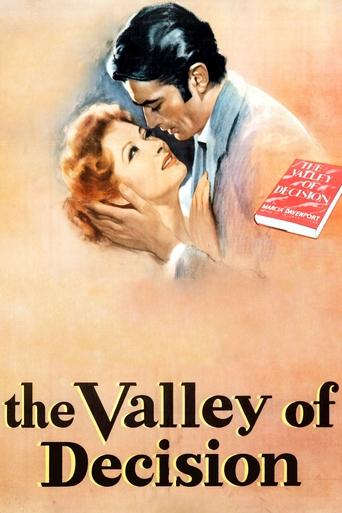
7.2Mary Rafferty comes from a poor family of steel mill workers in 19th Century Pittsburgh. Her family objects when she goes to work as a maid for the wealthy Scott family which controls the mill. Mary catches the attention of handsome scion Paul Scott, but their romance is complicated by Paul's engagement to someone else and a bitter strike among the mill workers.
The Valley of Decision
1945
 7.1
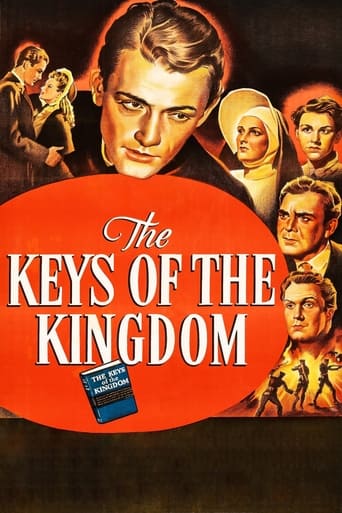
7.1A young priest, Father Chisholm is sent to China to establish a Catholic parish among the non-Christian Chinese. While his boyhood friend, also a priest, flourishes in his calling as a priest in a more Christian area of the world, Father Chisholm struggles. He encounters hostility, isolation, disease, poverty and a variety of set backs which humble him, but make him more determined than ever to succeed.
The Keys of the Kingdom
1944
 6.3
6.3Phil and Ellen Gayley have been divorced for a year, and their 7-year old daughter, Flip, is very unhappy that her parents are not together. Flip starts a correspondence with a Marine, sending a picture of her beautiful mother as the author of Flip's flirtatious letters. When the Marine shows up to meet his pen pal, Ellen takes the opportunity to make her ex-husband jealous.
Never Say Goodbye
1946
 6.7
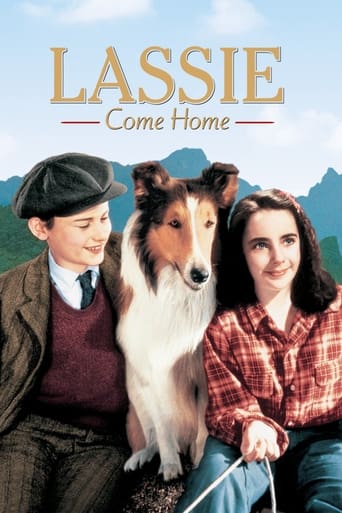
6.7Hard times come for the Carraclough family and they are forced to sell their dog, Lassie, to the rich Duke of Rudling. Lassie, however, is unwilling to remain apart from young Carraclough son Joe and sets out on a long and dangerous journey to rejoin him.
Lassie Come Home
1943
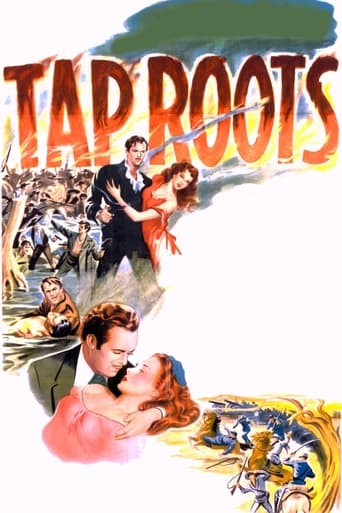 6.9
6.9Set at the beginning of the Civil War, Tap Roots is all about a county in Mississippi which chooses to secede from the state rather than enter the conflict. The county is protected from the Confederacy by an abolitionist and a Native American gentleman. The abolitionist's daughter is courted by a powerful newspaper publisher when her fiance, a confederate officer, elopes with the girl's sister. The daughter at first resists the publisher's attentions, but turns to him for aid when her ex-fiance plans to capture the seceding county on behalf of the South.
Tap Roots
1948
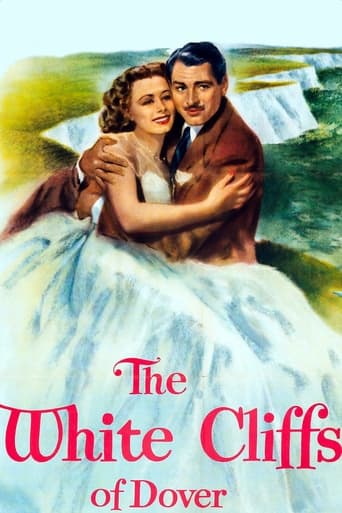 6.7
6.7American Susan travels with her father to England for a vacation. Invited to a society ball, Susan meets Sir John Ashwood and marries him after a whirlwind romance. However, she never quite adjusts to life as a new member of the British gentry. At the outbreak of World War I, John is sent to the trenches and never returns. When her son goes off to fight in World War II, Susan fears the same tragic fate may befall him too.
The White Cliffs of Dover
1944
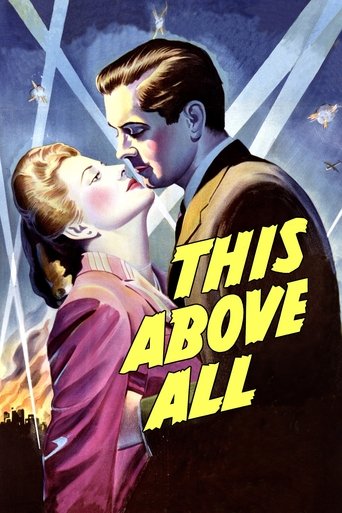 6.8
6.8In 1940 England, aristocratic Prudence Cathaway alarms her snobbish parents by joining the WAF service branch. She soon meets and falls in love with the brooding Clive Briggs, despite his prejudice against the upper classes, and agrees to spend a week with him at a Dover hotel. When Clive's soldier friend, Monty, arrives to retrieve him, Prudence learns that Clive went AWOL after Dunkirk, and urges him to recall why England must fight the war.
This Above All
1942
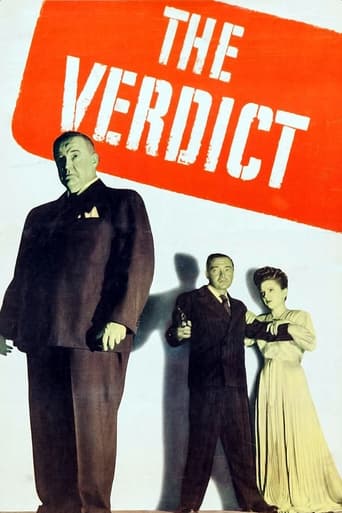 6.5
6.5After an innocent man is executed in a case he was responsible for, a Scotland Yard superintendent finds himself investigating the murder of his key witness.
The Verdict
1946
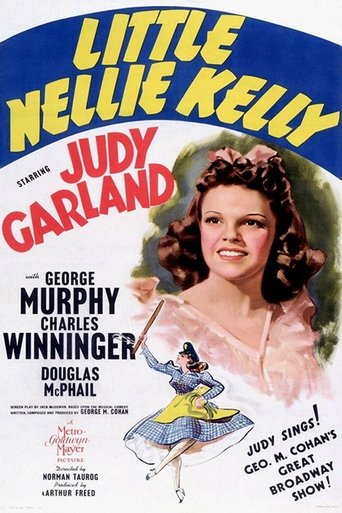 6.8
6.8Nellie Kelly, the daughter of Irish immigrants, patches up differences between her father and maternal grandfather while rising to the top on Broadway.
Little Nellie Kelly
1940
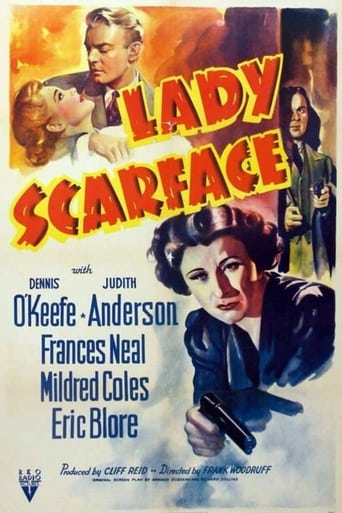 5.4
5.4A Chicago gang led by Slade carries out an audacious brokerage robbery. Lieutenant Bill Mason takes the case, continuing his friendly-enemy relationship with crime reporter Ann Rogers. One gang member is caught; eventually, others follow. But Mason hasn't a clue to Slade, principally because he's unaware she's a woman.
Lady Scarface
1941
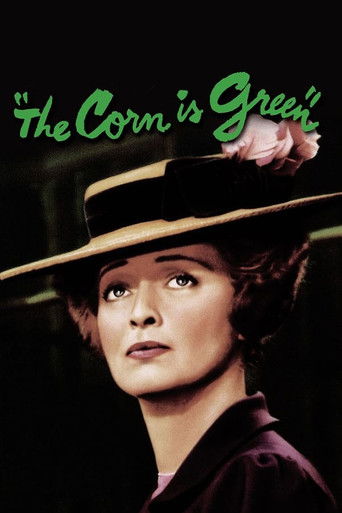 7.2
7.2When a teacher reads an essay written by Morgan Evans, one of the boys, moved by his rough poetry she decides to hold classes in her house and believes that Morgan is smart enough to attend Oxford.
The Corn Is Green
1945
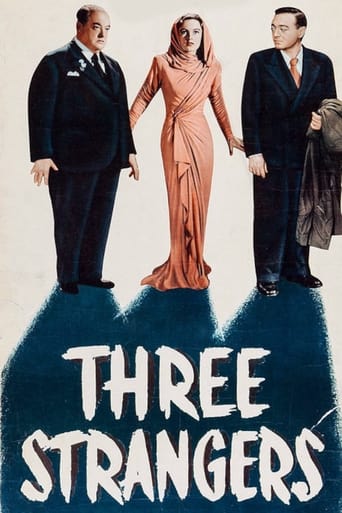 6.4
6.4On the eve of the Chinese New Year, three strangers, Crystal Shackleford, married to a wealthy philanderer; Jerome Artbutny, an outwardly respectable judge; and Johnny West, a seedy sneak thief, make a pact before a small statue of the Chinese goddess of Destiny. The threesome agree to purchase a sweepstakes ticket and share whatever winnings might accrue.
Three Strangers
1946
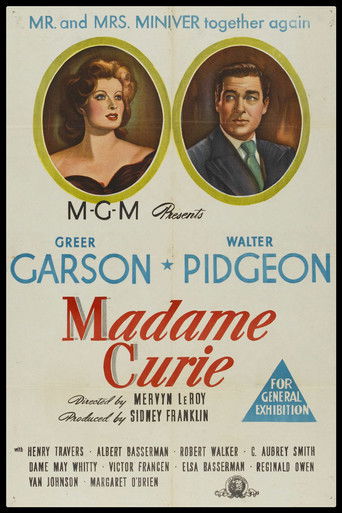 7.2
7.2Poor physics student Marie is studying at the Sorbonne in 1890s Paris. One of the few women studying in her field, Marie encounters skepticism concerning her abilities, but is eventually offered a research placement in Pierre Curie's lab. The scientists soon fall in love and embark on a shared quest to extract, from a particular type of rock, a new chemical element they have named radium. However, their research puts them on the brink of professional failure.
Madame Curie
1943
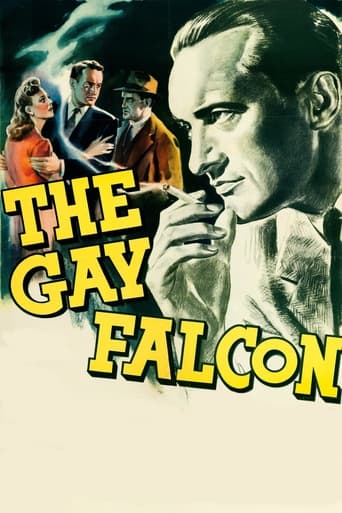 6.3
6.3Having forsaken the detective business for the safer confines of personal insurance, Gay Laurence is compelled to return to his sleuthing ways. Along with sidekick Jonathan "Goldie" Locke, he agrees to look into a series of home party robberies that have victimized socialite Maxine Wood. The duo gets more than they bargained for when a murder is committed at Wood's home, but Lawrence still finds time to romance the damsel.
The Gay Falcon
1941
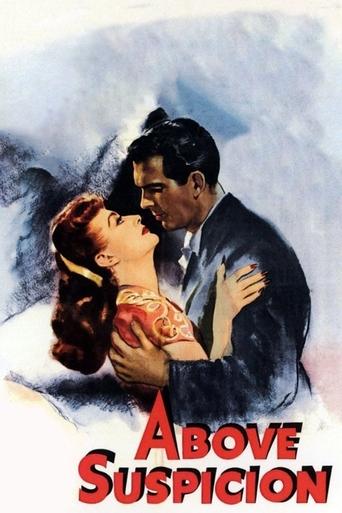 6.2
6.2Two newlyweds spy on the Nazis for the British Secret Service during their honeymoon in Europe.
Above Suspicion
1943
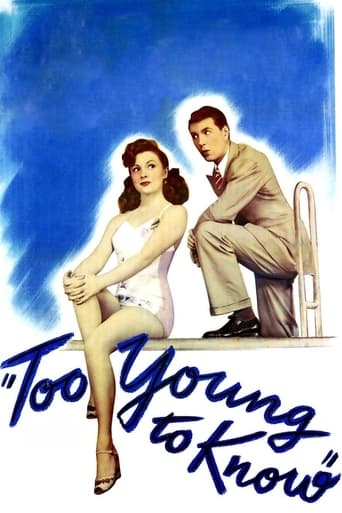 7.0
7.0A returning GI searches for the wife who left him and gave away their son.
Too Young to Know
1945
 6.0
6.0This Crime Does Not Pay entry focuses on fake spiritualists. A mother is worried about her son, who is missing in action. Over time, she gives a con man all of the family savings to find reassurance that her son is all right. When she can no longer pay, events take a tragic turn.
Phantoms, Inc.
1945
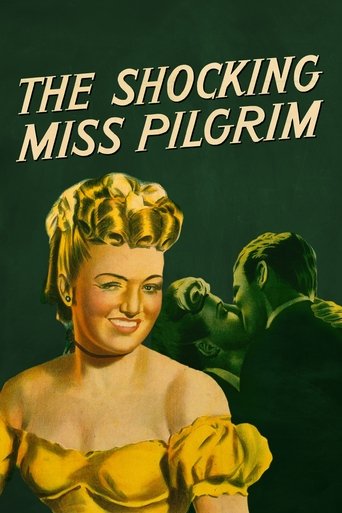 8.8
8.8In the late 1800s, Miss Pilgrim, a young stenographer, or typewriter, becomes the first female employee at a Boston shipping office. Although the men object to her at first, she soon charms them all, especially the handsome young head of the company. Their romance gets sidetracked when she becomes involved in the Women's Suffrage movement.
The Shocking Miss Pilgrim
1947
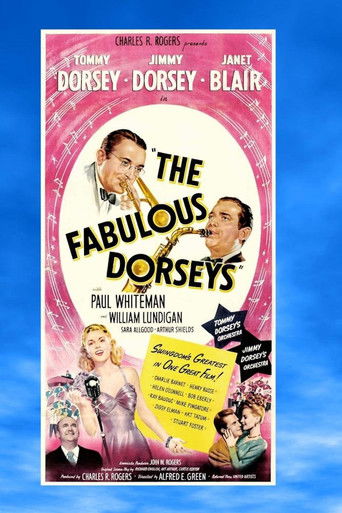 5.8
5.8The story of Tommy and Jimmy Dorsey from their boyhood in Pennsylvania through their rise, their breakup, and their personal reunion.
The Fabulous Dorseys
1947
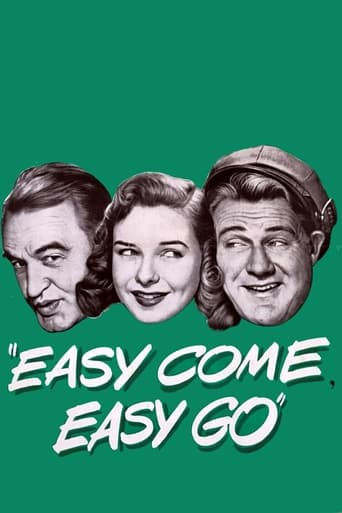 7.0
7.0Comedy about an Irish father, who enjoys betting on horses, who keeps interfering with his daughter's romance with a serviceman.
Easy Come, Easy Go
1947
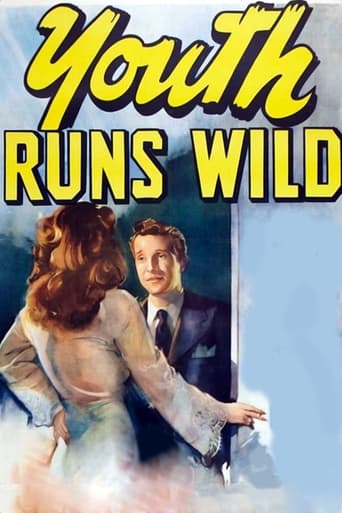 4.5
4.5The teens of a defense-plant town hop on the road to juvenile delinquency while their parents are busy with the war.
Youth Runs Wild
1944
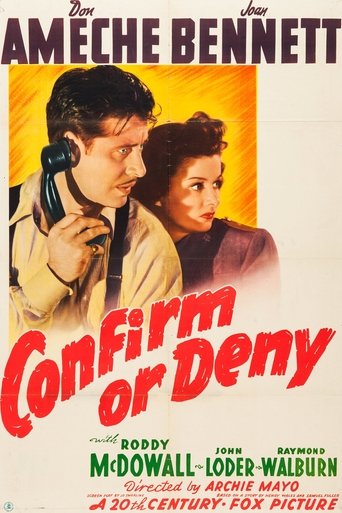 4.8
4.8Newsman Mitch and teletype operator Jennifer, whose job is to see he doesn't send inappropriate stuff out of the country, dodge bombs during the blitz of London while falling in love.
Confirm or Deny
1941
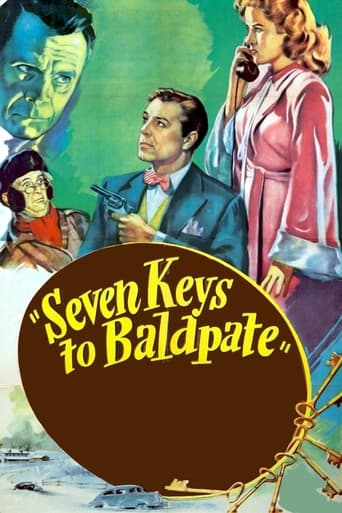 6.7
6.7Writer Kenneth Magee has bet that he can finish a story at rural resort Baldpate Inn, now closed for the winter. The owner has given him the "only" key to the front door. But there are six other keys, and peculiar characters, some of them up to no good, keep turning up as the mystery deepens.
Seven Keys to Baldpate
1947
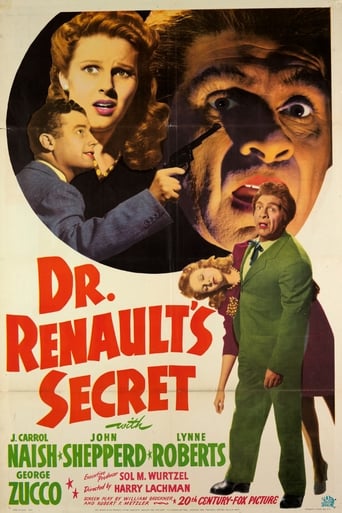 5.5
5.5A remake of the 1927 horror film "The Wizard". Dr. Larry Forbes arrives in a remote French village to visit his fiancée who lives with her scientist father Dr. Renault and his Ape-like manservant Noel. Several Murders coincide with Dr. Forbes arrival, with clues pointing in multiple directions.
Dr. Renault's Secret
1942
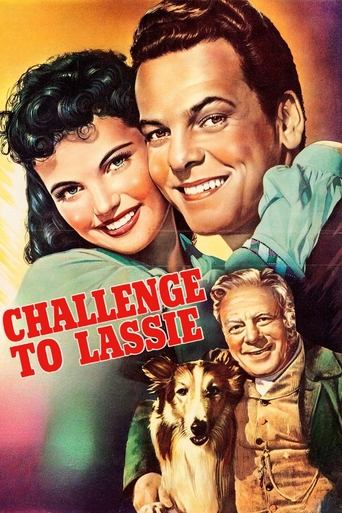 6.0
6.0When Lassie's master dies, an old friend tries to convince a judge that the dog's life should be spared.
Challenge to Lassie
1949
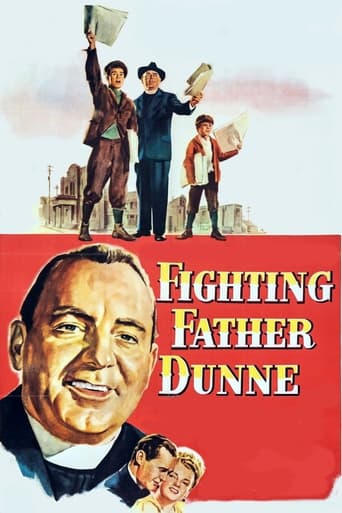 7.5
7.5A dedicated priest tries to reform a group of homeless boys in turn-of-the-century St. Louis.
Fighting Father Dunne
1948
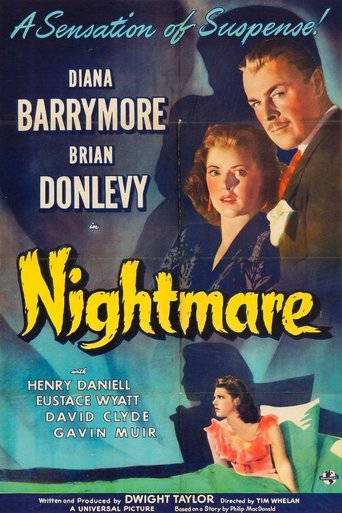 6.5
6.5An ex-gambler helps a beautiful widow, and becomes involved with a murder, secret agents, and saboteurs.
Nightmare
1942
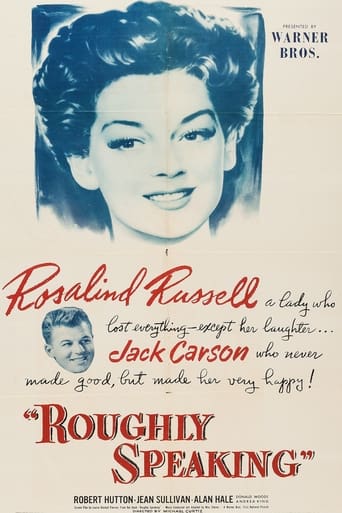 6.8
6.8In the 1920s, enterprising Louise Randall is determined to succeed in a man's world. Despite numerous setbacks, she always picks herself back up and moves forward again.
Roughly Speaking
1945
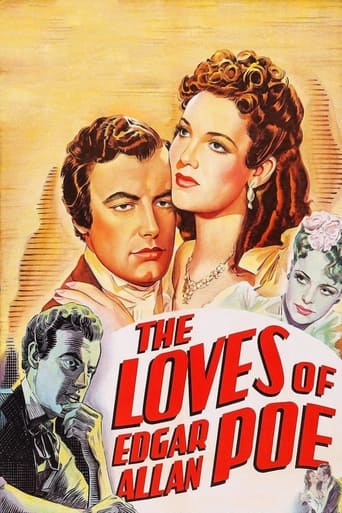 6.1
6.1Biography of Edgar Allan Poe and the women in his life.
The Loves of Edgar Allan Poe
1942
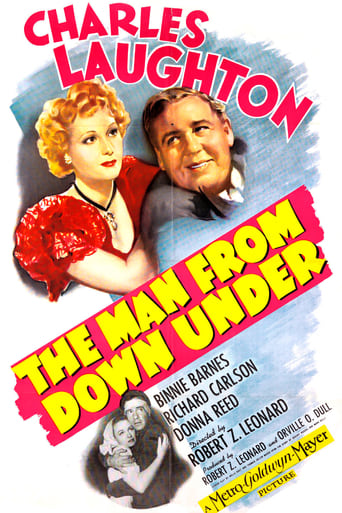 7.0
7.0An Australian blowhard raises two orphaned children as his own in the years leading up to WWII.
The Man from Down Under
1943
1930s · 3 titles
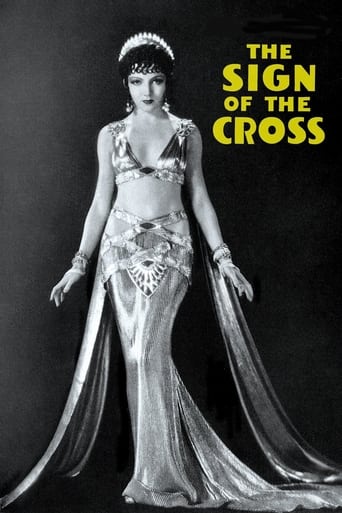 6.4
6.4A Roman soldier becomes torn between his love for a Christian woman and his loyalty to Emperor Nero.
The Sign of the Cross
1932
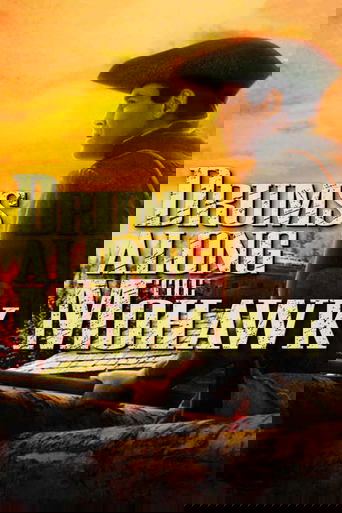 6.5
6.5Albany, New York, 1776. After marrying, Gil and Lana travel north to settle on a small farm in the Mohawk River Valley, but soon their growing prosperity and happiness are threatened by the sinister sound of drums that announce dark times of revolution and war.
Drums Along the Mohawk
1939
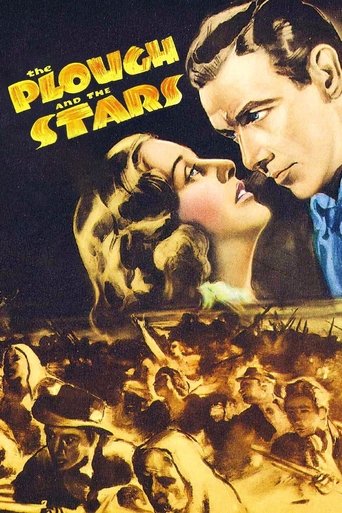 5.7
5.7A husband clashes with his wife over his membership to the Irish citizen army during the Easter rebellion.
The Plough and the Stars
1936
Series credits
7.7The cases of master criminal defense attorney Perry Mason and his staff who handled the most difficult of cases in the aid of the innocent.
Perry Mason
1957
7.5The High-Sierra adventures of Ben Cartwright and his sons as they run and defend their ranch while helping the surrounding community.
Bonanza
1959
6.6The series initially starred veteran movie supporting actor Ward Bond as the wagon master, later replaced upon his death by John McIntire, and Robert Horton as the scout, subsequently replaced by lookalike Robert Fuller a year after Horton had decided to leave the series. The series was inspired by the 1950 film Wagon Master directed by John Ford and starring Ben Johnson, Harry Carey Jr. and Ward Bond, and harkens back to the early widescreen wagon train epic The Big Trail starring John Wayne and featuring Bond in his first major screen appearance playing a supporting role. Horton's buckskin outfit as the scout in the first season of the television series resembles Wayne's, who also played the wagon train's scout in the earlier film.
Wagon Train
1957
7.0The Maverick boys - Bret, Bart, Beau and Brent - are a clan of well-dressed dandies, gamblers who'd much rather make their money playing cards than messing up their fine clothing with actual work. Sly and clever, none of the Mavericks are much for acts of derring do, but they can be courageous when the situation calls for it. Most often, however, they live by their wits and considerable charm.
Maverick
1957
6.2Dick Powell's Zane Grey Theatre, sometimes simply called Zane Grey Theatre, is an American Western anthology series which ran on CBS from 1956 to 1961.
Dick Powell's Zane Grey Theatre
1956
7.3The tale of trail boss Gil Favor and his trusty foreman Rowdy Yates as they drives cattle across the old west. Along the way they meet up with adventure and drama.
Rawhide
1959
7.3The tale of trail boss Gil Favor and his trusty foreman Rowdy Yates as they drives cattle across the old west. Along the way they meet up with adventure and drama.
Rawhide
1959
 5.7
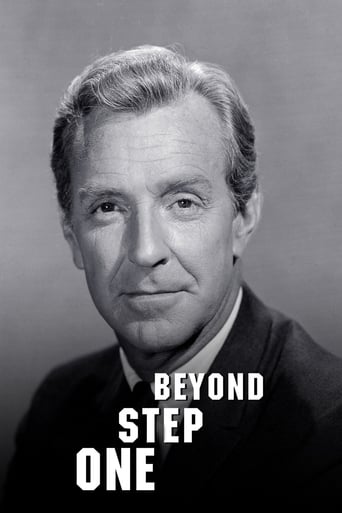
5.7Alcoa Presents: One Step Beyond is an American anthology series that dramatized purportedly real-life supernatural and paranormal experiences. The series was hosted by John Newland and ran for three seasons on ABC from January 1959 to July 1961.
One Step Beyond
1959
 6.4
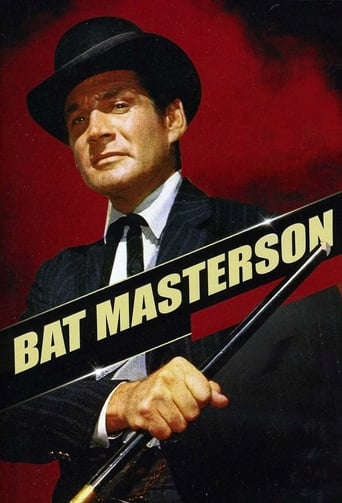
6.4Bat Masterson is an American Western television series which showed a fictionalized account of the life of real-life marshal/gambler/dandy Bat Masterson. The title character was played by Gene Barry and the half-hour black-and-white shows ran on NBC from 1958 to 1961. The series was produced by Ziv Television Productions, the company responsible for such hit series as Sea Hunt and Highway Patrol.
Bat Masterson
1958
 7.0
7.0Omnibus is an American, commercially sponsored, educational television series.
Omnibus
1952
 7.8
7.8Kraft Television Theater is an American, well-received anthology series presenting live television dramas.
Kraft Television Theatre
1947
 6.7
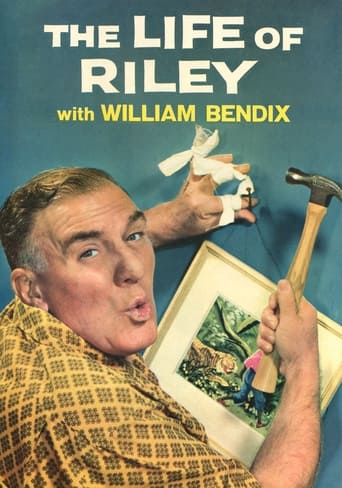
6.7Riley worked in an aircraft plant in California, but viewers usually saw him at home, cheerfully disrupting life with his malapropisms and ill timed intervention into minor problems.
The Life Of Riley
1953
 5.8
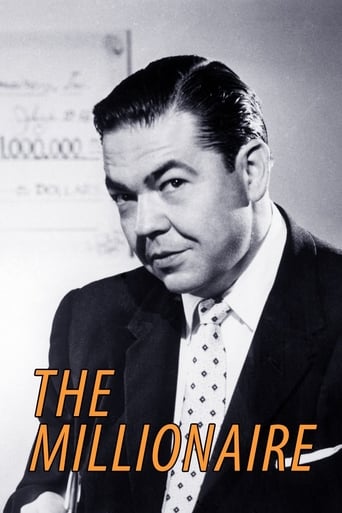
5.8An anthology series that explored the ways sudden and unexpected wealth changed life for better or for worse. It told the stories of people who were given one million dollars from a benefactor who insisted they never know him, with one exception.
The Millionaire
1955
 6.7
6.7Lux Video Theatre is an American anthology series that was produced from 1950 until 1959. The series presented both comedy and drama in original teleplays, as well as abridged adaptations of films and plays.
Lux Video Theatre
1950
6.7Lux Video Theatre is an American anthology series that was produced from 1950 until 1959. The series presented both comedy and drama in original teleplays, as well as abridged adaptations of films and plays.
Lux Video Theatre
1950
 8.0
8.0This syndicated anthology series staged a different play every week covering all genres, dramas, comedies, musicals, fantasies, mysteries, et al, utilizing some of the best talent appearing on Broadway.
Play of the Week
1959
 6.8
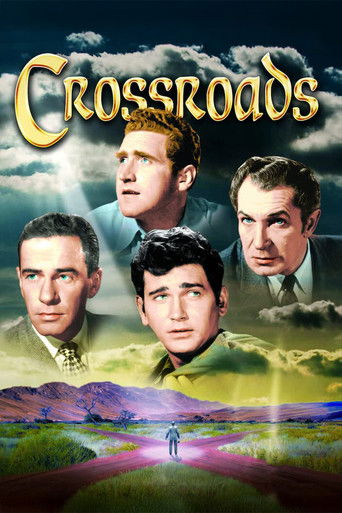
6.8An anthology series based on the activities of clergymen from different denominations.
Crossroads
1955
 8.8
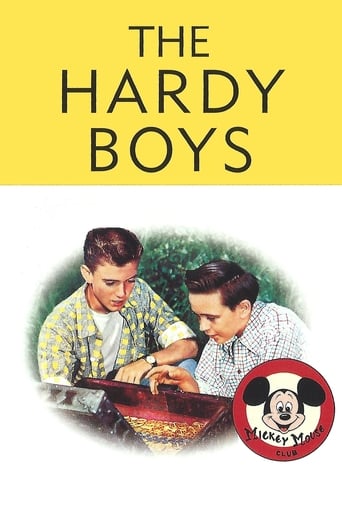
8.8The sons of the great detective Fenton Hardy, Frank and Joe are eager to impress their father with their mystery solving skills.
The Hardy Boys
1956
Your Show Time is an American anthology drama series that debuted as a midseason replacement on NBC Television in January 1949. Hosted and narrated by Arthur Shields, the series ran until July 1949.
Your Show Time
1949