
Acting
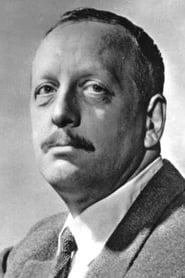
Erwin Geschonneck
Born — Died
1906-12-27 — 2008-03-12
Place of birth
Bartoszyce, Poland
Known for
Acting
Credits
66 titles
From Wikipedia, the free encyclopedia. Erwin Geschonneck (December 27, 1906 – March 12, 2008) was a German actor. His biggest success occurred in the German Democratic Republic, where he was considered one of the most famous actors of the time. Description above from the Wikipedia article Erwin Geschonneck, licensed under CC-BY-SA, full list of contributors on Wikipedia.
Known for
 6.2
6.2Polizeiruf 110 is a long-running German language detective television series. The first episode was broadcast 27 June 1971 in the German Democratic Republic, and after the dissolution of Fernsehen der DDR the series was picked up by ARD. It was originally created as a counterpart to the West German series Tatort, and quickly became a public favorite.
Polizeiruf 110
1971
No synopsis available yet.
Goldene Henne
1995
 9.0
9.0"The Century of the Theater" - From the "birth of the director" to the "heroes of modernity" - an overview of the world of theater - illuminates the interaction with the history of the past hundred years is also shown.
Das Jahrhundert des Theaters
2002
 9.0
9.0Little Matti and his friends are restoring the old abandoned fire truck .
We Buy a Fire Truck
1970
 5.8
5.8In the 16th century, as Flanders is invaded by the Spanish, Till the Mischievous uses stratagems to enter the service of Ferdinand Alvare de Toledo, Duke of Alba, and from there organize resistance against the invaders.
Bold Adventure
1956
 6.9
6.9A car tells its story and the story of its seven owners during the years of the Third Reich.
In Those Days
1947
Film credits
1990s · 2 titles
No synopsis available yet.
Matulla und Busch
1995
 8.0
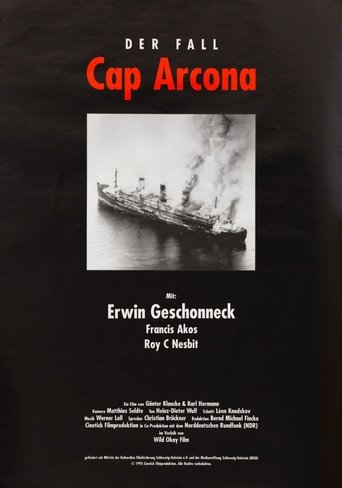
8.0On May 3, 1945, with Hitler already dead and Hamburg and Berlin having surrendered, the Royal Air Force launched its last major air raid. The target was a collection of ships in the Bay of Kiel and Lübeck. The largest ships, the floating concentration camp transports Cap Arcone and Thielbeck, were targeted by the bombers and low-flying aircraft: this horrific mistake cost the lives of over 700 prisoners - the greatest maritime disaster of all time. The film returns to the sites of the events, to Neuengamme, where the prisoners were previously interned, to Lübeck, where they were embarked, to Neustadt, where they were crammed onto the Cap Arcona. The prehistory of the last great luxury liner is reconstructed, the launching, the voyage of the Queen of the South Atlantic, as the most important extra in the UFA production: The Sinking of the Titanic.
The Cap Arcona Case
1996
1980s · 9 titles
 5.3
5.3Grandpa Lörke is preparing for a contemplative, quiet Christmas Eve. But nothing comes of it, because his daughter Anne informs him that his 17-year-old granddaughter has disappeared.
Like Father, Like Son
1987
 9.0
9.0In a small village in West Prussia in the 1870s, Germans, Poles, Gypsies and Jews live together as neighbors. One night Johann, a German mill-owner, secretly opens the dam gates and floods the mill of his Jewish rival Levin. After his business is ruined and his calls for justice go unanswered, Levin leaves town.
Levin's Mill
1980
 9.0
9.01982: East German actor Erwin Gregorek travels to Hamburg to shoot screen tests for a film about the sinking of the ocean-liner Cap Arcona in 1945 - a catastrophe he himself survived as a concentration camp prisoner.
Der Mann von der Cap Arcona
1982
 7.5
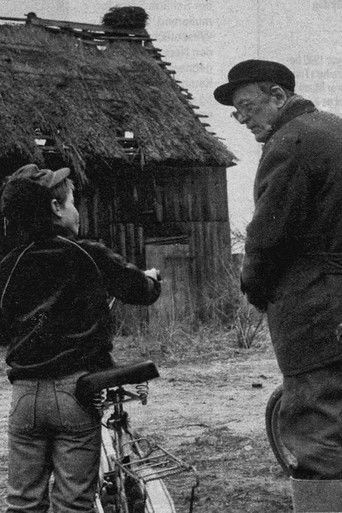
7.5In the village of Medela, the village elder Fritz Schmal is buried with great sympathy. Beforehand, Till goes with his father to his property to check on the stork on its new nest. When they join the funeral procession afterwards, the stork has just returned from Africa and joins her husband on the nest. So it comes as Grandad Schmal had predicted. The following flashback shows how it all began.
A Wigwam For The Storks
1985
 3.0
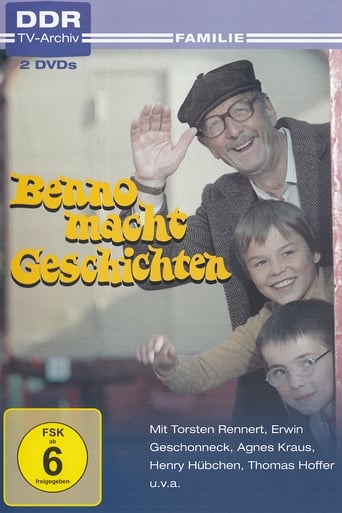
3.0Benno (Torsten Rennert), a bright boy from Berlin, is not really a problem case, although his parents have enough trouble with him. But that's not just because of Benno, but because no one really has time for him. During a train ride, he meets a pensioner Oskar Schrader (Erwin Geschonneck), who likes to cook, collect watches, master magic tricks and who lives in the middle of nature. Between them they develop a real friendship. Benno is allowed to spend his school holidays with his friend. The grumpy Oskar lives alone in a garden colony - with friendly and unfriendly neighbors. Benno enjoys playing tricks with his buddy Mutz (Thomas Hoffer) on this neighborhood including the cranky animal lover Irma Kalweit (Agnes Krause) and the rude daredevil Ralf Klotz (Henry Hübchen).
Benno Makes Stories
1982
 8.0
8.0Survivors of the concentration camp Dachau are recounting their limited cultural activities they had access to due to smuggling.
Goethe in D. oder Die Blutnacht auf dem Schreckenstein oder Wie Erwin Geschonneck eine Hauptrolle spielt
1985
 7.0
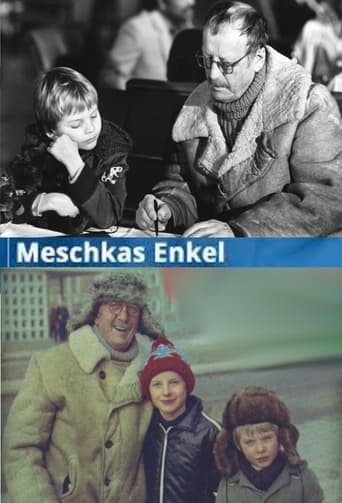
7.0Eight-year-old Christian lives with his grandparents after the death of his mother. When his grandmother falls ill, grandfather Meschka wants to take the boy to live with his aunt at the Baltic Sea. But Christian is against it. On the trip, the two develop a new relationship that changes everything.
Meschkas Enkel
1981
 9.0
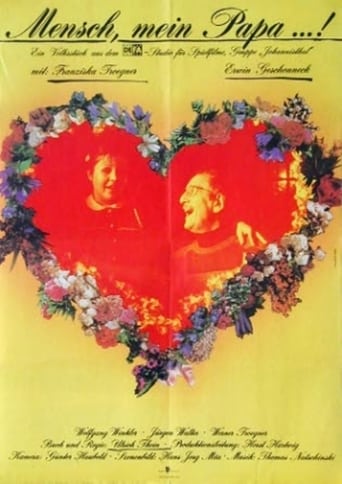
9.0Pensioner Erich Zarling loves two things: his daughter Ulrike and his dog sports club, of which he is chairman. But this position is in danger, so he wants to make himself indispensable with a daring move: He wants to build a sports clubhouse. He has come up with a curious idea to raise the funds: the sale of thirty state-owned trees from Berlin's Puschkinallee. His daughter Ulrike, who loves to sing and dance, is a chambermaid at the "Stadt Berlin" hotel. And against her father's wishes, she dreams of the boards that mean the world. A guest, the pop singer Balter, hires her as a replacement for his absent partner at the "Night of the Celebrities". He promises her more, but disappoints her. Father Zarling comforts her and they sing the "Rose Song" together in his tricked-out sportsman's home.
Mensch, mein Papa...!
1988
 10.0
10.0Old Otto Gratzick is a porter at DEFA and a great admirer of Asta Nielsen. When the famous actor Hermann Gschwindner dies shortly before the end of his film, the director is looking for a double for the final scenes and discovers Otto in the movie theater, who has just been moved by Asta again. Otto takes on the task. He also places a marriage advertisement looking for a woman who resembles Asta. The first date with Astrid, who does indeed look like Asta, is a flop. Otto falls asleep. He tries again with her - as Hermann Gschwindner - and is successful. He is recognized in a hotel bar and asked to perform a song. Everyone, including Astrid, is entranced. After a few complications, his real identity is revealed - Astrid had also done a lot of work to look like Asta.
Asta, mein Engelchen
1981
1970s · 19 titles
9.0Little Matti and his friends are restoring the old abandoned fire truck .
We Buy a Fire Truck
1970
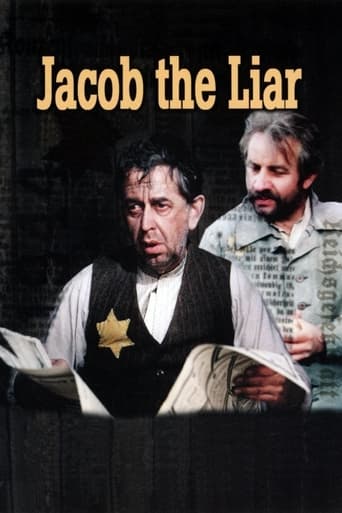 6.9
6.9A Jewish ghetto in the east of Europe, 1944. By coincidence, Jakob Heym eavesdrops on a German radio broadcast announcing the Soviet Army is making slow by steady progress towards central Europe. In order to keep his companion in misfortune, Mischa, from risking his life for a few potatoes, he tells him what he heard and announces that he is in possession of a radio - in the ghetto a crime punishable by death. It doesn't take long for word of Jakob's secret to spread - suddenly, there is new hope and something to live for - and so Jakob finds himself in the uncomforting position of having to come up with more and more stories.
Jacob the Liar
1974
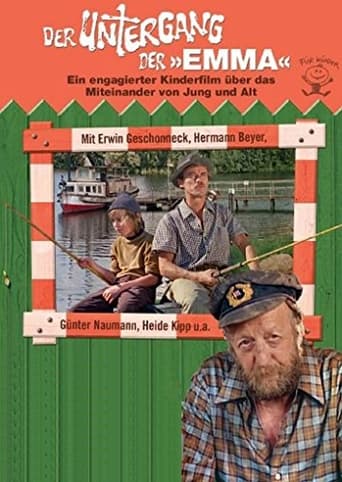 6.4
6.4A funny adventures of a two young boys who are trying to rebuild the ship called "Emma" for their friend - the old captain.
The Sinking of Emma
1974
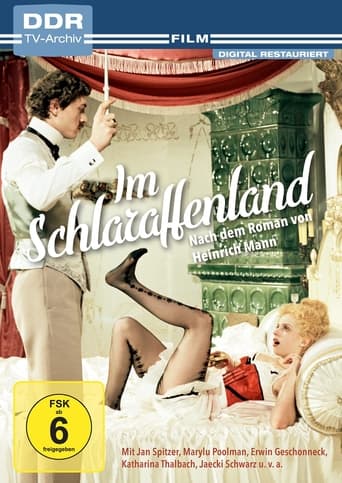 7.0
7.0Who hasn't dreamed the sweet dream of the land of milk and honey, where roast pigeons fly into your mouth? But even the fairy tale makes it clear that such effortless indulgence is unhealthy because it makes you unproductive and unfit for life. Heinrich Mann discovers the land of milk and honey not behind a wall of semolina in a somewhere and sometime, but in the salon of the banker James Louis Türckheimer, who is bursting with money at a time of transition from the 19th to the 20th century. A first address for very different people who want to partake of its splendor...
Im Schlaraffenland
1975
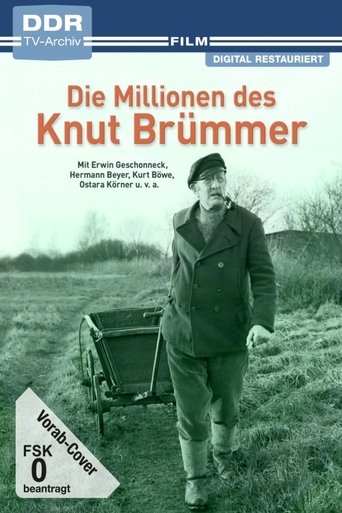 NR
NRNo synopsis available yet.
Die Millionen des Knut Brümmer
1977
 3.7
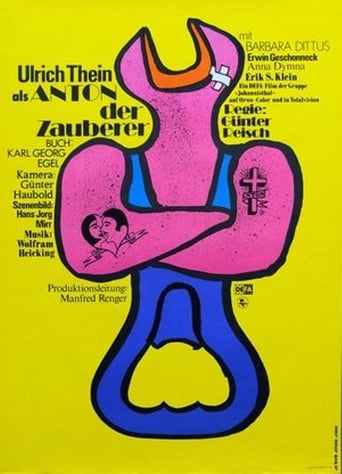
3.7A flamboyant comedy about love, work and money—revealing that the "planned" economy produced some unconventional entrepreneurial methods.
Anton the Magician
1978
 NR
NRNo synopsis available yet.
Ein altes Modell
1976
 8.0
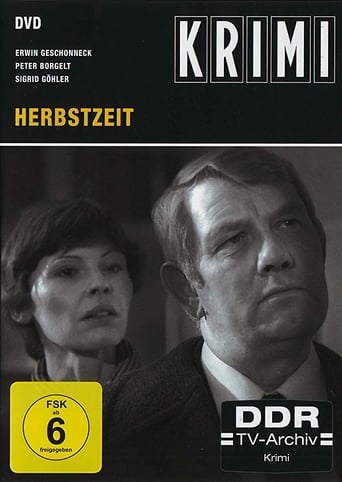
8.0A retired head cashier, lonely after the death of his wife, lives in the hope of being able to move in with his son and his family after the latter builds a house. The son does not want to destroy his father's dream and conceals the fact that the family will not have enough money to build a house in the foreseeable future. When the father realizes this, he reaches into the cash register of his former company in desperation.
Herbstzeit
1979
 4.9
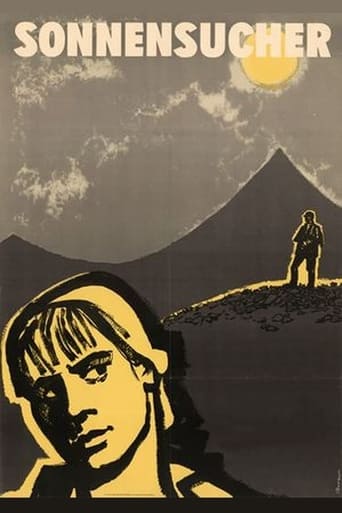
4.9A socialist story of "atoms for peace" and compulsory labor in an East German uranium mine under Soviet control.
Sun Seekers
1972
 7.3
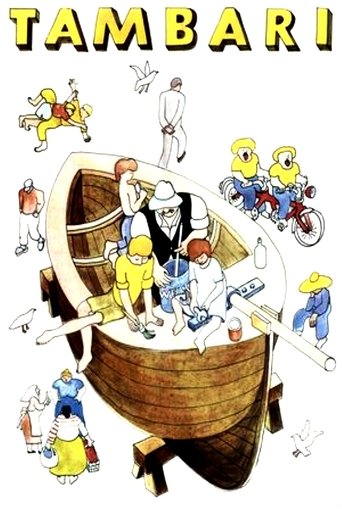
7.3Tambari - it's a name of an old boat which children of a small village on a Baltic sea shore got from an old fisherman Luden. But not all the village adults were ready to approve it...
Tambari
1977
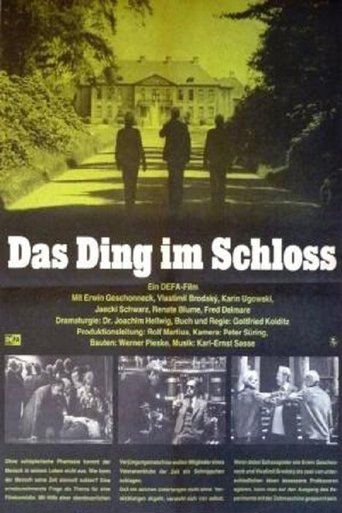 7.5
7.5A senior professor is kidnapped in the park by residents of a veterans home. Once there, he is asked to invent a "rejuvenating machine" to restore their youth.
The Thing in the Castle
1979
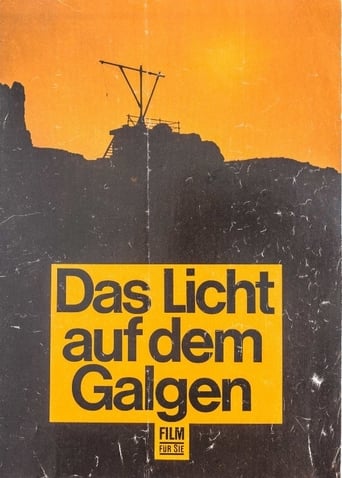 6.5
6.5Europe in 1793. For years, England and France have been at war with each other. Now, France sends three men to the British colony of Jamaica to organize a slave revolt. The envoys are Debuisson, the grandson of a Jamaican rum manufacturer, who knows the island very well, his old friend Sasportas, and the sailor Galloudec. After having established contact with the fragmented rebel groups, they receive the surprising news of Napoleon′s takeover in France. Whereas Debuisson, who by now has gotten used to his role as a rich heir, wants to wait for new instructions from home, his companions are determined to press ahead with the revolt. When a slave kills a British guard, the situation escalates.
The Light on the Gallows
1976
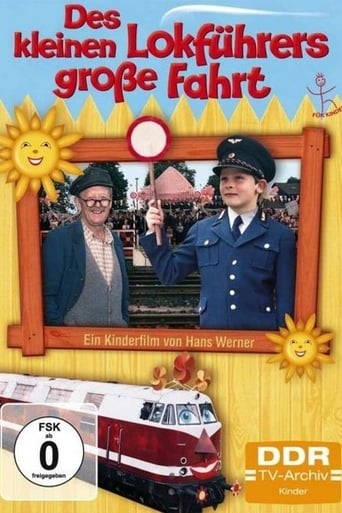 9.0
9.0Six years old Dirk wants to be a train driver, just like his grandfather. He is seriously impressed with all of the exciting rides through the desert and the mountains, of which the old man told. If you want to bulk, you must start small. So Dirk goes every day to the railway embankment and “monitored” the track. But his friends doubt that his grandpa all of these adventures has also experienced really and that Dirk is riding on a real locomotive. He is unsure of. However, the concerns dissipate quickly, as he goes with the grandfather on a long journey.
The Big Ride of a Little Train Driver
1978
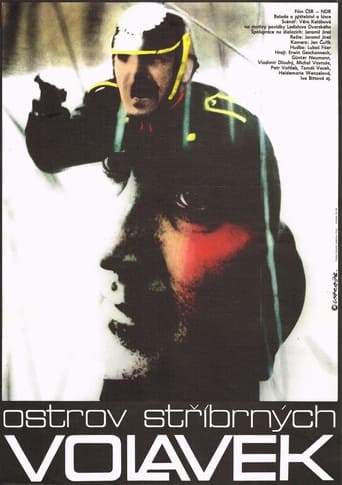 7.0
7.0The late summer of 1918. Paul, Willi and Heinrich from an age-old German town are good friends, although there is a great deal that divides them. Heinrich comes from an officer's family with an army tradition and is preparing to enter cadet college. Paul's father and grandfather are workers, and Willi, left to depend on himself, works as a hotel messenger. The last year of the war is hard for everyone, but while Paul and Willi know their own minds and do not hesitate to help the war fugitives Tony and Sepp, for Heinrich everything is more complicated.
The Island of the Silver Herons
1977
 10.0
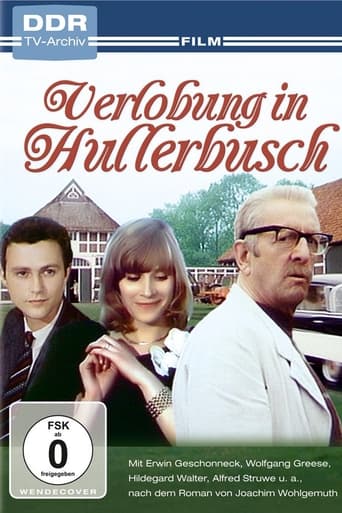
10.0In 1960, farmer Walter Wagemühl learns from the West that his life is coming to an end. In order to pass the farm into loyal hands, he sends his adopted daughter Catharina to the East to marry his prudent nephew Ewald. The surprising request puts him in a huge quandary. He is about to take his final exams and the university officials have earmarked an academic career for him. But Ewald wants nothing more than to become chairman of the socialist cooperative in Hullerbusch. And now this too...
Verlobung in Hullerbusch
1979
 5.0
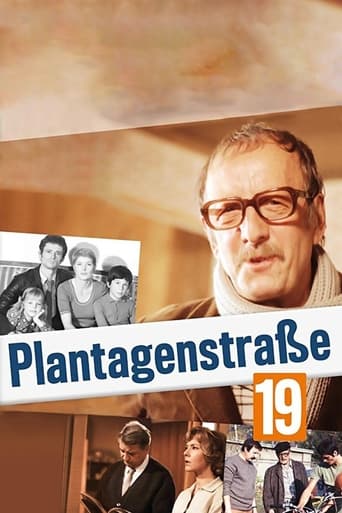
5.0Normal everyday life in an apartment building on Plantagenstraße in East Berlin is disrupted when a truck pulls up with the new tenants' furniture. And they include two small children - now, of all times, when old Matuschke's wife has just died and consideration should actually be shown for the widower. Even worse for Mrs. Tillack, however, is the fact that the entire male world seems to be after her 16-year-old daughter Katrin.
Plantagenstraße 19
1979
 10.0
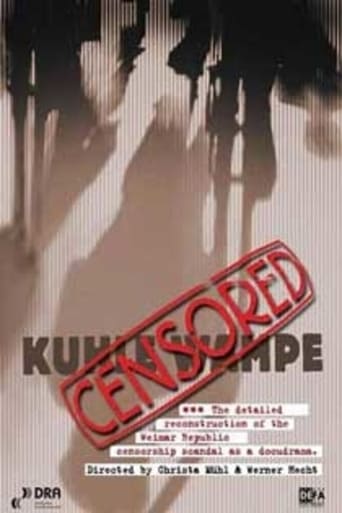
10.0A detailed reconstruction of the censorship case against the landmark Weimar-era communist film, Kuhle Wampe, or Who Owns the World? (1932). Directed by Slatan Dudow, the crew and cast included left-wing luminaries, such as playwright Bertolt Brecht, composer Hanns Eisler and balladeer Ernst Busch. The film was the subject of vehement disputes and was banned twice for revolutionary and communist tendencies that were perceived to threaten the state. About 230 meters of the original film fell victim to the censor’s shears. This historic censorship case was argued over the course of three sessions. Censored: Kuhle Wampe re-enacts the censorship hearings, based on original minutes and documents, as well as personal records of the case. In addition to footage from the original film, this docudrama includes original clips of Berlin in the 1920s and '30s and short testimonies, filmed in the 1970s, with some of the actors involved in the original Kuhle Wampe film production.
Censored: Kuhle Wampe
1975
 5.0
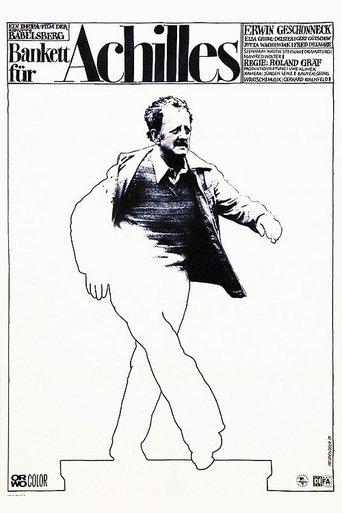
5.0For thirty years, Karl Achilles has been working at the chemical collective in Bitterfeld. But now his last day as a master at the plant has come. He is about to retire; even if Karl, who finds ending his working life difficult, wanted to stay on, it would not be possible. Karl’s colleagues have arranged a farewell dinner for the retiring master at an outdoor restaurant. But on his last day of work, before the farewell dinner, he meets all sorts of people: both colleagues and people, who do not work at the plant. A mosaic of the biography of a person who found fulfilment in his work and now has to look for the meaning of his life anew.
Bankett für Achilles
1975
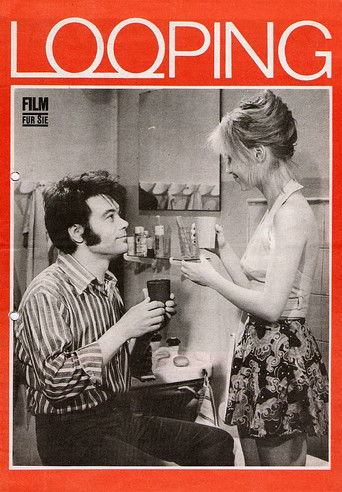 3.3
3.3The thirty year old bee is a daredevil, everything seems to work for him. But suddenly a tragic event tears him out of his carelessness. In the explosion of a carbide furnace in operation, a colleague is killed.
Looping
1975
1960s · 11 titles
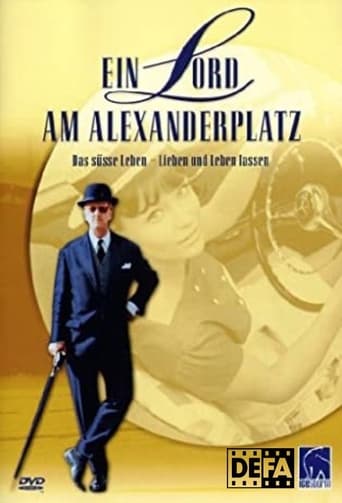 6.6
6.6Ewald Honig can't break his bad habit. Hardly has he crossed over into the GDR when the strapping, well-built man in his late fifties once again starts courting ladies with fraudulent intentions. His daughter Ina, burdened with the same genes, specializes in married men in their prime. Two criminologists are on the Honigs' trail, but they soon have enough to handle just dealing with each other. Meanwhile, Honig and his daughter have left their wayward path of their own accord.
A Lord of Alexander Square
1967
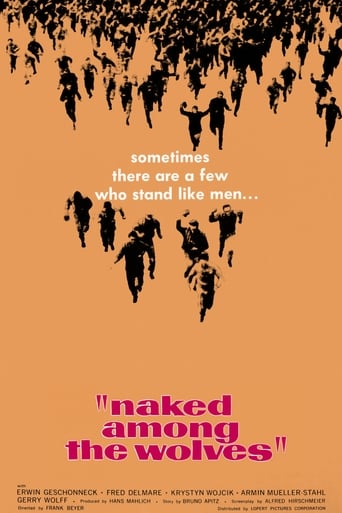 6.3
6.3Based on a true story of inmates at KZ Buchenwald that risked their lives to hide a small Jewish boy shortly before the liberation of the camp.
Naked Among Wolves
1963
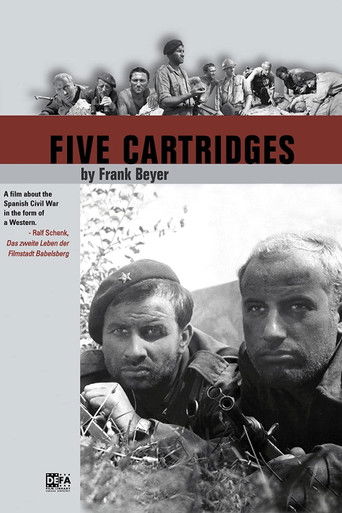 7.6
7.6During the Spanish Civil War (1936-1939), five International Brigade soldiers of different nationalities are given a crucial assignment as their commander lies dying: they are to smuggle top-secret information across enemy lines.
Five Cartridges
1960
Two narrators read the letters of unknown people and tell about the fate of individuals, their work, love and life.
Love-Letters 66
1967
 6.9
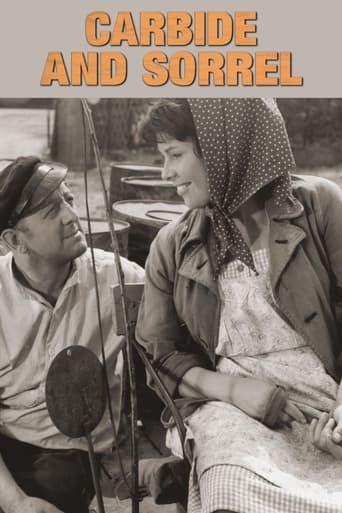
6.9After the second World War, Dresden has a lot of reconstructing to do. To get the cigarette factory he once worked for running again, Kalle has to travel to Wittenberg - the only place where carbide can be found. Once there, Kalle find himself in the unfortunate situation of having to hitchhike his way back to Dresden, transporting seven heavy barrels of carbide. However, his inventiveness and optimistic attitude help transform the grueling task into an adventurous, entertaining, and funny journey.
Carbide and Sorrel
1963
 7.5
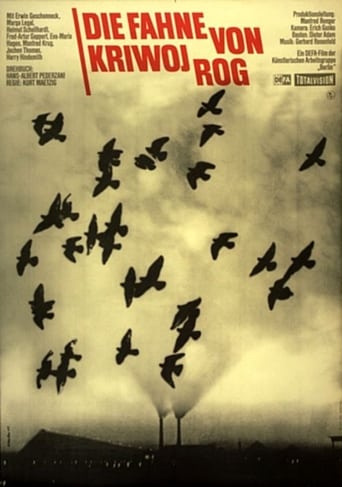
7.5In an act of friendship and solidarity between two mining towns in 1929, the locals of Kryvyi Rih, Ukraine, give their flag as a gift to the locals of Bergstedt, Germany in this GDR propaganda film. This quickly takes on a symbolic meaning for the miners in Bergstedt as the Nazi party demands that this Soviet gesture be erased and the flag be replaced with their own. The miner and communist party functionary Otto Brosowski publicly declares it his duty to defend this flag against every danger, and he keeps his promise despite his family being threatened by torment and torture.
The Banner of Kryvyi Rih
1967
 5.1
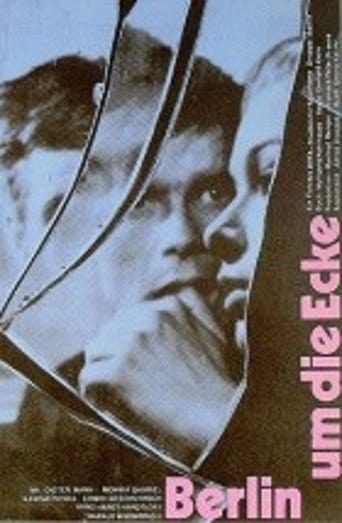
5.1Berlin in the 1960s. Olaf and Horst are two young metalworkers, who provoke their older colleagues with critiques of the antiquated equipment and lack of materials... not to mention their love of leather jackets and motorbikes. Olaf and Horst begin to be targeted in the house newsletter, and the generational conflict escalates.
Berlin Around the Corner
1966
 7.0
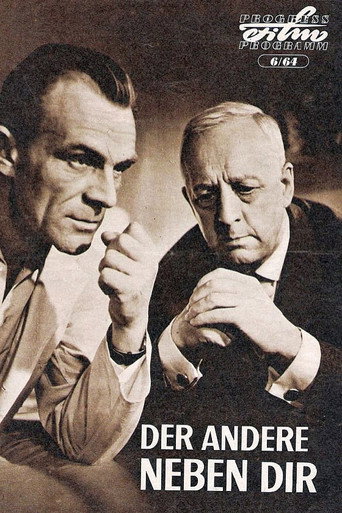
7.0Two doctors, a German and a Czech brain surgeon, meet in a Berlin hospital, unaware of how fatefully they are linked by events from a dark past. A trip to a congress in Prague and an encounter with the wife of his Czech colleague force the German chief surgeon to rethink his previous life. The film deals with the explosive topic of the extent and causes of complicity in the crimes of National Socialism.
Der Andere neben dir
1964
 6.7
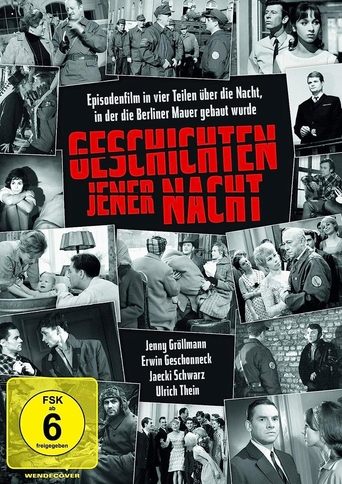
6.7Four directors - four styles - four episodes, all relating the events of a single night which has entered the history books: August 12-13, 1961. There are thousands of complex narratives connected with the frontier drawn through the middle of Berlin, and each episode relates the story of a difficult decision made on that night...
Stories of That Night
1967
 6.0
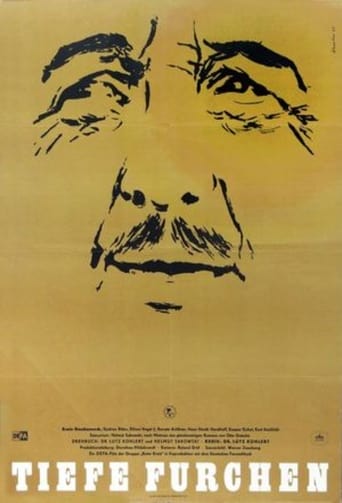
6.0Germany in May 1945: the war is over, men are returning home and a new life begins in the villages. After 12 years in a concentration camp, the "Red Shoemaker" also returns to his home village. His wife is dead and others live in his house: Gebhardt, an employee on the farm of the large farmer Winter, and his family. The "Red Shoemaker" comes to stay with Hübner and his daughter Agnes. Over the past terrible years, he had repeatedly felt the hatred within him and wanted to take revenge on those who had sent him to the concentration camp. But now he wants to look to the future and takes on the position of mayor here in the village. He works to ensure that the village is supplied with food and tries to ensure that the fascist ideology disappears from people's minds. In doing so, he also makes enemies.
Tiefe Furchen
1965
 5.5
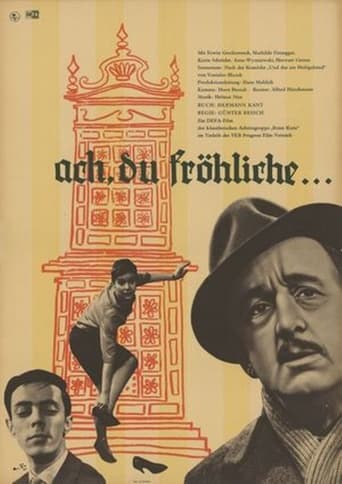
5.5It was supposed to be a cozy Christmas evening with the family. Labor Director Walter Lörke was particularly looking forward to it. But then his daughter Anne surprised him with her future son-in-law Thomas Ostermann. And that's not all: Lörke is to become a grandfather. This doesn't suit him at all, especially as the young man clearly shows his critical attitude towards the state whose ideals Lörke has fought for all his life. An argument ensues - on Christmas Eve. Lörke leaves the apartment in a rage. But he is driven by unrest: He wants to know what kind of person his future son-in-law is and why he has such a negative attitude towards the state. It turns out that Thomas has had bitter experiences with the opportunistic attitudes of many adults and that, although he was the best student in his class, he was not admitted to university because of his critical opinions.
Ach, du fröhliche
1962
1950s · 13 titles
5.8In the 16th century, as Flanders is invaded by the Spanish, Till the Mischievous uses stratagems to enter the service of Ferdinand Alvare de Toledo, Duke of Alba, and from there organize resistance against the invaders.
Bold Adventure
1956
 6.2
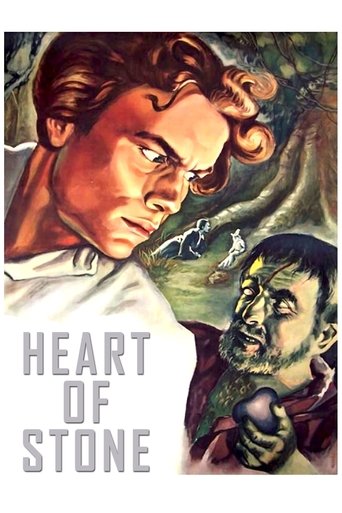
6.2Lavish adaptation of Wilhelm Hauff′s fairy tale: Young charburner Peter Munk dreams of joining the upper class. He makes a deal with the sinister Holländer-Michel, who offers to trade Peter′s human heart for one made of stone. Once he has the "cold heart" in his body, Peter eventually strikes a fortune and enjoys great wealth, but at the same time, he becomes a bitter and emotionless man – and, having lost all traces of humanity, even murders his wife Lisbeth. Only then does Peter Munk finally realize what has become of him, and he decides to regain his real heart from Holländer-Michel.
Heart of Stone
1950
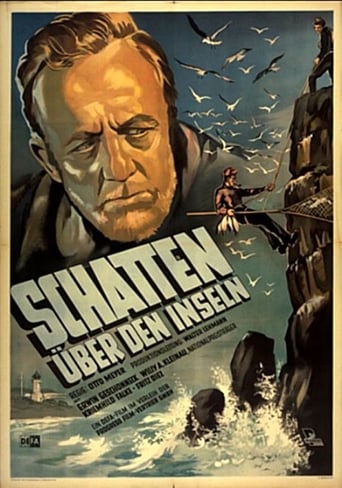 10.0
10.0On the Faroe Islands, people eke out a meagre existence by catching birds. Merchant Brause pays them little and does a good business. This comes under threat when Dr. Sten Horn suspects that the dangerous annual plague, which kills dozens of inhabitants, is transmitted by birds. Brause forces the people to work anyway and conceals the telegram from the Copenhagen research institute that confirms Horn's suspicions. Horn, supported by his cousin Arne, enlightens the islanders and the greedy Brause can only flee.
Schatten über den Inseln
1952
 7.8
7.8Hamburg, Germany 1934: An executioner is needed. Teetjen makes the biggest mistake of his life. Because his butcher shop is facing bankruptcy, he agrees to execute a group of political prisoners for the Nazis. Once this becomes known, Teetjen’s life falls apart.
The Axe of Wandsbek
1951
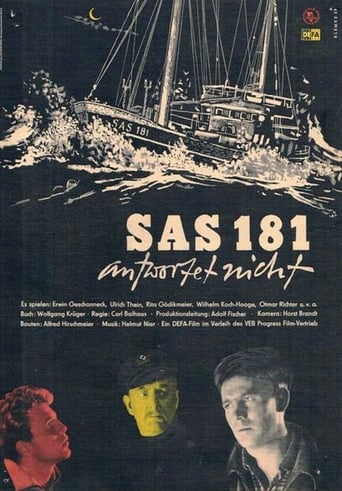 8.0
8.0Kurt, an apprentice in a fish combine, is an ambitious loner. He wants to show what a good sailor he is at a regatta, but fails because of his recklessness and the storm. Disappointed, he seeks affection from the girl Anke, but she loves the apprentice Hannes. During a trip together with Captain Laue, who presents himself as a fatherly friend to Kurt, the boys get into an argument. However, when Laue makes an unscheduled call at Bornholm and Kurt discovers that Laue wants to sell the cutter's catch and equipment and flee, he buries his differences with Hannes. Together and with the help of the old fisherman Jens, the boys rescue the cutter.
SAS 181 antwortet nicht
1959
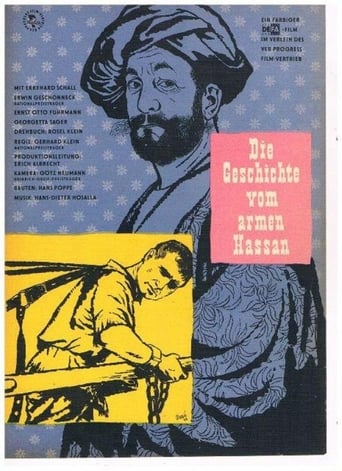 10.0
10.0The land in poor Hassan's Central Asian homeland is stony and lacks water. Every day, he gazes longingly at the well in the garden of the rich merchant Machmud, which is full to the brim. One day, Hassan's parrot sits on the edge of the well and is attacked by Machmud's guard dog. To save his only friend, Hassan has to kill the dog. The cadi then sentences him to take the place of the guard dog, chained up. When a horse is stolen, he also has to do its work. The slave girl Fatima is his only ray of hope. But even she cannot persuade him to flee, as his place seems predestined by Allah. Only an overheard deal between the merchant and the cadi makes Hassan realize that the world order is dictated by the rich.
Die Geschichte vom armen Hassan
1958
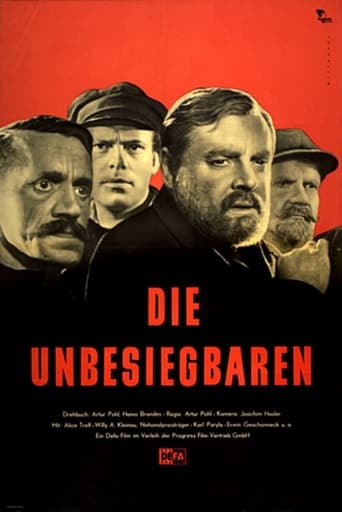 7.2
7.2The film "Die Unbesiegbaren" covers an episode in German history, in which the Bismarck government tried to mitigate the rise of the social-democrat movement.
Die Unbesiegbaren
1953
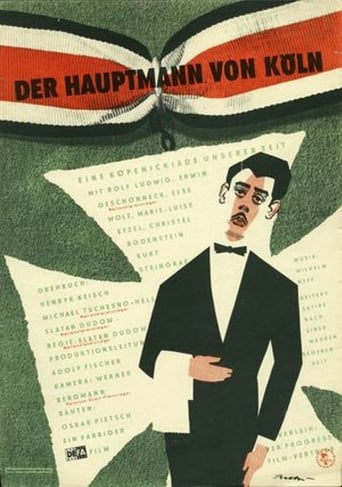 7.1
7.1Albert Hauptmann is an out of work waiter in Cologne who is often confused with a former Captain of the Nazi Army. Albert uses this to his advantage and becomes the Director of the Montan Corporation, and a member of the West German Parliament. Herr Karjanke, the real Captain, learns of Albert’s ruse, and wants to claim his "rightful" position in Parliament. But Karjanke cannot come forward until his politicking "Doppelganger" succeeds in passing an amnesty law for war criminals. When Albert is finally brought before a judge on charges of fraud, he learns that this own amnesty law does not apply to him.
The Captain from Cologne
1956
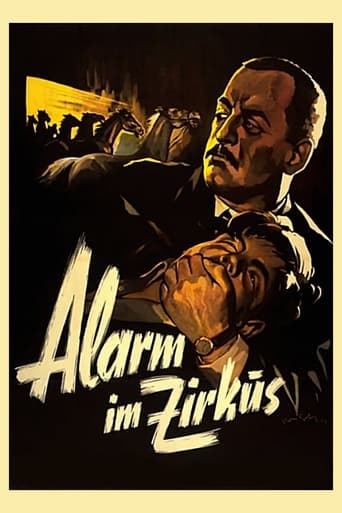 10.0
10.0Two boys from West Berlin, Klaus and Max, live in poverty. They dream of a career in boxing and save every penny in order to buy boxing gloves for training. Nevertheless, they cannot seem to save enough and so they let themselves be hired by the bartender Klott for a twisted scheme. However, Klaus overhears one of Klott's conversations and learns that Klott intends for the boys to steal horses from the East Berlin Barlay Circus, where Klaus recently made some good friends. Indignant, he sets out to stop the robbery—and an adventurous action story results.
Alarm at the Circus
1954
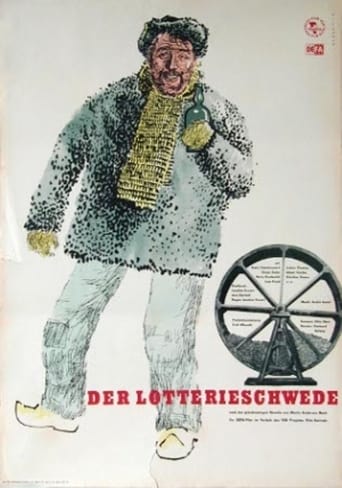 9.0
9.0Bornholm island in 1880, where quarry worker Johan Jönsson lives a miserable life with his wife and children. He hopes to escape his poverty by winning a lottery ticket. But it doesn't bring him any luck. Instead of spending his little money on a doctor to have his sick child treated, he extends the lottery ticket. The child dies and Johan, plagued by remorse, turns to alcohol. After he has gambled away everything, the lottery ticket brings someone else the main prize. Johan commits suicide, but his son Per has realized that gambling is not the way to change the miserable existence of the workers.
Der Lotterieschwede
1958
 8.2
8.2Two young building workers are more interested in girls than their work; complications ensue at home.
Musterknaben
1959
No synopsis available yet.
Katzgraben
1957
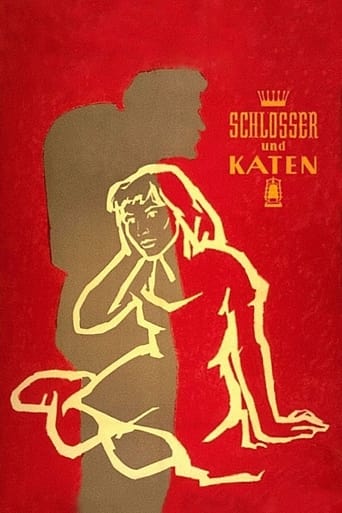 8.0
8.0Lifelong hard work for the count makes the servant Anton a cripple. Everybody calls him Crooked Anton. When, after the end of the war, the land of the count gets divided amongst the farmers, Anton receives a piece and hopes to be able to work freely. But an old debt and intrigue keep Anton and his family from finding peace. The farmers of the village begin to discover their own power when Annegret, Anton's daughter, leaves. Is a new beginning possible for Anton? This film paints an impressive panorama of the development of a minor village in Mecklenburg from the end of the war to the uprising of 17 June 1953.
Castles and Cottages
1957
1940s · 5 titles
6.9A car tells its story and the story of its seven owners during the years of the Third Reich.
In Those Days
1947
 9.0
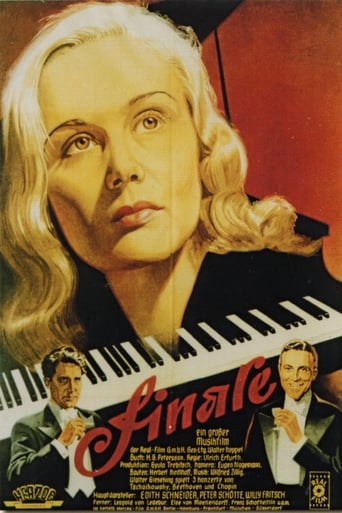
9.0The fate of a pianist who returns from the Second World War with a wound to his right hand.
Finale
1948
 7.7
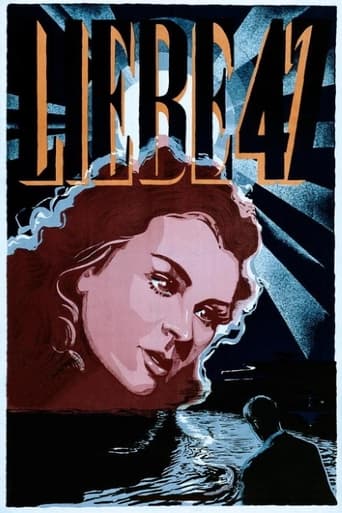
7.7A young man and woman meet on a bridge, both about to commit suicide by jumping into the river, and recount to each other their experiences.
Love '47
1949
 7.0
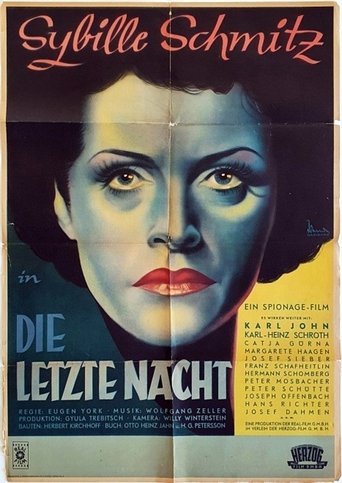
7.0Set in German-occupied France in 1944 where a female resistance operative and a German army officer fall in love.
The Last Night
1949
 6.3
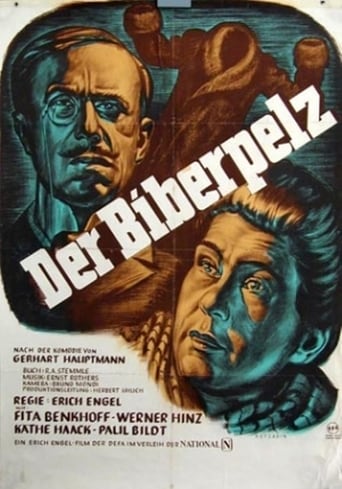
6.3Mother Wolffen, a washerwoman, is a woman of principle: A poor man must do what he must to get through life, only he mustn't get caught doing it. All sorts of crooked deals contribute to the improvement of the daily menu and the increase of household funds. When everyone is searching for pensioner Krueger's missing beaverskin coat, Mother Wolffen and her family are calmly enjoying fresh roast venison.
The Beaver Coat
1949

Series credits
6.2Polizeiruf 110 is a long-running German language detective television series. The first episode was broadcast 27 June 1971 in the German Democratic Republic, and after the dissolution of Fernsehen der DDR the series was picked up by ARD. It was originally created as a counterpart to the West German series Tatort, and quickly became a public favorite.
Polizeiruf 110
1971
No synopsis available yet.
Goldene Henne
1995
9.0"The Century of the Theater" - From the "birth of the director" to the "heroes of modernity" - an overview of the world of theater - illuminates the interaction with the history of the past hundred years is also shown.
Das Jahrhundert des Theaters
2002
 NR
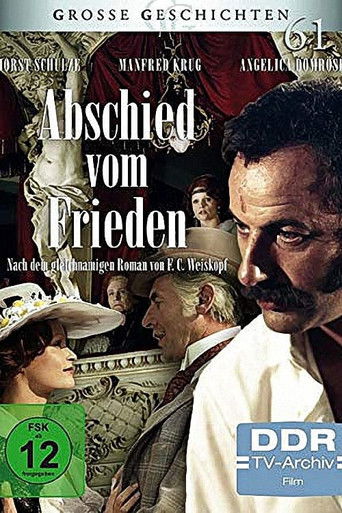
NRPrague 1913: The family of newspaper publisher Alexander Reither, traditionally reunited for a New Year’s dinner, moves along convoluted and secretive paths in everyday life. Granddaughter Wally is impressed by the opaque businessman Marko Gelusich. Her cousin Adrienne meets the young socialist Joseph Prokop at an illegal anarchist meeting. On a business trip to Vienna, Alexander Reither falls in love with Irene v. Claudi. Adrienne wants to move completely into Joseph Prokop’s proletarian world, but her mother Kalivoda makes her a painful announcement. Joseph already has a girl. Alexander finds Irene v. Claudi in Budapest. They spend happy days in Vienna. In Prague, the printing workers go on strike. Adrienne fights alongside the workers and Robert Kalivoda. She experiences class struggle with her cousin Guido Frank. Alexander tries to introduce Irene to the family.
Abschied vom Frieden
1979
 8.0
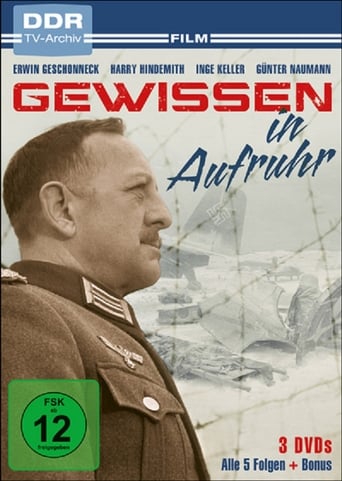
8.0As a German soldier in the 6th Army, Colonel Joachim Ebershagen is trapped in the Stalingrad cauldron. His experiences cause him to begin to doubt the meaning of the war. He is flown out as a wounded soldier on one of the last planes. Back home, he becomes commander of Greifswald. Towards the end of the war, he surrendered the city to the Soviet army without a fight on April 30, 1945. The death sentence pronounced by a court martial is not carried out.
Gewissen in Aufruhr
1961
 10.0
10.0A German couple start a silent campaign against Hitler's dictatorial reign after the loss of their only son at the front.
Everyone Dies Alone
1970