
Directing
Edith Carlmar
Born — Died
1911-11-15 — 2003-05-17
Place of birth
Oslo, Norway
Known for
Directing
Credits
30 titles
Edith Carlmar (Edith Mary Johanne Mathiesen) was an Norwegian actress and Norway's first female film director. She grew up in the eastern part of Oslo, in poor conditions, alone with her mother. However, her mother was a culturally oriented woman, so Edith was introduced to music, dance, and the theatre at an early age. At 19, she married Otto Carlmar, whom she met through her mother. In her early twenties, she made her debut as an actress at Det Nye Teater in Oslo. There she came into contact with Tancred Ibsen, and her interest in film began to take shape when he offered her a position in film production. During the war, she worked as a production manager on several films, and in 1946 sh…
Known for
 6.0
Gunder Jomann lives in the small place of Elvestad. He prepares to receive his wife, Poona Bai, who he met and married in India. Gunder gets delayed when his sister is injured in a car accident and he sends the local taxidriver to transport her to him at the hospital but the chauffeur do not find her. The following day the body of a foreign woman is found on a meadow, few meters from Gunders house. Inspector Konrad Sejer tries to unravel the mystery and discoveres soon that the dead person is Gunder's wife, Poona. Who killed her, and why?
Elskede Poona
2003
 6.0
An engaged mechanic begins a tempestuous affair with a rich married woman.
Death Is a Caress
1949
 5.8
In "Skadeskutt" we follow the couple Einar and Else Wang in a painful drama about love, happiness, sorrow and eternal damnation. About a couple's struggle trying to get pregnant and the despair of not succeeding. About psychological disorders and the society's insane judging of people with such problems. A nationwide press was impressed with "Skadeskutt". The director Edith Carlmar, one of the first female directors in Norway, was compared with Hitchcock for her work. For actor Carsten Winger, his portrayal of the character in the movie was considered a victory and a big achievement. "A sure success", "Impressive" and "A victory for Norwegian Films" are some lines from the critics. "Skadeskutt" is one of the breakthroughs within Norwegian film making.
Maimed
1951
 6.3
Gerd, considered a woman of dubious morals, falls in love with a boy whose family does not accept their relationship, so both run away and settle in a cabin in the woods where they meet a sullen man who tests their love.
The Wayward Girl
1959
 NR
Knut Hamsun through his years as a wandering peddler and starving poet, and are with him in his life's highs and lows.
Gåten Knut Hamsun
1997
 6.5
The young wife of an upper-class academic disappears while her husband is on holiday. In his search for her, the husband learns that there was much he did not know both about her past and about their relationship.
The Disappearance of a Young Wife
1953
Film credits
1990s · 5 titles
 4.9
For the second time the two curious boys named Pelle and Proffen get mixed up in dangerous business.
Lethal Lies
1992
 4.1
During the Summer while his parents are busy with work, a nine year old boy slips into a fantasy world to entertain himself. A world of strange adults, talking birds and magic. On his quest travelling involves steam engines and handcars.
Svampe
1990
 NR
An elderly bag lady has control of a photo booth at a subway station. A group of teenage girls often hang out there, but things change when they decide to take their picture in this photo booth.
Out of Order
1997
 NR
Edith Carlmar (1911 – 2003) was Norway's first female director and a prominent figure in Norwegian film history. She created some of Norway's biggest box-office successes of all time. Agnes Moxnes interviews a frank and honest Carlmar, who talks about her movies and the times they were made. This DVD was released in 2011 in conjunction with the 100-year anniversary of Edith Carlmar's birth.
Edith Carlmar - bedre enn sitt rykte
1994
 9.0
What is the answer to the riddle. What made the famous author, nobel prize winner, Knut Hamsun to support Hitler? 1945. The famous writer Knut Hamsun looks back to his youth., and compares his life with two of his works "Hunger" and "Mysteries".
Gåten Knut Hamsun
1996
1970s · 2 titles
 7.0
The Olsen Gang becomes millionaires. Unfortunately for the gang, their arch-enemies, the King and the Jack, are planning to steal the money for themselves.
The Olsen Gang meets The King and the Jackal
1974
 3.6
Lina is in her best age, mid-30s. She is strong-willed, resilient and self-conscious. There has never been a man in her life, on the contrary, she even had to play the man's role on the small farm to sustain herself and the parents. But the quest for true love and longing for a man is still strong. She has never had the opportunity to realize this dream in the confined environment she lives in. Her obstinacy has also scared off the men. But one day Gilbert returned to the village after being in America for 20 years.
Jentespranget
1973
1950s · 4 titles
5.8In "Skadeskutt" we follow the couple Einar and Else Wang in a painful drama about love, happiness, sorrow and eternal damnation. About a couple's struggle trying to get pregnant and the despair of not succeeding. About psychological disorders and the society's insane judging of people with such problems. A nationwide press was impressed with "Skadeskutt". The director Edith Carlmar, one of the first female directors in Norway, was compared with Hitchcock for her work. For actor Carsten Winger, his portrayal of the character in the movie was considered a victory and a big achievement. "A sure success", "Impressive" and "A victory for Norwegian Films" are some lines from the critics. "Skadeskutt" is one of the breakthroughs within Norwegian film making.
Maimed
1951
6.5The young wife of an upper-class academic disappears while her husband is on holiday. In his search for her, the husband learns that there was much he did not know both about her past and about their relationship.
The Disappearance of a Young Wife
1953
 6.5
At a high mountain hotel in Norway, porter Poppe tries to do the best he can for the guests with an often unhelpful piccolo Rudolf. This, however, leads to a lot of problems, and Poppe thinks some of the guests behave inappropriate.
Fools in the Mountains
1957
 NR
Reconstruction of the first Norwegian film from 1908 which is lost. The film is made as a part of the Oslofilm series. ***** Oslofilm was a series of public information films about life in and around Oslo, produced between 1940 and 1980. Funded by the state, the films offer valuable insight into postwar Norwegian society. A wide range of Norwegian filmmakers contributed to the productions, resulting in a rich variety of styles and expressions. Several of the films also possess notable cinematic qualities, standing out as more than just informational material. The Oslofilms represent a unique and important chapter in Norwegian film history.
The Dangers in a Fisherman's Life
1954

Series credits
6.0Gunder Jomann lives in the small place of Elvestad. He prepares to receive his wife, Poona Bai, who he met and married in India. Gunder gets delayed when his sister is injured in a car accident and he sends the local taxidriver to transport her to him at the hospital but the chauffeur do not find her. The following day the body of a foreign woman is found on a meadow, few meters from Gunders house. Inspector Konrad Sejer tries to unravel the mystery and discoveres soon that the dead person is Gunder's wife, Poona. Who killed her, and why?
Elskede Poona
2003
NRKnut Hamsun through his years as a wandering peddler and starving poet, and are with him in his life's highs and lows.
Gåten Knut Hamsun
1997
Behind the camera
6.0An engaged mechanic begins a tempestuous affair with a rich married woman.
Death Is a Caress
1949
5.8In "Skadeskutt" we follow the couple Einar and Else Wang in a painful drama about love, happiness, sorrow and eternal damnation. About a couple's struggle trying to get pregnant and the despair of not succeeding. About psychological disorders and the society's insane judging of people with such problems. A nationwide press was impressed with "Skadeskutt". The director Edith Carlmar, one of the first female directors in Norway, was compared with Hitchcock for her work. For actor Carsten Winger, his portrayal of the character in the movie was considered a victory and a big achievement. "A sure success", "Impressive" and "A victory for Norwegian Films" are some lines from the critics. "Skadeskutt" is one of the breakthroughs within Norwegian film making.
Maimed
1951
6.3Gerd, considered a woman of dubious morals, falls in love with a boy whose family does not accept their relationship, so both run away and settle in a cabin in the woods where they meet a sullen man who tests their love.
The Wayward Girl
1959
6.5The young wife of an upper-class academic disappears while her husband is on holiday. In his search for her, the husband learns that there was much he did not know both about her past and about their relationship.
The Disappearance of a Young Wife
1953
 6.3
This is a light comedy from Edith Carlmar, Norways first woman director. It takes place in a company that sells baby toys. It is time to fill a leading position, and it is known the owner of the company only places married men on leading positions. This leads a young bachelor to "borrow" his best friends wife to have a chance at the position. This leads to a lot of comic misunderstandings, not the least because the owner of the company himself falls for the new young wife.
Lend Me Your Wife
1958
 NR
No synopsis available yet.
Oslofilm: Bak kulissene
1964
6.5At a high mountain hotel in Norway, porter Poppe tries to do the best he can for the guests with an often unhelpful piccolo Rudolf. This, however, leads to a lot of problems, and Poppe thinks some of the guests behave inappropriate.
Fools in the Mountains
1957
 6.0
The working-class family Bråten is living in a top floor of a tenement house on the outskirts of Oslo. The family includes three sons and two daughters, mother and father in one room and kitchen. Mother Hulda is the family hub while Mr.Bråten itself is a silent and withdrawn worker. Children contribute in their own way to the neighbors are right when they exclaim: Never anything but trouble! There are problems for all when the police come into the picture after the one his son is participating in a car theft. Middle of all this chaos, 16-year-old Maiken (Vigdis Røising) moves out and seek questionable friends, which brings her into conflict with his father. A tragedy brings the family together again.
Nothing but Troubles
1954
6.0The working-class family Bråten is living in a top floor of a tenement house on the outskirts of Oslo. The family includes three sons and two daughters, mother and father in one room and kitchen. Mother Hulda is the family hub while Mr.Bråten itself is a silent and withdrawn worker. Children contribute in their own way to the neighbors are right when they exclaim: Never anything but trouble! There are problems for all when the police come into the picture after the one his son is participating in a car theft. Middle of all this chaos, 16-year-old Maiken (Vigdis Røising) moves out and seek questionable friends, which brings her into conflict with his father. A tragedy brings the family together again.
Nothing but Troubles
1954
 NR
From the time the island of Langåra was a summer home for Oslo's population. ***** Oslofilm was a series of public information films about life in and around Oslo, produced between 1940 and 1980. Funded by the state, the films offer valuable insight into postwar Norwegian society. A wide range of Norwegian filmmakers contributed to the productions, resulting in a rich variety of styles and expressions. Several of the films also possess notable cinematic qualities, standing out as more than just informational material. The Oslofilms represent a unique and important chapter in Norwegian film history.
Oslofilm: Langåra - et sommerparadis
1953
 6.7
A man falls in love with his young French language teacher. It becomes a complicated love story when his class mate Karin also begins to fancy her.
Better Than Their Reputation
1955
 NR
Oslo City Museum celebrated its 50th anniversary in 1955. This film, made a year prior to the anniversary, shows us 900 years of Oslo's history using models, paintings and old footage. ***** Oslofilm was a series of public information films about life in and around Oslo, produced between 1940 and 1980. Funded by the state, the films offer valuable insight into postwar Norwegian society. A wide range of Norwegian filmmakers contributed to the productions, resulting in a rich variety of styles and expressions. Several of the films also possess notable cinematic qualities, standing out as more than just informational material. The Oslofilms represent a unique and important chapter in Norwegian film history.
Oslofilm: Oslo Bymuseum
1954
 NR
The film explores the importance of water for Oslo, both for industry and for private citizens. It shows where the water comes from and what happens to it, and presents both the city’s water supply and sewerage systems. ***** Oslofilm was a series of public information films about life in and around Oslo, produced between 1940 and 1980. Funded by the state, the films offer valuable insight into postwar Norwegian society. A wide range of Norwegian filmmakers contributed to the productions, resulting in a rich variety of styles and expressions. Several of the films also possess notable cinematic qualities, standing out as more than just informational material. The Oslofilms represent a unique and important chapter in Norwegian film history.
Oslofilm: Vann og kloakk
1953
 6.0
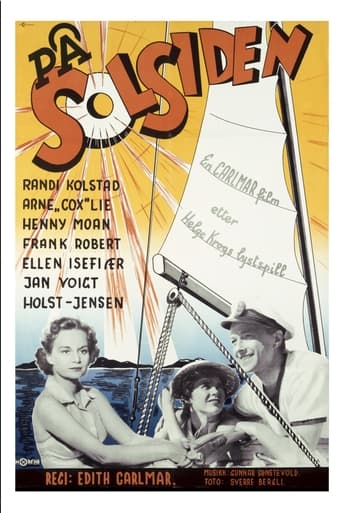
Main character Esther feels like she doesn't fit into the 'elite' and takes the big showdown with those who always have.
On the Sunny Side
1956
 9.0
Three young freshly educated pilots are about to start their career.
Slalåm under himmelen
1957
 5.0
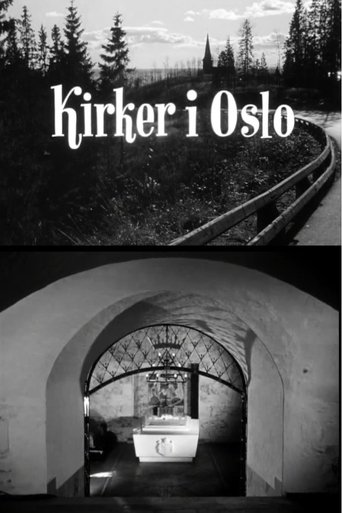
Short documentary about the churches of Oslo, Norway. Directed by the first norwegian female director, Edith Carlmar. **** Oslofilm was a series of public information films about life in and around Oslo, produced between 1940 and 1980. Funded by the state, the films offer valuable insight into postwar Norwegian society. A wide range of Norwegian filmmakers contributed to the productions, resulting in a rich variety of styles and expressions. Several of the films also possess notable cinematic qualities, standing out as more than just informational material. The Oslofilms represent a unique and important chapter in Norwegian film history.
Oslofilm: Kirker i Oslo
1954