
Known for
 6.5
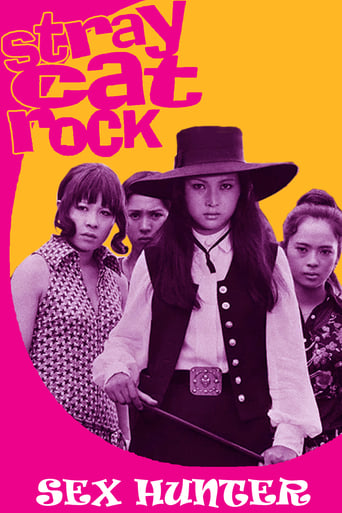
6.5Mako and her girl friends enter a dispute with rival street gangsters The Eagles, a band of racist macho pigs led by the evil Baron, who hate half-breeds. When one of the girls start dating a half-breed, they start a terror campaign to take all of them out of town. Mako and her gang fight back, helping their new friend Kazuma find his long gone sister.
Stray Cat Rock: Sex Hunter
1970
 7.3
7.3A man wanders into a seemingly deserted town with his young son in search of work. But after a bit of bad luck, he joins the town's population of lost souls.
Pitfall
1962
 9.5
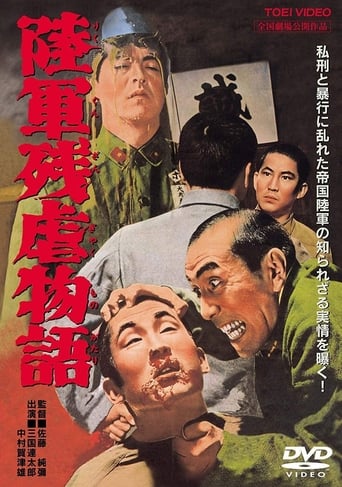
9.5Director Jun'ya Satô's debut film focuses on the inhuman training of recruits, the brutal drill system that reigned in the Japanese army during World War II, where in the first two years of training, ordinary people were turned into inhuman killers. For his first film, the director was awarded the Blue Ribbon Awards in the Debutant of the Year nomination.
Tale of Army Brutality
1963
 5.7
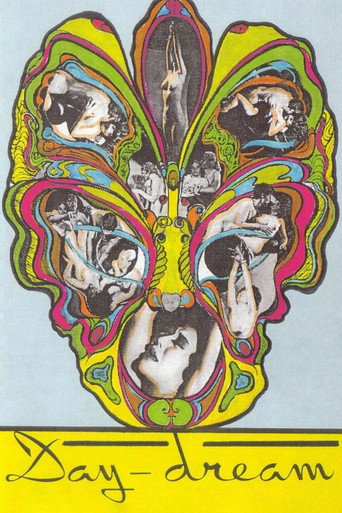
5.7While under sedation in a dentist's office, a young art student has sex fantasies about naked women, vampires and a beautiful patient he saw in the office.
Daydream
1964
 8.0
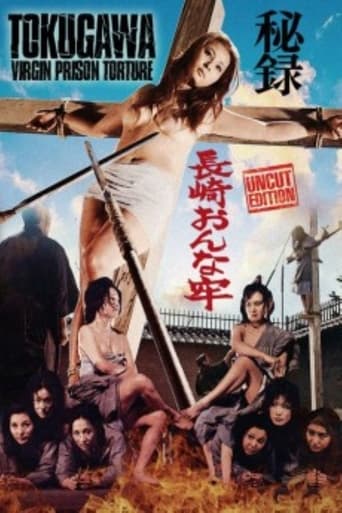
8.0Shocking scenes are revealed in the Nagasaki Women's prison.
Women's Prison for Torture
1971
 NR
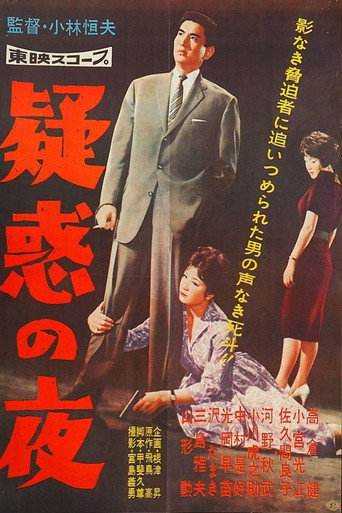
NRTatsuo Torigoe, the president of Torigoe Industries, attempts suicide but survives and reveals his motives for suicide to his only daughter, Akiko.
Night of the Suspicions
1959
Film credits
1970s · 6 titles
6.5Mako and her girl friends enter a dispute with rival street gangsters The Eagles, a band of racist macho pigs led by the evil Baron, who hate half-breeds. When one of the girls start dating a half-breed, they start a terror campaign to take all of them out of town. Mako and her gang fight back, helping their new friend Kazuma find his long gone sister.
Stray Cat Rock: Sex Hunter
1970
8.0Shocking scenes are revealed in the Nagasaki Women's prison.
Women's Prison for Torture
1971
 6.0
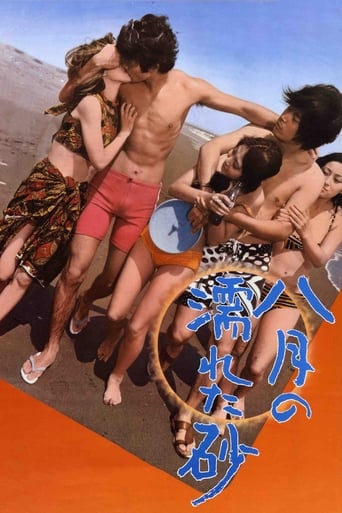
6.0Several high-school friends spend their final summer together indulging in sex and leisure; their halcyon days are soon coming to an end.
Wet Sand in August
1971
 NR
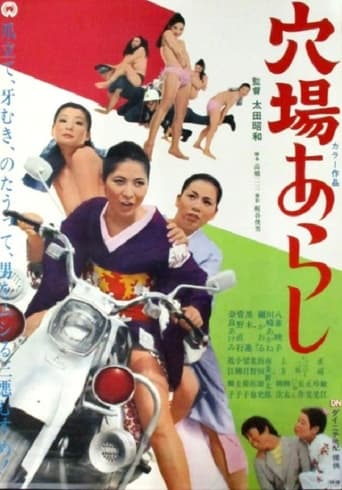
NRNo synopsis available yet.
Hiding-Place in the Storm
1971
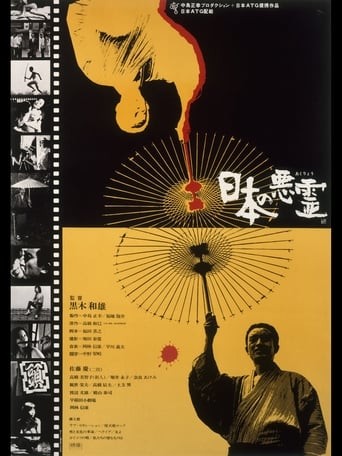 6.8
6.8Murase is a bodyguard of yakuza group. Ochiai is a police officer who once was a student activist. When they meet, they are surprised how identical they look.
Evil Spirits of Japan
1970
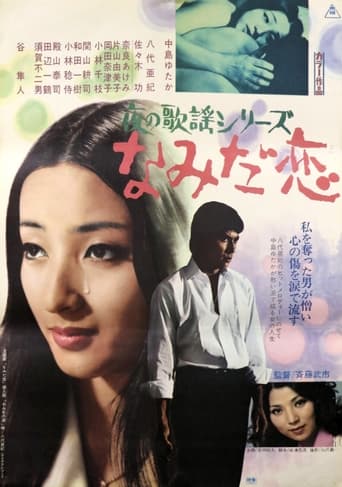 7.0
7.0Japanese “kayo” film based on the song by "Namida koi" by Aki Yashiro.
Love Lost in Tears
1973
1960s · 7 titles
7.3A man wanders into a seemingly deserted town with his young son in search of work. But after a bit of bad luck, he joins the town's population of lost souls.
Pitfall
1962
9.5Director Jun'ya Satô's debut film focuses on the inhuman training of recruits, the brutal drill system that reigned in the Japanese army during World War II, where in the first two years of training, ordinary people were turned into inhuman killers. For his first film, the director was awarded the Blue Ribbon Awards in the Debutant of the Year nomination.
Tale of Army Brutality
1963
5.7While under sedation in a dentist's office, a young art student has sex fantasies about naked women, vampires and a beautiful patient he saw in the office.
Daydream
1964
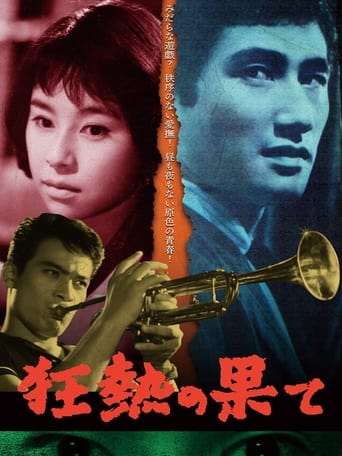 NR
NRA leading postwar Japanese film critic and theorist who co-founded the seminal film magazine Eiga Hihyo (Film Criticism) in 1957, Eizo Yamagiwa made his directorial debut with this independent feature—long thought lost until a negative was recently discovered—about a group of idle bourgeois students known as the “Roppongi Tribe” (Roppongi zoku). Depicting the resignation and nihilism of the postwar generation in the years following the Anpo Treaty conflicts through a coming-of-age narrative, Yamagiwa offers sharp criticism of the prevalent characterizations of Japan's new youth offered by Nikkatsu's taiyozoku (“Sun Tribe”) films and the New Wave at large.
The End of Love
1961
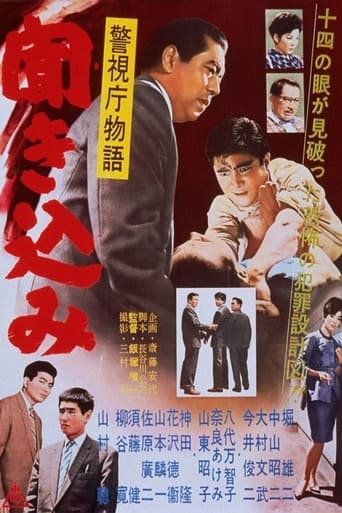 NR
NRAn elderly woman, Ume Matsumoto, informed the First Investigation Department that her son Hirasaka, who runs a shoe store, had disappeared. The detectives had a bad feeling which hit the mark, an unidentified drowned body is identified as Hirasaka. Some prime real estate he owned was also mysteriously sold. Suspecting that this is a planned murder and fearing the escape of the criminal, the Department begins to investigate secretly, without creating an investigation headquarters.
Police Precinct Part 14
1960
 7.0
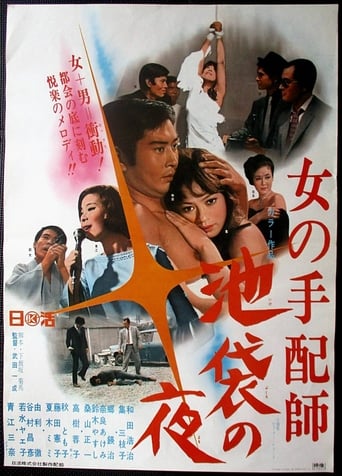
7.0Young bartender operates secret sex club as a profitable side business.
We Sell It Because It Sells
1969
 10.0
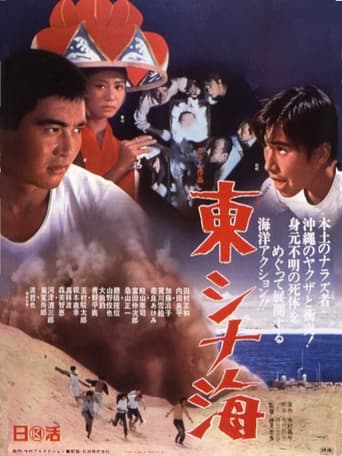
10.0Rokurō starts a part-time job on a fishing boat, but the ship has an engine failure in the middle of the Pacific Ocean.
East China Sea
1968
1950s · 5 titles
NRTatsuo Torigoe, the president of Torigoe Industries, attempts suicide but survives and reveals his motives for suicide to his only daughter, Akiko.
Night of the Suspicions
1959
 NR
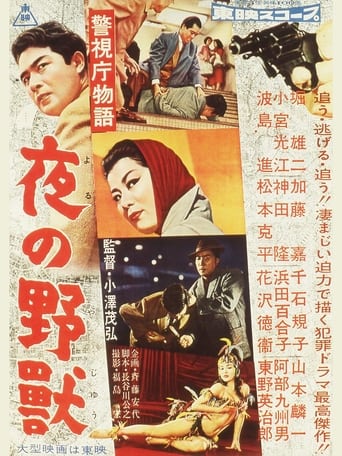
NRAfter discovering a slaughtered corpse, the investigating team of the Tokyo Metropolitan Police Department began canvassing the area around the crime scene. As a result, they found a wallet with bloodstains that seemed to belong to the victim, a woman's wallet that did not fit the field, earrings, and other valuable materials, which led them on a foot search. The woman's purse had been picked up by a male prostitute on the subway, and from the prostitute's testimony, they were able to identify the pickpocket's face, but the next day, the man was found dead in a road accident, apparently murdered.
Police Precinct: The Pickpocket Killer
1957
 6.2
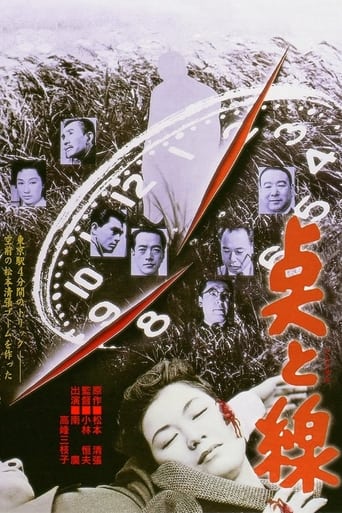
6.2Based on Matsumoto Seicho's classic mystery novel of the same name, the story centers around a group of detectives who are determined to find the truth behind an apparent double suicide.
Points and Lines
1958
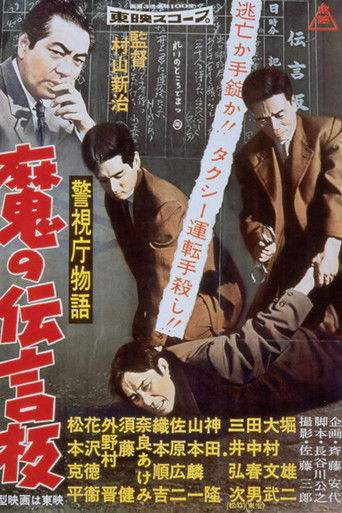 NR
NRFour taxi drivers are found dead in four days. Suddenly, a taxi, trying to avoid hitting a patrol car, veers off and hits a tree. Three men run out and escape. From inside the truck comes the body of the taxi driver.
Police Precinct Part 8
1958
 NR
NRKing Rose returns, unleashing terror from beyond the grave. Detective Kotaro Ran, as Seven-Color Mask, investigates eerie crimes. As he unravels the mystery, he faces deadly traps and a final battle to stop King Rose's reign.. The third and final installment of Seven-Color Mask: King Rose.
Seven-Color Mask: King Rose - Challenge from the Dead
1959