
Known for
Leon Golub's massive canvasses depict scenes most of us would prefer not to see - mercenary killings, torture, and death squads. Golub offers not simply a profile of a painter with a political conscience, but an investigation into the power of the artist to reflect our times and to change the way we think about our world.
Golub
1988
 8.0
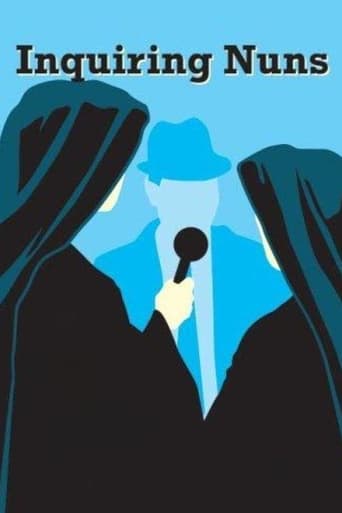
8.0Two nuns travel across Chicago asking people the question, "Are you happy?"
Inquiring Nuns
1968
 6.7
6.7In the golden age of documentaries, who benefits? SUBJECT reveals the unintended consequences – good, bad, and complicated – of having your life shared on screen. Featuring the protagonists of acclaimed documentaries The Staircase, Hoop Dreams, The Wolfpack, Capturing the Friedmans, and The Square, as well as the filmmakers of Minding the Gap, Cameraperson, An Inconvenient Truth, and more.
Subject
2023
 8.0
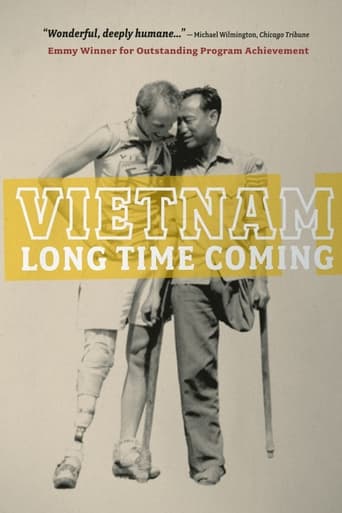
8.0The last American officials were airlifted out of Vietnam from the embassy roof in Saigon in 1975. Most have never returned. In 1998, World T.E.A.M. (The Exceptional Athlete Matters) Sports organized a 16-day, 1100 mile bicycle expedition through once war-torn Northern and Southern Vietnam. A non-profit organization that focuses on events for the disabled, World T.E.A.M. Sports drew an array of veterans from the U.S. and Vietnam, as well as celebrity riders like Greg La Monde and Senator John Kerry. Those without use of their legs used special hand-powered bikes, while blind riders pedaled from the back of tandem bikes. What is immediately apparent on the veterans' arrival in Vietnam is that their biggest handicaps are the ghosts of their pasts. Past enemies ride as one team in peace across a landscape they once killed to stay alive on. Much more than a race, the ride is an exorcism; the real finish line is the painful emotional confrontation each must make alone along the way.
Vietnam Long Time Coming
1998
When the wife of one of the filmmakers decides to give birth without pain medication using the Lamaze method of childbirth - and coached by her own husband - she is confronted with disbelief, superstition and downright hostility. In order to find a doctor who will respect their wishes, the parent-to-be have to make arrangements with a hospital in Wisconsin and race over the state line when the baby comes. This frank and sensitive cinema verity documentary follows the young couple as they learn about natural childbirth, discuss their plans with friends and medical staff, and experience the actual labor and birth of their fist child, Marco
Marco
1970
In this program, director Bing Liu, executive producer Gordon Quinn, and producer Diane Quon discuss the conception of Minding the Gap and its evolution. The program features separated interviews that were conducted in 2020.
A Very Tricky Balance
2021
Film credits
2020s · 2 titles
6.7In the golden age of documentaries, who benefits? SUBJECT reveals the unintended consequences – good, bad, and complicated – of having your life shared on screen. Featuring the protagonists of acclaimed documentaries The Staircase, Hoop Dreams, The Wolfpack, Capturing the Friedmans, and The Square, as well as the filmmakers of Minding the Gap, Cameraperson, An Inconvenient Truth, and more.
Subject
2023
In this program, director Bing Liu, executive producer Gordon Quinn, and producer Diane Quon discuss the conception of Minding the Gap and its evolution. The program features separated interviews that were conducted in 2020.
A Very Tricky Balance
2021
Behind the camera
Leon Golub's massive canvasses depict scenes most of us would prefer not to see - mercenary killings, torture, and death squads. Golub offers not simply a profile of a painter with a political conscience, but an investigation into the power of the artist to reflect our times and to change the way we think about our world.
Golub
1988
8.0Two nuns travel across Chicago asking people the question, "Are you happy?"
Inquiring Nuns
1968
8.0The last American officials were airlifted out of Vietnam from the embassy roof in Saigon in 1975. Most have never returned. In 1998, World T.E.A.M. (The Exceptional Athlete Matters) Sports organized a 16-day, 1100 mile bicycle expedition through once war-torn Northern and Southern Vietnam. A non-profit organization that focuses on events for the disabled, World T.E.A.M. Sports drew an array of veterans from the U.S. and Vietnam, as well as celebrity riders like Greg La Monde and Senator John Kerry. Those without use of their legs used special hand-powered bikes, while blind riders pedaled from the back of tandem bikes. What is immediately apparent on the veterans' arrival in Vietnam is that their biggest handicaps are the ghosts of their pasts. Past enemies ride as one team in peace across a landscape they once killed to stay alive on. Much more than a race, the ride is an exorcism; the real finish line is the painful emotional confrontation each must make alone along the way.
Vietnam Long Time Coming
1998
When the wife of one of the filmmakers decides to give birth without pain medication using the Lamaze method of childbirth - and coached by her own husband - she is confronted with disbelief, superstition and downright hostility. In order to find a doctor who will respect their wishes, the parent-to-be have to make arrangements with a hospital in Wisconsin and race over the state line when the baby comes. This frank and sensitive cinema verity documentary follows the young couple as they learn about natural childbirth, discuss their plans with friends and medical staff, and experience the actual labor and birth of their fist child, Marco
Marco
1970
 9.0
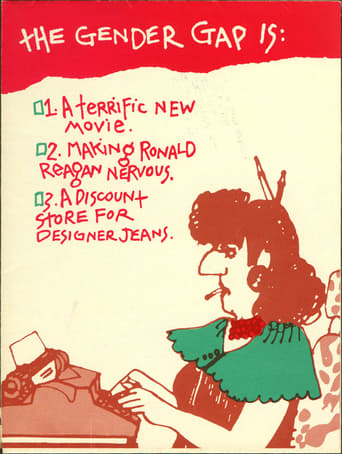
9.0Filmmaker Jenny Rohrer explores the growing difference in voting patterns between men and women.
Women's Voices: The Gender Gap
1984
 NR
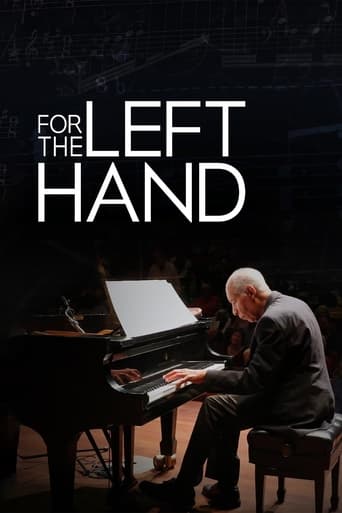
NRAt age 10, aspiring pianist Norman Malone is paralyzed on his right side after being attacked by his father. Over the next several decades he masters the left-hand repertoire in secret, before a chance discovery of his talent leads him towards making his concert debut. Aged 78, he will perform the greatest work in the canon: Ravel’s Piano Concerto for the Left Hand.
For the Left Hand
2021
Now We Live on Clifton follows 10 year old Pam Taylor and her 12 year old brother Scott around their multiracial West Lincoln Park neighborhood. The kids worry that they'll be forced out of the neighborhood they grew up in by the gentrification following the expansion of DePaul University.
Now We Live on Clifton
1974
 NR
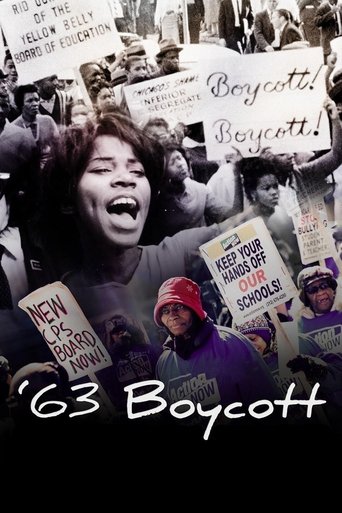
NROn October 22, 1963, more than 250,000 students boycotted the Chicago Public Schools to protest racial segregation. Many marched through the city calling for the resignation of School Superintendent Benjamin Willis, who placed trailers, dubbed ‘Willis Wagons,’ on playgrounds and parking lots of overcrowded black schools rather than let them enroll in nearby white schools. Combining unseen archival 16mm footage of the march shot by Kartemquin founder Gordon Quinn with the participants’ reflections today, ’63 Boycott connects the forgotten story of one of the largest northern civil rights demonstrations to contemporary issues around race, education, school closings, and youth activism.
'63 Boycott
2016
 NR
NRA parish youth group in a lower middle-class Chicago neighborhood discusses parental authority, what growing up means and the difficulties of communicating with their parents.
Parents
1968
In this cinema-verite documentary, a teenage youth group called Thumbs Down decides "to bring Christ to their neighborhood" by holding an anti-war Mass at their conservative Chicago parish. Neither militants nor hippies, they simply believe that Christianity means social action and concern with issues. They present this belief to the community and the confrontation reveals the deepening crisis of communication between the young Christians and their parents, priest, and neighbors.
Thumbs Down
1968
 NR
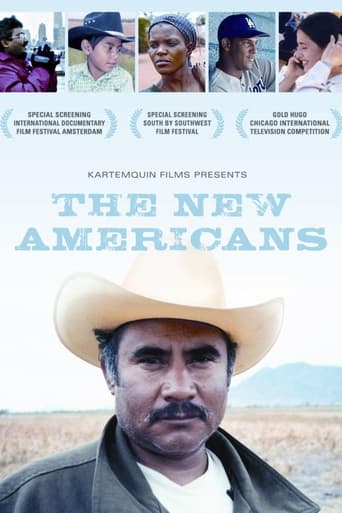
NRFour years in the lives of a diverse group of contemporary immigrants and refugees as they journey to start new lives in America.
The New Americans
2003
 8.0
8.0In 1981-2, the Kartemquin filmmakers returned to the Taylor Chain plant to show labor and management working together against the odds, trying to save the plant from becoming the latest victim of anti-union legislation and the globalization of cheap, exploitable labor. A sequel to Taylor Chain I: A Story in a Union Local.
Taylor Chain II: A Story of Collective Bargaining
1983
 10.0
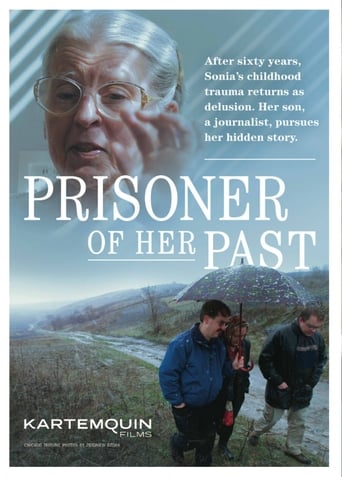
10.0Sonia Reich- who survived the Holocaust as a child by running and hiding, suddenly believes that she is being hunted again, 60 years later.
Prisoner of Her Past
2010
 7.0
7.0During a 7-week strike at a small Indiana chain factory in 1973-74, volatile union meetings and tension-filled interactions on the picket line provide an inside view of the tensions and conflicts inherent to labor negotiations. Circumstances delayed the film's release until 1980, after which a second installment would be produced focusing on collective bargaining.
Taylor Chain I: A Story in a Union Local
1980
Made by Kartemquin and a rank-and-file steel workers caucus, the film documents the opposition of the rank-and-file to the no-strike agreement between Steelworkers President I.W. Abel and the ten major steel companies, made without a vote by the membership of the union. Featuring Staughton Lynd.
Where's I. W. Abel?
1975
A Good Man follows acclaimed director/choreographer Bill T. Jones for two tumultuous years, as he tackles the most ambitious work of his career, an original dance-theater piece in honor of Abraham Lincoln's Bicentennial.
A Good Man
2011
 8.0
8.0Depicts the experiences of two elderly people in their first month at a home for the aged--a man, isolated from the world he knew, and a woman, wrenched from a family setting. The film focuses on the feelings of the two new residents in their encounters with other residents, medical staff, social workers, psychiatrists and family. A touching, sometimes painfully honest dramatic experience, it is valuable for in-service staff training, and for all other audiences both professional and non professional, interested in the problems of the aged.
Home for Life
1966
8.0Depicts the experiences of two elderly people in their first month at a home for the aged--a man, isolated from the world he knew, and a woman, wrenched from a family setting. The film focuses on the feelings of the two new residents in their encounters with other residents, medical staff, social workers, psychiatrists and family. A touching, sometimes painfully honest dramatic experience, it is valuable for in-service staff training, and for all other audiences both professional and non professional, interested in the problems of the aged.
Home for Life
1966
 8.0
8.0The work and times of American artist, Leon Golub from 1985 to his death in 2004, taking us from images of interrogations and torture to the ironies and dark humor of old-age.
Golub: Late Works Are the Catastrophes
2004
 8.0
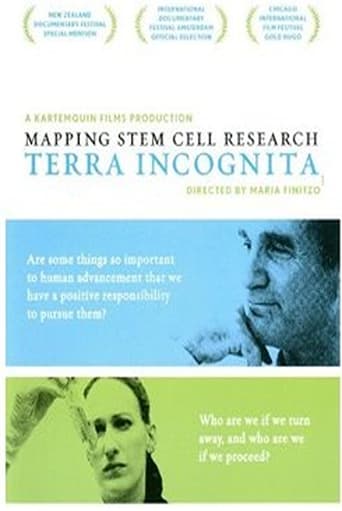
8.0This documentary follows the journey of neurologist Dr. Jack Kessler, who was inspired to apply stem cell research to find a cure for spinal cord injuries after his daughter Allison was paralyzed in a skiing accident. Exploring the science of modern stem cell research through a personal prism, the film offers a candid look at the bioethical issues and puts a human face to those living with injuries like Allison's.
Terra Incognita: Mapping Stem Cell Research
2007
Winnie, the daughter of a steel worker and a teacher, lives in Gage Park, a Chicago neighborhood that is changing from white to black. Her family struggles with racism, inflation and a threatened strike, as Winnie learns what it means to grow up white, working class, and female.
Winnie Wright, Age 11
1974
 8.0
8.0U.E. Wells follows an organizing drive by the United Electrical Workers Union at the Wells Foundry in Chicago. The multi-ethnic work force of Polish, Arab, Jewish, Hispanic and African American men and women unite together despite the company's efforts to use race as a wedge to divide them.
U.E. Wells
1979
 6.0
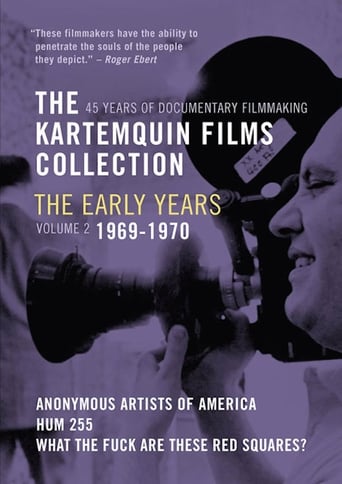
6.0In 1968, striking students at the University of Chicago occupied an administration building. A year later, two expelled young women were asked by their former classmates to talk about the experience as a class project. The women confront the students about their convictions and how far they are willing to go to defend their values.
Hum 255
1969