
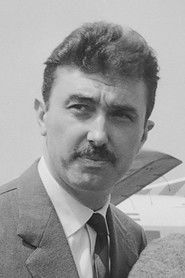
Directing
Luciano Emmer
Born — Died
1918-01-19 — 2009-09-16
Place of birth
Milan, Italy
Known for
Directing
Credits
40 titles
Luciano Emmer (19 January 1918 – 16 September 2009) was an Italian film director. He was born in Milan, but most of his childhood lived in Venice. He started as filmmaker at filming Giotto's frescoes in Padua in 1938. Screenwriter Sergio Amidei, found the finance for Emmer to make a feature about Romans spending a Sunday in August on the beach at Ostia. He won a Golden Globe in 1951 for Pictura: An Adventure in Art. He has directed more documentaries than fiction pictures, most notably Domenica d'agosto and the romance-comedy-drama Three Girls from Rome. Luciano Emmer started his career as a filmmaker working with Enrico Gras. He founded the production company Dolomiti Film and directed se…
Known for
 6.6
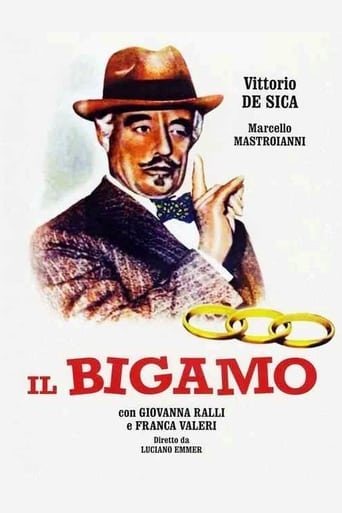
6.6A traveling salesman is sent to prison after being accused of bigamy, while his wife and son are forced to consider leaving him permanently.
The Bigamist
1956
 6.1
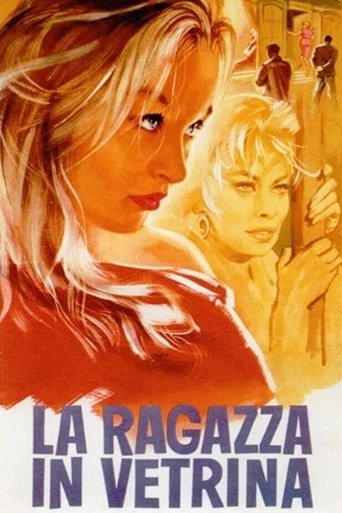
6.1Two miners, Italians Federico and Vincenzo take off together for the city's red-light district, where the women pose in windows for prospective customers.
Girl in the Window
1961
 6.0
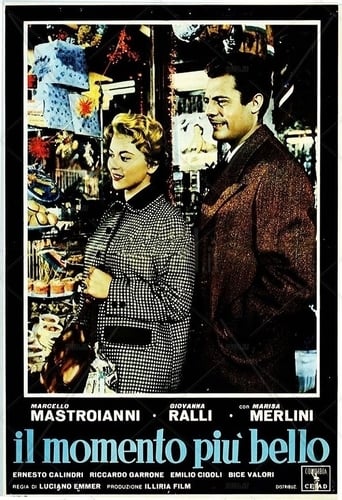
6.0Pietro is in love with a nurse; they keep their affair secret until she falls pregnant. Worried that marriage will affect his career, she prepares for the upcoming childbirth
The Most Wonderful Moment
1957
 6.5
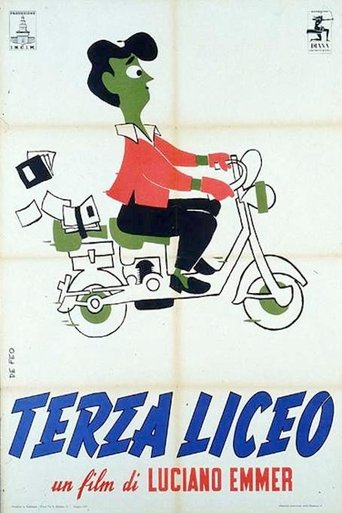
6.5It's the last year of highschool of a group of teenagers, and now they have to face their final exam, and the loves, happy or not, that sprung during those years of school.
High School
1954
 6.0
6.0Three gorgeous seamstresses meet on the historic steps of the Piazza de Spagna in Rome to discuss one another's love lives.
Three Girls from Rome
1952
 10.0
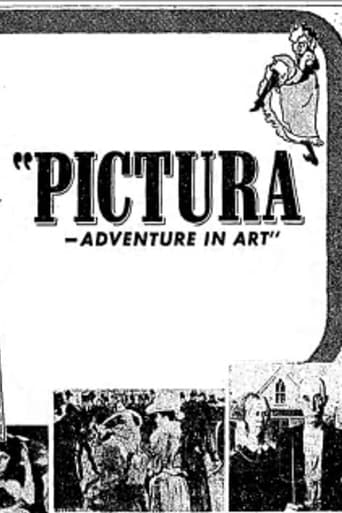
10.0A documentary film directed by seven famous directors, and narrated by several famous Hollywood actors. The film attempts to give the general filmgoing public a taste of art history and art appreciation.
Pictura
1951
Behind the camera
6.6A traveling salesman is sent to prison after being accused of bigamy, while his wife and son are forced to consider leaving him permanently.
The Bigamist
1956
6.1Two miners, Italians Federico and Vincenzo take off together for the city's red-light district, where the women pose in windows for prospective customers.
Girl in the Window
1961
6.1Two miners, Italians Federico and Vincenzo take off together for the city's red-light district, where the women pose in windows for prospective customers.
Girl in the Window
1961
6.0Pietro is in love with a nurse; they keep their affair secret until she falls pregnant. Worried that marriage will affect his career, she prepares for the upcoming childbirth
The Most Wonderful Moment
1957
6.5It's the last year of highschool of a group of teenagers, and now they have to face their final exam, and the loves, happy or not, that sprung during those years of school.
High School
1954
6.5It's the last year of highschool of a group of teenagers, and now they have to face their final exam, and the loves, happy or not, that sprung during those years of school.
High School
1954
6.0Three gorgeous seamstresses meet on the historic steps of the Piazza de Spagna in Rome to discuss one another's love lives.
Three Girls from Rome
1952
10.0A documentary film directed by seven famous directors, and narrated by several famous Hollywood actors. The film attempts to give the general filmgoing public a taste of art history and art appreciation.
Pictura
1951
Television investigation on the topic of free time.
La distrazione
1965
 5.2
5.2A group of Italian soccer fans arrive in Paris for a match, but most of them go their separate ways to explore the sights, have a bit of an adventure, and maybe even find some romance.
Paris Is Always Paris
1951
5.2A group of Italian soccer fans arrive in Paris for a match, but most of them go their separate ways to explore the sights, have a bit of an adventure, and maybe even find some romance.
Paris Is Always Paris
1951
 7.0
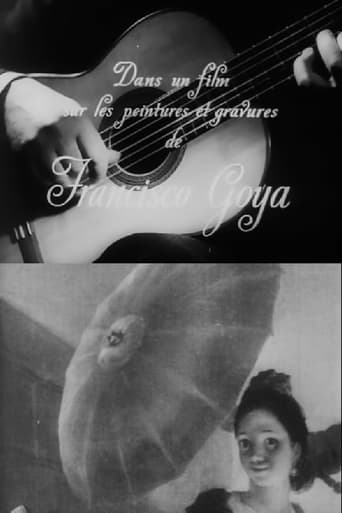
7.0Presents life in 18th century Spain as the painter Francisco de Goya showed it to us.
Goya
1950
7.0Presents life in 18th century Spain as the painter Francisco de Goya showed it to us.
Goya
1950
 6.3
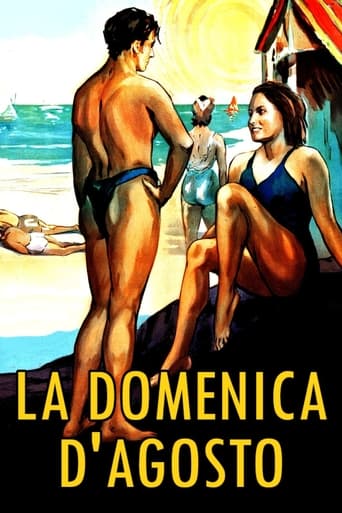
6.3The plot weaves several episodes with several groups of people, Roman families, youth gangs and young love couples, who spend a Sunday at the beach of Ostia.
Sunday in August
1950
6.3The plot weaves several episodes with several groups of people, Roman families, youth gangs and young love couples, who spend a Sunday at the beach of Ostia.
Sunday in August
1950
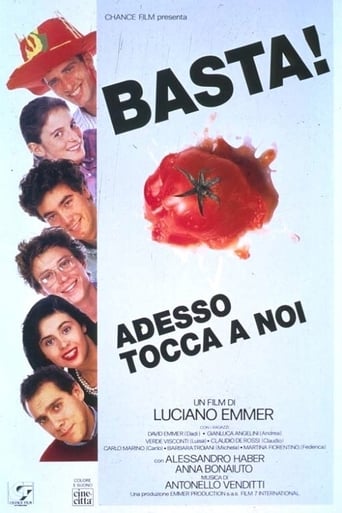 7.0
7.0The friendship between two high school friends is tested when they are forced to separate because of university.
Basta! Adesso tocca a noi
1990
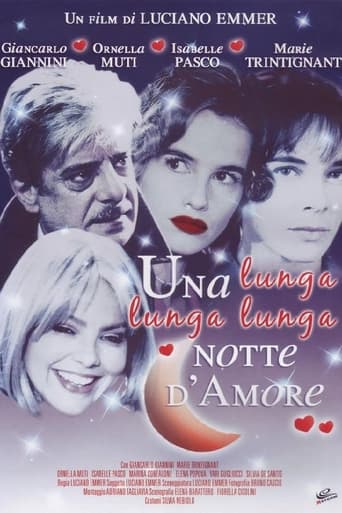 6.0
6.0Reporter Marcello has a brief encounter with Irene while waiting for a train. A young woman who has lost her sight finds herself falling for the voice of a ship's captain she hears over a radio broadcast. Egle, a massage therapist who is soon to be married, finds herself pursuing one last fling with Gabriele -- though the odds are not in her favor, since he happens to be gay. Elena is a young woman with a child who wants to abandon her husband. And Carla wonders if she has any future at all with her lover -- who is married to someone else.
A Long Long Long Night of Love
2001
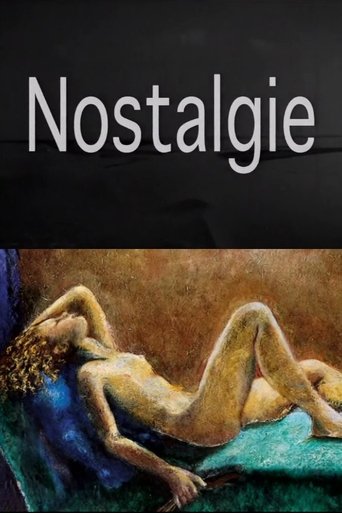 7.0
7.0Art documentary on the paintings of the French artist Balthus.
Nostalgie
2001
Deals with the works of the artist Giotto, contrasting the hieratic mood of his predecessors with his innovations. Shows the major cycles of his frescoes, including those at the Upper and Lower Church of San Francesco, Assisi, the Scrovegni family Arena Chapel in Padua, and St. Croce in Florence.
Giotto
1969
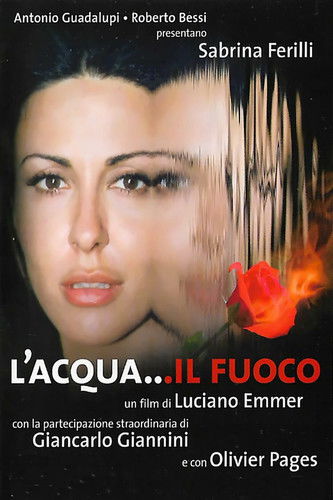 8.0
8.0It is the story of three women in three different places: Turin, Paris and Luxembourg City. Stefania, whose husband has left her for a younger woman, lives alone and types fiction teleplays for a living... until the day she decides to open a new chapter of her life. Elena tries to commit suicide by jumping into the River Seine. She is saved by Bernard, a tramp who, after attempting to reanimate her, takes her to the emergency ward. Later on, they meet again. Stella tries to wake up her drunk companion so that he can become again Diabolique, the fire-eater of a small circus. She more or less manages to but her man is wounded while performing his act and finishes the night in a hospital room.
3 Women
2003
8.0It is the story of three women in three different places: Turin, Paris and Luxembourg City. Stefania, whose husband has left her for a younger woman, lives alone and types fiction teleplays for a living... until the day she decides to open a new chapter of her life. Elena tries to commit suicide by jumping into the River Seine. She is saved by Bernard, a tramp who, after attempting to reanimate her, takes her to the emergency ward. Later on, they meet again. Stella tries to wake up her drunk companion so that he can become again Diabolique, the fire-eater of a small circus. She more or less manages to but her man is wounded while performing his act and finishes the night in a hospital room.
3 Women
2003
 7.5
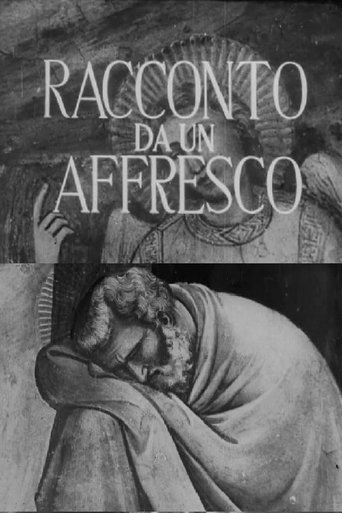
7.5The first art film by Emmer and Gras dedicated to Giotto's frescos in the Scrovegni Chapel in Padua. By capturing the humanity of the figures that populate the story of the life of Jesus, the two Directors treat the series of paintings like a true canvas, isolating the single scenes from the context of the work, and then re-composing them in a new synthesis. The film was re-edited in 1946 and entitled Il dramma di Cristo.
Racconto da un affresco
1941
 7.0
7.0A short Italian film from Luciano Emmer & Enrico Gras using paintings to tell a story of warriors.
Guerrieri
1942
 8.0
8.0The Legend of the Miraculous brothers according to the paintings of Beato Angelico.
I fratelli miracolosi
1948
 7.5
7.5The evolution of Picasso's painting up to his “pink phase.”
Picasso
1954
7.5The evolution of Picasso's painting up to his “pink phase.”
Picasso
1954
 7.0
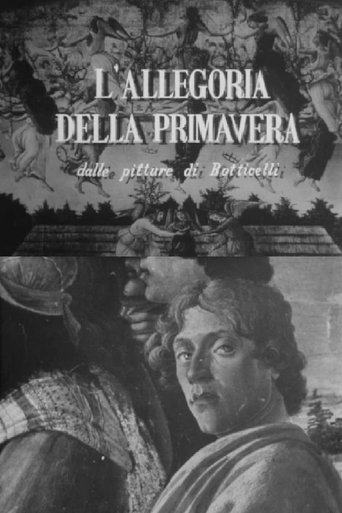
7.0The elegant allegories of Botticelli are our guides as we explore a universe in which mysticism and paganism meet.
L'allegoria della primavera
1949
7.0The elegant allegories of Botticelli are our guides as we explore a universe in which mysticism and paganism meet.
L'allegoria della primavera
1949
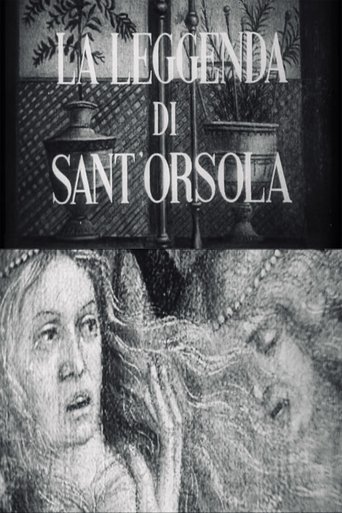 8.0
8.0A short documentary describing of some of the paintings of Vittore Carpaccio at a gallery in Venice depicting the life of Sant Orsola (Saint Ursula).
The Legend of Saint Ursula
1948
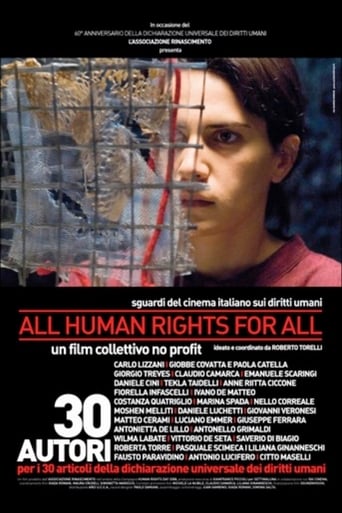 NR
NRCollective film for the 60th anniversary of the Universal Declaration of Human Rights, with 30 directors each helming a segment about one of the 30 articles of the Declaration.
All Human Rights for All
2008
 8.0
8.0Second art short film dedicated to Giotto's work, this time to the frescoes of the Basilica of Assisi, with the words of the laude of St. Francis accompanying the "animated" images of the paintings.
Il Cantico delle creature
1943
 4.0
4.0The cult of the patron saint of Naples is characterized by forms of tribal and popular religiosity.
Il miracolo di San Gennaro
1948
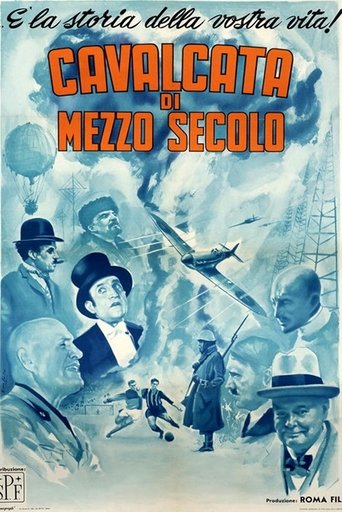 9.0
9.0A historical documentary tracing Italy’s turbulent first half of the twentieth century, from the assassination of King Umberto I in 1900 to the proclamation of the Italian Republic after World War II. Moving through monarchy, fascism, war, and renewal, the film situates political upheaval alongside cultural moments such as the Holy Year celebrations.
Cavalcade of a Half Century
1952
The film tells the true story of a poor peasant woman in the 1600s who lived in an isolated cave in the Val di Non. Accused of witchcraft by the townspeople, the woman is taken to Palazzo Nero, where under torture she admits her guilt and implicates her accusers in revenge for their wickedness. Condemned to death, she refuses to repent, and for this reason is burnt at the stake in the town’s square.
Le flame del paradis - Le fiamme del paradiso
2006
The film tells the true story of a poor peasant woman in the 1600s who lived in an isolated cave in the Val di Non. Accused of witchcraft by the townspeople, the woman is taken to Palazzo Nero, where under torture she admits her guilt and implicates her accusers in revenge for their wickedness. Condemned to death, she refuses to repent, and for this reason is burnt at the stake in the town’s square.
Le flame del paradis - Le fiamme del paradiso
2006
Retracing the path taken by the Allied armies in Italy, you pass through landscapes dotted with crosses, where fallen soldiers lie.
Bianchi pascoli
1947
 NR
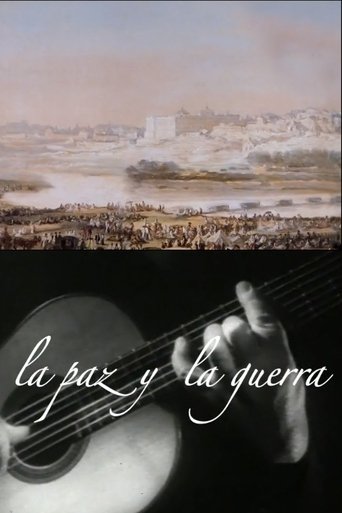
NRIn 2009, shortly before his death, Luciano Emmer made this film, which is a revival of the one he made in 1950. All the views of paintings are replaced by color reproductions, but the rest of the film is identical.
La paz y la guerra
2009
More than twenty years after Racconto da un affresco (1940-1946), Luciano Emmer returns to Padua and the Scrovegni Chapel, home to Giotto's frescoes. He retains the structure of his first film (telling the story of Christ through the frescoes) and his principle of immersion in the paintings, but this time in color. He adds an introductory educational section (a historical presentation of the chapel and Giotto's frescoes) and a descriptive commentary that runs throughout the film.
Il dramma di Cristo narrato da Giotto
1966
 NR
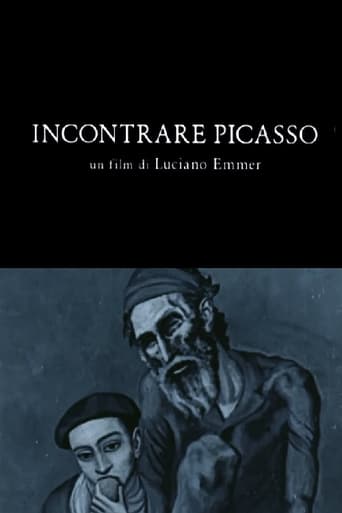
NRHalf a century after his documentary on Picasso, which was cut into various short films in Italy in order to distribute it more easily, Emmer returns to his own material to re-appropriate it and transform it: it would no longer be the asymmetric tale of an anonymous filmmaker who observes the genius painter in amazement, but a work created in complicity between the two authors reflecting on their two expressive means. It is half a tale that finally takes on the form sought by Emmer (the tale of a pigeon between two wars), and half a processual film in which we see Picasso create a mural that only exists in this film. Incontrare Picasso (Meeting Picasso) with the voice-over in the first person points towards the full expository and discursive authorship of Emmer’s two main essays: Bella di notte and Con aura…senz'aura.
Incontrare Picasso
2000
 10.0
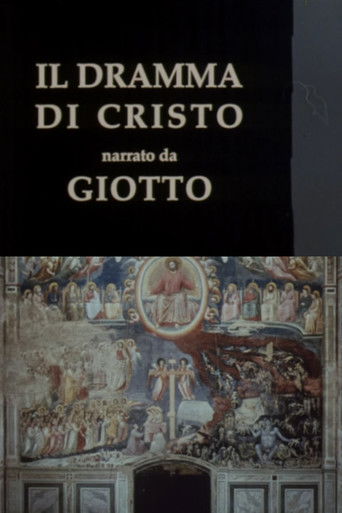
10.0The documentary focuses on Giotto's frescoes in Padua.
Il dramma di Cristo
1948