
Directing
Zygmunt Skonieczny
Known for
Directing
Credits
13 titles
Known for
 NR
A Polish soldier settles on a small island, where he operates a lighthouse. Absorbed by reading, he does not fulfill his duties.
Latarnik
1977
 5.3
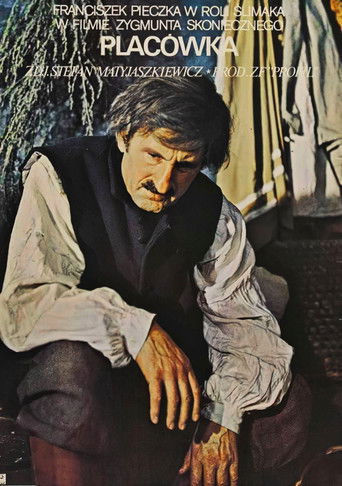
The problem of the Polish population displacement from their land within the limits of the Prussian partition. Germans come to the village harassing a wealthy peasant Snail, leading to the tragedy. Slug's cottage burns, his wife dies. The peasant does not give up, defending his inheritance. He sticks on a patch of his Polish soil and protects it like a soldier his post.
Placówka
1979
A film from the "Silhouettes of Polish Literature" series
"Ty pójdziesz górą..." (Eliza Orzeszkowa)
1980
 NR
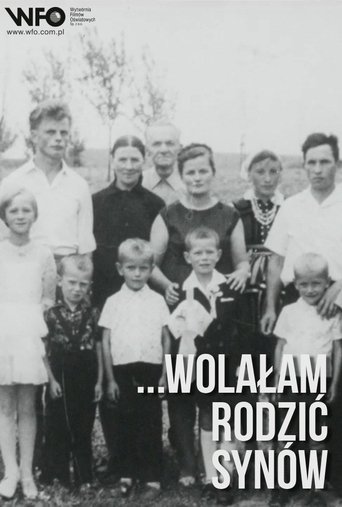
No synopsis available yet.
Wolałam rodzić synów
1985
The film shows the work of Taida Butkiewicz-Gmerkowa, a doctor at Primary School No. 73 in Łódź.
Pani Doktor
1974
 NR
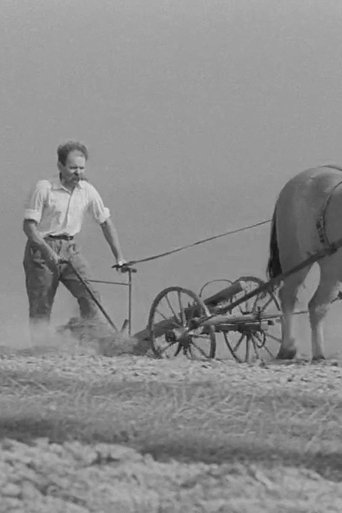
A film portrait of Władysław Szypuła, a farmer from the village of Sołonka in the Rzeszów region, who is a man with a specific philosophy of life. Here he is, at the end of the 20th century, cultivating the land solely with his own muscles, with self-made tools, “independent” of the general economic and market climate. Although his life passes in toil and hardship, he is full of inner peace and kindness to others.
The Independent Peasant
1982
Behind the camera
NRA Polish soldier settles on a small island, where he operates a lighthouse. Absorbed by reading, he does not fulfill his duties.
Latarnik
1977
NRA Polish soldier settles on a small island, where he operates a lighthouse. Absorbed by reading, he does not fulfill his duties.
Latarnik
1977
5.3The problem of the Polish population displacement from their land within the limits of the Prussian partition. Germans come to the village harassing a wealthy peasant Snail, leading to the tragedy. Slug's cottage burns, his wife dies. The peasant does not give up, defending his inheritance. He sticks on a patch of his Polish soil and protects it like a soldier his post.
Placówka
1979
A film from the "Silhouettes of Polish Literature" series
"Ty pójdziesz górą..." (Eliza Orzeszkowa)
1980
A film from the "Silhouettes of Polish Literature" series
"Ty pójdziesz górą..." (Eliza Orzeszkowa)
1980
NRNo synopsis available yet.
Wolałam rodzić synów
1985
NRNo synopsis available yet.
Wolałam rodzić synów
1985
The film shows the work of Taida Butkiewicz-Gmerkowa, a doctor at Primary School No. 73 in Łódź.
Pani Doktor
1974
NRA film portrait of Władysław Szypuła, a farmer from the village of Sołonka in the Rzeszów region, who is a man with a specific philosophy of life. Here he is, at the end of the 20th century, cultivating the land solely with his own muscles, with self-made tools, “independent” of the general economic and market climate. Although his life passes in toil and hardship, he is full of inner peace and kindness to others.
The Independent Peasant
1982
The film, which was shot in the summer of 1981, was not edited until 1988. A triptych addressing the problems of the Polish countryside, depicting the fate of peasants in post-war Poland, from the decree on reform through all the turning points: 1956, 1970, and finally May 12, 1981—the day "Solidarność Wiejska" (Rural Solidarity) was registered.
Chłopski los - tryptyk filmowy
1988