
Known for
 6.0
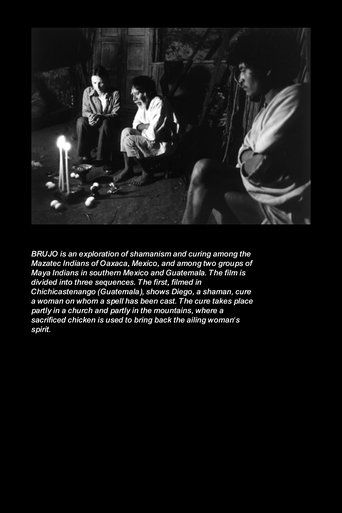
6.0Brujo is an exploration of shamanism and curing among the Mazatec Indians of Oaxaca, Mexico, and among two groups of Maya Indians in southern Mexico and Guatemala.
Shaman
1978
 NR
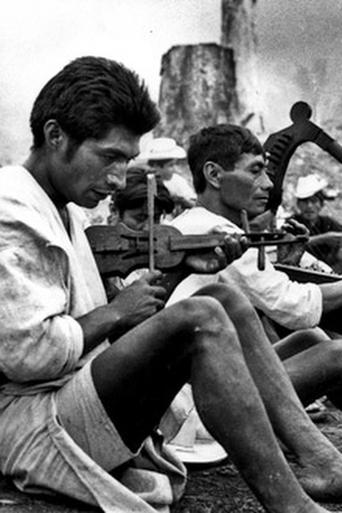
NRThe Maya calendar consists of 18 months of 20 days each, or 360 days. The five remaining days, known as the "days without name," or Chaikin, are the days of Carnival. These days of transition, which coincide with the Catholic Holy Week, are thus filled with celebrations which combine elements from Spanish Catholicism with traditional rituals and cargo fiestas. Reflections on the meaning of the colorful events of these days are offered by the French priest Michel Chanteau.
Tajimoltik: Five Days Without Name
1978
 NR
NREvery year, in the colonial city of Antigua, Guatemala, the "sorrowful way" of Good Friday is recreated by a path of colored sawdust and flower petals. Along this road several hundred people take turns carrying a ponderous mahoganybier.
Via Dolorosa
1978
Behind the camera
6.0Brujo is an exploration of shamanism and curing among the Mazatec Indians of Oaxaca, Mexico, and among two groups of Maya Indians in southern Mexico and Guatemala.
Shaman
1978
NRThe Maya calendar consists of 18 months of 20 days each, or 360 days. The five remaining days, known as the "days without name," or Chaikin, are the days of Carnival. These days of transition, which coincide with the Catholic Holy Week, are thus filled with celebrations which combine elements from Spanish Catholicism with traditional rituals and cargo fiestas. Reflections on the meaning of the colorful events of these days are offered by the French priest Michel Chanteau.
Tajimoltik: Five Days Without Name
1978
NREvery year, in the colonial city of Antigua, Guatemala, the "sorrowful way" of Good Friday is recreated by a path of colored sawdust and flower petals. Along this road several hundred people take turns carrying a ponderous mahoganybier.
Via Dolorosa
1978