

Acting
Kazimierz Zarzycki
Born — Died
1917-01-25 — 1993-09-23
Place of birth
Petersburg, Rosja
Known for
Acting
Credits
8 titles
Known for
 7.3
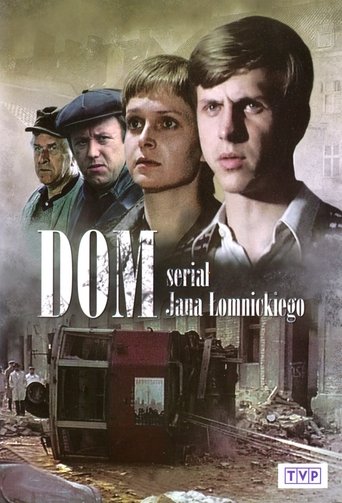
The story of the residents of a tenement house on Złota Street in Warsaw from 1945 to 1980.
Dom
1980
 7.2
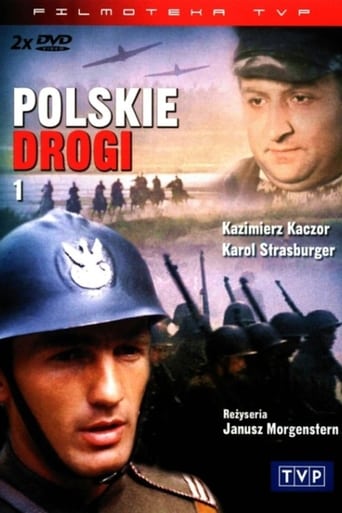
An epic, multi-threaded story about the fate of Poles during World War II. "Czas pogardy" was shown primarily from the perspective of two main characters - Lieutenant Władysław Niwiński and Leon Kuraś - a petty crook, but not without heroic traits. The authors of the series sought to show, in particular, everyday life under Nazi occupation in Poland.
Polskie drogi
1977
 7.4
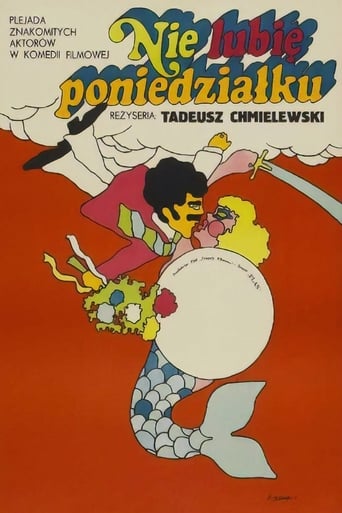
An acute case of Mondayitis in Warsaw. Interwoven stories of a few inhabitants of Warsaw, including one very unlucky Italian on a governmental mission and a charitable Polish American.
I Hate Mondays
1971
 NR
A student who works part-time as a milk carrier, conducts a private investigation into the mysterious death of an old woman. While riding the elevator, he feels as if he saw the face of an elderly woman who died that particular day. Unfortunately, the police and ORMO quite effectively discourage the student from seeking the truth.
Gorączka mleka
1977
 NR
Two men in a game of chess. One of the players is a country boy who accidentally discovered a chess talent, and the other is a former lawyer who has not played chess for twenty years. The lawyer tells the story of learning to play chess: during World War II, he was arrested for no reason and imprisoned. One day, while waiting for another interrogation, he stole the book "Chess Review" from the investigating officer's coat. He perfected it for several months and started playing against himself. The intense mental effort led him to a nervous breakdown eventually...
Checking the King
1972
Teenager Ursula is in trouble at school - she doesn't pay attention in class and occasionally truants. She also lies to her parents to free herself from the imposed "barrier". Eventually, all her faults come to light. The girl must bear the consequences of her behavior.
Urszula
1970
Film credits
1970s · 5 titles
7.4An acute case of Mondayitis in Warsaw. Interwoven stories of a few inhabitants of Warsaw, including one very unlucky Italian on a governmental mission and a charitable Polish American.
I Hate Mondays
1971
NRA student who works part-time as a milk carrier, conducts a private investigation into the mysterious death of an old woman. While riding the elevator, he feels as if he saw the face of an elderly woman who died that particular day. Unfortunately, the police and ORMO quite effectively discourage the student from seeking the truth.
Gorączka mleka
1977
NRTwo men in a game of chess. One of the players is a country boy who accidentally discovered a chess talent, and the other is a former lawyer who has not played chess for twenty years. The lawyer tells the story of learning to play chess: during World War II, he was arrested for no reason and imprisoned. One day, while waiting for another interrogation, he stole the book "Chess Review" from the investigating officer's coat. He perfected it for several months and started playing against himself. The intense mental effort led him to a nervous breakdown eventually...
Checking the King
1972
Teenager Ursula is in trouble at school - she doesn't pay attention in class and occasionally truants. She also lies to her parents to free herself from the imposed "barrier". Eventually, all her faults come to light. The girl must bear the consequences of her behavior.
Urszula
1970
 7.0
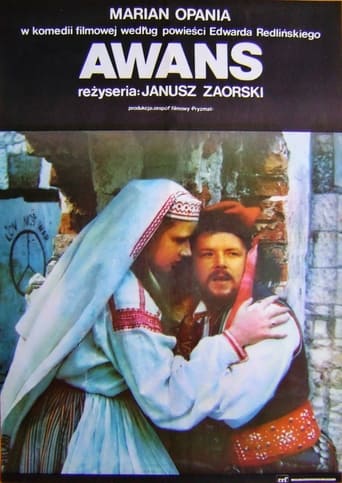
After getting a university degree, Marek Grzyb comes back to his village and does his best to convince the people to modernize.
Promotion
1975
Series credits
7.3The story of the residents of a tenement house on Złota Street in Warsaw from 1945 to 1980.
Dom
1980
7.2An epic, multi-threaded story about the fate of Poles during World War II. "Czas pogardy" was shown primarily from the perspective of two main characters - Lieutenant Władysław Niwiński and Leon Kuraś - a petty crook, but not without heroic traits. The authors of the series sought to show, in particular, everyday life under Nazi occupation in Poland.
Polskie drogi
1977