
Acting
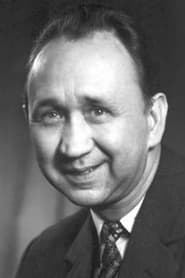
Wojciech Zagórski
Born — Died
1928-08-06 — 2016-04-29
Place of birth
Warsaw, Poland
Known for
Acting
Credits
46 titles
Known for
 5.7
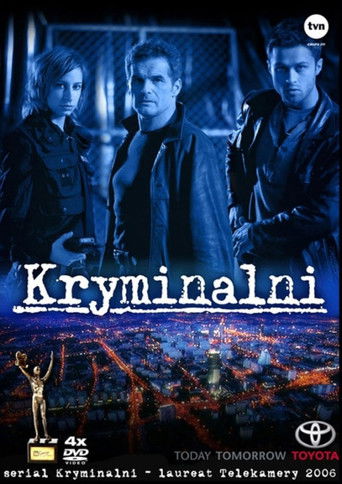
Kryminalni was a Polish crime drama television series that aired on TVN network from September 18, 2004 until May 24, 2008. It ran for 8 seasons and 101 episodes were broadcast in total. It was created by Polish director and screenwriter Piotr Wereśniak and produced by MTL Maxfilm studio. The series followed life and work of police officers from the elite Criminal Terror and Murders Division of the Warsaw Metropolitan Police; the title refers to police officers in the crime section. The three main characters were Adam Zawada, an experienced, tough cup, his younger colleague Marek Brodecki and Barbara Storosz, an ambitious female officer who in the first season joins the team just after graduating. Although none of the main actors had had star status before the series debuted, all three of them rose to prominence and popularity during the 5-year-long run. Many of Poland's best known actors guest starred, usually playing roles of people involved in just one particular investigation. The serial was one of the most popular in Poland: each week it had an audience of 4 million.
Kryminalni
2004
 7.3
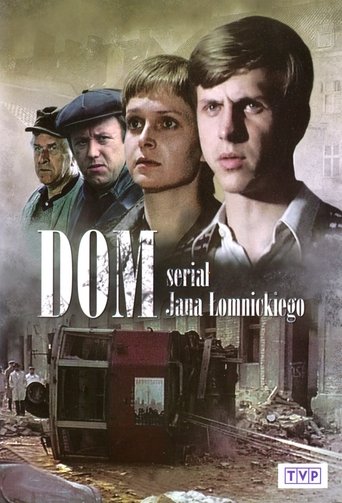
The story of the residents of a tenement house on Złota Street in Warsaw from 1945 to 1980.
Dom
1980
 7.5
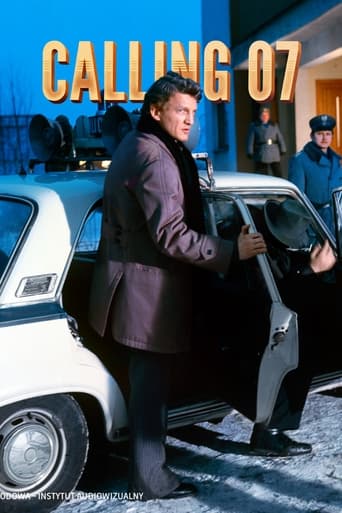
The series centres around the investigations of Police Lieutenant Sławomir Borewicz. Each episode features a different case being solved by Borewicz.
Calling 07
1976
 7.2
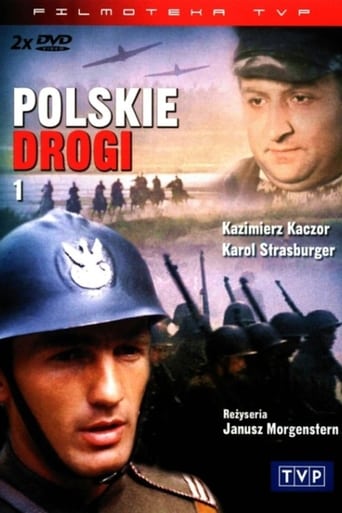
An epic, multi-threaded story about the fate of Poles during World War II. "Czas pogardy" was shown primarily from the perspective of two main characters - Lieutenant Władysław Niwiński and Leon Kuraś - a petty crook, but not without heroic traits. The authors of the series sought to show, in particular, everyday life under Nazi occupation in Poland.
Polskie drogi
1977
 5.8
No synopsis available yet.
Boża podszewka. Część druga
2005
 7.2
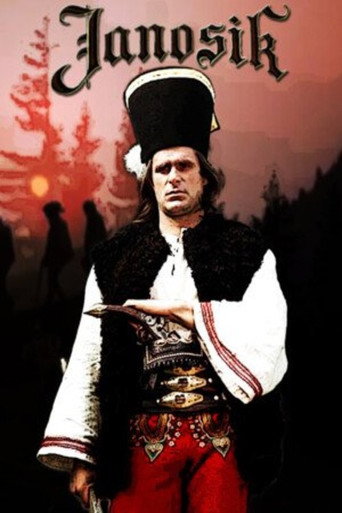
Janosik was a television series that aired in Poland in 1974. It is about a famous Polish highlander outlaw who in folk legends steals money and goods from the rich and helps out the poor. The series was directed by Jerzy Passendorfer. There are 13 1-hour episodes.
Janosik
1974
Film credits

1990s · 3 titles
 6.8
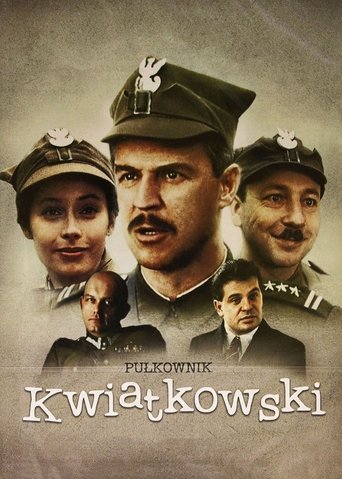
Military doctor Kwiatkowski, serving in a barracks hospital on the Western Territories, is rewarded with a week’s leave after successfully operating on Colonel Kiziora of the UB. He and his friend steal a truck bound for Warsaw, where among the ruins of his former home he meets his prewar neighbor Krysia, instantly falls in love, and, after a brawl with a Russian officer at a dance in the surviving “Polonia” hotel, pretends to be a high-ranking UB colonel to save face.
Colonel Kwiatkowski
1996
A young Janka leads a band of kids in 1920's Poland, experiencing many adventures and witnessing technological innnovations along the way. The first of two theatrical films edited out of the original TV series.
Janka - Orły i Wilki
1993
A young Janka leads a band of kids in 1920's Poland, experiencing many adventures and witnessing technological innnovations along the way. The second of two theatrical films edited out of the original TV series.
Janka - Spełnione marzenie
1993
1980s · 6 titles
 5.6
Russia, 1870. A group of young anarchist revolutionaries set out to overthrow the Czarist regime through violence. Their attacks create a climate of psychosis and mutual distrust among the population, but in reality, both revolutionaries and repressors are being manipulated by a diabolical individual.
The Possessed
1988
 7.5
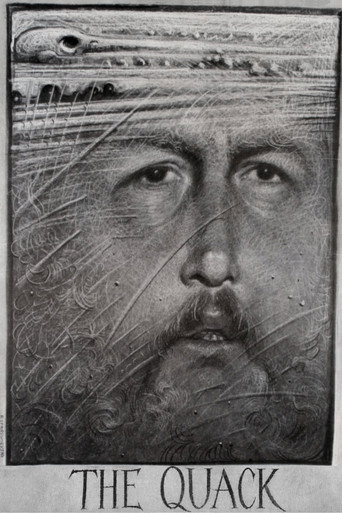
A famous surgeon is beaten by drunken bullies, loses his memory and cannot recollect who he was before. He gets to a village, lives in a not so well to do family and becomes the Quack - he slowly regains his talent for medicine and saves the lives of several village patients.
The Quack
1982
 7.1
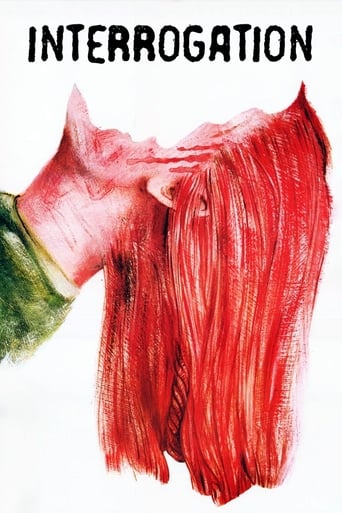
In Stalinist Poland, cabaret singer Tonia decides to spend the evening drinking with a group of friends. The next morning, she awakes to find that, for reasons unknown to her, she has been jailed as a political prisoner. As prison officials interrogate, torture and humiliate her, she fights for survival and to maintain her innocence by refusing to sign a false confession. As her years of imprisonment pass, her relationship with her captors grows more complicated.
Interrogation
1989
 8.0
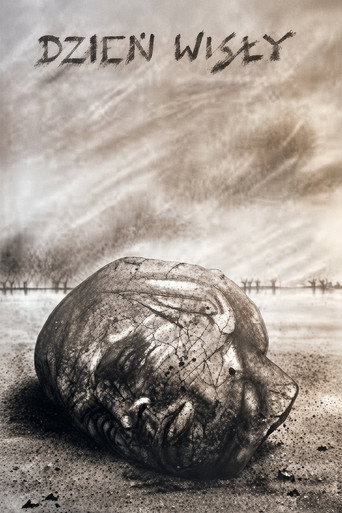
Warsaw, September 1944. On the eastern bank of the Vistula, a group of civilians live in a house cut off from the fighting across the river. Tadeusz, a young poet who has lost both legs, struggles with his helplessness as the Warsaw Uprising continues. His younger brother Witek dreams of crossing the river to join the fight, while Tadeusz grows closer to Katarzyna. As soldiers, refugees and resistance fighters pass through the house, its inhabitants confront the devastation of war and the uncertain future of a country caught between two worlds.
The Day of the Vistula
1980
 8.0
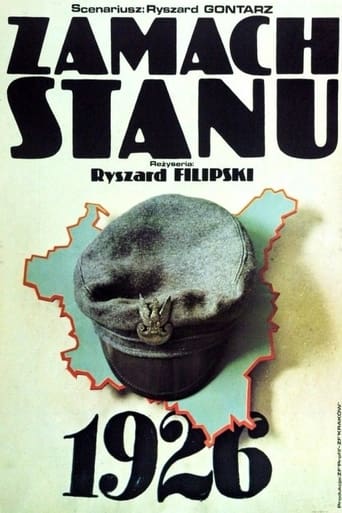
Fall 1925. Six hundred officers demonstrate in front of Józef Piłsudski’s country house in Sulejówek, demanding the Marshal’s return to active political life. May 1926—a government crisis; Wincenty Witos forms a new government. Piłsudski’s move sparks clashes between supporters and opponents of the ousted government. Piłsudski appoints Kazimierz Bartel as prime minister. The beginning of the “moral reform.” Ignacy Mościcki becomes president. Summer 1930. A joint platform of opponents to the Sanacja government is formed. “Centrolew” is established.
Zamach stanu
1981
 6.7
Kaziuk, a stubborn peasant and his pregnant wife live in a backwood village, unaffected by the civilization. The village is once visited by a couple of wanderers, and strange things start to happen afterward. A new schoolteacher is sent to the area. She stirs erotic fantasies in Kaziuk. In a stir of frustration Kaziuk cuts down a family tree — a sacrilegious act in the eyes of his family. Going a step further and using a scythe for cutting the rye instead of a sickle brings the whole village against him.
The Linnet
1982
1970s · 7 titles
 7.3
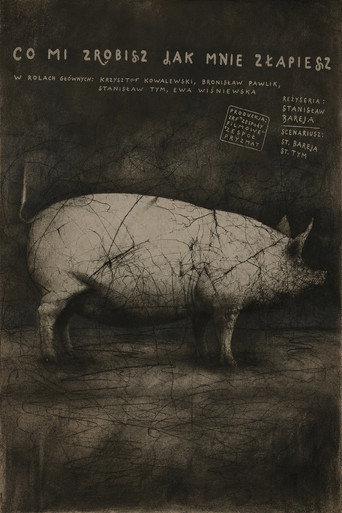
Tadeusz Krzakoski, the director of a failing state-owned company, is married with problems. His mistress, the daughter of a Communist party bigwig, says she's pregnant and Tadeusz knows he'll have to marry her to save his reputation and his job. But divorce is never simple and Bareja's screwball comedies are never boring.
What Will You Do When You Catch Me?
1978
 7.6
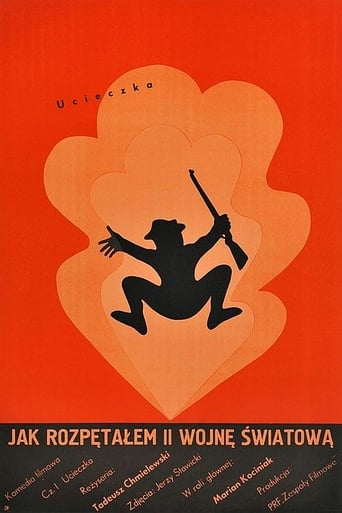
On the night of August 31, 1939, Dolas, from a platoon reinforcing a train station on the German border, falls asleep in a train car and unknowingly crosses into Germany. The moment he shoots a German, who he thinks is a saboteur, the German invasion of Poland begins, and Dolas is convinced it was his fault. He is taken to Stalag POW camp, the first destination in his odyssey around Europe.
How I Unleashed World War II, Part I: The Escape
1970
 6.9
Modest editor, has shipped his wife and kids for the weekend, and is trying to relax in his house at the outskirts of Warsaw. His quiet evening is only disturbed by the accidental forecast made by a Gypsy woman, that at evening time he will murder a mysterious brunet.
Brunet Will Call
1976
 10.0
Jacenty is nearing the end of his days. However, he wants to go on his own terms, bargaining until the very end.
Lazarus' Whims
1973
Retired Sypniewski stands before a bizarre task - he must drown kittens.
Koty to dranie
1978
A young doctor from the lower classes is helped in his career by a rich woman. When he comes back from study in Paris he takes a job at a watering spa. He comes up against the owners when he tries to help the poor.
Doctor Judym
1975
 8.0
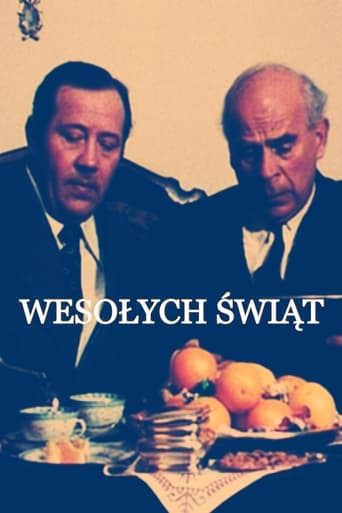
Two men go to Warsaw to sell Christmas trees and meet old friends.
Merry Christmas
1977
1960s · 14 titles
 7.9
Ja gorę! tells the story of a Pogorzelski nobleman who settles in a ruined castle in Samsonów, determined to restore it, only to be haunted by the ghost of its former owner. A parody of gothic horror literature and cinema, the short is based on a tale by Henryk Rzewuski and was produced as part of the Polish television series Opowieści niezwykłe (1967–1968).
I Am Burning!
1968
A boy dreams of going for a ride in a boat or kayak, but when the opportunity finally comes, he soon finds himself longing to return to shore. The boy is played by Tadeusz Wiśniewski, who appeared in several films for young audiences, including four directed by Janusz Nasfeter. The film’s music was composed by Krzysztof Komeda, still credited under his real surname, Trzciński.
Przejażdżka
1960
 6.5
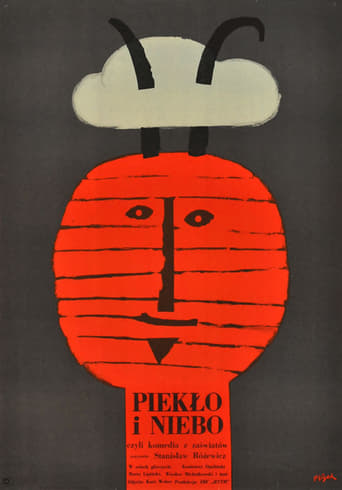
A bus crashes and its passengers find themeselves in the afterlife, which they find has the not only the same set of rules as Earth, but also the same bureaucratic chaos.
Hell and Heaven
1966
 9.0
Three stories about life problems, each rooted in contemporary reality through newspaper reports and a “Polityka” magazine survey, crafted by documentarians Jerzy Hoffman and Edward Skórzewski.
Trzy kroki po ziemi
1965
 10.0
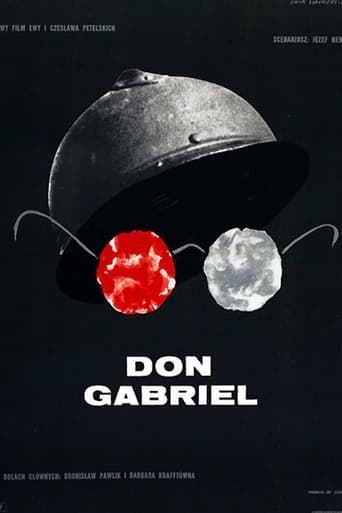
The first Polish film to discuss the failure of September 1939 Polish-German war, seen from the point of view of a university intellectual, fascinated by German culture, who decides to take active part in the conflict.
Don Gabriel
1966
 6.5
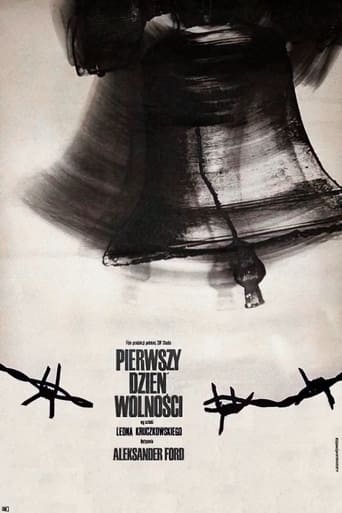
Freed Polish soldiers are trapped in a small town in Germany during the last days of World War II. After a doctor's daughter is raped by a concentration camp worker, the Poles allow her and her father to stay in the house that is their temporary quarters. While waiting to be repatriated, the war-weary group is forced to fight some German soldiers who invade the town. The war brings out conflicting emotions of the Poles who find themselves trapped in the house and once again under fire from the enemy.
The First Day of Freedom
1964
An average notary finds a small fortune of coins hidden in his fireplace alongside a manuscript dating back 100 years.
Tysiąc talarów
1960
 7.5
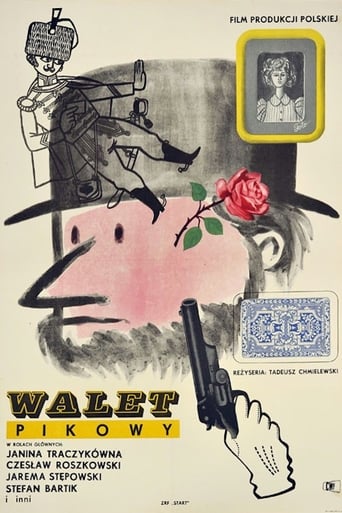
A reclusive lighthouse worker accepts the offer to swap jobs with a police inspector for a while, just to help him catch Teston, the so-called criminal of criminals.
The Knave of Spades
1960
 7.5
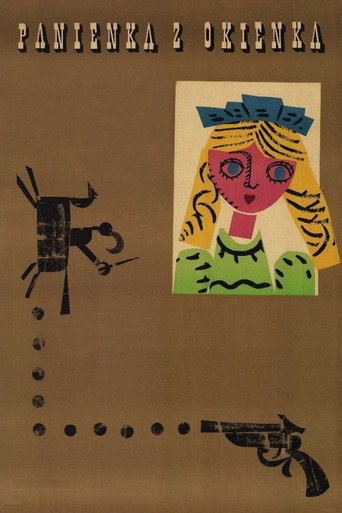
Adventures of a two little girls kidnapped from their families.
A Lady from the Window
1964
 8.2
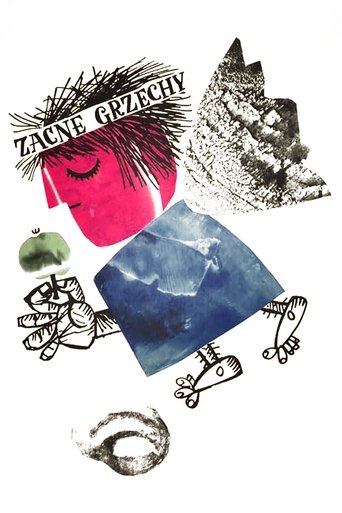
A carmelite monk travels through 17th century Poland and experiences various mishaps along the way.
Good Sins
1963
A journalist is preparing to take a train trip, when he is confronted by the spirit of professor Ryszpans who tells what happened to him. When he boarded a train standing on a siding, he encountered trackman Wiór with a newspaper informing about the crash of the train and the death of several passengers, including professor Ryszpans. The professor is joined by engineer Zniesławski, who has also heard of the impending disaster and is interested in it from the technical side. On hearing the news of an approaching catastrophe, other passengers leave the train in panic at the next station. However, trackman Wiór manages to hypnotize several travelers who continue with the journey. Ryszpans hears a roar and sees objects crumbling around him, and then turns into a shadow. After hearing the story, the journalist resigns from his train trip.
The Siding
1968
 5.4
To secure their team's success, dedicated football fans (Boleslaw Plotnicki, Mieczyslaw Czechowicz) plot to kidnap their opponents' star player (Andrzej Kopiczynski).
The Holy War
1965
 8.0
A boy awaits the return of his long-absent emigre father but is disappointed when they finally meet.
Mój stary
1962
A friendship grows between two prisoners when they haul a cart with provisions during the evacuation of a concentration camp. However, their friendship ends tragically.
Wózek
1965
1950s · 4 titles
 8.0
Two zootechnics students, Jacek and Marek, come to the Bieszczady (it's the Polish "Wild West"). Looking for a holiday adventure and income, they become "cowboys" on local cattle grazing. Instead of the expected romantic adventures and the male, hard life, their boredom is becoming their share. Only when Jacek gets a stallion Szaga, things take a different turn.
Rancho Texas
1959
 4.8
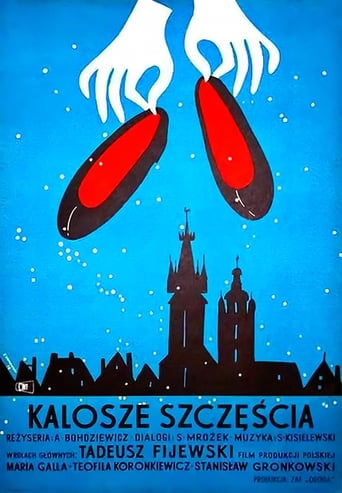
Two fairies, Terencja and Felicja are in posession of the Lucky Rain Boots, which they intend to give to the most deserving person in the city of Kraków. However, they consistently fall into the wrong hands, creating a multitude of absurd and comedic situations.
Kalosze szczęścia
1958
The dark drama of a peasant family from the second half of the 19th century: Seduced by a municipal clerk (in exchange for a promise to release her husband from military service), the woman dies at the hands of her jealous husband.
Szkice węglem
1957
 6.4
Communist Szczęsny juggles between his revolutionary activities and love to a fellow party member Madzia in this sequel to "Cellulose".
Under the Phrygian Star
1954
Series credits
5.7Kryminalni was a Polish crime drama television series that aired on TVN network from September 18, 2004 until May 24, 2008. It ran for 8 seasons and 101 episodes were broadcast in total. It was created by Polish director and screenwriter Piotr Wereśniak and produced by MTL Maxfilm studio. The series followed life and work of police officers from the elite Criminal Terror and Murders Division of the Warsaw Metropolitan Police; the title refers to police officers in the crime section. The three main characters were Adam Zawada, an experienced, tough cup, his younger colleague Marek Brodecki and Barbara Storosz, an ambitious female officer who in the first season joins the team just after graduating. Although none of the main actors had had star status before the series debuted, all three of them rose to prominence and popularity during the 5-year-long run. Many of Poland's best known actors guest starred, usually playing roles of people involved in just one particular investigation. The serial was one of the most popular in Poland: each week it had an audience of 4 million.
Kryminalni
2004
7.3The story of the residents of a tenement house on Złota Street in Warsaw from 1945 to 1980.
Dom
1980
7.5The series centres around the investigations of Police Lieutenant Sławomir Borewicz. Each episode features a different case being solved by Borewicz.
Calling 07
1976
7.2An epic, multi-threaded story about the fate of Poles during World War II. "Czas pogardy" was shown primarily from the perspective of two main characters - Lieutenant Władysław Niwiński and Leon Kuraś - a petty crook, but not without heroic traits. The authors of the series sought to show, in particular, everyday life under Nazi occupation in Poland.
Polskie drogi
1977
5.8No synopsis available yet.
Boża podszewka. Część druga
2005
7.2Janosik was a television series that aired in Poland in 1974. It is about a famous Polish highlander outlaw who in folk legends steals money and goods from the rich and helps out the poor. The series was directed by Jerzy Passendorfer. There are 13 1-hour episodes.
Janosik
1974
 7.0
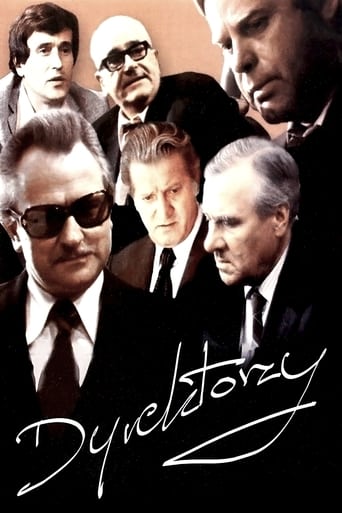
1957. Excessively high production standards imposed by the authorities result in the plan not being fulfilled, and the workers cannot imagine living normally without rewards and bonuses. A rebellion breaks out. Worker democracy wins – the working class elects a director from among its own ranks. He is an old locksmith with no managerial experience. Although he believes in the socialist spirit and has a communist past, he does not hold the position for long, as he makes promises too easily that he is unable to keep.
Dyrektorzy
1975
 8.0
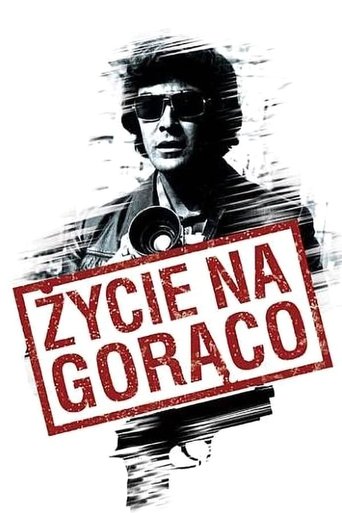
No synopsis available yet.
Życie na gorąco
1979
 7.5
Nikodem Dyzma immigrates from the eastern part of Poland to the capital in the hope for possibilities to make a living. He is in need, very poor and forced to look for basic food and shelter. Yet, on a day when an unexpected invitation appears, his life changes dramatically.
Kariera Nikodema Dyzmy
1980
 8.4
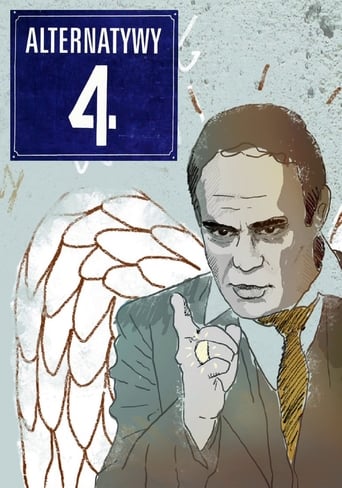
4 Alternative Street was a Polish comedy TV show that was finished in 1983 and aired in 1986 due to censorship. Many famous Polish actors appeared in the series. The filming location used in the mini series was a residential complex which is still in existence at 3 Grzegorzewska Street in Warsaw, Poland. The series was a satire to the communist rule in Poland, spoken in a way that it passed through communist censorship office.
4 Alternative Street
1986
 6.0
No synopsis available yet.
Dziki 2. Pojedynek
2005