
Acting
Edward Wnuk
Known for
Acting
Credits
13 titles
Known for
 7.2
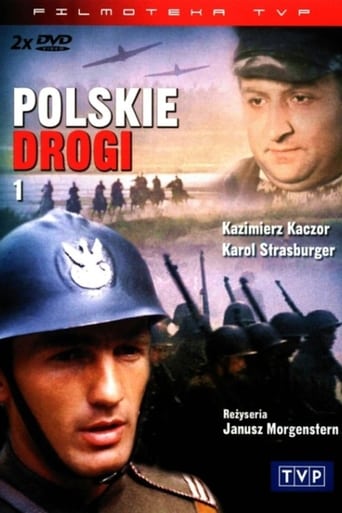
An epic, multi-threaded story about the fate of Poles during World War II. "Czas pogardy" was shown primarily from the perspective of two main characters - Lieutenant Władysław Niwiński and Leon Kuraś - a petty crook, but not without heroic traits. The authors of the series sought to show, in particular, everyday life under Nazi occupation in Poland.
Polskie drogi
1977
 8.0
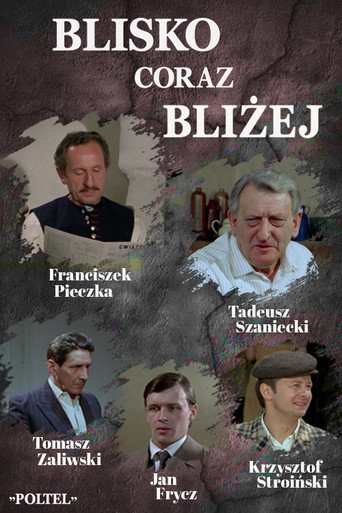
The story stretches from 1863 to 1945. Its main characters are representatives of the Pasternik family, who live in the fictional village of Wielowice near Pszczyna. The protagonist of the first three episodes is Franciszek Pasternik, the following parts tell about the fate of his many children and even more grandchildren. The viewer follows their history against the backdrop of great changes and historical events that influenced the lives of Silesian Poles. So there is the Kulturkampf, Prussian rugi, the revolution of 1905, World War I and the Silesian Uprisings.
Blisko, coraz bliżej
1983
 9.0
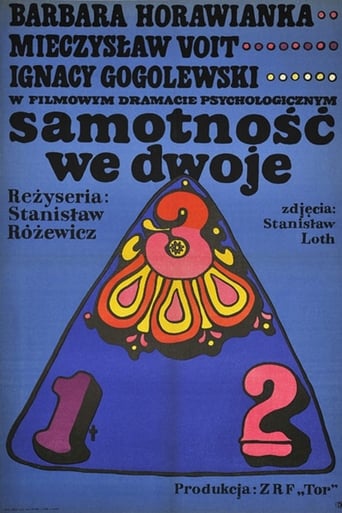
The film is a psychological study addressing the problem of lack of inner resilience in the face of misfortune. The death of a son, trampled by frightened horses, disrupts the peace and happiness of the family of Pastor Hubina. Mentally broken wife Edyta (Barbara Horawianka) leaves to join her sister in Prague and there meets music teacher von Kschitzky, with whom she returns after some time, entrusting him with teaching music to her daughter Olesia. The teacher is a follower of Nazi ideology and practice. Edith begins to show more and more interest in him, and he ostentatiously seeks her favor.
Loneliness of the Couple
1969
 7.5
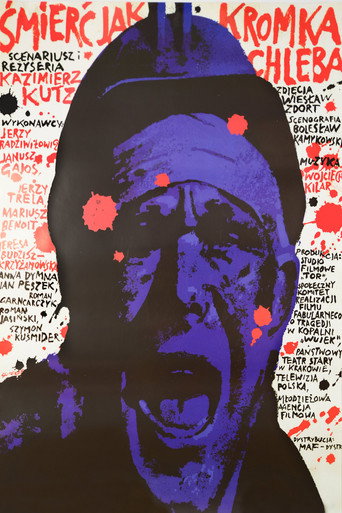
Katowice, the night of December 12-13, 1981. Military units occupy strategic points in the city. A group of Zomovniks, smashing union security, drags the chairman of the Company Commission of the NSZZ Solidarity in the Wujek mine out of his apartment. The news quickly spreads to the miners. Initially surprised, they soon react with spontaneous protest. On December 14, a strike breaks out at the plant. The miners demand the lifting of martial law and the release of the chairman. When negotiations fail, the army, ZOMO and militia storm the mine.
Death as a Slice of Bread
1994
 6.8
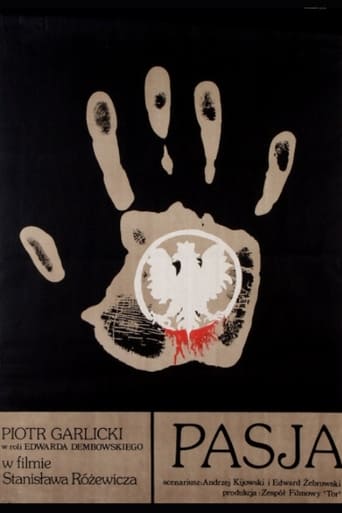
The last days in the life of Edward Dembowski (1822-1846), the organizer of the Kraków Uprising in 1846. The informal leader of the uprising, determined to fight for the unification of Polish lands and the liberation of the peasants, negotiates with other politicians.
Passion
1978
 5.1
Set in 1944. A shepherd boy enters an abandoned palace he has seen only from the distance since he was a boy. Once he enters the palace, strange things begin to happen as though he was dreaming the events rather than living them.
The Palace
1980
Film credits
1980s · 4 titles
5.1Set in 1944. A shepherd boy enters an abandoned palace he has seen only from the distance since he was a boy. Once he enters the palace, strange things begin to happen as though he was dreaming the events rather than living them.
The Palace
1980
 6.0
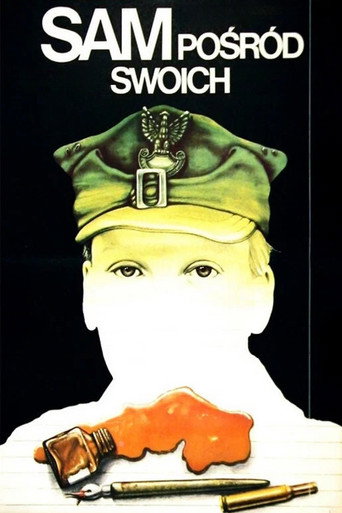
The year is 1946 – a Poland plunged into chaos, with the new government yet to stabilize. The protagonist, Andrzej Kmita, is a young lieutenant in the Polish Army, eager to take his final high school exams and lead a normal life. However, he cannot forget his past – associated with the Home Army during the war, he is now forced to fight alongside his former comrades. Both members of the underground and the new government view the protagonist with suspicion.
Sam pośród swoich
1986
Michał is among the soldiers quartered in a village near Lublin. By accident, he goes to the palace and visits the magnificent building, where he meets a widow Maria. Meanwhile, local peasants do not want to wait for the start of land reform. They appoint their own committee and want to deal with the division of property themselves.
Michał
1984
 6.5
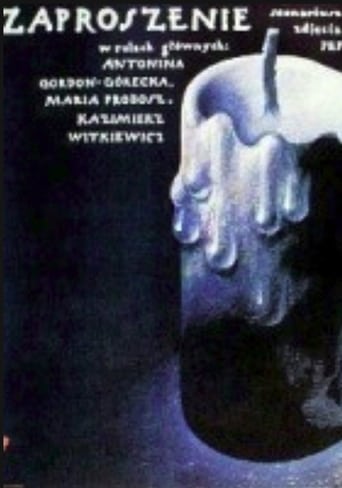
The main character is Anna, an outstanding pediatrician. She survived the harsh years of war in a concentration camp and cannot accept the behavior of her daughter Natalia, who uses her connections and cares only about material goods. Anna is reminded of 1939, when Piotr, who had been missing for forty-five years, arrives in Poland. Together, they visit places that are important to them: Auschwitz, Sachsenhausen, and Ravensbruck.
Invitation
1986
1970s · 5 titles
6.8The last days in the life of Edward Dembowski (1822-1846), the organizer of the Kraków Uprising in 1846. The informal leader of the uprising, determined to fight for the unification of Polish lands and the liberation of the peasants, negotiates with other politicians.
Passion
1978
 9.0
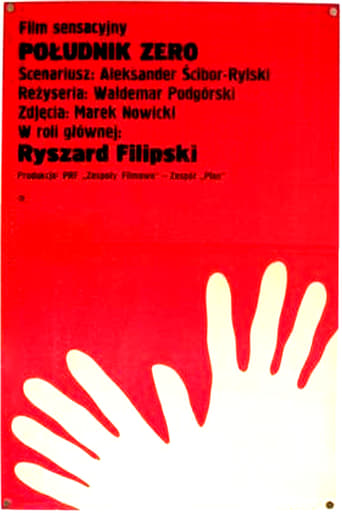
Shortly after World War 2 a militiaman with the help of two Union of Young Struggle members wages war on a local gang terrorising a small Masurian town.
Południk zero
1971
 10.0
The five participants in the meeting for the construction of a luxury hotel meet years later at its opening.
Hotel klasy lux
1979
A dramatization of the Gleiwitz incident.
Operation "Himmler"
1979
The film is set in the summer of 1944. The Home Army branch operating in the Sądecki region is decimated by the Germans during an attempt to take over the drop of weapons and ammunition from England. About 20 soldiers break out of the encirclement, including the commander - Major "Dziadek" - and his deputy - Captain Stańczyk. Partisans are trying to get to the ruins of a nearby castle, where the last ammo crate is supposed to have landed.
Day of Purification
1970
Series credits
7.2An epic, multi-threaded story about the fate of Poles during World War II. "Czas pogardy" was shown primarily from the perspective of two main characters - Lieutenant Władysław Niwiński and Leon Kuraś - a petty crook, but not without heroic traits. The authors of the series sought to show, in particular, everyday life under Nazi occupation in Poland.
Polskie drogi
1977
8.0The story stretches from 1863 to 1945. Its main characters are representatives of the Pasternik family, who live in the fictional village of Wielowice near Pszczyna. The protagonist of the first three episodes is Franciszek Pasternik, the following parts tell about the fate of his many children and even more grandchildren. The viewer follows their history against the backdrop of great changes and historical events that influenced the lives of Silesian Poles. So there is the Kulturkampf, Prussian rugi, the revolution of 1905, World War I and the Silesian Uprisings.
Blisko, coraz bliżej
1983