
Writing
Martin Suter
Born
1948-02-29 (78)
Place of birth
Zürich, Switzerland
Known for
Writing
Credits
15 titles
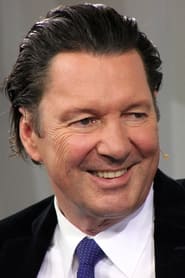
Martin Suter (born 29 February 1948 in Zürich) is a Swiss author. He became known for his weekly column Business Class in the Weltwoche newspaper (1992–2004), now appearing in the Tages-Anzeiger, and another column appearing in "NZZ Folio". The columns have been published as nine books. Suter has published fourteen novels, written four stage plays, and seven screenplays, for which he received various awards. He is married and lives in Spain and Guatemala. Suter worked previously as a copywriter and creative director in advertising before he decided to fully concentrate on his writing career in 1991. He achieved his break-through with his novel Small World in 1997, which was published by D…
Known for
 5.5
5.5TV presenter Markus Lanz invites prominent guests and experts from all areas of public life to his colourful talk show. As a rule, there are four guests, introduced individually to contribute their personal experiences to the topics.
Markus Lanz
2008
 6.8
6.8No synopsis available yet.
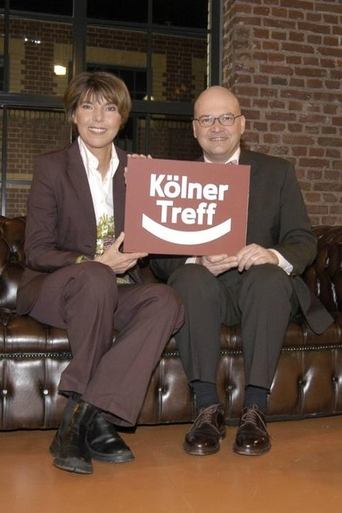
Kölner Treff
1976
 6.6
6.6No synopsis available yet.
NDR Talk Show
1979
 5.2
5.2No synopsis available yet.
Riverboat
1992
No synopsis available yet.
Tietjen und Bommes
1997
No synopsis available yet.
Aeschbacher
2001
Film credits
Series credits
5.5TV presenter Markus Lanz invites prominent guests and experts from all areas of public life to his colourful talk show. As a rule, there are four guests, introduced individually to contribute their personal experiences to the topics.
Markus Lanz
2008
6.8No synopsis available yet.
Kölner Treff
1976
6.6No synopsis available yet.
NDR Talk Show
1979
5.2No synopsis available yet.
Riverboat
1992
No synopsis available yet.
Tietjen und Bommes
1997
No synopsis available yet.
Aeschbacher
2001
No synopsis available yet.
Das blaue Sofa
2010
TV host Tommi Schmitt goes for a walk with different celebrities to talk about their lives.
Draußen mit Tommi Schmitt
2022
Behind the camera
 4.8
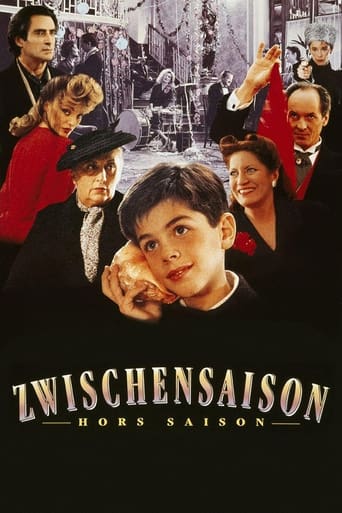
4.8The formerly great Swiss hotel which Valentin’s family owned when he was a boy has been emptied and is about to be torn down. He revisits the magical site’s empty halls and ballrooms.
Off Season
1992
 5.9
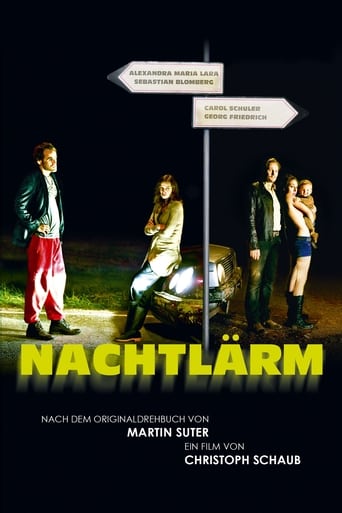
5.9Life could be wonderful for Livia and Marco: good-looking, young, and Tim's parents. Tim is nine months old. His screaming every night drives his parents around the bend, although he was supposed to cement their relationship. But instead of slumber and sex, it's the same every night: jump out of bed and into the wobbly old Golf whose engine sound is the only thing that calms Tim down. One night, the unbelievable happens…
Lullaby Ride
2012
 5.4
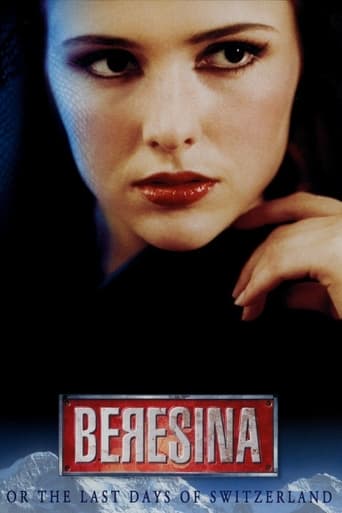
5.4A naive girl's love for Switzerland is put to the test in this satiric comedy. Irina is a woman from Russia who all her life has always been fascinated by Switzerland and longs to live there some day, though her notion of Swiss life has more to do with Heidi and old movies set in the Alps than reality.
Beresina
1999
 4.3
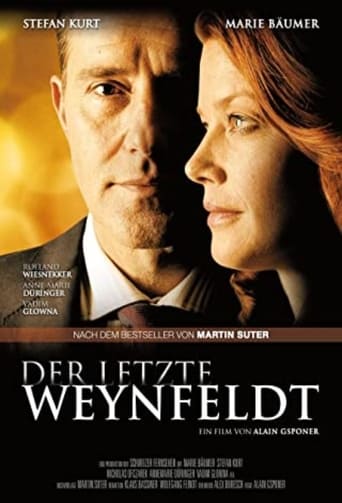
4.3The lack of an olive for his Dry Martini drives Adrian Weynfeldt one night to a nearby bar. There he meets a beautiful woman whose direct style and unpolished charm he can not escape. He takes Lorena home. The next morning Lorena stands outside the balcony railing and wants to jump down. The awkward Weynfeldt manages to dissuade her from her project. From now on, Lorena blames him for her life and tempts him to help her out of financial bottlenecks on several occasions. So he begins to pay her debts to a man named Pedroni, whom Lorena claims is a debt collector. Then his old friend Dr. Baier asks him for an impossible favor: Weynfeldt is to release a forgery of the painting "Le Salamandre" by Felix Vallotton for auction. But what does Lorena have to do with it? And is Weynfeldt, who has hitherto had nothing to do with the counterfeiters and blackmailers, resist the temptation?
Der letzte Weynfeldt
2010
 5.2
5.2A journalist is assigned to interview an eccentric anthropologist who has exhumed the skeleton of Jörg Jenatsch, a revered freedom fighter who was mysteriously murdered in 1639. Initially disinterested, the journalist begins to uncover unflattering truths about the national hero and experiences visions in which he seems to be witnessing events that transpired over 300 years ago. As he obsessively pursues the investigation, his personal life and his grip on reality disintegrate, drawing him relentlessly toward the fatal carnival at which Jenatsch was killed.
Jenatsch
1987
 6.7
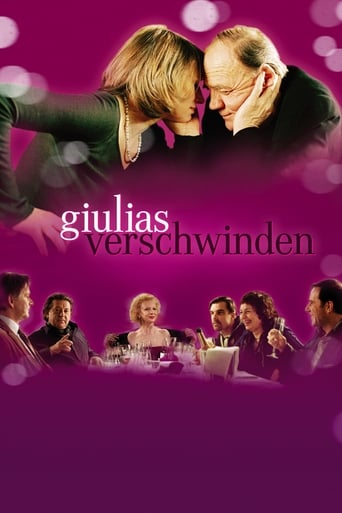
6.7A comedy about aging, youth and other eternal truths. Of all days, precisely on her fiftieth birthday, Julia has to experience that age makes you invisible. Frustrated, she goes shopping and makes an acquaintance, spontaneously deciding to spend the evening with this stranger, rather than with the guests of her own birthday party. They wait for her in a restaurant, all dressed up and groomed, lively debating the years that have passed. The truths and wisdom of Julia's closest friends on aging and growing old are drowned increasingly in sufficient quantities of alcohol. In the mean time, on her eightieth birthday, Leonie, sulking over the loss of youth, is rebelling against her daughter, the senior citizen's home, conventions, and old age in general - and joyfully sabotaging the party in her honor.
Julia's Disappearance
2009