
Acting
Heinrich Buttchereit
Acting credits
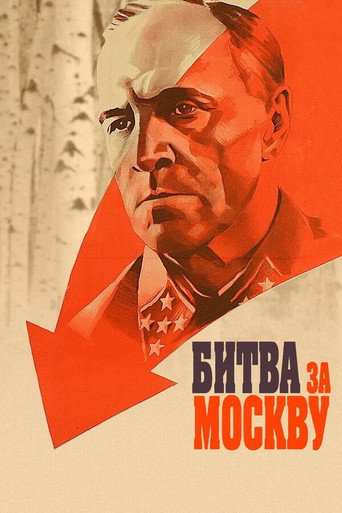 NR
NRThe Battle of Moscow is a 1985 Soviet multi-part war narrative, presenting a dramatized account of the 1941 Battle of Moscow and the events preceding it. The battle was the first major defeat of German Wehrmacht in the Second World War.
Battle of Moscow
1985
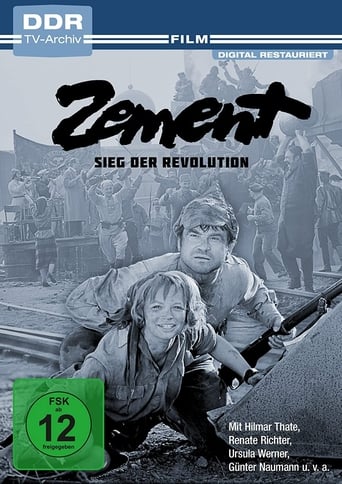 9.0
9.0Early 1921: a man is on his way home. Gleb Chumalov, regimental commander, worker and Hero of the Order of the Red Banner, returns to his home town from the Civil War. The victory over the enemies of the Russian people gives him the conviction that a new, better time will dawn overnight. Gleb looks for his comrades from earlier years, but only finds people who are emaciated by their efforts. The cement works where he used to work has been plundered and abandoned. With great effort, Gleb and his comrades try to get the plant up and running again. The struggle seems to begin anew... It is the time after the victory of the “Great October Socialist Revolution“ and the time of building a new society.
Zement
1973
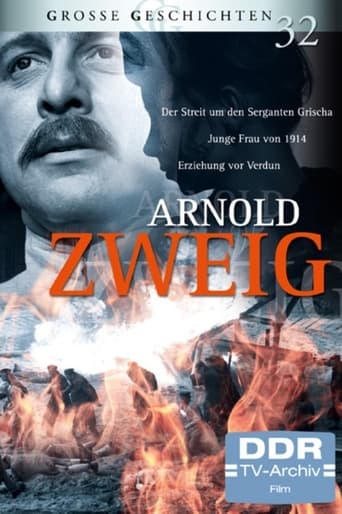 9.0
9.0Russian soldier Grisha escapes from a German prisoner-of-war camp in the spring of 1917. He is caught and is to be shot as a spy. This decision is controversial. The dispute continues. Grisha is executed on the orders of the army high command.
Der Streit um den Sergeanten Grischa
1968
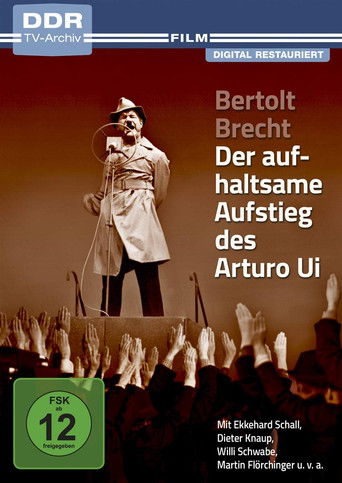 NR
NRHitler's seizure of power in 1933 and his rule in the years that followed are transferred to the North American criminal world of the 1930s in a parable. Gangster boss Ui needs the protection of the ruling class to achieve his goals and offers his help to their representatives. They initially hesitate, but join forces after Ui violently gains their respect. His victory is perfect and the people fall silent before the revolvers of their "protectors". Ui takes the raised hands as a sign of approval... Bertolt Brecht wrote the play in 1941 in a Finnish asylum - the premiere only took place in Stuttgart after his death in November 1958. It has been staged at the Berliner Ensemble since 1959 - Ekkehard Schall has played Ui over 500 times since then. On January 13, 1974, the play was shown for the last time, recorded in color by GDR television.
Der aufhaltsame Aufstieg des Arturo Ui
1974