
Visual Effects
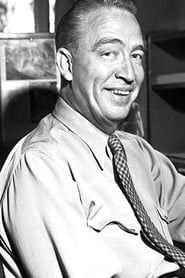
Eric Larson
Born — Died
1905-09-03 — 1988-10-25
Place of birth
Cleveland, Ohio, USA
Known for
Visual Effects
Credits
7 titles
Born to Peter and Nora Larson. In 1915 his family moved to Salt Lake City, where he became interested in journalism and also secretly took drawing lessons. In 1925, he entered the University of Utah, later moving to Los Angeles to look for a job in journalism and writing, unfortunately unsuccessfully. He then decided to rekindle his ambition to become an artist, and was offered a job at Walt Disney Productions in 1933, as an `in-betweener'. Later the same year, he married Gertrude Jannes (although sadly, the couple remained childless). Animator Hamilton Luske recognized Larson's talent and promoted him to assistant animator; Luske, who had joined the studio two years previously, later became…
Known for
 7.6
7.6A look at the first years of Pixar Animation Studios - from the success of "Toy Story" and Pixar's promotion of talented people, to the building of its East Bay campus, the company's relationship with Disney, and its remarkable initial string of eight hits. The contributions of John Lasseter, Ed Catmull and Steve Jobs are profiled. The decline of two-dimensional animation is chronicled as three-dimensional animation rises. Hard work and creativity seem to share the screen in equal proportions.
The Pixar Story
2007
 7.2
7.2By the mid-1980s, the fabled animation studios of Walt Disney had fallen on hard times. The artists were polarized between newcomers hungry to innovate and old timers not yet ready to relinquish control. These conditions produced a series of box-office flops and pessimistic forecasts: maybe the best days of animation were over. Maybe the public didn't care. Only a miracle or a magic spell could produce a happy ending. Waking Sleeping Beauty is no fairy tale. It's the true story of how Disney regained its magic with a staggering output of hits - "Little Mermaid," "Beauty and the Beast ," "Aladdin," "The Lion King," and more - over a 10-year period.
Waking Sleeping Beauty
2010
 6.0
6.0Documentary focusing on the making-of the 1940n adaptation of Pinocchio by the Disney studio, often considered the artistic pinnacle of the Disney feature.
The Making of 'Pinocchio': No Strings Attached
2009
 7.0
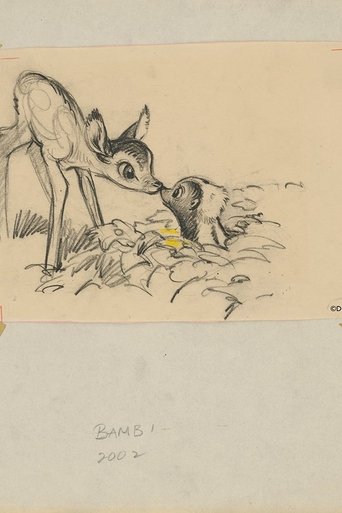
7.0The making of this classic Disney masterpiece about the life of a young faun. Includes archive footage of Walt Disney and his team of animators.
The Making of Bambi: A Prince is Born
1994
 NR
NRThe making of Dumbo (1941).
Taking Flight: The Making of Dumbo
2010
 8.5
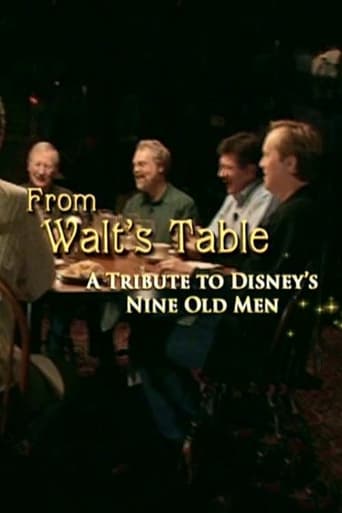
8.5Film critic Joel Siegel gets together with a group of animators, directors and producers to discuss and pay tribute to their mentors and Walt Disney's core group of animators, The Nine Old Men
From Walt's Table: A Tribute to Disney's Nine Old Men
2005
Film credits
2010s · 2 titles
7.2By the mid-1980s, the fabled animation studios of Walt Disney had fallen on hard times. The artists were polarized between newcomers hungry to innovate and old timers not yet ready to relinquish control. These conditions produced a series of box-office flops and pessimistic forecasts: maybe the best days of animation were over. Maybe the public didn't care. Only a miracle or a magic spell could produce a happy ending. Waking Sleeping Beauty is no fairy tale. It's the true story of how Disney regained its magic with a staggering output of hits - "Little Mermaid," "Beauty and the Beast ," "Aladdin," "The Lion King," and more - over a 10-year period.
Waking Sleeping Beauty
2010
NRThe making of Dumbo (1941).
Taking Flight: The Making of Dumbo
2010
2000s · 3 titles
7.6A look at the first years of Pixar Animation Studios - from the success of "Toy Story" and Pixar's promotion of talented people, to the building of its East Bay campus, the company's relationship with Disney, and its remarkable initial string of eight hits. The contributions of John Lasseter, Ed Catmull and Steve Jobs are profiled. The decline of two-dimensional animation is chronicled as three-dimensional animation rises. Hard work and creativity seem to share the screen in equal proportions.
The Pixar Story
2007
6.0Documentary focusing on the making-of the 1940n adaptation of Pinocchio by the Disney studio, often considered the artistic pinnacle of the Disney feature.
The Making of 'Pinocchio': No Strings Attached
2009
8.5Film critic Joel Siegel gets together with a group of animators, directors and producers to discuss and pay tribute to their mentors and Walt Disney's core group of animators, The Nine Old Men
From Walt's Table: A Tribute to Disney's Nine Old Men
2005