
Acting
Walter Weinacht
Known for
Acting
Credits
6 titles
Known for
 10.0
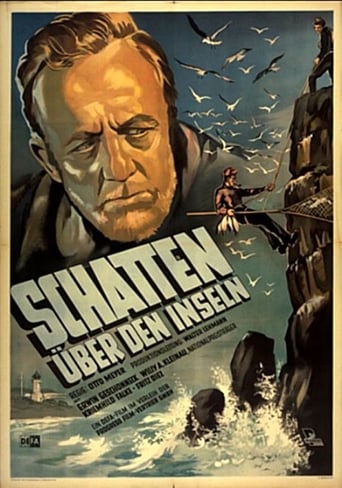
10.0On the Faroe Islands, people eke out a meagre existence by catching birds. Merchant Brause pays them little and does a good business. This comes under threat when Dr. Sten Horn suspects that the dangerous annual plague, which kills dozens of inhabitants, is transmitted by birds. Brause forces the people to work anyway and conceals the telegram from the Copenhagen research institute that confirms Horn's suspicions. Horn, supported by his cousin Arne, enlightens the islanders and the greedy Brause can only flee.
Schatten über den Inseln
1952
 6.2
6.2A chemist and his assistant make a groundbreaking discovery. They manage to make butter directly from pasture grass without having to deal with either the cow or the use of dairy products. An industrialist attempts to seize the invention.
Chemistry and Love
1948
 10.0
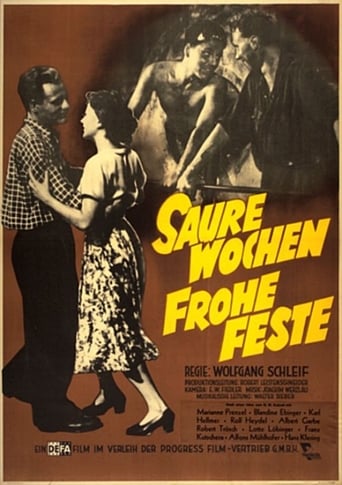
10.0A theater competition breaks out on the occasion of the four-year anniversary celebrations at the Hennigsberg power plant. The old hands want to perform the kitschy musical comedy "Gärtnerliesl". The youngsters are against it and are planning their own program with which they want to skewer events from the plant in a cabaret style. But first, everyone has to work together on a turbine breakdown. On the day of the festival, the "Gärtnerliesl" fails with timpani and trumpets, while the youth's program is met with great applause, which the rivals join in with.
Saure Wochen - Frohe Feste
1950
 6.0
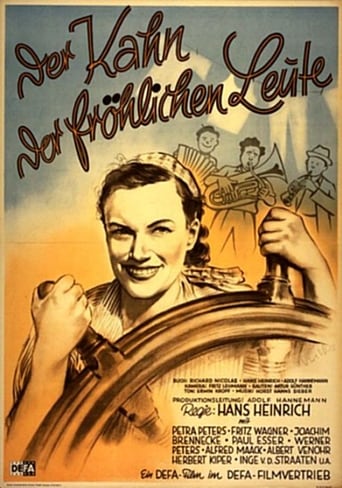
6.0The girl Marianne inherited a motorboat called “Eintracht” from her parents and struggled to get her to drive it with her uncle. There is a row with the new engineer Michel the evening after the first trip. He leaves - out of jealousy. Instead of him, Marianne takes three funny musicians with her who are looking for work. The trip to Hamburg on the Elbe initially ends on a sandbank, from which another barge, the "Petrel", frees them. Michel has now been hired there. After a few complications and pointless fights, because Marianne has long been in love with Michel, there is the well-deserved happy ending.
The Barge of Happy People
1950
 7.0
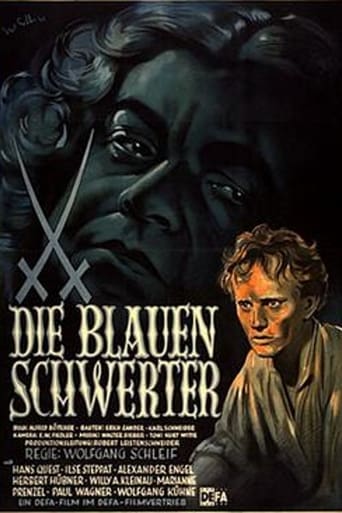
7.0The story of Johann Friedrich Böttger, an apothecary’s apprentice and alchemist’s assistant. Fleeing from the Prussian King, he goes to Saxony, where King Frederick August the Strong takes him to a fortress and demands that he create gold. Böttger is equipped with everything he would need for the task, but he has known for a while that actual gold production is a myth and instead experiments with porcelain—white porcelain, as the Chinese are said to possess. In 1709, he finally succeeds in surprising the King with the "white gold," the first white porcelain made in Europe, he hopes for freedom.
The Blue Swords
1949
During the global economic crisis, "Morgenrot" mine is due to be closed due to unprofitable results. With the use of a machine forbidden for security reasons, the mates try to work more effectively and thus save their jobs. A serious accident happens.
Grube Morgenrot
1948
Film credits
1950s · 3 titles
10.0On the Faroe Islands, people eke out a meagre existence by catching birds. Merchant Brause pays them little and does a good business. This comes under threat when Dr. Sten Horn suspects that the dangerous annual plague, which kills dozens of inhabitants, is transmitted by birds. Brause forces the people to work anyway and conceals the telegram from the Copenhagen research institute that confirms Horn's suspicions. Horn, supported by his cousin Arne, enlightens the islanders and the greedy Brause can only flee.
Schatten über den Inseln
1952
10.0A theater competition breaks out on the occasion of the four-year anniversary celebrations at the Hennigsberg power plant. The old hands want to perform the kitschy musical comedy "Gärtnerliesl". The youngsters are against it and are planning their own program with which they want to skewer events from the plant in a cabaret style. But first, everyone has to work together on a turbine breakdown. On the day of the festival, the "Gärtnerliesl" fails with timpani and trumpets, while the youth's program is met with great applause, which the rivals join in with.
Saure Wochen - Frohe Feste
1950
6.0The girl Marianne inherited a motorboat called “Eintracht” from her parents and struggled to get her to drive it with her uncle. There is a row with the new engineer Michel the evening after the first trip. He leaves - out of jealousy. Instead of him, Marianne takes three funny musicians with her who are looking for work. The trip to Hamburg on the Elbe initially ends on a sandbank, from which another barge, the "Petrel", frees them. Michel has now been hired there. After a few complications and pointless fights, because Marianne has long been in love with Michel, there is the well-deserved happy ending.
The Barge of Happy People
1950
1940s · 3 titles
6.2A chemist and his assistant make a groundbreaking discovery. They manage to make butter directly from pasture grass without having to deal with either the cow or the use of dairy products. An industrialist attempts to seize the invention.
Chemistry and Love
1948
7.0The story of Johann Friedrich Böttger, an apothecary’s apprentice and alchemist’s assistant. Fleeing from the Prussian King, he goes to Saxony, where King Frederick August the Strong takes him to a fortress and demands that he create gold. Böttger is equipped with everything he would need for the task, but he has known for a while that actual gold production is a myth and instead experiments with porcelain—white porcelain, as the Chinese are said to possess. In 1709, he finally succeeds in surprising the King with the "white gold," the first white porcelain made in Europe, he hopes for freedom.
The Blue Swords
1949
During the global economic crisis, "Morgenrot" mine is due to be closed due to unprofitable results. With the use of a machine forbidden for security reasons, the mates try to work more effectively and thus save their jobs. A serious accident happens.
Grube Morgenrot
1948