
Writing
Dmitry Karalis
Known for
Writing
Credits
3 titles
Known for
 5.1
Yesterday's Leningrad schoolgirl Masha Yablochkina, after a fierce blockade winter of 1941-1942, comes to the railway courses hoping to survive and gain strength. From there, the girl is sent to the construction of the Shlisselburg highway, which connects the city with the mainland and is in direct sight of German artillery. So the heroine gets into the 48th locomotive column of the special reserve NKPS, which, at the cost of the deadly risk, will have to deliver 75% of all cargo and military equipment to Leningrad.
Convoy 48 The War Train
2019
 NR
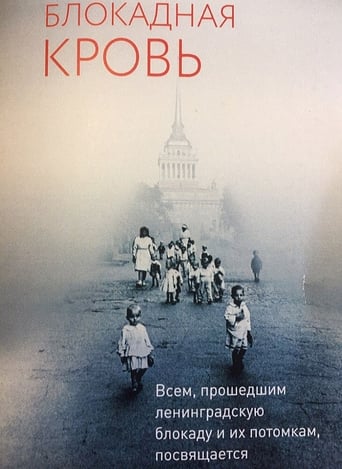
The film tells how in the iron blockade of the blockade worked "the blood factory", the Institute of blood transfusion that provided the Leningrad front and the city in this strategic resource: blood donation. The blood bond between the city and its defenders was a very important factor in breaking the blockade and finally crushing the enemy. Due to a prolonged lack of food and a very great psychic stress the blood of the inhabitants of Leningrad has undergone phenomenal biochemical transformations which have had consequences for the following generations. The hypothesis confirmed by the latest research by geneticists and biologists is that this 900-day "forced fast" suffered by people during the blockade gave a post-war generation with a specific mentality and a spirit of sacrifice of the inhabitants. from Saint Petersburg.
The Blood of the Blockade
2017
Behind the camera
5.1Yesterday's Leningrad schoolgirl Masha Yablochkina, after a fierce blockade winter of 1941-1942, comes to the railway courses hoping to survive and gain strength. From there, the girl is sent to the construction of the Shlisselburg highway, which connects the city with the mainland and is in direct sight of German artillery. So the heroine gets into the 48th locomotive column of the special reserve NKPS, which, at the cost of the deadly risk, will have to deliver 75% of all cargo and military equipment to Leningrad.
Convoy 48 The War Train
2019
NRThe film tells how in the iron blockade of the blockade worked "the blood factory", the Institute of blood transfusion that provided the Leningrad front and the city in this strategic resource: blood donation. The blood bond between the city and its defenders was a very important factor in breaking the blockade and finally crushing the enemy. Due to a prolonged lack of food and a very great psychic stress the blood of the inhabitants of Leningrad has undergone phenomenal biochemical transformations which have had consequences for the following generations. The hypothesis confirmed by the latest research by geneticists and biologists is that this 900-day "forced fast" suffered by people during the blockade gave a post-war generation with a specific mentality and a spirit of sacrifice of the inhabitants. from Saint Petersburg.
The Blood of the Blockade
2017