
Acting
Hugh Cecil
Born — Died
1913-05-16 — 2004-02-11
Place of birth
Hackney, London, England, UK
Known for
Acting
Credits
15 titles
Hugh Cecil was born on May 16, 1913 in Hackney, London, England, UK. He was an actor, known for The Rocky Horror Picture Show (1975), Shoreditch (2003) and The Armando Iannucci Shows (2001). He died on February 11, 2004 in Tolworth, Surrey, England, UK.
Known for
 7.9
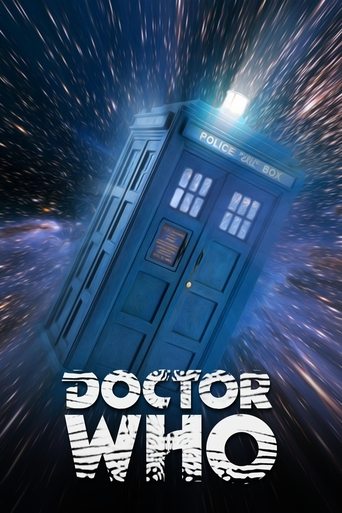
The adventures of The Doctor, a time-traveling humanoid alien known as a Time Lord. He explores the universe in his TARDIS, a sentient time-traveling spaceship. Its exterior appears as a blue British police box, which was a common sight in Britain in 1963 when the series first aired. Along with a succession of companions, The Doctor faces a variety of foes while working to save civilizations, help ordinary people, and right many wrongs.
Doctor Who
1963
 5.0
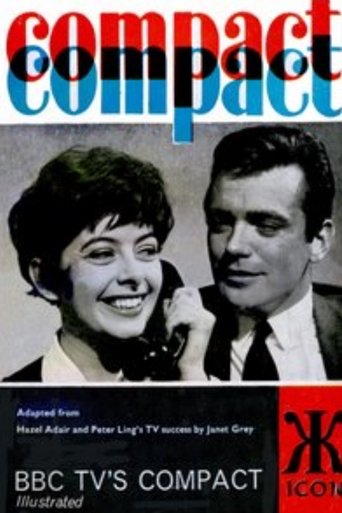
Compact was a British television soap opera shown by the BBC between 1962 and 1965. The series was created by Hazel Adair and Peter Ling, who together went on to devise Crossroads. In contrast to the kitchen sink realism of Coronation Street, Compact was a distinctly middle-class serial, set in the more "sophisticated" arena of magazine publishing. An early "avarice" soap, it took the viewer into the business workplace, and aligned the professional lives of the characters with more personal storylines. The show was scheduled for broadcast on Tuesdays and Thursdays, thus avoiding a clash with ITV's Coronation Street on Mondays and Wednesdays. When Compact began, the editor was a woman, Joanne Minster, yet it was not long before she was replaced by Ian Harmon, the son of the magazine's owner. Despite being largely criticised by reviewers, Compact was popular with the general public, and in 1964 a regular omnibus edition was introduced, broadcast on Sundays. Morris Barry, a some-time actor and BBC director – he directed several Doctor Who stories in the 1960s – took over as producer and was given a brief to spice the series up in view of the criticism it had received from the national press. But the BBC, never comfortable with the concept of soap opera, quietly dropped the series in 1965.
Compact
1962
 7.3
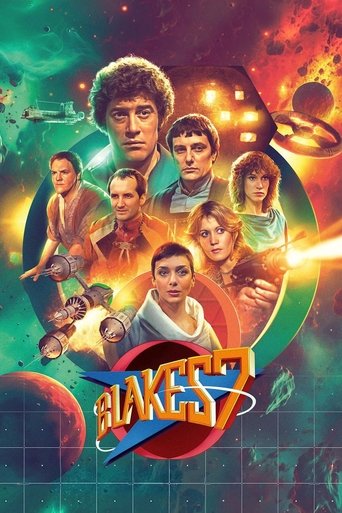
A group of convicts and outcasts fight a guerrilla war against the totalitarian Terran Federation from a highly advanced alien spaceship.
Blake's 7
1978
 7.1
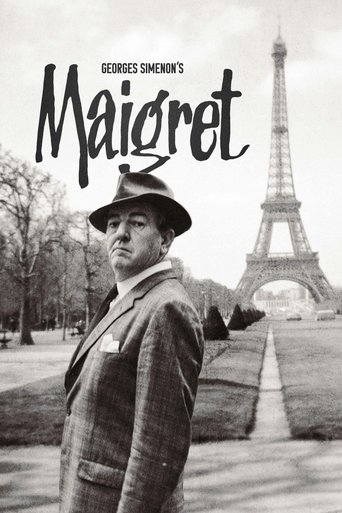
BBC series based on the novels by Georges Simenon which starred Rupert Davies as Inspector Maigret, a French police detective who preferred to watch and listen in order to solve crimes. The series ran from 1960-63 on British television.
Maigret
1960
 7.9
The misadventures of four lunatic students who live in a shared student house. There's Rick, the overblown political one addicted to Cliff Richard, Vyvyan the experimental scientific one/part-time anarchist, Neil the worried hippy, and Mike the ladies' man (at least he is in his mind).
The Young Ones
1982
 7.7
A British television comedy series of the 1970s and early 1980s, combining surreal sketches and situation comedy.
The Goodies
1970
Film credits


1970s · 2 titles
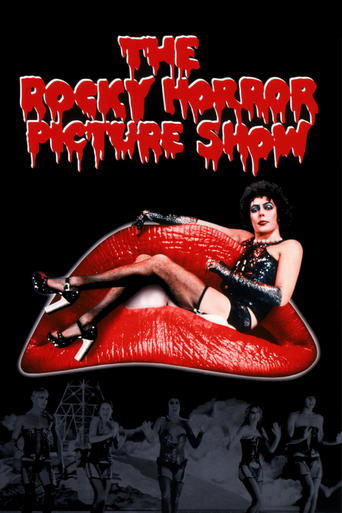 7.4
After getting a flat tire in the middle of nowhere, newly engaged couple Brad and Janet encounter the eerie mansion of the flamboyant, seductive Dr Frank-N-Furter and a variety of eccentric characters. Through elaborate dance and rock music, the mad scientist unveils his latest creation: a perfect, muscular man.
The Rocky Horror Picture Show
1975
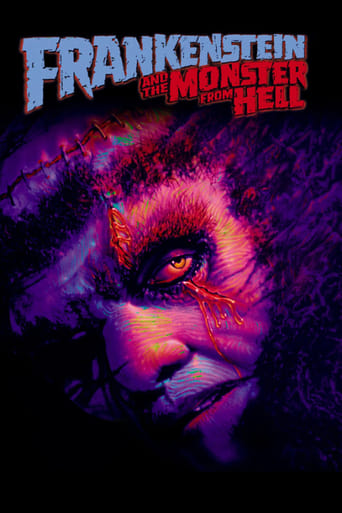 6.1
Dr Simon Helder, sentenced to an insane asylum for crimes against humanity, recognises its director as the brilliant Baron Frankenstein, the man whose work he had been trying to emulate before his imprisonment. Frankenstein utilises Helder's medical knowledge for a project he has been working on for some time. He is assembling a man from vital organs extracted from various inmates in the asylum. And the Baron will resort to murder to acquire the perfect specimens for his most ambitious project ever.
Frankenstein and the Monster from Hell
1974
Series credits
7.9The adventures of The Doctor, a time-traveling humanoid alien known as a Time Lord. He explores the universe in his TARDIS, a sentient time-traveling spaceship. Its exterior appears as a blue British police box, which was a common sight in Britain in 1963 when the series first aired. Along with a succession of companions, The Doctor faces a variety of foes while working to save civilizations, help ordinary people, and right many wrongs.
Doctor Who
1963
5.0Compact was a British television soap opera shown by the BBC between 1962 and 1965. The series was created by Hazel Adair and Peter Ling, who together went on to devise Crossroads. In contrast to the kitchen sink realism of Coronation Street, Compact was a distinctly middle-class serial, set in the more "sophisticated" arena of magazine publishing. An early "avarice" soap, it took the viewer into the business workplace, and aligned the professional lives of the characters with more personal storylines. The show was scheduled for broadcast on Tuesdays and Thursdays, thus avoiding a clash with ITV's Coronation Street on Mondays and Wednesdays. When Compact began, the editor was a woman, Joanne Minster, yet it was not long before she was replaced by Ian Harmon, the son of the magazine's owner. Despite being largely criticised by reviewers, Compact was popular with the general public, and in 1964 a regular omnibus edition was introduced, broadcast on Sundays. Morris Barry, a some-time actor and BBC director – he directed several Doctor Who stories in the 1960s – took over as producer and was given a brief to spice the series up in view of the criticism it had received from the national press. But the BBC, never comfortable with the concept of soap opera, quietly dropped the series in 1965.
Compact
1962
7.3A group of convicts and outcasts fight a guerrilla war against the totalitarian Terran Federation from a highly advanced alien spaceship.
Blake's 7
1978
7.1BBC series based on the novels by Georges Simenon which starred Rupert Davies as Inspector Maigret, a French police detective who preferred to watch and listen in order to solve crimes. The series ran from 1960-63 on British television.
Maigret
1960
7.9The misadventures of four lunatic students who live in a shared student house. There's Rick, the overblown political one addicted to Cliff Richard, Vyvyan the experimental scientific one/part-time anarchist, Neil the worried hippy, and Mike the ladies' man (at least he is in his mind).
The Young Ones
1982
7.7A British television comedy series of the 1970s and early 1980s, combining surreal sketches and situation comedy.
The Goodies
1970
 7.0
Anna Karenina was a 1977 BBC television adaptation of Leo Tolstoy's novel & tragic story of the love affair between Vronsky, a Russian Count and Anna Karenina, a married upper class woman. Nicola Pagett takes the role of Anna, a young woman who is married to a man twenty years her senior (Eric Porter), and who begins a passionate affair with the handsome Count Vronsky (Stuart Wilson). When she falls pregnant, Anna decides to dissolve her marriage and wed Vronsky, but true happiness proves elusive.
Anna Karenina
1977
 8.0
The Armando Iannucci Shows is a series of eight programmes focused on specific themes relating to human nature and existentialism, around which Iannucci would weave a series of surreal sketches and monologues. Recurring themes in the episodes are the superficiality of modern culture, our problems communicating with each other, the mundane nature of working life and feelings of personal inadequacy and social awkwardness. Several characters also make repeat appearances in the shows, including the East End thug, who solves every problem with threats of violence; Hugh, an old man who delivers surreal monologues about what things were like in the old days; and Iannucci's barber, who is full of nonsensical anecdotes.
The Armando Iannucci Shows
2001