
Acting
Maria Jose Alvarez
Known for
Acting
Credits
8 titles
Known for
 NR
Film production in Nicaragua prevails despite the lack of a film industry. This documentary explores the role of women filmmakers in continuing this art form and their passion to mobilize production efforts since the end of Incine, the only film industry.
Even with Their Nails: Women Filmmakers in Nicaragua
2016
 NR
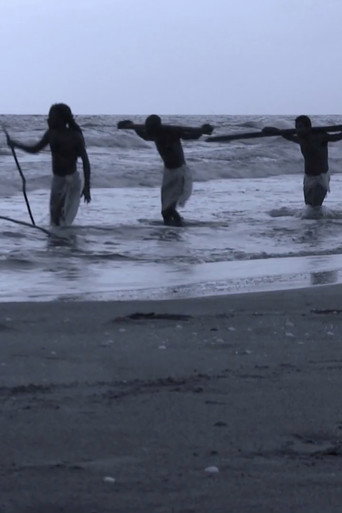
This feature documentary gives voice to the Creole people from Nicaragua and Costa Rica who have lived in resistance to colonialism, and now struggle to maintain their identity. Through multiple testimonies, we learn about how Black people came to the Caribbean and how Creole culture was formed in the region. These are stories of everyday life that reflect the cultural distinctions and traditions of different communities, their worldviews, memories, dreams, identities and the challenges they faced – yesterday and today.
The Black Creoles: Memories and Identities
2011
 NR
No synopsis available yet.
Desde el barro al sur
2002
 NR
This documentary narrates the birth and development of Nicaraguan cinematography through iconic images and fragments of Nicaraguan film. It covers the revolution, the creation of the first film instituto in the country (INCINE), and the pioneers and representative productions and co-productions. The film concludes with the emergence of independent cinema.
Film & Revolution
2023
 NR
Ojo de Mujer is a documentary that features four Nicaraguan women filmmakers, whose testimonies allows us to learn about their begginings and how they have contributed to building a collective memory within their communities, leaving lasting roots for future generations of filmmakers in the country.
Ojo de Mujer
2025
It portrays the popular Sandinista uprising and its historical background; national rebuilding, literacy campaign and production in the revolutionary process.
Pan y dignidad (Carta abierta de Nicaragua)
1982
Film credits
Behind the camera
NRThis feature documentary gives voice to the Creole people from Nicaragua and Costa Rica who have lived in resistance to colonialism, and now struggle to maintain their identity. Through multiple testimonies, we learn about how Black people came to the Caribbean and how Creole culture was formed in the region. These are stories of everyday life that reflect the cultural distinctions and traditions of different communities, their worldviews, memories, dreams, identities and the challenges they faced – yesterday and today.
The Black Creoles: Memories and Identities
2011
NRNo synopsis available yet.
Desde el barro al sur
2002
NRThis documentary narrates the birth and development of Nicaraguan cinematography through iconic images and fragments of Nicaraguan film. It covers the revolution, the creation of the first film instituto in the country (INCINE), and the pioneers and representative productions and co-productions. The film concludes with the emergence of independent cinema.
Film & Revolution
2023
It portrays the popular Sandinista uprising and its historical background; national rebuilding, literacy campaign and production in the revolutionary process.
Pan y dignidad (Carta abierta de Nicaragua)
1982
 NR
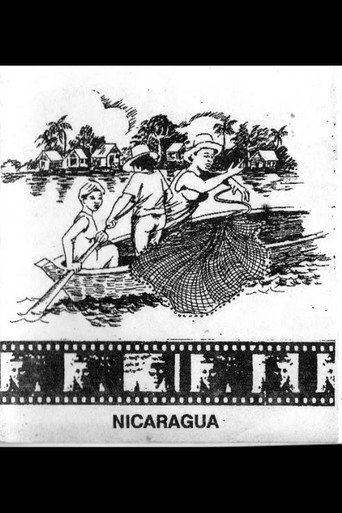
Lady Marshall is an ethnographic documentary that captures the daily lives of the residents in Marshall Point, a small fishing community located on the South Caribbean Coast of Nicaragua. The film focuses on the testimonies of three Garifuna and Creole women: Manuela, Evereth, and Vasdy. Breaking traditional gender roles, they are the only women in the region who own and operate their own fishing boat. The documentary showcases their daily balance as artisan fisherwomen, boat transporters, housewives, and mothers, offering a rare and intimate look into afro-descendant identity and female resilience in the Caribbean region.
Lady Marshall
1991
 NR
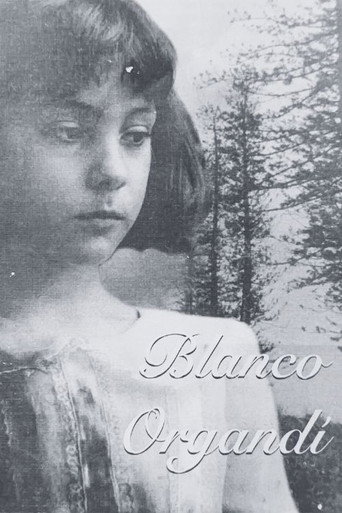
Filmed in black and white with no spoken dialogue, the story follows a young girl named Alenka, who wanders through rural Nicaragua carrying a white organdie dress.
White Organdy
1998