

Acting
Leila Lopes
Born — Died
1959-11-19 — 2009-12-03
Place of birth
São Leopoldo, Rio Grande do Sul, Brazil
Known for
Acting
Credits
11 titles
Leila Gomes Lopes (São Leopoldo, November 19, 1959 – São Paulo, December 3, 2009) was a Brazilian actress, journalist and television presenter.
Known for
 7.8
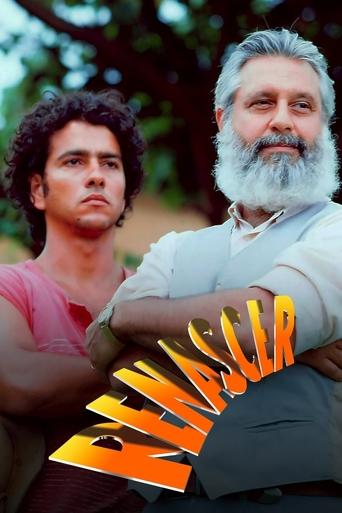
Jose Inocencio had innocence only as part of his name, but only those who new him well could notice this. But nobody knew him. He was a storyteller, and he was always the main character in the stories he told. He managed not only to create stories about himself, he managed to create a legend. The story of this powerful cacao farmer; Maria Santa, the beloved wife who died; and their four children is the main theme of 'Renascer'.
Jequitibá
1993
 7.7
In the struggle for land a vicious feud erupts between two men, who commit their families to a war without truce. Over two generations they are moved by love and by hatred in this epic saga of love for the land.
The King of The Cattle
1996
 6.9
The plot revolves around the youthful romance and subsequent reunion years later between Ramiro, the leader of a fishing village in Fortaleza, and the businesswoman Letícia.
Tropicaliente
1994
 7.0
Casseta & Planeta is a Brazilian group of comedians who run a TV show named Casseta & Planeta Urgente, broadcast by Rede Globo. The humour featured on the show is mostly satirical, relating to religious or ethical groups, and minorities. The group founded a company called Toviassu Produções Artísticas, whose name is an acronym composed of syllables from the phrase "Todo viado é surdo" – "Every gay is deaf"; which is the ending of a widely known Brazilian practical joke. Each one of the seven members has a specific function within the company. They present their TV show at Rede Globo and publish a website and many books, among other products, for example the "Machobol". Originally a magazine named Casseta Popular and a humour newspaper called O Planeta Diário, the two teams joined forces and were hired by Rede Globo to become writers for the network's comedy shows, starting with TV Pirata in 1988. A few years later, they starred in their own show.
Casseta & Planeta, Urgente!
1992
 7.5
After an unjust imprisonment, friends return to the town of Remanso, facing betrayals and lost loves, while battling a corrupt lawyer.
Despedida de Solteiro
1992
 7.0
A deceased farmer's fortune is left to his two bastard daughters: Guida and Cíntia. But on the condition that they spend a year living together at Fazenda Fantasia, in the interior of São Paulo, running their late father's business and dealing with the differences between them.
Marcas da Paixão
2000
Film credits
2010s · 1 titles


Series credits
7.8Jose Inocencio had innocence only as part of his name, but only those who new him well could notice this. But nobody knew him. He was a storyteller, and he was always the main character in the stories he told. He managed not only to create stories about himself, he managed to create a legend. The story of this powerful cacao farmer; Maria Santa, the beloved wife who died; and their four children is the main theme of 'Renascer'.
Jequitibá
1993
7.7In the struggle for land a vicious feud erupts between two men, who commit their families to a war without truce. Over two generations they are moved by love and by hatred in this epic saga of love for the land.
The King of The Cattle
1996
6.9The plot revolves around the youthful romance and subsequent reunion years later between Ramiro, the leader of a fishing village in Fortaleza, and the businesswoman Letícia.
Tropicaliente
1994
7.0Casseta & Planeta is a Brazilian group of comedians who run a TV show named Casseta & Planeta Urgente, broadcast by Rede Globo. The humour featured on the show is mostly satirical, relating to religious or ethical groups, and minorities. The group founded a company called Toviassu Produções Artísticas, whose name is an acronym composed of syllables from the phrase "Todo viado é surdo" – "Every gay is deaf"; which is the ending of a widely known Brazilian practical joke. Each one of the seven members has a specific function within the company. They present their TV show at Rede Globo and publish a website and many books, among other products, for example the "Machobol". Originally a magazine named Casseta Popular and a humour newspaper called O Planeta Diário, the two teams joined forces and were hired by Rede Globo to become writers for the network's comedy shows, starting with TV Pirata in 1988. A few years later, they starred in their own show.
Casseta & Planeta, Urgente!
1992
7.5After an unjust imprisonment, friends return to the town of Remanso, facing betrayals and lost loves, while battling a corrupt lawyer.
Despedida de Solteiro
1992
7.0A deceased farmer's fortune is left to his two bastard daughters: Guida and Cíntia. But on the condition that they spend a year living together at Fazenda Fantasia, in the interior of São Paulo, running their late father's business and dealing with the differences between them.
Marcas da Paixão
2000
No synopsis available yet.
O Guarani
1991