
Directing
Kym McDaniel
Known for
Directing
Credits
10 titles
Known for
 NR
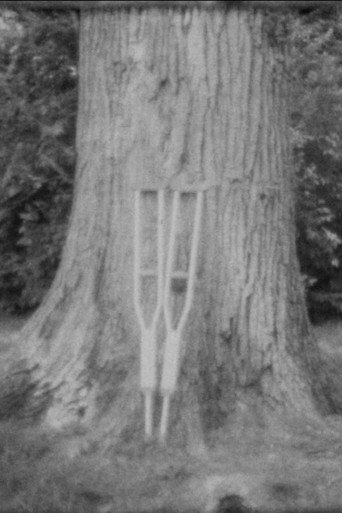
To apply for an accessible or Crip parking placard, a doctor within the state must approve the application. As part of the application, there are six medical conditions which qualify a person for a placard. These conditions include: (1) cannot walk two hundred feet without stopping to rest; (2) cannot walk without the use of an assistance device; (3) is restricted by lung disease; (4) uses portable oxygen; (5) has a cardiac condition; (6) is severely limited in their ability to walk due to an arthritic, neurological, or orthopedic conditions. Many people with disabilities are included in these categories, and many are not. This film is a record of my introduction to healthcare in the state of Utah. My processing of the appointment and consequential aftermath as a video object serves as a reclamation and assertion for understanding disability and the physical world otherwise.
Invisible World
2022
 NR
The choreography of an injured summer. Sunlight moves through rooms, my period marks time passing, and PTSD rearranges the clock. My broken Super 8 camera needs to be shaken for the shutter release to catch, and I wonder how to stay functioning, myself. The document of being unable to walk during an especially Crip summer inside my apartment.
fracture summer
2026
 5.0
In Zachary Epcar's fragmentary, soap opera-esque film, lounge music, lamps, coffee pods, and other accoutrements of modern life restage a story of domestic dreams and nightmares.
Billy
2019
 NR
I seek treatment for a head injury and a memory is triggered from years earlier. In resistance to my past ways of coping, I release this stored body memory. The second in a series examining how I dissociate in order to cope with emotional and physical trauma.
Exit Strategy #2
2018
 NR
This is the fifth in a series regarding McDaniel’s ability to cope with her emotional and physical traumas: to desire; to bleed; to burn from the inside out and commit to someone new.
Exit Strategy #5
2020
I confront memories that have contributed to my chronic pain. The fourth in a series examining how a head injury has asked me to cope with emotional and physical traumas.
Exit Strategy #4
2019
Film credits
2010s · 2 titles
5.0In Zachary Epcar's fragmentary, soap opera-esque film, lounge music, lamps, coffee pods, and other accoutrements of modern life restage a story of domestic dreams and nightmares.
Billy
2019
 NR
I develop debilitating chronic pain after a head injury and seek answers about why I cannot heal. I start unraveling the aftermath and realize my pain has dissociated me not only from my mind, muscles, and bones, but from the world. Segments inspired by Christine Miserandino's Spoon Theory of chronic illness. The first in a series regarding my ability to cope with my emotional and physical traumas.
Exit Strategy #1
2018
Behind the camera
NRTo apply for an accessible or Crip parking placard, a doctor within the state must approve the application. As part of the application, there are six medical conditions which qualify a person for a placard. These conditions include: (1) cannot walk two hundred feet without stopping to rest; (2) cannot walk without the use of an assistance device; (3) is restricted by lung disease; (4) uses portable oxygen; (5) has a cardiac condition; (6) is severely limited in their ability to walk due to an arthritic, neurological, or orthopedic conditions. Many people with disabilities are included in these categories, and many are not. This film is a record of my introduction to healthcare in the state of Utah. My processing of the appointment and consequential aftermath as a video object serves as a reclamation and assertion for understanding disability and the physical world otherwise.
Invisible World
2022
NRThe choreography of an injured summer. Sunlight moves through rooms, my period marks time passing, and PTSD rearranges the clock. My broken Super 8 camera needs to be shaken for the shutter release to catch, and I wonder how to stay functioning, myself. The document of being unable to walk during an especially Crip summer inside my apartment.
fracture summer
2026
NRI seek treatment for a head injury and a memory is triggered from years earlier. In resistance to my past ways of coping, I release this stored body memory. The second in a series examining how I dissociate in order to cope with emotional and physical trauma.
Exit Strategy #2
2018
NRThis is the fifth in a series regarding McDaniel’s ability to cope with her emotional and physical traumas: to desire; to bleed; to burn from the inside out and commit to someone new.
Exit Strategy #5
2020
I confront memories that have contributed to my chronic pain. The fourth in a series examining how a head injury has asked me to cope with emotional and physical traumas.
Exit Strategy #4
2019
 NR
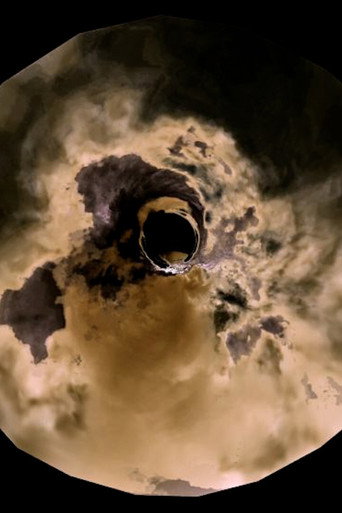
Inspired by Lee Edelman’s “No Future: Queer Theory and the Death Drive” and Feminist, Queer, Crip author, Alison Kafer’s rebuttal of Edelman’s “F*ck The Future” – this hybrid speculative fiction and personal film nonlinearly moves across past, present, and future timelines. Refusing to erase the disabled body in either timeline, the film instead insists upon making illness visible and posing questions regarding grief, loss, and Queer/Crip time.
Document With No End
2025
NRI develop debilitating chronic pain after a head injury and seek answers about why I cannot heal. I start unraveling the aftermath and realize my pain has dissociated me not only from my mind, muscles, and bones, but from the world. Segments inspired by Christine Miserandino's Spoon Theory of chronic illness. The first in a series regarding my ability to cope with my emotional and physical traumas.
Exit Strategy #1
2018
The enormous scale of the sea offers a comforting counterpoint to intensely closed, confused feelings of grief. Dance and poetry combine to express both anguish and energy; acceptance and exhaustion.
how to outline grief
2023