
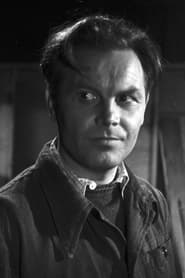
Acting
Klemens Mielczarek
Born — Died
1920-10-17 — 2006-01-20
Place of birth
Lublin, Polska
Known for
Acting
Credits
19 titles
Known for
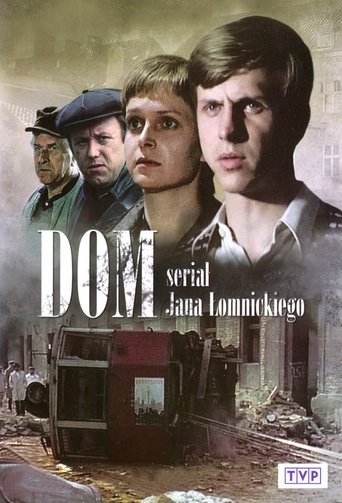 7.3
7.3The story of the residents of a tenement house on Złota Street in Warsaw from 1945 to 1980.
Dom
1980
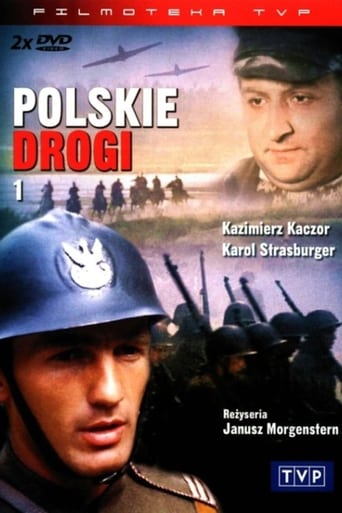 7.2
7.2An epic, multi-threaded story about the fate of Poles during World War II. "Czas pogardy" was shown primarily from the perspective of two main characters - Lieutenant Władysław Niwiński and Leon Kuraś - a petty crook, but not without heroic traits. The authors of the series sought to show, in particular, everyday life under Nazi occupation in Poland.
Polskie drogi
1977
No synopsis available yet.
Podziemny front
1965
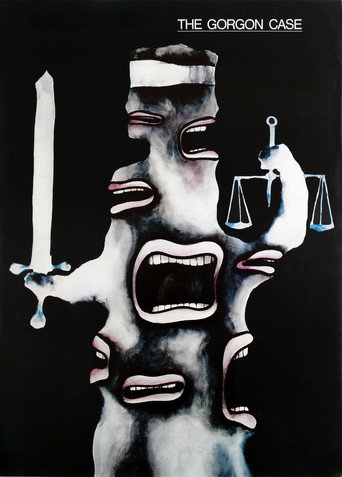 5.5
5.5In 1931, just before the New Year, in a house of architect Henryk Zaremba scream rips the night. The daughter of Zaremba is found killed in her bedroom, obviously killed with a pickaxe. The police arrives and starts the investigation. Rita Gorgonova, the governess of the girl and also lover of Zaremba becomes the main suspect.
The Gorgon Case
1977
 7.0
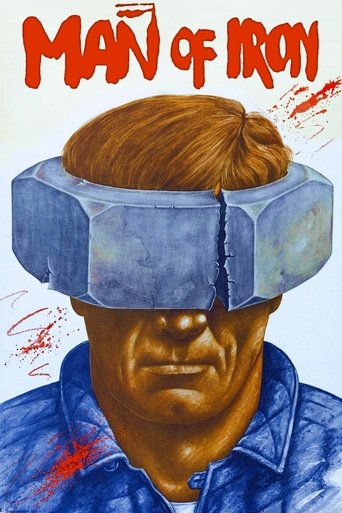
7.0In Warsaw in 1980, the Communist Party sends disgruntled radio reporter Winkel to Gdańsk to dig up dirt on the shipyard strikers - particularly on Maciek Tomczyk, an independent labour union leader whose father was killed in the December 1970 protests. Posing as sympathetic, Winkel interviews the people surrounding Tomczyk, including his detained wife, Agnieszka.
Man of Iron
1981
 8.1
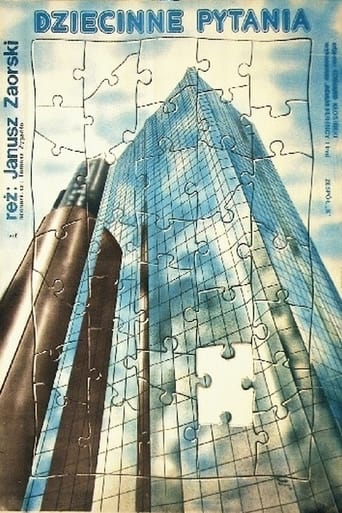
8.1A young architect is locked up in prison. He recalls his uncompromising youth and gradual sliding into the moral swamp of compromises. He was not alone. A group of his friends, dreamers and glass house builders, accompanied him.
Childish Questions
1981
Film credits
1980s · 2 titles
7.0In Warsaw in 1980, the Communist Party sends disgruntled radio reporter Winkel to Gdańsk to dig up dirt on the shipyard strikers - particularly on Maciek Tomczyk, an independent labour union leader whose father was killed in the December 1970 protests. Posing as sympathetic, Winkel interviews the people surrounding Tomczyk, including his detained wife, Agnieszka.
Man of Iron
1981
8.1A young architect is locked up in prison. He recalls his uncompromising youth and gradual sliding into the moral swamp of compromises. He was not alone. A group of his friends, dreamers and glass house builders, accompanied him.
Childish Questions
1981
1970s · 2 titles
5.5In 1931, just before the New Year, in a house of architect Henryk Zaremba scream rips the night. The daughter of Zaremba is found killed in her bedroom, obviously killed with a pickaxe. The police arrives and starts the investigation. Rita Gorgonova, the governess of the girl and also lover of Zaremba becomes the main suspect.
The Gorgon Case
1977
 5.9
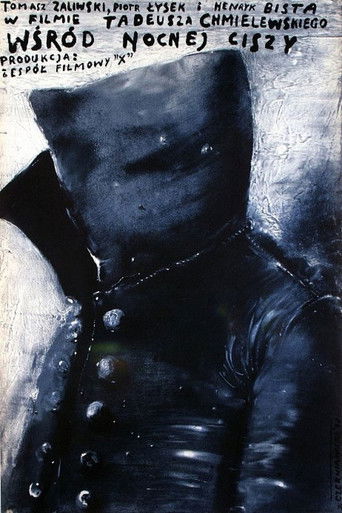
5.9In 1920s Poland, a police commissioner leads the investigation into a series of brutal murders of young boys as the case grows increasingly unsettling and personal.
Quiet Is the Night
1978
1960s · 2 titles
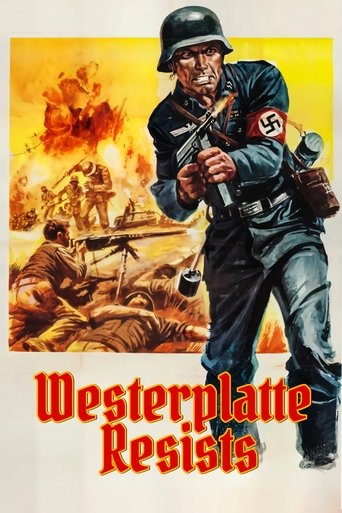 7.3
7.3Westerplatte is a small peninsula at the entry to the Gdańsk Harbour. Before World War II, it functioned as a Polish ammunition depot in the Free City of Danzig. Its crew consisted of one infantry company and a group of civilians, 182 people in total. It was the only Polish guard-post at the mouth of the Vistula River, with as little as five sentries, one field cannon, two anti-armour guns and four mortars. The first shots of World War II were fired there. This film tells the story of Westerplatte's courageous defenders.
Westerplatte Resists
1967
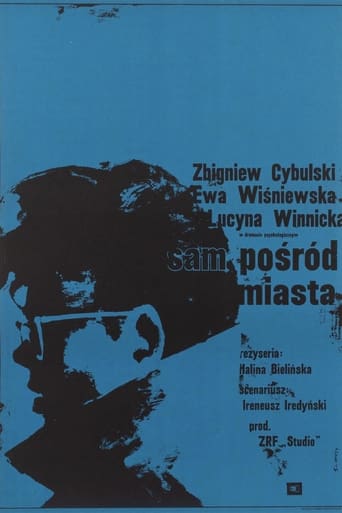 8.0
8.0Because of having a one-day plane delay, Konrad has to spend 24 hours wandering around Warsaw, visiting old friends and meeting some new ones.
Alone in the City
1965
1950s · 8 titles
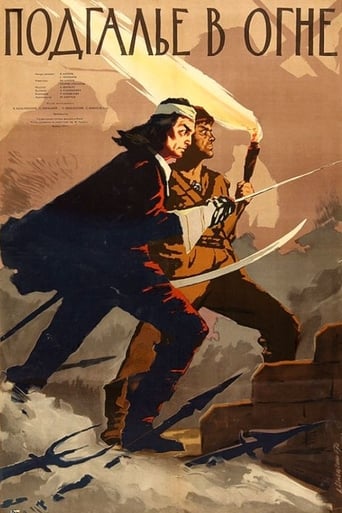 NR
NRPodhale, 17th century – the story of an anti-nobility peasant rebellion led by Aleksander Kostka Napierski.
Podhale w ogniu
1956
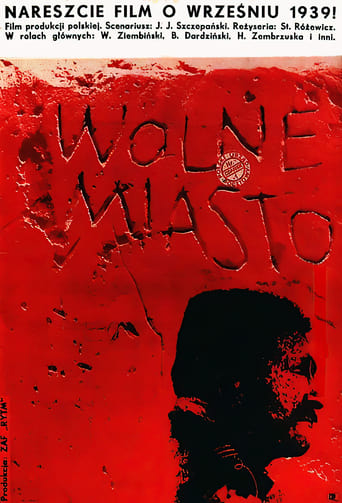 7.2
7.2The heroic struggle of Polish post office workers in Gdańsk on the first day of World War II.
Free City
1958
 6.9
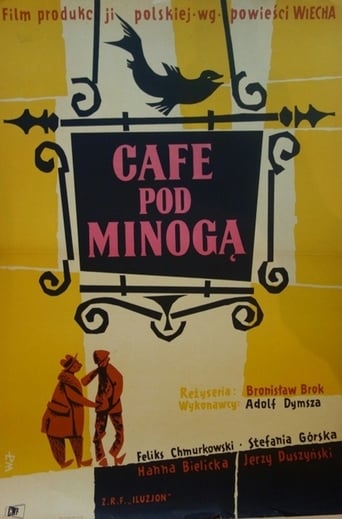
6.9Comic stories of Varsovians living under the Nazi occupation and struggling with the enemy.
Octopus Cafe
1959
 5.6
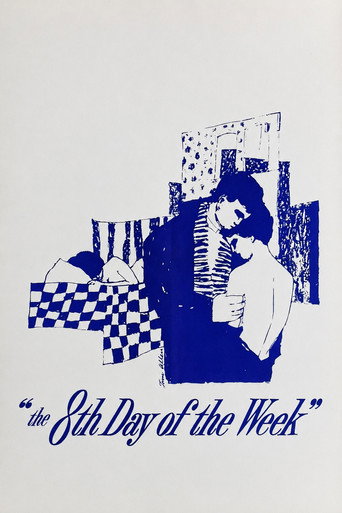
5.6Zbigniew Cybulski and Sonja Ziemann play lovers struggling to find happiness and privacy in overcrowded Warsaw. The movie shows an honest picture of life in a war-damaged city, contrasting the characters' difficulties with their dreams of a better life. It was banned in Poland in 1958 and would not be seen anywhere until its European release one year later.
The Eighth Day of the Week
1958
 7.0
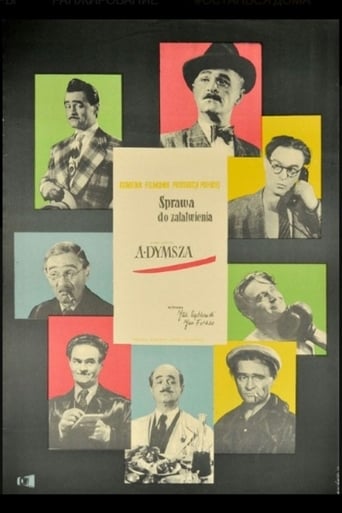
7.0A series of misfortunes plagues a journalist and his new friend.
Sprawa do załatwienia
1953
 6.5
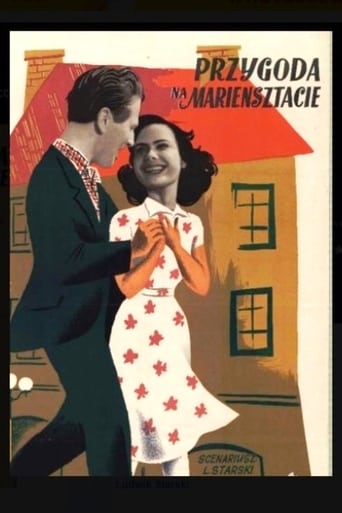
6.5While visiting Warsaw, Hanka falls for a record-breaking bricklayer. She returns to the city to work at construction sites and prove that women can work as hard as men
Adventure in Marienstadt
1954
 8.0
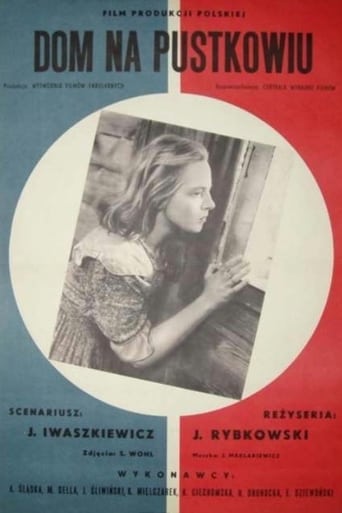
8.0Basia and her aunt live in peace far away from war efforts. One day that peace is shattered when a concentration camp prisoner, a communist activist seeks refuge in their house.
The Lonely House
1950
 7.5
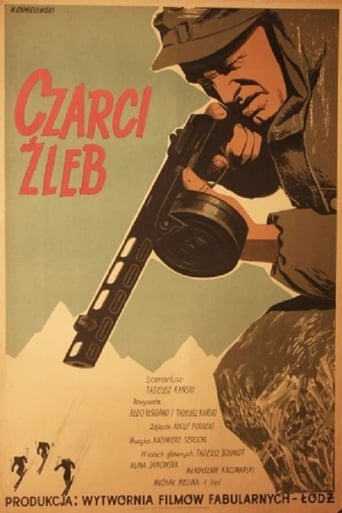
7.5Shot in the beautiful scenery of the Tatra Mountains, this sensational drama revolves around a thwarted smuggling of art pieces across the Polish-Czechoslovak border to the West. Highlander Jasiek used to be a smuggler, now he is a soldier of the Border Protection Forces, serving in his homeland, in the Tatra Mountains. Under the influence of the educational work of his superiors, as well as his love for Halka, he becomes a righteous citizen. He contributes to preventing the smuggling of valuable works of art abroad organized by a Polish aristocrat and carried out by a gang.
Devil's Ravine
1950
Series credits
7.3The story of the residents of a tenement house on Złota Street in Warsaw from 1945 to 1980.
Dom
1980
7.2An epic, multi-threaded story about the fate of Poles during World War II. "Czas pogardy" was shown primarily from the perspective of two main characters - Lieutenant Władysław Niwiński and Leon Kuraś - a petty crook, but not without heroic traits. The authors of the series sought to show, in particular, everyday life under Nazi occupation in Poland.
Polskie drogi
1977
No synopsis available yet.
Podziemny front
1965