
Directing
Yvan Patry
Known for
Directing
Credits
3 titles
Known for
 9.0
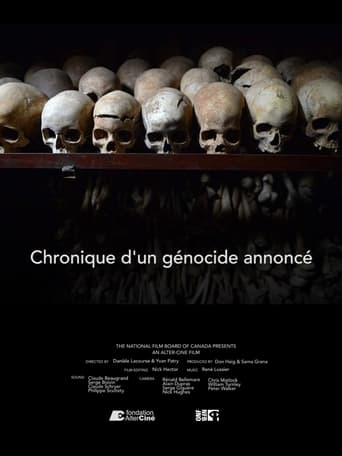
Fifty years after the Holocaust, the world allowed another genocide to take place, this time in Rwanda. In April, 1994 the international community, including the U.S., sat by and watched as 800,000 Tutsi men, women and children were massacred. The killings took place under the eyes of UN peacekeepers. Today, Rwanda remains torn by ethnic killings. Shot over three years, CHRONICLE OF A GENOCIDE FORETOLD follows several Rwandans before, during, and after the genocide.
Chronicle of a Genocide Foretold
1996
 7.0
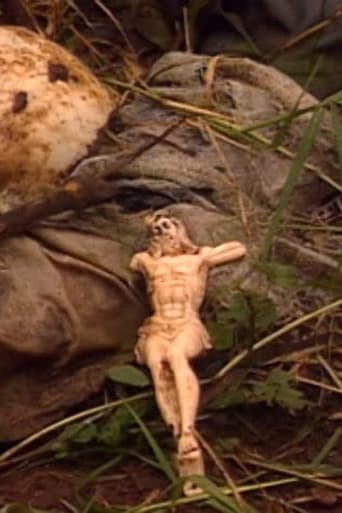
In April 1994, the international community sat by and watched while a million Tutsi men, women and children were massacred in the central African nation of Rwanda. Hand of God, Hand of the Devil, the second volume in the three-part Rwanda series, explores Canada's role in the development of the genocidal ideology that took root in Rwanda, which was considered the "jewel" of Canadian aid in Africa. This video focuses on the murder of two Canadian missionaries, killed for having protested against corruption and human rights violations. Brother François Cardinal, who worked at the controversial Rwandan college, funded by Canadian aid money to the Rwandan president's advisors. Like countless others in Rwanda, his killers were never found. Hand of God, Hand of the Devil raises disturbing questions about Canada's role in Rwanda. Having assisted the former regime, will Canadian aid now sow the seeds for a new crop of killers?
Hand of God, Hand of the Devil
1995
Until December 11, 1981, El Mozote was just a tiny hamlet, nestled deep in the mountains of El Salvador. Eleven days later, its one thousand people, mostly children, were dead. Surrounding villages were razed. When the elite army battalion that executed the massacre returned to base, its soldiers were sworn to silence. For the next decade, the Salvadoran and U.S. governments put up a wall of denial. Beyond the overgrown ruins of El Mozote, the official "truth" prevailed. But now the story of what happened in the village, and the question of responsibility, have taken center stage in El Salvador's quest for conciliation. DENIAL finally puts on record an event that shaped the war, politics and media coverage of El Salvador for almost the length of the fighting.
Denial
—
Behind the camera
9.0Fifty years after the Holocaust, the world allowed another genocide to take place, this time in Rwanda. In April, 1994 the international community, including the U.S., sat by and watched as 800,000 Tutsi men, women and children were massacred. The killings took place under the eyes of UN peacekeepers. Today, Rwanda remains torn by ethnic killings. Shot over three years, CHRONICLE OF A GENOCIDE FORETOLD follows several Rwandans before, during, and after the genocide.
Chronicle of a Genocide Foretold
1996
7.0In April 1994, the international community sat by and watched while a million Tutsi men, women and children were massacred in the central African nation of Rwanda. Hand of God, Hand of the Devil, the second volume in the three-part Rwanda series, explores Canada's role in the development of the genocidal ideology that took root in Rwanda, which was considered the "jewel" of Canadian aid in Africa. This video focuses on the murder of two Canadian missionaries, killed for having protested against corruption and human rights violations. Brother François Cardinal, who worked at the controversial Rwandan college, funded by Canadian aid money to the Rwandan president's advisors. Like countless others in Rwanda, his killers were never found. Hand of God, Hand of the Devil raises disturbing questions about Canada's role in Rwanda. Having assisted the former regime, will Canadian aid now sow the seeds for a new crop of killers?
Hand of God, Hand of the Devil
1995
Until December 11, 1981, El Mozote was just a tiny hamlet, nestled deep in the mountains of El Salvador. Eleven days later, its one thousand people, mostly children, were dead. Surrounding villages were razed. When the elite army battalion that executed the massacre returned to base, its soldiers were sworn to silence. For the next decade, the Salvadoran and U.S. governments put up a wall of denial. Beyond the overgrown ruins of El Mozote, the official "truth" prevailed. But now the story of what happened in the village, and the question of responsibility, have taken center stage in El Salvador's quest for conciliation. DENIAL finally puts on record an event that shaped the war, politics and media coverage of El Salvador for almost the length of the fighting.
Denial
—