

Camera
Nigel Markham
Place of birth
Newfoundland and Labrador, Canada
Known for
Camera
Credits
16 titles
Nigel Markham has lived in Newfoundland for twenty years, where, following a period of work with the CBC as a cameraman, he began to work on his own independent film projects. A number of these films have taken him to Labrador, including Place Of The Boss - Utshimatssits. His directorial credits include the NFB productions, The Last Days Of Okak - an account of the devastating effects of the 1919 influenza epidemic on the Labrador Inuit, which won the Best Documentary award at the 1986 Atlantic Film Festival - and Taking Stock, a look at the history of the decline in the East Coast cod fishery, which won a Best Editing award at the 1994 Atlantic Film Festival.
Known for
 10.0
A tribute to Canadian comedy icon Tommy Sexton (1957-1993). A founding member of the Newfoundland comedy troupe CODCO Tommy died of complications from AIDS on December 13, 1993.
Tommy... A Family Portrait
2001
 NR
In the 18th century, Moravian missionaries from eastern Europe settled among Inuit on the Labrador coast in eastern Canada. They came to preach Christianity and one of their tools was music. So began the remarkable tradition of sacred music in the northern Labrador communities.
Till We Meet Again - Moravian Music in Labrador
2012
The fur trade is Canada's oldest industry, but today some people challenge the morality of killing animals for their fur. This film examines the public relations war raging between the industry and its opponents and takes an objective look at the ethical, environmental and economic issues raised by the debate. The struggle to win over public opinion has been joined by Indigenous peoples in Canada who fear that their way of life will be jeopardized if the fur industry is destroyed. The cycle of the industry is followed from the trapper's bush camp and the fur ranch to the final sale of a coat in the furrier's salon. Throughout the film, the conflicting opinions of fur industry representatives, animal rights activists and Indigenous people challenge the viewer to consider all aspects of this complex debate. —NFB
Pelts: Politics of the Fur Trade
1989
Around the world, the fisheries are in trouble. Among the new, suggested solutions is co-management: a system in which gorvernments devolve some of the authority for managing fish stocks to local communities. One of the best-known and most successful examples of co-management is found in Norway's Lofoten Islands, where a tradition of self-regulation is backed up by a national commitment to supporting scientific fisheries research. What lessons can be drawn from the Lofoten experience? This film will encourage fishing communities to see that there are alternatives, however imperfect, to the current global fisheries crisis.
Norway's Lofoten Cod Fishery
1996
 NR
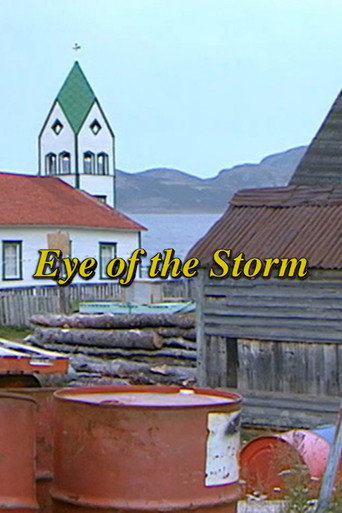
A documentary about Nain, a Labrador Inuit community located near the world's largest nickel and copper deposits. As commercial mining interests prepare to exploit the resources, local residents consider the potential environmental and cultural impact. Meanwhile longstanding Aboriginal land claims are unsettled.
Eye of the Storm
1997
 9.0
This short documentary tells the story the once-thriving town of Okak, an Inuit settlement on the northern Labrador coast. Moravian missionaries evangelized the coast and encouraged the growth of Inuit settlements, but it was also a Moravian ship that brought the deadly Spanish influenza during the world epidemic of 1919. The Inuit of the area were decimated, and Okak was abandoned. Through diaries, old photos and interviews with survivors, this film relates the story of the epidemic and examines the relations between natives and missionaries.
The Last Days of Okak
1985
Behind the camera
10.0A tribute to Canadian comedy icon Tommy Sexton (1957-1993). A founding member of the Newfoundland comedy troupe CODCO Tommy died of complications from AIDS on December 13, 1993.
Tommy... A Family Portrait
2001
NRIn the 18th century, Moravian missionaries from eastern Europe settled among Inuit on the Labrador coast in eastern Canada. They came to preach Christianity and one of their tools was music. So began the remarkable tradition of sacred music in the northern Labrador communities.
Till We Meet Again - Moravian Music in Labrador
2012
The fur trade is Canada's oldest industry, but today some people challenge the morality of killing animals for their fur. This film examines the public relations war raging between the industry and its opponents and takes an objective look at the ethical, environmental and economic issues raised by the debate. The struggle to win over public opinion has been joined by Indigenous peoples in Canada who fear that their way of life will be jeopardized if the fur industry is destroyed. The cycle of the industry is followed from the trapper's bush camp and the fur ranch to the final sale of a coat in the furrier's salon. Throughout the film, the conflicting opinions of fur industry representatives, animal rights activists and Indigenous people challenge the viewer to consider all aspects of this complex debate. —NFB
Pelts: Politics of the Fur Trade
1989
Around the world, the fisheries are in trouble. Among the new, suggested solutions is co-management: a system in which gorvernments devolve some of the authority for managing fish stocks to local communities. One of the best-known and most successful examples of co-management is found in Norway's Lofoten Islands, where a tradition of self-regulation is backed up by a national commitment to supporting scientific fisheries research. What lessons can be drawn from the Lofoten experience? This film will encourage fishing communities to see that there are alternatives, however imperfect, to the current global fisheries crisis.
Norway's Lofoten Cod Fishery
1996
NRA documentary about Nain, a Labrador Inuit community located near the world's largest nickel and copper deposits. As commercial mining interests prepare to exploit the resources, local residents consider the potential environmental and cultural impact. Meanwhile longstanding Aboriginal land claims are unsettled.
Eye of the Storm
1997
9.0This short documentary tells the story the once-thriving town of Okak, an Inuit settlement on the northern Labrador coast. Moravian missionaries evangelized the coast and encouraged the growth of Inuit settlements, but it was also a Moravian ship that brought the deadly Spanish influenza during the world epidemic of 1919. The Inuit of the area were decimated, and Okak was abandoned. Through diaries, old photos and interviews with survivors, this film relates the story of the epidemic and examines the relations between natives and missionaries.
The Last Days of Okak
1985
 NR
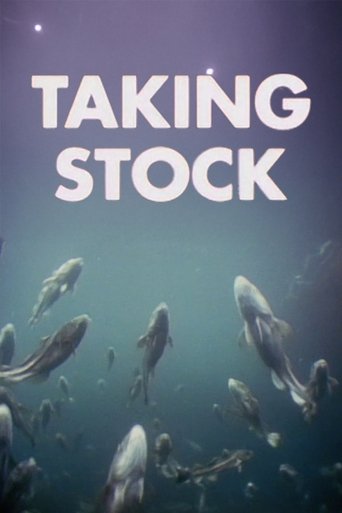
The cod fishery off the east coast of Newfoundland was a way of life, the backbone of society -- until it collapsed. A review of the history leading up to the crisis and the subsequent call for a moratorium of the northwest Atlantic cod fishery.
Taking Stock
1994
In 1999, Innu community members who, 40 years previously, had been forcibly relocated from their remote northern region of Labrador to established settlements in the province, return to Hebron to reminisce and reckon with the destructive impact the relocation had on their traditional ways of life and Indigenous identity. This film serves as a companion piece to Carol Brice Bennett’s book "IkKaumajannik Piusivinnik – Reconciling With Memories," and stands as the only known audio-visual document of the reunion of a resettled community in Newfoundland & Labrador.
Forever in Our Hearts: Memories of the Hebron Relocation
2001
 8.0
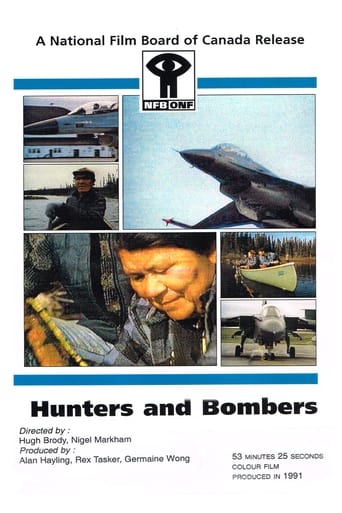
The hunters are the Innu people and the bombers are the air forces of several NATO countries, which conduct low-level flights over the Innu's hunting terrain. The impact of the jets is hotly debated by peace groups, Indigenous people, environmentalists and the military. But what is often overlooked are the many complex changes underway in Innu society, as social and technological changes confront a traditional hunting culture.
Hunters and Bombers
1991
Return to Mayalan is an hour long film about the return of Guatemala's refugees to their homeland after years of exile in Mexico. The film's focus is on one group of refugees, former members of the Cooperative Communities of the Ixcan Grande who are now attempting to resume their lives in the land they fled under terrible circumstances in the early 1980's. The return of the refugees has been an extremely important event in this struggle. The ability of the refugees to re-establish their lives in peace and security is seen as a test case for the entire society and is being closely watched both in Guatemala and throughout the world. The film celebrates their courage, determination and accomplishments.
Return to Mayalan
1999