
Writing
Jiro Osaragi
Born — Died
1897-10-09 — 1973-04-30
Place of birth
Yokohama, Kanagawa, Japan
Known for
Writing
Credits
9 titles
Known for
 NR
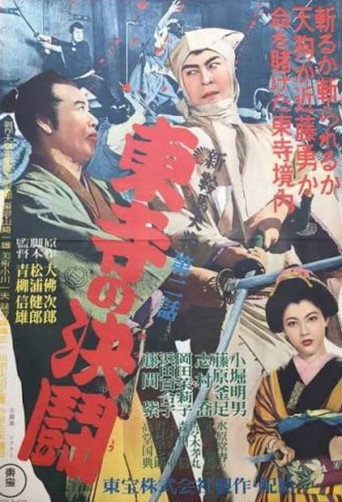
NRNo synopsis available yet.
New Tengu Kurama Part II: Duel at Toji Temple
1954
 NR
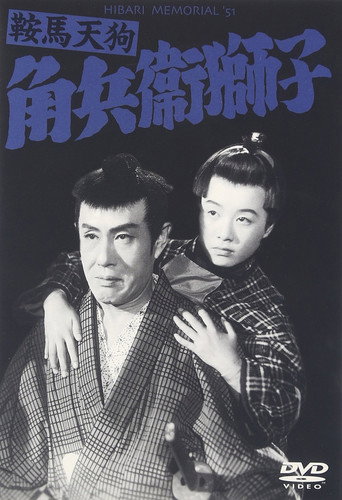
NRA fake “Kurama Tengu” causes chaos in Kyoto. The real masked swordsman rescues street child-lion dancers, steals an assassination ledger from the Shoshidai, and clashes with the Shinsengumi and Kondo Isami.
Goblin in Stirrups Pt.2
1957
 8.0
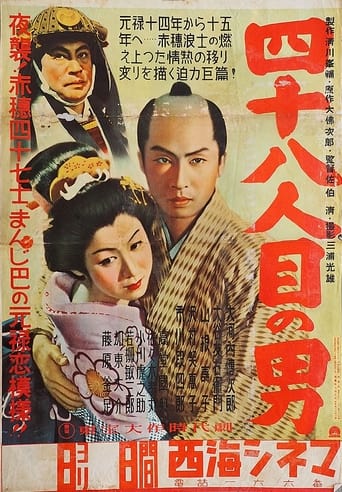
8.0Jidai-geki by Kiyoshi Saeki
Forty-Eight Man
1952
 NR
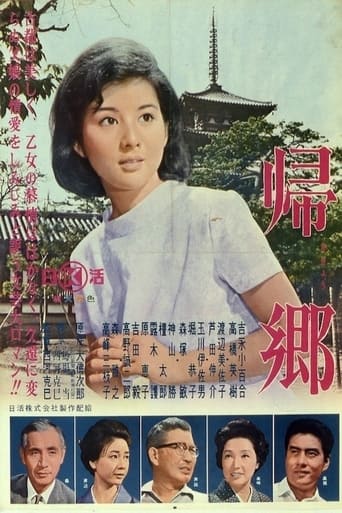
NRMoriya Tomoko, a young girl working for a publishing company, is told by a woman art dealer that her real father did not die, as everyone believes, during the revolution in Cuba, but is now living in Japan. Tomoko's mother has remarried a strict, narrow-minded university professor, whose only worry is protecting his family name from the slightest blemish.
Homecoming
1964
 10.0
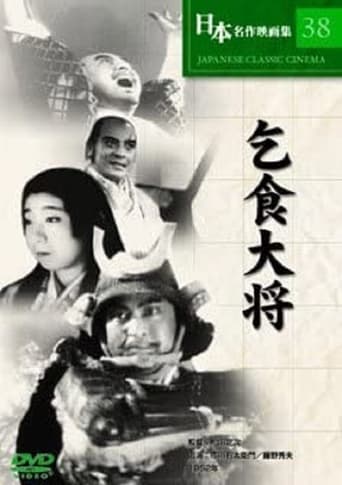
10.0Gotō Matabei is the most able and fierce samurai of the Kuroda clan. However, he gradually dislikes the ruthless personality of Kuroda Nagamasa and leaves the clan. Seven years later, he joins Toyotomi Hideyori's army. Filmed in 1945 and released in 1952.
Kojiki Taishô
1952
 NR
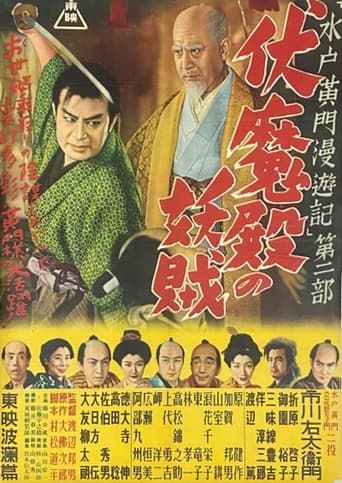
NRAt the transformed Fumaden (Demon Subduing) Temple, with the dynamic efforts of Sukesan and Kakusan, and the appearance of the heroic woman Oshin, Lord Kōmon's ingenious strategy swiftly overcomes the wicked bandits in this exhilarating and unrivaled episode.
Travels of Lord Mito Pt.2
1952
Behind the camera
NRNo synopsis available yet.
New Tengu Kurama Part II: Duel at Toji Temple
1954
NRA fake “Kurama Tengu” causes chaos in Kyoto. The real masked swordsman rescues street child-lion dancers, steals an assassination ledger from the Shoshidai, and clashes with the Shinsengumi and Kondo Isami.
Goblin in Stirrups Pt.2
1957
8.0Jidai-geki by Kiyoshi Saeki
Forty-Eight Man
1952
NRMoriya Tomoko, a young girl working for a publishing company, is told by a woman art dealer that her real father did not die, as everyone believes, during the revolution in Cuba, but is now living in Japan. Tomoko's mother has remarried a strict, narrow-minded university professor, whose only worry is protecting his family name from the slightest blemish.
Homecoming
1964
10.0Gotō Matabei is the most able and fierce samurai of the Kuroda clan. However, he gradually dislikes the ruthless personality of Kuroda Nagamasa and leaves the clan. Seven years later, he joins Toyotomi Hideyori's army. Filmed in 1945 and released in 1952.
Kojiki Taishô
1952
NRAt the transformed Fumaden (Demon Subduing) Temple, with the dynamic efforts of Sukesan and Kakusan, and the appearance of the heroic woman Oshin, Lord Kōmon's ingenious strategy swiftly overcomes the wicked bandits in this exhilarating and unrivaled episode.
Travels of Lord Mito Pt.2
1952
 10.0
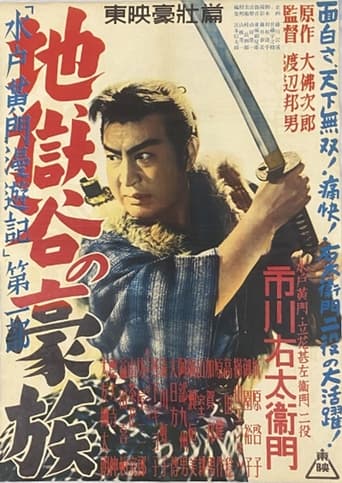
10.0The deputy shogun of the realm, accompanied by his loyal and capable aides, makes a stop at Jigokudani, a place along his journey through various provinces. Here, a lively and entertaining tale unfolds, filled with swordplay where heroes and villains clash, intertwined with heartwarming humor.
Travels of Lord Mito Pt.1
1952
The legendary ninja Kurama Tengu (Enoken) uses his superhuman powers to help free a band of street urchins from their Fagin-like master. The film's incredible climax, when Enoken fends off dozens of men attacking with ladders and handcarts, brings to mind a slightly less dextrous Jackie Chan.
Enoken's Kurama Tengu
1939
 10.0
10.0Kurama Tengu uncovers a suspicious gold robbery tied to a political scheme within the shogunate. As he follows the clues, hidden alliances, betrayals, and a mysterious woman entangle him in a dangerous conspiracy whose true aim remains just out of reach.
New Tengu Kurama: Samurai in the Pouring Rain
1955