Acting
Yūko Mochizuki
Born — Died
1917-01-28 — 1977-12-01
Place of birth
Yokohama, Kanagawa Prefecture, Japan
Known for
Acting
Credits
54 titles
Known for
 7.7
7.7Taking its title from an archaic Japanese word meaning "ghost story," this anthology adapts four folk tales. A penniless samurai marries for money with tragic results. A man stranded in a blizzard is saved by Yuki the Snow Maiden, but his rescue comes at a cost. Blind musician Hoichi is forced to perform for an audience of ghosts. An author relates the story of a samurai who sees another warrior's reflection in his teacup.
Kwaidan
1965
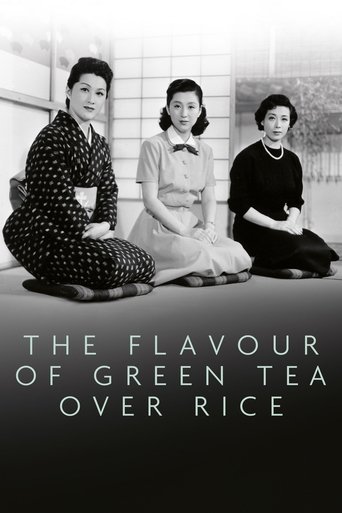 7.5
7.5The arranged marriage between a capricious woman from Tokyo high society and a quiet rustic man is tested by a marital crisis.
The Flavor of Green Tea Over Rice
1952
 7.5
7.5The family of an older man who runs a small sake brewery become concerned with his finances and his health after they discover him visiting an old mistress from his youth.
The End of Summer
1961
 7.6
7.6In a remote village where food is scarce, elders who reach the age of 70 are carried by their children to the top of a nearby mountain to die in solitude. Orin, a vibrant 69-year-old grandmother, has accepted her fate — but struggles to prepare the rest of her family for the ritual.
The Ballad of Narayama
1958
 7.2
7.2A group of rank-and-file soldiers are jailed for crimes against humanity, themselves victims of a nation refusing to bear its burdens as a whole.
The Thick-Walled Room
1956
 5.8
5.8At the close of the war in Japan, a widowed mother makes every possible sacrifice to bring up her ungrateful son and daughter who are unimpressed with their poor standard of living at home. They gradually reject her in search of the material comforts that working as a maid cannot provide. The mother's despair becomes interminable.
A Japanese Tragedy
1953
Film credits
1960s · 13 titles
7.7Taking its title from an archaic Japanese word meaning "ghost story," this anthology adapts four folk tales. A penniless samurai marries for money with tragic results. A man stranded in a blizzard is saved by Yuki the Snow Maiden, but his rescue comes at a cost. Blind musician Hoichi is forced to perform for an audience of ghosts. An author relates the story of a samurai who sees another warrior's reflection in his teacup.
Kwaidan
1965
7.5The family of an older man who runs a small sake brewery become concerned with his finances and his health after they discover him visiting an old mistress from his youth.
The End of Summer
1961
 6.5
6.5Japan, February 1868. As the Tokugawa shogunate declines and the power of Emperor Meiji grows, Gonzo, a soldier of the Restoration Army, returns to Sawando, his hometown, to announce the end of tyranny.
Red Lion
1969
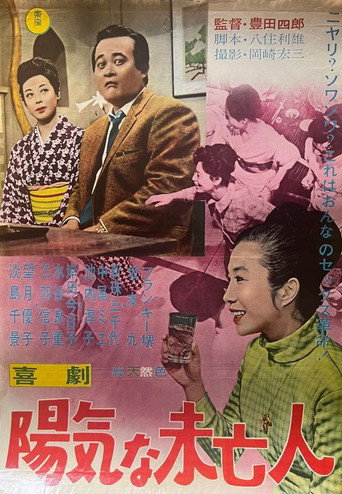 NR
NRNo synopsis available yet.
Comedy: Cheerful Widow
1964
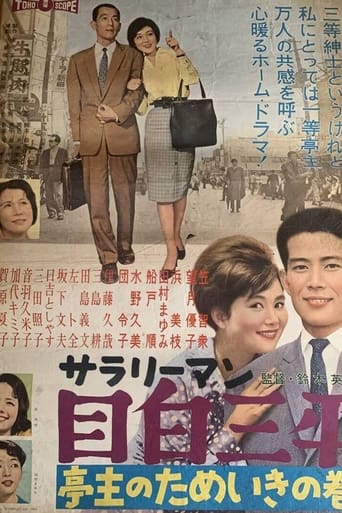 NR
NRThe fourth instalment in the Salaryman Mejiro Sanpei series.
Salaryman Sampei Meijiro: Sighing Husband
1960
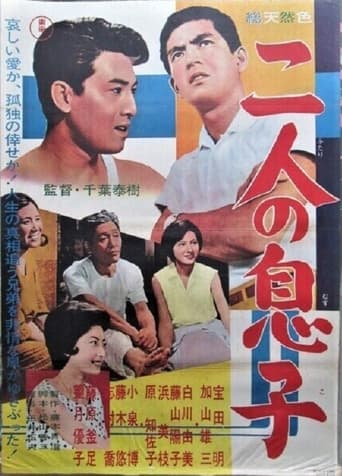 7.0
7.0In the middle of the period of high economic growth in Japan, a family is thrown into disarray over work, money, and romance. Their father's sudden unemployment later in life causes friction among the siblings of the Akagi family. Kensuke, a salaryman at a top company, refuses to support his parents while his brother, Shoji, determines to care for them despite only working as a taxi driver. The concern over money affects Noriko's own love life as she courts a wealthy salaryman to the chagrin of her mechanic boyfriend.
Different Sons
1961
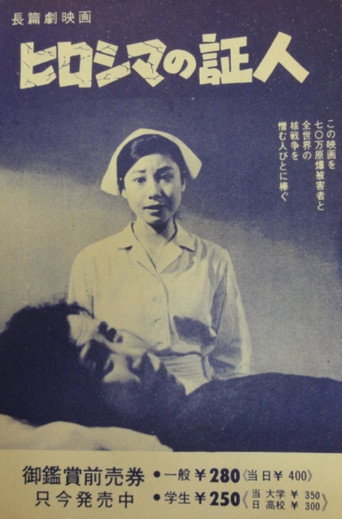 NR
NRNo synopsis available yet.
Witness of Hiroshima
1968
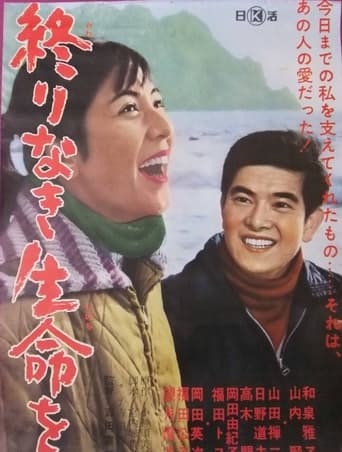 10.0
10.0No synopsis available yet.
The Will to Live
1967
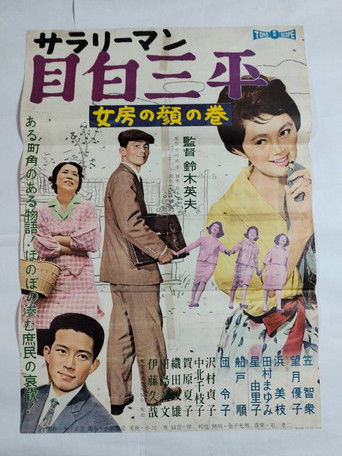 NR
NRSalaryman comedy.
Salaryman Sampei Meijiro: A Wife's Virginal Face
1960
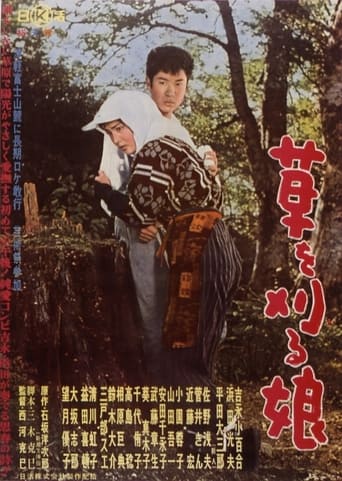 7.0
7.01961 Japanese movie
Kusa wo karu musume
1961
Home drama about tin craftsmen and their families in downtown Tokyo. Though poor, they do not lose their cheerfulness or give in to oppression.
Kaachan
1961
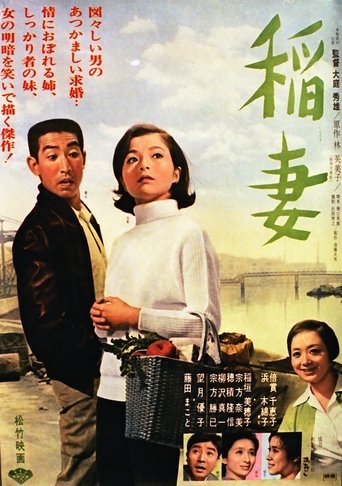 NR
NRNo synopsis available yet.
Lightning
1967
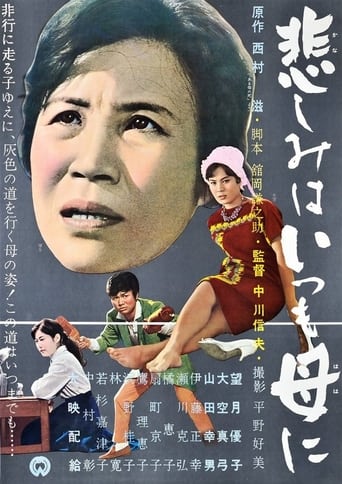 NR
NRThe last film produced by Shintoho.
Kanashimi wa itsumo haha ni
1962
1950s · 38 titles
7.5The arranged marriage between a capricious woman from Tokyo high society and a quiet rustic man is tested by a marital crisis.
The Flavor of Green Tea Over Rice
1952
7.6In a remote village where food is scarce, elders who reach the age of 70 are carried by their children to the top of a nearby mountain to die in solitude. Orin, a vibrant 69-year-old grandmother, has accepted her fate — but struggles to prepare the rest of her family for the ritual.
The Ballad of Narayama
1958
7.2A group of rank-and-file soldiers are jailed for crimes against humanity, themselves victims of a nation refusing to bear its burdens as a whole.
The Thick-Walled Room
1956
5.8At the close of the war in Japan, a widowed mother makes every possible sacrifice to bring up her ungrateful son and daughter who are unimpressed with their poor standard of living at home. They gradually reject her in search of the material comforts that working as a maid cannot provide. The mother's despair becomes interminable.
A Japanese Tragedy
1953
 6.5
6.5Machiko and Haruki’s drama continues. Two meet again in Hokkaido only to be separated again.
Always in My Heart Part 2
1953
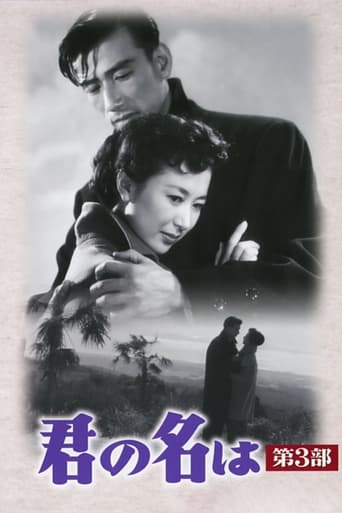 7.0
7.0Machiko and Haruki’s drama continues. Machiko is not allowed to see Haruki. They finally meet again, but Haruki departs to Europe.
Always in My Heart Part 3
1954
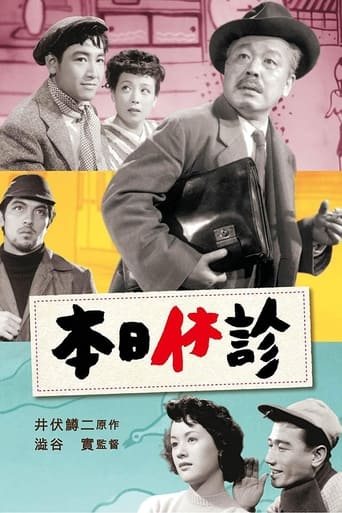 6.8
6.8Having completed the first year at his new medical practice, a doctor plans to relax on his day off. However, it is not to be: on this hectic day a man just back from the war front visits the doctor with a medical emergency, followed by a woman who claims to have been molested. Then a yakuza arrives to ask the doctor to cut his finger off...
Doctor's Day Off
1952
 NR
NRNo synopsis available yet.
Hanayome hanamuko chanbara bushi
1952
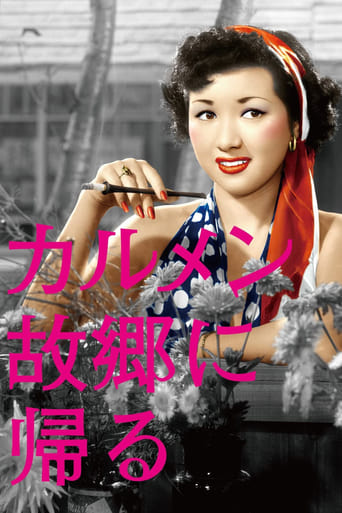 6.3
6.3A rural village elder plans an event on the return of a farmer's daughter from the city, unaware that she has become a Westernized burlesque artist.
Carmen Comes Home
1951
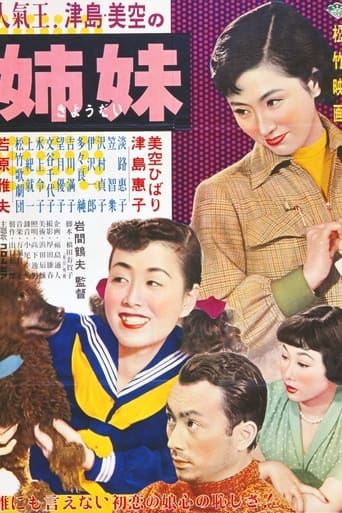 NR
NRThree beautiful daughters grew up in a dog and cat care clinic. The eldest was named Takako (Keiko Tsushima), the second was Tsugumi (Keiko Awaji), and the third was Mihato (Hibari Misora). Mihato was still a pretty seventeen-year-old girl, but she considered herself as mature as her older sisters. Mihato knows that Tsugumi is friends with Ippei Yaguchi (Masao Wakahara) and acts as a love messenger between them, but she didn't know that Takako is also in love with Ippei...
Sisters
1953
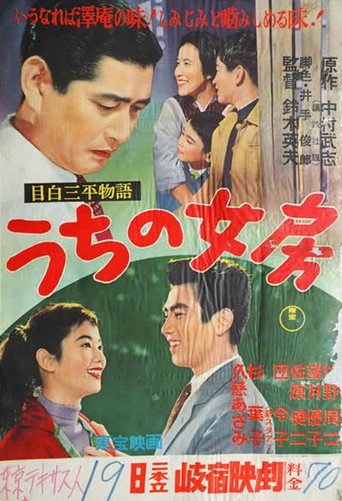 NR
NRNo synopsis available yet.
Sanpei Mejiro Story: My Wife
1957
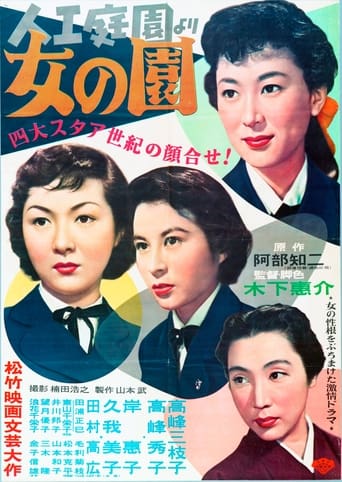 6.6
6.6A student at a woman's university takes a controversial action against the school's old-fashioned doctrines.
The Garden of Women
1954
 6.8
6.8Machiko Ujiie and Haruki Atomiya first meet and fall in love on Ginza’s Sukiyabashi Bridge during the Great Tokyo Air Raid in March 1945. Machiko and Haruki pledge to meet again at the bridge in six months but part without asking each other’s names.
Always in My Heart
1953
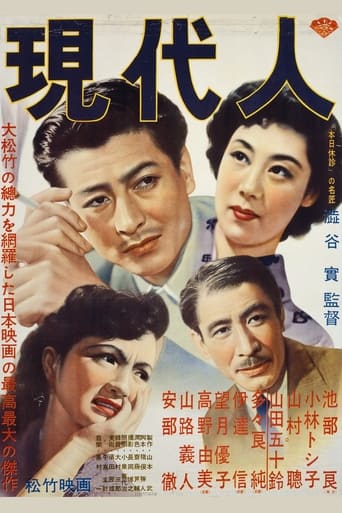 3.2
3.2A section chief at the Bureau of Construction is in a shady relationship with a construction company. Then a new, young and honest subordinate is assigned to work under the section chief. Once he learns about the shady relationship, however, the new subordinate skillfully conceals the corruption and joins the corrupt, shady relationship.
Modern People
1952
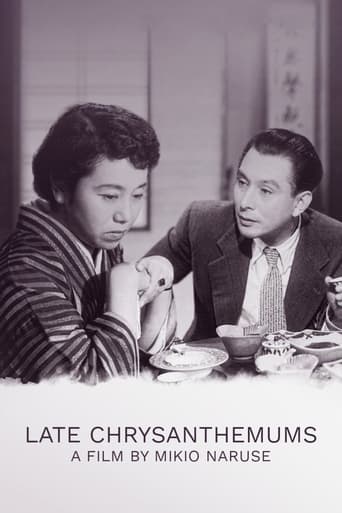 7.2
7.2What is the life of a Geisha like once her beauty has faded and she has retired? Kin has saved, and become a wealthy money-lender, spending her days coldly collecting debts. Even her best friends, fellow Geisha Tomi, Nobu, and Tamae, are now indebted to her. For all of them, the glamour of their young lives has passed; Tomi and Tamae have disappointing children. Kin has two former lovers who still pursue her; one she wants to see, and the other she doesn't. But even the one she remembers fondly, when he shows up, proves less than satisfactory.
Late Chrysanthemums
1954
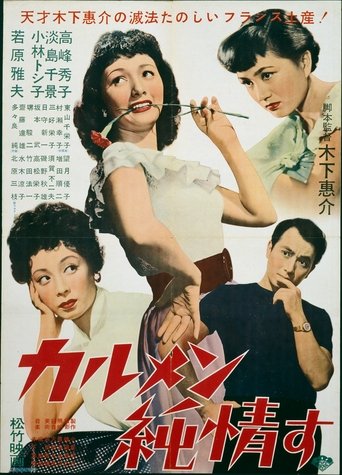 5.2
5.2Strip dancer Carmen falls in love with Hajime, who is engaged to the daughter of a right-wing politician.
Carmen's Innocent Love
1952
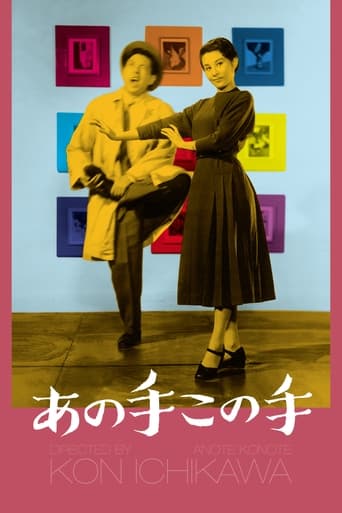 8.5
8.5An intellectual couple in a staid and tedious marriage are surprised when the wife’s niece, who has run away from home, turns up unexpectedly to stay with them. Their mundane lives are sent into disarray by the emotional and energetic Ako.
This Way, That Way
1952
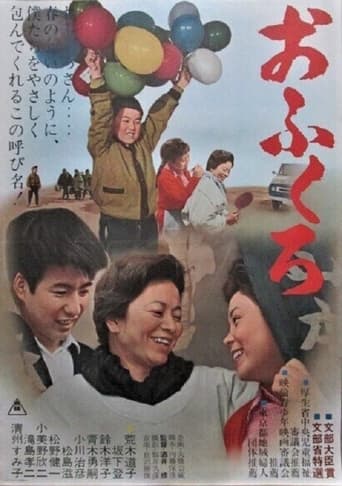 7.0
7.0Shizuka, Eiichiro, and Mineko, their father and son, live modestly in a certain suburb, leading a dreary but happy life. Eiichiro is troubled by Shizuka's desire to live together in familiar Tokyo. Mineko is the exact opposite of Eiichiro. A literary masterpiece depicting the fateful sorrow and humor of a mother and child
Ofukuro
1955
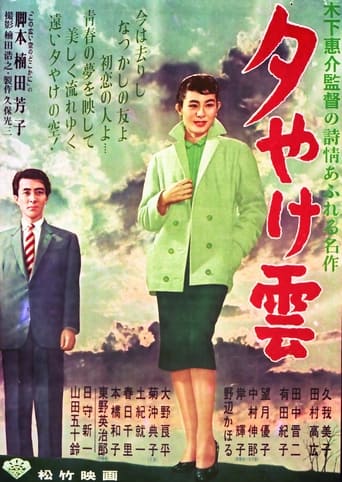 7.1
7.1A coming-of-age story portrayed as the loss of all youthful illusions. Sixteen-year-old Yoichi dreams of becoming a sailor. His parents are fishmongers, and Yoichi lives together with them and his four siblings in cramped living conditions. His beloved younger sister is given to a wealthy, childless uncle; his best friend moves away; the girl he fell in love with from afar is with someone else: little by little, Yoichi loses all the people that are important to him.
Farewell to Dream
1956
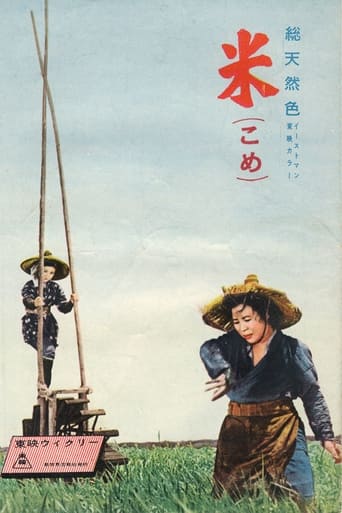 6.8
6.8A touching story depicting the harsh lives of farmers in Kasumigaura. An attempt to start a fishery business to revive an ailing farming community creates friction amongst the proud residents.
Rice
1957
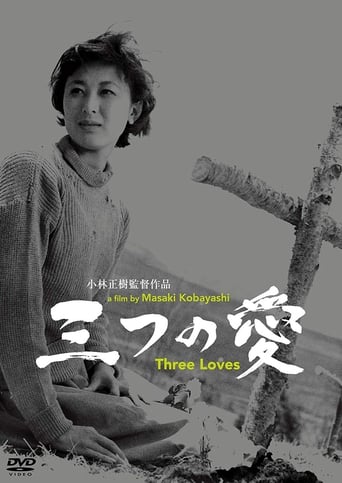 7.3
7.3In a mountain village, Heita, a translator's son, is a gifted boy but is shunned by the villagers. He can imitate birds' cry and befriends another boy who works in a brewery. Heita also finds solace in the village pastor Yasugi and his teacher Michiko, but they too have problems of their own.
Three Loves
1954
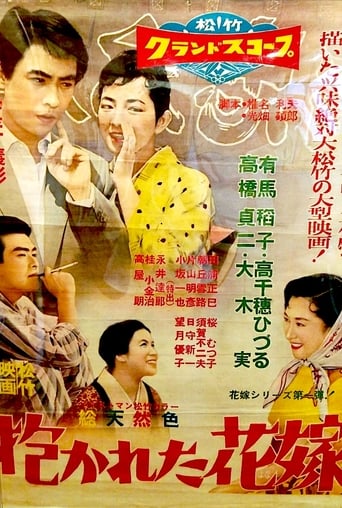 NR
NRThe proprietress of a long-established sushi restaurant in Asakusa is a war widow who has raised three children. A film that lightheartedly depicts a generational battle between a mother who is anxious about the issue of an heir and her modern children.
Love du Jour
1957
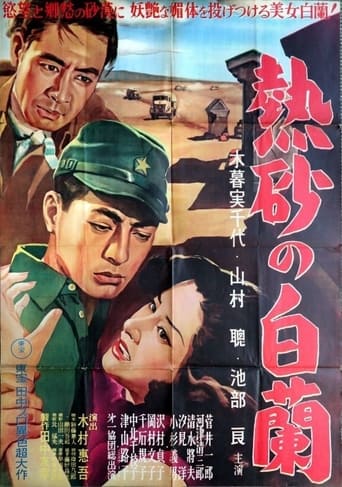 NR
NRA Japanese adaptation of Guy de Maupassant's short story Boule de Suif, directed by Kimura Keigo
The White Orchid
1951
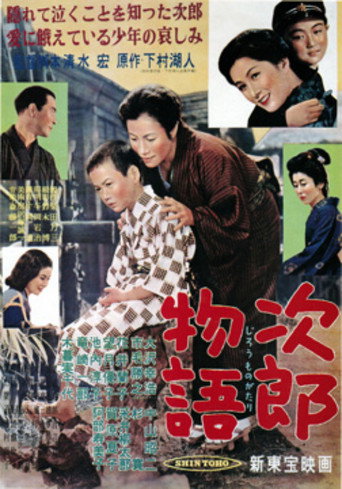 7.5
7.5Based on the novel by Kojin Shimomura. Story of a young boy and his adventures in the country. His idyllic life is shattered by the illness and death of his mother.
The Tale of Jiro
1955
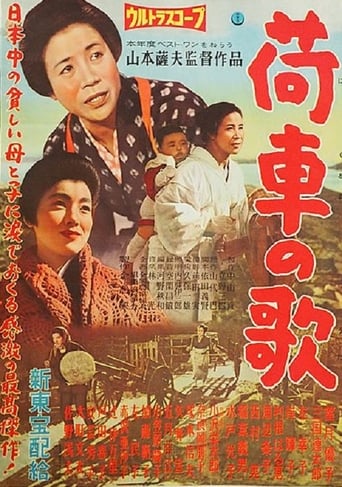 6.9
6.9A lifetime story of a woman who stubbornly lives in a poor mountain village in post-war Japan.
The Song of the Cart
1959
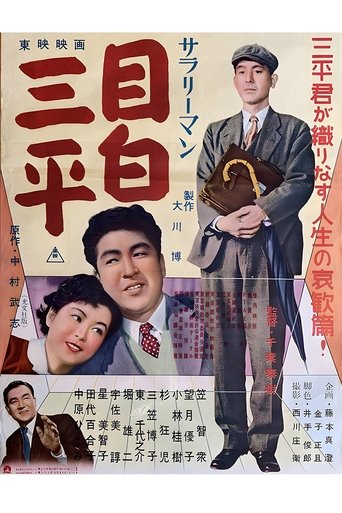 NR
NRA masterpiece of life sketches overflowing with heartwarming affection and laughter that portrays the modern common people with humor and pathos, focusing on the daily life of Sanpei Mejiro, a salaryman for over twenty years who finds a little happiness in life in his poor but joyful home.
Salaryman Mejiro Sanpei
1955
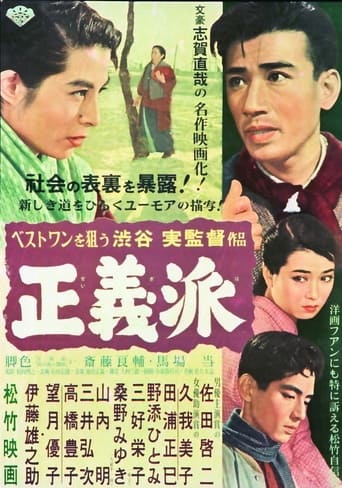 NR
NRThe obstinate black market trader Okyo lives together with her son Seitaro, who works as a mechanic for a bus company. She also looks after her son's colleague, the bus driver Fujita. When he causes an accident one day, Seitaro testifies against him due to his moral scruples, thus getting his company into trouble.
A Case of Honor
1957
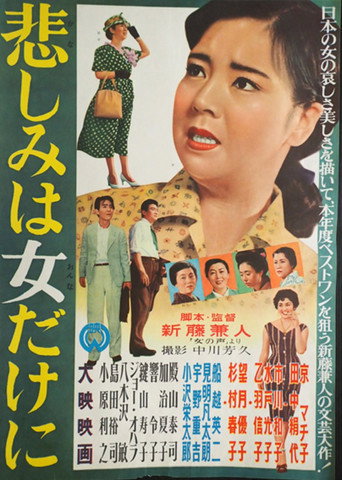 8.0
8.0The beauty of the Japanese family system is portrayed through the women who greet a woman who went to America thirty years ago to visit her grave.
Sorrow Is Only for Women
1958
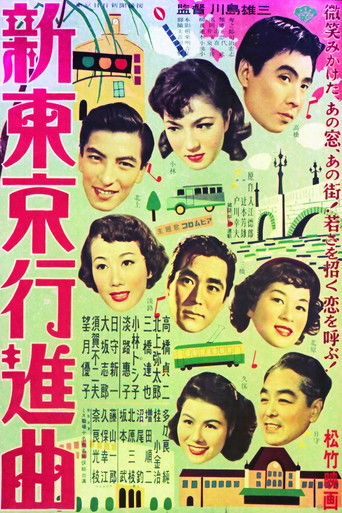 9.0
9.0Follows six male friends from elementary school whose career paths diverge—newspaper reporter, engineer, boxer, sushi restaurant owner—but whose romantic lives intersect. (MoMA)
New Tokyo March
1953
 6.7
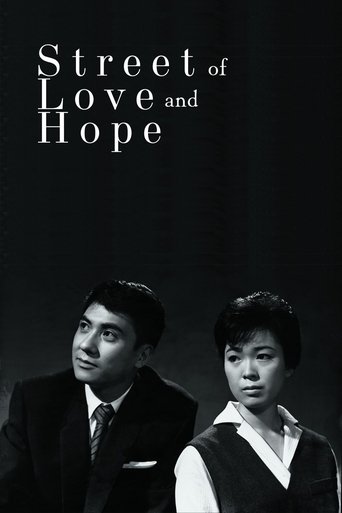
6.7The lives of a teenager, his impoverished family, a wealthy young woman who buys a pigeon from him, and his caring teacher converge and consequently become more complicated.
Street of Love and Hope
1959
 9.0
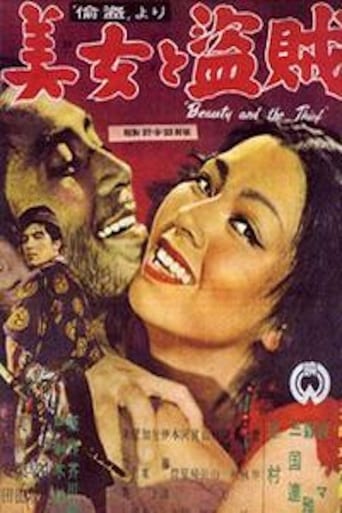
9.0The picture belongs to the jidai gekki (historic) genre. It is a powerful story of violence and eroticism, picturing a world at once sordid and poetic, with two central themes which intermingle to compound an admirable panel of a critical period in Japanese history: the great famine in the mid 19th Century.
Beauty and the Thief
1952
Nagisa Harumi had moved to Tokyo dreaming of becoming a revue star, but she couldn’t even land a job as a dancer and ended up working as a theater usher. She had told her boyfriend back home that she had become a star, but unfortunately, he had come to Tokyo to see her in all her glory.
Yume o meshimase
1950
 8.0
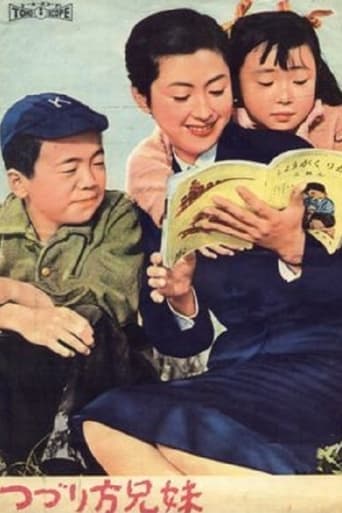
8.0A touching story about little Futyan and his sister Matiko. Their parents are very poor, but the children are not discouraged—they run to school together and find many interesting things in life. The children love literature and are good at writing essays. When they hear about a global competition for the best essay, they decide to take part and write an essay about how their school is going to be demolished and a military factory built in its place, about how difficult life is for their parents, how poor they are, but how they never lose their cheerfulness and hope. The essay was sent to Moscow, and the children eagerly await the decision. But Futyan did not wait for the answer; he caught a cold and became seriously ill. And since there was no money for his treatment, little Futyan died, and soon the answer came — the brother and sister's essay was awarded first prize.
The Child Writers
1958
 NR
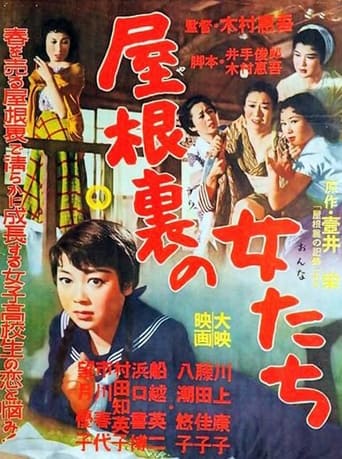
NRNo synopsis available yet.
Yaneura no Onna-tachi
1956
 7.0
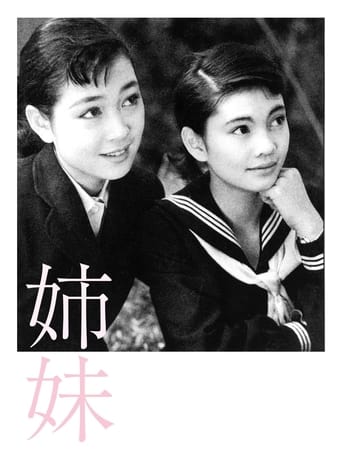
7.0Keiko and Toshiko are sisters who leave their mountain home, where their parents live in a hydroelectric plant company house to study in the city. They stay with their kind-hearted aunt and her jovial but heavy-drinking carpenter husband. Keiko, the 17-year-old eldest of five siblings, is gentle and responsible, while 14-year-old Toshiko is lively and childlike, affectionately called "Konchi."
Sisters
1955
 NR
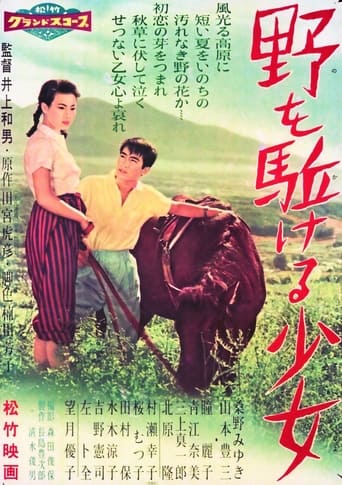
NRNo synopsis available yet.
Farewell to Summer
1958
 NR
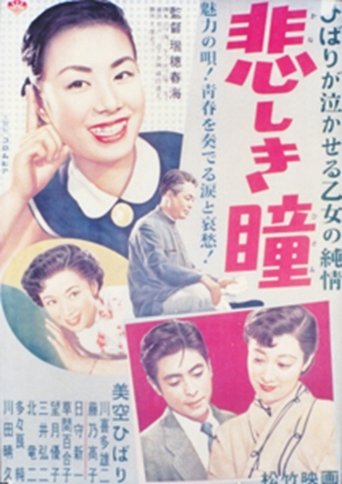
NRShinjiro Tanabe, a teacher at a junior high school in the downtown area of Tokyo, has two daughters, Mitsuko and Hitomi. Hitomi is the leader of her father's junior high school class and is working hard to prepare for the upcoming school trip and pamphlet. Tanabe is an old teacher who is often worried about financial difficulties and the future of Mitsuko, who is about to get married, but his family is bright with the cheerful Hitomi surrounding him. However, he finds himself in a difficult position when he sympathizes with his former student, the delinquent Akutsu, and uses the students' travel savings.
悲しき瞳
1953
 10.0
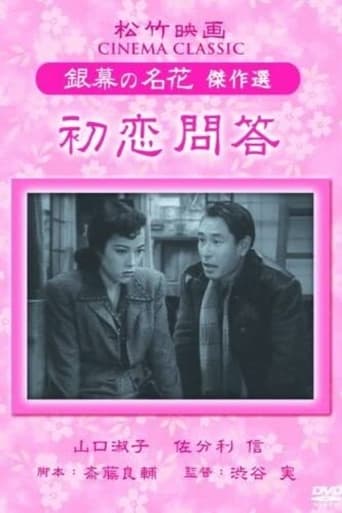
10.0No synopsis available yet.
First Love Questions and Answers
1950