

Acting
Chikage Awashima
Born — Died
1924-02-24 — 2012-02-16
Place of birth
Tokyo, Japan
Known for
Acting
Credits
68 titles
Chikage Awashima (淡島 千景, Awashima Chikage, born Keiko Nakagawa, 24 February 1924 – 16 February 2012) was a Japanese film and stage actress. Her stage name drew inspiration from Japanese poetry, and her legacy continues to resonate within the world of entertainment. A graduate from Takarazuka Music and Dance School and member of the Takarazuka Revue, Chikage Awashima entered the Shochiku film studios and made her film debut in 1950. She appeared in films of numerous prominent directors like Yasujirō Ozu, Mikio Naruse, Keisuke Kinoshita, Tadashi Imai and Heinosuke Gosho. She received the Blue Ribbon Award twice and the Mainichi Film Award twice for her performances. Awashima retired from sta…
Known for
 9.0
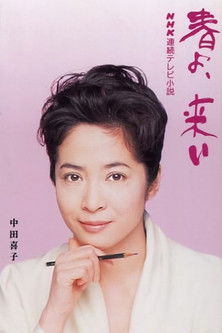
9.0A successful screenwriter looks back on her life when she learns her husband has cancer. A year-long series, starring Narumi Yasuda.
Haru yo koi
1994
 10.0
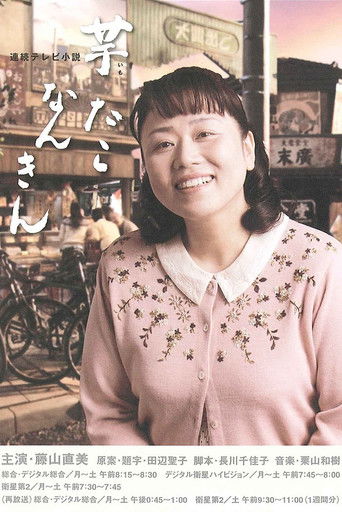
10.0The series takes place in 1962 Osaka. Hanaoka Machiko, 37, is single and works at a hardware store in Osaka City while doing literary work. One day, she falls ill due to overwork and falls in love with Tokunaga Kenjiro, the doctor who examines her. Kenjiro and Machiko marry. But Kenjiro, who lost his first wife to illness, lives not just with his five children, but his brother, sister, and parents. In a comical and heart-warming way, the drama depicts Machiko's struggle with the new family while pursuing her career as a novelist.
Imo Tako Nankin
2006
 7.0
7.0The story chronicles the life of Ii Naosuke.
Life of a Flower
1963
 8.2
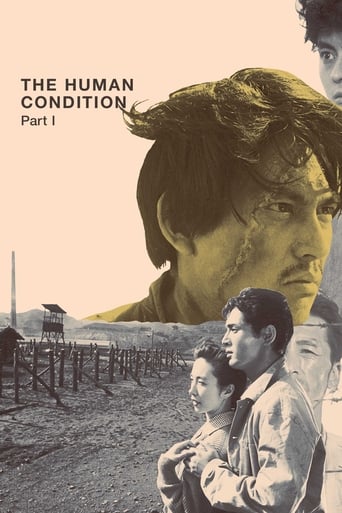
8.2After handing in a report on the treatment of Chinese colonial labor, Kaji is offered the post of labour chief at a large mining operation in Manchuria, which also grants him exemption from military service. He accepts and moves with his newlywed wife Michiko, but when he tries to put his ideas of more humane treatment into practice, he finds himself at odds with scheming officials, cruel foremen, and the military police.
The Human Condition I: No Greater Love
1959
 7.5
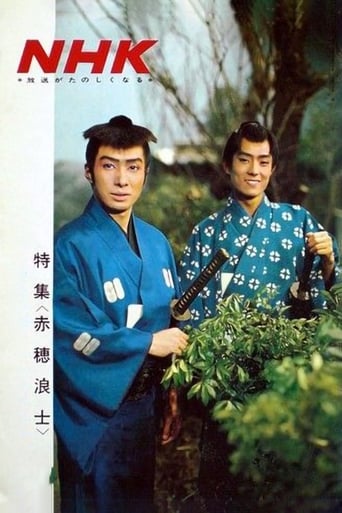
7.5"Ako Roshi" is a group of 47 former retainers of Lord Asano. Lord Asano was forced to commit suicide after attempting to kill Lord Kira. Once the retainers hear about their Lord's death, they sacrifice their lives to regain the honor of their former master.
Akō Rōshi
1964
 NR
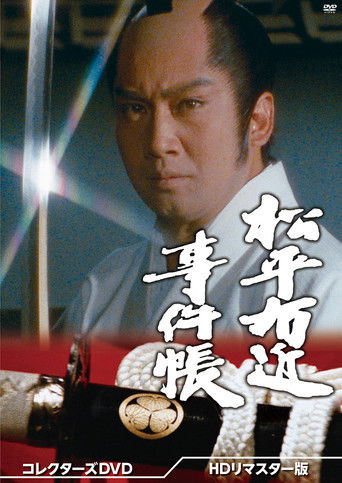
NRIn this gripping period drama, Matsudaira Ukon, the younger brother of the 11th Tokugawa Shogun Ienari, lives in the city as Yabutaro, a doctor in the Ukiyo Koji district, while fighting the evil that has infested the city of Edo.
Matsudaira Ukon Jikencho
1982
Film credits

1980s · 3 titles
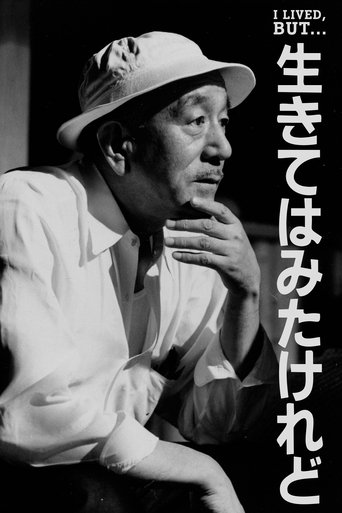 6.8
6.8An extremely lovely tribute to Ozu, on the 20th anniversary of his death. It uses a combination of footage from vintage films and new material (both interviews and Ozu-related locations) shot by Ozu's long-time camera-man (who came out of retirement to work on this). Surprisingly (or perhaps not), it focuses less on Ozu's accomplishments as a film-maker than on his impact on the lives of the people he worked with..
I Lived, But...
1983
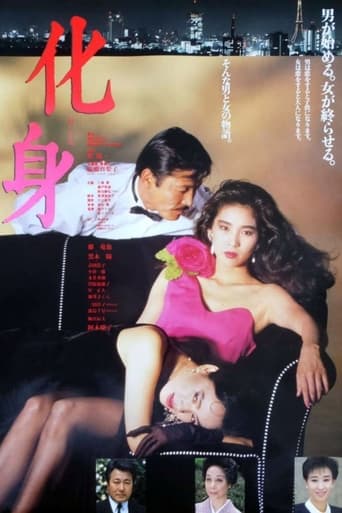 5.1
5.1A sensuous movie based on a literary work. Hitomi Kuroki stars as the film’s heroine.
Metamorphosis
1986
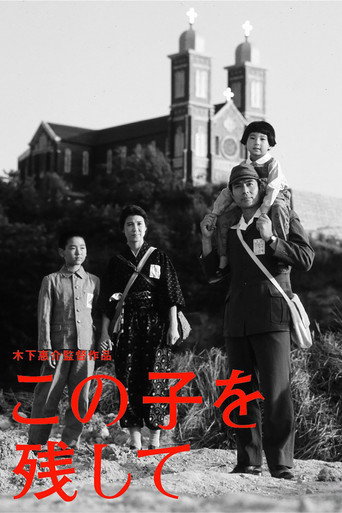 6.6
6.6August 9, 1945. An atomic bomb drops on Urakami, Nagasaki at 11:02am. The story of Dr. Nagai and his family.
Children of Nagasaki
1983
1960s · 26 titles
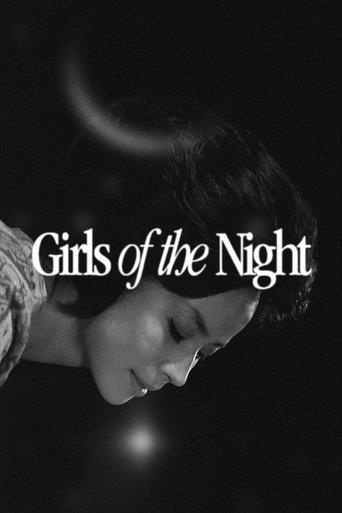 6.5
6.5In the wake of the 1956 Prostitution Prevention Law, a young woman recently released from one of Japan's new rehabilitation centers struggles to build a new life.
Girls of the Night
1961
 8.3
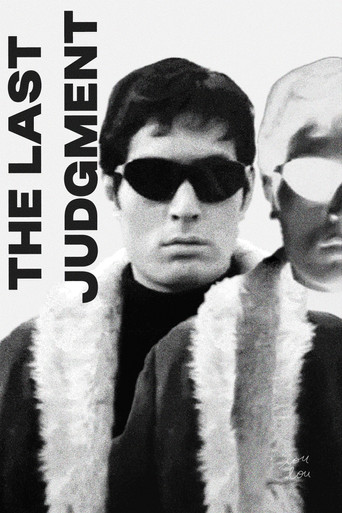
8.3Driven by greed and a desire for his cousin's wife, Jiro orchestrates a complex frame-up to have his cousin arrested for murder.
The Last Judgment
1965
 7.0
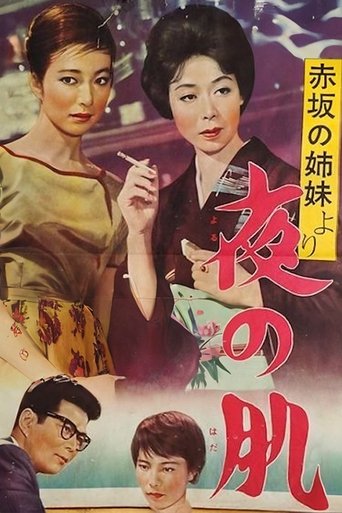
7.0Set in the postwar turmoil, Akasaka no shimai paints a vivit portrait of the life of three sisters who struggle to live in Tokyo.
The Akasaka Sisters: Soft Touch of Night
1960
 NR
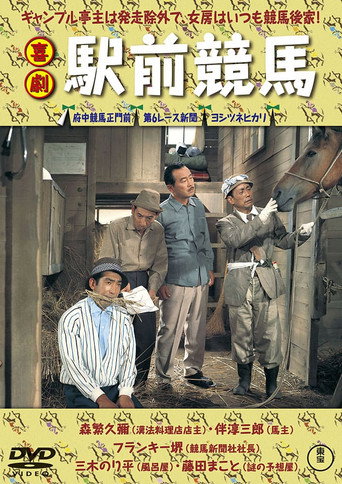
NRThe 17th "Ekimae" feature.
How to Win a Race
1966
 NR
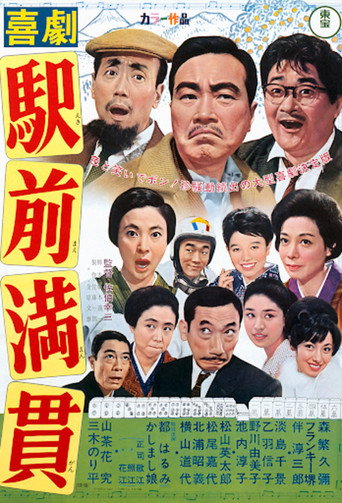
NRThe 18th "Ekimae" feature.
Mahjong Madness
1967
 7.0
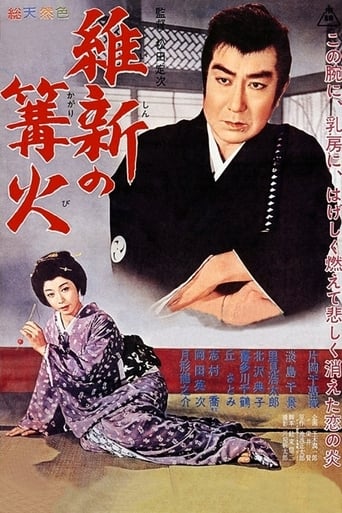
7.0Megastar Kataoka Chiezo is Vice-commander Hijikata Toshizo of the Shinsengumi in this realistic tale of Japan’s inner battles that led to the downfall of the Tokugawa shogunate. Excellent performances and extremely good swordplay highlight this glimpse into the heart and soul of Japanese history. Although known as “Razor Blade” Hijikata, the vice-commander is a man of deep conviction with a little-known sense of humanity. Starting after the famed Ikedaya Incident, in which they saved Kyoto from Choshu’s plot to burn the city to ashes, they work hard to change the public’s view of them as merciless killers to their true mission of protecting the shogun. This is an extraordinary tale of blood and guts! From the pen of award winning author Shotaro Ikenami (Bandit Vs. Samurai, Hunter in the Dark, Misumi's The Last Samurai)
Restoration Fire
1961
 NR
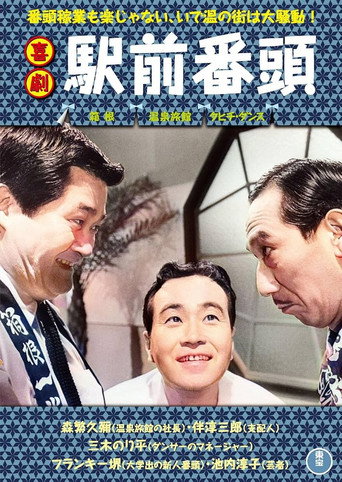
NRThe 16th "Ekimae" feature.
Big Wind at the Spa
1966
 NR
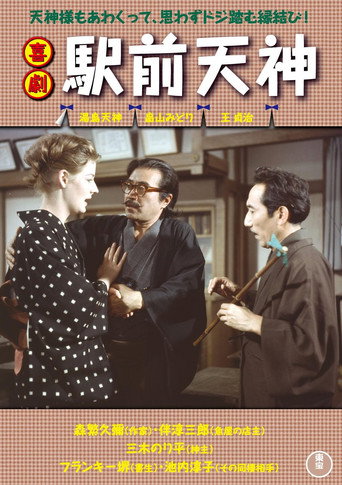
NRThe 10th "Ekimae" feature.
Heavenly Gods in Front of the Train Station
1964
 10.0
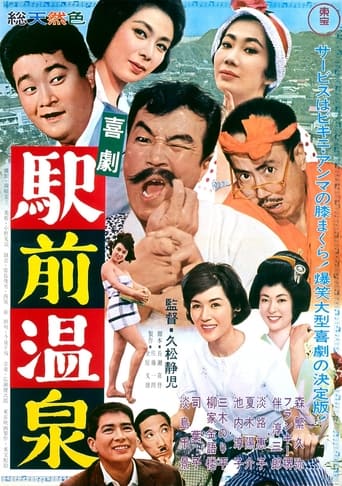
10.0Fourth entry in the Ekimae series, focusing on the restoration of a Fukushima hot spring inn.
A Comedy in Front of the Station: Onsen
1962
 6.0
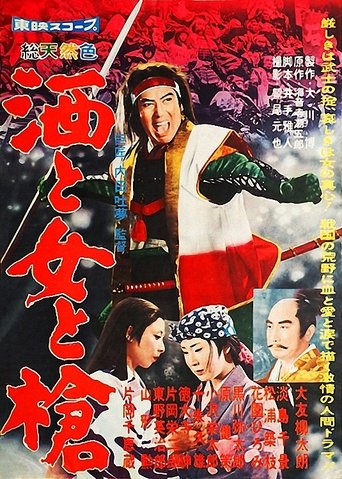
6.0Kurando is a retired samurai. Granted a last-second reprieve from the obligation to commit harakiri, he decides to settle down and marry one of the two kabuki actresses who helped him enjoy what he thought would be his final days.
The Master Spearman
1960
 NR
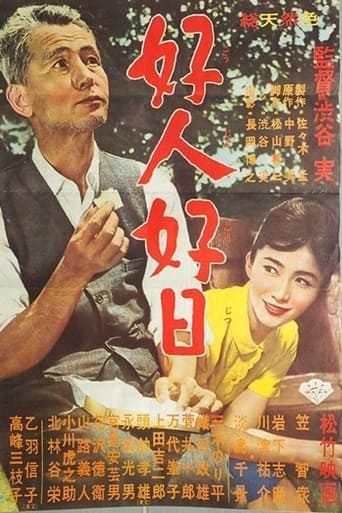
NRThe university professor Ozeki Hitoshi (Ryu Chishu) is regarded as an eccentric by people in his surroundings. When his daughter Tokiko is asked to marry a colleague, she and her mother are overjoyed, but Hitoshi is not satisfied with the situation.
A Good Man, A Good Day
1961
 NR
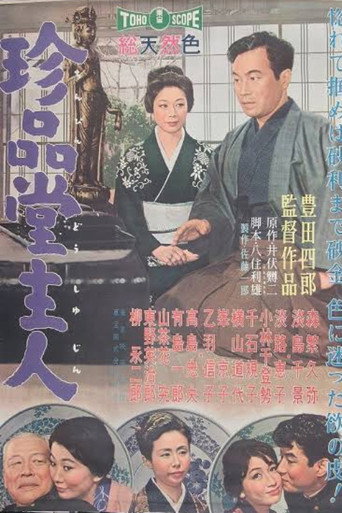
NRA contemporary comedy.
The Curio Master
1960
 NR
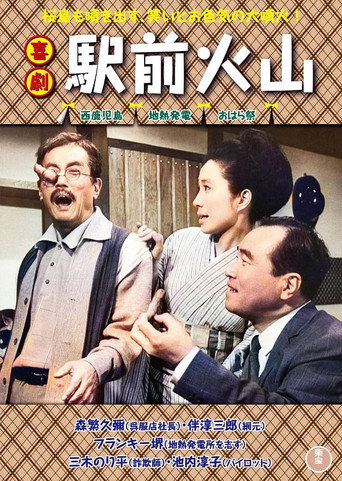
NRPenultimate 23rd "Ekimae" comedy is about oil-field exploration.
Volcano of Station Front Plaza
1968
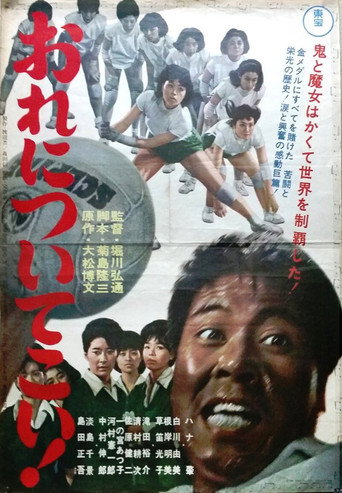 NR
NRNo synopsis available yet.
You Can If You Try
1965
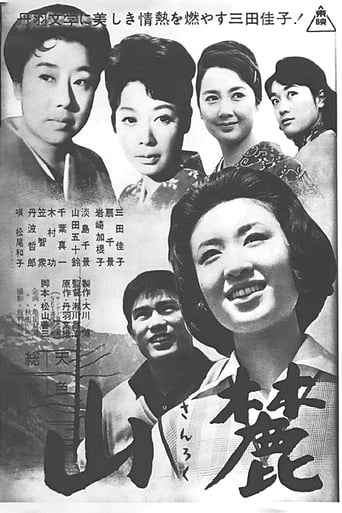 6.0
6.0A story about the lives of four sisters and their manipulative mother who must come to terms with each of their decisions in life.
Four Sisters
1962
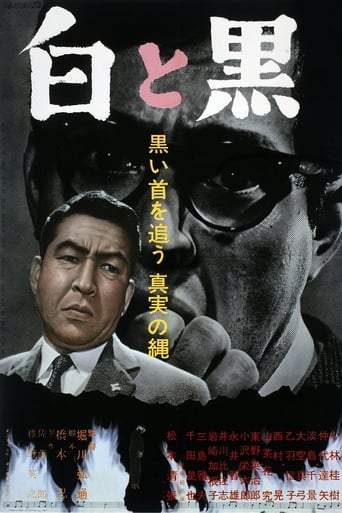 7.5
7.5A seasoned prosecutor uncovers the perfect crime committed by a young lawyer.
Pressure of Guilt
1963
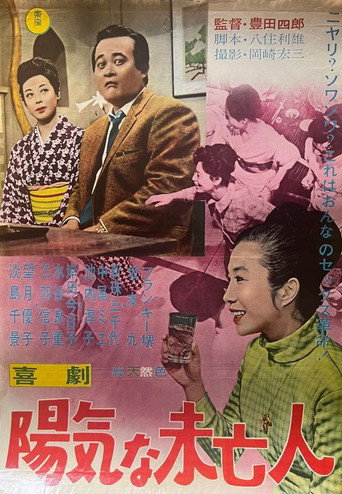 NR
NRNo synopsis available yet.
Comedy: Cheerful Widow
1964
 NR
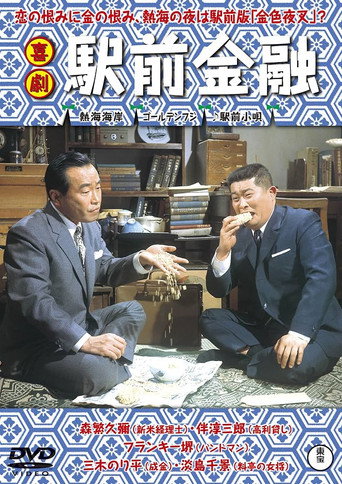
NRThe 12th "Ekimae" feature.
Finances in Front of the Train Station
1965
 NR
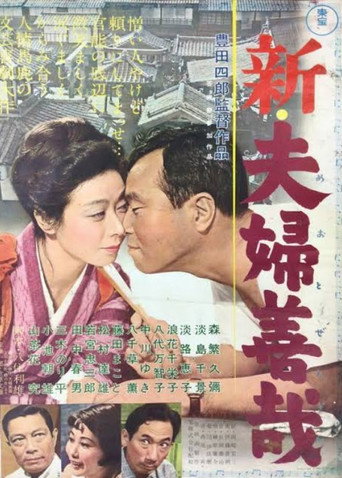
NRSequel to the 1955 movie.
New Marital Relations
1963
 NR
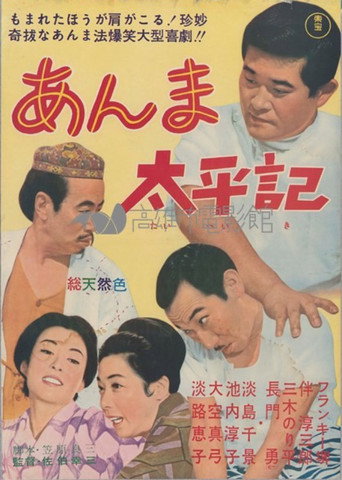
NRNo synopsis available yet.
Masseur War Story
1965
 NR
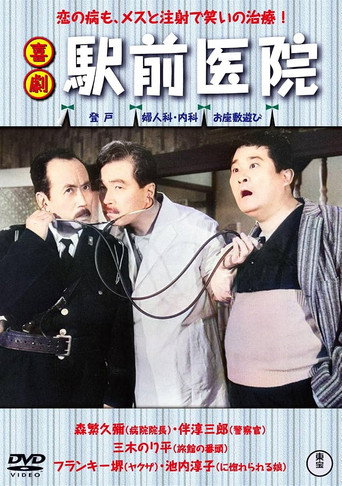
NRThe 11th "Ekimae" feature.
Hospital in Front of the Train Station
1965
 8.0
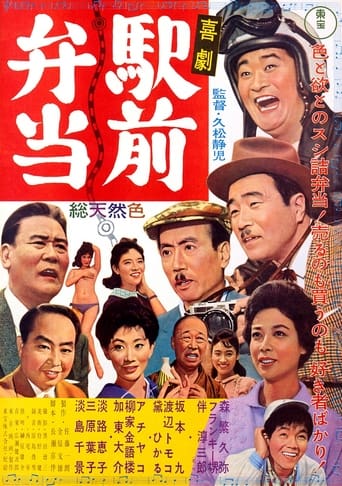
8.0Third film in the "Ekimae" series, this time set in Hamamatsu. A widow named Keiko and her brother Jiro run the bento shop, "Goraku." One day, Keiko asks for advice from her childhood friends Kintaro, a textile manufacturer, and Magosaku, an entrepreneur, about a big-shot from Osaka who wants to invest in her shop. However, Kintaro and Magosaku suspect that things are not what they seem...
A Comedy in Front of the Station: Lunchbox
1961
 9.0
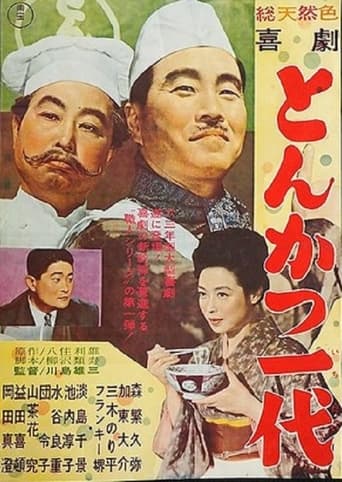
9.0Ensemble comedy.
Kigeki: Tonkatsu ichidai
1963
 6.3
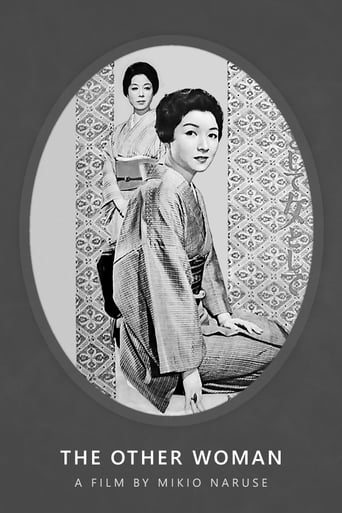
6.3The real mother of the two children of a respectable university professor is not his wife, but his mistress, the hostess of a Ginza bar the family frequents.
The Other Woman
1961
 6.2
6.2The plot is based on the novel "Akechi Samanosuke no Koi," the final work in a trilogy by Hiroshi Kato about the forced suicide of Oda Nobunaga at the temple Honnoji. Historically, the general Akechi Mitsuhide is credited with causing Nobunaga's downfall. Kato's novel focuses on Mitsuhide's nephew Samanosuke, who fought alongside his uncle during the assault on Honnoji.
Honno-Ji in Flames
1960
 5.0
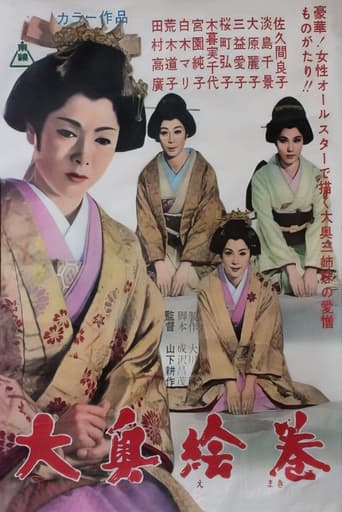
5.0Love-hate drama of three beautiful sisters in Ooku in Edo Castle.
Tales of the Inner Chamber
1968
1950s · 28 titles
8.2After handing in a report on the treatment of Chinese colonial labor, Kaji is offered the post of labour chief at a large mining operation in Manchuria, which also grants him exemption from military service. He accepts and moves with his newlywed wife Michiko, but when he tries to put his ideas of more humane treatment into practice, he finds himself at odds with scheming officials, cruel foremen, and the military police.
The Human Condition I: No Greater Love
1959
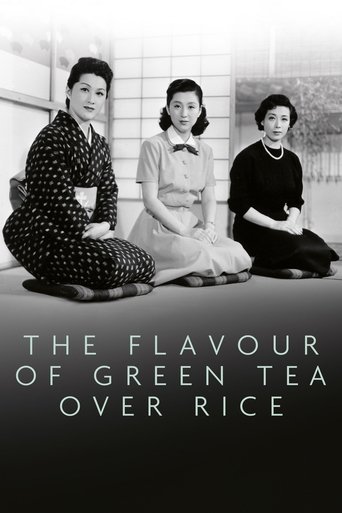 7.5
7.5The arranged marriage between a capricious woman from Tokyo high society and a quiet rustic man is tested by a marital crisis.
The Flavor of Green Tea Over Rice
1952
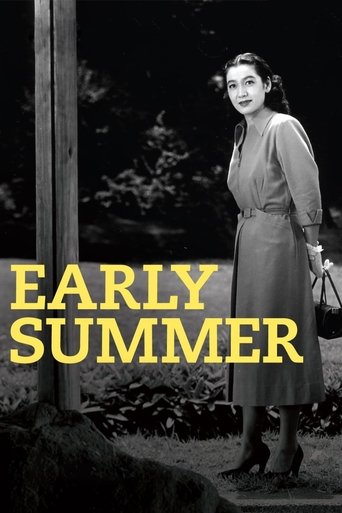 7.9
7.9In postwar Tokyo, Noriko lives with her extended family. Although she enjoys her career and her social life, her more traditional family worries about her single marital status at the advanced age of 28. 40-year-old business associate Takako proposes, Noriko's family press her into accepting, but when her widowed childhood friend Kenkichi returns to the neighborhood, she finds her heart leading in another direction.
Early Summer
1951
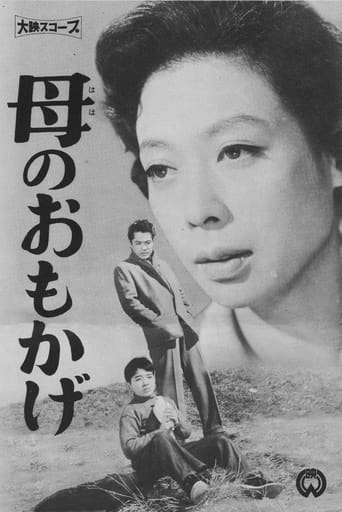 8.5
8.5The young boy Michio struggles with the loss of his mother while his widowed father, Sadao remarries the kind-hearted Sonoko, who has a daughter of her own. As Michio clings to memories of his mother, the family navigates the challenges of grief, love, and new beginnings.
Image of a Mother
1959
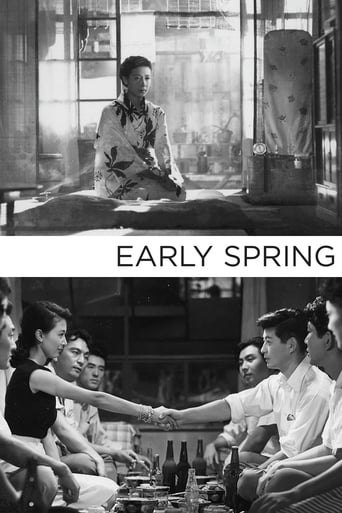 7.5
7.5A young salaryman and his wife struggle within the confines of their passionless relationship while he embarks on an extramarital affair.
Early Spring
1956
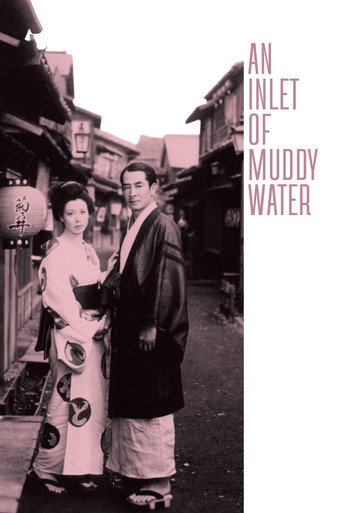 6.2
6.2A Japanese woman writes down three stories she has witnessed or heard of in her diary, each about the difficult situation a young woman finds herself in.
An Inlet of Muddy Water
1953
An entertainment film set in a movie studio, featuring songs and hidden talents performed by male and female stars.
Studio wa ōsawagi
1956
 6.5
6.5Machiko and Haruki’s drama continues. Two meet again in Hokkaido only to be separated again.
Always in My Heart Part 2
1953
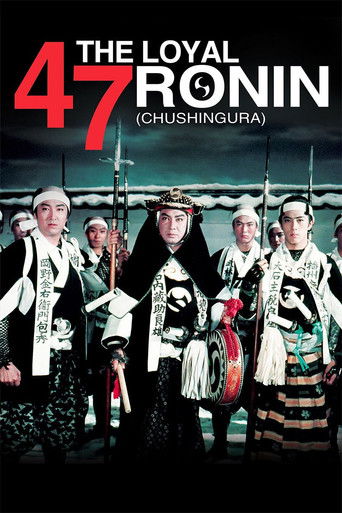 6.2
6.2Japan, 1701. A group of samurai become rônin after their lord is forced to commit seppuku for assaulting a court official, who will become the target of a merciless revenge.
The Loyal 47 Ronin
1958
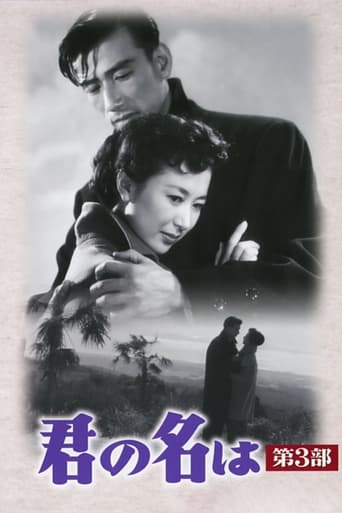 7.0
7.0Machiko and Haruki’s drama continues. Machiko is not allowed to see Haruki. They finally meet again, but Haruki departs to Europe.
Always in My Heart Part 3
1954
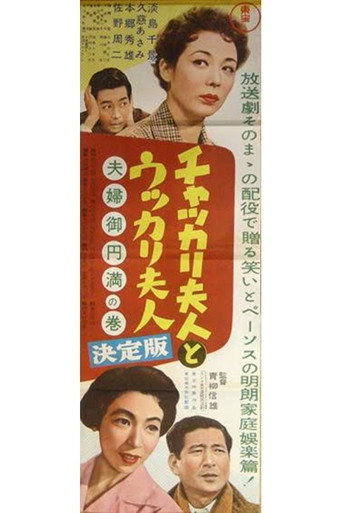 NR
NRNo synopsis available yet.
Careful Wife and Careless Wife: A Peaceful Couple
1956
 NR
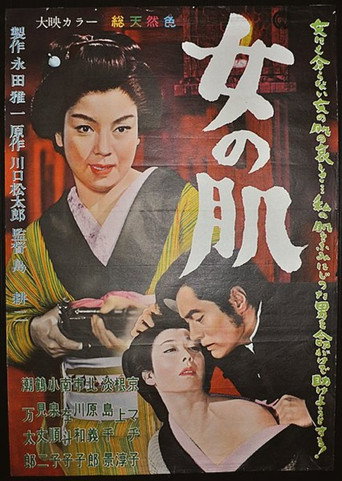
NRSet in the midst of the Satsuma Rebellion, this story depicts the sadness of a woman’s heart. Though she hates the Imperial Army captain who violated her, she cannot bring herself to hate him completely.
A Woman's Skin
1957
 6.8
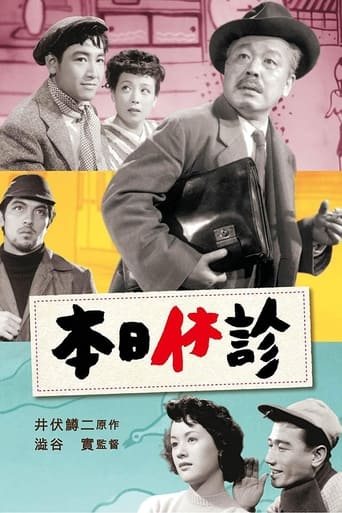
6.8Having completed the first year at his new medical practice, a doctor plans to relax on his day off. However, it is not to be: on this hectic day a man just back from the war front visits the doctor with a medical emergency, followed by a woman who claims to have been molested. Then a yakuza arrives to ask the doctor to cut his finger off...
Doctor's Day Off
1952
 5.6
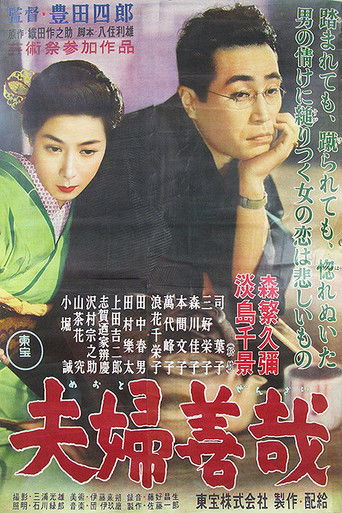
5.6Ryukichi, the pampered heir to a cosmetics wholesaler, abandons his wife and child to pursue a scandalous affair with a famous geisha named Choko. This betrayal leads his father to disown him, leaving the unskilled Ryukichi with no way to earn a living. To keep them afloat, Choko is forced to continue working as a geisha while secretly scraping together a nest egg to start their own business. However, Ryukichi remains trapped in his hedonistic lifestyle, eventually squandering Choko’s hard-earned savings on his own self-indulgence.
Marital Relations
1955
 7.0
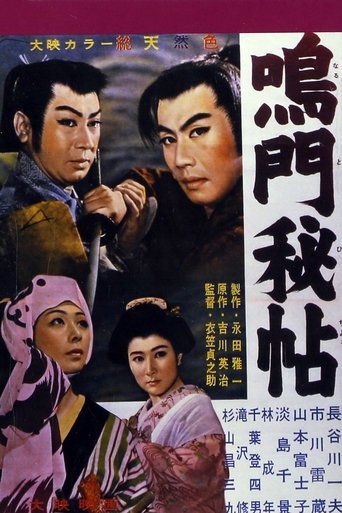
7.0From the pen of Yoshikawa Eiji comes this exciting story. The Naruto Strait separates Tokushima from the islands of Awaji and Honshu. On Tokushima the mad lord dreams of conquest and forges a bloody revolt against the Tokugawa shogunate. A mysterious swordsman named Noriyuki Gennojo has crossed Naruto’s waters to uncover the Awa clan’s secrets. He puts his life on the line after finding a testament of Awa’s secrets, written in blood by a dying man. Joining Noriyuki are a female ninja who loves him, and the beautiful daughter of an enemy who’s sworn to kill him. Awa’s defenders willl stop at nothing to prevent the blood-soaked letter from reaching the shogun.
Secret of Naruto
1957
 8.0
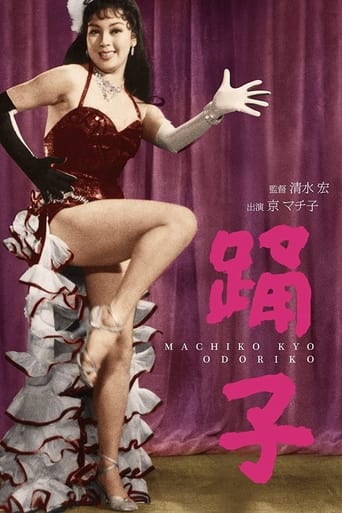
8.0In Asakusa, Tokyo, a couple of a violinist Yamano and a revue dancer Hanae lives in poverty. One day Hanae’s little sister rolls into their apartment and begins to stir things up with her riotousness.
Dancing Girl
1957
Shuzenji Monogatari (The Mask and Destiny) is based on a 12th-century Japanese legend. An abortive royal romance leads to an escalating series of tragedies. The central character is a Japanese monarch who would prefer to live a humble existence as a maskmaker. Unfortunately, events -- and destiny -- are against him. When first released, Shuzenji Monogatari was held in far lower esteem than such recent Japanese films as Gate of Hell and Samurai. Nevertheless, the film was selected as an entry at the Venice Film Festival, possibly on the strength of its excellent production values.
The Mask and Destiny
1955
 7.8
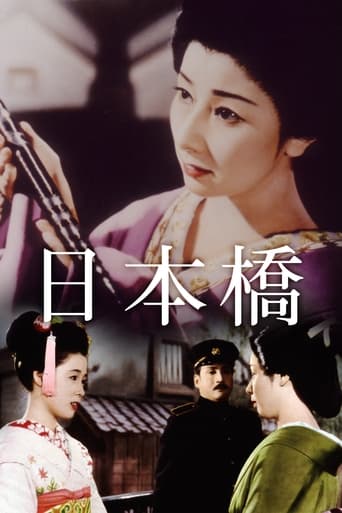
7.8Ichikawa's 1956 adaptation of Nihonbashi was the first to take the work of Kyoka Izumi— until then regarded as a writer of common tragic melodramas—and re-evaluate it as a tanbi-ha work of decadence, aestheticism, and intrigue. Ichikawa's film presents the tragic plot of the young geisha who is unable to enact her love for a man publicly in any way other than a histrionic story of torment, a heart-rending tale of lovers being crushed by fate. Instead, Ichikawa shows the contest of wills that transpires as two geisha, Oko and Kiyoha fight for the top spot in Nihonbashi, the pinnacle of the Tokyo geisha world. Nihonbashi is an elegant, if steely, exposition of manners. The young doctor, Shinzo Katsuragi, is the object of affection for both women, but appears to be more the choice reward for the plotting and thieving of these two early modern superwomen, than a lover they swoon over.
Bridge of Japan
1956
 9.0
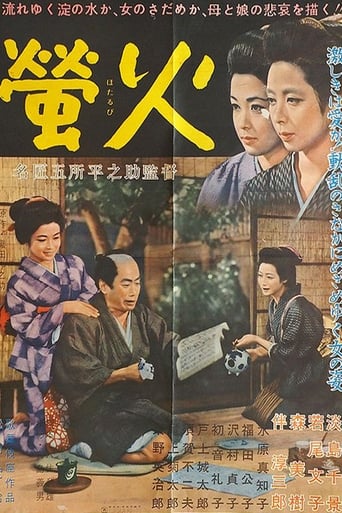
9.0Set in the 1860s, the final years of the Tokugawa Shogunate, The Fireflies focuses on Tose (Awashima Chikage), the mistress of the Teradaya, a small inn in the Kyoto suburb of Fushimi. She does not have an easy life. Her husband, Isuke (Ban Junzaburo), is a wastrel who fancies himself a kabuki singer and who is obsessed with cleanliness. Her mother-in-law, Sada (Miyoshi Eiko) dislikes her because of her humble origins (her family are farmers) and because she fears that she will inherit the inn instead of Sugi, her daughter. Sada's hopes for Sugi, however, are dashed when she runs off with a con artist and leaves her child behind for Tose to take care of. When Sada becomes seriously ill, it is Tose who nurses her. On her deathbed, Sada asks her daughter-in-law's forgiveness. Meanwhile Isuke spends most of his time with a mistress he has taken, forcing Tose to manage the inn by herself
Firefly Light
1958
 9.0
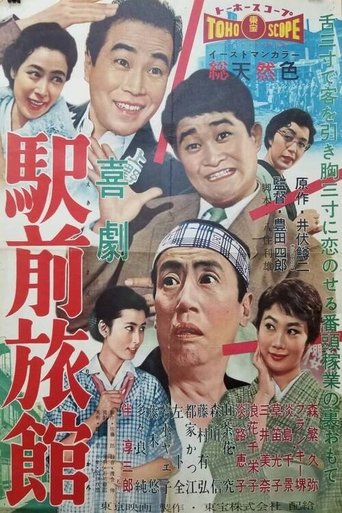
9.0Based on the novel "Ekimae Ryokan" by Masuji Ibuse, a longtime hotel employee struggles to bring his old-fashioned ryokan in line with postwar Japanese business practices.
The Hotelman's Holiday
1958
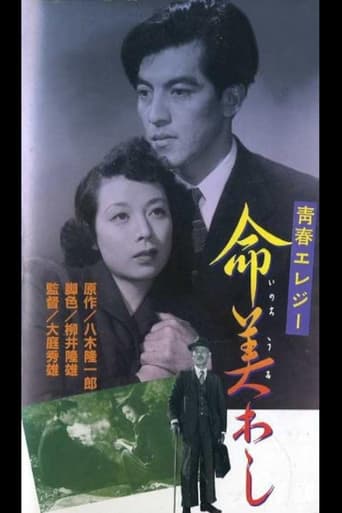 10.0
10.0Inochi uruwashi
Beauty of Life
1951
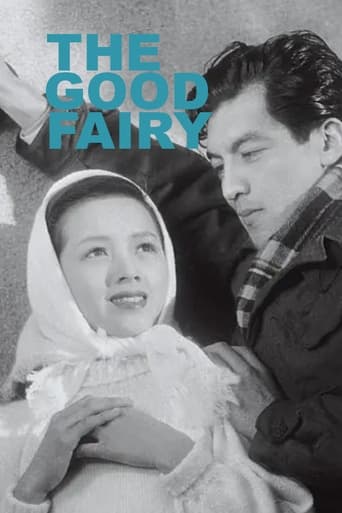 5.8
5.8The wife of an elite government official left her husband, and a young journalist is sent to investigate the case. But his boss has a hidden agenda.
The Good Fairy
1951
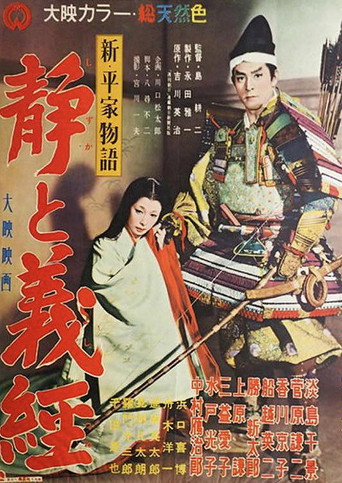 NR
NR1956 Daiei movie
New Tale of Genji: Shizuka and Yoshitsune
1956
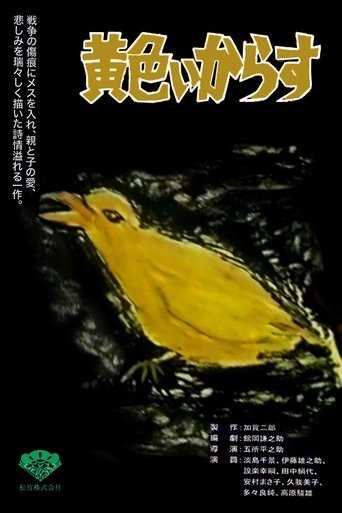 6.7
6.7Ichiro Yoshida, the father of the boy Kiyoshi, who has been repatriated from China, returns home after a ten-year separation. The father, who has been estranged from his son for many years, pays no attention to the boy, often punishes him unfairly, and gives all his tenderness to his little daughter, who was born after his return. The boy sees all the injustice of his father and, offended, leaves home. The father realized that he was wrong, that he was guilty before his son. The mother finds the boy and brings him home. The father and the son become friends from that day on.
Yellow Crow
1957
 NR
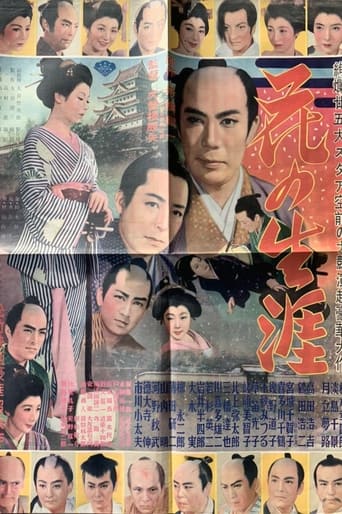
NRIn 1842, in the Umemoku Mansion within Hikone Castle, Naosuke Ii, despite the tumultuous times, was engrossed in the world of tea ceremony. His friend, the Kokugaku scholar Nagano Shuzen, introduced him to a captivating shamisen master named Murayama Taka. Naosuke became deeply infatuated with her, disregarding the jealousy of his consort Shizu and the warnings of his senior retainer, Gaiji. However, upon discovering Taka's relationship with Shuzen, Naosuke promptly ended his ties with her.
Hana no shôgai
1953
 7.7
7.7A war widow with a young boy manages a farm with her bossy mother-in-law. When a reporter comes to interview her, the two begin an affair. He turns out to be married and won't leave his wife. Her older brother tries to marry off his children and hang on to/ extend his farm through an advantageous marriage in the face of threatened land confiscation and the desire of his children to get comfortable urban jobs instead of the backbreaking work in the paddy fields under parental control.
Summer Clouds
1958
 6.8
6.8Machiko Ujiie and Haruki Atomiya first meet and fall in love on Ginza’s Sukiyabashi Bridge during the Great Tokyo Air Raid in March 1945. Machiko and Haruki pledge to meet again at the bridge in six months but part without asking each other’s names.
Always in My Heart
1953
 NR
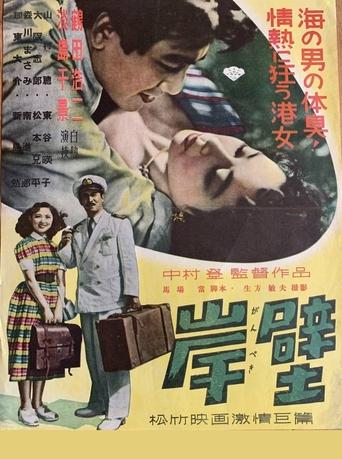
NR1953 Japanese movie
Ganpeki
1953
Series credits
9.0A successful screenwriter looks back on her life when she learns her husband has cancer. A year-long series, starring Narumi Yasuda.
Haru yo koi
1994
10.0The series takes place in 1962 Osaka. Hanaoka Machiko, 37, is single and works at a hardware store in Osaka City while doing literary work. One day, she falls ill due to overwork and falls in love with Tokunaga Kenjiro, the doctor who examines her. Kenjiro and Machiko marry. But Kenjiro, who lost his first wife to illness, lives not just with his five children, but his brother, sister, and parents. In a comical and heart-warming way, the drama depicts Machiko's struggle with the new family while pursuing her career as a novelist.
Imo Tako Nankin
2006
7.0The story chronicles the life of Ii Naosuke.
Life of a Flower
1963
7.5"Ako Roshi" is a group of 47 former retainers of Lord Asano. Lord Asano was forced to commit suicide after attempting to kill Lord Kira. Once the retainers hear about their Lord's death, they sacrifice their lives to regain the honor of their former master.
Akō Rōshi
1964
NRIn this gripping period drama, Matsudaira Ukon, the younger brother of the 11th Tokugawa Shogun Ienari, lives in the city as Yabutaro, a doctor in the Ukiyo Koji district, while fighting the evil that has infested the city of Edo.
Matsudaira Ukon Jikencho
1982
 NR
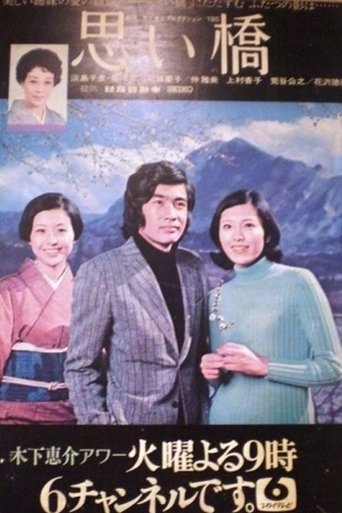
NRA human drama that unfolds around a Japanese restaurant-inn
Omoi Bashi
1973
 NR
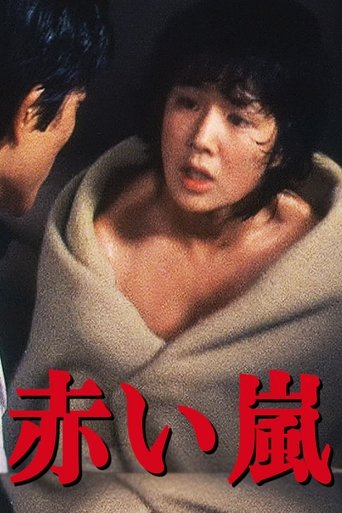
NRPolice officer Ohno Makoto discovers a lady covered in blood at Shinobazu Pond in Ueno. Feeling sorry for her, he gives her the temporary name "Koike Shinobu" and lets her live at the tofu shop run by his parents. Even though she has not regained her memory, Makoto is gradually drawn to Shinobu's brave personality. At that time, a mysterious man named Yamane began to appear around Shinobu. Yamane is actually a detective who is pursuing the culprit of a murder that occurred in Nagano. The victim was Shinobu's father, and Shinobu's stepmother has already been arrested, but Yamane is convinced that Shinobu is the real culprit and targets her. Makoto takes Shinobu on a journey to find the real culprit.
Red Storm
1979
 NR
NRNo synopsis available yet.
長七郎江戸日記スペシャル 母は敵か?!正雪の陰謀
1985