

Acting
Ineko Arima
Born
1932-04-03 (94)
Place of birth
Osaka, Japan
Known for
Acting
Credits
67 titles
Ineko Arima (born April 3, 1932) is a revered Japanese film actress. With a career spanning from 1957 to the present, Arima has graced the silver screen under the guidance of legendary directors like Yasujirō Ozu and Kon Ichikawa. Her notable filmography includes roles in Late Chrysanthemums, Black River, Tokyo Twilight, Equinox Flower, and Love Under the Crucifix, showcasing her remarkable talent. Beyond film, she has also made her mark on television, notably in NHK Taiga dramas like Ten to Chi to and Tokugawa Yoshinobu. Arima's contributions have been recognized with honors in Japan, including the Medal with Purple Ribbon (1995) and the Order of the Precious Crown (2003).
Known for
 7.0
7.0No synopsis available yet.
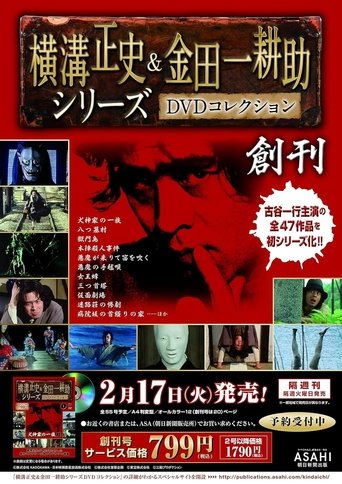
Furuya Ikkou's Great Detective Kindaichi Kousuke Series
1983
 8.0
8.0No synopsis available yet.
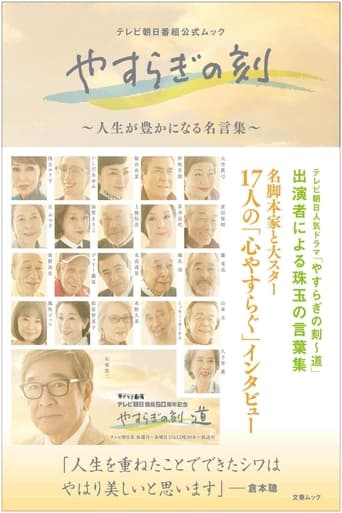
Yasuragi no Toki: Michi
2019
 8.0
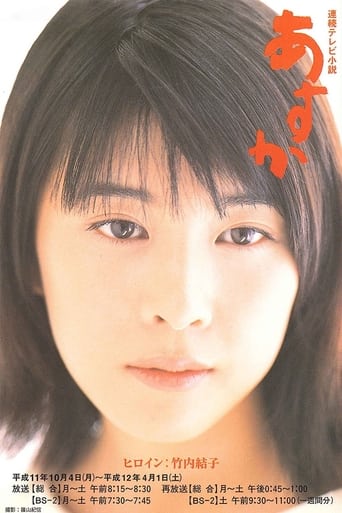
8.0The 61st NHK Asadora Drama is Asuka. Set in Kyoto in the home of a traditional Japanese candy-maker, Asuka is the story of one young girl's dream to one day walk in her father's shoes and become a top candy-maker in the male-dominated world of wagashi (Japanese confectionery). Asuka grows to be a healthy, adventurous young girl with a deep curiosity and, a desire to become a candy-maker like her father. This NHK drama is one of the best in years with an excellent cast, a well-developed story based on extensive research into the traditional worlds of candy making and the tea ceremony in Kyoto, and beautiful scenery and settings in Kyoto and the surrounding areas.
Asuka
1999
 7.3
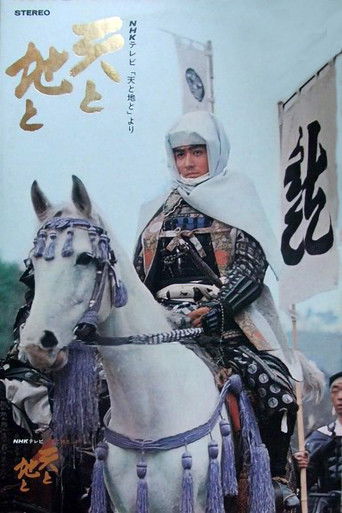
7.3The story chronicles the life of Nagao Kagetora.
Heaven and Earth
1969
 8.2
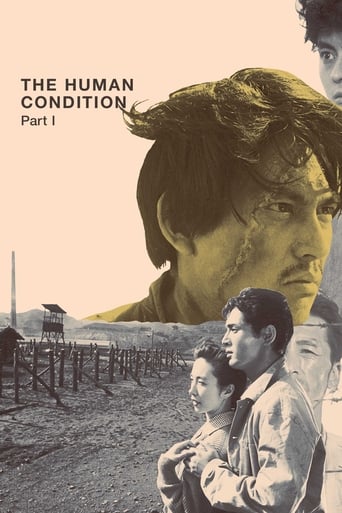
8.2After handing in a report on the treatment of Chinese colonial labor, Kaji is offered the post of labour chief at a large mining operation in Manchuria, which also grants him exemption from military service. He accepts and moves with his newlywed wife Michiko, but when he tries to put his ideas of more humane treatment into practice, he finds himself at odds with scheming officials, cruel foremen, and the military police.
The Human Condition I: No Greater Love
1959
 NR
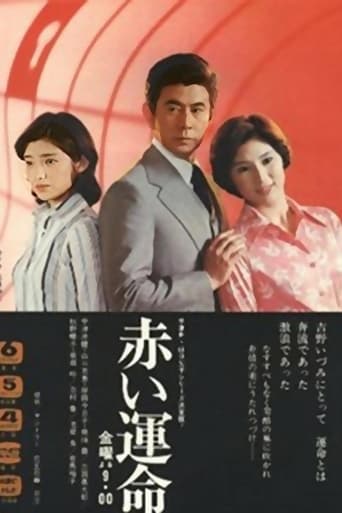
NRThe story of two girls switched in an orphanage.
Akai Unmei
1976
Film credits
2000s · 2 titles
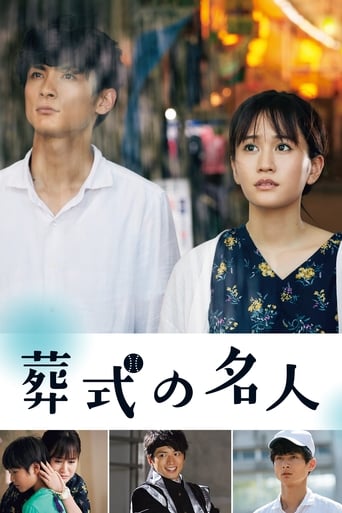
Recently appointed dean at a film school, Kimuro Hajime develops a special concern for one of his students, Daisuke. The brash, headstrong young man is fixated on with the Second World War. He feels a sense of frustration at the irrational sacrifice of young people's lives during the war six decades earlier. Daisuke finds that he can vent his frustrations to Kimuro, who experienced the war firsthand. Kimuro's wife, Emiko, is also troubled by memories of the war. She lost a loved one in the war and has never gotten over it. And Kimuro himself also has something from the past that he has yet to face. He believes that the burden of his unresolved past will eventually be the death of him. When Daisuke's neurosis causes him to quit school, life changes for all three of them.
Dreaming Awake
2008
 10.0
10.0No synopsis available yet.
Closed Ward
2001
1960s · 18 titles
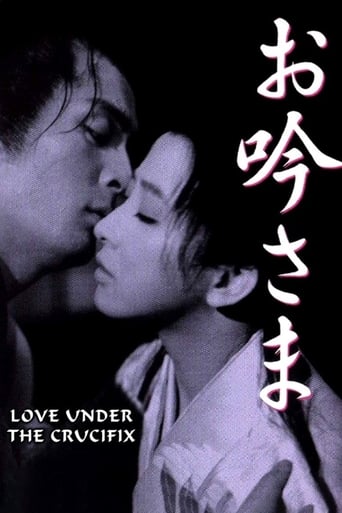 7.1
7.1A tea master and his daughter Ogin are both Christians in feudal Japan. Ogin falls in love with a married feudal prince who shares her faith. When the Shogun bans Christianity, the situation worsens.
Love Under the Crucifix
1962
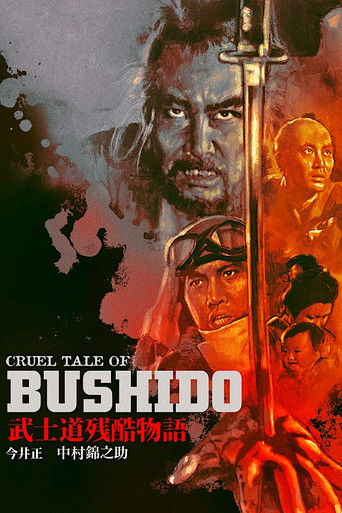 6.7
6.7After a salary-man's fiancée attempts suicide, he recounts his gruesome family history which saw generations of his ancestors suffer and sacrifice themselves for the sake of their cruel lords.
Bushido: The Cruel Code of the Samurai
1963
 8.4
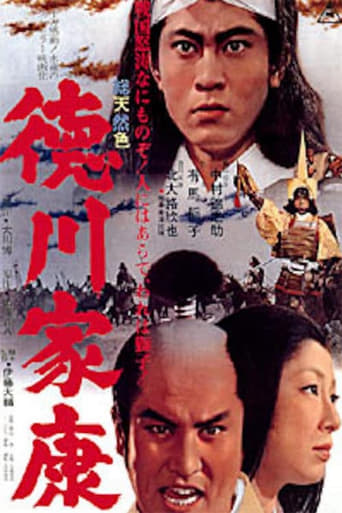
8.4In turbulent 16th-century Japan, the leaders of a minor fief have their child taken from them as a political hostage. His mother and his clan endure years of tribulations until he can return.
Lord Tokugawa Ieyasu
1965
 10.0
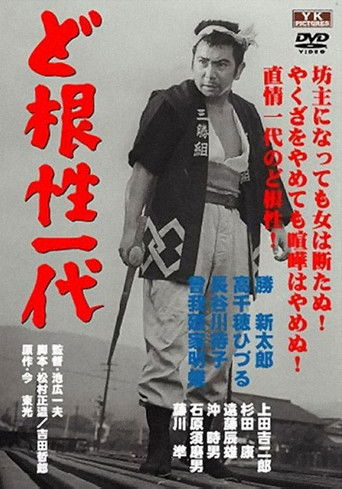
10.0A poor rickshaw driver finds himself helping a young woman and her son after the woman's husband dies suddenly.
Life of Matsu the Untamed
1965
 6.3
6.3One week into newlywed Teiko Uhara's marriage, her husband, Kenichi, leaves on a short business trip and never returns. Teiko travels across Japan to search for him, and along the way discovers some surprising facts about her husband's past. With only a pair of old photographs among his belongings to go off of, Teiko tries to figure out what has happened to him.
Zero Focus
1961
 8.3
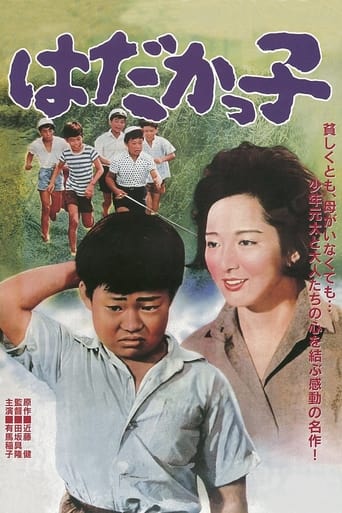
8.3A touching story about a young boy, Genta, who bravely takes on life's challenges in hopes of finding a better life for himself and his sickly mother.
Run, Genta, Run!
1961
 9.0
9.0One day a company executive learns that his younger brother, whom he recommended, embezzled company funds. To save the situation he withdraws his life savings and gives money to his younger brother. He then suddenly disappears…
The Radish and the Carrot
1965
 NR
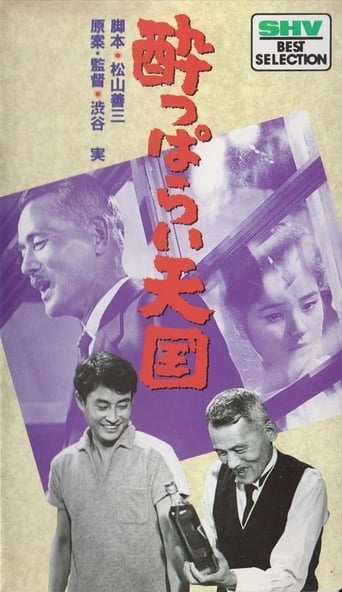
NRA father and son are both heavy drinkers. However, the son dies in an accident at a bar, leaving behind a fiance…. A unique social satire that focuses on why people drink alcohol.
Drunkard's Paradise
1962
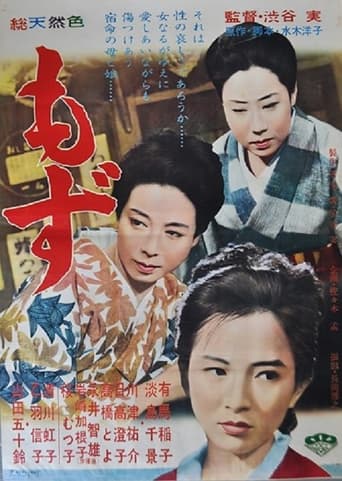 NR
NRNo synopsis available yet.
The Shrikes
1961
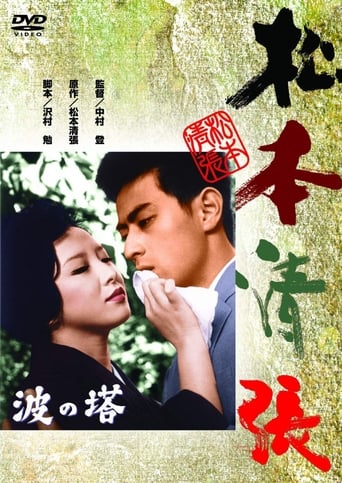 2.7
2.7A young prosecutor named Takao falls in love with Yoriko, only to discover that her husband is the target of his investigation into a major corruption scandal. Torn between professional duty and their forbidden affair, the couple finds themselves trapped by societal expectations and legal consequences.
Towering Waves
1960
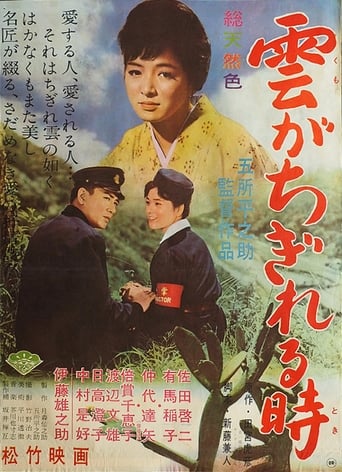 6.0
6.0A provincial bus driver plans to marry his conductress, but one night he glimpses the woman he once loved, which throws him into turmoil.
As the Clouds Scatter
1961
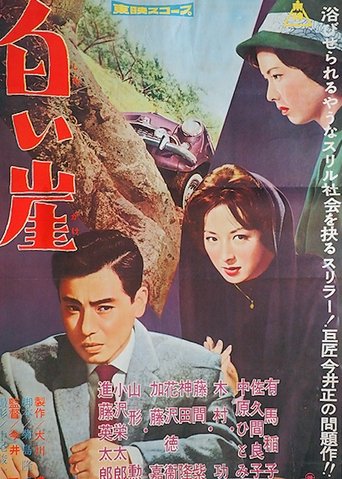 NR
NR1960 Toei film.
White Cliffs
1960
 10.0
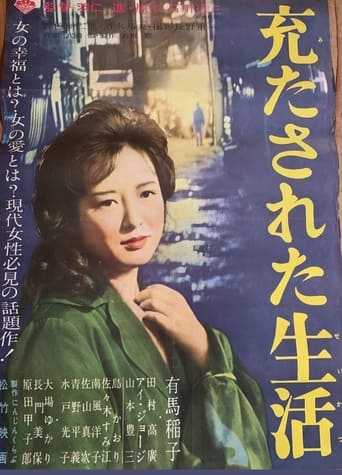
10.0A woman becomes dissatisfied with her marriage and joins a political theater troupe to protest the U.S. Security Pact.
A Full Life
1962
 NR
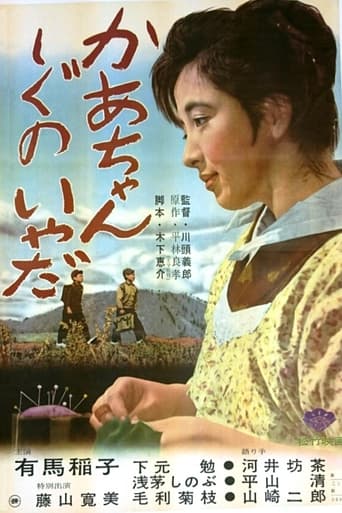
NRYoshiuki and his older brother Yoshihisa are in school. They live with their mother, who struggles to make ends meet while their father is in the hospital with tuberculosis.
Don't Ever Die, Mama!
1961
 8.0
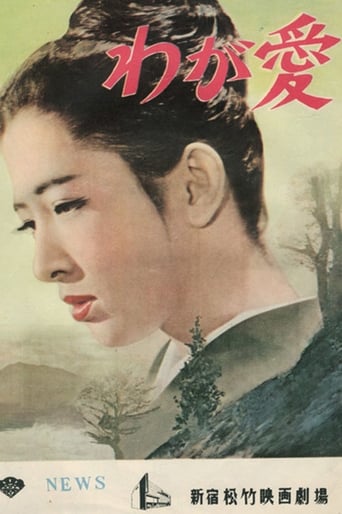
8.0Story of a romance between a middle-aged journalist and a young woman.
When a Woman Loves
1960
 NR
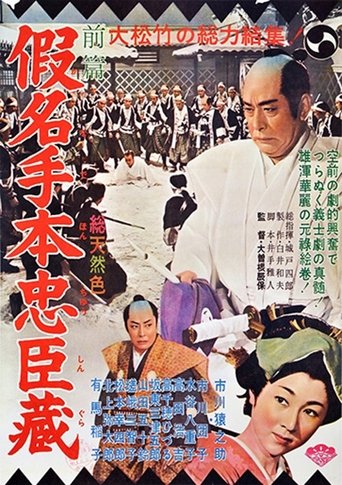
NRNo synopsis available yet.
假名手本忠臣蔵
1962
 NR
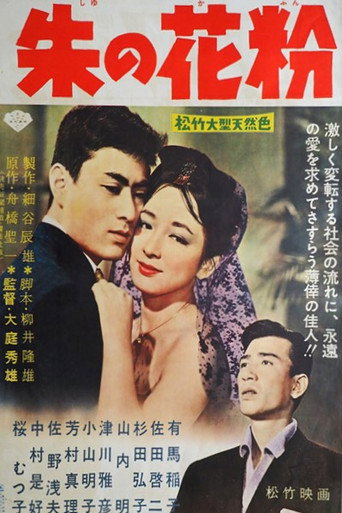
NRA short time after the war in Tokyo. Hamana, who was formerly a military police officer, had fallen into the role of a black market broker and had brought his former lover, Kameko, into his home, constantly clashing harshly with his wife, Kikue. Kikue could no longer endure such days and decided to run away with her young son, Kikofu. Learning of this, her brother-in-law, Itaro, tried to support Kikue. However, the pillar of Kikue's heart was the shadow of Takenaka, her former teacher from girl's school days, whom she had deeply admired.
Shu no kafun
1960
 NR
NRNo synopsis available yet.
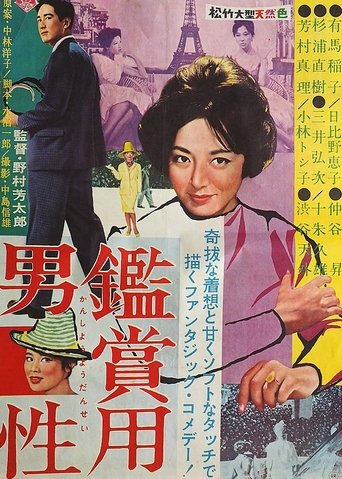
鑑賞用男性
1960
1950s · 37 titles
8.2After handing in a report on the treatment of Chinese colonial labor, Kaji is offered the post of labour chief at a large mining operation in Manchuria, which also grants him exemption from military service. He accepts and moves with his newlywed wife Michiko, but when he tries to put his ideas of more humane treatment into practice, he finds himself at odds with scheming officials, cruel foremen, and the military police.
The Human Condition I: No Greater Love
1959
 7.7
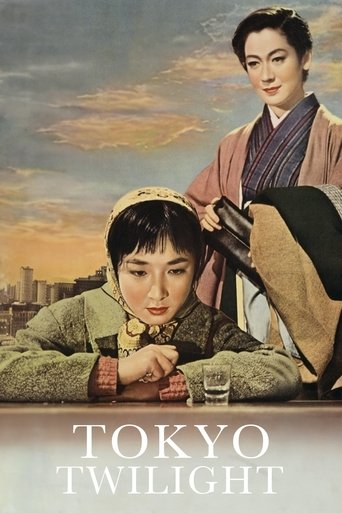
7.7Two sisters learn about the existence of their long-lost biological mother, but the younger is unable to accept the fact that she was abandoned as a child.
Tokyo Twilight
1957
 7.4
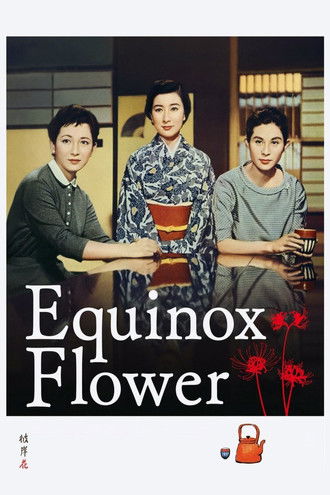
7.4Wataru's outwardly liberal views on marriage are severely tested when his daughter declares her love for a coworker and is adamant to live her own way, instead of agreeing to an arranged marriage. Outwitted by his female relatives, Hirayama stubbornly refuses to admit defeat.
Equinox Flower
1958
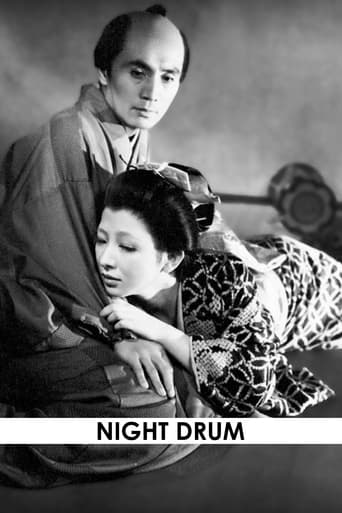 5.9
5.9Following a yearlong attendance upon his shogun in Edo, samurai Hikokuro makes a long-awaited return to his home and doting wife, Dane. Initially greeted by the effusive welcome of his family, spiteful whispers also reach his ear about an adulterous affair carried on, in his long absence, between his wife and a famous drummer. With Hikokuro’s honor imperiled by rumor, his family insists on a formal investigation into the veracity of the gossip. Through the combined testimony of many witnesses, a tale unwinds around the visits of a traveling musician hired to tutor the family heir, the spurned attentions of the man who started the rumor, and the ultimate truth behind the accusations. The conclusion of events prove as much an indictment of bushidō as it is of the reluctant parties involved. Adapted from a 1706 play by Chikamatsu Monzaemon and based on a true case.
Night Drum
1958
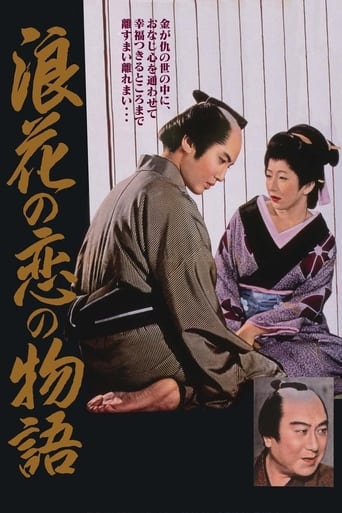 5.2
5.2Chubei, the adopted son of an Osaka courier, falls desperately in love with the courtesan Umegawa. To prevent a wealthy client from purchasing her, he steals money from his employer to buy her freedom himself. Now hunted criminals, the lovers flee toward Yamato, pursued by the law.
Chikamatsu's Love in Osaka
1959
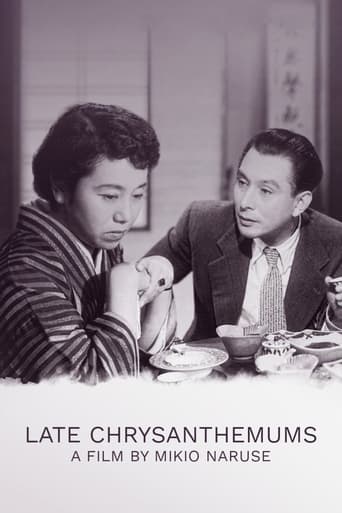 7.2
7.2What is the life of a Geisha like once her beauty has faded and she has retired? Kin has saved, and become a wealthy money-lender, spending her days coldly collecting debts. Even her best friends, fellow Geisha Tomi, Nobu, and Tamae, are now indebted to her. For all of them, the glamour of their young lives has passed; Tomi and Tamae have disappointing children. Kin has two former lovers who still pursue her; one she wants to see, and the other she doesn't. But even the one she remembers fondly, when he shows up, proves less than satisfactory.
Late Chrysanthemums
1954
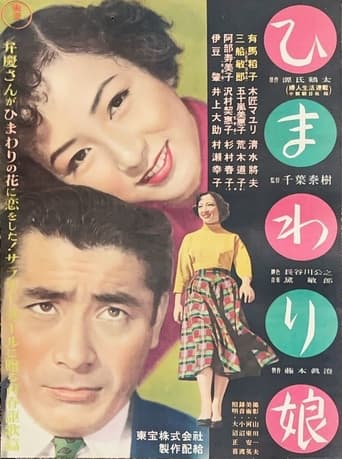 10.0
10.0Young Setsuko Fujino begins a new job at Tokyo Chemical Company. She likes her boss, Ippei Hitachi, and enjoys serving him tea, despite the fact that her fellow workers think the women employees should not have to act in such a servile manner. When the women go on strike over the issue, Setsuko finds herself caught in the middle. When the heir to the company, Ryosuke Tanabe, proposes marriage to Setsuko, she is honored, but realizes that her real affection is for Hitachi.
Sunflower Girl
1953
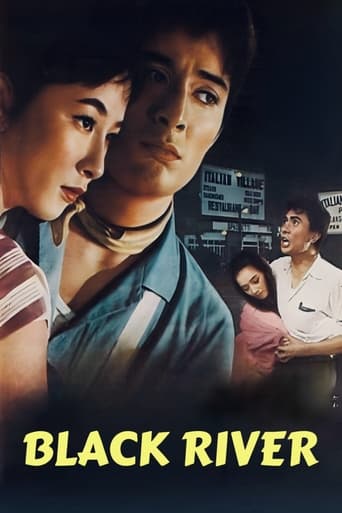 7.0
7.0A love triangle develops between a benevolent student, his innocent girlfriend, and a cruel petty criminal, all as a point of diagnosis of a social disease that had Japan slowly succumbing to lawlessness during the post-War era.
Black River
1957
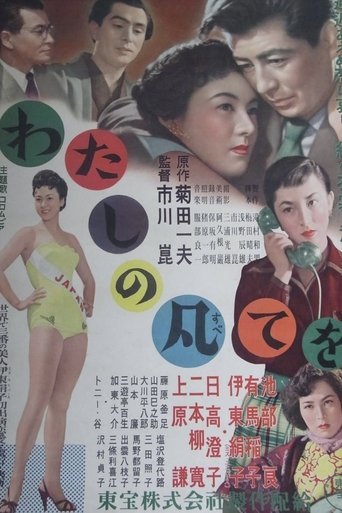 NR
NRThe daughter of a former Miss Universe winner finds success as a fashion model in Tokyo following the death of her fiancé.
All of Myself
1954
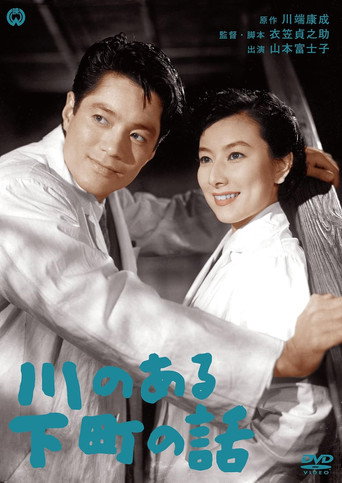 NR
NRA kind-hearted medical student, an ill-fated young woman, an innocent young lady in a school uniform, and a medical student whose rational beauty conceals her true feelings… The stories of love and friendship that unfold in a poor town shrouded in fog.
Kawa no aru shitamachi no hanashi
1955
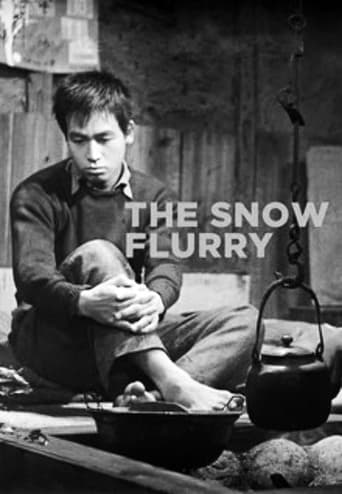 6.9
6.9After surviving the double suicide pact she made with her lover, a woman gives birth to their child.
The Snow Flurry
1959
 6.1
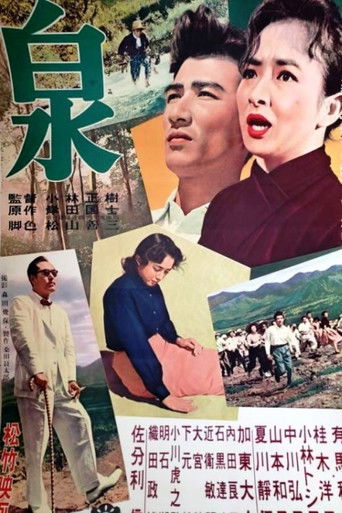
6.1A botanist woos the secretary of an industrialist whose company threatens the local water supply.
Fountainhead
1956
 8.0
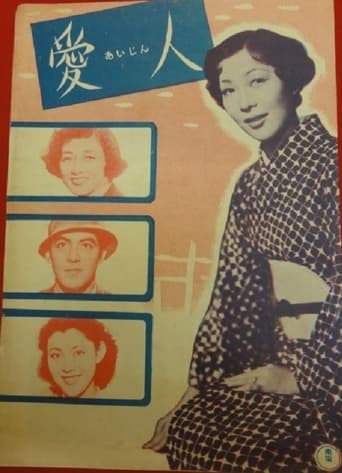
8.0Comedy about a 50-something movie director, his new bride, a classical dancer, and his adult son and daughter and their loves.
The Lovers
1953
No synopsis available yet.
Wagtail Tune
1951
 6.3
6.3Five longtime friends get back together, but are disappointed to find that their bonds are not as strong as they once were.
Farewell to Spring
1959
 10.0
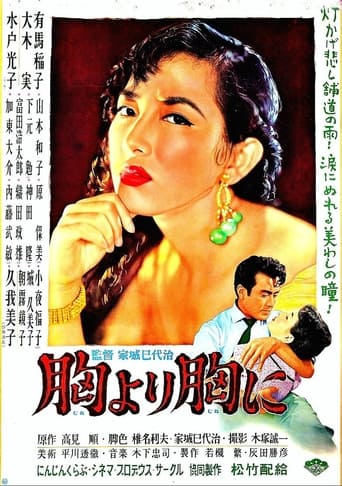
10.0Japanese drama
Mune yori mune ni
1955
 7.0
7.0No synopsis available yet.
Their Father's Wife
1953
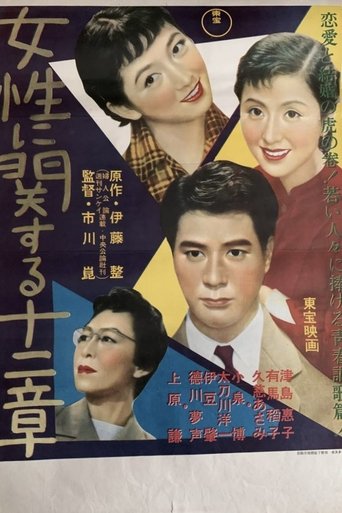 7.0
7.0Minako, a ballerina who has been dating since her school days, and Koheta, a banker. It was Koheta who was finally about to get married as a result of his promotion, but just then, a big change occurs in Minako's body..
12 Chapters About Women
1954
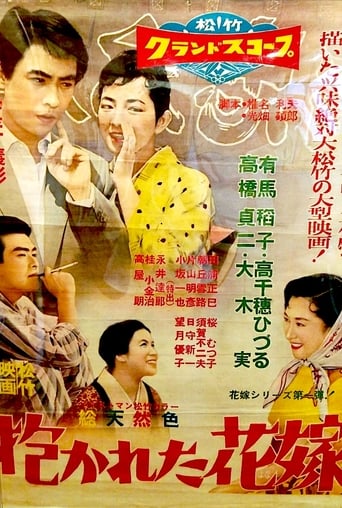 NR
NRThe proprietress of a long-established sushi restaurant in Asakusa is a war widow who has raised three children. A film that lightheartedly depicts a generational battle between a mother who is anxious about the issue of an heir and her modern children.
Love du Jour
1957
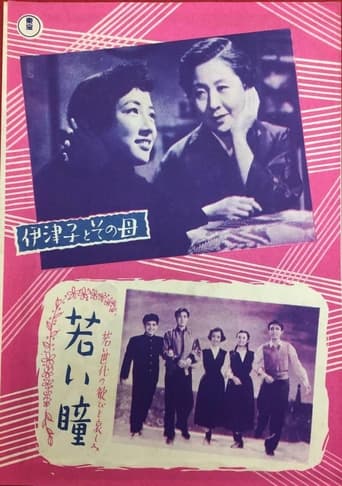 8.0
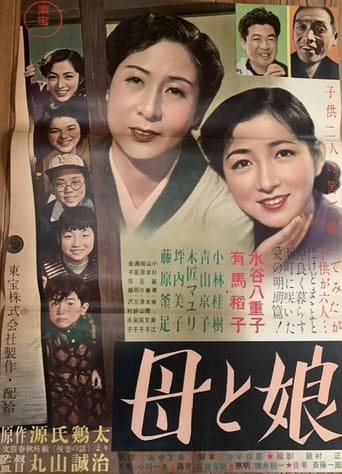
8.0An elderly woman devoted to her foster-daughter searches for a good husband for her.
Itsuko to sono haha
1954
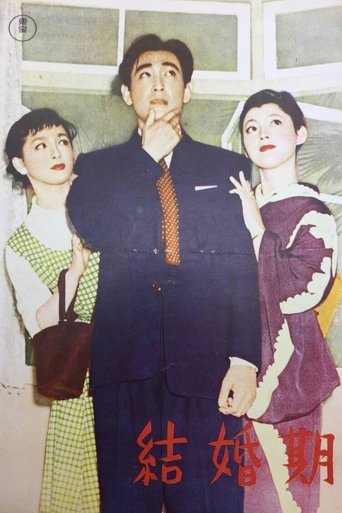 NR
NRUrban love comedy in which Koji Tsuruta, who works for the Tokyo Metropolitan Government's Parks and Greenery Department, plays love shepherd to a number of women, including his true love, Inako Arima.
Wedding Season
1954
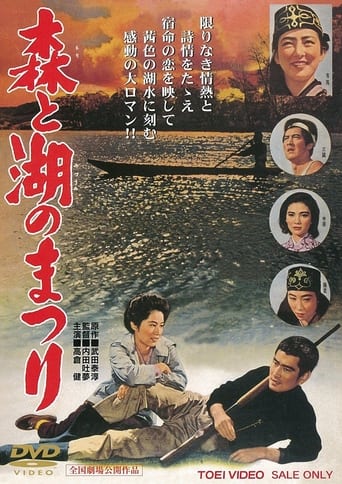 7.0
7.0A drama about relations between Japanese immigrants and the indigenous Ainu on Hokkaido, the most northerly island of Japan. From a novel by Taijun Takeda.
The Outsiders
1958
Produced by Shochiku’s all-star cast as a commemorative film to mark the completion of the “Shochiku Kaikan” in Tsukiji, Tokyo, this movie introduces both the Shochiku Ofuna and Kyoto studios. Part One focuses on the studio’s behind-the-scenes staff: set designers, prop masters, and lighting technicians. Part Two presents a digest-style overview of the process surrounding a young woman who auditions for the “New Faces” program, from the auditions to her debut as an actress.
Shochiku Festival: All-Star Lineup – Studio Express / The Birth of an Actress
1956
 9.0
9.0Kyoko is a new writer for the women's magazine "Josei no tomo" female reporter. One day, the magazine receives a letter from a reader, Ume, who, in order to support their ill father at home, was compelled to trade her body to her employer at a factory. Harboring her own grudge against her father for abandoning her and her mother, Kyoko determines to not only write about the factory girl for the magazine but also save Ume in the process. However, Kyoko's investigation forces her to confront a harsh reality while also grappling with the sudden news of her estranged father's own illness and desire to reunite.
The Road to the Spring
1955
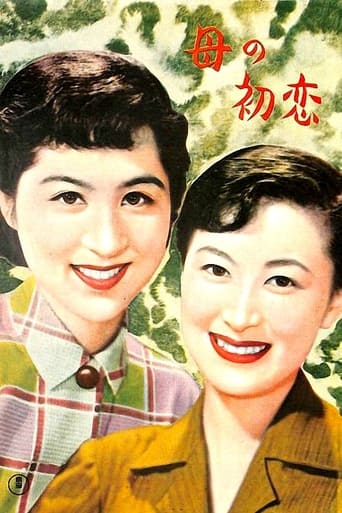 8.0
8.0A melodrama based on the novel by Yasunari Kawabata, telling about the tragic fate of a mother and daughter who are attracted to the same man.
Mother's First Love
1954
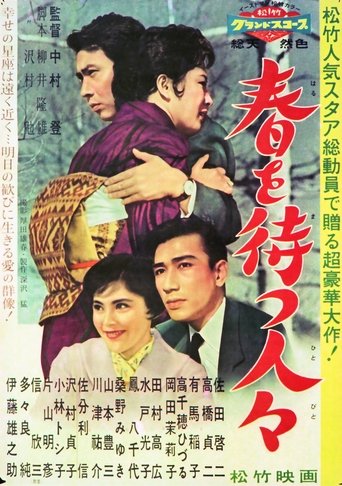 NR
NRThis drama centers on an elderly politician and depicts how humans can return to their true selves when they are freed from selfish desires and self-interest.
People Waiting for Spring
1959
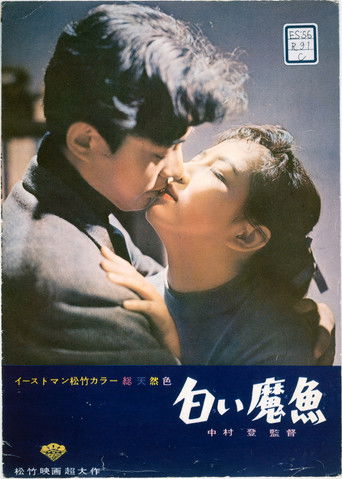 NR
NRNo synopsis available yet.
The Lady Was Pawn
1956
 NR
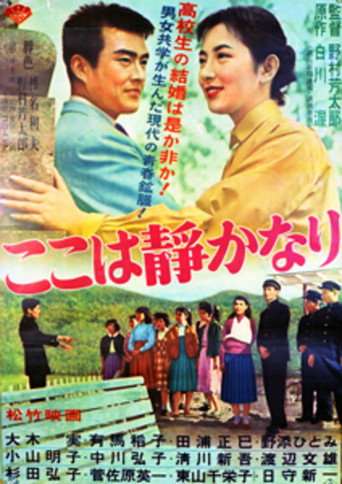
NRA youth film set in a high school.
Here It is Quiet
1956
 NR
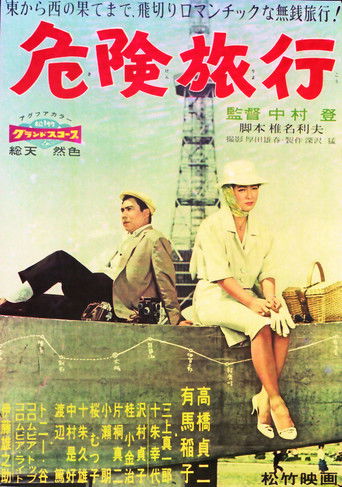
NRNo synopsis available yet.
Vagabond Lovers
1959
 6.5
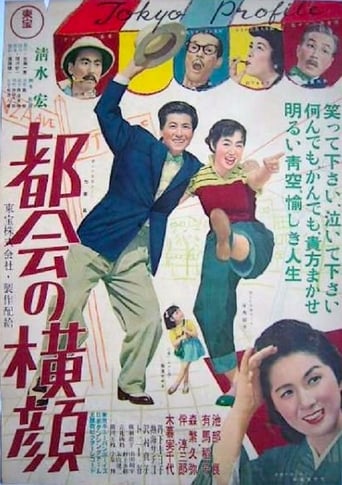
6.5A motley cast of characters, including a human billboard and a shoeshine girl, help a 5 year old girl after she is separated from her mother on the crowded streets of Ginza.
Tokyo Profile
1953
 8.0
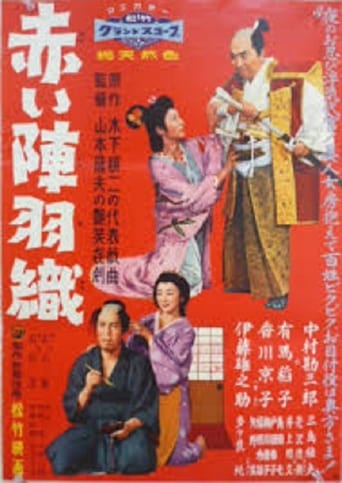
8.0The humorous tale of Jimbei, a miller, and his wife Osen who live in complete happiness. But Osen's beauty attracts numerous would-be lovers among whom is the local governor, a timid creature, who is dominated by his high-born and beautiful wife, who dresses in a scarlet battle-tunic, a sign of his family's military merit around which he fabricates fantastic tales of his prowess in war. During the traditional festival when the villagers are released from observance of all social customs and restrictions, it is permissible for any man to attempt win the favors of the one he loves. However, the timid but romantic governor goes to the length of having the miller arrested to clear the way for his seduction of Osen. But Osen fights off his advances with an old hunting gun and dashes out of the mill. Jimbei, meanwhile, has escaped from jail and dashes home to finds the governor in his bed. Convinced that his wife has been violated, he decides to take an eye for an eye.
His Scarlet Cloak
1958
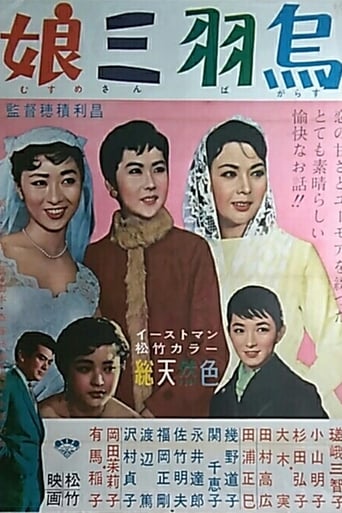 NR
NRJapanese romantic comedy film.
The Adorable Trio
1957
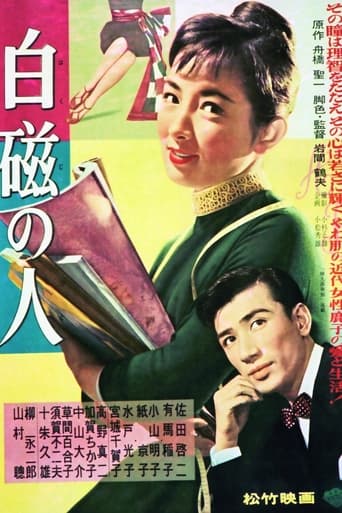 NR
NRWhen a young woman named Kanako goes to Lake Yamanaka with her close friends, she meets a young businessman, Saeki, who gives her an expensive pearl necklace to win her favor. As Kanako sets out to return the gift, she meets her father, who steals the necklace in order to repay his creditor.
Hakuji no hito
1957
1958 Shochiku adaptation of Natsume's novel.
Botchan
1958
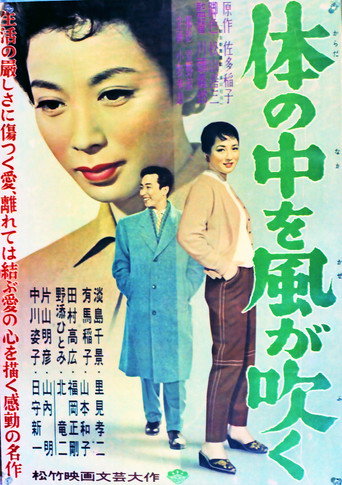 NR
NRNo synopsis available yet.
Karada no naka o kaze ga fuku
1957
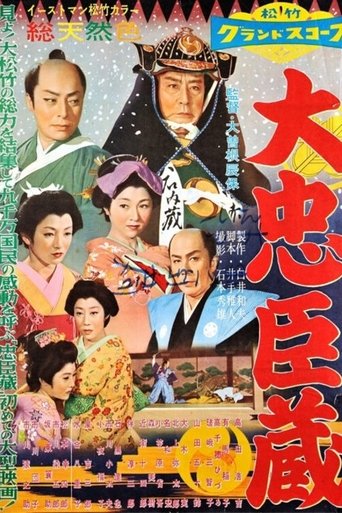 8.0
8.0Chushingura has been made into a movie several times before, but this time it will be presented in a widescreen version with all natural colors and a new look. Written by Masato Ide and directed by Tatsuo Osone. This is a magnificent scroll of images that depicts on a grand scale the triumph of the Genroku era that shook the citizens of Edo, the peaceful capital of Japan. The top stars of the film, shinpa, shingeki, and kabuki worlds at the time of production were lavishly cast, and a huge budget was invested to create a large set for this highly acclaimed and moving epic.
A Matter of Valour
1957
 NR
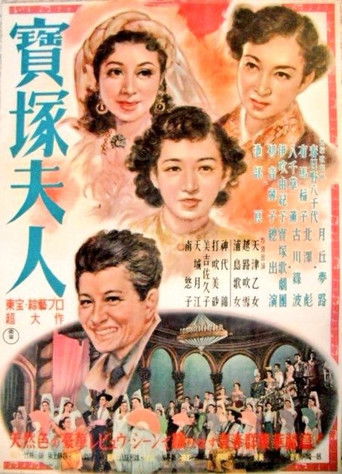
NRNo synopsis available yet.
Lady Takarazuka
1951
Series credits
7.0No synopsis available yet.
Furuya Ikkou's Great Detective Kindaichi Kousuke Series
1983
8.0No synopsis available yet.
Yasuragi no Toki: Michi
2019
8.0The 61st NHK Asadora Drama is Asuka. Set in Kyoto in the home of a traditional Japanese candy-maker, Asuka is the story of one young girl's dream to one day walk in her father's shoes and become a top candy-maker in the male-dominated world of wagashi (Japanese confectionery). Asuka grows to be a healthy, adventurous young girl with a deep curiosity and, a desire to become a candy-maker like her father. This NHK drama is one of the best in years with an excellent cast, a well-developed story based on extensive research into the traditional worlds of candy making and the tea ceremony in Kyoto, and beautiful scenery and settings in Kyoto and the surrounding areas.
Asuka
1999
7.3The story chronicles the life of Nagao Kagetora.
Heaven and Earth
1969
NRThe story of two girls switched in an orphanage.
Akai Unmei
1976
 9.0
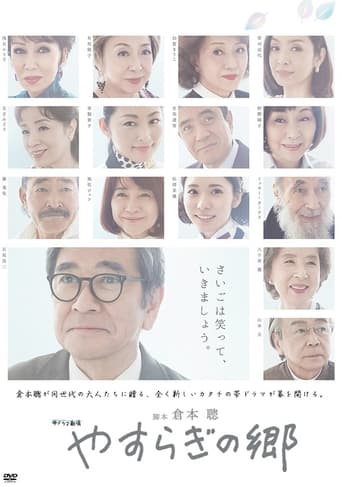
9.0The drama is set in an retirement home named "Yasuragi no Sato La Strada" where only those who had worked in the TV entertainment industry such as actors, writers, musicians and artists are allowed to live at. Kikumura Sakae, who used to be a popular scriptwriter, lives among the former stars and the problems they face are presented in a humorous manner.
Yasuragi no Sato
2017
 NR
NRThe Ooku of Edo Castle was a mysterious existence that could not be seen from the outside for 300 years in Tokugawa. Love and hate, and fierce power struggles were fought among the women day and night.
Ooku
1968