

Acting
Taketoshi Naitō
Born — Died
1926-06-16 — 2012-08-21
Place of birth
Kokura, Fukuoka Prefecture, Japan
Known for
Acting
Credits
69 titles
Known for
 8.1
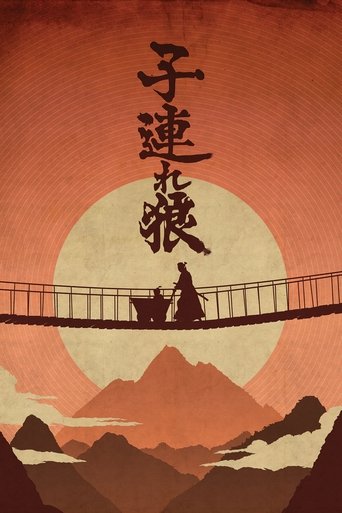
8.1Ogami Itto is a master swordsman who holds a position of high power in the Tokugawa Shogunate. Highly trusted by the Shogun, he serves as the official decapitator, assisting lords and samurai who have been ordered by the Shogun to commit seppuku. One day, Itto’s wife and members of his household are brutally murdered by a clan seeking to avenge their lord’s execution, which had been carried out by Itto. In the wake of the attack, two items are left in Itto’s home: his unhurt infant son, Daigoro, and a symbol meant to signify Itto’s betrayal of the Shogun. Disgraced by the false symbol, Itto is labeled a traitor and forced to forfeit his position. He becomes a ronin, wandering the country with his son, searching for the men who killed his wife, seeking to clear his name and avenge her death.
Lone Wolf and Cub
1973
 NR
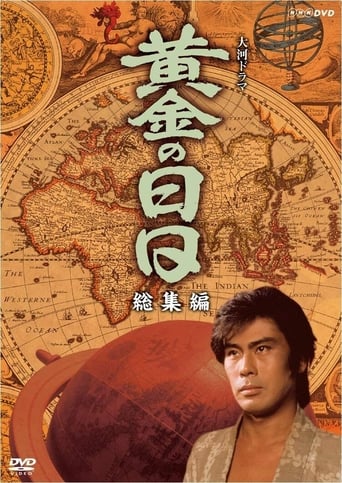
NRLuzon Sukezaemon is a merchant who imports vases from the Philippines. The vases are highly valued as tea utensils and he makes a huge profit. This was the first taiga drama to concentrate on the lives of commoners and the reviled merchant class of the Tokugawa period. It documents the rise and fall of the merchant city of Sakai, as seen by its most famous resident, the semilegendary Luzon.
Ōgon no Hibi
1978
 NR
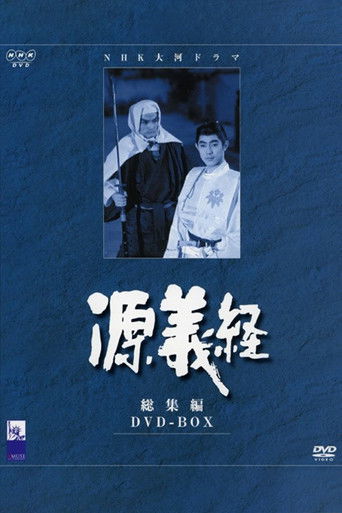
NRThe chronicles of the life of Minamoto no Yoshitsune (1159 - May 17th, 1189). He was a late Heian and early Kamakura general of the Minamoto clan of Japan. Yoshitsune was the ninth son of Minamoto no Yoshitomo. His older brother Minamoto no Yoritomo founded the Kamakura shogunate.
Minamoto no Yoshitsune
1966
 8.0
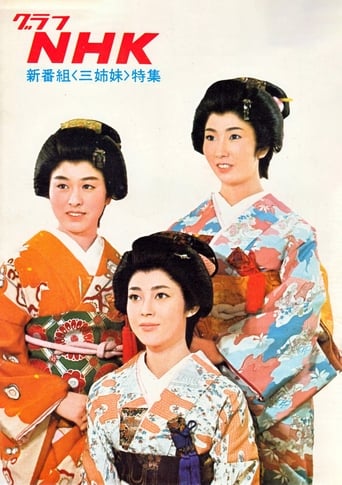
8.0The Story is about three daughters of a "Hatamoto" during the end of the Edo period and the Meiji Restoration.
Three Sisters
1967
 8.4
8.4After the Japanese defeat to the Russians, Kaji leads the last remaining men through Manchuria. Intent on returning to his old life, he faces great odds in a variety of different harrowing circumstances as he and his men sneak behind enemy lines.
The Human Condition III: A Soldier's Prayer
1961
 8.2
8.2Kaji, sent to the Japanese army labeled Red, witnesses cruelties in the army and revolts against the abusive treatment against a fellow recruit. He also sees his friend Shinjô defecting to the Russian border, and he ends in the front to fight a lost battle against the Russian tanks division.
The Human Condition II: Road to Eternity
1959
Film credits
1990s · 8 titles
 7.2
7.2On a cold Monday morning, a group of counselors clock in at an old-fashioned social services office. Their task is to interview the recently deceased, record their personal details, then, over the course of the week, assist them in choosing a single memory to keep for eternity.
After Life
1999
 6.6
6.6Sakiko, a young bank teller, has an unhealthy obsession with money. Thieves hold up the bank, kidnapping Sakiko in the process, but eventually crash their car, resulting in a suitcase stuffed with cash falling into a nearby river. For the remainder of the film, Sakiko begins a desperate quest to retrieve the money.
My Secret Cache
1997
 NR
NRThe story follows Etsuko, a neglected wife from the wealthy Okazaki conglomerate, who travels to the resort town of Karuizawa to escape the summer heat. Disconnected from her husband, she unexpectedly reunites with her childhood friend, Yuji. This reconnection reawakens deep, suppressed desires, leading her on a passionate journey of self-discovery in an abandoned memory-filled mansion.
Symphony of the Sensual Wife Karuizawa
1996
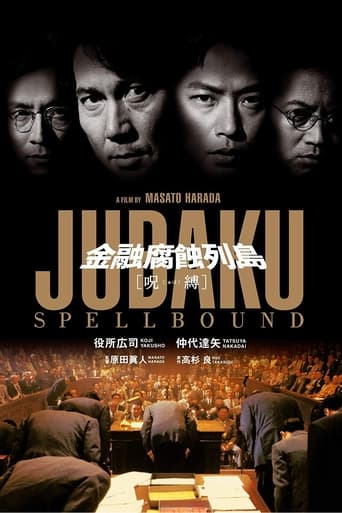 6.2
6.2When a major bank is caught paying off a corporate extortionist, the media and prosecutors begin to dig, breaking open a money-and-favours scandal that threatens to rock the entire structure of business and government to its core. While the bank's top executives continue to vacillate, a quartet of middle-management reformers, led by straight-arrow Kitano (Koji Yakusho), decide to stage a boardroom coup and install a new, clean management team. With the aid of a hotshot news anchor (Mayumi Wakamura) and a hard-nosed prosecutor (Kenichi Endo), heads begin to roll.
Jubaku: Spellbound
1999
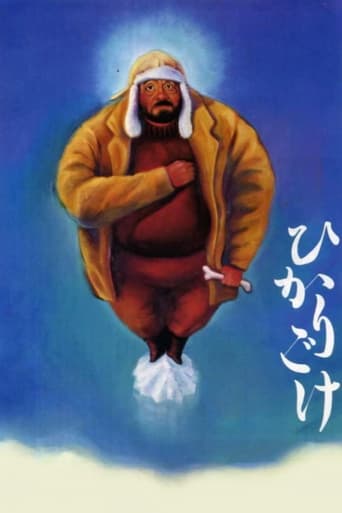 6.2
6.2A headmaster and a novelist, looking for inspiration, regard a strange natural phenomenon before sharing stories of their own.
Luminous Moss
1992
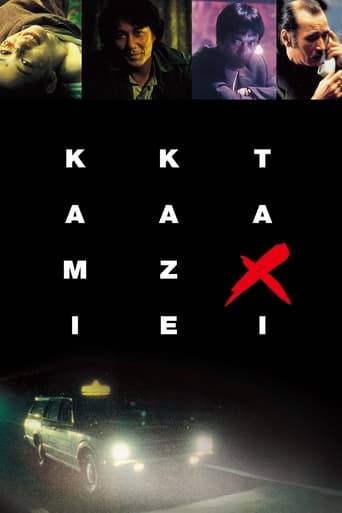 6.2
6.2A young foot soldier in the yakuza seeks revenge when his prostitute girlfriend dies after a session with a high-ranking Japanese politician with a taste for torture. He sets out on a 'kamikaze' mission to kill his bosses and the politician; along the way, he acquires the aid of a taxi driver who has recently returned to Japan after living in South America for several decades and is struggling to cope with poverty and the prejudices of native-born Japanese.
Kamikaze Taxi
1995
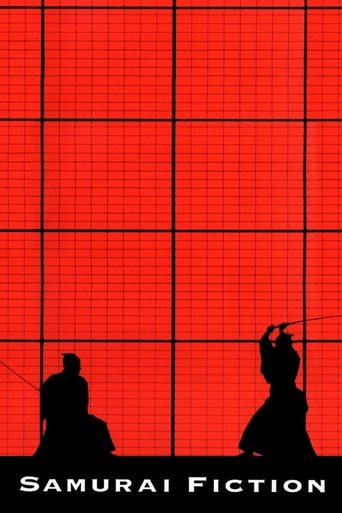 6.7
6.7A warrior-in-training and his bumbling friends go in pursuit of a stolen sword.
Samurai Fiction
1998
 9.0
9.0Two soon-to-be kamikaze pilots stop by a local school near their base to play the piano one last time, leaving a deep impression on a teacher. Years later, she seeks out the relatives of the pilots when the piano is old and about to be discarded.
Summer of the Moonlight Sonata
1993
1980s · 12 titles
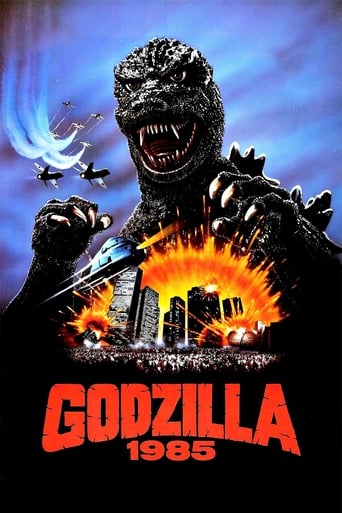 6.8
6.8Originally released in Japan as "The Return of Godzilla" in 1984, this is the heavily re-edited, re-titled "Godzilla 1985". Adding in new footage of Raymond Burr, this 16th Godzilla film ignores all previous sequels and serves as a direct follow-up to the 1956 "Godzilla King of the Monsters", which also featured scenes with Burr edited into 1954's "Godzilla". This film restores the darker tone of the original, as we witness the nuclear destruction of giant lizard terrorizing Japan.
Godzilla 1985
1985
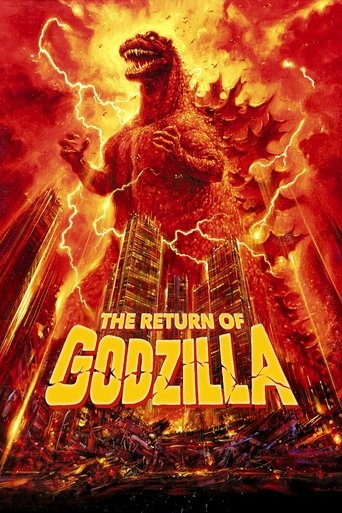 7.2
7.2After a fishing boat is attacked, the sole surviving crew member realizes it is none other than a resurrected Godzilla. However, efforts to bring the story to light are suppressed by the Japanese government amid growing political tensions between the United States and the Soviet Union, who are both willing to bomb Japan to stop the monster.
The Return of Godzilla
1984
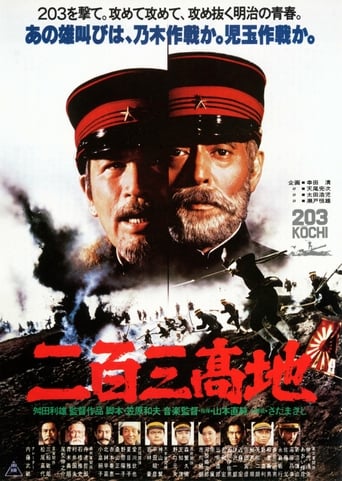 7.4
7.4Depicts the bloody siege of the fortress of Port Arthur, one of the most strongly fortified positions in the world, during the Russo-Japanese War of (1904 - 1905). In the story dominated the character Lt Takeshi Kogyo (Teruhiko Aoi), teachers, and a reserve officer who became commander of the platoon and later company. At the same time monitors the conduct of the army commander general Nogi (Tatsuya Nakadai), which was commissioned of the emperor Matsuhito (Toshirô Mifune) to the conquest of the fort.
Port Arthur
1980
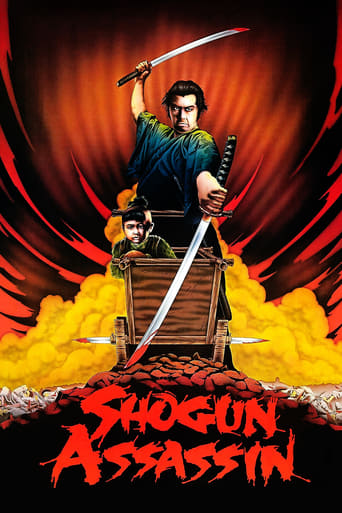 6.8
6.8A Shogun who grew paranoid as he became senile sent his ninjas to kill his samurai. They failed but did kill the samurai’s wife. The samurai swore to avenge the death of his wife and roams the countryside with his toddler son in search of vengeance.
Shogun Assassin
1980
 5.6
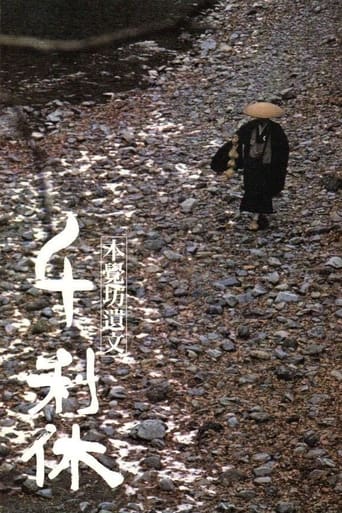
5.6Years after the death of legendary tea master Rikyu, his disciple Honkakubo attempts to resolve the mystery of the master's death.
Death of a Tea Master
1989
 6.5
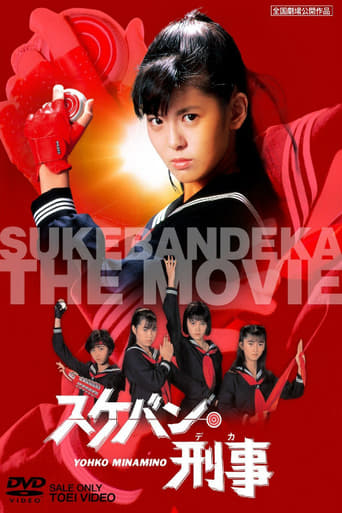
6.5After the events of the TV series, the 18 year old Yoko Godai has abandoned her special agent Saki Asamiya name to return to her normal life, and is now studying for college entrance exams. However, she accidentally bumps into a young man named Kazuo Hagiwara trying to escape from a group of hitmen, and learns that he comes from Sanko Academy, a private school located in a remote island known as Hell's Castle. The school is ruled by a former revolutionary thought to be dead named Hattori who is trying to brainwash students into terrorists to help him stage a fascist coup d'etat in Japan.
Sukeban Deka: The Movie
1987
 NR
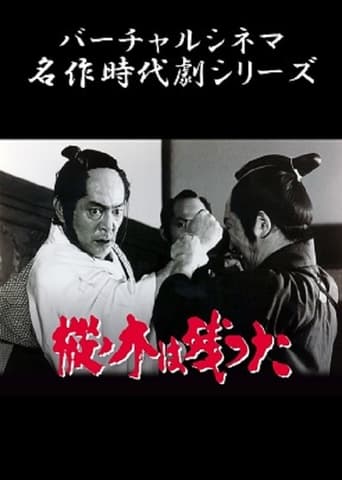
NRThe 21-year-old feudal on Sendai, Tsunamune Date, was prohibited to go out in the daytime for his misbehavior during his short stay in Edo. On the next day, his 4 attendants were killed one after another. Sakai Utanokamike, the Rozyu, is turned out to be involved in this scheme, and the aim is to destroy the Date family. Tsunamune's brother Munekatsu Date who is willing to take over the family doesn't know the real purpose of Utanokami and helps him. Munesuku Harada gets to know the whole picture of the incident and takes action alone for the sake of protecting the Date family, leaving his own family. His lonely fight continues for 10 years and he got in danger in Utanokamike's house, and...
The Fir Trees Remain
1983
 5.5
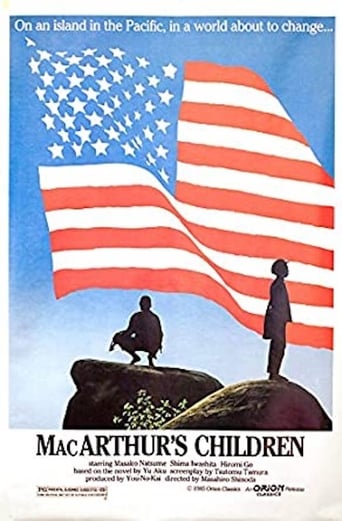
5.5In the aftermath of the Second World War, the denizens of a small Japanese fishing village struggle with defeat, cultural change, and the arrival of American troops.
MacArthur's Children
1984
 6.2
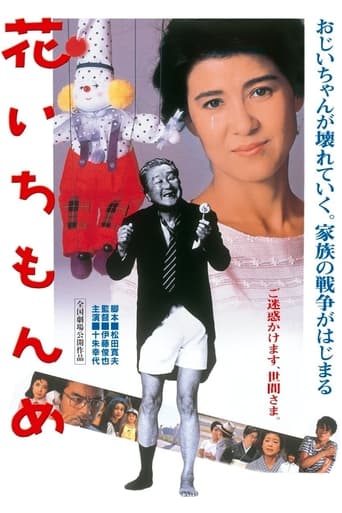
6.2Grandfather Fuyukichi Takano, a former university professor, gets fired from his museum job when he is affected by Alzheimer's disease, but his affliction serves to deepen family ties. Japan's submission to the 58th Academy Awards for the Academy Award for Best Foreign Language Film
Gray Sunset
1985
 7.0
7.0A car going at 25 mph plunges into the sea at Shinko Harbour, Toyama prefecture. Inside is the local business magnate Fukutaro Shirakawa, who perishes. Riding alongside him and surviving unhurt is his second wife, Kumako. It soon comes to light that Kumako’s husband was insured for 300 million yen and she is arrested on suspicion of murdering her husband for the insurance money. The newspapers denounce her as an evil woman, while the public is in no doubt about Kumako’s crime. Ritsuko Sahara is chosen as her defence attorney but the pair clash over almost everything...
Suspicion
1982
 10.0
10.0A new wave Yakuza film in which Takanori Jinnai plays a young Yakuza suffering from stomach cancer who has very little left to live. This film is based on the posthumous manuscript of Shoji Kaneko, the legendary director who died of cancer after completing work on the hit "Ryuji".
Paper Lantern
1987
 NR
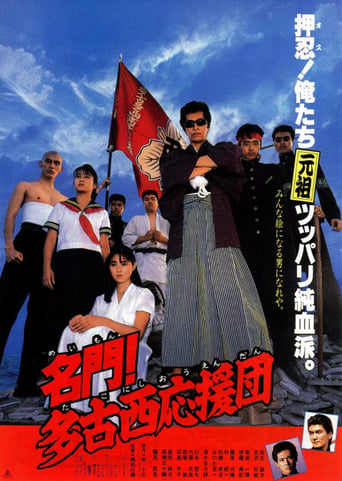
NRA boy seeks manhood in joining his school’s militaristic cheer squad.
The West Tako Cheerleaders
1987
1970s · 13 titles
 6.2
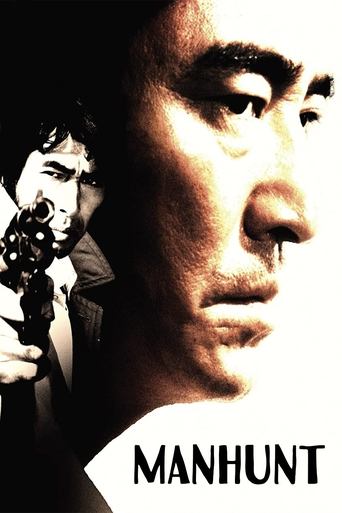
6.2A tough prosecutor is falsely accused of theft and goes on the run to clear his name. He is assisted by the beautiful daughter of a rich man.
Manhunt
1976
 7.3
7.3Two detectives are tasked to investigate the murder of an old man, found bludgeoned to death in a Tokyo rail yard.
The Castle of Sand
1974
 7.6
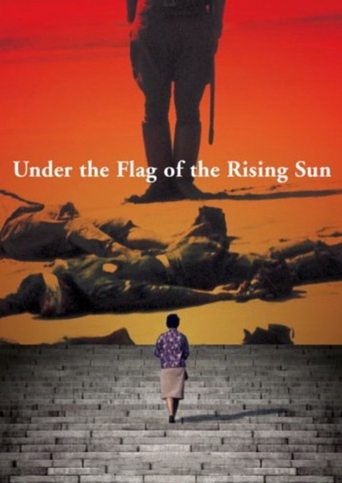
7.6A war widow determined to clear the name of her disgraced husband, who was court-martialed for desertion and executed. Official records have been destroyed, and the ministry that distributes benefits continues to deny her a pension. Twenty-six years after the war, she seeks out four survivors of her husband's garrison. Each tells a dramatically different story about her husband's conduct, but she is determined to learn the truth.
Under the Flag of the Rising Sun
1972
 7.2
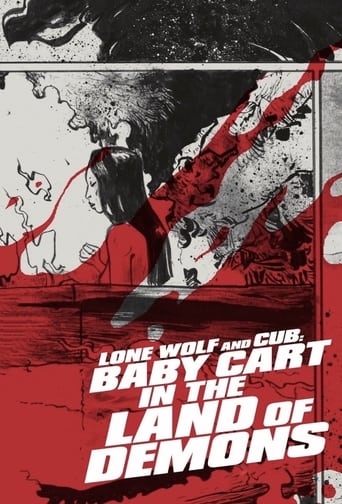
7.2Ogami Itto is challenged by a quintet of warriors, each armed with one fifth of Ogami's assassin fee and one fifth of the information he needs to complete his assignment.
Lone Wolf and Cub: Baby Cart in the Land of Demons
1973
 5.7
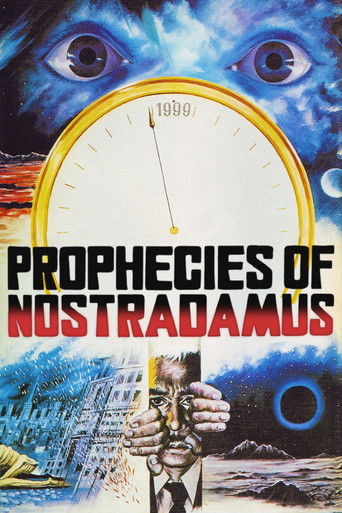
5.7Professor Nishiyama, after studying and interpreting the prophecies of Nostradamus, realizes that the end of the world is at hand. Unfortunately, nobody listens to him until it is too late. As the effects of mankind's tampering of the earth - radioactive smog clouds, hideously mutated animals, destruction of the ozone layer - rage out of control, the world leaders hurtle blindly toward the final confrontation. The film sparked controversy in Japan and was subsequently pulled out of circulation, with no official video release of the uncut film.
Prophecies of Nostradamus
1974
 6.9
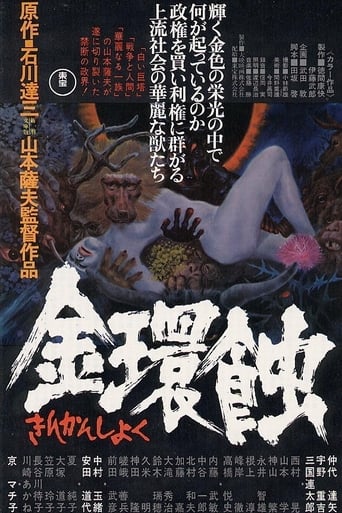
6.9When bribe money from a rigged election funnels into a dam construction project, collusion, lust, greed and even murder are on the ballot.
Solar Eclipse
1975
 6.2
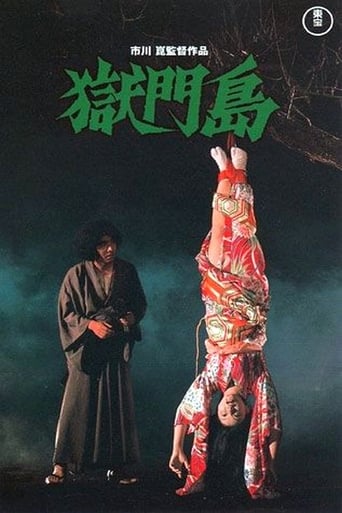
6.2A scruffy detective investigates the murders of three sisters on a small Japanese island in 1946.
Island of Hell
1977
 7.4
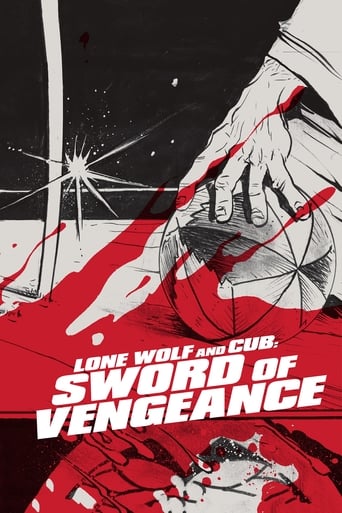
7.4Official Shogunate executioner Ogami Itto has been framed for disloyalty to the Shogunate by the Yagyu clan, against whom he now is waging a one-man war, along with his infant son, Daigoro.
Lone Wolf and Cub: Sword of Vengeance
1972
 6.4
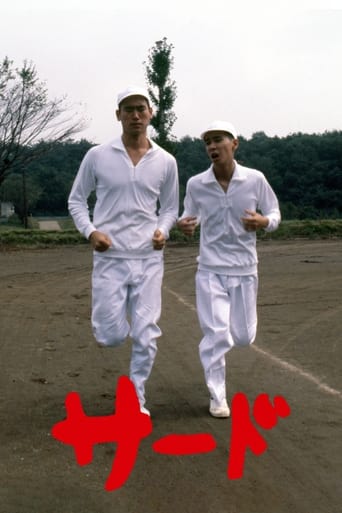
6.4Third is an aimless young man who hangs around with a couple of girls who are amateur hookers. One day, while acting as their pimp, he gets into a conflict with a young gangster and winds up killing him.
Third Base
1978
 7.2
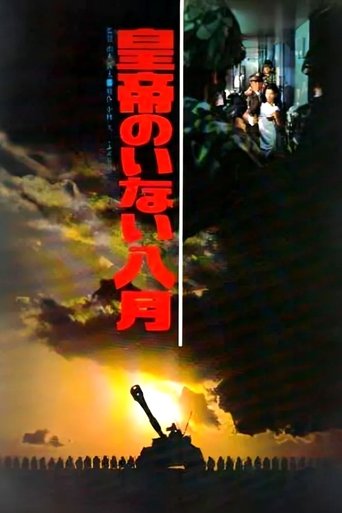
7.2Taking the Chilean coup as an example, a group of young officers plan to overthrow the Japanese government on V-J Day. They aim to abolish the post-war constitution, restore the national army and revive the traditional spirit of Japan. As the conspiracy is exposed, the coup squadrons are wiped out one by one. The remaining squadron takes over a night train bound for Tokyo.
August Without Emperor
1978
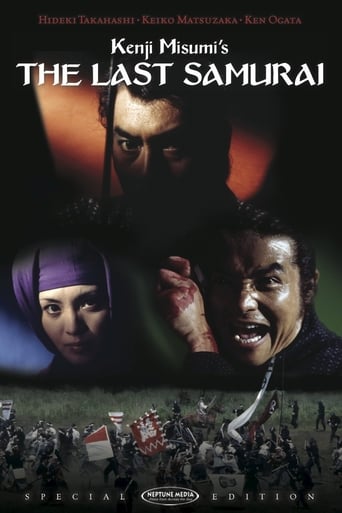 7.6
7.6The film follows the story of Sugi Toranosuke, a ronin, who returns to his home town of Edo many years after his attempted suicide as a sickly child. Rescued and adopted by a master swordsman, he has grown into a master swordsman and a very kind gentleman. The time is around 1868 the year that the nails were finally put into the coffin containing the feudal system that nurtured and sustained the samurai. Sugi is confused and unsure about what is happening but his teacher wants him out of the chaos of the multiple power struggles between the various clans.
The Last Samurai
1974
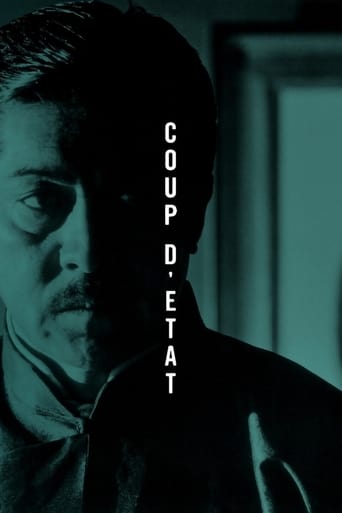 6.5
6.5A freestyle biopic of Ikki Kita, the ultranationalist intellectual whose ideas inspired the failed military coup in 1936.
Coup d'Etat
1973
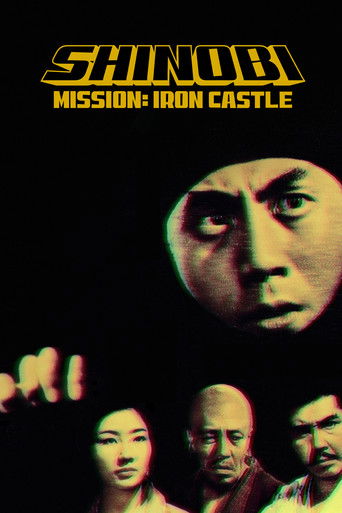 6.3
6.3The Shinobi-no-Mono series was so successful that Daiei Studios dipped into the well one more time, making the best 60′s B&W ninja movie ever seen in the otherwise color-dominated year of 1970. Issei Mori directs Hiroki Matsukata as the reluctant leader of a small band of spies charged with kidnapping a noblewoman from a heavily ninja-proofed castle. The finality of the air slowly began to fill like smoke, and in all that had become dark the loyalty of the Ninja who dared to go shone like light as they entered a world shrouded in mystery. Things do not go as planned in what is possibly the darkest and most fatalistic of the already noir-ish 60′s fare. Both the decade and it’s distinctive style of shinobi cinema went out on a high note with Mission Iron Castle.
Mission: Iron Castle
1970
1960s · 14 titles
8.4After the Japanese defeat to the Russians, Kaji leads the last remaining men through Manchuria. Intent on returning to his old life, he faces great odds in a variety of different harrowing circumstances as he and his men sneak behind enemy lines.
The Human Condition III: A Soldier's Prayer
1961
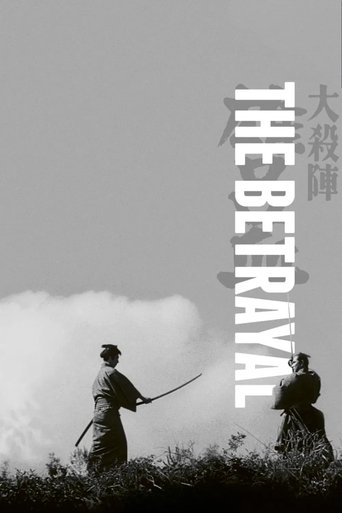 6.5
6.5A naively honorable samurai comes to the bitter realization that his devotion to moral samurai principles makes him an oddity among his peers, and a very vulnerable oddity in consequence. He takes the blame for the misdeeds of others, with the understanding that he will be exiled for one year and restored to the clan's good graces after the political situation dies down. As betrayal begins to heap upon betrayal, he realizes he'll have to live out his life as a ronin, if not hunted down and killed.
The Betrayal
1966
 7.1
7.1Two sculptors spend the night in a mountain lodge after being caught in a snowstorm. A female spirit appears and takes the life of one of the men. She spares the other man's life on the condition that he never tell anyone what happened that night.
The Snow Woman
1968
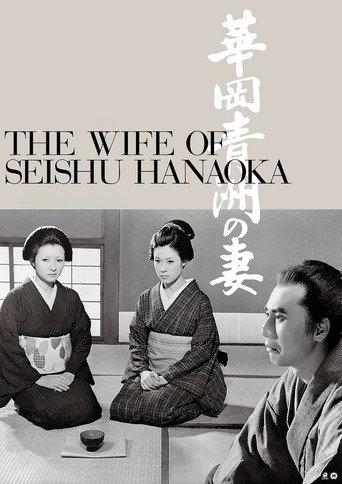 6.6
6.6The disturbing story of a physician who conducted the first operation with general anaesthetic, and the women in his life who are both so determined to win his love that they volunteer as subjects for his experiments
The Wife of Seishu Hanaoka
1967
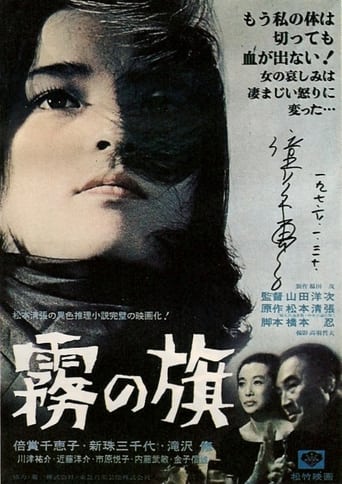 7.1
7.1When her only relative, her elder brother is accused of robbing and murdering an old woman loan-shark, pretty, young Kiriko travels from her home in Kyushu to Tokyo to get Japan's top lawyer to defend her brother. Unfortunately her naive idealism is shattered when the lawyer refuses to take the case based on her insufficient funds. What follows is a long determined revenge plot that sees the heroine become a Tokyo bar hostess and worse to punish the lawyer. The plot thickens with another murder mystery and a sleuthing reporter.
A Trap
1965
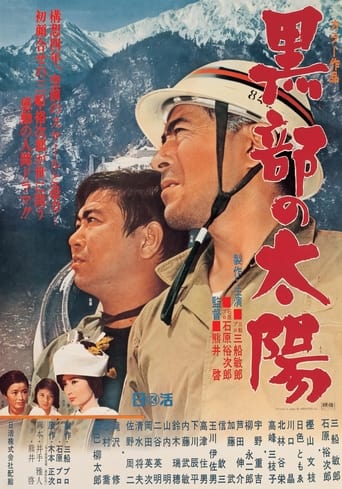 7.0
7.0Kitagawa is an engineer charged with construction of a gigantic tunnel through the Japan Alps for the transportation of equipment in the building of the massive Kurobe Dam. The tunnel crosses an earthquake fault and Kitagawa is beleaguered not only by cave-ins and flooding, but by strife between management and the workers's union. Adding to Kitagawa's stress is the knowledge that as his attention is pulled inexorably toward the tunnel construction, his youngest daughter is dying from leukemia.
The Sands of Kurobe
1968
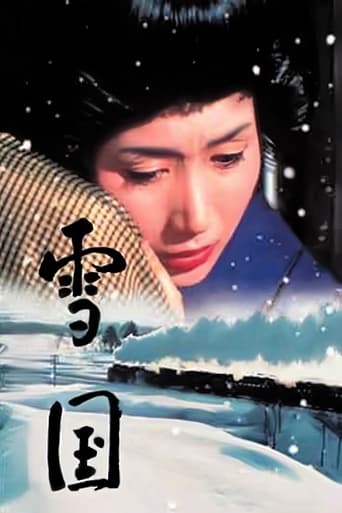 6.7
6.7This movie is based on an immortal literary work "The Snow Country," a story about a life of geisha Komako who lives in a region with heavy snowfalls.
Snow Country
1965
 9.0
9.0On January 26, 1948, a robbery of the Teigin bank took place in Tokyo - the criminal poisoned the bank employees and fled the scene with a large amount of money. In parallel with the investigation conducted by the Japanese police, journalists are also trying to find the culprit. Based on a true incident.
The Long Death
1964
 7.5
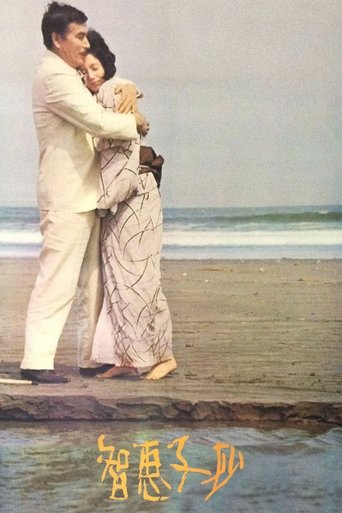
7.5Takamura, a poet and sculptor, marries a budding artist named Chieko who dreams of becoming an oil painter. When a series of hardships befall her family, she finds herself unable to confide in her husband, and the pain she carries within begins to weigh heavily on her sanity...
Portrait of Chieko
1967
 NR
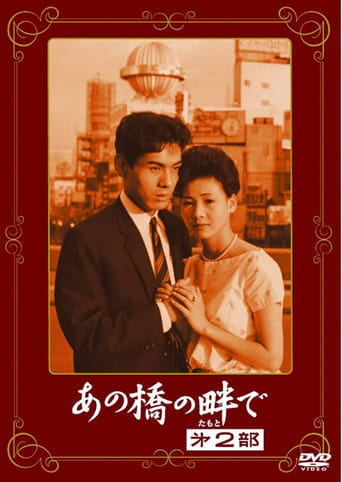
NR1962 Japanese movie
At the Side of the Bridge 2
1962
 NR
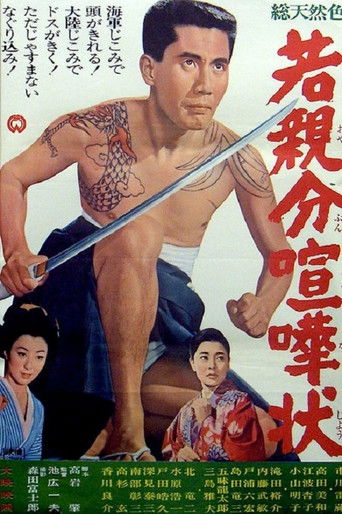
NRNo synopsis available yet.
Young Boss: Invitation to Fight
1966
 NR
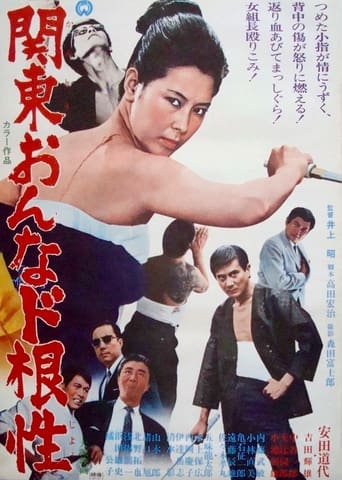
NRNo synopsis available yet.
Kanto Woman Fortitude
1969
 6.5
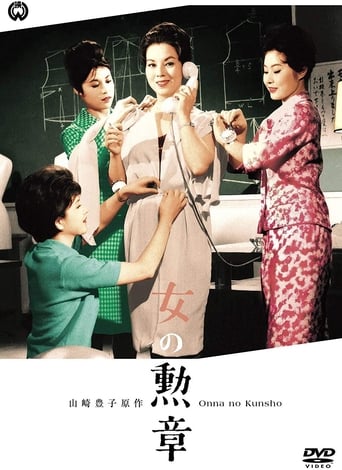
6.5Shikiko Oba is nimble with her fingers and teaches dressmaking and designing. Among her pupils are Rinko, Katsumi and Tomie. Ginshiro, who is as shrewd as the shrewdest of the older generation of dyed-in-the-wool Osaka businessmen, steps into picture and Shikiko soon feels that he is indispensable to her. But the advent of a man in their midst breaks up the harmony that has existed among the four women, as gradually he forces himself on them with promises of love.
A Design for Dying
1961
 6.2
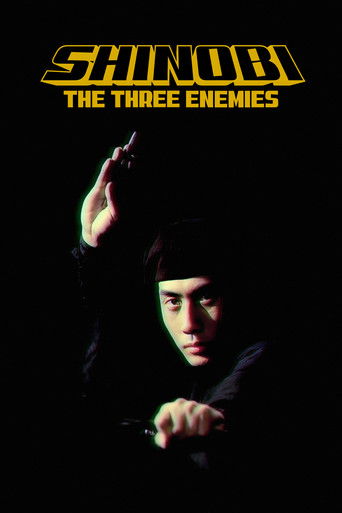
6.2[Period Covered: 1570-1573] Towards the end of the Tenmon Era, Shogun Ashikaga`s powers were weakening by the day and many were there who planned to overthrow him. It was the beginning of the Sengoku (Warring States) period. Three men attack a gunpowder maker in a farmhouse, the first chopping off his arm with his sickle-&-chain weapon, the second blinding him with sword, the third giving the killing blow. His son Kojiro Kosume escapes the attackers as everything he has known up to then explodes into conflagration. He grows up & enters the start of the Tokugawa Era, intent on avenging his father.
Shinobi no mono 8: The Three Enemies
1966
1950s · 12 titles
8.2Kaji, sent to the Japanese army labeled Red, witnesses cruelties in the army and revolts against the abusive treatment against a fellow recruit. He also sees his friend Shinjô defecting to the Russian border, and he ends in the front to fight a lost battle against the Russian tanks division.
The Human Condition II: Road to Eternity
1959
 7.8
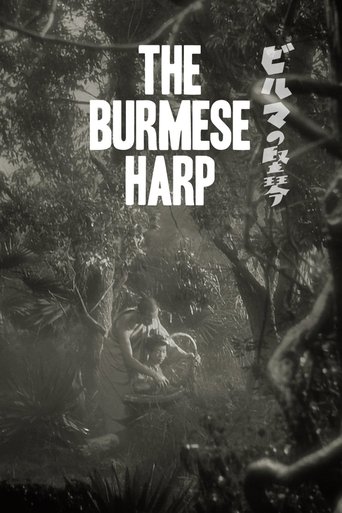
7.8In Burma during the closing days of WWII, a Japanese soldier separated from his unit disguises himself as a Buddhist monk to escape imprisonment as a POW.
The Burmese Harp
1956
 6.9
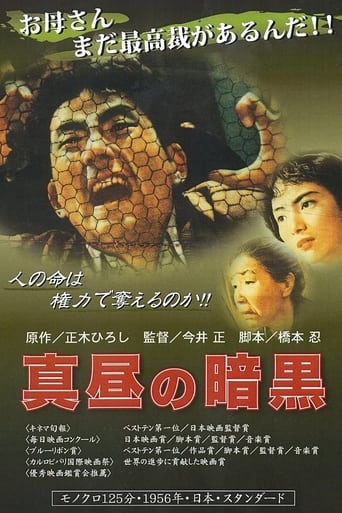
6.9Police beat a murder confession out of four innocent men who are then sentenced to death. Based on a true story.
Darkness at Noon
1956
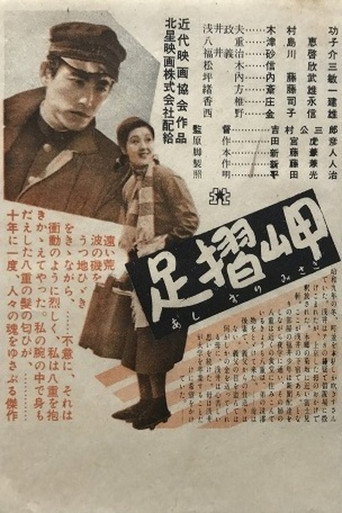 9.0
9.0Among Yoshimura’s complex and political works, this episodic film, set in the early 1930s, follows the life of a young left-wing student activist disenchanted by the increasingly hawkish state of Japanese society.
Cape Ashizuri
1954
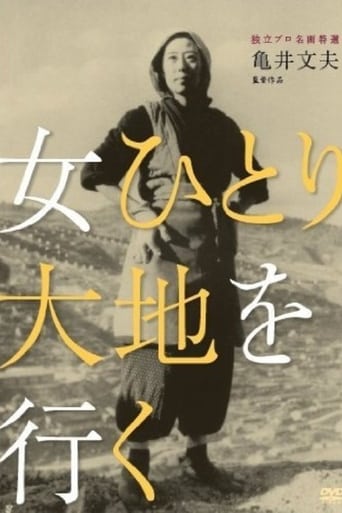 7.0
7.0Onna Hitori Daichi wo Yuku (A Lonely Woman in a Lonely Land, Kinuta Production, 1953) was the second feature film directed by Kamei Fumio, who is known as a master of documentary films, and followed his “Haha Nareba Onna Nareba(Become a Mother, Become a Woman)” (1952).
A Lonely Woman in a Lonely Land
1953
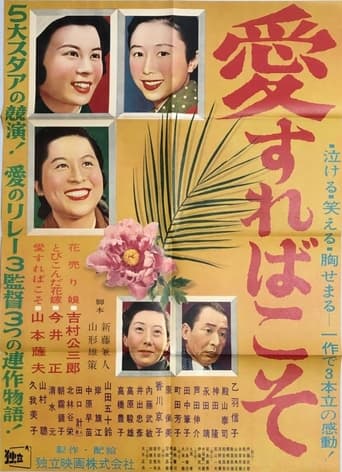 10.0
10.0The film consists of three short stories. Tomiko, the heroine of the first story, "The Flower Girl" (dir. Kozaburo Yoshimura), is a little girl who bears the unbearable burden of caring for her family. Tomiko's father has been unable to find work for a long time, and her older sister is terminally ill—it is unlikely that she will ever recover. To feed her family, Tomiko runs around the city from morning until late at night selling flowers... The second novella (dir. Tadashi Imai) also depicts the lives of the poor. An unfamiliar girl brings young Kavano a letter from his mother. It turns out that the girl's name is Kuniko, she is very hardworking, but her family is dying of hunger. Therefore, her mother decided to send Kuniko to her son so that he would marry her. The short story is called "The Unexpected Bride." The third short story, which gave the film its title, is particularly interesting: "When You Love" (dir. Satsuo Yamamoto). It shows the family of a young peace activist.
If Indeed One Loves
1955
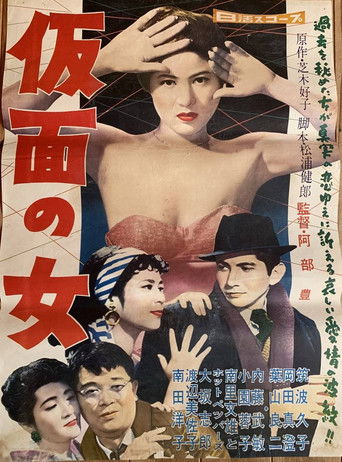 NR
NRA touching literary and artistic story about the sadness and pathos of a woman's love, crying in agony over her hidden past.
Masked Woman
1959
 7.0
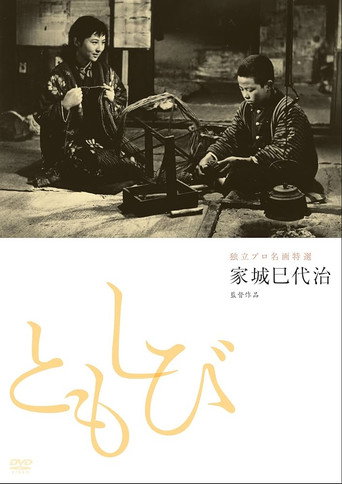
7.0Students in a small rural school love their poor but unconventional teacher Mr. Matsukuma, although he is misunderstood by most of the villagers and is forced to leave. After his departure there is great depression, but there is a chance to rekindle the lantern of the title and the values Matsukuma represented ...
Tomoshibi
1954
 6.2
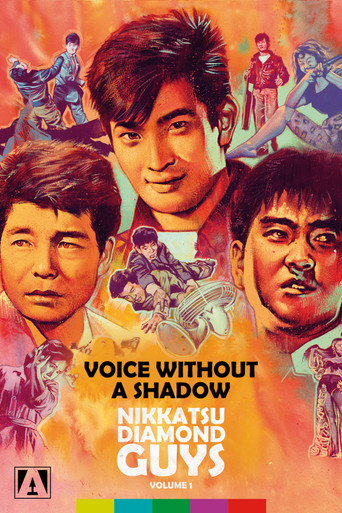
6.2Asako, a former telephone operator once heard the voice of a murder suspect which has continued to haunt her. Years later her husband invites his boss, Hamazaki, over for dinner and she realises his voice is suspiciously like that of the killer. Before she can investigate further, Hamazaki is found dead and her husband becomes the prime suspect.
Voice Without a Shadow
1958
 7.8
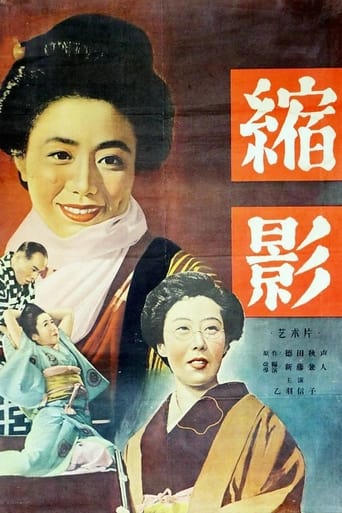
7.8Ginko, a poor cobbler's daughter, becomes a geisha to support her family. She passes from one geisha house to the next, trying to find love and hope in the process. No matter how hard she tries, she just can't escape her sad fate.
Miniature
1953
 8.0
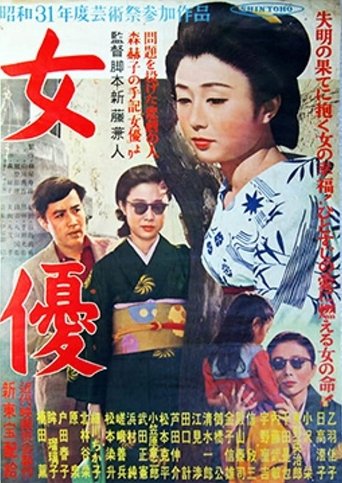
8.0Based on Kakuko Mori's autobiography, about her life and retirement from acting due to her increasing blindness.
Actress
1956
 8.0
8.0Television production of I Want to Be a Shellfish. On a post-war peaceful day in Japan, Toyomatsu Shimizu, a barber as well as a good father and husband, is suddenly arrested by the Prefectural Police as a war criminal and sued for murder. According to the accusation by GHQ, Toyomatsu "attemped to kill a US prisoner", which was nothing but an order by his superior and failed after all with hurting the prisoner by weak Toyomatsu. Also, Toyomatsu was driven to corner at the trial by the fact that he fed the US prisoner some burdock roots to nourish him. Toyomatsu believes nothing but being not guilty, but he is sentenced to death by hanging. Prior to the execution, Toyomatsu writes a long farewell letter to his family, the wife and the only son: "If I ever incarnate, I hate to be a human being any more.... Oh yes, I would like to be...a shellfish living on the rock-bottom of the sea."
I Want to Be a Shellfish
1958
Series credits
8.1Ogami Itto is a master swordsman who holds a position of high power in the Tokugawa Shogunate. Highly trusted by the Shogun, he serves as the official decapitator, assisting lords and samurai who have been ordered by the Shogun to commit seppuku. One day, Itto’s wife and members of his household are brutally murdered by a clan seeking to avenge their lord’s execution, which had been carried out by Itto. In the wake of the attack, two items are left in Itto’s home: his unhurt infant son, Daigoro, and a symbol meant to signify Itto’s betrayal of the Shogun. Disgraced by the false symbol, Itto is labeled a traitor and forced to forfeit his position. He becomes a ronin, wandering the country with his son, searching for the men who killed his wife, seeking to clear his name and avenge her death.
Lone Wolf and Cub
1973
NRLuzon Sukezaemon is a merchant who imports vases from the Philippines. The vases are highly valued as tea utensils and he makes a huge profit. This was the first taiga drama to concentrate on the lives of commoners and the reviled merchant class of the Tokugawa period. It documents the rise and fall of the merchant city of Sakai, as seen by its most famous resident, the semilegendary Luzon.
Ōgon no Hibi
1978
NRThe chronicles of the life of Minamoto no Yoshitsune (1159 - May 17th, 1189). He was a late Heian and early Kamakura general of the Minamoto clan of Japan. Yoshitsune was the ninth son of Minamoto no Yoshitomo. His older brother Minamoto no Yoritomo founded the Kamakura shogunate.
Minamoto no Yoshitsune
1966
8.0The Story is about three daughters of a "Hatamoto" during the end of the Edo period and the Meiji Restoration.
Three Sisters
1967
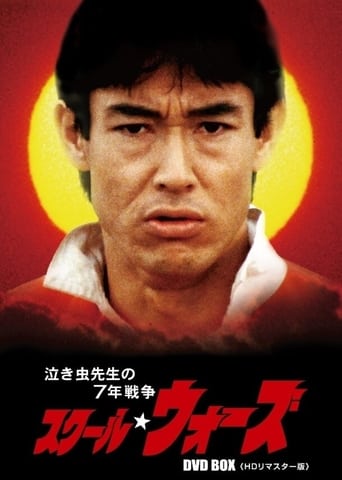 7.5
7.5No synopsis available yet.
School Wars
1984
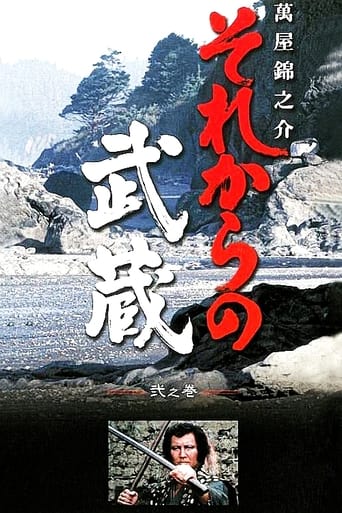 8.0
8.0After 2 years of completely isolation in mountains, Musashi comes back in order to live a normal life. However, after his duel against Kojiro Sasaki he has many enemies who want to kill him...
The Man of Five Rings
1981
 9.0
9.0Since his wife's death from illness, Oki Eisuke (Utsui Ken) has been working as a lawyer at the Oki Law Office, raising his high school-aged daughter, Kaori (Hayashi Norie). His late wife's father, Kimura Genkichi (Ban Junsaburo, Matsumura Tatsuo), a former Metropolitan Police Department detective, is in charge of accounting, while Ono Toshiko (Nakahara Rie) is in charge of typist and secretary. Also among the investigators are Sakamoto Ryu (Nakamura Masatoshi), who claims to be serving a two-year prison sentence, and Suzuki Masao (Okita Hiroyuki), who is on probation. These are the members of the firm that Eisuke trusts. A die-hard feminist, Eisuke throws himself wholeheartedly into the cases of female clients, regardless of legal fees, but...
Himawari no Uta
1981
 NR
NRNo synopsis available yet.
松本清張シリーズ・中央流沙
1975
 NR
NRBased on novel 1962 "Kyukei no Koya" by Seicho Matsumoto. A serial murder occurs around the heroine Kumiko because she finds evidence that her father, who should have died, was "alive." Set in 1945, near the end of WW II, Kenichiro Nogami is reported to have died in a Swiss hospital. In fact, he is working behind the scenes to save Japan from destruction. For this cause, Kenichiro Nogami has left behind his wife and nation to work in hiding.
Kyukei no Koya
1978