

Acting
Dragomir 'Gidra' Bojanić
Born — Died
1933-06-13 — 1993-11-11
Place of birth
Kragujevac, Serbia
Known for
Acting
Credits
62 titles
Dragomir Bojanić, best known by his nickname Gidra, was a famous Serbian actor. In several films he was credited as Anthony Ghidra. He appeared in many former Yugoslav films, and even some international production, usually playing villains. The best known of such roles is Kondor, German secret agent in popular 1972 film Valter brani Sarajevo. He is, however, best known for the comical role of family patriarch Žika Pavlović, which he played 12 times in Lude godine series of films.
Known for
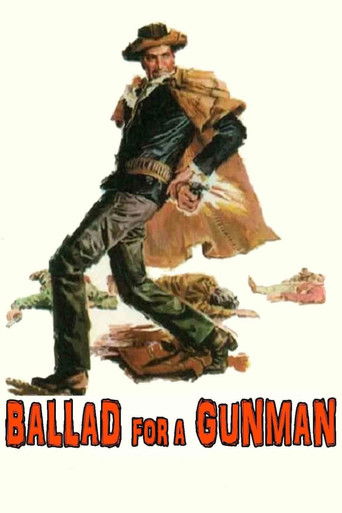 5.9
5.9Instead of fighting over newly gained money from a coach-robbery, two gangster-brothers (El Bedoja and Chiuchi) decide to rob a bank together. But Martinez, a gangster-coward, is successfully questioned by Nigros (a clad-in-black gangster-killer who collects the money) and Rocco (a righteous ex-sheriff who doesn't and shows off even more skill in using his pistol) on their plans.
Ballad of a Gunman
1967
 8.9
8.9Vruć vetar is one of the most popular Yugoslav TV miniseries that aired in 1980. The show and movie cut from scenes of the show were popular in neighboring countries-also very popular in Czechoslovakia. Its main theme became very popular and enjoying a bit of a cult status. The story follows Shurda, a man in his 30s, who comes from a small town to Belgrade to get rich. However, as no job is good enough for him, he tries his luck in Germany, but this venture proves to be the same, so he returns to his native Yugoslavia.
Hot Wind
1980
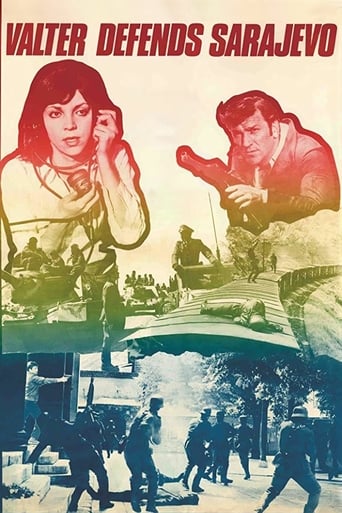 7.0
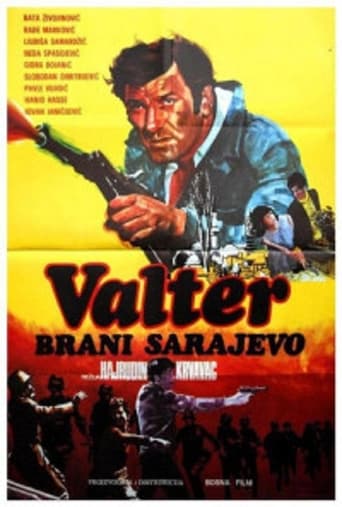
7.0Sarajevo 1944. The German armies desperately need fuel in the retreat. Walter, the enigmatic and charismatic leader of the resistance movement, can endanger their supplies. The Germans are taking a cunning plan to remove that obstacle.
Walter Defends Sarajevo
1972
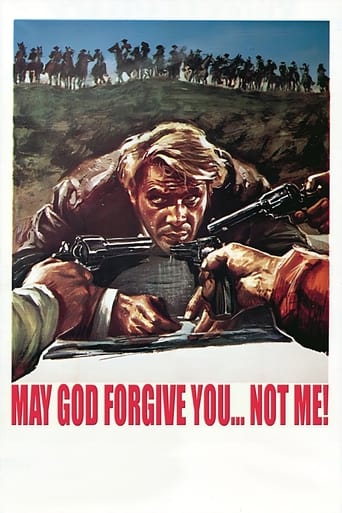 6.3
6.3While Cjamango is away from his ranch, bandits attack and kill his family. Disrupted by this tragedy, he sets out to take his revenge, helped by a Mexican who has seen the bandits. The writer of the western Cjamango directed this unofficial sequel to Cjamango.
May God Forgive You... But I Won't
1968
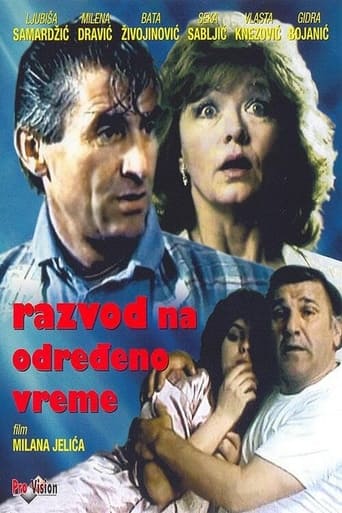 5.7
5.7While heading to Spain to spend their honeymoon there, Siniša and Svetlana find themselves at Montenegrin coast due to mistake made by travel agency. They get back disappointed to Belgrade, where new problems expect them: Svetlana applied for an apartment, but divorced mothers with children are those who have advantage. Svetlana and Siniša decide to divorce for a part-time period so they could trick the housing board and get an apartment.
Part-Time Divorce
1986
 NR
NRAn extended version of the eponymous feature film.
Walter Defends Sarajevo
1974
Film credits
1990s · 3 titles
 5.5
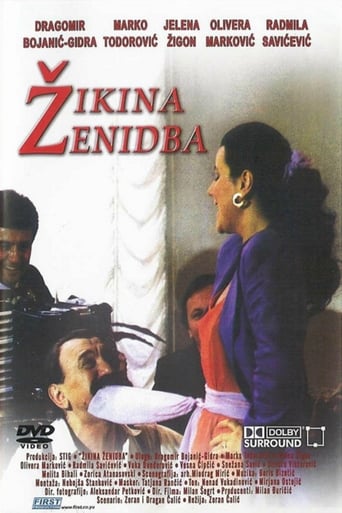
5.5Milan tells Žika to get married and come to a suitable candidate, and they decide to give an advertisement in all national and international newspapers. From Slovenia to Brazil, the offers on VHS keep arriving. As Žika do not err on the final selection of young, Milan offers him a language instruction of their knowledge and skills. Žika understands what it is all about and finds out the real tricks of his friend Milan.
Žika's Marriage
1992
 4.4
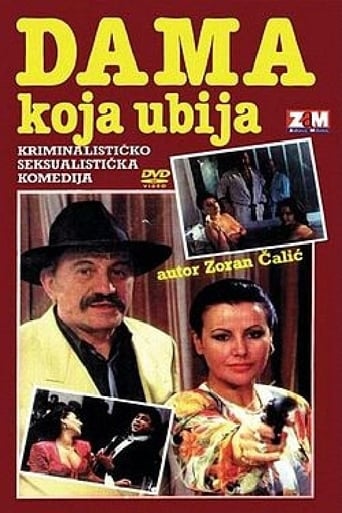
4.4The cops Boki and Pajko try to catch the arms smugglers. Their commander claims that the smugglers are women who have AIDS, which only makes their quest even more difficult.
The Killer Lady
1992
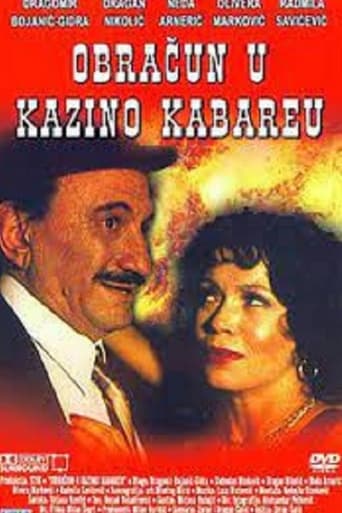 4.2
4.2Two friends who work in a detective agency rob their boss in order to be hired by him to find the thieves. Their plan goes wrong after the man with a white hat steals their money. The investigation leads them to a casino cabaret club run by notorious Cornelone.
Gunfight at Casino Cabaret
1993
1980s · 21 titles
5.7While heading to Spain to spend their honeymoon there, Siniša and Svetlana find themselves at Montenegrin coast due to mistake made by travel agency. They get back disappointed to Belgrade, where new problems expect them: Svetlana applied for an apartment, but divorced mothers with children are those who have advantage. Svetlana and Siniša decide to divorce for a part-time period so they could trick the housing board and get an apartment.
Part-Time Divorce
1986
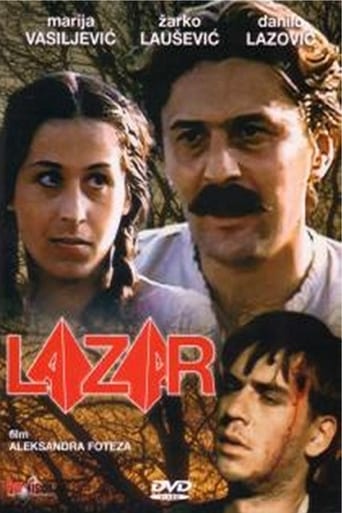 6.0
6.0A mother and her son live in the country. She has gone mad and the son has fallen mute as a result of the violence to which they had been exposed in the war.
Lazar
1984
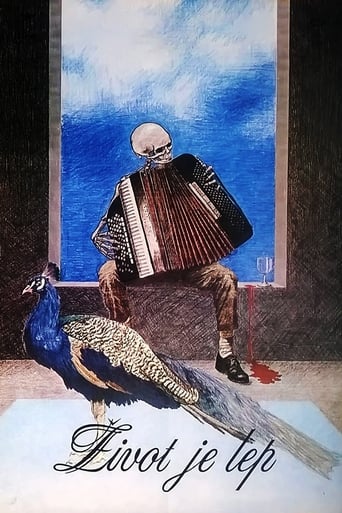 7.4
7.4After a train breaks down and the passengers are forced to spend a day at a remote country tavern, the mix of seasonal farm workers, transients, musicians, and would-be party kingpins heads toward some explosive moments. A truckload of chickens arrive to be killed and cooked for the unruly group of passengers, and when a few boorish men harass a female singer, their actions lead to unexpected violence.
Life Is Beautiful
1985
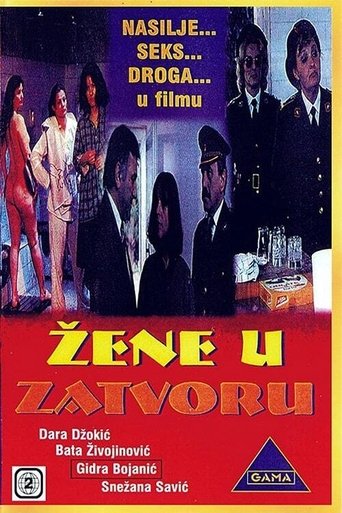 5.5
5.5After graduation, a young woman gets his first job in the women's prison in the province. The story follows her struggle to survive in a small town with her small child, alcohol addiction, and the battle with the prisoners and prison brutality and other schemers who wanted to remove her from working spot.
Women in Prison
1985
 6.1
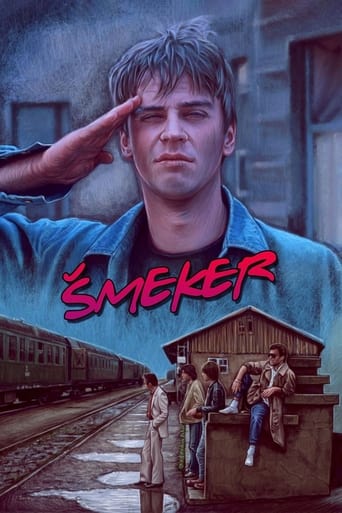
6.1A story of a young man from the suburb, who gets his experience on the street and in bars. His girlfriend belongs to the same environment. When he goes to army, she tries to get away, giving the only thing she has - her good looks. She poses nude for some magazine. Seeing that photo, the young man escapes from the army, demanding an explanation. His return to a place where he once belonged, causes questioning of himself, discussions with so-called friends, and finally with the girl...
Hotshot
1986
 5.5
5.5In 1985, four middle-aged Yugoslav emigres return to Belgrade for the funeral of Mariana, their beautiful compatriot. They called her Esther, for Esther Williams, she was the coxswain for their four-man rowing team, and they each loved her. They'd last seen her in 1953, when they rowed her across the Adriatic, pregnant, to join her exiled father in Italy. In flashbacks we learn the story of their youthful baptism into sex, smoking, rock and roll (Hey Ba-ba-re-bop), Hollywood and Swedish films, blue jeans on the black market, and their rivalry with Ristic, the Communist Party youth leader for whom they had instant antipathy.
Hey Babu Riba
1985
 4.8
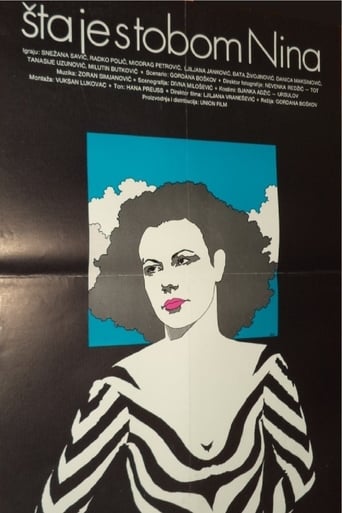
4.8In search of her own identity, a young champion in fencing is torn between two men, which leads her to personal conflict.
What Is with You, Nina?
1984
 6.5
6.5Misa is already a teenager but with little interest in girls and much for his violin. Two granddads, Zika and Milan, are worried for their grandson who may 'deviate' like Steven from "Dynasty", the show they like to watch. That's why they decide to introduce him better to their attractive housekeeper.
Zika's Dynasty
1985
 6.8
6.8Three kidnappers are out to get Lepa Brena, the most popular singer in Yugoslavia. Policemen are on their trail, but Lepa Brena is not helpful being on a massive Yugoslavian tour with her band "Slatki Greh", a manager and their crazy bus driver Gile. And even the band members have their own problems, many of them being horny groupies of Bale, the guy with the flute.
Let's Make Love
1987
 5.3
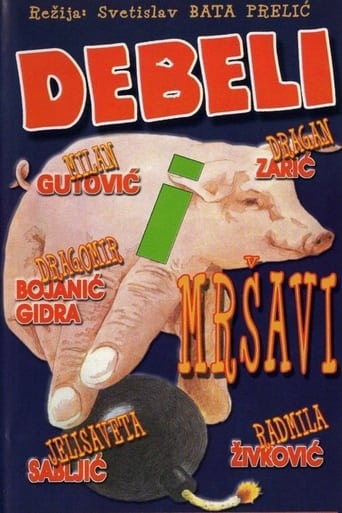
5.3An imposter and thief called Dumpling escapes prison and arrives to a respectable institute of doctor Strukl in Balm Sanatorium. The doctor is a specialist for reduction and gaining of weight, and wanted by many celebrities, especially because it is known that he has specialized in Switzerland. Dumpling, discovering that he is physically similar to doctor, and seeing his big chance in it, disables the doctor and takes his place at the sanatorium.
Fat and Thin
1985
 5.0
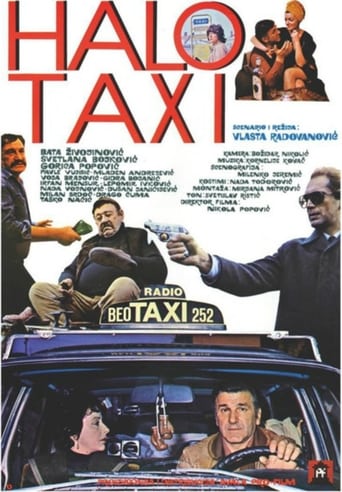
5.0Being suspicious that his wife is cheating on him, a Belgrade taxi driver discovers that she's about to be traded by a local gang who drug women and sell them to Arabs. He decides to take the matter into his own hands, and fight the gang without the help of police.
Hallo, Taxi
1983
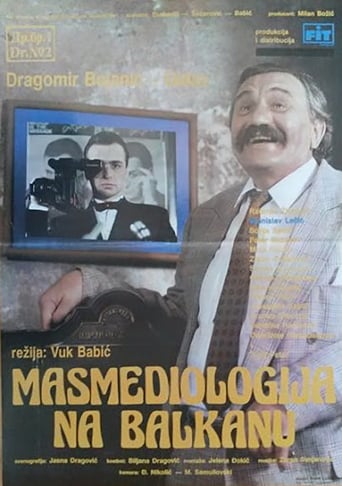 9.0
9.0An eminent communist wants to make his son a respected person so he could live without much trouble. He fails to accomplish that due to his son's different vision of success.
The Balkan Mass-Media Sciences
1989
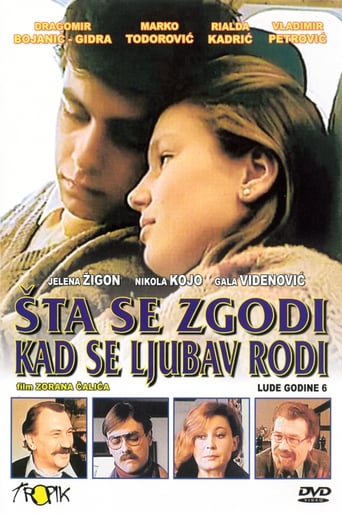 6.1
6.1Misa in the music school falls in love with a young Russian girl Natasha, who was then located in Belgrade. But their parents think that they are too young for love. Natasha's parents do not allow that connection, so they go back to Moscow. Unlike parents who want to end their relationship Zika and Milan are on their side. Zika begins to learn the Russian language.
What Happens When Love Comes to Town
1984
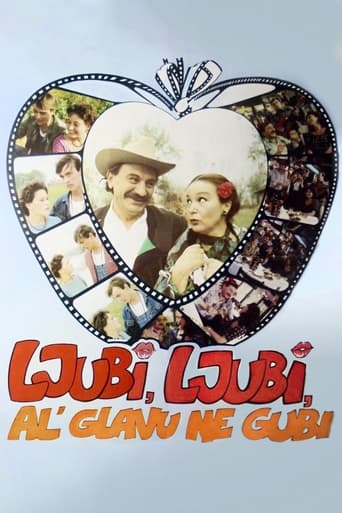 6.3
6.3Mary and Bob continuing his love spend the summer in the voluntary youth but their parents affect the foolish. The peak occurs when the life Zika, after a brief flirtation with Marys mother implicate two German girls Elza and Giza.
Kiss, Kiss, But Don't Lose Your Head
1981
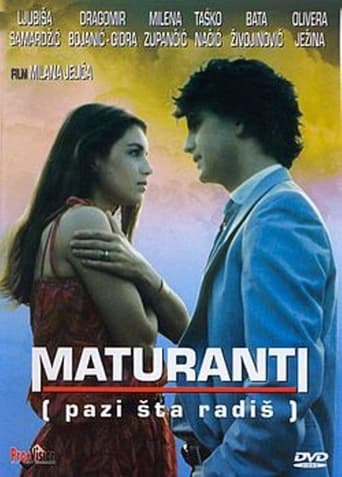 7.2
7.2Last school days of one graduating generation. They should say goodbye to a part of life, part from their friends, and there is also uncertainty, hope, plans, wild love "for the rest of the life", and parents with their ambitions, and it would be all incomplete, if not for professors who are slowly losing their authority. Senior prom is the central place for serious and funny events in which parents, professors and pupils are involved.
Watch Your Step
1984
 6.2
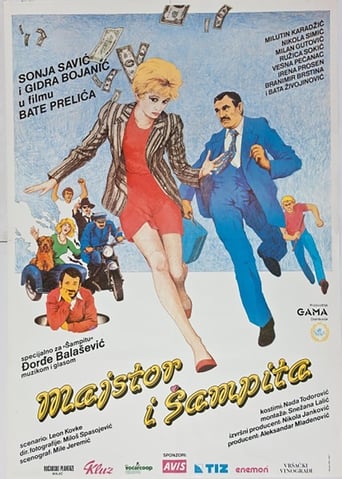
6.2A young reporter girl nicknamed Cream Pie writes an article on money-making in small businesses. She meets a married shoemaker who falls for her and steals his wife's money for their love nest, but Cream Pie discovers it by accident and takes it to the newspapers' office. Shoemaker's wife interferes into this whole confusion and the whole fuss resolves at a hospital.
Majstor i Šampita
1986
 9.0
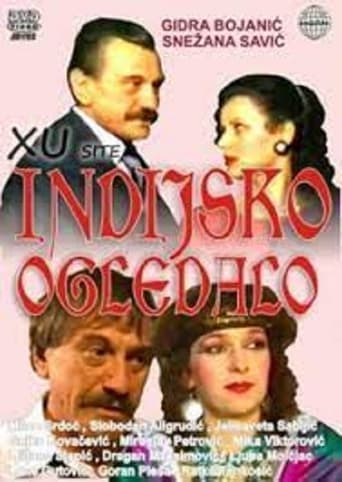
9.0A village handball team gets close to the promotion to the top flight, but three of its residents try to ensure the success by bribing the referee.
Indian Mirror
1985
 6.8
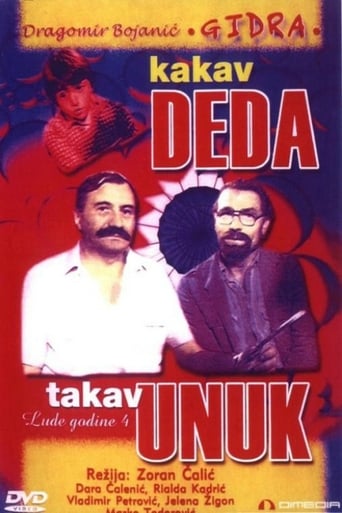
6.8Zika and Milan are fighting over who gets to spend more time with grandson Misha, who is five years old. Although Misha lives with his parents in Milan grandfather, Zika all ways of trying to learn Misa tavern life and his craft. A Milan his grandson sent to violin lessons and English. Come up with a number of interesting situations.
Like Grandpa, Like Grandson
1983
 6.3
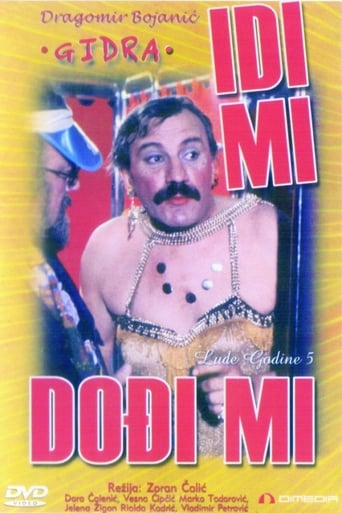
6.3Marija and Boba are moving into an apartment and the financial problems came to a crisis in their marriage. Affected consumer fever make them neglect each other and the child. In addition, Zika and Milan persistently interfere in their lives.
Come to Me and Go from Me
1983
 4.7
4.7Lepa Brena goes to one of the islands of the Adriatic, on a working holiday, but due to the holidays and planning the next tour, false news that the notorious island Lepa Brena requested a special guest for the tour. The news will completely disrupt the thrill and to potential tour guests, tourists and members of the Sweet Sin and the whole island.
Let's Make Love 2
1989
 4.4
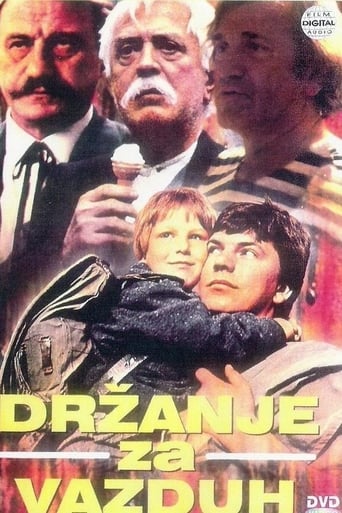
4.4The story of a war-orphan, who remembers first post-war days, his stay in Home for war-orphans, his teachers, friends, and mostly his "only brother".
Holding the Air
1985
1970s · 18 titles
7.0Sarajevo 1944. The German armies desperately need fuel in the retreat. Walter, the enigmatic and charismatic leader of the resistance movement, can endanger their supplies. The Germans are taking a cunning plan to remove that obstacle.
Walter Defends Sarajevo
1972
 7.0
7.0A short film based on Dusko Radovic writings.
How the Two Fools Loved Each Other
1972
 5.7
5.7In Vojvodina during the war, a partisan commander Zarki fell into the hands of the local Germans. They bound him in chains and take him from one village to another, torturing him in public so he could tell the names from his movement. Bewildered by his resisting power, the Germans tend to break him down and destroy the pride which is his answer to their torture. Frenzied of powerlessness, they ultimately choose the most horrifying death - they buried him alive in the sand that will cover the last trait of him, but he died victorious: He died for his thing.
Zarki
1970
 5.0
5.0Leni Gruyetin, a resident of Nazi Germany, lives a tumultuous life as she bears witness to the fascist regime of the Nazis.
Group Portrait with a Lady
1977
 NR
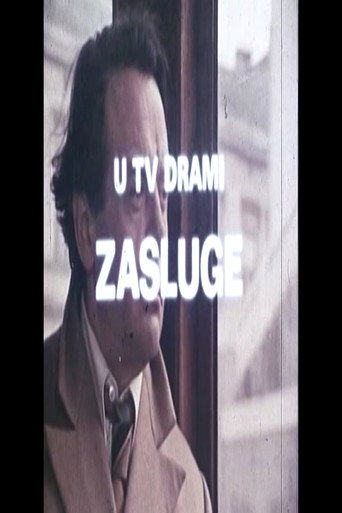
NRA pre-war communist, who did not participate in the war, is included in the post-war society as a printing company manager. Haunted by the feeling of guilt, and needing to prove himself, he makes one mistake after another...
Merits
1973
 7.0
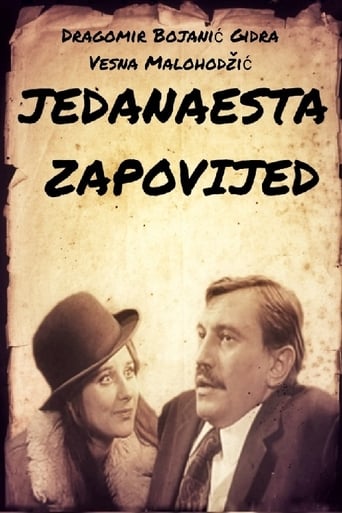
7.0A middle-aged man comes to visit his old war friend, only to find out that his friend's 15-year old daughter is alone at home and prepares for the date with her boyfriend. Despite the age difference, the two develop chemistry and understanding in otherwise uncomfortable settings.
The Eleventh Commandment
1970
 8.0
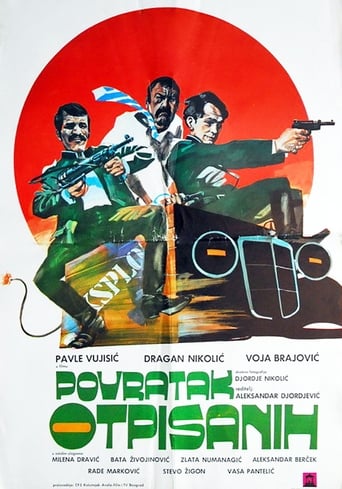
8.0Prle and Tihi, being the only surviving members of their resistance group, had been forced to leave Nazi-occupied Belgrade and join Partisans in country. In Summer of 1944 somebody is assassinating resistance sympathizers, and Prle and Tihi must return to Belgrade deal with it. In order to cross through enemy lines, they use cars, clothes and documents of captured pro-Nazi minister. During their journey the minister escapes and warns the Gestapo.
The Written Off Return
1976
 6.5
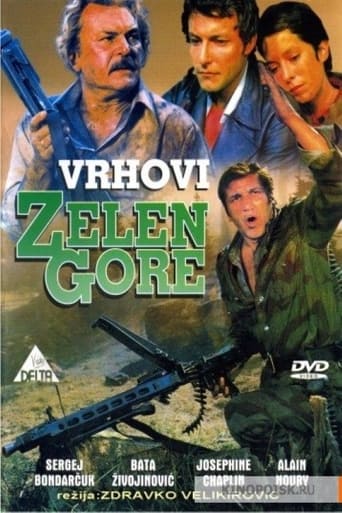
6.5During the Battle of Sutjeska, partisan troops must endure 24 hours of big and heavy attacks on German units Ljubino grave, to the main Partisan units, with the wounded and the Supreme Headquarters, pulled out the ring that is tightened around them.
The Peaks of Zelengore
1976
 6.0
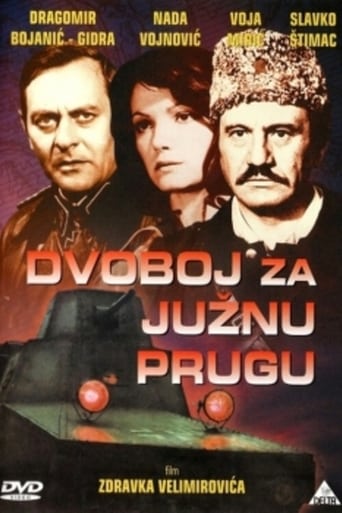
6.0Autumn, 1941. Tito's partisans are ordered to attack a railway network system used by the Germans, their Bulgarian allies and local collaborators. A bloody battle ensues.
The South Railway Battle
1978
A subtenant couple that tries unsuccessfully to have a baby and get the apartment decides to adopt one.
Plug Impermeable to Water
1971
 9.0
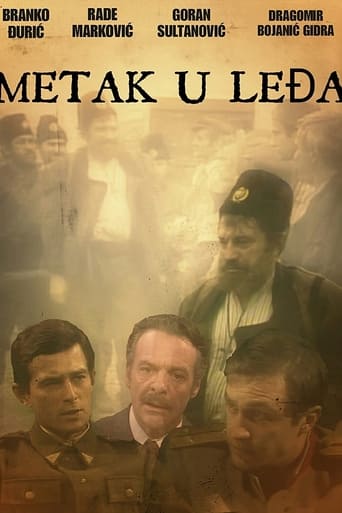
9.0This TV movie in two parts is one of the greatest movies filmed by Television Belgrade modeled on the BBC. At the end of the Second World War, coroner Ozne examines the surrender of captured partisans to the Germans, which is intertwined with the death of a young lieutenant who is a chetnik, who disappeared missing in November 1941. In this vetting the surface exposes many events and crimes that have been long hidden.
Bullet in the Back
1976
 6.4
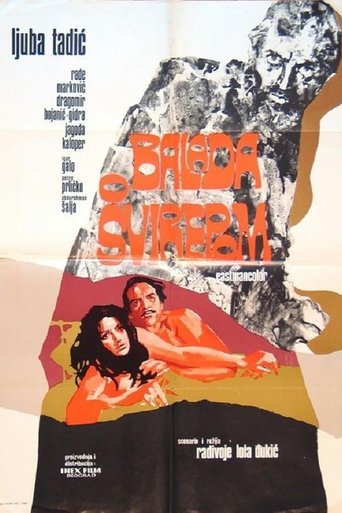
6.4Deeply hurt by his wife's adultery, a man leaves her and his son to live high up alone in the mountains of Montenegro. Many years later, the war breaks out and the two enemy factions must cross the very mountain. One of them seeks the man's help to find a path through the snow. Later that day, he finds out that one of the other side's members is no other than his son.
The Ballad of the Ferocious...
1971
 7.0
7.0Two groups of men from neighboring villages get into a clash after both of them shot one wolf for the upcoming local festivity called "vucarenje" (wolf assembly), a rural custom typical for Dalmatian Zagora. Their rivalry ends in a tragic way.
Wolf Hunters of Upper and Lower Polacha
1978
 6.8
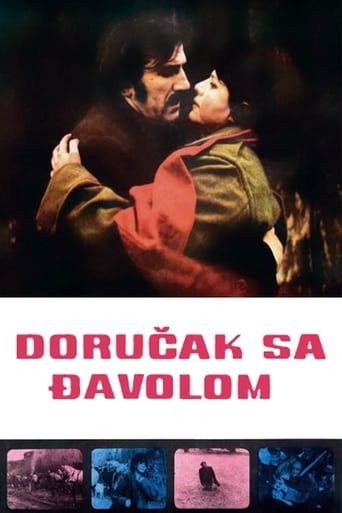
6.8In 1947, among the ruins of war and in anticipation of a catastrophic flood, the locals of a Vojvodina village find themselves caught between the devastation of their livelihoods and the demands of the new Communist authorities.
Breakfast with the Devil
1971
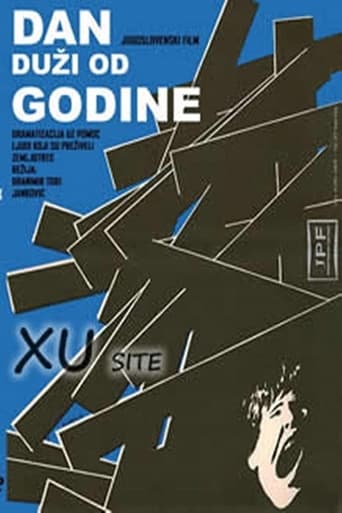 6.5
6.5The film tells of devastating earthquake in Banja Luka in 1969 and follows a group of prisoners in prison during devastating earthquake and people and residents of Banja Luka. Fate of prisoners,the fate of the city and residents of Banja Luka, are light motive of this movie.
A Day Longer Than a Year
1971
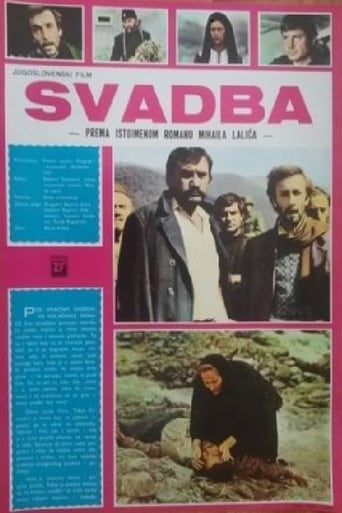 5.4
5.4Beginning in 1943. year. The tragic story of the prisoners... partisans and others who were found in a prison in Montenegro at the time when the Chetniks and the occupiers at all costs they want to crush the uprising in Yugoslavia.
Wedding
1973
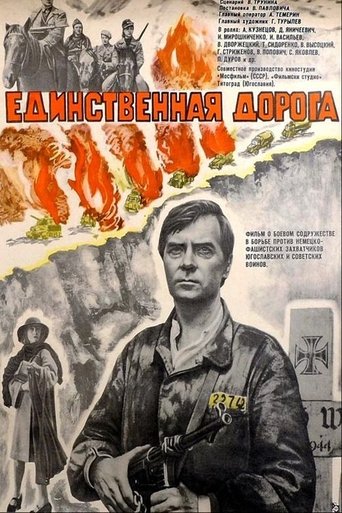 6.3
6.3Partisans attack a column of hundred german trucks cisterns, that carry fuel to the front. However, their action is difficult, as Germans have chained Soviet prisoners to the driving wheels. The mission is to stop and destroy the column and save the lives of the prisoners.
The Only Road
1975
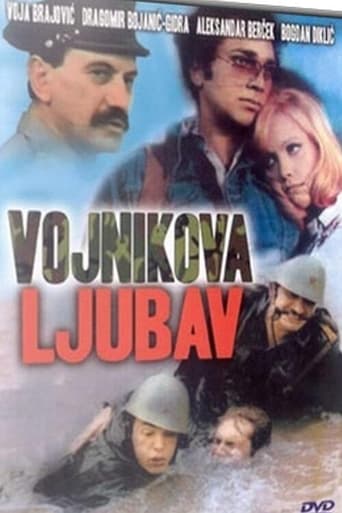 6.2
6.2Young Belgrade playboy, spoiled child of a rich family, changes for the better after spending some time in the army.
Soldier's Love
1976
1960s · 14 titles
5.9Instead of fighting over newly gained money from a coach-robbery, two gangster-brothers (El Bedoja and Chiuchi) decide to rob a bank together. But Martinez, a gangster-coward, is successfully questioned by Nigros (a clad-in-black gangster-killer who collects the money) and Rocco (a righteous ex-sheriff who doesn't and shows off even more skill in using his pistol) on their plans.
Ballad of a Gunman
1967
6.3While Cjamango is away from his ranch, bandits attack and kill his family. Disrupted by this tragedy, he sets out to take his revenge, helped by a Mexican who has seen the bandits. The writer of the western Cjamango directed this unofficial sequel to Cjamango.
May God Forgive You... But I Won't
1968
 6.0
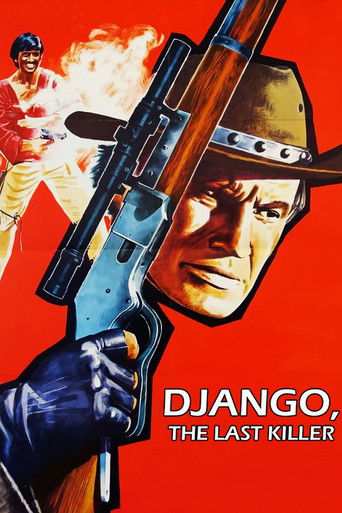
6.0Ramon's parents are killed by men of landowner John Barrett. While trying to get revenge, Ramon is wounded but has saved the life of Rezza, an old disillusioned killer. While nursing his wounds, the men become reluctanfriends and Rezza teaches Ramon the art of shooting, surviving and the loneliness a killer has to bear. Ramon becomes threat for Barrett, the landowner engages Rezza to kill Ramon.
The Last Killer
1967
 5.6
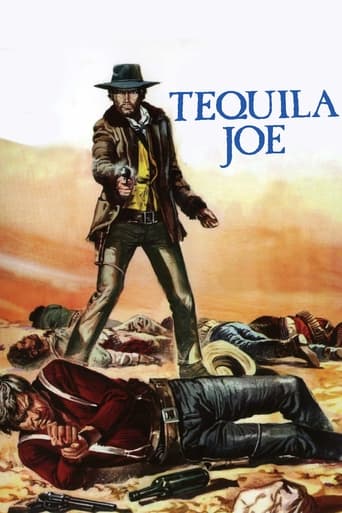
5.6A young deputy tries to sober and revitalize a washed up, alcoholic sheriff to take down a pair of warring gangs of criminals in the Old West.
Tequila Joe
1968
 3.2
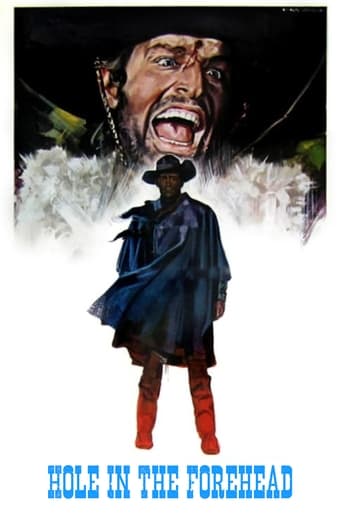
3.2A stranger and a bandit seek out a trio of playing cards that will lead them to hidden treasure.
Hole in the Forehead
1968
 5.9
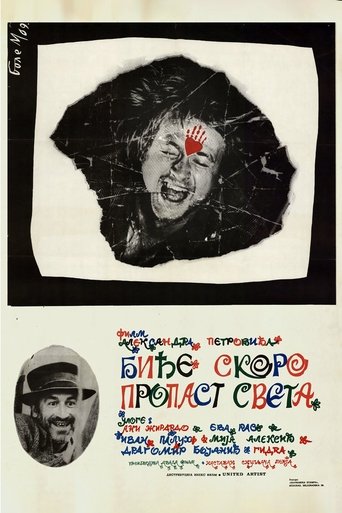
5.9A bizarre and tragic love story involving a pig farmer, the village fool, a teacher and an agricultural pilot. The story unfolds in a remote village in the communist ruled Yugoslavia at the down of Soviet occupation of Czechoslovakia in 1968.
It Rains in My Village
1968
 7.2
7.2A Serbian artillery battery of the Combined Division makes a forced march to the Cer Mountain in western Serbia to meet Austro-Hungarian troops, who have invaded the country by crossing over the Drina River. A chronicle of the Battle of Cer; a landmark battle of World War I and the first Allied victory over the Central Powers.
March on the River Drina
1964
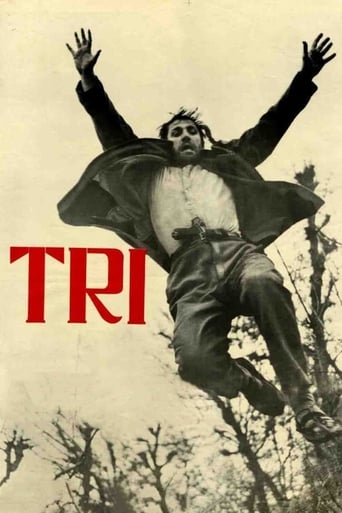 7.3
7.3Episodic WWII drama that follows a Yugoslav man through the war as he goes from witness to victim to aggressor.
Three
1965
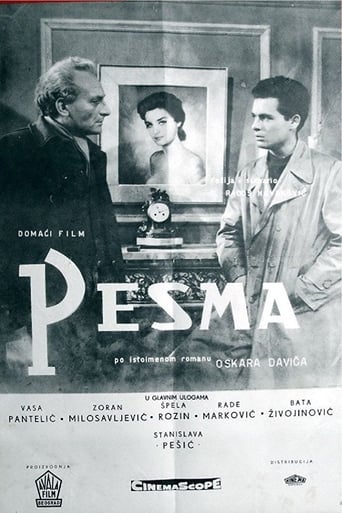 8.0
8.0An influential Serbian poet decides to leave Nazi-occupied Belgrade and join partisans in the country. A young resistance activist, however, is not so thrilled with the idea because the old and womanizing intellectual doesn't fit in with his strict moralistic standards.
The Poem
1961
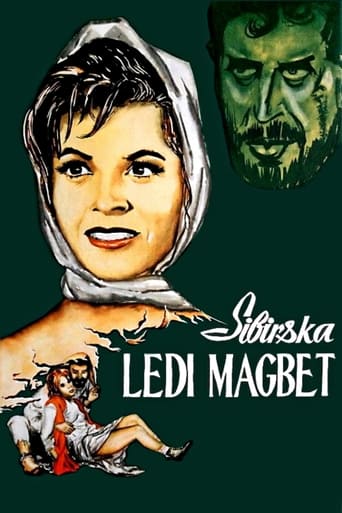 5.8
5.8A ruthless woman's adulterous affair with a drifter sets in motion a chain-reaction of murder and deception in a remote village in 19th Century Mtsensk.
Siberian Lady Macbeth
1962
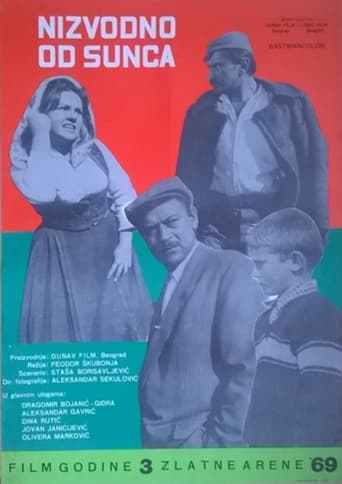 7.0
7.0Young teacher first experience in their profession acquired in a remote mountain village, which has no school building. Life of a farmer, a clash between two warring race, then the conflict between the government and farmers for cutting the national forests needed to build new schools and the presence of a young teacher who doubt the search for truth, that will lead to major conflicts and tragedies.
Downstream from the Sun
1969
 5.4
5.4A remote village in Serbia in 1941. Through the fate of rural residents and the destiny of a partisan detachment reflected is the horror and absurdity of war in Serbia during World War II. On one hand, ordinary people and partisans; the Germans and the Chetniks on the other.
Low Tide
1969
 5.9
5.9A tragicomic tale of lumberjack who joined the partisans during WW2. As a corporal, he successfully and courageously fulfilled the combat tasks with his partisan battalion. The commander sends him on a special assignment.
Cat Under a Helmet
1962
In search for the better life, three peasants Radovan, Jeremija and Gaša leave for a big city. Despite their expectations, there are many trials and temptations. Radovan manages to fit in by going to the evening school. The oldest of them, Jeremija, goes back to the village, while Gaša, after unreturned love, leaves to look for happiness somewhere else.
To Come and Stay
1965
1950s · 3 titles
 6.8
6.8An engineer and his wife move to Zenica where the construction of the first plants is taking place, during highly progressive industrialization of the country. Her dreams are not in accordance with the reality, which makes their marriage impossible to function.
Zenica
1957
 5.7
5.7A group of railroad workers decide to make extra money by smuggling forbidden goods and engaging in other criminal activities. The first crime film made in Yugoslavia.
The Last Railway
1956
 6.8
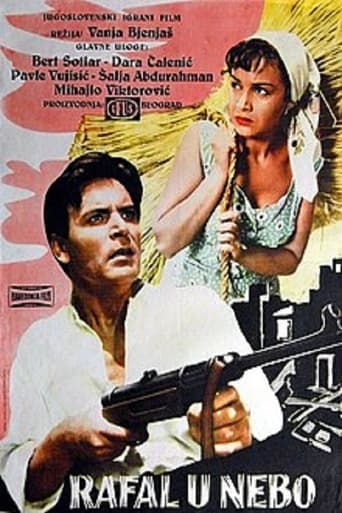
6.8Upon returning home at war's end, a young lieutenant discovers that his family has been murdered by the Nazis. It's all the handiwork of a treasonous "Chetnik," who during the war worked against the partisans on behalf of the Germans. In bitter retaliation, the lieutenant sets about to decimate the Chetnik's family. He stops short, however, when he realizes that the sins of the fathers are not always passed down to the innocent children.
Shots in the Sky
1958
Series credits
8.9Vruć vetar is one of the most popular Yugoslav TV miniseries that aired in 1980. The show and movie cut from scenes of the show were popular in neighboring countries-also very popular in Czechoslovakia. Its main theme became very popular and enjoying a bit of a cult status. The story follows Shurda, a man in his 30s, who comes from a small town to Belgrade to get rich. However, as no job is good enough for him, he tries his luck in Germany, but this venture proves to be the same, so he returns to his native Yugoslavia.
Hot Wind
1980
NRAn extended version of the eponymous feature film.
Walter Defends Sarajevo
1974