
Directing
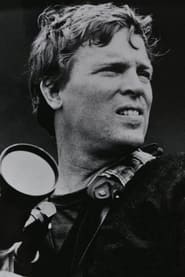
D. A. Pennebaker
Born — Died
1925-07-15 — 2019-08-01
Place of birth
Evanston, Illinois, USA
Known for
Directing
Credits
57 titles
Donn Alan Pennebaker (/ˈpɛniːbeɪkər/; July 15, 1925 – August 1, 2019) was an American documentary filmmaker and one of the pioneers of direct cinema. Performing arts and politics were his primary subjects. In 2013, the Academy of Motion Picture Arts and Sciences recognized his body of work with an Academy Honorary Award. Pennebaker was called by The Independent as "arguably the pre-eminent chronicler of Sixties counterculture."
Known for
 7.6
7.6Showcasing the best in international documentaries, Storyville has developed an enviable reputation since its inception more than a decade ago. Screening over 340 films, from some 70 different countries, the strand has garnered a staggering array of awards: five Oscars, 15 Griersons, three Peabodys and two International Emmys. In true, unique, Storyville style, the new series promises to deliver the strand's usual eclectic mix of compelling stories from across the globe.
Storyville
1997
 7.3
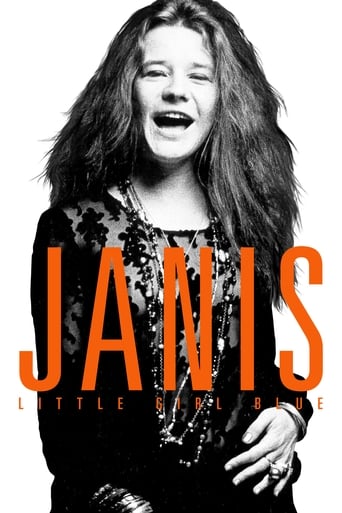
7.3Janis Joplin is one of the most respected and iconic rock & roll singers of all time, a tragic and misunderstood figure who captivated millions of listeners and blazed new creative trails before her death in 1970 at age 27. Director Amy Berg explored Joplin's story in depth. A portrait of a complicated, driven and often beleaguered artist. Joplin's own words recount a series of letters she wrote to her family over the years. Janis was a vessel of energy when she sang. Her rapid rise and untimely death changed music forever.
Janis: Little Girl Blue
2015
 7.4
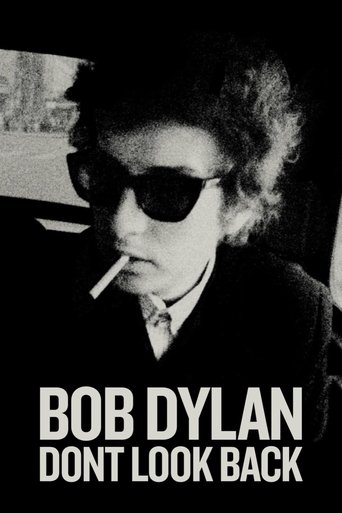
7.4In this wildly entertaining vision of one of the twentieth century’s greatest artists, Bob Dylan is surrounded by teen fans, gets into heated philosophical jousts with journalists, and kicks back with fellow musicians Joan Baez, Donovan, and Alan Price.
Bob Dylan – Don't Look Back
1967
 7.8
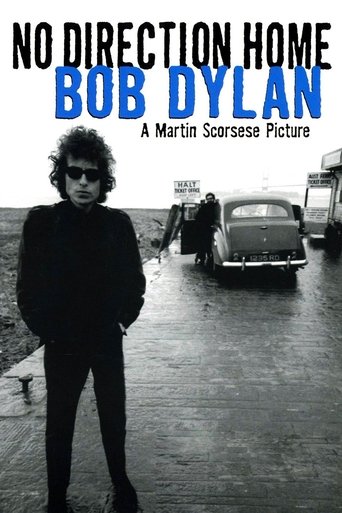
7.8A chronicle of Bob Dylan's strange evolution between 1961 and 1966 from folk singer to protest singer to "voice of a generation" to rock star.
No Direction Home: Bob Dylan
2005
 7.3
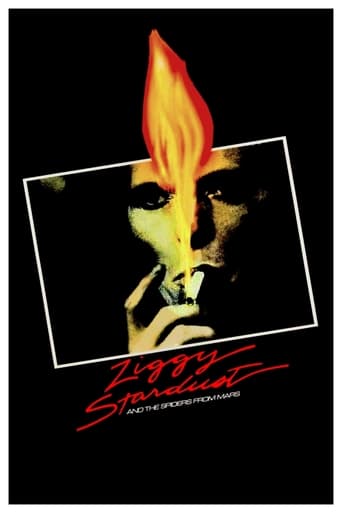
7.3Hammersmith Odeon, London, July 3, 1973. British singer David Bowie performs his alter ego Ziggy Stardust for the very last time. A decadent show, a hallucinogenic collage of kitsch, pop irony and flamboyant excess: a musical symbiosis of feminine passion and masculine dominance that defines Bowie's art and the glam rock genre.
Ziggy Stardust and the Spiders from Mars
1983
 7.4
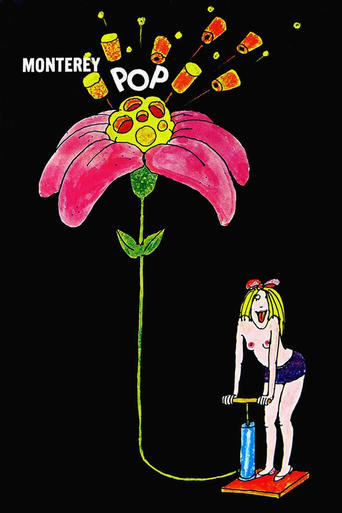
7.4Featuring performances by popular artists of the 1960s, this concert film highlights the music of the 1967 California festival. Although not all musicians who performed at the Monterey Pop Festival are on film, some of the notable acts include the Mamas and the Papas, Simon & Garfunkel, Jefferson Airplane, the Who, Otis Redding, and the Jimi Hendrix Experience. Hendrix's post-performance antics -- lighting a guitar on fire, breaking it and tossing a part into the audience -- are captured.
Monterey Pop
1968
Film credits
2010s · 7 titles
7.3Janis Joplin is one of the most respected and iconic rock & roll singers of all time, a tragic and misunderstood figure who captivated millions of listeners and blazed new creative trails before her death in 1970 at age 27. Director Amy Berg explored Joplin's story in depth. A portrait of a complicated, driven and often beleaguered artist. Joplin's own words recount a series of letters she wrote to her family over the years. Janis was a vessel of energy when she sang. Her rapid rise and untimely death changed music forever.
Janis: Little Girl Blue
2015
 NR
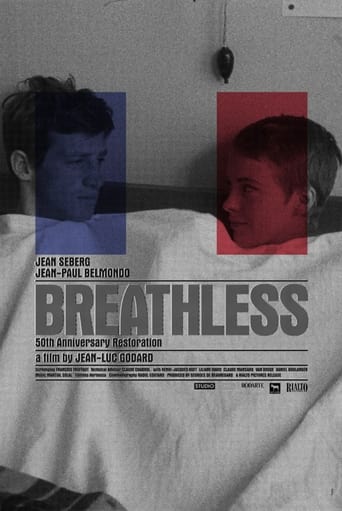
NRDocumentary by Luc Lagier exploring Godard's career as a filmmaker, the production of Breathless and his influence and his relationship with American cinema.
Godard Made in USA
2010
In 1998, documentary filmmaker Robert Drew and his associates attend the Museum of Tolerance.
Robert Drew & Associates at the Museum of Tolerance
2016
 NR
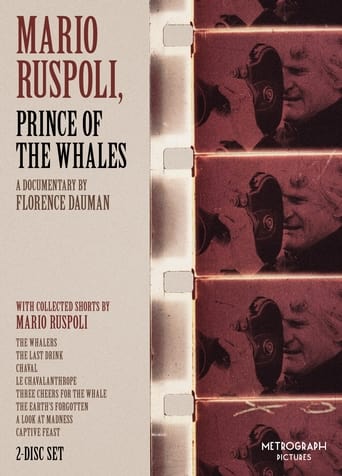
NRColleagues, friends and specialists pay tribute to the filmmaker Mario Ruspoli in a portrait that mixes encounters, archive images and film excerpts. With testimonies from Richard Leacock, Albert Maysles, Edgar Morin, D.A. Pennebaker and others.
Mario Ruspoli, Prince of the Whales
2011
 6.0
6.0Haunted by uncanny similarities between Nazi stage techniques and the showmanship employed by modern entertainers, a filmmaker investigates the dangers of audience manipulation and leader worship.
A Venue For The End Of The World
2014
A conversation between Jill Drew and D.A. Pennebaker.
Jill Drew and D.A. Pennebaker
2016
A 38-year journey that the director began in 1972 as a young filmmaker and, shooting off and throughout many years, the director filmed many and various encounters between Ricky, his friends and contemporaries including Henri Langlois, Jean Rouch, Jean-Luc Godard, DA Pennebaker, Robert Drew, and others. Mixing her own footage with film clips and rare images from Leacock's personal film archives, this film pays homage to the director's mentor and, most importantly, allows him to tell us the story of his long film making career in his own words.
Ricky on Leacock
2012
2000s · 4 titles
7.8A chronicle of Bob Dylan's strange evolution between 1961 and 1966 from folk singer to protest singer to "voice of a generation" to rock star.
No Direction Home: Bob Dylan
2005
 7.4
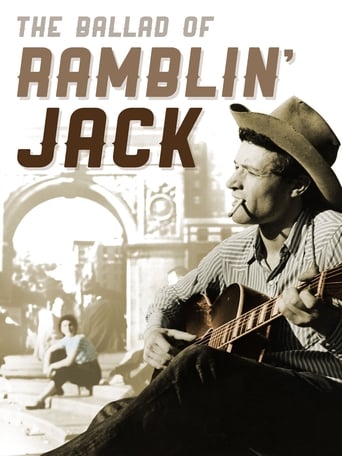
7.4With the help of her mother, family, friends, and fellow musicians, Aiyana Elliott reaches for her father, legendary cowboy troubadour, Ramblin' Jack Elliott. She explores who he is and how he got there, working back and forth between archival and contemporary footage. Born in 1932 in Brooklyn, busking through the South and West in the early 50s, a year with Woody Guthrie, six years flatpicking in Europe, a triumphant return to Greenwich Village in the early 60s, mentoring Bob Dylan, then life on the road, from gig to gig, singing and telling stories. A Grammy and the National Medal of Arts await Jack near the end of a long trail. What will Aiyana find for herself?
The Ballad of Ramblin' Jack
2000
 NR
NRShort documentary on the life and work of photographer and filmmaker Morris Engel
Morris Engel: The Independent
2008
 NR
NRWith a set of drums and an 8mm color home movie camera, Mickey Jones toured the world in 1966 with Bob Dylan and The Band. He captured on film what became known as "The tour that changed Rock and Roll forever." The booing crowds, the scathing reviews, the stomping feet, the infamous catcall of "Judas!" ... all of this in response to Dylan trading in his acoustic folk guitar for an electric sound. Now, for the first time, drummer-turned-actor Mickey Jones (Sling Blade, Home Improvement), with the help of Director Joel Gilbert, chronicles the legendary 1966 Bob Dylan World Tour through his recently discovered home movies. The updated release includes new, exclusive full-length interviews with Charlie Daniels, Johnny Rivers, 1966 World Tour and Gaslight tapes sound man Richard Alderson, and new insights and revelations by Mickey Jones.
World Tour 1966: The Home Movies
2003
1980s · 1 titles
1970s · 2 titles
 8.0
8.0The film consists of continuous panning shots up a series of 367 human legs.
Up Your Legs Forever
1971
 6.2
6.2Lighter and livelier than the films Jean-Luc Godard had made in France, his U.S. collaboration with Direct Cinema documentarian D. A. Pennebaker was meant to be One A.M., as in “one American movie”; but Godard quit the project and the U.S., where to his dismay he discovered that revolution wasn’t imminent, and Pennebaker edited Godard’s material, to which he and Richard Leacock even added a bit more, releasing the result as One P.M., as in “one parallel movie.” It’s a stunning mixture of cinéma-vérité, political theater, and interviews of key sixties figures.
1 P.M.
1971
Series credits
Behind the camera
7.4In this wildly entertaining vision of one of the twentieth century’s greatest artists, Bob Dylan is surrounded by teen fans, gets into heated philosophical jousts with journalists, and kicks back with fellow musicians Joan Baez, Donovan, and Alan Price.
Bob Dylan – Don't Look Back
1967
7.4In this wildly entertaining vision of one of the twentieth century’s greatest artists, Bob Dylan is surrounded by teen fans, gets into heated philosophical jousts with journalists, and kicks back with fellow musicians Joan Baez, Donovan, and Alan Price.
Bob Dylan – Don't Look Back
1967
7.3Hammersmith Odeon, London, July 3, 1973. British singer David Bowie performs his alter ego Ziggy Stardust for the very last time. A decadent show, a hallucinogenic collage of kitsch, pop irony and flamboyant excess: a musical symbiosis of feminine passion and masculine dominance that defines Bowie's art and the glam rock genre.
Ziggy Stardust and the Spiders from Mars
1983
7.4Featuring performances by popular artists of the 1960s, this concert film highlights the music of the 1967 California festival. Although not all musicians who performed at the Monterey Pop Festival are on film, some of the notable acts include the Mamas and the Papas, Simon & Garfunkel, Jefferson Airplane, the Who, Otis Redding, and the Jimi Hendrix Experience. Hendrix's post-performance antics -- lighting a guitar on fire, breaking it and tossing a part into the audience -- are captured.
Monterey Pop
1968
 5.7
5.7Those who played prominent roles in Clinton's 1992 Presidential campaign return to discuss how politics and the media have changed since that time.
The Return of the War Room
2008
 7.2
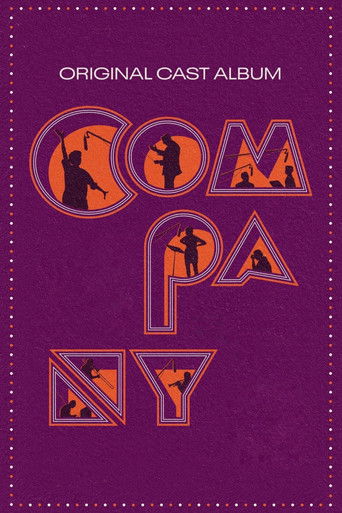
7.2In 1970, right after the triumphant premiere of Stephen Sondheim’s groundbreaking concept musical Company, the renowned composer and lyricist, his director Harold Prince, the show’s stars, and a large pit orchestra all went into a Manhattan recording studio as part of a time-honored Broadway tradition: the making of the original cast album. What ensued was a marathon session in which all involved pushed themselves to the limit.
Original Cast Album: Company
1970
 5.5
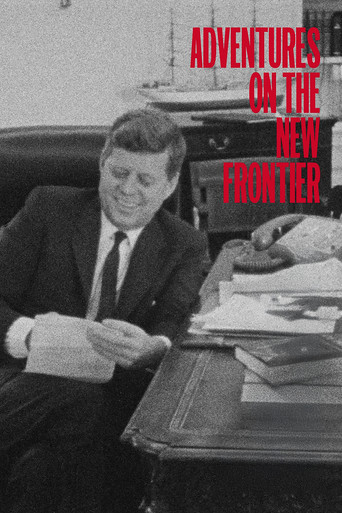
5.5A look at the daily business of U.S. President John F. Kennedy, with a focus on some of the political issues he faces six weeks into his term. Preserved by the Academy Film Archive in 2007.
Adventures on the New Frontier
1961
 6.8
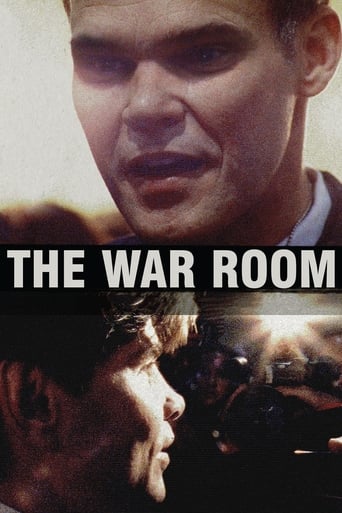
6.8A behind-the-scenes documentary about the Clinton for President campaign, focusing on the adventures of spin doctors James Carville and George Stephanopoulos.
The War Room
1993
 7.6
7.6On May 24, 2000, the historic Ryman Auditorium was booked to offer Nashvillians an evening of sublime beauty. Label executives and soundtrack producers so loved the music of O Brother, Where Art Thou? that they brought it to life as a benefit concert for the Country Music Hall of Fame. Filmmakers Joel and Ethan Coen loved it so much that they hired famed documentary filmmaker D.A. Pennebaker to record the show for posterity. The concert that unfolded that night was one of the greatest musical moments in the annals of Music City. Performers: John Hartford, Alison Krauss, Emmylou Harris, Gillian Welch, Chris Thomas King, The Cox Family, Fairfield Four, Union Station, Colin Linden, The Nashville Bluegrass Band, The Peasall Sisters, Ralph Stanley, David Rawlings, The Whites.
Down from the Mountain
2001
 7.4
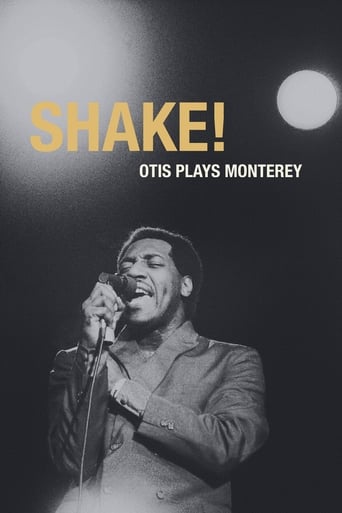
7.4Renowned documentary filmmaker D.A. Pennebaker captures Otis Redding in his ascendancy, singing at the historic Monterey International Pop Festival in June 1967. Comedian Tom Smothers introduces Redding to a crowd that is leaving -- until Redding grabs them with his charged rendition of "Shake." Redding's performance also includes "Respect" (which he wrote), "I've Been Loving You Too Long," "Satisfaction," and "Try a Little Tenderness." Tragically, Redding died in a plane crash six months later. An innovative filmmaker who started in the 1950s making experimental films, Pennebaker garnered an Oscar nomination for Best Documentary Feature in 1993 for The War Room, his behind-the-scenes look at Bill Clinton's 1992 campaign. His other subjects have included Norman Mailer, Bob Dylan, and David Bowie.
Shake! Otis at Monterey
1987
 7.5
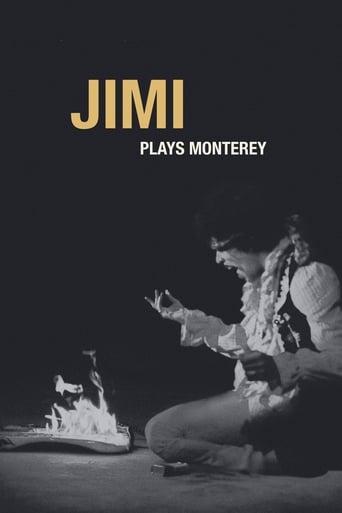
7.5Jimi Hendrix's debut American set at 1967's Monterey Pop Festival is generally considered one of the most radical and legendary live shows ever. Virtually unknown to American audiences at the time, even though he was already an established entity in the UK, Hendrix and his two-piece Experience explode on stage, ripping through blues classics "Rock Me Baby" and Howlin' Wolf's "Killing Floor," interpreting and electrifying Bob Dylan's "Like a Rolling Stone," debuting songs from his yet-to-be-released first album and closing with the now historic sacrificing/burning of his guitar during an unhinged version of "Wild Thing" that even its writer Chip Taylor would never have imagined. Hendrix uses feedback and distortion to enhance the songs in whisper-to-scream intensity, blazing territory that had not been previously explored with as much soul-frazzled power.
Jimi Plays Monterey
1987
"This film follows one week in the life of a jazz trumpeter and heroin addict named David Allen, who is living in a communal drug rehabilitation center in Santa Monica, California called Synanon House, where individuals struggling with addiction voluntarily join together to help each other stay off drugs. The film is a Drew Associates production that was executive produced by Robert Drew and directed by Gregory Shuker, D. A. Pennebaker, and William Ray" (US National Archives).
David
—
 7.5
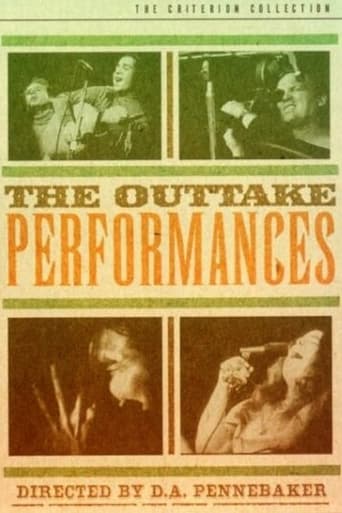
7.5Additional musical performances from the 1967 Monterey Pop Festival in California, shot for the film Monterey Pop (1968) and released on the Criterion Blu-ray The Complete Monterey Pop Festival.
Monterey Pop - The Outtake Performances
2002
 NR
NRDuring the fertile early years of Drew Associates following the breakthrough of Primary, came this seldom-seen portrait of David Allen, a jazz trumpeter struggling in the Santa Monica drug rehabilitation center Synanon House. Pennebaker’s love of music drew him to David and the film prefigures later portraits such as Dont Look Back. He teamed with Life photographer William Ray and producer Gregory Shuker.
David
1961
 6.9
6.9During a two-day period before and after the University of Alabama integration crisis, the film uses five camera crews to follow President John F. Kennedy, attorney general Robert F. Kennedy, Alabama governor George Wallace, deputy attorney general Nicholas Katzenbach and the students Vivian Malone and James Hood. As Wallace has promised to personally block the two black students from enrolling in the university, the JFK administration discusses the best way to react to it, without rousing the crowd or making Wallace a martyr for the segregationist cause. Preserved by the Academy Film Archive in partnership with The Film Foundation in 1999.
Crisis: Behind a Presidential Commitment
1963
 6.7
6.7Friends since high school, 20-somethings Kaleil Isaza Tuzman and Tom Herman have an idea: a Web site for people to conduct business with municipal governments. This documentary tracks the rise and fall of govWorks.com from May of 1999 to December of 2000, and the trials the business brings to the relationship of these best friends. Kaleil raises the money, Tom's the technical chief. A third partner wants a buy out; girlfriends come and go; Tom's daughter needs attention. And always the need for cash and for improving the site. Venture capital comes in by the millions. Kaleil is on C-SPAN, CNN, and magazine covers. Will the business or the friendship crash first?
Startup.com
2001
 7.2
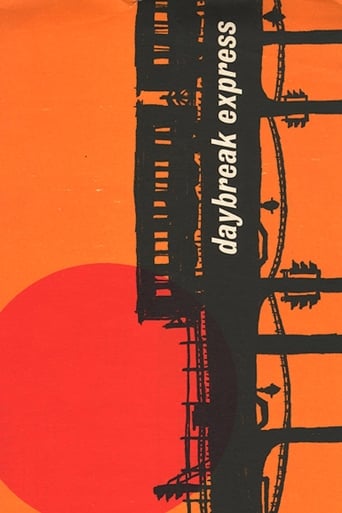
7.2Set to a classic Duke Ellington recording "Daybreak Express", this is a five-minute short of the soon-to-be-demolished Third Avenue elevated subway station in New York City.
Daybreak Express
1957
7.2Set to a classic Duke Ellington recording "Daybreak Express", this is a five-minute short of the soon-to-be-demolished Third Avenue elevated subway station in New York City.
Daybreak Express
1957
 6.6
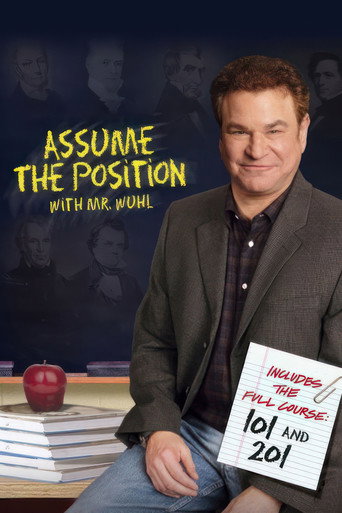
6.6Emmy-winning actor-comedian Robert Wuhl assumes the role of college professor in this hilarious history lesson conducted in front of an audience of actual New York City college students. Four segments explore the lesser-known aspects of America's storied past that everybody thought they already knew -- including the truth about Paul Revere, the hypocrisy of several founding fathers and the origin of many "modern" ideas.
Assume the Position with Mr. Wuhl
2006
 7.5
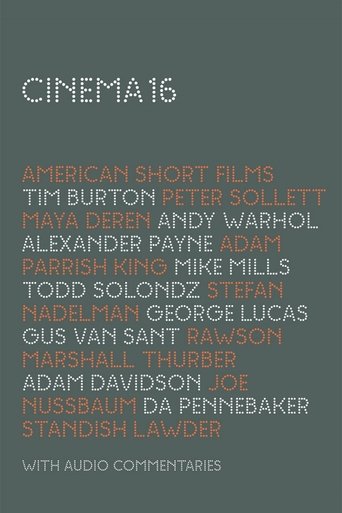
7.5CINEMA16 celebrates the short film by showcasing some of the best classic and award-winning shorts on DVD. With over three hours of films CINEMA16: AMERICAN SHORT FILMS is essential viewing for anyone with an interest in the moving image. Films include Gus Van Sant's 1982 adaptation of a William S. Burroughs short story, The Discipline Of DE, Tim Burton's early stop motion animated classic Vincent, George Lucas' USC short Freiheit, Alexander Payne's previously unreleased UCLA graduation short Carmen, Paperboys by Mike Mills, D.A. Pennebaker's Duke Ellington scored Daybreak Express, Todd Solondz's NYU short Feelings, along with Oscar Winner The Lunch Date by Adam Davidson, Stefan Nadelman's multi- award winning documentary Terminal Bar, Joe Nussbaum's cult classic George Lucas In Love and 2006 Sundance Winner The Wraith Of Cobble Hill by Adam Parrish King. Films are subtitled in French, German, Italian, Spanish and Japanese, and include commentaries from many of the directors involved.
Cinema16: American Short Films
2006
 7.8
7.8A documentary portrait of the backstage efforts to stage the play Moon Over Buffalo on Broadway.
Moon Over Broadway
1997
 8.0
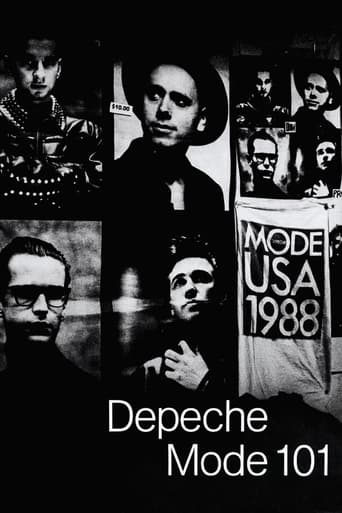
8.0A fascinating documentary focusing on backstage realities of art and business during the British synthesizer band's 1988 American tour.
Depeche Mode: 101
1989
 7.0
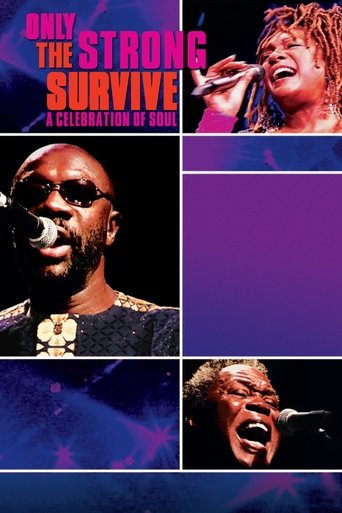
7.0A film featuring the veteran soul music artists and music of Stax Records. It tells the story of soul, a musical genre that was to have a major influence on other styles of music for decades. Ten legends of soul talk about the beginnings and still show at their concerts today that, despite their advanced age, they have lost none of the energy and joie de vivre that defines this music.
Only the Strong Survive
2002
 5.8
5.8On the evening of April 30, 1971, a standing room only audience of local literati and feminists packed New York City’s Town Hall to watch Norman Mailer, who had just written “The Prisoner of Sex,” grapple with a panel of passionate feminists. The subject was Women’s Liberation, an issue on which Mailer seemed like the devil’s own advocate.
Town Bloody Hall
1979
5.8On the evening of April 30, 1971, a standing room only audience of local literati and feminists packed New York City’s Town Hall to watch Norman Mailer, who had just written “The Prisoner of Sex,” grapple with a panel of passionate feminists. The subject was Women’s Liberation, an issue on which Mailer seemed like the devil’s own advocate.
Town Bloody Hall
1979
 NR
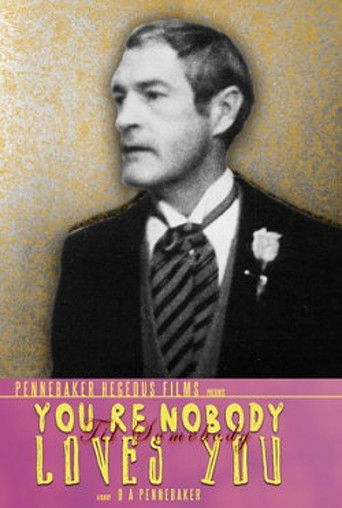
NRDescription by D.A Pennebaker: "This movie is something of a mystery. Timothy Leary was getting married to a model named Nena Von Schlebrugge up in Millbrook, New York at the Hitchcock house, where Leary had been carrying on his hallucinogenic revelries for the past year or so after leaving Harvard. It was rumored that this was going to be the wedding of the season, the wedding of Mr. And Mrs. Swing as Cab Calloway put it. Blackwood took me downtown to meet Monte Rock III who was singing at Trudy Heller’s but who was also a very pricey and off-the-wall hairdresser and was in fact going to be doing the bride’s hair. Nena’s brother, Bjorn, known as the “Baron” was a friend of the Hitchcock’s, as was I, and the idea of going along and filming the wedding seemed not unwarranted. I’ve always wanted to film someone getting married."
You’re Nobody Till Somebody Loves You
1964
NRDescription by D.A Pennebaker: "This movie is something of a mystery. Timothy Leary was getting married to a model named Nena Von Schlebrugge up in Millbrook, New York at the Hitchcock house, where Leary had been carrying on his hallucinogenic revelries for the past year or so after leaving Harvard. It was rumored that this was going to be the wedding of the season, the wedding of Mr. And Mrs. Swing as Cab Calloway put it. Blackwood took me downtown to meet Monte Rock III who was singing at Trudy Heller’s but who was also a very pricey and off-the-wall hairdresser and was in fact going to be doing the bride’s hair. Nena’s brother, Bjorn, known as the “Baron” was a friend of the Hitchcock’s, as was I, and the idea of going along and filming the wedding seemed not unwarranted. I’ve always wanted to film someone getting married."
You’re Nobody Till Somebody Loves You
1964
 8.0
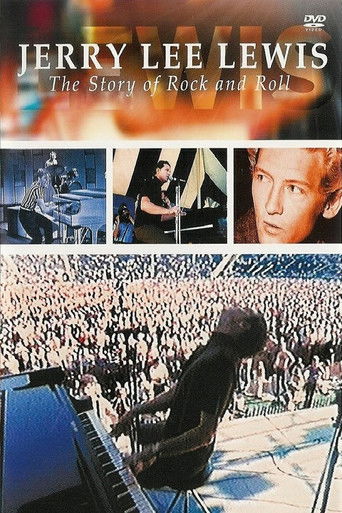
8.0Although he only had three Top 10 hits, Jerry Lee Lewis is considered one of the most influential artists of the early days of rock 'n' roll. Experience the talent and energy of this rock pioneer with this mix of 1969 concert footage and clips of his frenzied, acrobatic performances from the 1950s. Headlines and footage tell of Lewis's rise to fame and subsequent plummet into scandal (with his marriage to his 13-year-old cousin).
Jerry Lee Lewis: The Story of Rock and Roll
1991
 7.1
7.1Sweet Toronto is a documentary by D.A. Pennebaker of the Toronto Rock and Roll Revival, a one day festival held September 13, 1969 at Varsity Stadium on the campus of the University of Toronto and attended by some 20,000 people. John Lennon played as part of the Plastic Ono Band, whose members also included Yoko Ono, Klaus Voorman, Alan White, and Eric Clapton. The video also features a selection of other acts: Jerry Lee Lewis, Little Richard, and Bo Diddley.
Sweet Toronto
1971
 NR
NRConcert documentary of The National's performance at Brooklyn Academy of Music in 2010, interspersed with interview footage of the band.
The National - 'High Violet' Live From Brooklyn Academy of Music
2010
 NR
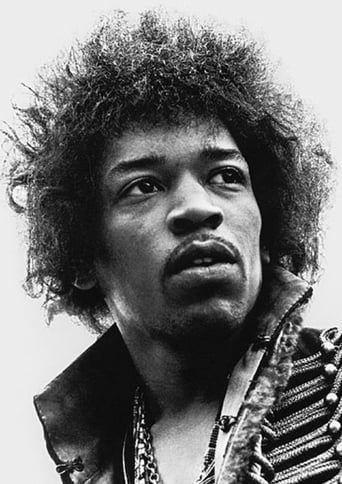
NRAn unreleased concert film, shot at the Generation Club on 8th St. in NYC on April 7, 1968. Big Brother & The Holding Co. "Summertime" Joni Mitchell "Sisotowbell Lane" Buddy Guy "Stormy Monday" Jimi Hendrix with Hugh McCracken B.B. King with Paul Butterfield and Elvin Bishop Richie Havens "All Along The Watchtower/Sing This All Together"
Wake at Generation
1968
 10.0
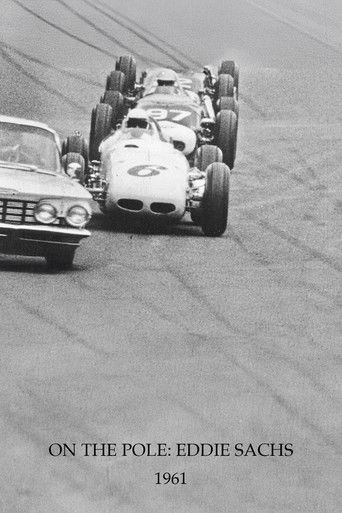
10.0A direct-cinema portrait of Indianapolis 500 driver Eddie Sachs, filmed before, during, and after the 1960 race as he competes from pole position. Using pioneering mobile camera and sound techniques, the film captures the psychological intensity of racing and the personal cost of high-speed competition.
On the Pole: Eddie Sachs
1961
 NR
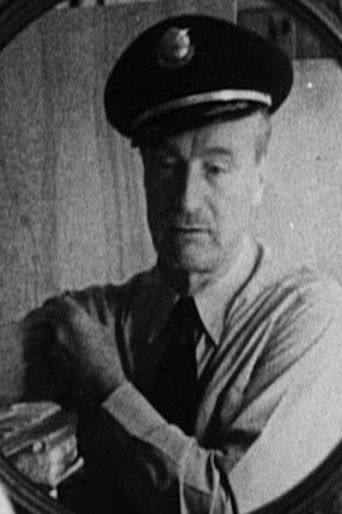
NRStory of the last flight of TWA pilot Harold Blackburn and his retirement at age 60 after 40 years.
Blackie
1962
 7.0
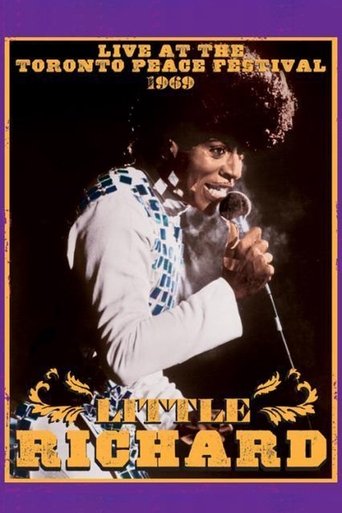
7.0Keep On Rockin', aka Little Richard: Keep On Rockin' (USA video title) is a film of a 1969 Little Richard concert at the Sweet Toronto Peace Festival, originally released in 1970. Richard performs a number of his greatest hits, including "Good Golly Miss Molly," "Long Tall Sally," and "Tutti Frutti." The film is in color.
Little Richard: Keep on Rockin'
1973
7.0Keep On Rockin', aka Little Richard: Keep On Rockin' (USA video title) is a film of a 1969 Little Richard concert at the Sweet Toronto Peace Festival, originally released in 1970. Richard performs a number of his greatest hits, including "Good Golly Miss Molly," "Long Tall Sally," and "Tutti Frutti." The film is in color.
Little Richard: Keep on Rockin'
1973
 8.4
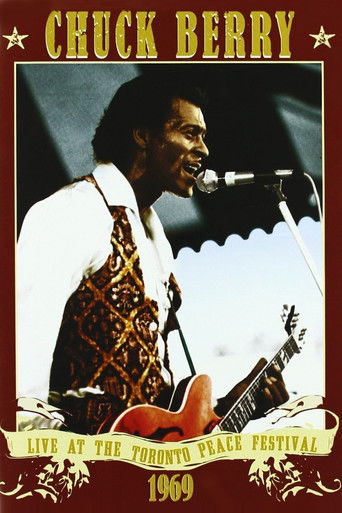
8.4A pioneer in the world of rock-'n'-roll guitar, Chuck Berry has created a legacy that spans decades. Berry performs some of his greatest hits and all-time favorites in this concert video that was filmed on September 13, 1969 at 'Toronto Rock'n'Roll Revival.' The Concert includes the songs "Rock and Roll Music," "Long Live Rock and Roll," "Johnny B. Goode," "Promised Land," "Carol," "Hoochie Koochie Man," "Maybellene," "Too Much Monkey Business," "Reelin' and Rockin'," "Sweet Little Sixteen" and "In the Wee, Wee Hours."
Chuck Berry: Rock and Roll Music
1992
 7.5
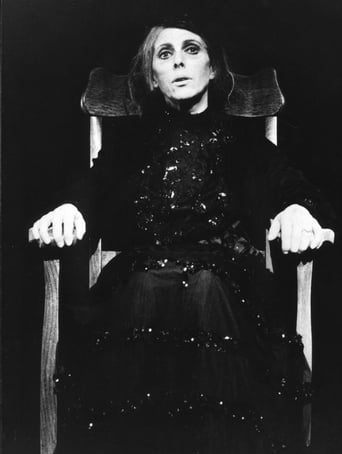
7.5The filmmakers accompany Alan Schneider, director of the American premieres of most of Beckett's plays, and producer Daniel Labeille to the home of Billie Whitelaw, whom Schneider, ironically, had never met previously, and takes us through the rehearsal process of Beckett's newest play, including the recording of the dialogue, as almost all of it is voiceover. The final fifteen minutes of the film are the premiere performance in its entirety.
Making Samuel Beckett's 'Rockaby'
1983
 10.0
10.0The complete collection of Depeche Modes videos.
Depeche Mode: Video Singles Collection
2016
 NR
NRDepeche Mode's famous 101st and final concert of the 1987-1988 Music For The Masses Tour at the Rose Bowl in Pasadena.
Depeche Mode: Live at the Pasadena Rose Bowl
1989
 NR
NRThe doc brings us back to a 1961 football game played in front of 40,000 people at the Orange Bowl. A high school football game, pitting Miami High against their rivals from Edison High. The title refers to the coaches of each, and the film follows them separately, with their real families and their clan of players, in the days leading up to the big event. And then at last it astonishingly chronicles the game from all kinds of angles you wouldn’t expect from even the newly mobile tools of the Drew crew. Today’s television coverage doesn’t come nearly as close to capturing the spirit of the sport and its fans the way Lipscomb does here. (Nothing But the Doc)
Mooney vs. Fowle
1962