Writing
Isaac Asimov
Born — Died
1920-01-02 — 1992-04-06
Place of birth
Petrovichi, Russia
Known for
Writing
Credits
16 titles
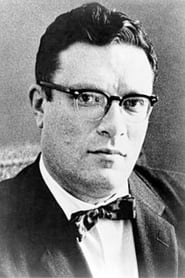
Isaac Asimov (born Isaak Yudovich Ozimov, January 2, 1920 – April 6, 1992) was an American author and professor of biochemistry at Boston University, best known for his works of science fiction and for his popular science books. Asimov was one of the most prolific writers of all time, having written or edited more than 500 books and an estimated 9,000 letters and postcards. His works have been published in nine of the ten major categories of the Dewey Decimal System (The sole exception being the 100s: philosophy and psychology, although he did write a foreword for The Humanist Way, which is published in the 100s). Isaac Asimov is widely considered a master of hard science fiction and, along…
Known for
 5.8
5.8The Mike Douglas Show is an American daytime television talk show hosted by Mike Douglas that originally aired only in the Cleveland area during much of its first two years on the air. It then went into syndication in 1963 and remained on television until 1982. It was distributed by Westinghouse Broadcasting and for much of its run, originated from studios of two of the company's TV stations in Cleveland and Philadelphia.
The Mike Douglas Show
1961
The BBC's flagship cinema review TV program featuring reviews of new releases, news items and interviews. The title of the program changes each year to incorporate the year of broadcast.
Film '72
1971
 7.1
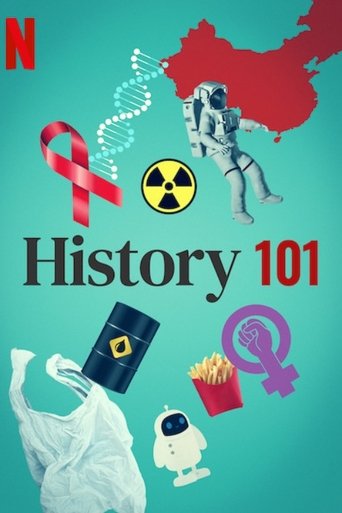
7.1Infographics and archival footage deliver bite-size history lessons on scientific breakthroughs, social movements and world-changing discoveries.
History 101
2020
 6.8
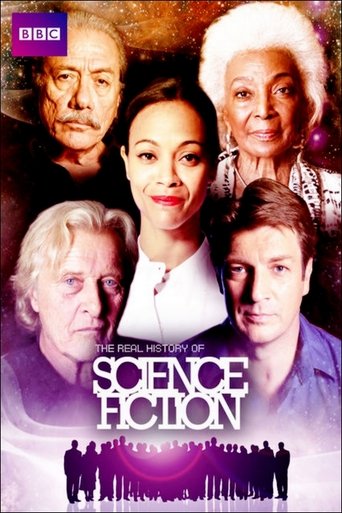
6.8The series heads to the very frontiers of space and science to produce the definitive television history of science fiction, told through its impact on cinema, television and literature, with the help of filmmakers, writers, actors, and graphic artists. Each episode will explore one of the enduring themes of science fiction: time travel; the exploration of space; robots and artificial intelligence; and aliens.
The Real History of Science Fiction
2014
Produced in 1979, this classic short documentary explores the mass media and its impact upon society, uncovering shocking details showing how in many cases it is the media itself that drives the news cycle.
Since '45
1979
 NR
NRTelevision documentary filmed at a Doctor Who convention, including interviews with directors, writers and actors.
Doctor Who's Who's Who
1985
Film credits
1980s · 4 titles
 10.0
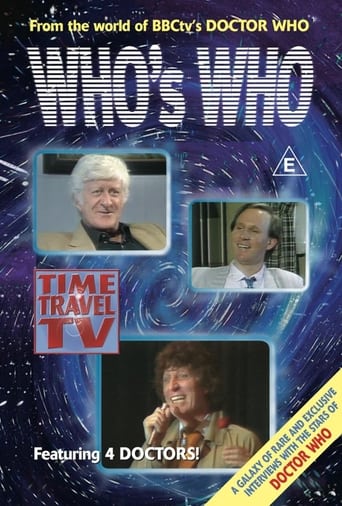
10.0Produced for American Public Television, this documentary on the long-running Doctor Who television series features interviews with actors and actresses who played the traveling companions of the Time Lord hero and with three actors, Jon Pertwee, Peter Davison, and Colin Baker, who portrayed the title character, as well as footage of a U.S. fan convention where Tom Baker, appeared and answered questions. The fan backlash against the 1985-6 hiatus for the series and the finding of some previously lost Jon Pertwee era episodes are addressed, and this documentary closes with some on-the-street interviews with British viewers, who tell who their favorite Doctor is.
Who's Who
1986
 9.5
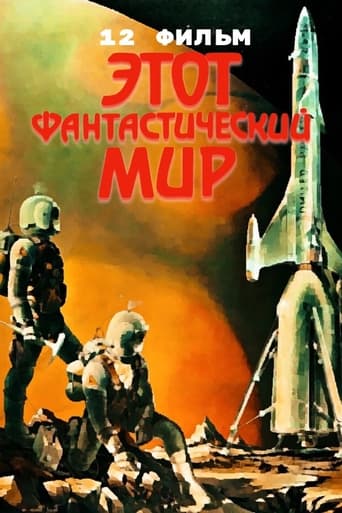
9.5Based on science fiction stories about the relationship between man and robot: A. Belyaev’s “Open Sesame” about how a robot servant robbed two old men; A. Azimova's "Liar" about a robot who can read minds and turns out to be the most humane among people; F. Chilander's "Court" about how robots tried the last person living in the city.
This Fantastic World 12
1987
 6.5
6.5Really strange documentary of Wheeler Dixon production quality on the Tunguska Event and the possibility of it happening again causing an apocalypse (basically a meteor scare film) sprinkled with UFO conspiracy kooks, and other 'professionals', riddled with stock footage of all kinds, freaky moog music and sound fx, a Dr. Who rip-off end theme, Victor Buono as Homer the Archivist, a philosophical history recorder in a space ship with a HAL 9000 type talking computer named Ino, there's also another space ship with Egyptian looking aliens girls with pasties and see-thru blouses.
Target... Earth?
1980
 8.0
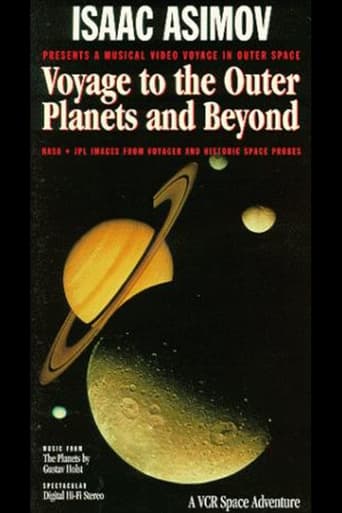
8.0Travel to the edges of our solar system with this unique blend of photographic images, video and computer animation. Hosted by renowned scientist and author Isaac Asimov, the program is set to Gustav Holst's moving 1917 musical suite "The Planets." The infrequently seen footage from NASA includes images of planets and other impressive galactic bodies, including Jupiter, Saturn's rings, Pluto and much more.
Isaac Asimov: Voyage to the Outer Planets & Beyond
1986
1970s · 3 titles
Produced in 1979, this classic short documentary explores the mass media and its impact upon society, uncovering shocking details showing how in many cases it is the media itself that drives the news cycle.
Since '45
1979
A young girl learns the importance of reading, when she ends up in a dystopian future where reading is banned.
The Magnificent Major
1977
 8.0
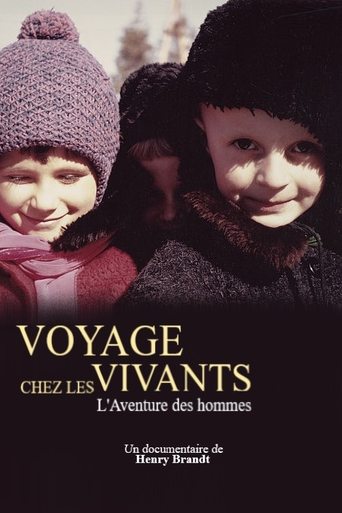
8.0No synopsis available yet.
Voyage chez les vivants - L'Aventure des hommes
1970
Series credits
5.8The Mike Douglas Show is an American daytime television talk show hosted by Mike Douglas that originally aired only in the Cleveland area during much of its first two years on the air. It then went into syndication in 1963 and remained on television until 1982. It was distributed by Westinghouse Broadcasting and for much of its run, originated from studios of two of the company's TV stations in Cleveland and Philadelphia.
The Mike Douglas Show
1961
The BBC's flagship cinema review TV program featuring reviews of new releases, news items and interviews. The title of the program changes each year to incorporate the year of broadcast.
Film '72
1971
7.1Infographics and archival footage deliver bite-size history lessons on scientific breakthroughs, social movements and world-changing discoveries.
History 101
2020
6.8The series heads to the very frontiers of space and science to produce the definitive television history of science fiction, told through its impact on cinema, television and literature, with the help of filmmakers, writers, actors, and graphic artists. Each episode will explore one of the enduring themes of science fiction: time travel; the exploration of space; robots and artificial intelligence; and aliens.
The Real History of Science Fiction
2014
NRTelevision documentary filmed at a Doctor Who convention, including interviews with directors, writers and actors.
Doctor Who's Who's Who
1985
 7.0
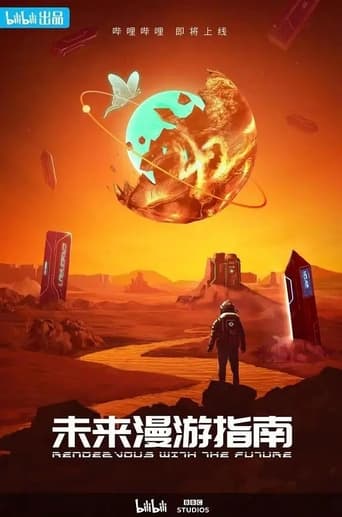
7.0Documentary series exploring the science behind the science fiction of the award-winning writer Liu Cixin, author of "The Three-Body Problem".
Rendezvous with the Future
2022