Acting
Chris Brasher
Born — Died
1928-08-21 — 2003-02-28
Place of birth
Georgetown, Guyana
Known for
Acting
Credits
22 titles
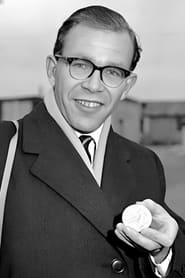
Christopher William Brasher CBE (21 August 1928 – 28 February 2003) was a British track and field athlete, sports journalist and co-founder of the London Marathon. Brasher married English tennis champion Shirley Bloomer in 1959 Born in Georgetown, British Guiana, "Chris" Brasher went to Rugby School and then to St John's College, Cambridge, where he studied geology. He was an avid mountaineer and as a student was president of the Cambridge University Mountaineering Club and in 1948 led an expedition to Baffin Island with W A Deer. At the 1956 Summer Olympics in Melbourne, Brasher finished first in the 3000 meter steeplechase with a time of 8 minutes 41.2 seconds, but was disqualified for a…
Known for
Ten-part BBC series looking at aspects of rock-climbing. A TV series for beginners with the accent on safety. With John Earle and Ron James. Episodes are: Mountain country, Basics, Learning to lead a climb, Protecting the leader, Climbing in twos, Harder climbs, Artificial climbing, Specialized techniques, Abseiling and prusiking, Crag rescue.
Crag Rescue
1974
 8.3
8.3Grandstand was a British television sport programme. Broadcast between 1958 and 2007, it was one of the BBC's longest running sports shows, alongside BBC Sports Personality of the Year. Its first presenter was Peter Dimmock. There were only four main presenters of the programme during its long history: David Coleman, Frank Bough, Des Lynam, and Steve Rider. Changes in the structure of the programme during its last few years, however, meant it did not have a regular main presenter during this time. Among the more occasional hosts were Alan Weeks, David Icke, Clare Balding, Hazel Irvine, Bob Wilson, David Vine, Barry Davies, Dougie Donnelly, Harry Carpenter, Harry Gration, John Inverdale, Tony Gubba, Helen Rollason, Ray Stubbs and Sue Barker. The last editions of Grandstand were broadcast over the weekend of 27–28 January 2007.
Grandstand
1958
Ten-part BBC series looking at aspects of rock-climbing. A TV series for beginners with the accent on safety. With John Earle and Ron James. Episodes are: Mountain country, Basics, Learning to lead a climb, Protecting the leader, Climbing in twos, Harder climbs, Artificial climbing, Specialized techniques, Abseiling and prusiking, Crag rescue.
Harder Climbs
1974
Ten-part BBC series looking at aspects of rock-climbing. A TV series for beginners with the accent on safety. With John Earle and Ron James. Episodes are: Mountain country, Basics, Learning to lead a climb, Protecting the leader, Climbing in twos, Harder climbs, Artificial climbing, Specialized techniques, Abseiling and prusiking, Crag rescue.
Basics
1974
 NR
NRA climb to mark the 100th anniversary of the first ascent of the Matterhorn, live on TV. The programme, a coproduction of the Swiss, French, Italian and British televisions, was shown throughout Europe, in the United States and in Japan in a series of 5 broadcasts between 8 and 16h. This film, by the Swiss television, is a summary of the live broadcasts in a in a single program. Ian McNaught-Davis roped with the guide Heinrich Taugwalder and Jean Juge with Robert Bichler narrating the ascent while they climb by the original Whymper route. They follow the progression of Michel Darbellay and Hilti von Allmen who climb the north face by the Schmidt route. The program ends when all the teams meet at the summit.
The Matterhorn Live
1965
Ten-part BBC series looking at aspects of rock-climbing. A TV series for beginners with the accent on safety. With John Earle and Ron James. Episodes are: Mountain country, Basics, Learning to lead a climb, Protecting the leader, Climbing in twos, Harder climbs, Artificial climbing, Specialized techniques, Abseiling and prusiking, Crag rescue.
Artificial Climbing
1974
Film credits
1970s · 11 titles
Ten-part BBC series looking at aspects of rock-climbing. A TV series for beginners with the accent on safety. With John Earle and Ron James. Episodes are: Mountain country, Basics, Learning to lead a climb, Protecting the leader, Climbing in twos, Harder climbs, Artificial climbing, Specialized techniques, Abseiling and prusiking, Crag rescue.
Crag Rescue
1974
Ten-part BBC series looking at aspects of rock-climbing. A TV series for beginners with the accent on safety. With John Earle and Ron James. Episodes are: Mountain country, Basics, Learning to lead a climb, Protecting the leader, Climbing in twos, Harder climbs, Artificial climbing, Specialized techniques, Abseiling and prusiking, Crag rescue.
Harder Climbs
1974
Ten-part BBC series looking at aspects of rock-climbing. A TV series for beginners with the accent on safety. With John Earle and Ron James. Episodes are: Mountain country, Basics, Learning to lead a climb, Protecting the leader, Climbing in twos, Harder climbs, Artificial climbing, Specialized techniques, Abseiling and prusiking, Crag rescue.
Basics
1974
Ten-part BBC series looking at aspects of rock-climbing. A TV series for beginners with the accent on safety. With John Earle and Ron James. Episodes are: Mountain country, Basics, Learning to lead a climb, Protecting the leader, Climbing in twos, Harder climbs, Artificial climbing, Specialized techniques, Abseiling and prusiking, Crag rescue.
Artificial Climbing
1974
Ten-part BBC series looking at aspects of rock-climbing. A TV series for beginners with the accent on safety. With John Earle and Ron James. Episodes are: Mountain country, Basics, Learning to lead a climb, Protecting the leader, Climbing in twos, Harder climbs, Artificial climbing, Specialized techniques, Abseiling and prusiking, Crag rescue.
Specialised Techniques
1974
Ten-part BBC series looking at aspects of rock-climbing. A TV series for beginners with the accent on safety. With John Earle and Ron James. Episodes are: Mountain country, Basics, Learning to lead a climb, Protecting the leader, Climbing in twos, Harder climbs, Artificial climbing, Specialized techniques, Abseiling and prusiking, Crag rescue.
Mountain Country
1974
Ten-part BBC series looking at aspects of rock-climbing. A TV series for beginners with the accent on safety. With John Earle and Ron James. Episodes are: Mountain country, Basics, Learning to lead a climb, Protecting the leader, Climbing in twos, Harder climbs, Artificial climbing, Specialized techniques, Abseiling and prusiking, Crag rescue.
Learning to Lead a Climb
1974
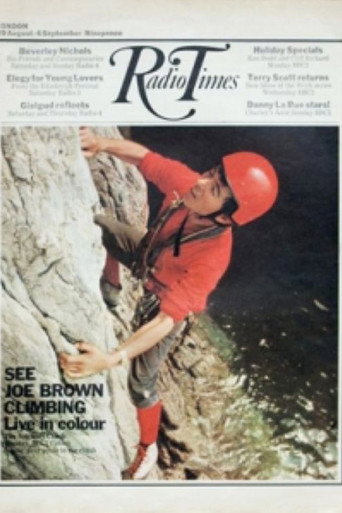 NR
NRIn August 1970 a spectacular rock climb was televised live on BBC in color. Seven climbers attempted three different routes on the cliffs of Anglesey. The event, presented by Christopher Brasher was transmitted live through 4 connections over the course of 31st of august. The routes climbed were: Spider's Web, by Joe Brown and Ian McNaught-Davis; Wen Slab, by Peter Crew and Don Whillans; and Tyrannosaurus Rex, by Laurie and Les Holliwell, and Janet Rogers. This was the first color live climbing program on BBC, following on from the success of earlier programs such as the ascent of the Old Man of Hoy in 1967.
The Anglesey Climb
1970
Ten-part BBC series looking at aspects of rock-climbing. A TV series for beginners with the accent on safety. With John Earle and Ron James. Episodes are: Mountain country, Basics, Learning to lead a climb, Protecting the leader, Climbing in twos, Harder climbs, Artificial climbing, Specialized techniques, Abseiling and prusiking, Crag rescue.
Protecting the Leader
1974
Ten-part BBC series looking at aspects of rock-climbing. A TV series for beginners with the accent on safety. With John Earle and Ron James. Episodes are: Mountain country, Basics, Learning to lead a climb, Protecting the leader, Climbing in twos, Harder climbs, Artificial climbing, Specialized techniques, Abseiling and prusiking, Crag rescue.
Abseiling and Prusiking
1974
Ten-part BBC series looking at aspects of rock-climbing. A TV series for beginners with the accent on safety. With John Earle and Ron James. Episodes are: Mountain country, Basics, Learning to lead a climb, Protecting the leader, Climbing in twos, Harder climbs, Artificial climbing, Specialized techniques, Abseiling and prusiking, Crag rescue.
Climbing in Twos
1974
1960s · 5 titles
NRA climb to mark the 100th anniversary of the first ascent of the Matterhorn, live on TV. The programme, a coproduction of the Swiss, French, Italian and British televisions, was shown throughout Europe, in the United States and in Japan in a series of 5 broadcasts between 8 and 16h. This film, by the Swiss television, is a summary of the live broadcasts in a in a single program. Ian McNaught-Davis roped with the guide Heinrich Taugwalder and Jean Juge with Robert Bichler narrating the ascent while they climb by the original Whymper route. They follow the progression of Michel Darbellay and Hilti von Allmen who climb the north face by the Schmidt route. The program ends when all the teams meet at the summit.
The Matterhorn Live
1965
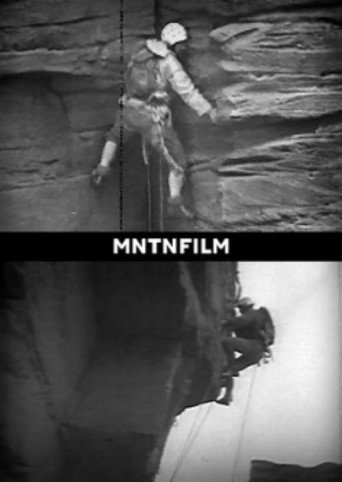 NR
NRIn July of 1967, 15 million people watched one of the most audacious BBC outside broadcasts ever undertaken - the climbing of the Old Man of Hoy. Chris Bonington and Tom Patey, took the East Face; Joe Brown and Ian McNaught-Davis, the South Face; Peter Crew and Douglas Haston took the South-East Arête. A further crew of four climbers- Hamish MacInnes, John Cleare, Rusty Baillie and Ian Clough carried cameras and transmitters. The live broadcast consisted of 6 connections between 7th and 9th of july whose titles were: The Old Man and The Climbers, Six Men, The Bivouac, Six Men-One Challenge, The first man to the summit, The Challenge and the Conquest. One week later BBC broadcasted a 30-minute program with the highlights of the live coverage.
The Old Man of Hoy
1967
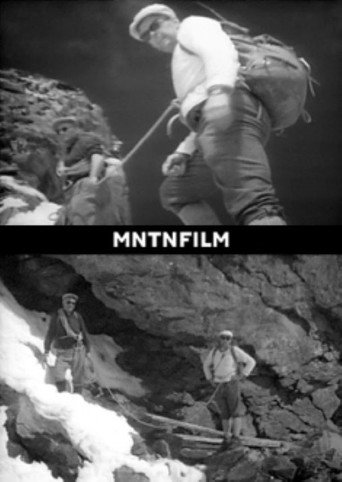 NR
NRA climb to mark the 100th anniversary of the first ascent of the Matterhorn, live on TV. The program, a co-production of the Swiss, French, Italian and British televisions, was shown throughout Europe, in the United States and in Japan in a series of 5 broadcasts between 8 and 16h. This film is the re-edited version by the BBC of all the broadcasts in a single program. Ian McNaught-Davis roped with the guide Heinrich Taugwalder and Jean Juge with Robert Bichler narrate the ascent while they climb by the original Whymper route. They follow the progression of Michel Darbellay and Hilti von Allmen who climb the north face by the Schmidt route. All them meet at the summit.
Men Against the Matterhorn
1965
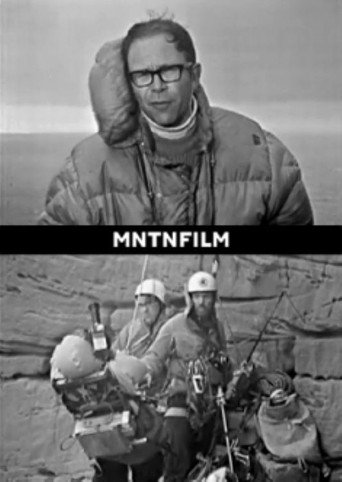 NR
NRA making of the live broadcast of the ascent of the Old Man of Hoy. In July of 1967, 15 million people watched one of the most audacious BBC outside broadcasts ever undertaken - the climbing of the 'Old Man of Hoy'. This is an account of how the BBC-1 television programme was organised, together with recordings made during the broadcast, and interviews with those who helped to make it possible as well as those who did the actual climb.
How They Climbed the Old Man of Hoy
1967
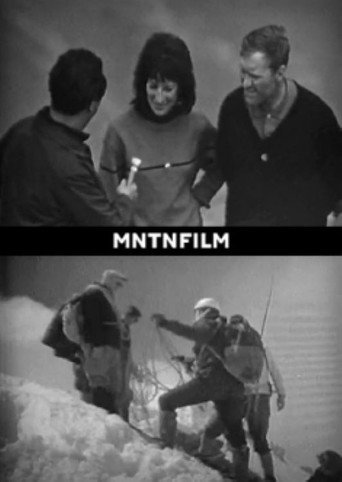
On 28 September 1963, the BBC broadcast a live program of an ascent of Snowdon's Clogwyn du'r Arddu, 'the finest crag in Britain south of Scottish border'. It starred the French climber Robert Paragot alongside the cream of British talent: Joe Brown, Don Whillans, and Ian Mcnaught-Davis. The program had commentary by Chris Brasher and it was transmitted on Grandstand between Davis Cup tennis and Horse racing from Newbury. Grandstand presenter David Coleman introduced the climb as a TV first -the first-ever live coverage of UK mountaineering. Unfortunately, the action was clouded by rain and mist, and many of the cameras failed on the day of the broadcast, so most of the images of the climb ended being a kind of blurred haze.
4 Men, 1 Face
1963