
Known for
December 3, 1984. Bhopal, India. The biggest and deadliest chemical disaster of all time. Nearly twenty years later the ordeal isn't over, justice has not been done. Had the disaster occurred in the developed world, heads would have rolled, prison sentences would have been served, changes would have been made. But the disaster didn't happen in the West, but in this obscure Indian city.
Litigating Disaster
—
The Junction is an obscure crossroad in the Gaza Strip, separating the Israeli settlement of Nezarim from the Palestinian refugee camp of Nussierat. Ringed by a teeming Palestinian neighborhood, the Junction became a battleground in September 2000 when the Second Intifada erupted. The violence destroyed many lives there, Palestinian civilians and Israeli soldiers. Once a busy intersection and a flourishing neighborhood, it is now a desert. The film reaches far into the social fabric of both Israelis and Palestinians to explore the culture of death which both stems from and feeds the violence currently consuming both societies.
The Junction
2004
 NR
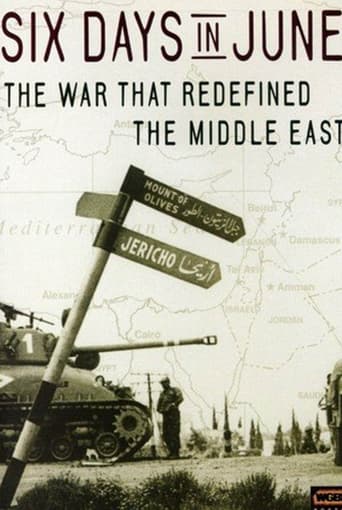
NRThe shooting lasted on six tense days in June 1967, but the Six Day War has never really ended. Every crisis that has ripped through this region in the ensuing decades stems from those six fateful days.
Six Days in June
2007
 NR
NRAn exploration of non-violence as the means to achieving social reforms, focusing on the downfall of Pinochet in Chile, the Palestinian Intifada, and Cory Aquino's "people power" revolution in the Philippines.
People Power
1989
 NR
NRCAPITALISM is an ambitious and accessible six-part documentary series that looks at both the history of ideas and the social forces that have shaped the capitalist world. Blending interviews with some of the world’s great historians, economists, anthropologists, and social critics with on-the-ground footage shot in twenty-two countries, CAPITALISM questions the myth of the unfettered free market, explores the nature of debt and commodities, and retraces some of the great economic debates of the last 200 years. The series features some of the world’s top economists, historians, anthropologists, and sociologists, including Thomas Piketty, Noam Chomsky, Yanis Varoufakis, Nicholas Phillipson, Kari Polanyi Levitt, David Graeber, and Abraham Rotstein. - icarusfilms.com
Capitalism
2014
 8.0
8.0Director Ilan Ziv traces the origins of antisemitism in France from the Middle Ages to the Dreyfus Affair. Combining personal and collective narratives, Ziv showcases how the depiction of "the Jew" in society established an ideology of hate that eventually led to the Holocaust. In the aftermath of the war, a devastated France continued this ideology of antisemitism that set the stage for a modern wave of anti-Jewish sentiment and attacks, including the murders of Ilan Halimi and Mireille Knoll.
Antisemitism
2020
Film credits
Behind the camera
December 3, 1984. Bhopal, India. The biggest and deadliest chemical disaster of all time. Nearly twenty years later the ordeal isn't over, justice has not been done. Had the disaster occurred in the developed world, heads would have rolled, prison sentences would have been served, changes would have been made. But the disaster didn't happen in the West, but in this obscure Indian city.
Litigating Disaster
—
The Junction is an obscure crossroad in the Gaza Strip, separating the Israeli settlement of Nezarim from the Palestinian refugee camp of Nussierat. Ringed by a teeming Palestinian neighborhood, the Junction became a battleground in September 2000 when the Second Intifada erupted. The violence destroyed many lives there, Palestinian civilians and Israeli soldiers. Once a busy intersection and a flourishing neighborhood, it is now a desert. The film reaches far into the social fabric of both Israelis and Palestinians to explore the culture of death which both stems from and feeds the violence currently consuming both societies.
The Junction
2004
NRThe shooting lasted on six tense days in June 1967, but the Six Day War has never really ended. Every crisis that has ripped through this region in the ensuing decades stems from those six fateful days.
Six Days in June
2007
NRAn exploration of non-violence as the means to achieving social reforms, focusing on the downfall of Pinochet in Chile, the Palestinian Intifada, and Cory Aquino's "people power" revolution in the Philippines.
People Power
1989
NRAn exploration of non-violence as the means to achieving social reforms, focusing on the downfall of Pinochet in Chile, the Palestinian Intifada, and Cory Aquino's "people power" revolution in the Philippines.
People Power
1989
NRCAPITALISM is an ambitious and accessible six-part documentary series that looks at both the history of ideas and the social forces that have shaped the capitalist world. Blending interviews with some of the world’s great historians, economists, anthropologists, and social critics with on-the-ground footage shot in twenty-two countries, CAPITALISM questions the myth of the unfettered free market, explores the nature of debt and commodities, and retraces some of the great economic debates of the last 200 years. The series features some of the world’s top economists, historians, anthropologists, and sociologists, including Thomas Piketty, Noam Chomsky, Yanis Varoufakis, Nicholas Phillipson, Kari Polanyi Levitt, David Graeber, and Abraham Rotstein. - icarusfilms.com
Capitalism
2014
8.0Director Ilan Ziv traces the origins of antisemitism in France from the Middle Ages to the Dreyfus Affair. Combining personal and collective narratives, Ziv showcases how the depiction of "the Jew" in society established an ideology of hate that eventually led to the Holocaust. In the aftermath of the war, a devastated France continued this ideology of antisemitism that set the stage for a modern wave of anti-Jewish sentiment and attacks, including the murders of Ilan Halimi and Mireille Knoll.
Antisemitism
2020
 NR
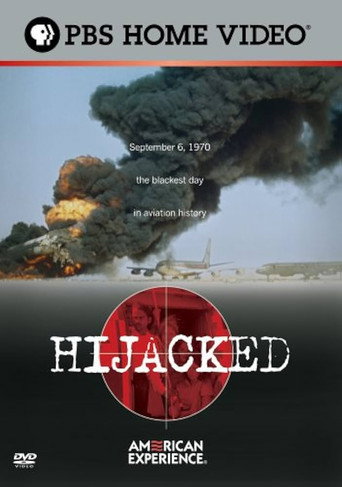
NRThirty-six years ago a new era in global terrorism was born. Just moments after lift-off on the morning of September 6, 1970, passengers on TWA's flight 74 from Frankfurt to New York were startled to hear an announcement over the plane's PA system: "This is your new captain speaking. This flight has been taken over by the Popular Front for the Liberation of Palestine." Minutes later, travelers on another New York-bound plane, Swissair Flight 100, faced the same chilling reality. Featuring first-hand recollections from former hostages, flight crews, and their captors, Hijacked, an hour-long documentary from award-winning producer Ilan Ziv, tells the story of what would be known for more than three decades as the blackest day in aviation history.
Hijacked
2006
NRThirty-six years ago a new era in global terrorism was born. Just moments after lift-off on the morning of September 6, 1970, passengers on TWA's flight 74 from Frankfurt to New York were startled to hear an announcement over the plane's PA system: "This is your new captain speaking. This flight has been taken over by the Popular Front for the Liberation of Palestine." Minutes later, travelers on another New York-bound plane, Swissair Flight 100, faced the same chilling reality. Featuring first-hand recollections from former hostages, flight crews, and their captors, Hijacked, an hour-long documentary from award-winning producer Ilan Ziv, tells the story of what would be known for more than three decades as the blackest day in aviation history.
Hijacked
2006
As the first American and Israeli missiles hit Iran on February 28, 2026, U.S. government officials argued that this was not the start of war. Instead, it was just the next stage in a conflict that started with the 1979 Islamic Revolution that toppled the American and Israeli-backed regime of the Shah, and made the U.S. and Israel sworn enemies of the new Islamic state. THE MARCH TO WAR is a unique three-part series that looks at the deep roots of the “infinite roller-coaster” of conflict that has ensnared Israel and Iran and drawn in the United States. Was open war inevitable, the series asks? And could the escalation have been stopped? The series tells the story through the voices of those that shaped it: politicians (including former U.S. Secretary of Defense Leon Panetta and Israeli prime minister Benjamin Netanyahu), military commanders, intelligence chiefs and ambassadors, from all sides, along with political scientists and historians.
The March to War: Iran, Israel and the USA
2026
 6.8
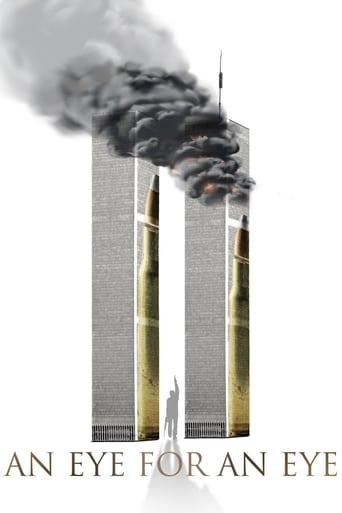
6.8A true story of hate, revenge, understanding, remorse and redemption as lived by Mark Stroman on the Texas Death Row.
An Eye for an Eye
2016
 9.0
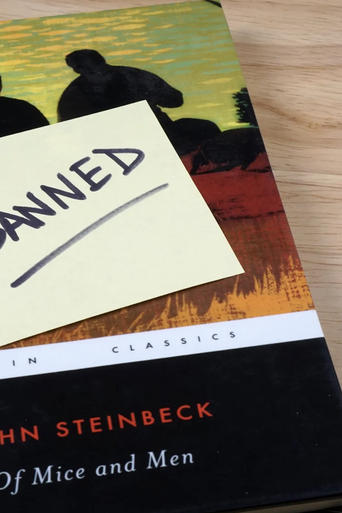
9.0Cultural wars have transformed politics in the US into identity politics dividing the electorate and calcifying political differences and party loyalties. For the past decades, abortion divided the country and the voters. Now it’s public libraries that have been transformed into the new battlefields in America’s cultural wars. How can one explain this seemingly sudden focus on books, in school and public libraries? What is behind this rise in censorship? This film follows four distinct stories that illuminate and explain the evolution of this newest battleground in America’s long culture war.
Library Wars: A New Front In America's Cultural Wars
2024
Since 1980 there has been a growing guerilla war in Peru. The Maoist Shining Path have been fighting special units of the Peruvian Armed Forces, who have been granted political as well as military control over many areas. The war has left over 5000 people dead or "disappeared." In January 1983, the violence in Peru was driven home to the world with the discovery of the bodies of eight journalists in the remote Andean village of Uchurracay. A government commission said the journalists were murdered by peasants who mistook them for guerrillas. Others charged military complicity.
Fire in the Andes
—
 NR
NRBefore September 11, 2001, only some 400 people had pledged allegiance to Al-Qaeda. But now there are tens of thousands of jihadist militants on several continents. Terrorist attacks have multiplied around the world, straining relations between the West, its minority populations and Muslim nations. By violating the democratic values it claimed to be defending, the “War on Terror” launched by George W. Bush’s administration in the wake of 9/11 had the effect of a hammer smashing a vial of mercury. It scattered what had been a limited threat, turning it into a permanent global conflict – one that has provided fertile ground for recruiting jihadists and swelling the ranks of increasingly powerful xenophobic groups in the United States and Europe.
State of Terrorism
2022
 NR
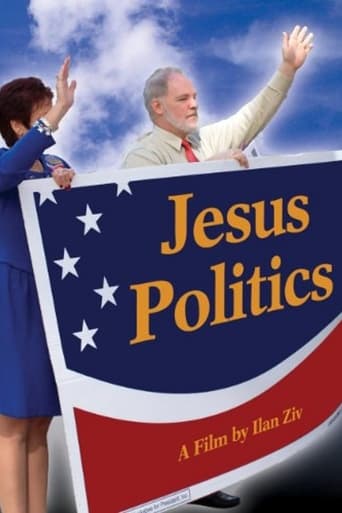
NRAfter fighting as an Israeli soldier in the 1973 war, and troubled by the nation's obsessive mixing of the Bible with politics, the filmmaker left for America, which he considered a "safe haven" because of its separation between church and state. Thirty-five years later, alarmed by the prominent role of religion in the 2008 American presidential campaign, he decides to make a road trip, to try and understand the phenomenon. Rather than follow the candidates, however, Ziv decides to meet with religious activists supporting the Democratic and Republican candidates. From the Iowa Caucus and the New Hampshire and South Carolina primaries to Super Tuesday in Oklahoma, JESUS POLITICS shows the efforts of Baptist activists for Obama, Catholics and evangelicals for McCain, Christian conservatives for Huckabee, as well as the political efforts of evangelical organizations such as Christians United for Israel.
Jesus Politics
2008
This feature documentary looks at new evidence that suggests the majority of the Jewish people may not have been exiled following the fall of Jerusalem in 70 AD. Travelling from Galilee to Jerusalem and the catacombs of Rome, the film asks us to rethink our ideas about an event that has played a critical role in the Christian and Jewish traditions.
Exile: A Myth Unearthed
2012