
Directing
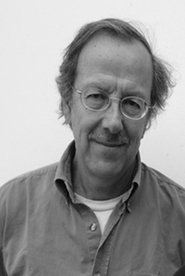
Guillermo Escalón
Caracas, Venezuela
Guillermo Escalón (b. 1950) is a Salvadoran film director, cinematographer, and producer. Escalón joined the theater group El Taller de los Vagos in 1969 and collaborated with the likes of José David Calderón, Alejandro Cotto, and Baltazar Polío. With the escalation of the political conflict, Escalón immigrated from El Salvador to France, where he graduated in Philosophy and joined a television crew. With his experience in professional filmmaking, Escalón returned to El Salvador and cemented himself as a key figure in the Salvadoran guerrilla film movement.
Acting credits
 NR
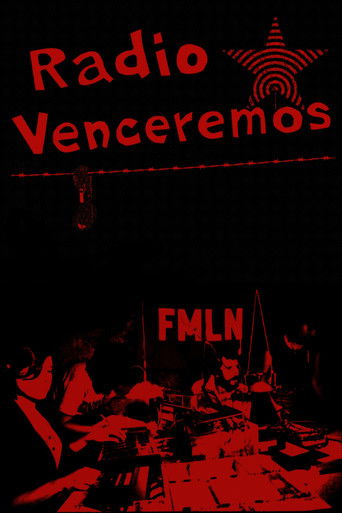
NRA documentary about Sistema Radio Venceremos, an underground radio network of the anti-government Farabundo Martí National Liberation Front (FMLN) during the Salvadoran Civil War. The station specialized in ideological propaganda, acerbic commentary, and pointed ridicule of the government. The radio station was founded by Carlos Henríquez Consalvi (Santiago).
Radio Venceremos
2017
 NR
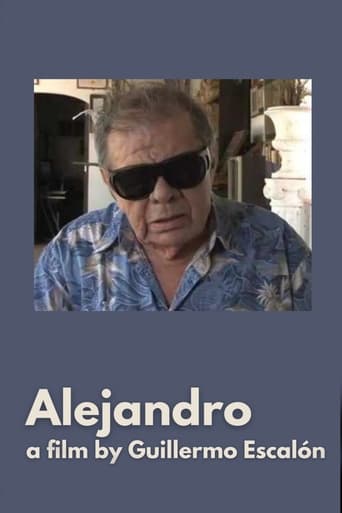
NRAlejandro Cotto, a pioneer of Salvadoran cinema, celebrates his 63rd birthday in Suchitoto while the youth celebrate the end of the civil war. He speaks with Escalón about the struggles faced by Third World filmmakers, the horrors of war, the fate of his village, and the pursuit of his dreams.
Alejandro
1994
Behind the camera
 NR
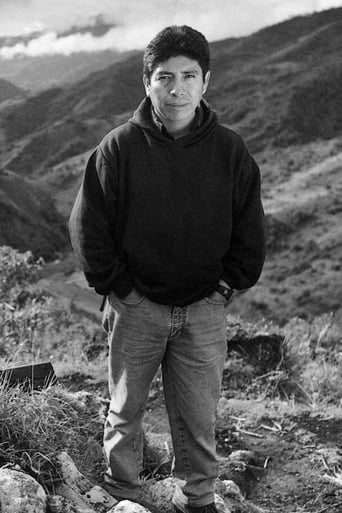
NRTwo paths cross on a descent into Guatemala's past: that of Mateo Pablo, a Maya survivor of one of many massacres committed by local government troops, and Daniel Hernández-Salazar, a concerned Guatemalan artist and photographer. Together they travel to a remote site in the highlands where the community of Petanac once stood. The bones found there by archaeologists tell a mute story of agony.
Haunted Land
2001
 NR
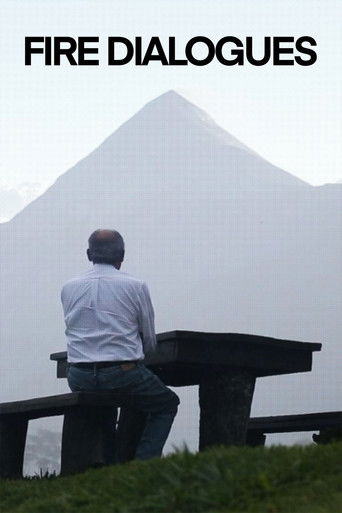
NRFilmmaker Guillermo Escalon and composer Igor Gandarias are in residence at EMPAC to record the Hudson River journey of Beatriz Cortez’s sculpture Ilopango, the Volcano that Left, for a forthcoming film (2024). The sculpture will sail up the Hudson River by boat from its exhibition at Storm King Art Center to EMPAC for the opening of Shifting Center, where it will be installed for the duration of the exhibition. Shifting Center also features Escalon and Gandarias’ film Rapsodia.
Fire Dialogues
2023
NRFilmmaker Guillermo Escalon and composer Igor Gandarias are in residence at EMPAC to record the Hudson River journey of Beatriz Cortez’s sculpture Ilopango, the Volcano that Left, for a forthcoming film (2024). The sculpture will sail up the Hudson River by boat from its exhibition at Storm King Art Center to EMPAC for the opening of Shifting Center, where it will be installed for the duration of the exhibition. Shifting Center also features Escalon and Gandarias’ film Rapsodia.
Fire Dialogues
2023
 NR
NRThis film aims to describe the agony of a biology teacher who finds himself in a place of limits, at the edge of life and death. Set in the years just prior to El Salvador's civil war, years in which teachers were targeted and brutalized.
Intertidal Zone
1980
 NR
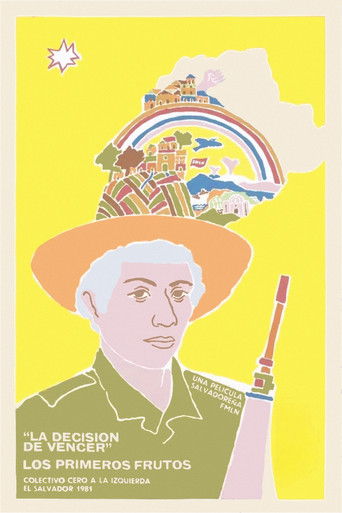
NRFilmed by Guillermo Escalón in July 1981, it shows daily life in territories under guerrilla control in the Francisco Sánchez Northeastern Front, Department of Morazán,
La decisión de vencer (Los primeros frutos)
1981
NRFilmed by Guillermo Escalón in July 1981, it shows daily life in territories under guerrilla control in the Francisco Sánchez Northeastern Front, Department of Morazán,
La decisión de vencer (Los primeros frutos)
1981
NRAlejandro Cotto, a pioneer of Salvadoran cinema, celebrates his 63rd birthday in Suchitoto while the youth celebrate the end of the civil war. He speaks with Escalón about the struggles faced by Third World filmmakers, the horrors of war, the fate of his village, and the pursuit of his dreams.
Alejandro
1994
NRAlejandro Cotto, a pioneer of Salvadoran cinema, celebrates his 63rd birthday in Suchitoto while the youth celebrate the end of the civil war. He speaks with Escalón about the struggles faced by Third World filmmakers, the horrors of war, the fate of his village, and the pursuit of his dreams.
Alejandro
1994
 9.0
9.0Cinematic documentary made in 1982, which reveals the life and organization of some camps in the eastern zone of El Salvador. It shows images of combat, guerrilla training, and special forces, forms of political propaganda in cities like Ciudad Barrios, as well as meetings of leaders of the General Command and an interview with General Castillo, Deputy Minister of Defense at the time.
Carta de Morazán
1982
9.0Cinematic documentary made in 1982, which reveals the life and organization of some camps in the eastern zone of El Salvador. It shows images of combat, guerrilla training, and special forces, forms of political propaganda in cities like Ciudad Barrios, as well as meetings of leaders of the General Command and an interview with General Castillo, Deputy Minister of Defense at the time.
Carta de Morazán
1982
 NR
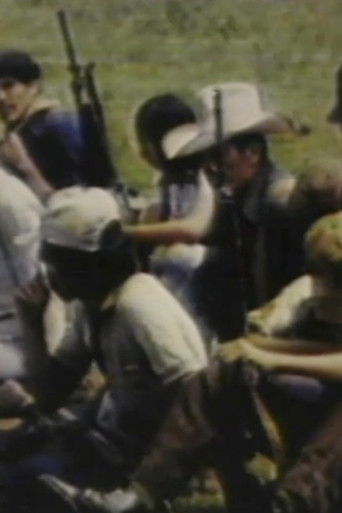
NRThis documentary juxtaposes scenes of El Salvador's opposition factions, including U.S. government advisors and government troops, and guerrillas and their sympathizers.
Tiempo de audacia
1983
 NR
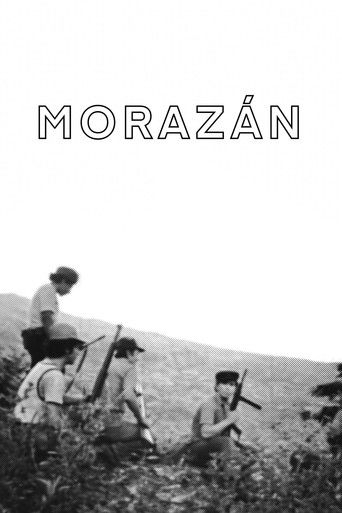
NRThe central objective of the documentary is to show the social situation of the peasant communities in the department of Morazán. The documentary emphasizes military training and the development of war devices in the newly formed guerrilla camps.
Morazán
1980
 NR
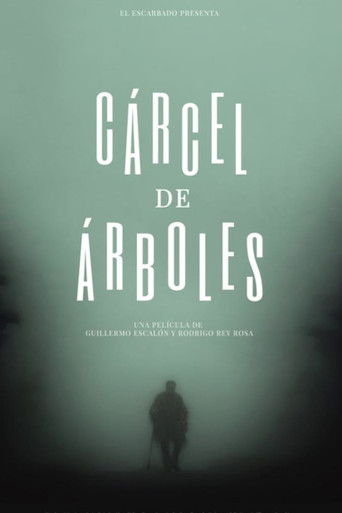
NRRodrigo Rey Rosa, a Guatemalan writer, depicts a dream about cells in trees in a short story. Years later, he discovers an internment camp in the jungle of his native Guatemala, a camp that embodies this unsettling idea, brought to life by a doctor.
Cárcel de árboles
2015
NRRodrigo Rey Rosa, a Guatemalan writer, depicts a dream about cells in trees in a short story. Years later, he discovers an internment camp in the jungle of his native Guatemala, a camp that embodies this unsettling idea, brought to life by a doctor.
Cárcel de árboles
2015