
Writing
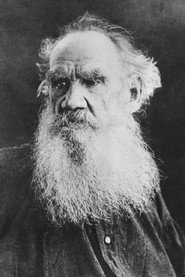
Leo Tolstoy
Born — Died
1828-09-09 — 1910-11-20
Place of birth
Yasnaya Polyana, Tula Governorate, Russian Empire [now Tula Oblast, Russia]
Known for
Writing
Credits
5 titles
Count Lev Nikolayevich Tolstoy (1828–1910), usually referred to in English as Leo Tolstoy, was a Russian writer who is regarded as one of the greatest authors of all time. He received nominations for the Nobel Prize in Literature every year from 1902 to 1906 and for the Nobel Peace Prize in 1901, 1902, and 1909. Born to an aristocratic Russian family in 1828, Tolstoy is best known for the novels War and Peace (1869) and Anna Karenina (1878), often cited as pinnacles of realist fiction. He first achieved literary acclaim in his twenties with his semi-autobiographical trilogy, Childhood, Boyhood, and Youth (1852–1856), and Sevastopol Sketches (1855), based upon his experiences in the Crimean …
Known for
 4.0
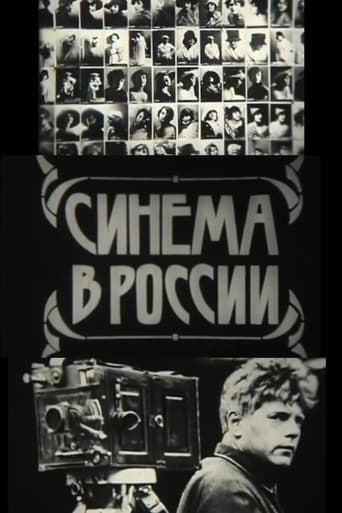
4.0Documentary film about early years of Russian cinema: its first directors, cameramen, producers and actors. Includes rare fragments of pre-revolutionary feature films, newsreels and Starewicz's animation.
Cinema in Russia
1979
 5.7
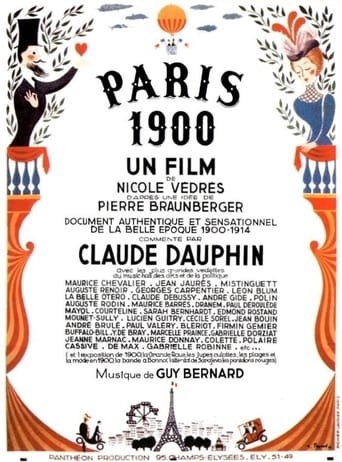
5.7Nicole Védrès' chronicle of Paris from 1900 to 1914 is brought to life through the use of original material, all authentic, secured from more then 700 films belonging to public and private collections. A few of the celebrities of the time shown are Enrico Caruso, Sarah Bernhardt, and Maurice Chevalier.
Paris 1900
1948
An examination of the life of great Russian author Leo Tolstoy, who penned the 1877 novel Anna Karenina.
Tolstoy: The Man Behind Anna
2007
German documentary on the Russian writer Leo Tolstoy.
Leo Tolstoy - Larger than the others
2003
It is almost like meeting the renowned Russian author to see this film, we get such a splendid view of him as he leaves his fine estate, find ourselves within touch of him almost, and near enough to watch his every motion as he bids his secretary good-bye before getting on the train. The view of the surrounding country and the peasant folk who each and every one get a kind look from the author, are also most interesting.
Count Tolstoi
1909