
Acting
Isao Kimura
Born — Died
1923-06-22 — 1981-07-04
Place of birth
Senda, Hiroshima, Japan
Known for
Acting
Credits
64 titles
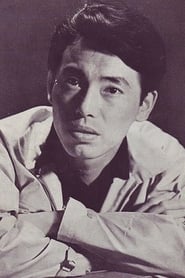
From Wikipedia, the free encyclopedia Isao Kimura (木村 功 Kimura Isao), also known as Kō Kimura, was a Japanese actor. He appeared in several films directed by Akira Kurosawa. The first was Stray Dog (1949) as Yusa the criminal. Perhaps his most notable collaboration with Kurosawa was in Seven Samurai as the youngest of the samurai, Katsushiro. During his career he also appeared in several films directed by Mikio Naruse as well as appearing in the famous Lone Wolf and Cub film series. In addition to a film career spanning almost thirty years, Kimura founded and directed an acting company which ultimately went bankrupt. He died of esophageal cancer at 57 years old.
Known for
 8.5
8.5A samurai answers a village's request for protection after he falls on hard times. The town needs protection from bandits, so the samurai gathers six others to help him teach the people how to defend themselves, and the villagers provide the soldiers with food.
Seven Samurai
1954
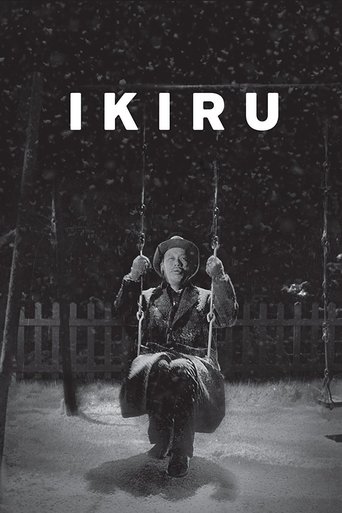 8.3
8.3Kanji Watanabe is a middle-aged man who has worked in the same monotonous bureaucratic position for decades. Learning he has cancer, he starts to look for the meaning of his life.
Ikiru
1952
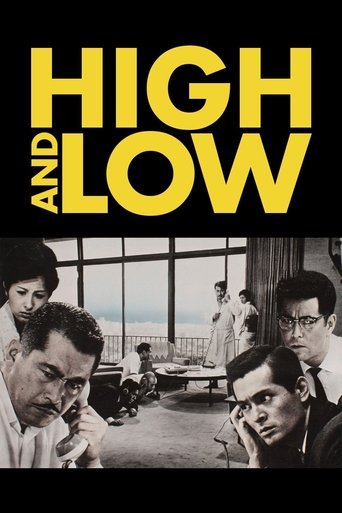 8.4
8.4A Yokohama shoe executive faces a wrenching choice when kidnappers mistakenly seize his chauffeur’s son but demand the ransom anyway.
High and Low
1963
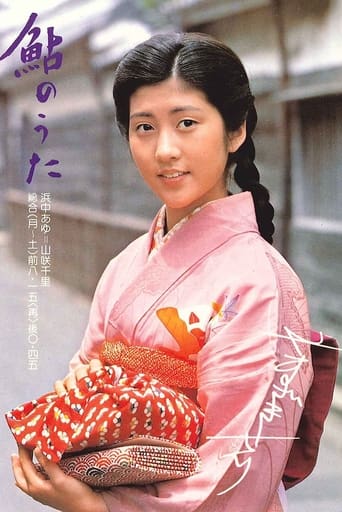 NR
NRThe 24th NHK Asadora. Starring Senri Yamazaki as a woman who makes her life at a fishing port.
Ayu no uta
1979
 7.9
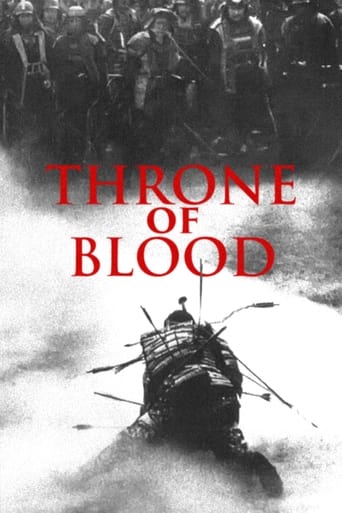
7.9Returning to their lord's castle, samurai warriors Washizu and Miki are waylaid by a spirit who predicts their futures. When the first part of the spirit's prophecy comes true, Washizu's scheming wife, Asaji, presses him to speed up the rest of the spirit's prophecy by murdering his lord and usurping his place. Director Akira Kurosawa's resetting of William Shakespeare's "Macbeth" in feudal Japan is one of his most acclaimed films.
Throne of Blood
1957
 7.6
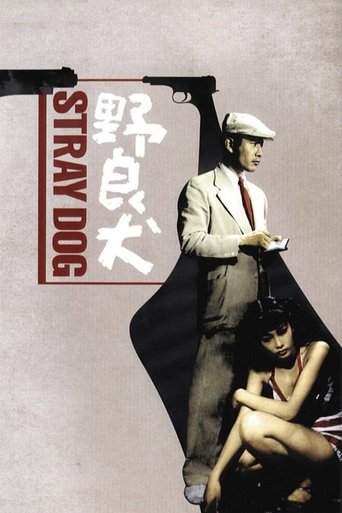
7.6A bad day gets worse for young detective Murakami when a pickpocket steals his gun on a hot, crowded bus. Desperate to right the wrong, he goes undercover, scavenging Tokyo’s sweltering streets for the stray dog whose desperation has led him to a life of crime. With each step, cop and criminal’s lives become more intertwined and the investigation becomes an examination of Murakami’s own dark side.
Stray Dog
1949
Film credits
1970s · 3 titles
 7.1
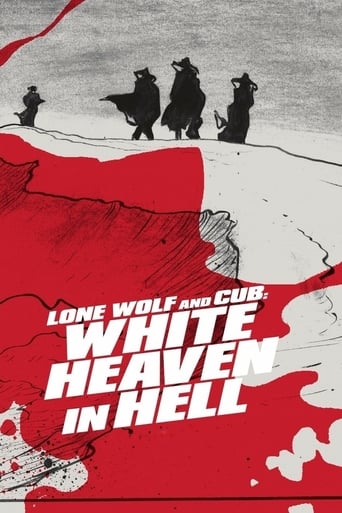
7.1With most of his family already dead at Ogami Itto's hands, Retsudo launches one final plot to destroy him, and when that fails, unleashes the fury of every remaining member of the Yagyu clan.
Lone Wolf and Cub: White Heaven in Hell
1974
 7.5
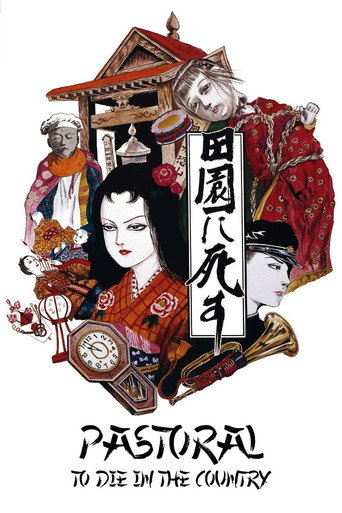
7.5A director faces creative block while working on his latest film – a reimagination of his adolescence growing up in a mountain village in rural Japan.
Pastoral: To Die in the Country
1974
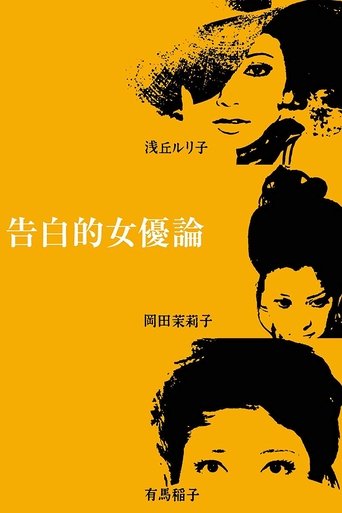 6.0
6.0In this intricately layered Japanese film, the nature of actresses and what they gain from acting is explored. The lives of three actresses are laid bare, and scenes from their lives are woven in and out of interviews with each of them. Each of them has experienced a traumatic event which contributes to their particular enjoyment of becoming someone else in dramatic roles.
Confessions Among Actresses
1971
1960s · 24 titles
8.4A Yokohama shoe executive faces a wrenching choice when kidnappers mistakenly seize his chauffeur’s son but demand the ransom anyway.
High and Low
1963
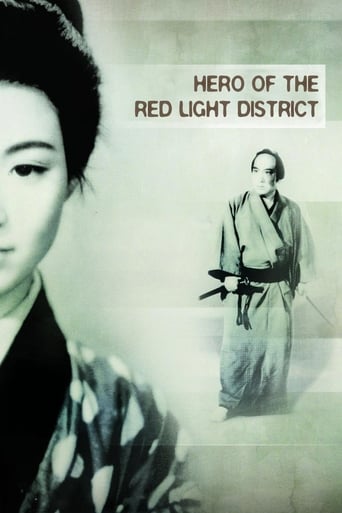 8.7
8.7A successful textile industrialist from the provinces, who is beloved by his employees for his kindness, cannot find a wife because of a disfiguring birthmark on his face. Even the courtesans in Yoshiwara refuse to entertain him, until an indentured peasant prostitute, Tamarazu, takes the unsavoury assignment and treats him with brash tenderness.
Hero of the Red Light District
1960
 6.9
6.9A detective tries to outwit an art loving thief who has kidnapped the daughter of a jeweler to get to an exquisite diamond.
Black Lizard
1968
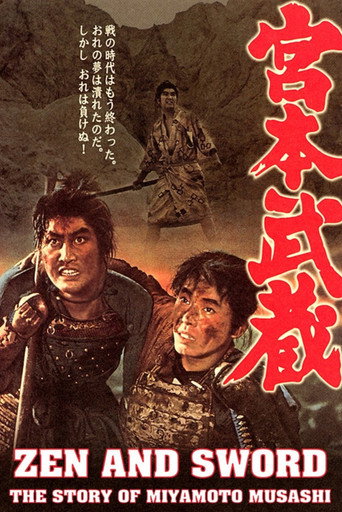 7.1
7.1In this first episode, we are introduced to Takezo, what Musashi used to be before he became the man of legend. His beginning are not exactly auspicious. He sides with the Toyotomi at Sekigahara, and as a result finds himself on the losing side of the historic battle. He and his friend Matahachi manage to escape the slaughter although the latter is wounded in his leg. They stumble across the young Akemi who makes her living with her mother Oko by robbing corpses of their armor and anything else they can sell. Oko takes it into her head to seduce Matahachi, which she does first by skillfully sucking the gangrene from his blood, and then just by sucking.
Miyamoto Musashi
1961
 7.1
7.1In the fourth installment, Musashi's potentially greatest opponent Kojiro jumps in and out of the story at the oddest and most coincidental moments. As his great love Otsu has succumbed to madness. Musashi then sets off to beat the functionaries of a treacherous clan in an arranged duel. 73 against one. Boastful Kojiro watches, secure in the knowledge that only he is a worthy opponent.
Miyamoto Musashi IV: The Duel at Ichijo-ji Temple
1964
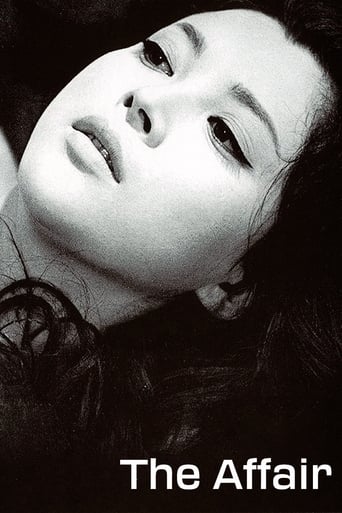 6.6
6.6As a young woman, Oriko condemned her widowed mother for openly pursuing relationships with younger men. After her mother passes away, she finds herself in an unhappy, loveless marriage and begins to understand her mother’s actions.
The Affair
1967
 6.8
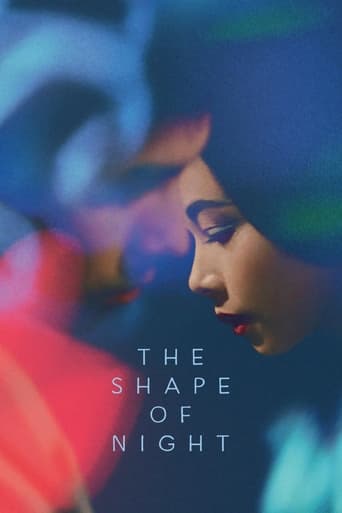
6.8Yoshie Nogami, a factory worker by day, works as a bar hostess at night. She begins a passionate affair with one of her regulars, but his changing demeanor and constant demands for money lead Yoshie down a dark path.
The Shape of Night
1964
 6.5
6.5Satoko is a mistress by trade or fate: when her master, the silkscreen artist of the Kohoan Temple in Kyoto, dies, she is given to the temple's lascivious head priest Kikuchi. She is drawn to a melancholy young acolyte, Jinen, who has observed the profligacy of his cruel master and Satoko's utter dependence on the man. Jinen is both fascinated and disturbed by Satoko's interest in him; he is similarly caught between loathing of Kikuchi and of the dark circumstances of his birth and his own moral weakness. The story unfolds in a dreamlike manner—a flashback inspired by a now-infamous image on a silkscreen in the souvenir shop at the so-called Temple of the Wild Geese.
The Temple of Wild Geese
1962
 6.7
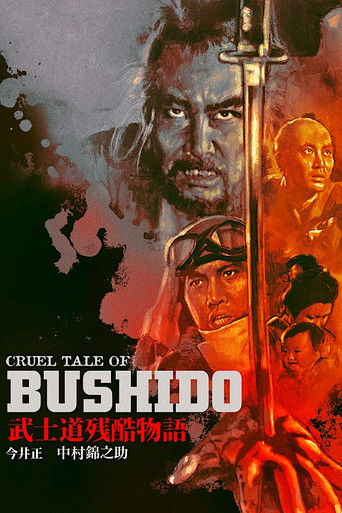
6.7After a salary-man's fiancée attempts suicide, he recounts his gruesome family history which saw generations of his ancestors suffer and sacrifice themselves for the sake of their cruel lords.
Bushido: The Cruel Code of the Samurai
1963
 6.7
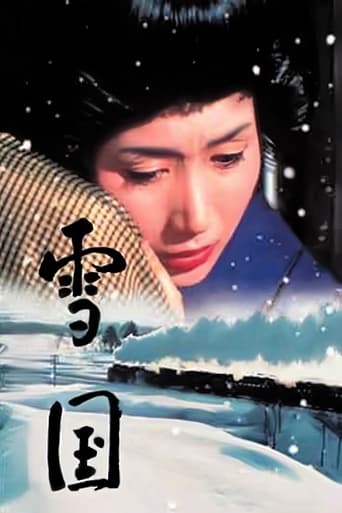
6.7This movie is based on an immortal literary work "The Snow Country," a story about a life of geisha Komako who lives in a region with heavy snowfalls.
Snow Country
1965
 7.1
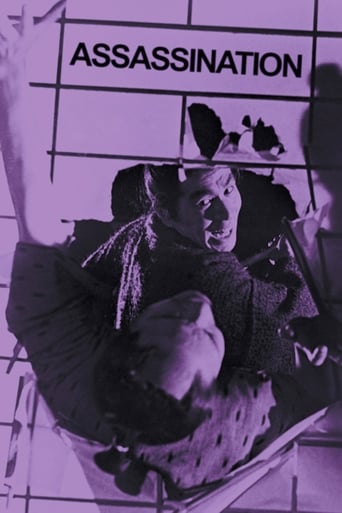
7.1In 1863, when American warships approach Japan, an enigmatic ronin becomes an important figure in a complex game of power between the Shogunate and the empire.
Assassination
1964
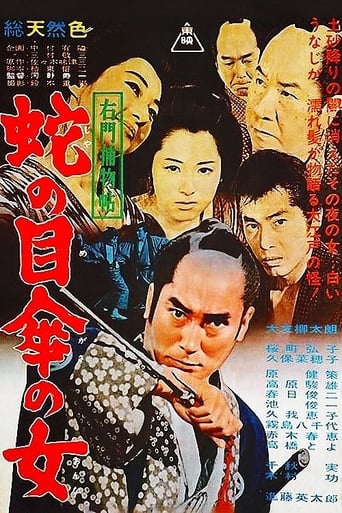 10.0
10.0Ryutaro Otomo as the Edo magistrate Umon Kondo is out to solve a crime that centers around the murder of a jail guard & the escape of a criminal who is later himself killed. His dying words in Umon's arms were, "I didn't kill the guard." The murdered criminal had been a safe-cracker & only his girlfriend knows where he hid a fortune. She is kidnapped, so the plot gets thicker & thicker.
Cases of Umon: The Woman with an Umbrella
1963
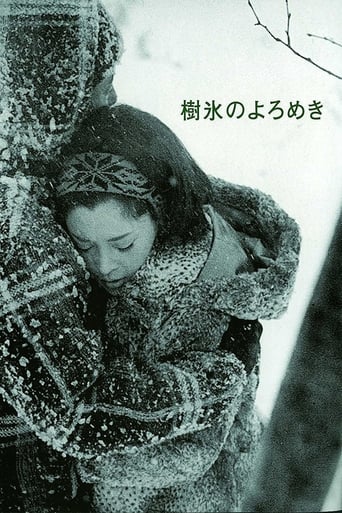 6.9
6.9In an isolated mountain resort, a woman gets involved in a love triangle between herself, her volatile lover and her ex-boyfriend, for whom she had platonic feelings.
Affair in the Snow
1968
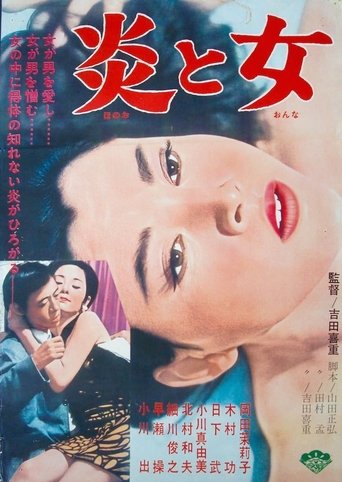 6.4
6.4Shingo and Ritsuko have a baby: Takashi. They happen to be a happy couple, but soon Ritsuko wants to know who is the true father of Takashi, born by artificial insemination.
Impasse
1967
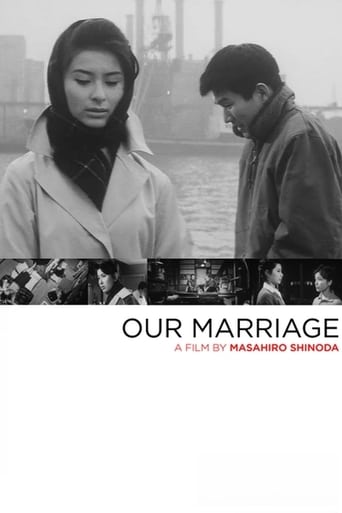 7.1
7.1Poverty-stricken sisters reach the age when they start attracting marriage proposals. They must decide between marrying for love or money, but their ambitions clash when they both fall for the same man.
Our Marriage
1962
 7.2
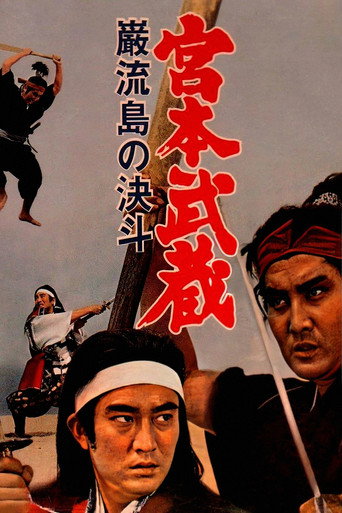
7.2The fifth and final installment with the build up of the epic battle between Sasaki Kojiro and Miyamoto Musashi. With all the familiar characters making appearances: Otsu (Musashi's great love), Akemi, Matahachi (his former fellow soldier), old lady Osugi (still doggedly trying to defeat Musashi), and even the return of Priest Takuan (the man responsible for his journey towards enlightenment). But most of all, the boastful, long-haired and long-sworded Sasaki Kojiro.
Miyamoto Musashi V: Musashi vs Kojiro
1965
 8.0
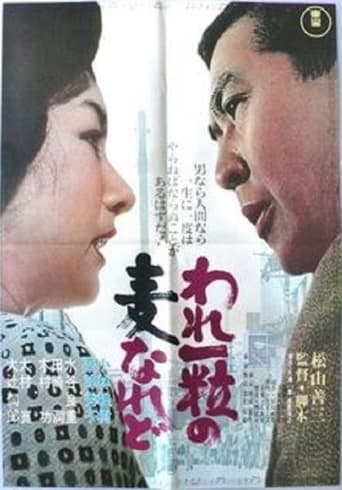
8.0After receiving a phone call from a woman whose child has contracted polio, government official Masayoshi Sakata decides to do everything he can to eradicate the disease.
Could I But Live
1964
 7.0
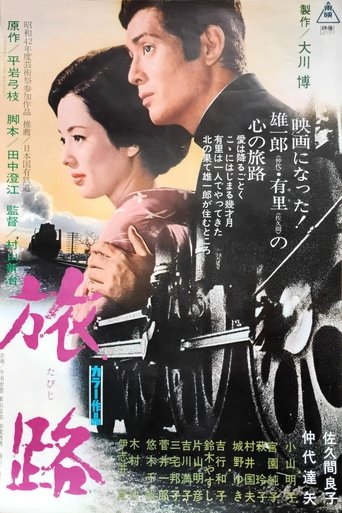
7.0After the death of his parents, railway worker Yuichiro Murofushi returns to his hometown and agrees to an arranged marriage at the insistence of his uncle and aunt. However, the arrangement soon falls through due to various circumstances.
The Journey
1967
 6.9
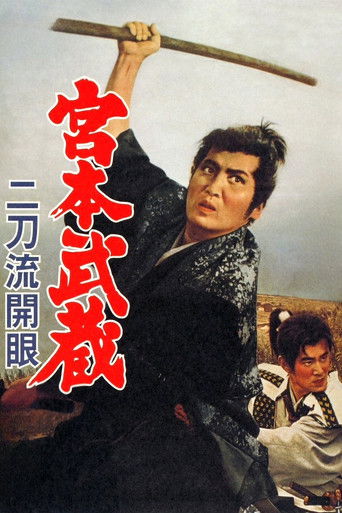
6.9In the third installment of Yoshikawa's novel Musashi, things continue from the 2nd film at the end of battle, where Miyamoto continues on a mission of learning; with the introduction of his arch-rival Sasaki Kojiro; and lastly the large cast of characters rendezvouses for a fateful finale.
Miyamoto Musashi III: Birth of Two Sword Style
1963
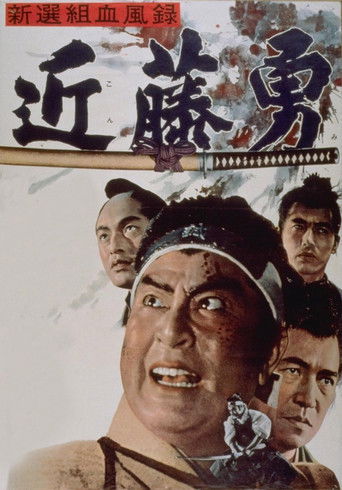 10.0
10.0No synopsis available yet.
Bloody Record of the Shinsengumi
1963
 7.0
7.0No synopsis available yet.
Knightly Advice
1962
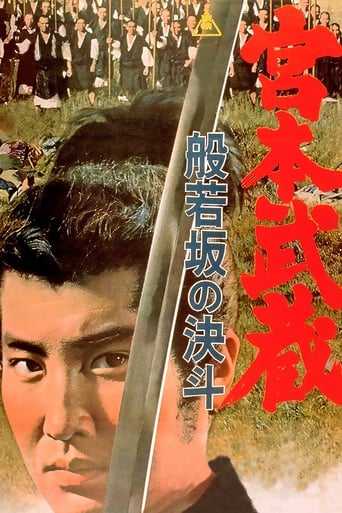 7.3
7.3The remake of Yoshikawa's novel continues with the second installment in which Takezo, soon to be Miyamoto Musashi, emerges from the Himeji Castle after three years of intense contemplation and philosophical study and starting on his epic quest to complete his skill in the Way.
Miyamoto Musashi: Showdown at Hannyazaka Heights
1962
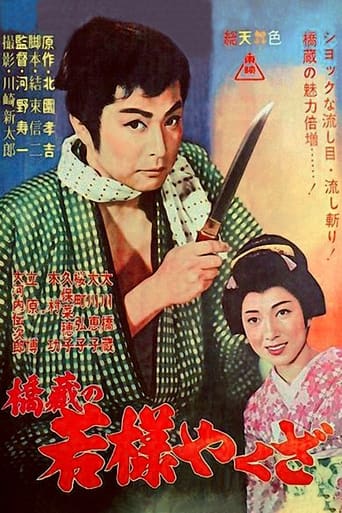 8.0
8.0Young Lord Taihei goes to Edo to find the lost family treasure, a plover incense burner, under the disguise of a ronin.
Young Lord Yakuza
1961
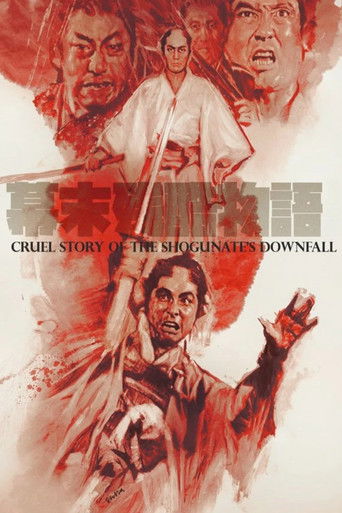 6.8
6.8A headstrong young man seeks to join the Shinsengumi, but while his determination impresses his superiors, questions begin to arise as to his true identity and intentions.
Cruel Story of the Shogunate's Downfall
1964
1950s · 31 titles
8.5A samurai answers a village's request for protection after he falls on hard times. The town needs protection from bandits, so the samurai gathers six others to help him teach the people how to defend themselves, and the villagers provide the soldiers with food.
Seven Samurai
1954
8.3Kanji Watanabe is a middle-aged man who has worked in the same monotonous bureaucratic position for decades. Learning he has cancer, he starts to look for the meaning of his life.
Ikiru
1952
7.9Returning to their lord's castle, samurai warriors Washizu and Miki are waylaid by a spirit who predicts their futures. When the first part of the spirit's prophecy comes true, Washizu's scheming wife, Asaji, presses him to speed up the rest of the spirit's prophecy by murdering his lord and usurping his place. Director Akira Kurosawa's resetting of William Shakespeare's "Macbeth" in feudal Japan is one of his most acclaimed films.
Throne of Blood
1957
 6.8
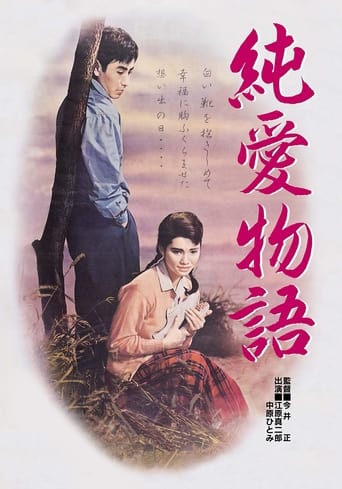
6.8Junai Monogatari AKA Story of Pure Love is about two poor youths, Mitsuko and Kando, rebelling against society in various ways, who are desperately trying to be together despite tortuous circumstances. The film depicts their lives as thieves, menial laborers who can get little pay, society outcasts, and of course, lovers. Junai Monogatari depicts, mostly, their struggles within the Japanese reformatory system and Mitsuko's worsening sickness.
The Story of Pure Love
1957
 8.5
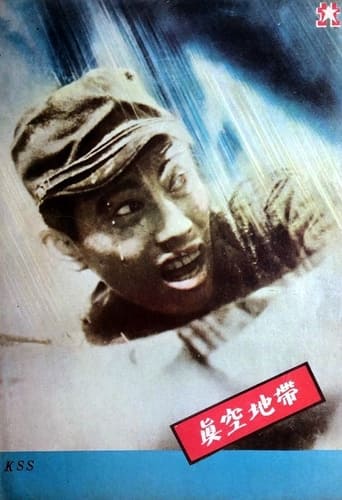
8.5Just before the end of the war, Japanese soldier Kitani is released from prison, having served his term for theft. Told in flashback, viewers learn about Kitani's past and reasons behind his prison sentence.
Vacuum Zone
1952
 6.7
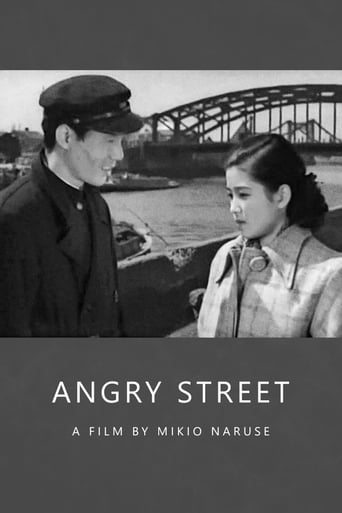
6.7University students Sudo and Mori make money by picking up rich girls in dance clubs and conning them into giving them cash. Mori is the brains of the operation, and Sudo is the suave dancer who picks up the girls. Sudo becomes gradually involved with three different girls and is drawn into the gangster milieu, which he seems unable to resist even though he is responsible for his mother, grandmother, and sister Masako. In this world of bad boys and girls, Masako is the pillar of strength and moral virtue who finally enables Mori to straighten out.
The Angry Street
1950
 9.0
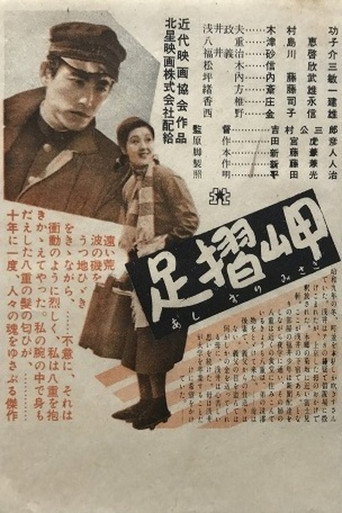
9.0Among Yoshimura’s complex and political works, this episodic film, set in the early 1930s, follows the life of a young left-wing student activist disenchanted by the increasingly hawkish state of Japanese society.
Cape Ashizuri
1954
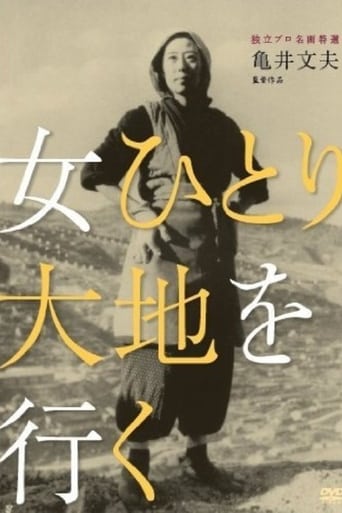 7.0
7.0Onna Hitori Daichi wo Yuku (A Lonely Woman in a Lonely Land, Kinuta Production, 1953) was the second feature film directed by Kamei Fumio, who is known as a master of documentary films, and followed his “Haha Nareba Onna Nareba(Become a Mother, Become a Woman)” (1952).
A Lonely Woman in a Lonely Land
1953
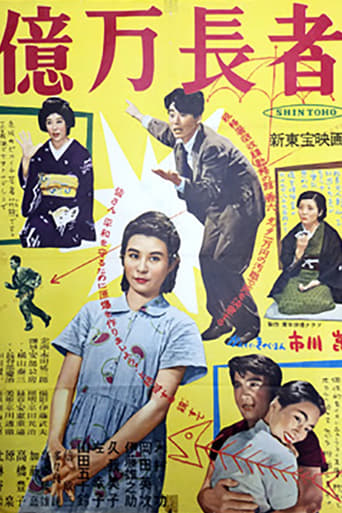 6.8
6.8An ethical, young tax collector new to his area encounters increasingly absurd individuals and groups coping with their post-war woes.
A Billionaire
1954
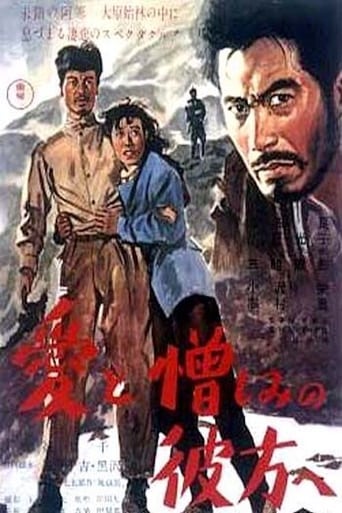 7.0
7.0A young man, convicted of a crime and imprisoned in the penitentiary, comes to believe that his wife is being unfaithful to him. He contrives his escape from the prison in order to seek her out and learn the truth, but the police give chase and he must flee into the mountains.
Beyond Love and Hate
1951
 7.7
7.7A war widow with a young boy manages a farm with her bossy mother-in-law. When a reporter comes to interview her, the two begin an affair. He turns out to be married and won't leave his wife. Her older brother tries to marry off his children and hang on to/ extend his farm through an advantageous marriage in the face of threatened land confiscation and the desire of his children to get comfortable urban jobs instead of the backbreaking work in the paddy fields under parental control.
Summer Clouds
1958
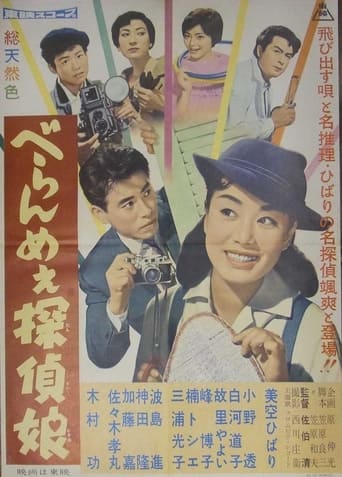 NR
NRWoman private eye Emiko goes undercover to reveal the truth of a murder case.
Tokyo Detective Girl
1959
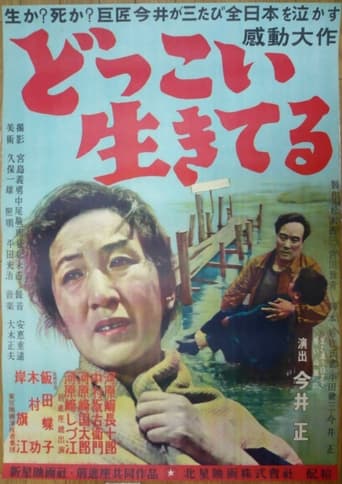 6.0
6.0About the struggles of day labourers to achieve dignity and a standard of living above the starvation level. Utilising the Zenshinza theatrical troupe.
Still I Live On
1951
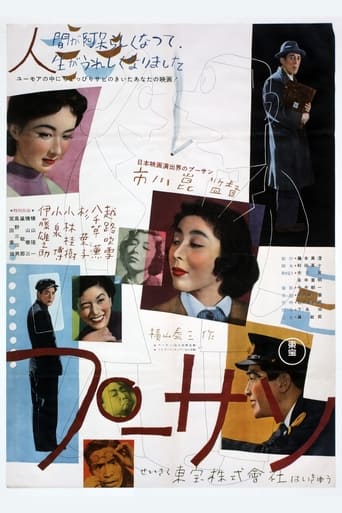 6.5
6.5A math teacher loses his job while falling in love with a local girl.
Mr. Pu
1953
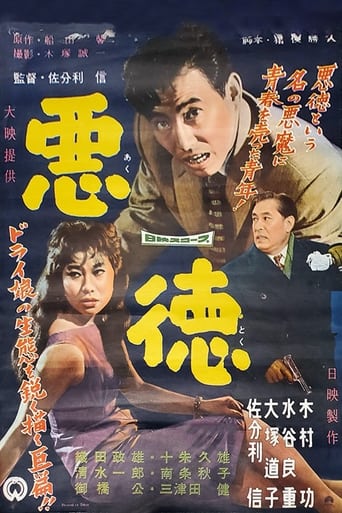 NR
NRA movie adaptation of Funayama Kaoru's novel of the same name, which depicts the story of a modern youth who is attracted to the evil path. Saburi Shin, a well-known actor who also demonstrated his skill as a director in a bold social work, embodies a person with a complicated dilemma in a shadowy manner, and is a dramatic work that plays a part in the lead role.
Vice
1958
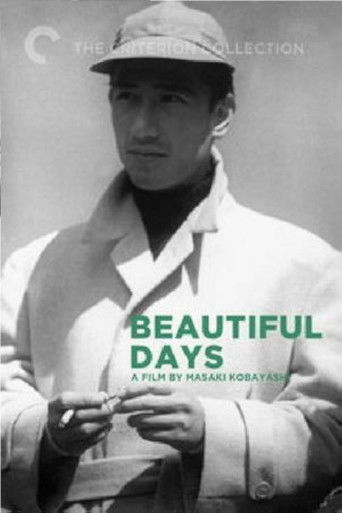 6.9
6.9A romantic drama depicting the lives of two generations of a family who run a Tokyo florist shop.
Beautiful Days
1955
 8.0
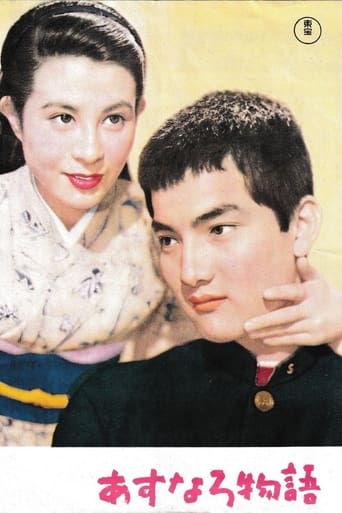
8.0No synopsis available yet.
Tomorrow I'll Be a Fire-Tree
1955
 6.1
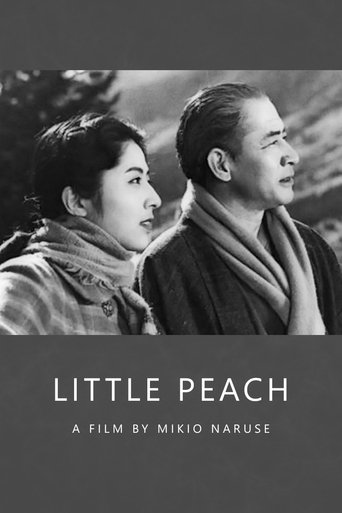
6.1Anzukko (Little Peach) is the daughter of a successful writer. She turns down each one of her suitors, until she marries a beginning writer named Ryokichi. Their life quickly sinks into despair.
Little Peach
1958
 6.4
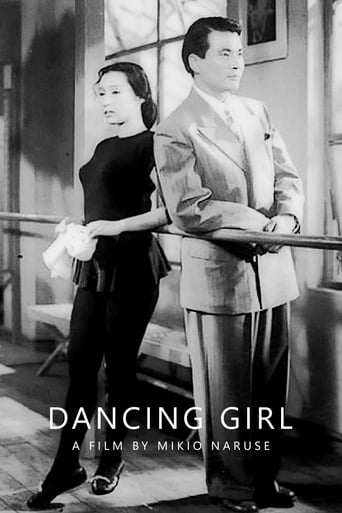
6.4The troubled relationship between a writer and his ballet teacher wife, who has for years loved another man, finally leads to the breakup of the family.
Dancing Girl
1951
 NR
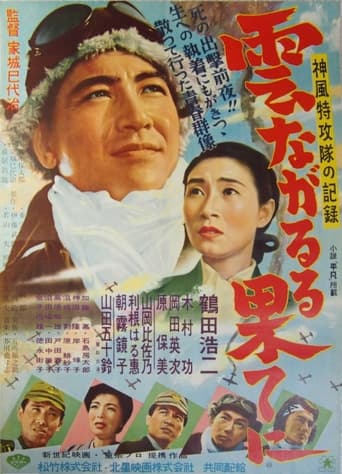
NRA movie that depicts the tragic fate of many Yokaren flight-academy pilots.
At the End of the Clouds
1953
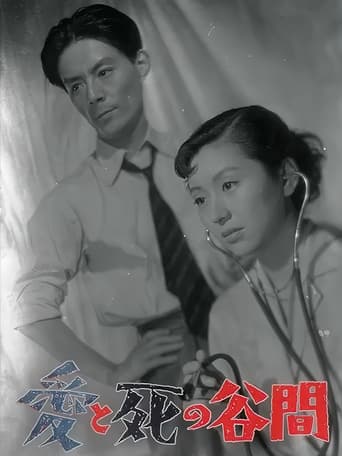 8.0
8.0A great ambition to portray with sharp satire and humor the course of modern anxiety and love that is about to be driven to despair.
The Valley Between Love and Death
1954
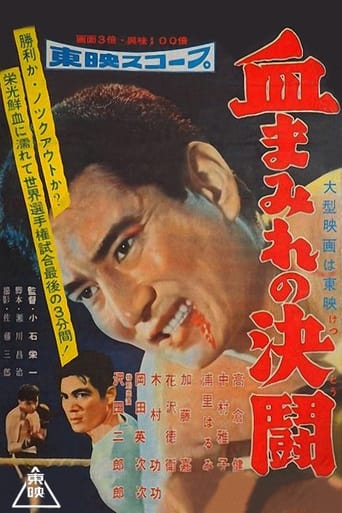 NR
NRHayata and his best friend Ushijima came to Tokyo to become champions. Hayata repeatedly sought to join Tamura's boxing club, but Tamura fell in love with Ushijima's punch. Then Hayata decides to become Ushijima's manager and make good money on his friend's talent. Ushijima himself is a peaceful, kind guy who doesn't really like boxing, but under the wise guidance of Hayata, he starts to defeat one opponent after another...
Showdown in Blood
1957
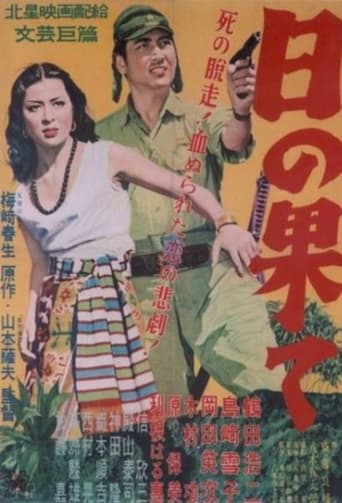 7.5
7.5Military doctor Leutenant Hanada deserts during the war in the Philippines with a local girl. The officer in command orders Lieutenant Uji to shoot Hanada. Uji takes a sharpshooter called Takagi and tracks him. At first Uji cannot forgive Hanada but as Uji is isolated from the main force he too starts to think of desertion.
The End of a Day
1954
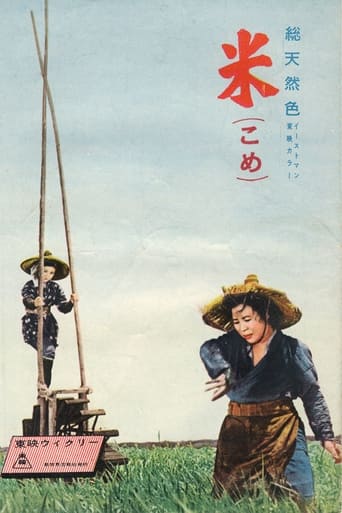 6.8
6.8A touching story depicting the harsh lives of farmers in Kasumigaura. An attempt to start a fishery business to revive an ailing farming community creates friction amongst the proud residents.
Rice
1957
 9.0
9.0No synopsis available yet.
The Sacrifice of the Human Torpedoes
1955
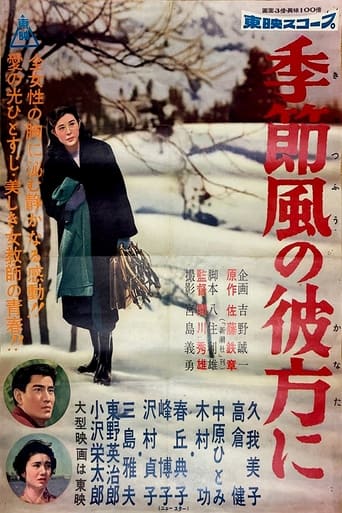 9.0
9.0Japanese drama film.
Beyond the Seasonal Wind
1958
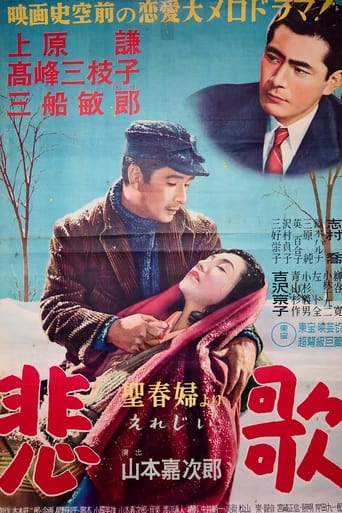 9.0
9.0Wataru Naohiko who has the prosecutor general as his father became a young composer and its symphony "saint" invoked the world echoed. But his disciple Uchiyama and his best friend prosecutor Daisuke Toki accused his music as a sesame of pause-only technique, not a truly heart-hungry art.
Elegy
1951
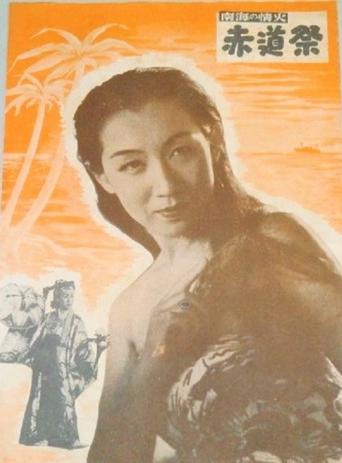 NR
NRNo synopsis available yet.
Sekidô matsuri
1951
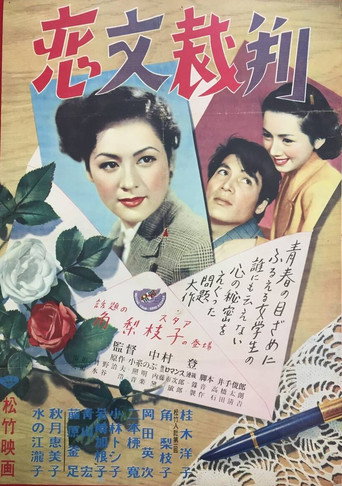 NR
NRThis story takes place at a school under the new educational system. It all began when a love letter addressed to Takeshi Kodama, the straightforward art teacher, from Yoko Kagawa, a young and beautiful female teacher, was found lying in the school hallway. It soon became clear that Ms. Kagawa was not the one who had written the letter, but this incident made her feel the need to explore the emotions of her adolescent female students.
The Love Letter Trial
1951
 NR
NRNo synopsis available yet.
Student Double Suicide
1954
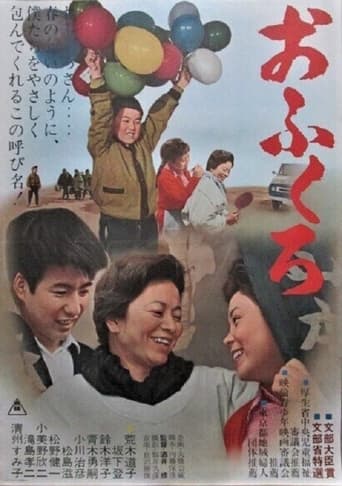 7.0
7.0Shizuka, Eiichiro, and Mineko, their father and son, live modestly in a certain suburb, leading a dreary but happy life. Eiichiro is troubled by Shizuka's desire to live together in familiar Tokyo. Mineko is the exact opposite of Eiichiro. A literary masterpiece depicting the fateful sorrow and humor of a mother and child
Ofukuro
1955
1940s · 2 titles
7.6A bad day gets worse for young detective Murakami when a pickpocket steals his gun on a hot, crowded bus. Desperate to right the wrong, he goes undercover, scavenging Tokyo’s sweltering streets for the stray dog whose desperation has led him to a life of crime. With each step, cop and criminal’s lives become more intertwined and the investigation becomes an examination of Murakami’s own dark side.
Stray Dog
1949
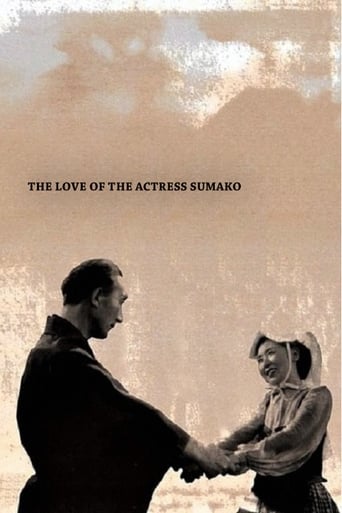 7.0
7.0Stage director Shimamura, who is bringing western theatre to Japan, falls in love with outspoken actress Sumako Matsui, and leaves his family to be with her, while trying to keep his Art Theatre solvent.
The Love of the Actress Sumako
1947
Series credits
NRThe 24th NHK Asadora. Starring Senri Yamazaki as a woman who makes her life at a fishing port.
Ayu no uta
1979
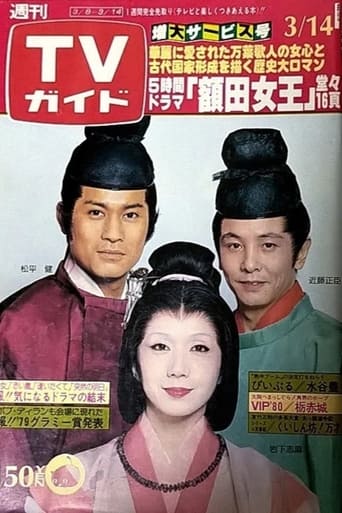 NR
NRA historical romance about the life of Princess Nukata, a Manyo poetess who was loved by two brothers, Emperor Tenji and Emperor Tenmu, and the formation of an ancient nation.
Nukata no Ōkimi
1980
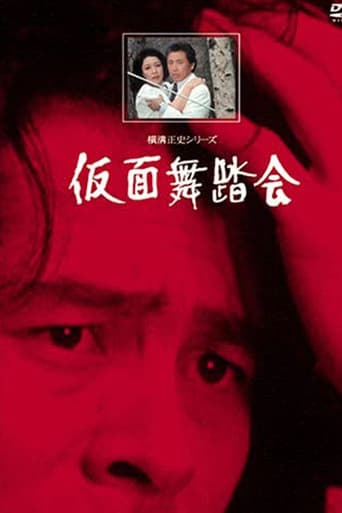 NR
NRKindaichi becomes involved in the case of an actress whose husbands keep dying mysteriously — and her new fiancé has just received a threatening letter.
Seishi Yokomizo Series II Masquerada
1978
 NR
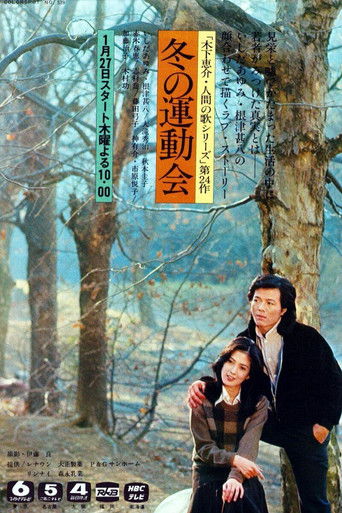
NRA love story about a young man who, despite being shunned by his father after shoplifting in high school, strives to live strongly with the support of his girlfriend..
Fuyu no Undokai
1977